Items Similar to Japanese Antique Sacred Horse "Shinme" 1800s-1860s / Primitive Wabisabi
Want more images or videos?
Request additional images or videos from the seller
1 of 21
Japanese Antique Sacred Horse "Shinme" 1800s-1860s / Primitive Wabisabi
$2,300
£1,730.60
€1,999.37
CA$3,229.15
A$3,488.54
CHF 1,855.94
MX$41,976.63
NOK 23,500.09
SEK 21,491.47
DKK 14,936.30
About the Item
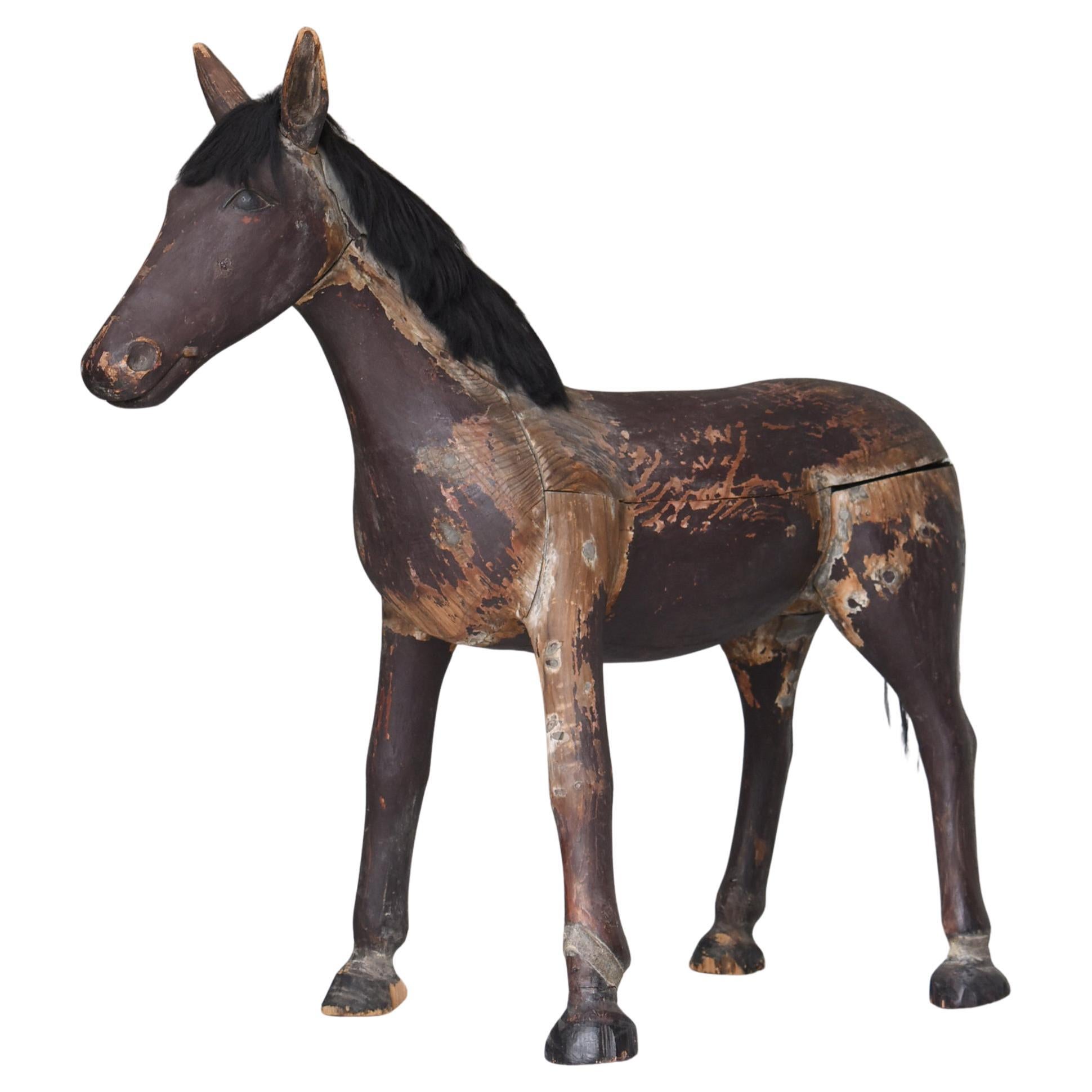
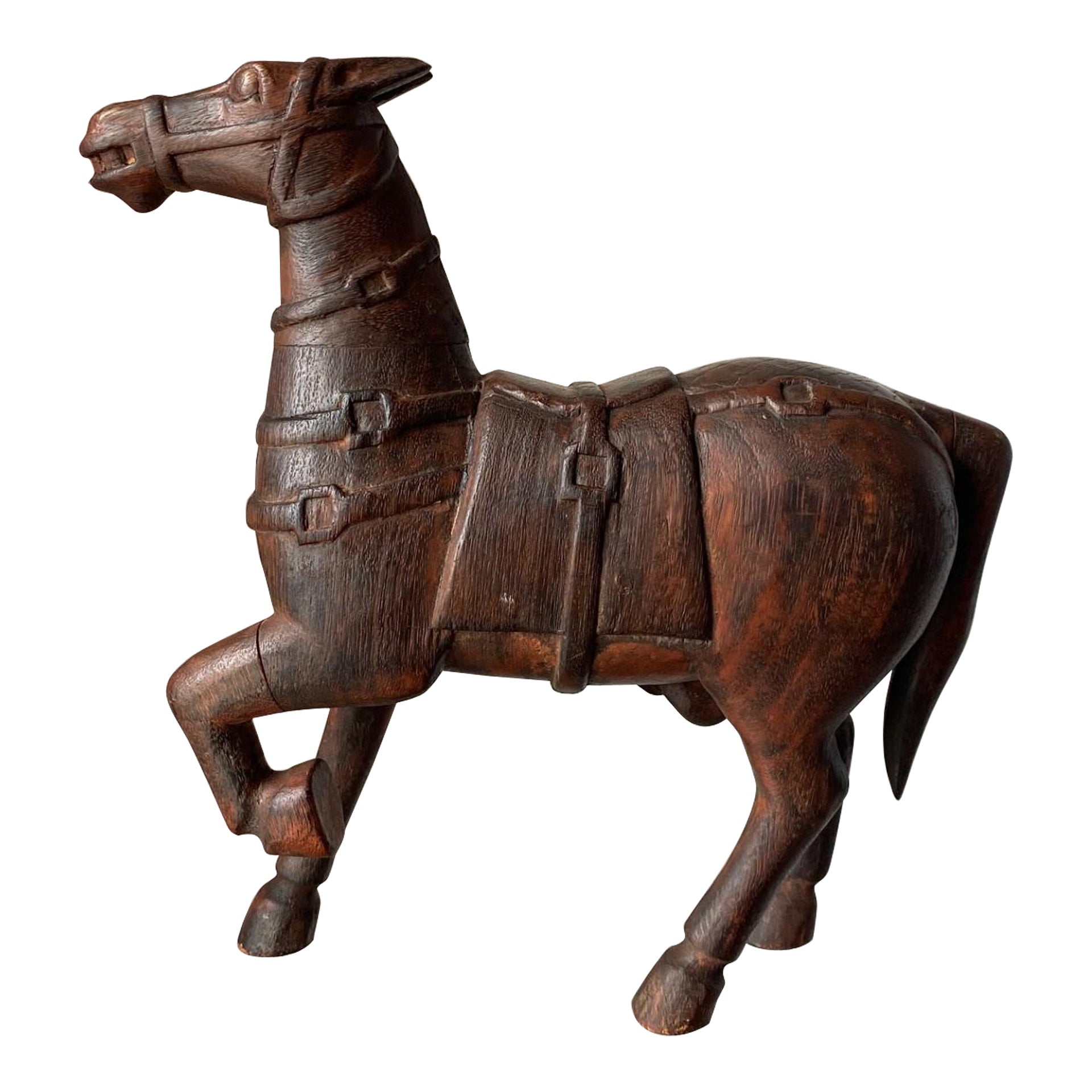
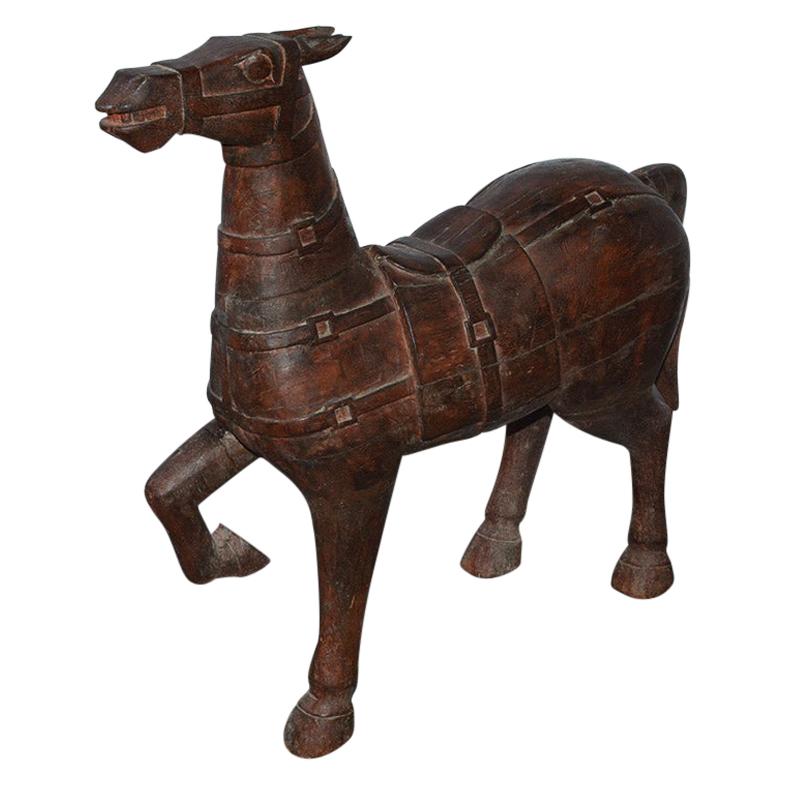
This is an old Japanese carved wooden horse, a highly valuable piece created in the late Edo period (early 1800s–1860s). In Japan, it is known as a "Shinme" (sacred horse), a term referring to the divine horses dedicated to Shinto shrines.
Since ancient times, Shinme have been revered as the steeds of the gods, protectors of sacred grounds. During festivals and rituals, white horses or wooden effigies of horses were often dedicated as offerings. This work was likely created in the spirit of such traditions of devotion and prayer.
The horse is carved from cedar wood and finished with a deep, rich coat of red lacquer. The presence of a carved phallus indicates that it represents a stallion. Over the course of many decades, parts of the lacquer have naturally worn away, yet this weathering has imbued the piece with a decadent, timeworn beauty and a unique presence shaped by the passage of time.
The carving is both powerful and unrefined, preserving the direct touch of the artisan who created it. Unlike modern precision craftsmanship, it exudes a primitive charm. Its stance remains dignified, embodying the noble bearing of a Shinme that once stood watch over sacred grounds.
This wooden carving is far more than a decorative object or antique—it is a symbol of spirituality and devotion, passed down through generations. It encapsulates the Japanese aesthetic of wabi-sabi, where imperfection, age, and wear are embraced as integral elements of beauty.
With its historical value, sacred heritage, and sculptural presence, this Shinme stands as a rare and culturally significant art piece representing the spirit and tradition of Japan.
Weight: 4.5 kg
___________________________________________
Our Philosophy
Objects always tell the truth.
All I can do is just to face with them sincerely and give
them deep affection as much as I can.
There is no boundary of nationalities and of eras in beauty.
But I think now is the time we choose 'Japanese style' and it
will be the best way to remind us of what we are losing
today and to question us about an essence of beauty again.
I hope that you can touch the memories which the objects here have,
feel and think of something invisible but exists undoubtedly.
- Dimensions:Height: 22.05 in (56 cm)Width: 21.26 in (54 cm)Depth: 6.11 in (15.5 cm)
- Style:Edo (Of the Period)
- Materials and Techniques:
- Place of Origin:
- Period:
- Date of Manufacture:1800s-1860s
- Condition:Wear consistent with age and use.
- Seller Location:Chōsei District Nagara, JP
- Reference Number:1stDibs: LU10403246100182
About the Seller
4.8
Platinum Seller
Premium sellers with a 4.7+ rating and 24-hour response times
Established in 2017
1stDibs seller since 2025
69 sales on 1stDibs
Typical response time: 2 hours
- ShippingRetrieving quote...Shipping from: Chōsei District Nagara, Japan
- Return Policy
More From This Seller
View AllJapanese Antique Sacred Horse Wooden Statue "Shinme" 1800s-1860s / Wabi Sabi
Located in Chōsei District Nagara, JP
This is a very rare carved wooden statue of a sacred horse that was dedicated to a Japanese shrine. It was produced during the Edo period (1800s-1860s), and the main material used is...
Category
Antique Mid-19th Century Japanese Edo Sculptures and Carvings
Materials
Cedar
$5,040 Sale Price
37% Off
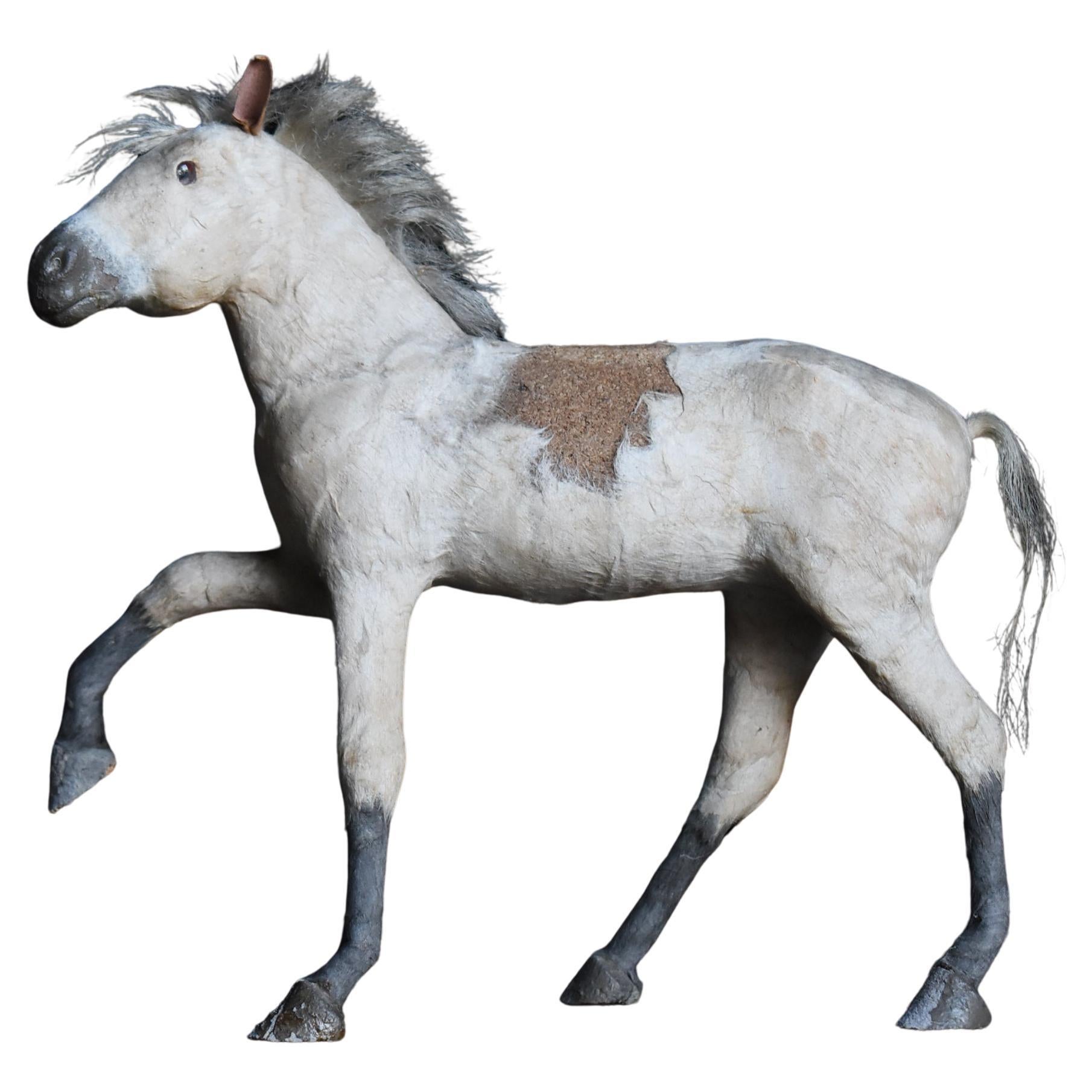
Japanese Antique Horse Figurine 1900s-1940s / Sculpture Object Wabi Sabi
Located in Chōsei District Nagara, JP
This is an antique Japanese horse figurine, crafted in the early Shōwa period (1900s–1940s).
Although simple in form, it carries a distinct sense of life—an expressive charm that cou...
Category
Mid-20th Century Japanese Showa Antiquities
Materials
Glass, Wood, Paper
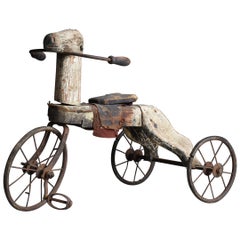
Japanese Antique Wooden Horse Tricycle 1860s-1900s / Wabi Sabi Object
Located in Chōsei District Nagara, JP
This is an old wooden tricycle made in Japan during the Meiji period (1860s–1900s).
An exceptionally rare piece in the history of Japanese toys, it was once used by children more tha...
Category
Early 20th Century Japanese Primitive Sculptures and Carvings
Materials
Iron
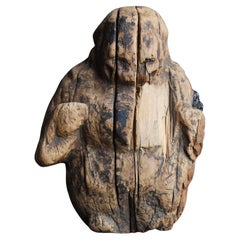
Japanese Antique Wood Carving Daikokuten 1800s-1860s / Figurine Wabisabi
Located in Chōsei District Nagara, JP
This is an old Japanese wooden carving of Daikokuten, created during the Edo period (1800s–1860s). It is carved from sugi (Japanese cedar). Having endured the passage of centuries, i...
Category
Antique Late 19th Century Japanese Edo Sculptures and Carvings
Materials
Cedar
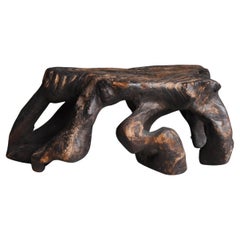
Japanese Antique Primitive Side Chair 1900s-1940s / Display Stand Wabi Sabi
Located in Chōsei District Nagara, JP
This is an old Japanese primitive-style stool or stand, believed to have been crafted in the early Showa period (1900s–1940s). The material appears to be kiri (paulownia wood), known...
Category
Mid-20th Century Japanese Primitive Side Chairs
Materials
Wood
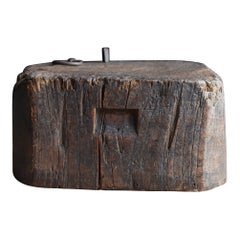
Japanese Antique Wooden Block Workbench 1900s-1940s / Display Stand Wabisabi
Located in Chōsei District Nagara, JP
This is an old Japanese wooden block workbench, believed to have been used in the early Showa period (1900s–1940s). The material is zelkova (keyaki) wood.
The countless scratches, dents, and the smoothness of its surface are proof of the many years of daily use and the touch of human hands that have polished it over time. The iron fittings remaining on the surface tell the story of the work once performed here, while also serving as a striking visual accent.
The inherent durability and beautiful grain of zelkova have gained even greater depth through the passage of time, creating a unique and irreplaceable texture. Left as it is, it stands as a powerful art piece; as a display stand, it functions beautifully to enhance the presence of whatever is placed upon it.
There is a slight tilt, but this too is part of its individuality, telling the tale of its long history. It is not in perfection, but in the imperfections shaped by time, that the Japanese aesthetic of wabi-sabi resides.
This wooden workbench is more than just an old tool — it is a sculptural object that reflects the era and the lives of the people who used it. Whether in a home interior, gallery, or as store display furniture...
Category
Mid-20th Century Japanese Primitive Antiquities
Materials
Wood
You May Also Like
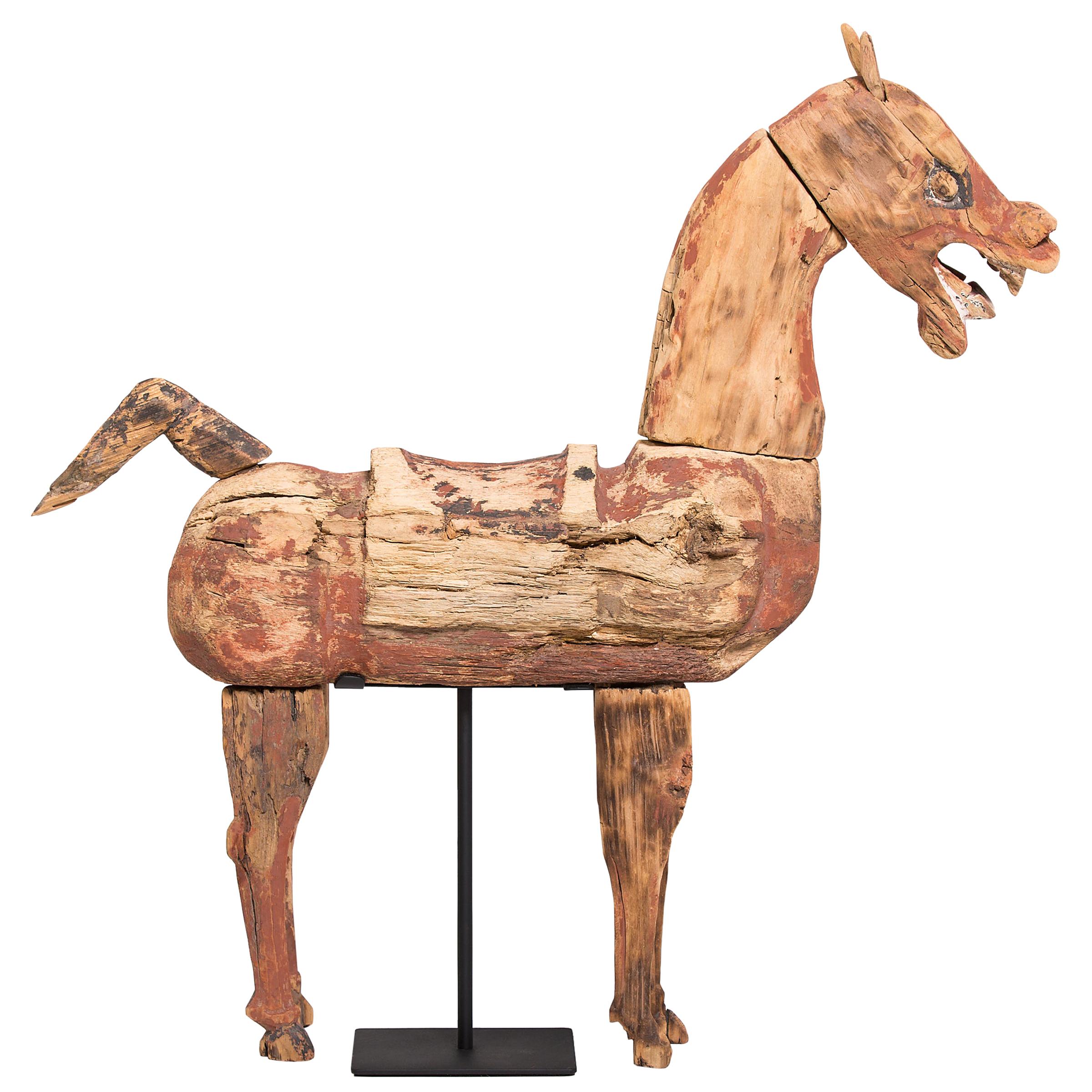
Chinese Ming Celestial Mingqi Horse Figure
Located in Chicago, IL
This hand carved Chinese wooden horse is a type of centuries-old burial figurine known as míngqì. Depicting the pleasures of daily life, míngqì f...
Category
Antique 16th Century Chinese Ming Sculptures and Carvings
Materials
Wood
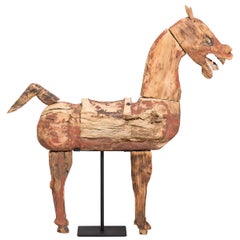
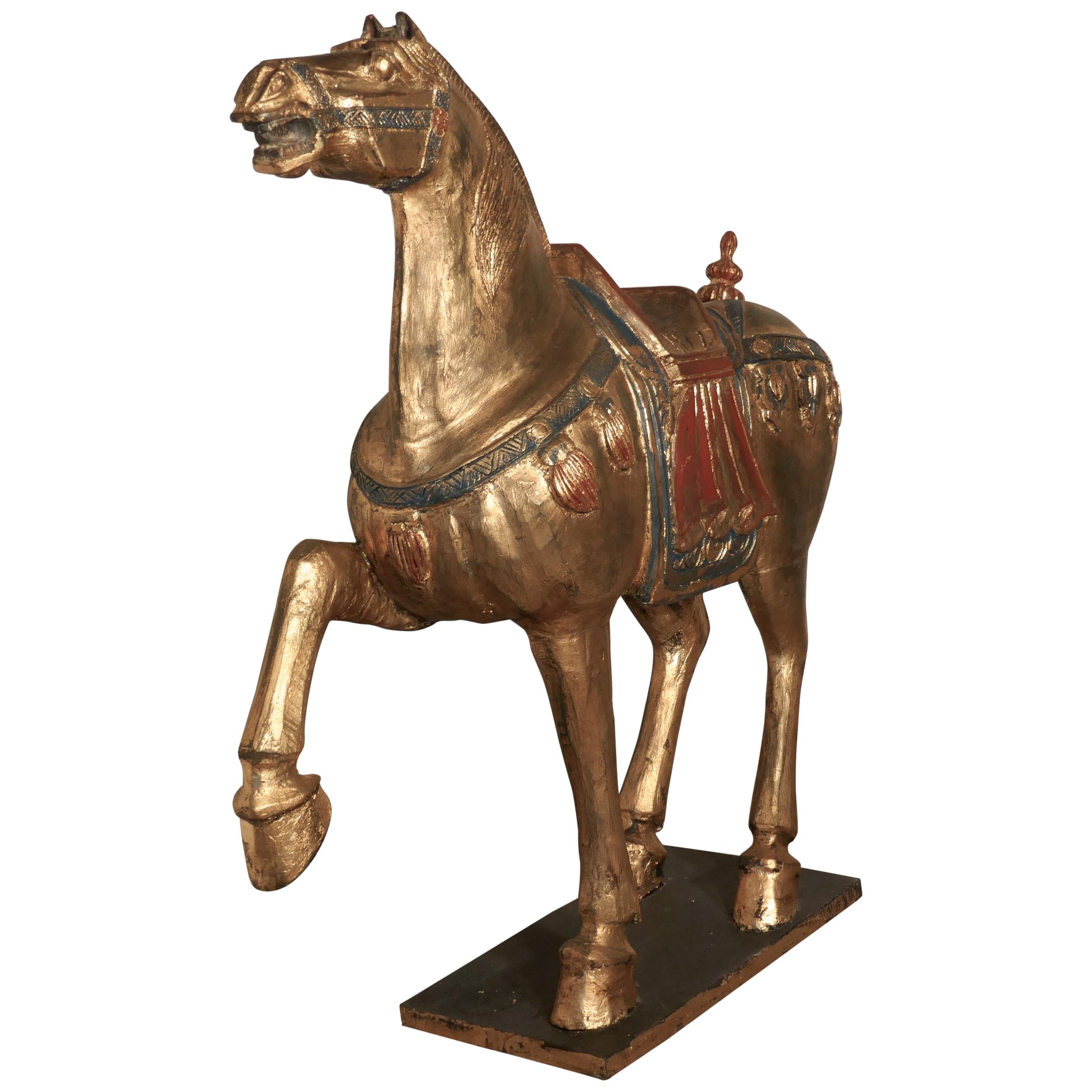
Mid-19th Century Carved and Painted Wooden Tang Dynasty Horse
Located in Godshill, Isle of Wight
Mid-19th century carved and painted wooden Tang dynasty horse
This is a superb piece of Chinese Folk Art, superbly carved in wood, in the classic statue...
Category
Antique Mid-19th Century Chinese Export Animal Sculptures
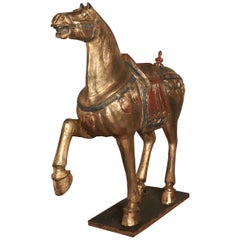
Antique Tang-Style Horse Sculpture
Located in San Diego, CA
The beautifully hand carved Chinese wood horse is in the style of those produced during the Tang Dynasty. The material is a dark wood with remnant of red paint. Parts were carved sep...
Category
Early 20th Century Chinese Chinoiserie Animal Sculptures
Materials
Wood
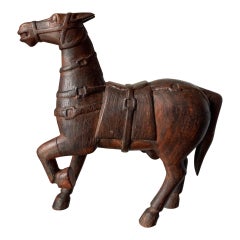
Antique Tang-Style Horse
Located in Sheffield, MA
The beautifully hand carved Chinese wood horse is in the style of those produced during the Tang Dynasty. The material is a dark wood with remnant of red paint. Parts were carved sep...
Category
Antique Late 19th Century Chinese Tang Sculptures and Carvings
Materials
Wood
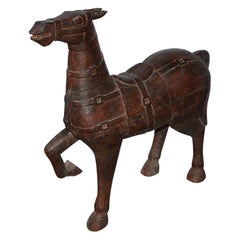
$3,400
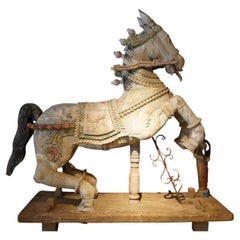
Large wooden sculpture horse, India, 19th/20th century
Located in Gorssel, GE
Large decorative Indian Hindu woodcarving depicting a horse with an attendant (possibly shiva), used for processions. Indian Temple Horse.
Polychrome woodcarving. In fair condition,...
Category
Early 20th Century Indian Sculptures and Carvings
Materials
Wood
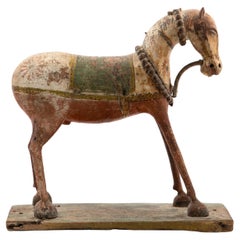
8-19th Century Wooden Horse
Located in Kastrup, DK
A Indian 18-19th century hand-carved wooden horse decorated with polychrome colors.
In original untouched condition with a beautiful age-related patina, showing the antique authentic...
Category
Antique 18th Century Indian Folk Art Animal Sculptures
Materials
Wood
More Ways To Browse
Antique Carved Horse
Antique Wooden Horse
Antique Wooden Horses
Primitive Japanese
Wooden Carved Horse
Antique Phallus
Antique Primitives 1800s
Primitive Horse
Inlay Gem
Japanese Edo Buddha
Asian Woman Sculpture
Buddha Statue China
Carved Green Jade Chinese
Monks Seat
Vintage Asian Dolls
Vintage Chinese Green Jade
Chinese Carving Polychrome
Chinese Polychrome Carved Wood