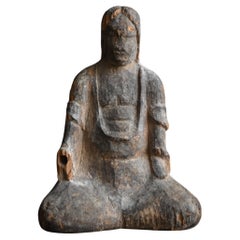
Items Similar to Japanese Antique Wood Carving Daikokuten 1800s-1860s / Figurine Wabisabi
Want more images or videos?
Request additional images or videos from the seller
1 of 15
Japanese Antique Wood Carving Daikokuten 1800s-1860s / Figurine Wabisabi
$500
£380.74
€438.41
CA$708.54
A$762.14
CHF 407.31
MX$8,983.46
NOK 5,135.22
SEK 4,694.57
DKK 3,275.67
About the Item
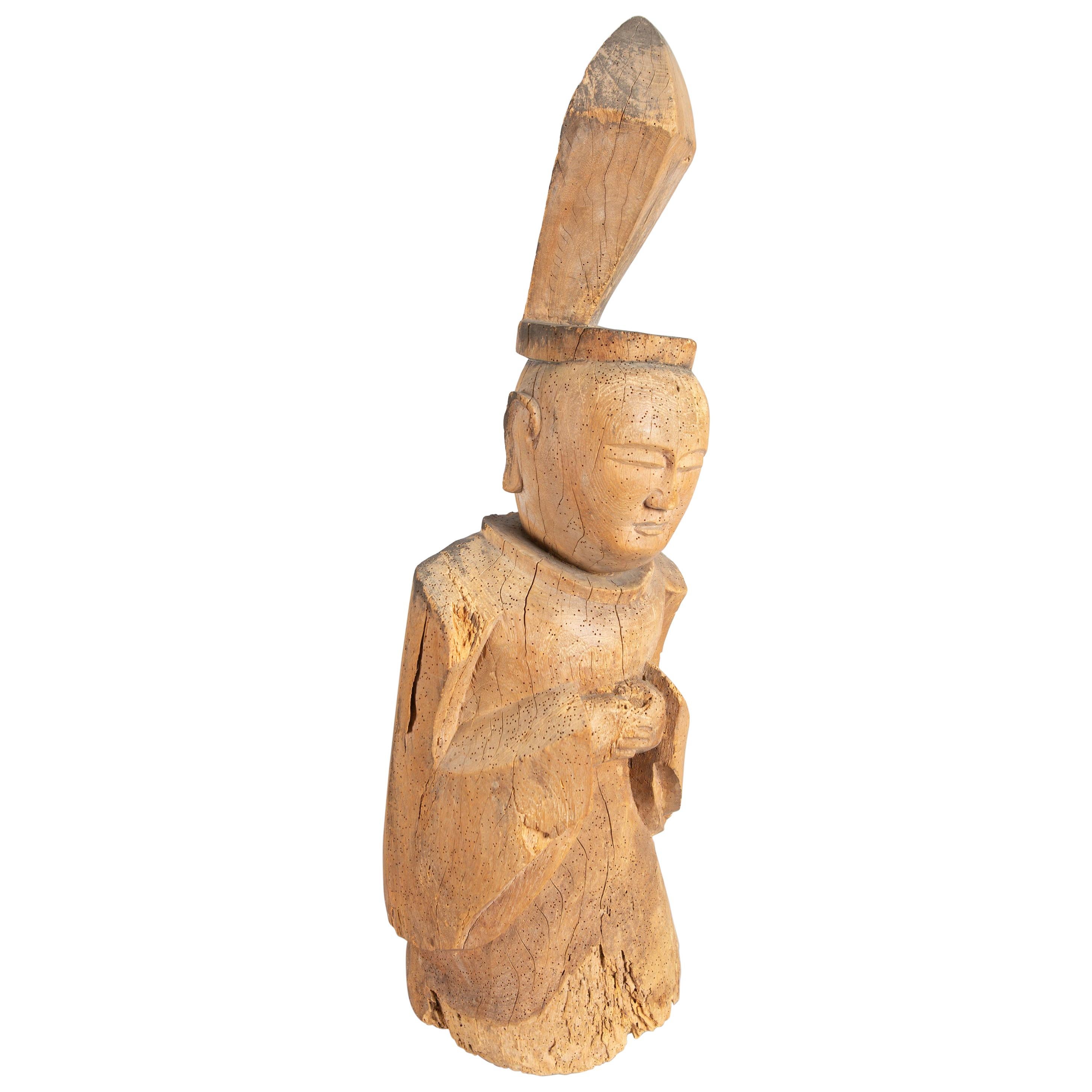
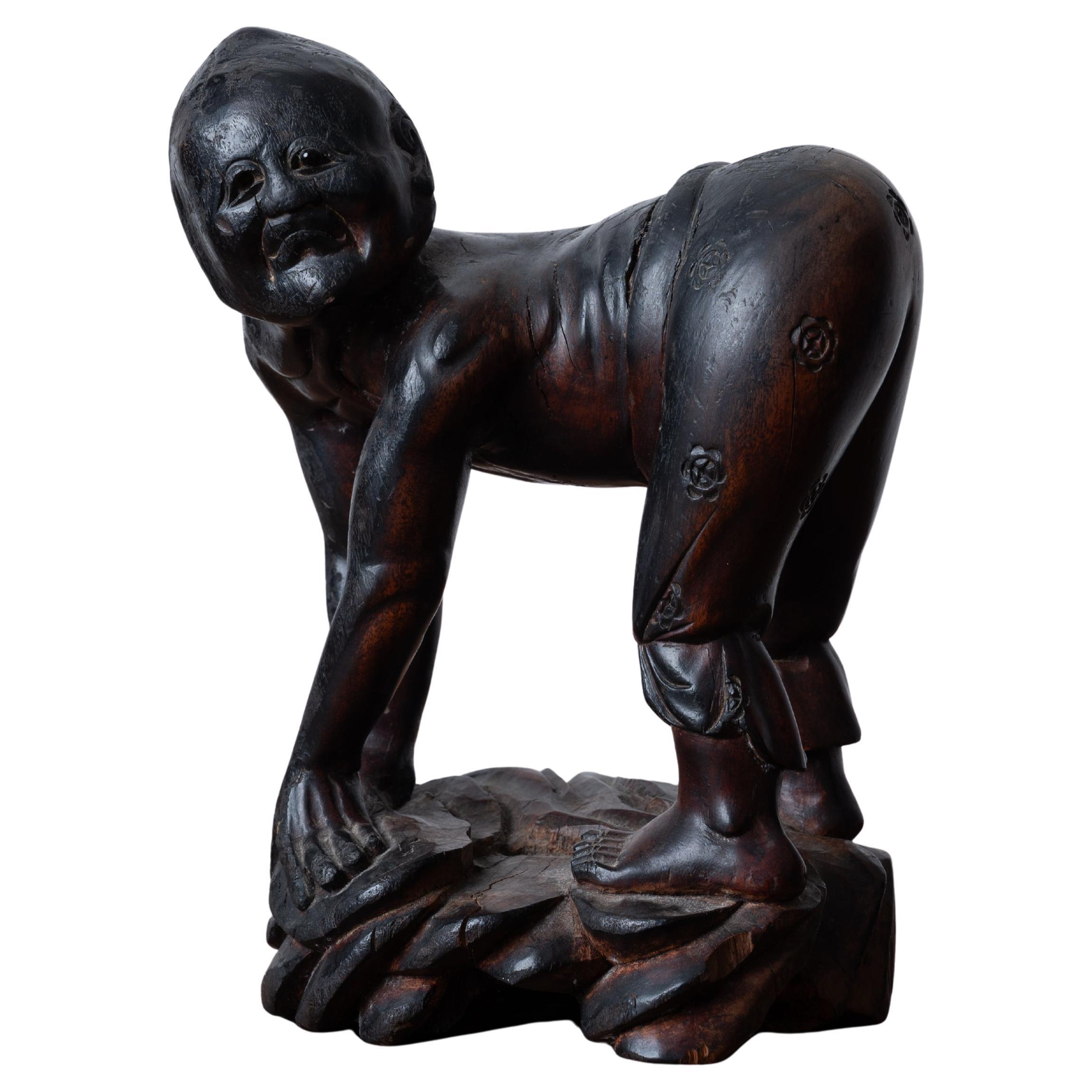
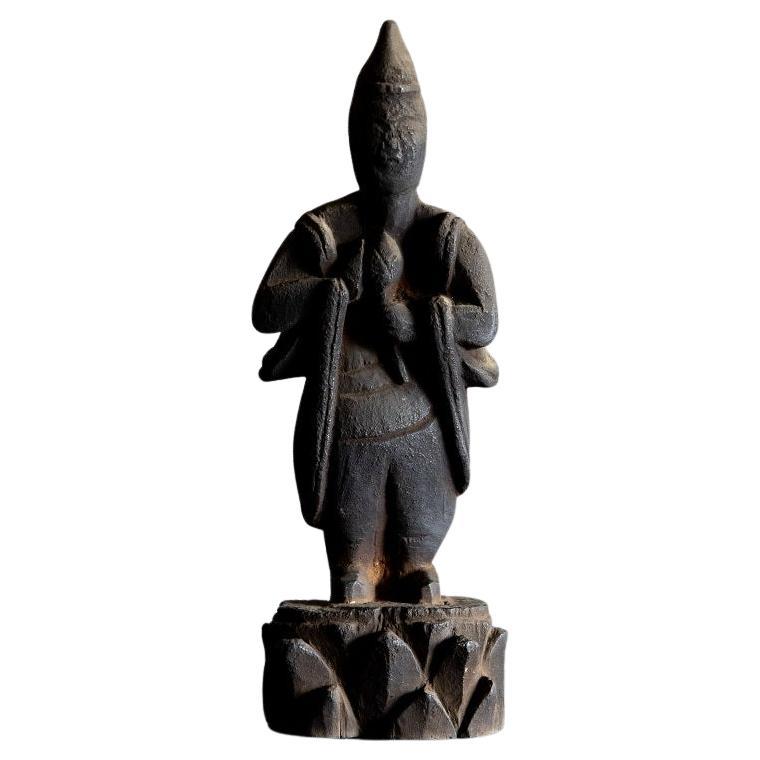
This is an old Japanese wooden carving of Daikokuten, created during the Edo period (1800s–1860s). It is carved from sugi (Japanese cedar). Having endured the passage of centuries, its weathered form is not merely an aged statue but a tangible trace of history carried across time.
Daikokuten is one of Japan’s Seven Lucky Gods, revered as the deity of wealth and prosperity. He is often depicted with a mallet of fortune and bales of rice, symbols of bountiful harvests and flourishing trade. For generations, his figure has been cherished as a guardian of daily life and an enduring focus of prayer.
While this piece retains the original sacred presence of Daikokuten, it now shows the profound marks of survival through harsh conditions. The cedar surface is deeply cracked, bearing scars that resemble burns and cuts, as though nature and time themselves had acted as sculptors. Its present form inspires the imagination, evoking questions about the trials it endured, and stands as living evidence of its miraculous survival into the modern age.
No longer confined to the role of a religious object, it has transcended into an art piece in its own right. The slow collapse of its devotional form has given rise to a new kind of beauty—the beauty of imperfection. This quality epitomizes the Japanese spirit of wabi-sabi. Placed within a quiet space, it will resonate with a sense of depth, spirituality, and the weight of time.
Weight: 300 g
_____________________________
Our Philosophy
Objects always tell the truth.
All I can do is just to face with them sincerely and give
them deep affection as much as I can.
There is no boundary of nationalities and of eras in beauty.
But I think now is the time we choose 'Japanese style' and it
will be the best way to remind us of what we are losing
today and to question us about an essence of beauty again.
I hope that you can touch the memories which the objects here have,
feel and think of something invisible but exists undoubtedly.
- Dimensions:Height: 6.3 in (16 cm)Width: 4.73 in (12 cm)Depth: 3.15 in (8 cm)
- Style:Edo (Of the Period)
- Materials and Techniques:
- Place of Origin:
- Period:
- Date of Manufacture:1800s-1860s
- Condition:Wear consistent with age and use.
- Seller Location:Chōsei District Nagara, JP
- Reference Number:1stDibs: LU10403246605432
About the Seller
4.8
Platinum Seller
Premium sellers with a 4.7+ rating and 24-hour response times
Established in 2017
1stDibs seller since 2025
73 sales on 1stDibs
Typical response time: 3 hours
- ShippingRetrieving quote...Shipping from: Chōsei District Nagara, Japan
- Return Policy
More From This Seller
View AllJapanese Antique Wood Carving Daruma 1860-1920s / Sculpture Wabi Sabi Mingei
Located in Chōsei District Nagara, JP
This is an old wooden form of Daruma made in Japan.
It is estimated to have been made between the Meiji and Taisho periods (1860s-1920s) and seems to have been made of cedar wood.
De...
Category
Early 20th Century Japanese Meiji Sculptures and Carvings
Materials
Cedar
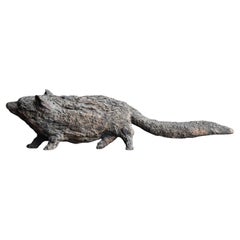
Japanese Antique Wood-Carved Tanuki Edo period 1800s-1860s / Sculpture Wabi-Sabi
Located in Chōsei District Nagara, JP
This is an old Japanese wood-carved tanuki figure. It is believed to date back to the Edo period (1800s–1860s) and is a one-of-a-kind sculpture that has quietly survived the passage ...
Category
Antique Late 19th Century Japanese Edo Sculptures and Carvings
Materials
Pine
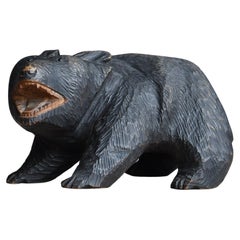
Japanese Old Wood Carving Bear 1950s-1970s / Figurine Sculpture Mingei
Located in Chōsei District Nagara, JP
This is an old Japanese wooden carving of a bear, created in the mid‑Showa period (1950s–1970s).
Each piece was carefully hand‑carved by an artisan, resulting in a simple yet charmi...
Category
Late 20th Century Japanese Showa Sculptures and Carvings
Materials
Cedar
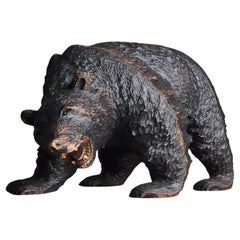
Large Japanese Old Hand-Carved Wooden Bear 1950s-1970s / Primitive Sculpture
Located in Chōsei District Nagara, JP
This is a large, old Japanese hand-carved wooden bear. With its dignified stance and overwhelming presence, it is a sculptural work that leaves a strong impression simply by being pl...
Category
Late 20th Century Japanese Primitive Sculptures and Carvings
Materials
Wood
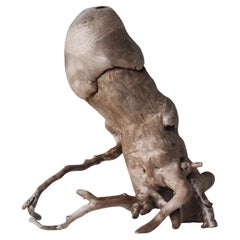
Japanese Antique Natural Wood Penis 1860s-1920s / Figurine Object Wabisabi
Located in Chōsei District Nagara, JP
This is a phallic statue made of natural wood produced in Japan.
It is estimated to have been created during the Meiji and Taisho periods (1860s-1920s), and is made of richly texture...
Category
Early 20th Century Japanese Meiji Antiquities
Materials
Pine
$800 Sale Price
20% Off
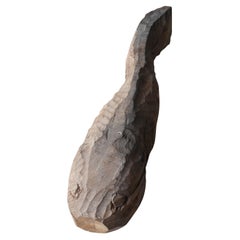
Japanese Antique Wood Carving Catfish 1900s-1940s / Figurine Object Wabisabi
Located in Chōsei District Nagara, JP
This is an old carved wooden catfish made in Japan.
It was made in the early Showa period (1900s-1940s) and is made of zelkova wood, which has a profound and beautiful grain. Zelkova...
Category
Mid-20th Century Japanese Showa Sculptures and Carvings
Materials
Wood
$400 Sale Price
42% Off
You May Also Like
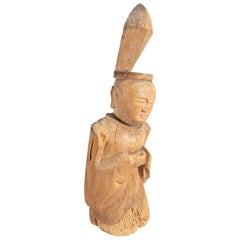
Early Shinto Carving of Figure Referred to as Father Japan
Located in Hudson, NY
Shinto carving of figure referred to as Father Japan. Heian period (794 to 1185) sculpture made of hinoki wood in single piece construction called ichiboku...
Category
Antique 15th Century and Earlier Japanese Sculptures and Carvings
Materials
Wood
A Japanese Carved Root Yōkai Figure, Meiji Period
Located in Savannah, GA
A japanese carved root yōkai figure, Meiji Period.
6 inches wide by 5 inches deep by 8 inches tall
Category
20th Century Japanese Figurative Sculptures
Materials
Wood
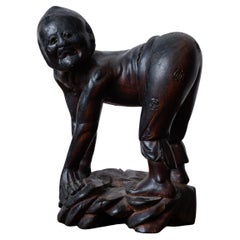
Japanese Antique Wooden Buddhist Figure, Edo Period
1603-1868
Located in Hitachiomiya-shi, 08
This antique wooden Buddhist figure was crafted in the Edo Period (1603–1868).
Although the specific identity of the deity it represents is unknown, the figure has a gentle presence...
Category
Antique Mid-17th Century Japanese Edo Figurative Sculptures
Materials
Wood
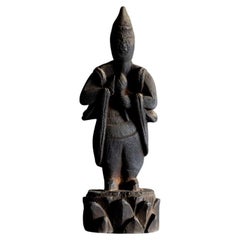
Chinese Carved Ancestor Figure, c. 1800
Located in Chicago, IL
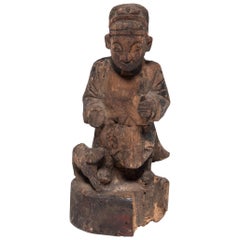
Ancestor worship was an integral part of traditional Chinese home life. This carved figure bears the likeness of one of its original owner's important for...
Category
Antique Early 19th Century Chinese Primitive Figurative Sculptures
Materials
Wood
Japanese Carved Wood Sculpture 19th Century
Located in Douglas Manor, NY
1310 Japanese carved wood sculpture.Early 19th century
Category
Antique 1820s Sculptures and Carvings
Materials
Harewood
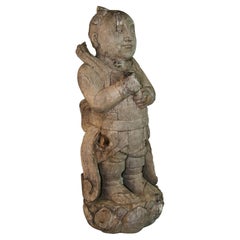
Rare Japanese antique wooden god statue /12th century/small wabi-sabi figurines
Located in Sammu-shi, Chiba
I was able to obtain a very rare item.
This is a sculpture of the god ``Shinzo''.
"Shin" = God
"zo" = statue
Since ancient times in Japan, it has been believed that gods reside in all things in the universe, and there have been many shrines.
In the 6th century, Buddhism was introduced and gradually spread throughout Japan.
Around the 8th century, the idea that gods follow the teachings of Buddha spread.
Until the Edo period, God and Buddha became one and the idea of ``Shinto and Buddhism syncretism'' was established.
This statue was created during such a history.
Originally, the image of God was invisible and could not be understood as something tangible.
However, with the introduction of Buddhism to Japan, idol worship was also introduced, and the idea that the gods follow the teachings of Buddha was also propagated at the same time in order to spread the teachings of Buddhism.
Around that time, around the 9th century, the first statues of gods...
Category
Antique 15th Century and Earlier Japanese Other Figurative Sculptures
Materials
Cypress