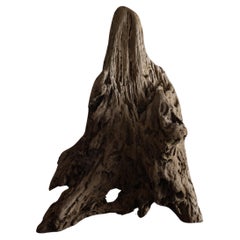
Want more images or videos?
Request additional images or videos from the seller
1 of 21
Japanese Antique Wood Carving Huge Penis 1700s-1800s / Figurine Object Wabi Sabi
$1,500List Price
About the Item
- Dimensions:Height: 31.89 in (81 cm)Width: 9.45 in (24 cm)Depth: 9.85 in (25 cm)
- Style:Edo (Of the Period)
- Materials and Techniques:
- Place of Origin:
- Period:
- Date of Manufacture:1700s-1800s
- Condition:
- Seller Location:Sammu-shi, JP
- Reference Number:1stDibs: LU5487235713592
About the Seller
5.0
Platinum Seller
Premium sellers with a 4.7+ rating and 24-hour response times
Established in 2015
1stDibs seller since 2020
1,703 sales on 1stDibs
Typical response time: 6 hours
Authenticity Guarantee
In the unlikely event there’s an issue with an item’s authenticity, contact us within 1 year for a full refund. DetailsMoney-Back Guarantee
If your item is not as described, is damaged in transit, or does not arrive, contact us within 7 days for a full refund. Details24-Hour Cancellation
You have a 24-hour grace period in which to reconsider your purchase, with no questions asked.Vetted Professional Sellers
Our world-class sellers must adhere to strict standards for service and quality, maintaining the integrity of our listings.Price-Match Guarantee
If you find that a seller listed the same item for a lower price elsewhere, we’ll match it.Trusted Global Delivery
Our best-in-class carrier network provides specialized shipping options worldwide, including custom delivery.You May Also Like
Japanese Antique Stone Carving Penis 1800s-1860s / Sculpture Wabi Sabi Mingei
Located in Chōsei District Nagara, JP
This is an old Japanese stone carving of a phallus, believed to have been made in the late Edo period (1800s–1860s). It is a rare and valuable a...
Category
Antique Late 19th Century Japanese Edo Sculptures and Carvings
Materials
Stone
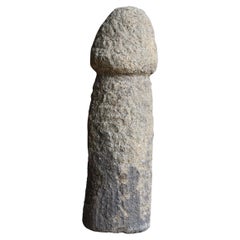
$600
H 12.21 in Dm 3.55 in
Japanese Antique Wood Carving Daikokuten 1800s-1860s / Figurine Wabisabi
Located in Chōsei District Nagara, JP
This is an old Japanese wooden carving of Daikokuten, created during the Edo period (1800s–1860s). It is carved from sugi (Japanese cedar). Having endured the passage of centuries, i...
Category
Antique Late 19th Century Japanese Edo Sculptures and Carvings
Materials
Cedar
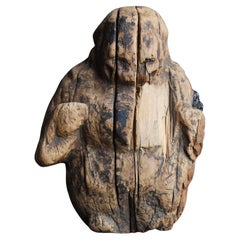
$500
H 6.3 in W 4.73 in D 3.15 in
Japanese Antique Sacred Horse Wooden Statue "Shinme" 1800s-1860s / Wabi Sabi
Located in Chōsei District Nagara, JP
This is a very rare carved wooden statue of a sacred horse that was dedicated to a Japanese shrine. It was produced during the Edo period (1800s-1860s), and the main material used is...
Category
Antique Mid-19th Century Japanese Edo Sculptures and Carvings
Materials
Cedar
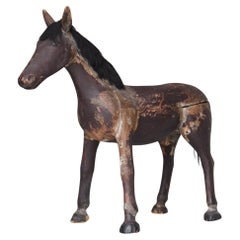
$5,040 Sale Price
37% Off
H 40.16 in W 45.28 in D 18.51 in
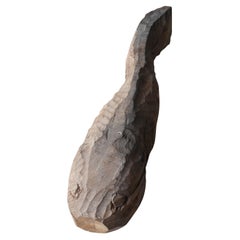
Japanese Antique Wood Carving Catfish 1900s-1940s / Figurine Object Wabisabi
Located in Chōsei District Nagara, JP
This is an old carved wooden catfish made in Japan.
It was made in the early Showa period (1900s-1940s) and is made of zelkova wood, which has a profound and beautiful grain. Zelkova...
Category
Mid-20th Century Japanese Showa Sculptures and Carvings
Materials
Wood
$400 Sale Price
42% Off
H 4.34 in W 16.54 in D 3.94 in
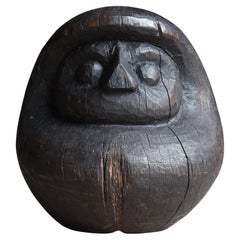
Japanese Antique Wood Carving Daruma 1860-1920s / Sculpture Wabi Sabi Mingei
Located in Chōsei District Nagara, JP
This is an old wooden form of Daruma made in Japan.
It is estimated to have been made between the Meiji and Taisho periods (1860s-1920s) and seems to have been made of cedar wood.
De...
Category
Early 20th Century Japanese Meiji Sculptures and Carvings
Materials
Cedar
$800
H 10.04 in W 9.06 in D 8.27 in
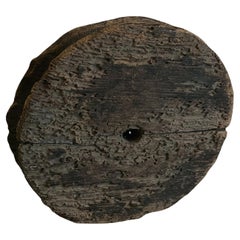
Antique Japanese Wooden Pulley - 1800s
Located in Asheville, NC
Stunning antique well pulley from Edo Period in Japan. Amazing patina, great bookshelf decor piece.
Category
Antique 19th Century Japanese Edo Sculptures and Carvings
Materials
Wood
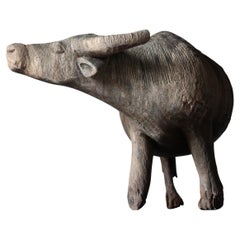
Japanese Antique Wood-Carved Water Buffalo/ Wooden Figurine/ Wabi-Sabi Primitive
Located in Iwate-gun Shizukuishi-cho, Iwate Prefecture
This is a wooden carved buffalo that has weathered naturally over the years.
It was used in a private home in the Tohoku region and is thought to have undergone gradual changes due ...
Category
Early 20th Century Japanese Primitive Sculptures and Carvings
Materials
Wood, Hardwood
$720
H 12.41 in W 18.12 in D 13.39 in
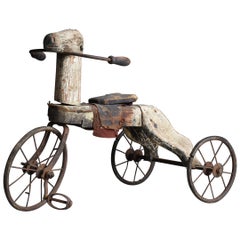
Japanese Antique Wooden Horse Tricycle 1860s-1900s / Wabi Sabi Object
Located in Chōsei District Nagara, JP
This is an old wooden tricycle made in Japan during the Meiji period (1860s–1900s).
An exceptionally rare piece in the history of Japanese toys, it was once used by children more tha...
Category
Early 20th Century Japanese Primitive Sculptures and Carvings
Materials
Iron
$2,500
H 21.26 in W 31.11 in D 18.12 in
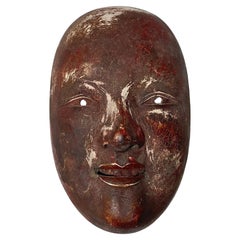
Japanese Antique Edo Wood Noh Theater Omi-Onna Ko-Omote Koomote Mask, 1700s
Located in Studio City, CA
A truly beautiful, wonderfully aged, alluring mask made for Japanese Noh theater. The naturally faded beauty and unique character drew us to this mask immediately.
The mask is hand...
Category
Antique 18th Century Japanese Edo Sculptures and Carvings
Materials
Wood
$3,450
H 8.5 in W 5.25 in D 3 in
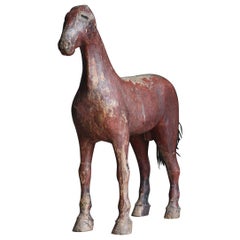
Japanese Antique Sacred Horse "Shinme" 1800s-1860s / Primitive Wabisabi
Located in Chōsei District Nagara, JP
This is an old Japanese carved wooden horse, a highly valuable piece created in the late Edo period (early 1800s–1860s). In Japan, it is known as a "Shinme" (sacred horse), a term re...
Category
Antique Late 19th Century Japanese Edo Sculptures and Carvings
Materials
Cedar, Lacquer
$2,300
H 22.05 in W 21.26 in D 6.11 in
More From This Seller
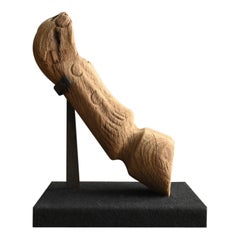
View AllJapanese antique wood carving "Kirin
s legs" /1800s/Shrines and temples carvings
Located in Sammu-shi, Chiba
Do you know Kirin?
It is a type of legendary animal that appears in Chinese mythology, and is a spiritual animal that has been passed down in Japan since ancient times.
At first glan...
Category
Antique 19th Century Japanese Edo Sculptures and Carvings
Materials
Wood
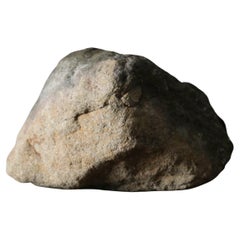
Japanese Stone Object medium / wabi-sabi
Located in Sammu-shi, Chiba
This is an old Japanese stone object.
This stone object has a beautiful black and beige gradation.
An art object that gives you a sense of wabi-s...
Category
Antique 15th Century and Earlier Japanese Japonisme Scholar s Objects
Materials
Stone
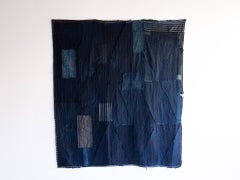
Japanese Antique Rag "BORO" 1800s-1860s / Abstract Art Wabi Sabi
Located in Sammu-shi, Chiba
This is an exceptionally old piece of Japanese fabric, dating back to the Edo period (1800s–1860s).
It has been carefully used to withstand the harsh winter cold.
Since ancient time...
Category
Antique Mid-19th Century Japanese Edo Textiles
Materials
Fabric
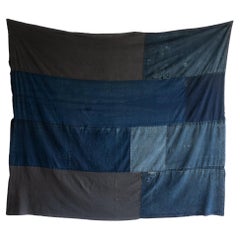
Japanese Antique Rag "BORO" 1800s-1860s / Abstract Art Wabi Sabi
Located in Sammu-shi, Chiba
This is an exceptional example of a Japanese *BORO* textile, dating from the late Edo period (1800s–1860s). Carefully preserved over generations, it embodies both the resourcefulness...
Category
Antique Mid-19th Century Japanese Edo Tapestries
Materials
Fabric
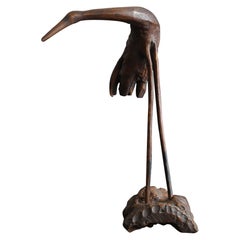
Antique Japanese wooden crane figurine / 20th century / wood carving
Located in Sammu-shi, Chiba
This wooden crane figurine was crafted in Japan in the late 20th century. The artist utilized the natural shape of the wood, particularly the roots, to carve the crane's body. The base is carved from a knot, and its powerful, organic contours convey the base's sense of life. This piece elevates nature's natural form to the crane with minimal modification.
Cranes have long been considered symbols of longevity and good fortune, and have been used in wedding and New Year's decorations. The idea of emanating the crane's shape from the roots of a tree seems to reflect the Japanese view of nature and their cherishing the "signs of things." The slender legs simply slide into the base, allowing for easy disassembly. This figurine is easy to transport and store, making it a convenient display piece.
Weighing just 0.75 kg, it can be easily placed anywhere. It enhances the traditional atmosphere when placed in a Japanese-style alcove, or in front of a modern white-walled space or exposed concrete wall, the contrast of the materials creates a striking art piece. Placing it on a windowsill, entryway shelf...
Category
20th Century Japanese Showa Sculptures and Carvings
Materials
Wood
Japanese antique objet / wood wabi-sabi object
Located in Sammu-shi, Chiba
This is an ornament whose root part of the tree changes over time and looks like a Buddha statue.
The surface of the wood has many holes and the shadows are very mysterious, and the...
Category
Mid-20th Century Japanese Showa Abstract Sculptures
Materials
Wood, Cedar