Items Similar to Japanese Boy
s day display suit of armor
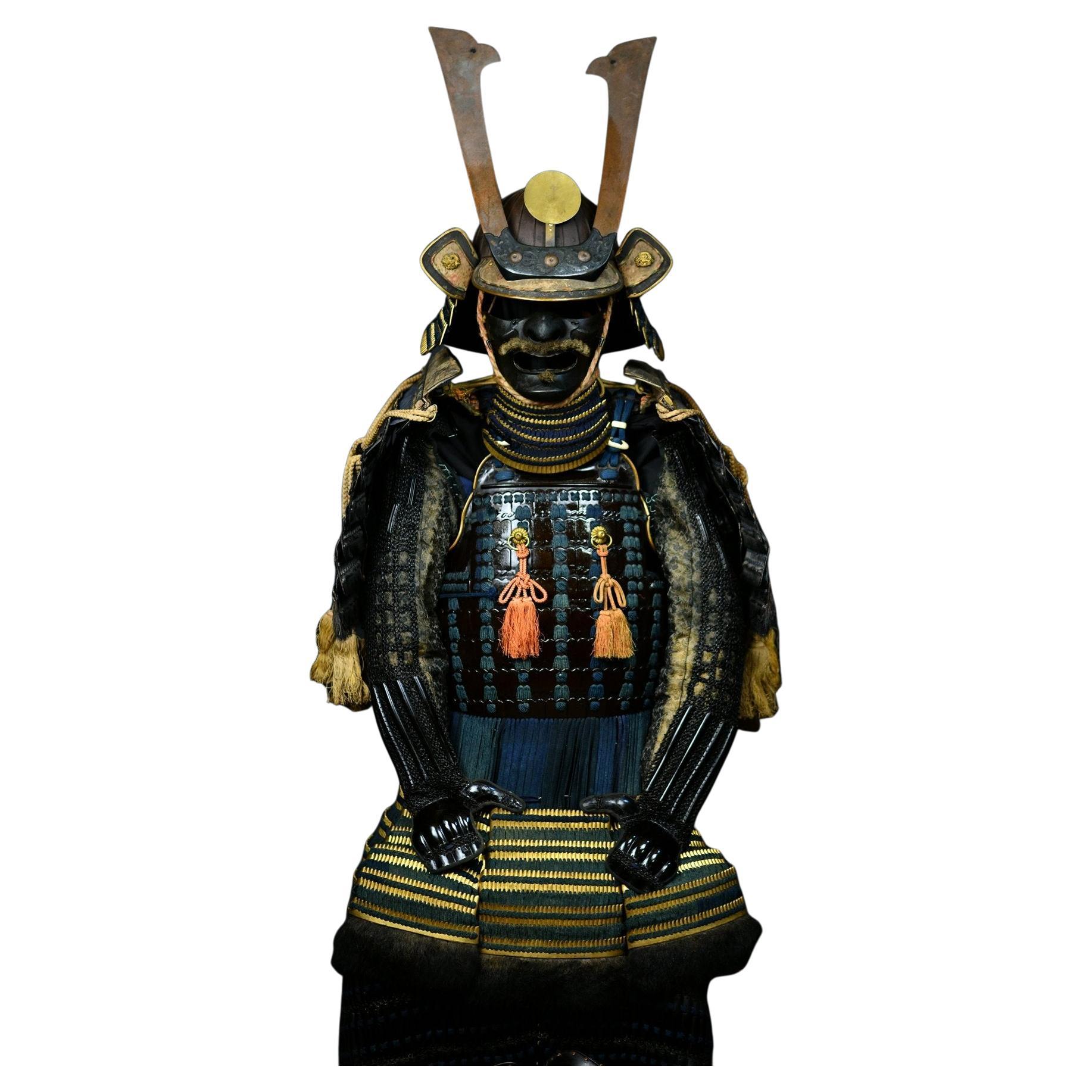
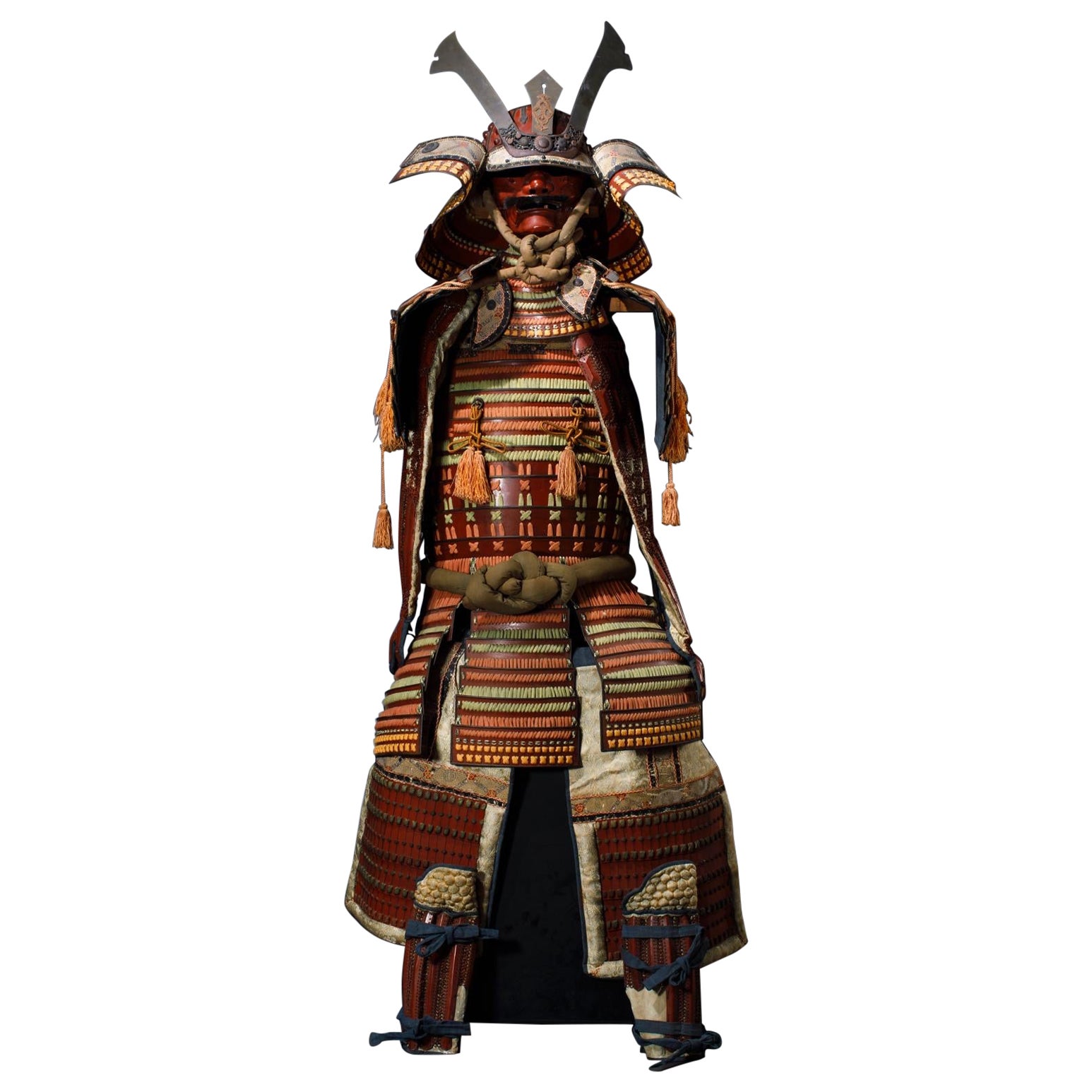
Want more images or videos?
Request additional images or videos from the seller
1 of 7
Japanese Boy
s day display suit of armor
$2,000
£1,493.40
€1,720.20
CA$2,790.91
A$2,950.71
CHF 1,585.63
MX$35,438.49
NOK 19,854.91
SEK 18,168.71
DKK 12,846.08
About the Item
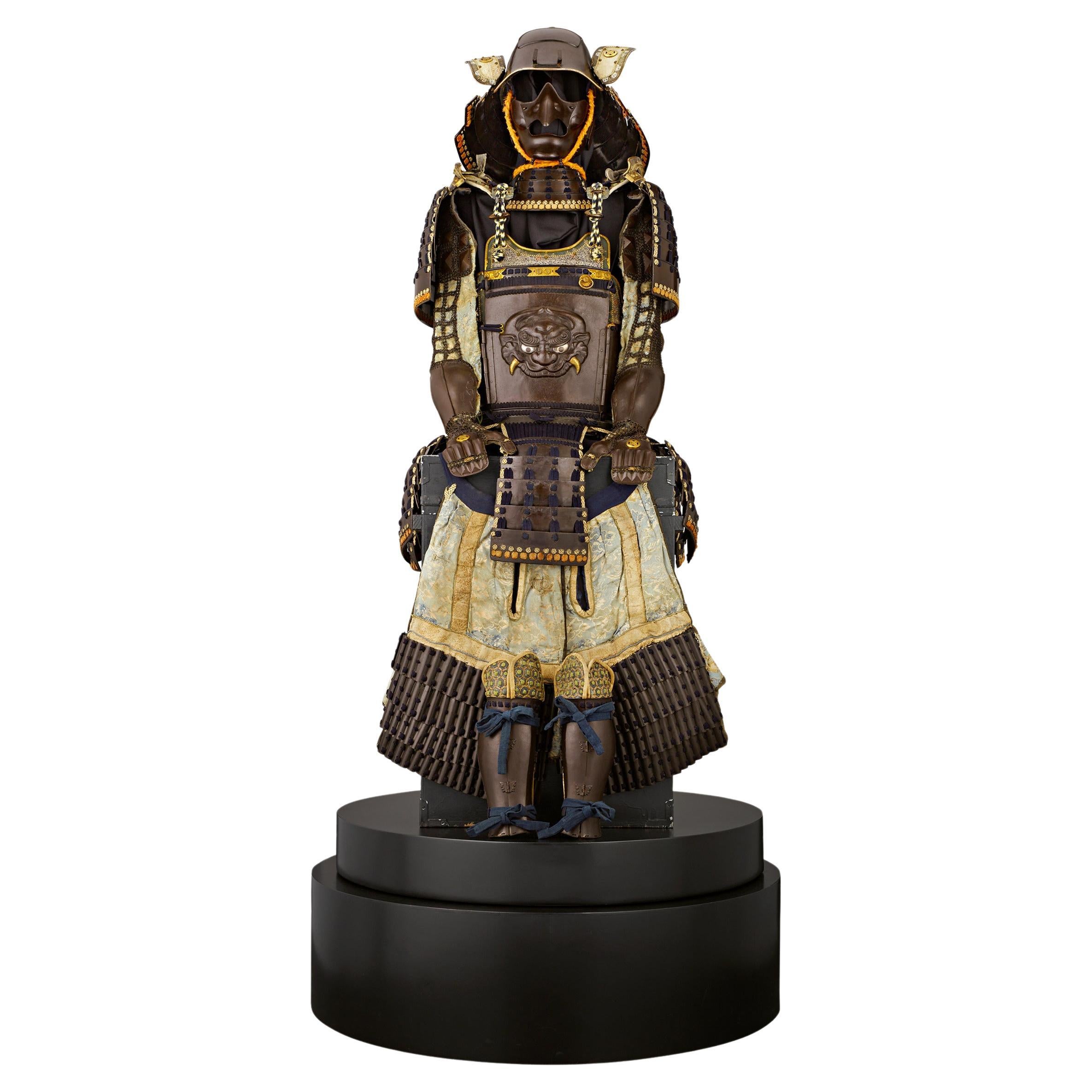
Antique Japanese miniature model of a suit of armor made for the Boy’s day display. Constructed of a lacquered paper cuirass, upper arm guards, protective skirt with silk lacing and metal fittings, large circular oak leaf (kashiwa) crest on the breast plate, fine metal kabuto (helmet) with spike design and sun and crescent moon emblem, lacquered paper face guard, silk tassels, silk protective apron, wood interior cross shaped stand, lacquered wood storage/display box with gilt character on front. Minor losses otherwise fine condition. Armor: 19 in. high, overall 34 in. high. Edo period, circa 1850.
- Dimensions:Height: 34 in (86.36 cm)Width: 10 in (25.4 cm)Depth: 10 in (25.4 cm)
- Style:Edo (Of the Period)
- Materials and Techniques:
- Place of Origin:
- Period:
- Date of Manufacture:Edo period
- Condition:Wear consistent with age and use. Minor losses.
- Seller Location:Point Richmond, CA
- Reference Number:Seller: TM-UH000191stDibs: LU1778236842012
About the Seller
5.0
Vetted Professional Seller
Every seller passes strict standards for authenticity and reliability
Established in 1999
1stDibs seller since 2015
738 sales on 1stDibs
Typical response time: 1 hour
- ShippingRetrieving quote...Shipping from: Palm Springs, CA
- Return Policy
More From This Seller
View AllAntique Japanese Samurai Suit of Armor, Edo Period, 18th Century
Located in Point Richmond, CA
Antique Japanese Samurai Suit of Armor, Edo period, 18th century.
A complete matching set of lacquered iron work; the cuirass with dragonfly decoration and blue lacing, a Kaga schoo...
Category
Antique 18th Century Japanese Edo Metalwork
Materials
Gold Leaf, Silver, Foil, Iron, Metal
Japanese bronze image of Tanjo no Shaka
Located in Point Richmond, CA
Japanese bronze image of Tanjo no Shaka, the infant Buddha (Shakyamuni), a standing figure with the right hand pointing towards heaven and the left hand pointing toward earth, costum...
Category
Antique 1850s Japanese Edo Metalwork
Materials
Bronze
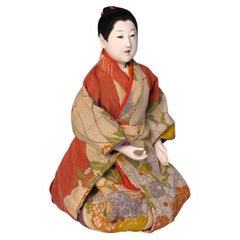
Antique Japanese Mitsuore Ningyo of a Girl
Located in Point Richmond, CA
Japanese Mitsuore ningyo of a girl, a jointed costume doll crafted of wood and covered in multiple layers of burnished gofun, made to stand as well as kneel, fabric and wire upper arms to facilitate costuming, a beautiful modeled face...
Category
Antique Late 19th Century Japanese Meiji Toys and Dolls
Materials
Silk, Wood
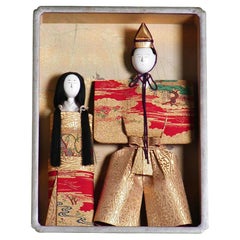
Japanese Tachibina (Imperial couple) doll set.
Located in Point Richmond, CA
Japanese Tachibina (Imperial couple), rare and exceptionally fine standing pair of figures for the Hina Matsuri. The emperor has his arms spread to the si...
Category
Early 20th Century Japanese Meiji Figurative Sculptures
Materials
Textile, Wood
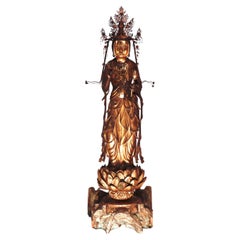
Antique Japanese Buddhist Sculpture of Kannon-Bosatsu
Located in Point Richmond, CA
Japanese Buddhist assembled wood sculpture of Kannon-Bosatsu (Avalokitesvara), the God of Compassion, standing male figure with abundant cloak draper...
Category
Antique 16th Century Japanese Other Sculptures and Carvings
Materials
Gold Leaf
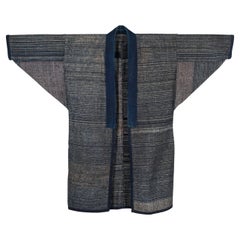
Antique Japanese Recycled Zanshiori Jacket
Located in Point Richmond, CA
Antique Japanese Recycled Zanshiori Jacket
Zanshi-ori cloth is woven from leftover cotton and silk threads, either from commercial kimono production or from home-produced recycled y...
Category
Early 20th Century Japanese Taisho Tribal Art
Materials
Cotton, Silk
You May Also Like
Edo Period Samurai Suit Of Armor
Located in New Orleans, LA
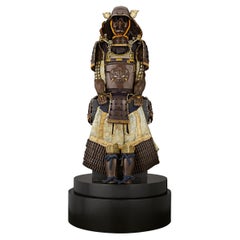
This exquisite Tetsusabiji Uchidashi Gomai Dou Gusoku (Five-Plate Russet Iron Embossed Cuirass Armor), crafted in the 18th century, exemplifies the pinnacle of Edo-period samurai arm...
Category
Antique 18th Century Asian Edo Arms, Armor and Weapons
Materials
Copper, Iron
$188,500
Samuraï armor
Located in Brussel, BE
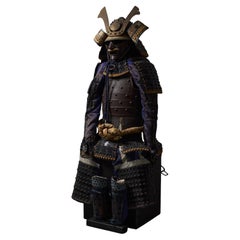
Amazing and unique Samuraï armor.
End of XIXth century, early XXth century.
Nimai do Okegawa gusoku (2 plate with barrel form cuirasse armor).
Composed o...
Category
Antique Late 19th Century Japanese Japonisme Antiquities
Materials
Iron
$30,240
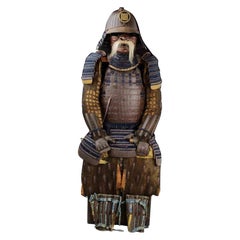
A Tosei Gusoku (Samurai
s Armour), 17th Century
Located in Roma, IT
Belonging to the period 1603-1867, most likely between the end of 17th and the beginning of 18th Century, this beautiful armour is a 32-plate suji kabuto made of brown-lacquered iron...
Category
Antique 17th Century Japanese Figurative Sculptures
Materials
Metal, Iron
Rare Antique Original high Ranking Edo period Samurai armor Yoroi Japan Daimyō
Located in Ijzendijke, NL
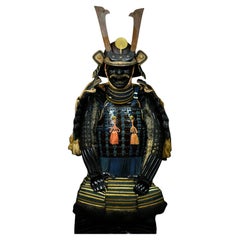
This complete Edo-period samurai armor is an exceptional example of the refined martial elegance and ceremonial grandeur associated with Japan’s warrior aristocracy. Every component reflects a precise harmony of functionality, symbolism, and prestige.
At the heart of the set is a superb suji-bachi kabuto, constructed from multiple riveted iron plates arranged with flawless symmetry and enriched by a beautifully aged patina. It is crowned with a gilt tehen no kanamono, and the imposing maedate presents a pair of antler-like blades framing a gilded sun disc an emblem of celestial authority and divine lineage.
The Fukigaeshi feature extraordinary gilt dragon ornaments, carved in high relief. Dragons, ancient symbols of protection and power, were reserved for armor of the highest rank, strongly indicating that this set belonged to a Daimyō or high-ranking retainer.
The menpō, lacquered in deep black, includes a natural-hair moustache and an articulated jaw (resseibō), lending the face a vivid sense of character. Below it, the shikoro is composed of finely lacquered blue-and-gold plates, meticulously laced with silk.
The okegawa ni-mai dō cuirass is finished in a dark brown lacquer and laced in deep indigo silk, complemented by elegant orange ceremonial tassels a hallmark of formal presentation armor. The sode (shoulder guards) retain their rare bear-fur trimming, an expensive and status-laden material symbolizing courage and noble rank.
Completing the ensemble are beautifully made kote, haidate, and suneate, each executed with rich fabrics and refined lacquer work. A butterfly mon (chō-mon) appears on the leg guards an elegant symbol of transformation, adding a poetic contrast to the armor’s martial presence.
The extensive use of gilding, the rare bear-fur details, and the prominent dragon motifs confirm this as a piece created for the highest echelons of samurai society. It is a masterpiece where ceremonial artistry, symbolism, and authority converge.
Artistic and Historical Significance
This armor epitomizes the Edo-period ideal, when arms and armor transcended their battlefield origins and became expressions of identity, dignity, and cultural refinement. The interplay of dark lacquer, golden ornamentation, and natural materials embodies the spirit of bushidō discipline, inner strength, and beauty through restraint.
Whether displayed in a private collection, gallery, office, or interior setting, this armor commands attention. Its presence transforms any space, making it a truly museum-worthy centerpiece for collectors of Japanese, military, or historical art.
The set includes its traditional stand and storage box. As with all antique armor...
Category
Antique 17th Century Japanese Japonisme Antiquities
Materials
Metal
Samuraï armor
Located in Brussel, BE
Amazing and unique Samuraï armor.
Early XXth century.
Composed of an iron helmet mounted with large standing rivets and "Kuwagata" decoration (shoe shaped decoration) on the front. R...
Category
Early 20th Century Japanese Japonisme Antiquities
Materials
Iron
$30,240
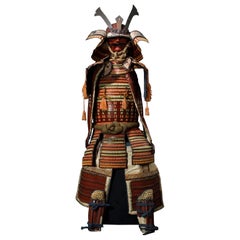
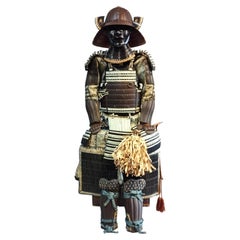
18th Century Hirate Clan Samurai Armor with Signed Kabuto Helmet
Located in Fukuoka, JP
This is a truly exceptional set of 18th century Samurai armor that is sure to impress any collector or enthusiast. The patinated iron used in its construction has aged beautifully, giving the armor a truly unique appearance that is sure to catch the eye. The brocade silk and cotton padding used to line the armor not only provide a comfortable fit for the wearer, but also add an extra layer of decorative flair.
One of the most striking features of this armor is the crests of the Hirate samurai clan that adorn it. These crests are a symbol of the clan's identity and heritage, and their presence on the armor speaks to the deep connection between samurai warriors and the clans they belonged to.
The Kabuto...
Category
Antique 18th Century Japanese Antiquities
Materials
Iron
More Ways To Browse
Antique Display Box
Moon Face
Miniatures Japan
Suit Of Armour
Japanese Paper Sculpture
Suit Of Armor
Antique Cuirass
Antique Silk Tassel
Antique Silk Tassels
Antique Armor Suits
Antique Japanese Miniature
Antique Suit Of Armour
Japan Armor
Japanese Armour
Antique Japanese Armour
Breast Plate
Asian Armour
Kabuto Helmet