Meiji Asian Art and Furniture

MEIJI STYLE

From 1868 to 1912, Emperor Mutsuhito oversaw an era of transformation in Japan. Formerly a country of feudalism and isolation, Japan entered an age of modernization influenced by newly established trade and exchange with the West. The Meiji period, or period of “enlightened rule,” also saw the global impact of the East Asian country’s culture. Japanese Meiji furniture was exhibited at expositions from Paris to San Francisco and created for export.

Prior to the Meiji era, furniture was mostly made by commission for the ruling class; now there were new domestic and international markets. European styles like Japonisme appropriated Japanese design while craftsmen in places like Wales and England employed japanning, a varnishing technique that approximated the appearance of lacquer for the surfaces of furnishings.

Meiji furniture made for Japanese homes and buildings constructed in Western styles resulted in taller tables, chairs, cabinets with large drawers and other features. The government invested in areas such as transportation and communication, and because people could freely choose occupations after the restrictions of feudalism, industries of various types were energized by expressive new ideas during those years. Art schools were formed and, for the first time, design was an area of study in the country, leading to the evolution of professional design as a career by the 1890s.

The work of Japanese designers was transmitted widely through lavishly illustrated pattern books that included designs for screens and lacquerware for the home. While screens today may be of use as decorative accents or partitions to ensure privacy in one’s space, Japanese screens were adorned with paintings and were featured in performing arts such as concerts, tea ceremonies and more. The color illustrations that characterize Meiji woodblock prints, a genre of Japanese art that grew out of 17th-century developments in printing and book publishing, depicted the sweeping changes that the era brought to East Asia.

Although it was a time of societal and cultural shifts, a bolstered interest in art and design elevated Japanese craft traditions. From colorful porcelain table lamps with silk shades and hardwood tables decorated with dark lacquer to cabinets featuring iron hardware and inlaid with mother-of-pearl, Meiji furniture showcased Japan’s artistic heritage to the world.

Find a collection of antique Japanese Meiji period case pieces and storage cabinets, decorative objects, wall decorations and more furniture on 1stDibs.

to
392
641
377
1,134
349
439
388
235
186
154
74
54
49
42
33
25
19
14
14
13
12
12
4
7
788
339
349
262
13
3
57
5
5
4
1
1
1
719
670
502
247
242
1,458
1,446
1,429
15
5
1,483
1,470
1,470
21
15
13
10
4
Style: Meiji
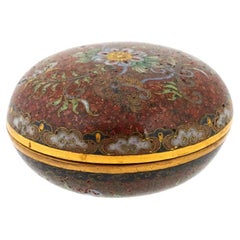
Antique Early Meiji Japanese Cloisonne Goldstone Enamel Trinket Box KOGO Attribu
Located in Long Island City, NY
Antique Early Meiji Japanese Cloisonne Enamel Trinket Box KOGO Attributed to Honda An antique Japanese copper trinket box with polychrome cloisonne enamel design. Early Meiji period...
Category

Late 19th Century Japanese Antique Meiji Asian Art and Furniture

Materials

Enamel, Copper

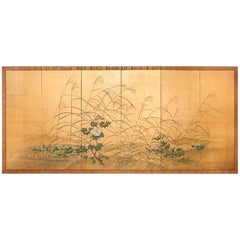
Japanese Six-Panel Screen "Wild Grasses and Peonies by Rivers Edge"
Located in Hudson, NY
Japanese Six Panel Screen: Wild Grasses and Peonies by Rivers Edge. Early Meiji period (1868 - 1912) painting of a grassy knoll next to a running brook or river. A soft breeze is m...
Category

1880s Japanese Antique Meiji Asian Art and Furniture

Materials

Gold Leaf

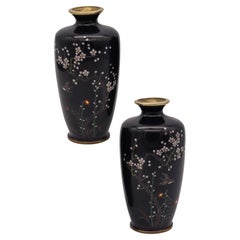
Ota Jinnoei 1890 Imperial Meiji Period Pair of Cloisonne Cabinet Vases
By Ota Jinnoei
Located in Miami, FL
Pair of cloisonne vases designed by Ota Jinnoei. Beautiful pair of small cabinet vases, created in Japan circa 1890, during the meiji Imperial period (1868-1912). These vases has ...
Category

1890s Japanese Antique Meiji Asian Art and Furniture

Materials

Silver, Bronze, Enamel

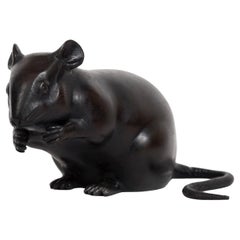
Huge mouse lying down
Located in PARIS, FR
Huge sculpture of a mouse (or rat), with a rather dark patina, represented with a schematic expression and realized with the hollow bronze technique. It is represented in extension...
Category

Late 19th Century Japanese Antique Meiji Asian Art and Furniture

Materials

Bronze

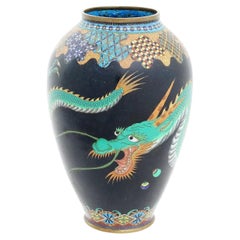
Antique Meiji Japanese Cloisonne Enamel Green Dragon Geometric Pattern Vase
Located in Long Island City, NY
An antique Japanese, Meiji era, enamel vase. The urn shaped vase is enameled with a polychrome design representing a dragon made in the Cloisonne technique. The neck is adorned with ...
Category

Late 19th Century Japanese Antique Meiji Asian Art and Furniture

Materials

Enamel

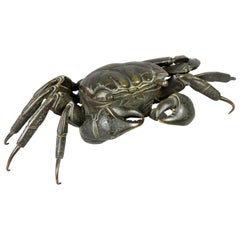
Japanese Meiji Articulated Bronze Crab
Located in Essex, MA
Dark greenish brown patina with fully articulated body. Purchased in London by past owner.
Category

Late 19th Century Japanese Antique Meiji Asian Art and Furniture

Materials

Bronze

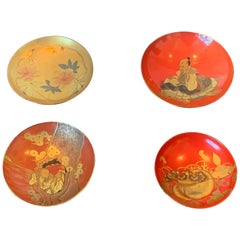
Four Japanese Lacquered Sake Cups Meiji Period
Located in Atlanta, GA
An assemble of four lacquerware sake cups from Meiji period Japan circa late 19th century. The shadow cups on an elevated stem were used by the nobles during ...
Category

Late 19th Century Japanese Antique Meiji Asian Art and Furniture

Materials

Wood, Lacquer

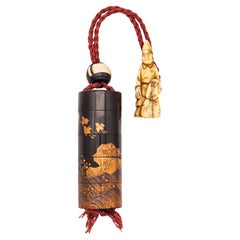
Japan 1870 Meiji Period Round Five Drawer Inro Lacquered Wood With Flying Cranes
Located in Miami, FL
Japanese Inro from the Meiji Period (1868-1912). Beautiful Inro, created in Japan during the Meiji imperial period, circa 1870. It was carefully crafted in carved precious wood with applications of lacquer and decorated with orientalism patterns. All dan trays are attached together with a himo cord. The detailed craftsmanship was a true pleasure to behold. Period: Meiji 1868-1912, Period of Emperor Mutsuhito. Approximate Date: 1870. Motif: Organic design with cascade landscape scene and five flying cranes. Drawers: Five. Shape: Cylinder. Very unusual and rare shape. Technique: Carved wood, Lacquer, hiramaki-e, takamaki-e, Gilding. Ojime: 17mm, round with Ebony wood. Netsuke: Carved dressed...
Category

1870s Japanese Antique Meiji Asian Art and Furniture

Materials

Wood, Ebony, Giltwood, Lacquer

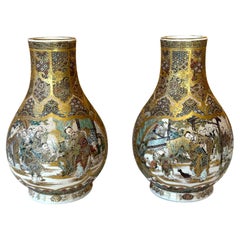
Pair of Fine Miniature Satsuma Vase with Moriage Enamel Decoration by Seikozan
Located in Atlanta, GA
A pair of small ceramic vases with superb surface decorations made by Japanese studio Seikozan circa 1890-1910s (late Meiji Period). One of the many artist studios that specialized i...
Category

1890s Japanese Antique Meiji Asian Art and Furniture

Materials

Ceramic

Koro Satsuma Japanese ceramic
Located in Buenos Aires, Argentina
Koro Satsuma Japanese ceramic Japanese glazed ceramic in various colors Meiji Style Circa 1940 Origin Japan It has traditional images painted on its front and back. The purpose of th...
Category

1940s Japanese Vintage Meiji Asian Art and Furniture

Materials

Enamel

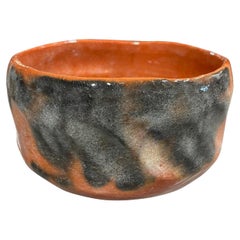
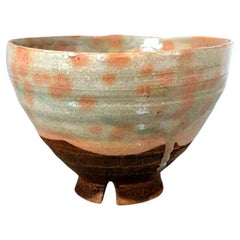
Kichizaemon Raku Seinyu XIII "13th" Signed Antique Japanese Raku Chawan Tea Bowl
Located in Studio City, CA
A wonderfully glazed, impeccably made Chawan tea bowl by famed Japanese master potter the 13th Kichizaemon Raku, Seinyu (1887-1944) who was the eldest son of Konyu - the 12th Kichizaemon of the Raku family line of potters - known as the most noted and celebrated tradition of pottery within the world of Japanese tea. Kichizaemon Raku was the 13th master to carry on the family's esteemed name and tradition. The bowl features shifting textures and deep, rich colours which radiate in the light. The term "Raku" was derived from the site where clay was dug in Kyoto in the late 16th century. The Kanji character for Raku translates to "enjoyment" or "fun/delightful" For 15 generations it has been the title and seal used by a lineage of potters whose work formed the central tradition in Japan. This lineage believes that 'Raku' refers to the potters who use the technique, not the technique itself. In the 16th century, the first of these potters, Chojiro is said to have come under the patronage of the Japanese tea master, Sen-No-Rikyu. According to legend, in 1598 a few years after Chojiro's death, ruler, Hideyoshi Toyotomi bestowed upon his adopted son, Jokei, a golden seal with the written symbol "Raku." Both the name and the ceramic style have been passed down through the family to the present ever since. The name and the style of ware have become influential in both Japanese culture and literature. Raku ware marked an important point in the historical development of Japanese ceramics, as it was the first ware to use a seal mark and the first to focus on close collaboration between potter and patron. Other famous Japanese clay artists...
Category

Early 20th Century Japanese Meiji Asian Art and Furniture

Materials

Ceramic

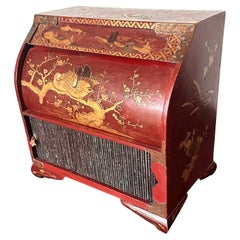
Japanese Maki-e Lacquered Wood Kodansu Small Chest with Drawers Meiji Period
Located in Atlanta, GA
An antique Japanese Kodansu with two compartments and multiple drawers with red lacquer finish and gold Maki-e and wonderful Raden shell inlays decoration. This rather unusual piece ...
Category

19th Century Japanese Antique Meiji Asian Art and Furniture

Materials

Wood, Lacquer

Japanese Woven Ikat and Stenciled Summer Usumono Kimono Meiji Period
Located in Atlanta, GA
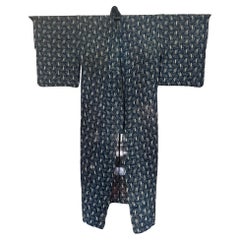
On offer is a “Natsu No Kimono” (summer kimono) also called “Usumono" (thin clothes) dated from late Meiji Period circa late 19th to early 20th century. This well-preserved garment w...
Category

Early 20th Century Japanese Meiji Asian Art and Furniture

Materials

Linen

Japanese Two Panel Screen Summer Flowers on Silver
Located in Hudson, NY
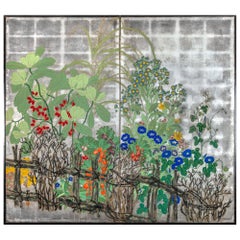
Japanese two panel screen: Summer flowers on silver. Meiji period painting (1868 - 1912) of Summer flowers including morning glories and daisies against a garden fence. Signature and...
Category

Early 1900s Japanese Antique Meiji Asian Art and Furniture

Materials

Silver Leaf

Large Patinated Bronze Japanese Koro Incense Burner
Located in London, GB
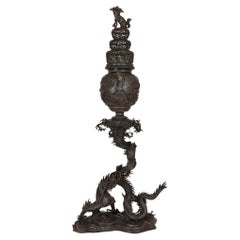
Large patinated bronze Japanese koro incense burner Japanese, late 19th Century Dimensions: Height 221cm, width 97cm, depth 57cm This monumental koro...
Category

Late 19th Century Japanese Antique Meiji Asian Art and Furniture

Materials

Bronze

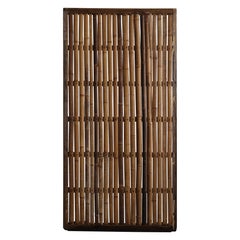
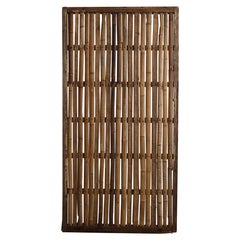
Japanese Antique Bamboo Sliding Door, Object Mingei Art Panel, Wabisabi Door(1)
Located in Katori-Shi, 12
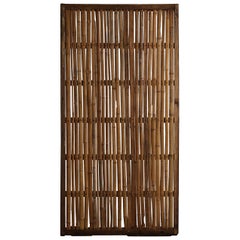
This is an antique Japanese bamboo door. It is from the Meiji period (1860s-1900s). It is made mainly of cedar and bamboo. It has a simple design that conveys the charm of the mater...
Category

Early 20th Century Japanese Meiji Asian Art and Furniture

Materials

Wood, Bamboo

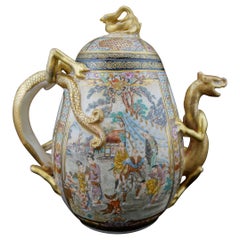
Japanese Meiji Satsuma Finely Decorated and Gilded Dragon Handle Scenic Teapot
Located in Sarasota, FL
Japanese Meiji satsuma finely decorated and gilded teapot. Some of the finest hand painted work and sculpted shape found on satsuma. Maker's mark on the bottom.
Category

Late 19th Century Japanese Antique Meiji Asian Art and Furniture

Materials

Pottery

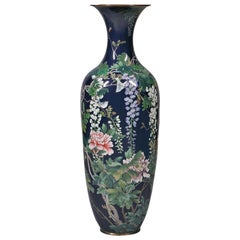
Large Meiji Period Cloisonne Enamel Vase
Located in London, GB
Of ovoid form, with a narrow neck and outward flaring rim, on dark blue ground depicting wisteria blossoms in white and purple cascading from the shoulder with birds throughout and w...
Category

Late 19th Century Japanese Antique Meiji Asian Art and Furniture

Materials

Enamel

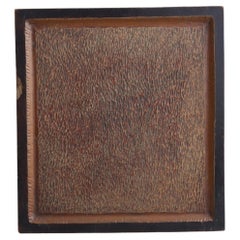
Japanese Antique Wood Carving Wall Panel, Abstract Art , Wabi Sabi
Located in Katori-Shi, 12
This wall-hanging carved wooden ornament is made from recycled zelkova wood from a kotatsu table from the Meiji period. The beautiful grain of the wood has been carefully carved by ...
Category

Early 20th Century Japanese Meiji Asian Art and Furniture

Materials

Wood

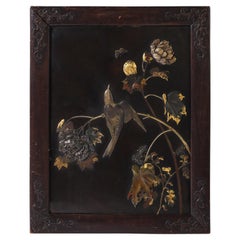
Japanese Meji Period Mixed Metal Plaque Attb. to Suzuki Chokichi Kaka
Located in New York, NY
A large, fine quality, and world class Japanese Meiji period mixed metal plaque with Shakudo-inlay, silver-inlay, gold-inlay, copper-inlay, and patina, attributed to the famous Suzuki Chokichi...
Category

19th Century Japanese Antique Meiji Asian Art and Furniture

Materials

Metal, Gold, Silver, Copper

Japanese Glazed Ceramic Gohon Chawan Tea Bowl
Located in Atlanta, GA
A bespoken Japanese ceramic glazed tea bowl with fabric insert, pouch and original padded wood tomobako box. The chawan has a slightly irregular wall supported by a high notched foot...
Category

19th Century Japanese Antique Meiji Asian Art and Furniture

Materials

Ceramic

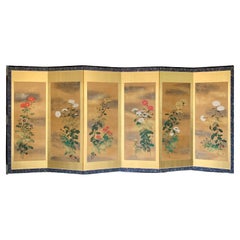
Meiji Chrysanthemum Masterpiece
Located in Fukuoka, JP
Step into a world of timeless beauty with our exceptional six-panel screen from the Edo-Meiji period. In impeccable condition, each panel features stunning paintings of chrysanthemum...
Category

19th Century Japanese Antique Meiji Asian Art and Furniture

Materials

Gold

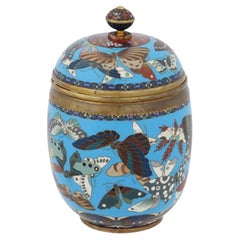
Large Antique Meiji Japanese Cloisonne Enamel Covered Jar with Butterflies Goto
Located in Long Island City, NY
An antique Japanese gilt copper lidded jar with cloisonne enamel design. Large Antique Meiji Japanese Cloisonne Enamel Covered Jar with Butterflies...
Category

Late 19th Century Japanese Antique Meiji Asian Art and Furniture

Materials

Enamel, Copper

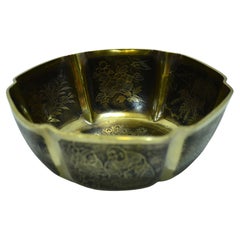
Japan bowl Meiji period
Located in Argenteuil, IDF
Superb and rare large, hexagonal, hollow, late 19th-century Japanese bronze bowl decorated with medallions depicting bird scenes in landscapes and...
Category

Early 20th Century Asian Meiji Asian Art and Furniture

Materials

Bronze

Japanese Lacquer and Gold Tray
Located in New Orleans, LA
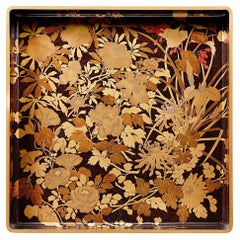
This Meiji-period lacquer tray represents the mastery of Japanese craftsmen in the art of lacquer work. Precious materials are precisely inlaid in the lacquer base, creating a highly...
Category

Late 19th Century Asian Antique Meiji Asian Art and Furniture

Materials

Gold

A Very Fine 19th C. Japanese Bronze Kabutomushi Vase, Meiji Period (1868-1912)
Located in Ottawa, Ontario
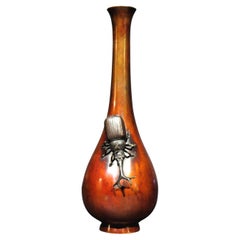
A fine rare Meiji period 'Kabutomushi' bronze vase, exhibiting a fine old surface with an exceptionally fine patina overall, featuring an applied, naturalistically cast d...
Category

Early 1900s Japanese Antique Meiji Asian Art and Furniture

Materials

Bronze

Japan Antique Stone Tea Garden Lantern, Stunning Design
Located in South Burlington, VT
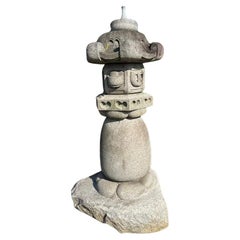
A tall 80 Inch antique classic tea motif lantern with all original pieces. Please view our video. The Zendō-ji Gata lantern Ishidōrō (禅導寺型石灯籠) is a unique design and very special ...
Category

Early 20th Century Japanese Meiji Asian Art and Furniture

Materials

Granite

Large Japanese Dragon Design Cloisonne Enamel Plate
Located in Long Island City, NY
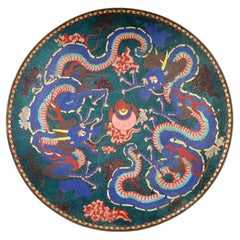
A large Japanese enamel plate charger. The plate is enameled with a polychrome design representing a pair of dragons surrounded by fire and cloud...
Category

Early 20th Century Japanese Meiji Asian Art and Furniture

Materials

Enamel

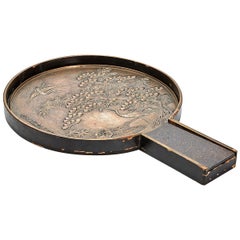
Antique Japanese Meiji Bronze Mirror 19th Century
Located in Bishop s Stortford, Hertfordshire
An exceptional and stunning Japanese bronze handled mirror within a fitted black lacquered case. The mirror is polished to one side with the other s...
Category

19th Century Japanese Antique Meiji Asian Art and Furniture

Materials

Bronze

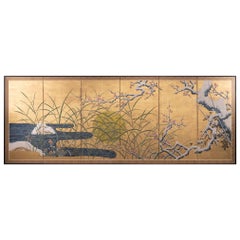
Japanese Six-Panel Screen, Winter Landscape with Flowering Plum
Located in Hudson, NY
Japanese six-panel screen: Winter landscape with flowering plum, Meiji period (1868-1912) painting of a full moon with wild grasses between river's edge and a snow covered plum tree ...
Category

Early 20th Century Japanese Meiji Asian Art and Furniture

Materials

Gold Leaf

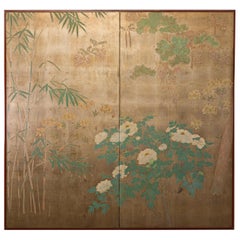
Japanese Two-Panel Screen Peony, Wisteria, Cherry and Bamboo on Soft Silver
Located in Hudson, NY
Japanese two-panel screen: Peony, Wisteria, cherry and bamboo on soft silver, Meiji period (1868-1912) painting of a garden in spring. Painted in mineral pigments on oxidized silver ...
Category

Early 1900s Japanese Antique Meiji Asian Art and Furniture

Materials

Silver Leaf

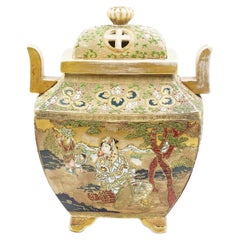
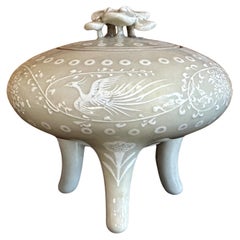
Rare Japanese Porcelain Incense Burner with Inlays Makuzu Kozan
Located in Atlanta, GA
A porcelain incense burner (koro) made by Japanese potter Makuzu Kozan (also known as Miyagawa Kozan, 1842-1916) circa 1890s-1900s (end of Meiji Period). The koro features an elegant...
Category

Late 19th Century Japanese Antique Meiji Asian Art and Furniture

Materials

Ceramic

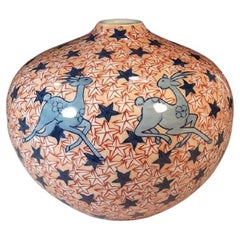
Japanese Contemporary Red Blue Porcelain Vase by Master Artist, 3
Located in Takarazuka, JP
Contemporary Japanese decorative porcelain vase, intricately hand painted in red and blue on a stunningly shaped porcelain body, by widely acclaimed master porcelain artist in tradit...
Category

21st Century and Contemporary Japanese Meiji Asian Art and Furniture

Materials

Porcelain

Japanese Antique Bamboo Sliding Door, Object Mingei Art Panel, Wabisabi Door(3)
Located in Katori-Shi, 12
This is an antique Japanese bamboo door. It is from the Meiji period (1860s-1900s). It is made mainly of cedar and bamboo. It has a simple design that conveys the charm of the mater...
Category

Early 20th Century Japanese Meiji Asian Art and Furniture

Materials

Bamboo, Wood

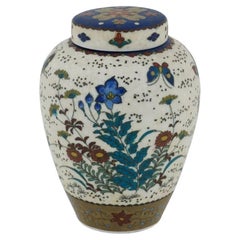
Japanese Totai Covered Cloisonne Enamel Porcelain Jar
Located in Long Island City, NY
A Japanese covered Totai enamel on porcelain ginger jar. The ware is enameled with polychrome images of blossoming flowers, butterflies, and dragonflies made in the Cloisonne techniq...
Category

19th Century Japanese Antique Meiji Asian Art and Furniture

Materials

Enamel

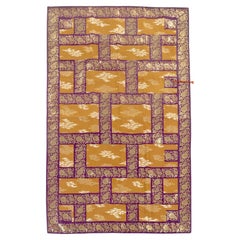
Antique Silk Kesa Monk s Patched Robe Meiji Period
Located in Atlanta, GA
Kesa, known as "Jiasha" in Chinese and "Kasaya" in Sanskrit, is an out-layer garment worn by the ordained Buddhist monks. Bearing a basic rectangular form, it developed originally in...
Category

19th Century Japanese Antique Meiji Asian Art and Furniture

Materials

Textile, Brocade

Japanese Contemporary Red Green Purple Porcelain Vase by Master Artist, 3
Located in Takarazuka, JP
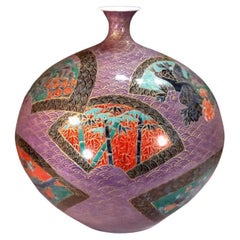
Exquisite contemporary Japanese decorative porcelain vase, intricately hand-painted in red, purple and green with generous gold details, a signed masterpiece from his signature serie...
Category

21st Century and Contemporary Japanese Meiji Asian Art and Furniture

Materials

Gold

Japanese Blue White Porcelain Vase by Master Artist, 2
Located in Takarazuka, JP
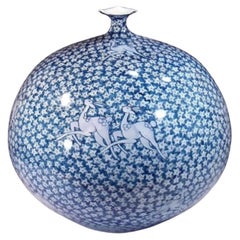
Exquisite contemporary Japanese decorative porcelain vase, intricately hand-painted in blue on a stunningly shaped ovoid body, the work of widely acclaimed master porcelain artist in...
Category

21st Century and Contemporary Japanese Meiji Asian Art and Furniture

Materials

Porcelain

Antique Early Meiji Japanese Cloisonne Enamel Plate with Geometric Patterns
Located in Long Island City, NY
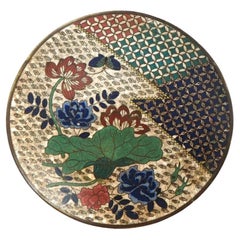
An antique Japanese, Meiji era, enamel plate. The interior of the plate is adorned with a polychrome enamel image of a butterfly in blossoming flowers surrounded by a cloud motif, r...
Category

19th Century Japanese Antique Meiji Asian Art and Furniture

Materials

Copper, Enamel

Japanese Lacquer Tray With Cards
Located in New Orleans, LA
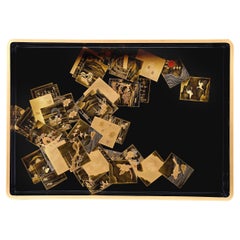
This Meiji-period lacquer tray represents the mastery of Japanese craftsmen in the art of lacquer work. Precious materials are precisely inlaid in the lacquer base, creating a highly...
Category

Late 19th Century Japanese Antique Meiji Asian Art and Furniture

Materials

Gold

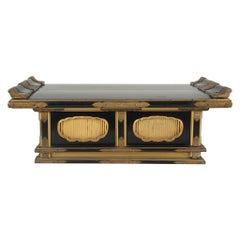
Small Japanese Meiji Period Black and Gold Altar Stand
Located in Hudson, NY
This small late 19th-century Meiji period altar or stand with gilded & engraved brass mounts is a refined example of the art of lacquer in Japan. Crafted of deep black shiny lacquer ...
Category

Late 19th Century Japanese Antique Meiji Asian Art and Furniture

Materials

Brass

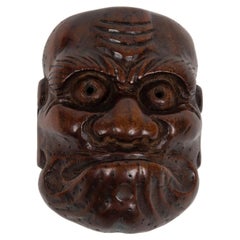
Netsuke in the form of a No mask representing the character of Obeshimi
Located in PARIS, FR
Wooden netsuke depicting the Obeshimi mask in Noh theater. Obeshimi is a demon characterized by thick eyebrows, eyes that seem to protrude from the face and a closed mouth. Signed ...
Category

Late 19th Century Japanese Antique Meiji Asian Art and Furniture

Materials

Boxwood

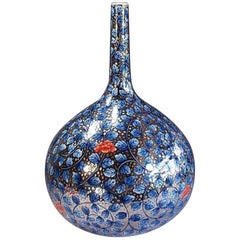
Japanese Contemporary Blue Platinum Porcelain Vase by Master Artist, 3
Located in Takarazuka, JP
Exquisite contemporary dimpled decorative porcelain vase in blue on platinum, a stunning piece hand painted by a highly acclaimed porcelain artist of Japan’s Imari-Arita region. The ...
Category

21st Century and Contemporary Japanese Meiji Asian Art and Furniture

Materials

Platinum

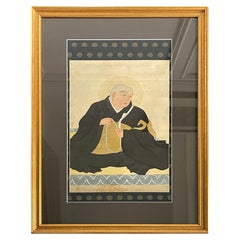
Framed Japanese Portrait of a Buddhist Priest by Goro Kamenaga
Located in Atlanta, GA
A gouache on silk painting of a Buddhist priest by Japanese painter Goro Kamenaga (1890-1955). The highly realistic painting depicts a figure in seate...
Category

1910s Japanese Vintage Meiji Asian Art and Furniture

Materials

Silk

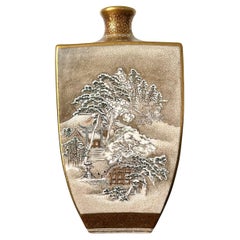
Fine Japanese Satsuma Vase with Superb Decoration by Seikozan
Located in Atlanta, GA
A ceramic vase in tapered square form made by Japanese studio Seikozan circa 1890-1910s (late Meiji Period). One of the many artist studios that specialized in satsuma ware, Seikozan...
Category

1880s Japanese Antique Meiji Asian Art and Furniture

Materials

Ceramic

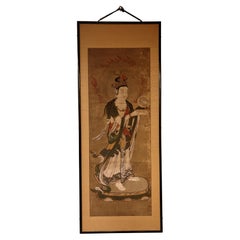
Japanese Brush Painting of a Standing Bodhisattva of Mercy
Located in Greenwich, CT
Japanese brush painting of a standing Bodhisattva of Mercy, beautiful colors and brush work, 19th century, original brocade mount I am planning to reti...
Category

19th Century Japanese Antique Meiji Asian Art and Furniture

Materials

Paper

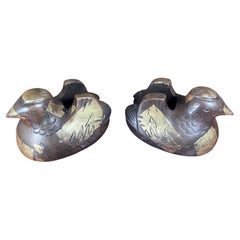
Japanese Fine Antique Pair Gilt Bronze Mandarin Duck Screen Holders
Located in South Burlington, VT
Best Quality, Hard To Find, complete with antique wooden collector box tomobako A fine pair (2) of Japanese antique hand cast gilt bronze Mandarin Duck screen holders with highly d...
Category

Late 19th Century Japanese Antique Meiji Asian Art and Furniture

Materials

Bronze

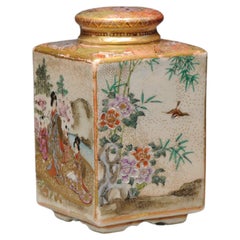
Antique 19th C Japanese Satsuma Box Matsumoto Hozan Marked Base Japan
Located in Amsterdam, Noord Holland
A small Satsuma vase, Yasuda, unidentified artist, of cuboid form with slightly domed cover, decorated with bijin alternating with landscape scenes,...
Category

19th Century Japanese Antique Meiji Asian Art and Furniture

Materials

Porcelain

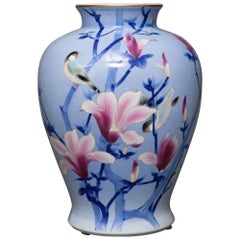
Japanese Porcelain Studio Art Vase
Located in Hudson, NY
With lovely magnolia tree in bloom and finch on blue background. Signed: Fukugawa.   
Category

20th Century Japanese Meiji Asian Art and Furniture

Materials

Porcelain

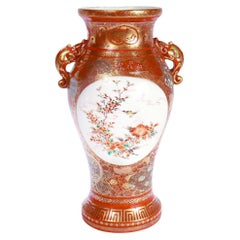
Antique Japanese Meiji Period Kutani Porcelain Vase by Shoundo / Matsumoto Sahei
Located in Philadelphia, PA
A fine antique Japanese Meiji period Kutani porcelain vase. By Matsumoto Sahei/Shoundo. In an aka-e style decorated throughout in iron red with extensive gilt accents. There are cartouches to either side both with branches of red flower with a backdrop of clouds on a white ground. With 2 figural dragon finial handles. Marked to the base with '九谷松雲堂製' which translates as 'Made by Shoundo of Kutani' Matsumoto Sahei (1851-1918) was a master potter who enjoyed success & recognition during his era. In 1876, Sahei received the artist name Shoundo from the nanga painter Tokuda Kansho - he would use that title for nearly 20 years until passing it onto his son as his successor in 1893. Sahei also has the distinction of taking Tokuda Yasokichi I as an apprentice when the latter was 17-years-old. The Tokuda family is perhaps one of the most famous families of Japanese ceramics: Yasokichi I is credited with revitalizing the lost art of ko-Kutani and Yasokichi I, II, & III were all recognized as "Living National Treasures" during their lifetimes. Shoundo exhibited internationally numerous times at the tail end of the 19th Century. The Keisei Isogaya Museum of Art (which specializes in Meiji Kutani) has a vase of Sahei's that was exhibited in the Philadelphia Centennial Exhibition of 1876. He is listed as exhibiting a wide variety of porcelain goods at the 1878, 1889, and 1900 Paris World Exhibitions. He is also listed as exhibiting 'incense burners & porcelain' at the World's Columbian Exhibition held in 1893 in Chicago. The pair of vases that Sahei exhibited in Paris in 1900 bear a strong resemblance to this pair. Simply a wonderfully rare Japanese porcelain...
Category

Early 20th Century Japanese Meiji Asian Art and Furniture

Materials

Porcelain

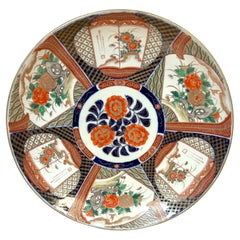
Large Meiji Period Imari Floral Charger, by Fukagawa
Located in West Palm Beach, FL
Large Meiji Period Imari Floral Charger, by Fukagawa Japan, 1900s, Impressed Mark This striking large Imari floral charger, made by the renowned Fukag...
Category

Early 20th Century Japanese Meiji Asian Art and Furniture

Materials

Porcelain

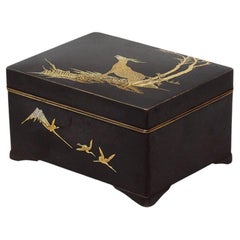
Japanese Meiji Period Damascene Box by Ashizuki with Gold and Silver
Located in Newark, England
INLAID WITH A GOLD AND SILVER DEER From our Japanese collection we are pleased to offer this Japanese Damascene Box by Ashizuki. The Japanese Box of re...
Category

19th Century Japanese Antique Meiji Asian Art and Furniture

Materials

Gold, Silver, Brass, Iron

Japanese Antique Bamboo Sliding Door, Object Mingei Art Panel, Wabisabi Door(4)
Located in Katori-Shi, 12
This is an antique Japanese bamboo door. It is from the Meiji period (1860s-1900s). It is made mainly of cedar and bamboo. It has a simple design that conveys the charm of the mater...
Category

Early 20th Century Japanese Meiji Asian Art and Furniture

Materials

Bamboo, Wood

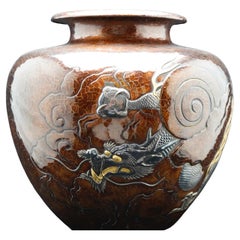
Japanese Hammered Copper and Mixed Metal Meiji Period Vase.
Located in Sarasota, FL
Japanese hammered copper and mixed metal inlay Meiji period vase. The vase has a motive of a silver and shaudo dragon in the clouds. Precise execution. Bears signatures on the bottom.
Category

Late 19th Century Japanese Antique Meiji Asian Art and Furniture

Materials

Silver, Copper

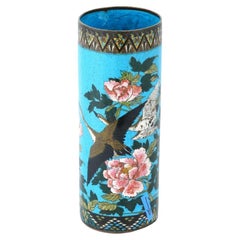
Large Antique Meiji Japanese Cloisonne Enamel Brush Pot Vase
Located in Long Island City, NY
A large antique Japanese late Meiji Era cylindrical shaped enamel over copper brush pot. Circa: late 19th century. The cylindrical form pot is enameled with a polychrome image of gee...
Category

Late 19th Century Japanese Antique Meiji Asian Art and Furniture

Materials

Enamel, Copper

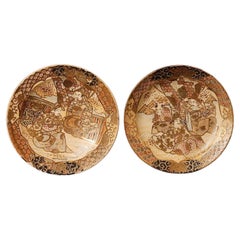
Exceptional and rare set of Satsuma porcelain plates Nobles motive, Meiji period
Located in Fukuoka, JP
Beautiful Satsuma hand-painted porcelain plates set decorated with a motif of Nobles on a picnic. This exceptional set from the Meiji period (19th century) is a fine example of the intricate craftsmanship and attention to detail characteristic of Satsuma ware. Each plate features noble figures in detailed attire, capturing a moment of leisure and refinement. The Satsuma region, known for its pottery...
Category

Late 19th Century Japanese Antique Meiji Asian Art and Furniture

Materials

Ceramic

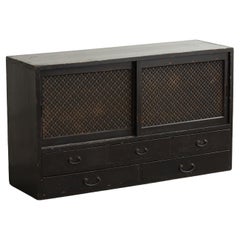
Japanese antique cabinet with wooden lattice doors, Wabi Sabi, Japandi
Located in Katori-Shi, 12
This is a tasteful Japanese-style storage shelf made in the Meiji period. Made of durable cedar wood. The sliding door is decorated with delicate frosted glass and wooden latticewor...
Category

Early 20th Century Japanese Meiji Asian Art and Furniture

Materials

Wood

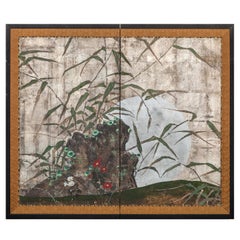
Japanese Two Panel Screen Moon Rising Through Bamboo on Silver Leaf
Located in Hudson, NY
Japanese two panel screen: Moon rising through bamboo on silver leaf, Meiji period painting (1868 - 1912) of the moon rising on the horizon with a garden stone in the foreground. Lic...
Category

Early 20th Century Japanese Meiji Asian Art and Furniture

Materials

Silver Leaf

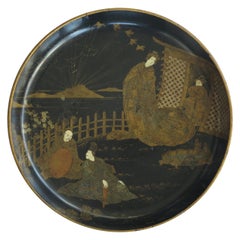
Japanese Laquered Tray finely Decorated , 19th Century Meiji Period
Located in Lincoln, Lincolnshire
This is a good papier mâché, circular, black lacquered tray, hand enameled and gilded, made in Japan during the 19th century, Meiji period. This circular tray is very decorative, ...
Category

19th Century Japanese Antique Meiji Asian Art and Furniture

Materials

Paper

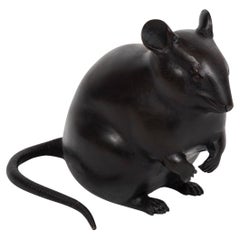
Big mouse standing bronze
Located in PARIS, FR
Huge sculpture of a rat with a dark brown patina, its pose reinforces the schematic treatment. Its simple head and hardly figured moustache, its smooth and plump body and very deta...
Category

Late 19th Century Japanese Antique Meiji Asian Art and Furniture

Materials

Bronze

Meiji asian art and furniture for sale on 1stDibs.

Find a broad range of unique Meiji asian art and furniture for sale on 1stDibs. Many of these items were first offered in the 21st Century and Contemporary, but contemporary artisans have continued to produce works inspired by this style. If you’re looking to add vintage asian art and furniture created in this style to your space, the works available on 1stDibs include asian art and furniture, decorative objects, wall decorations and other home furnishings, frequently crafted with ceramic, metal and other materials. If you’re shopping for used Meiji asian art and furniture made in a specific country, there are Asia, East Asia, and Japan pieces for sale on 1stDibs. While there are many designers and brands associated with original asian art and furniture, popular names associated with this style include Satsuma, Kinkozan, Ando Jubei, and Makuzu Kozan. It’s true that these talented designers have at times inspired knockoffs, but our experienced specialists have partnered with only top vetted sellers to offer authentic pieces that come with a buyer protection guarantee. Prices for asian art and furniture differ depending upon multiple factors, including designer, materials, construction methods, condition and provenance. On 1stDibs, the price for these items starts at $65 and tops out at $190,804 while the average work can sell for $2,196.

Still Thinking About These?

All Recently Viewed