Items Similar to "BORO" Japanese Antique Rag 1800s-1860s / Abstract Art Wabi Sabi
Want more images or videos?
Request additional images or videos from the seller
1 of 11
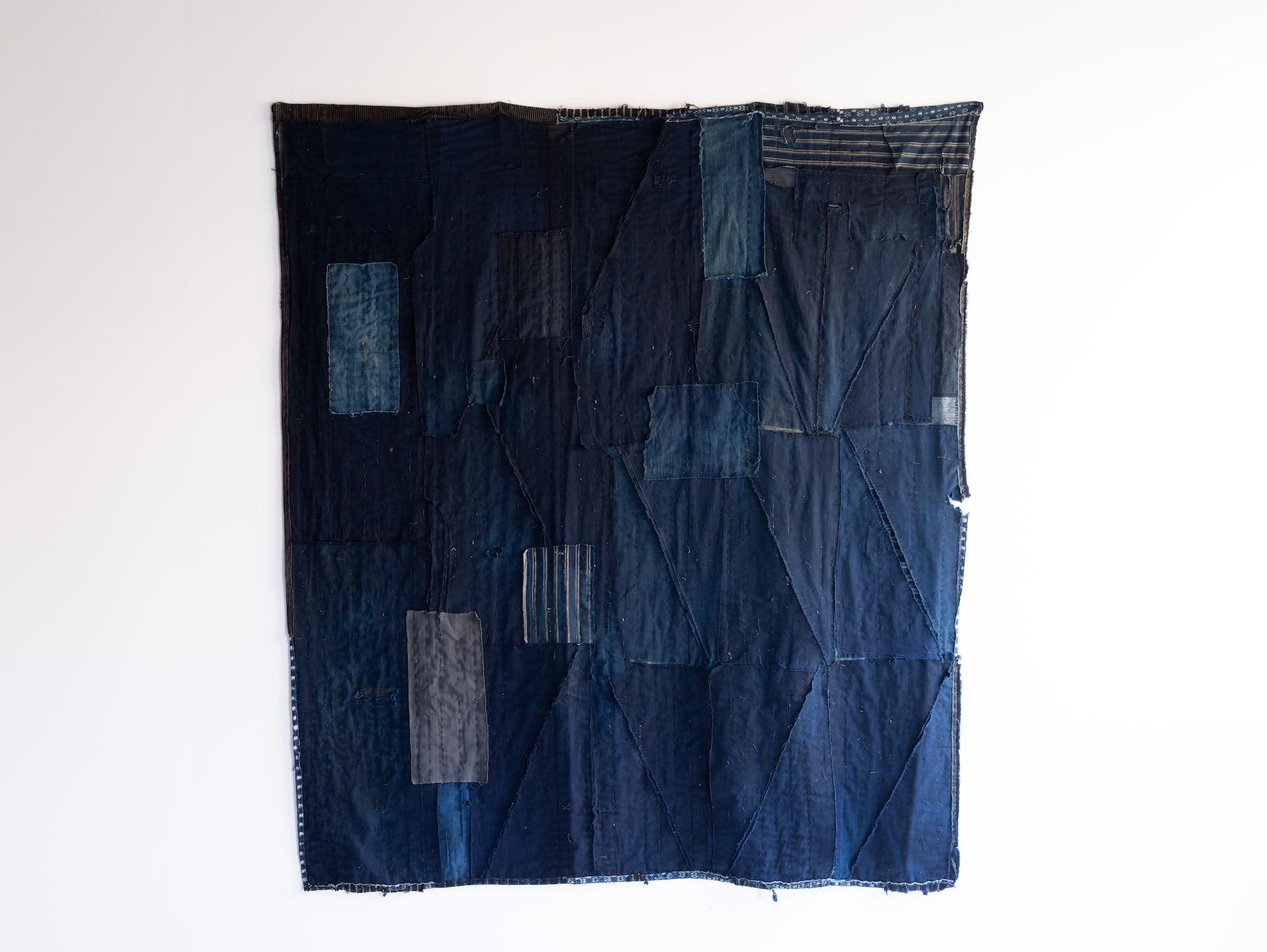
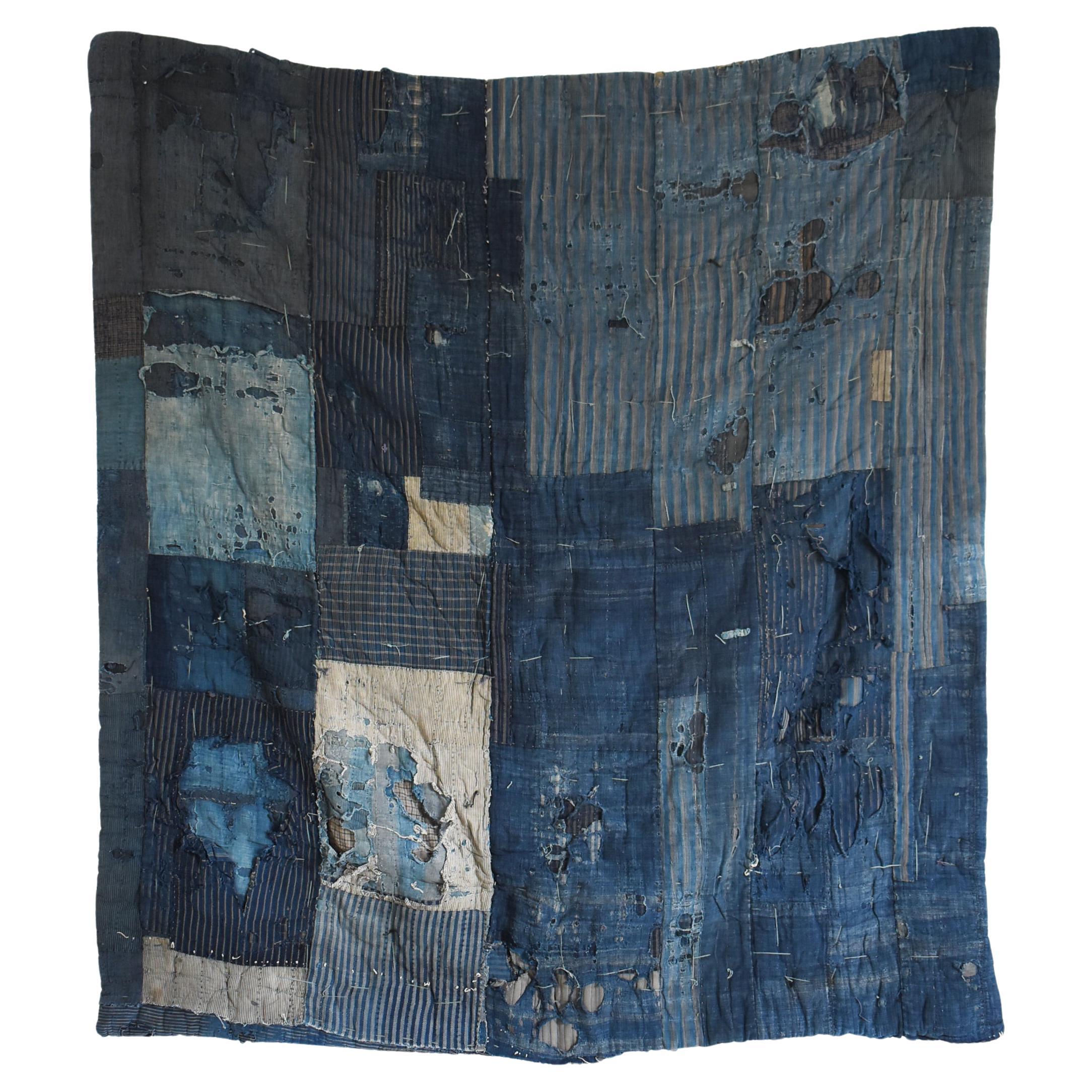
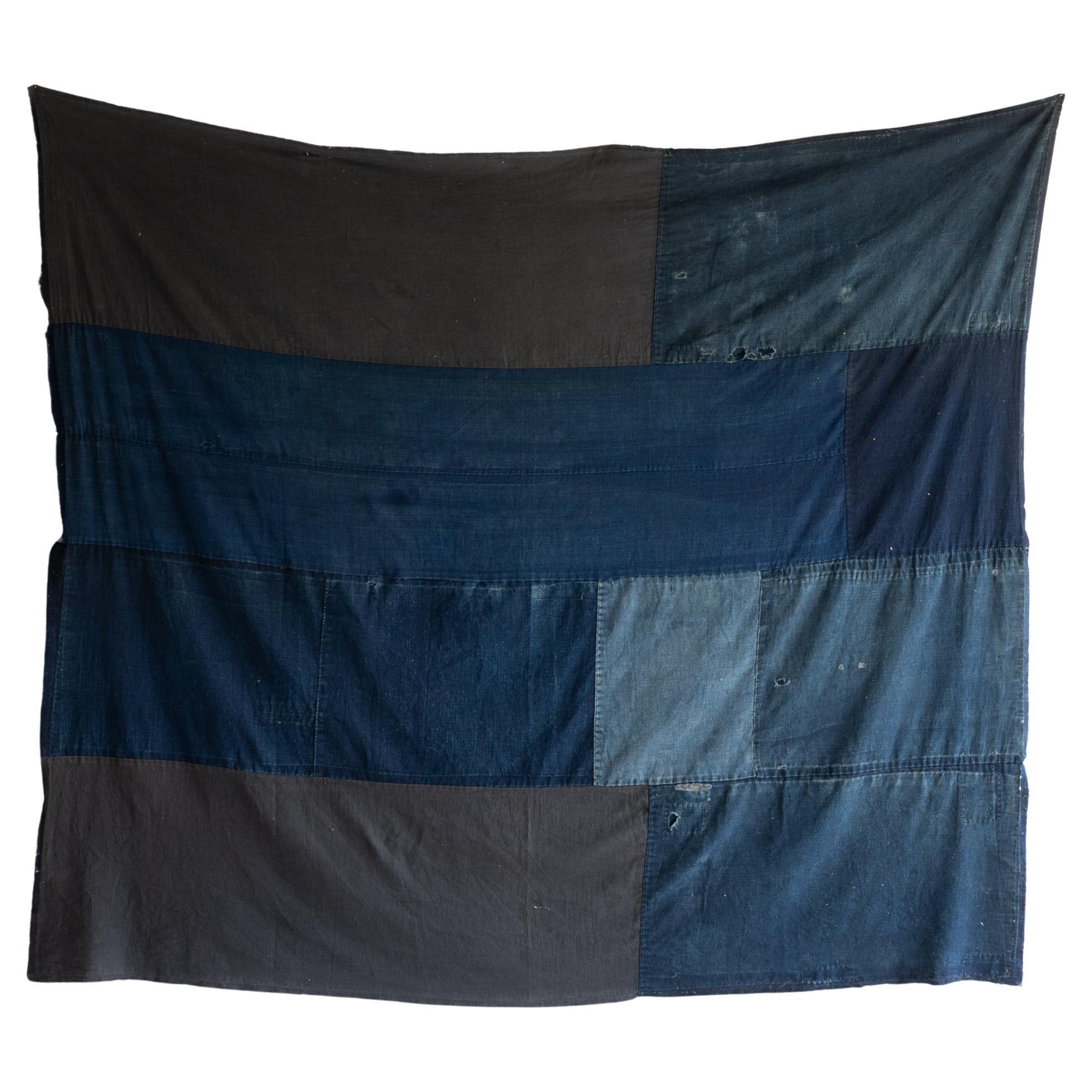
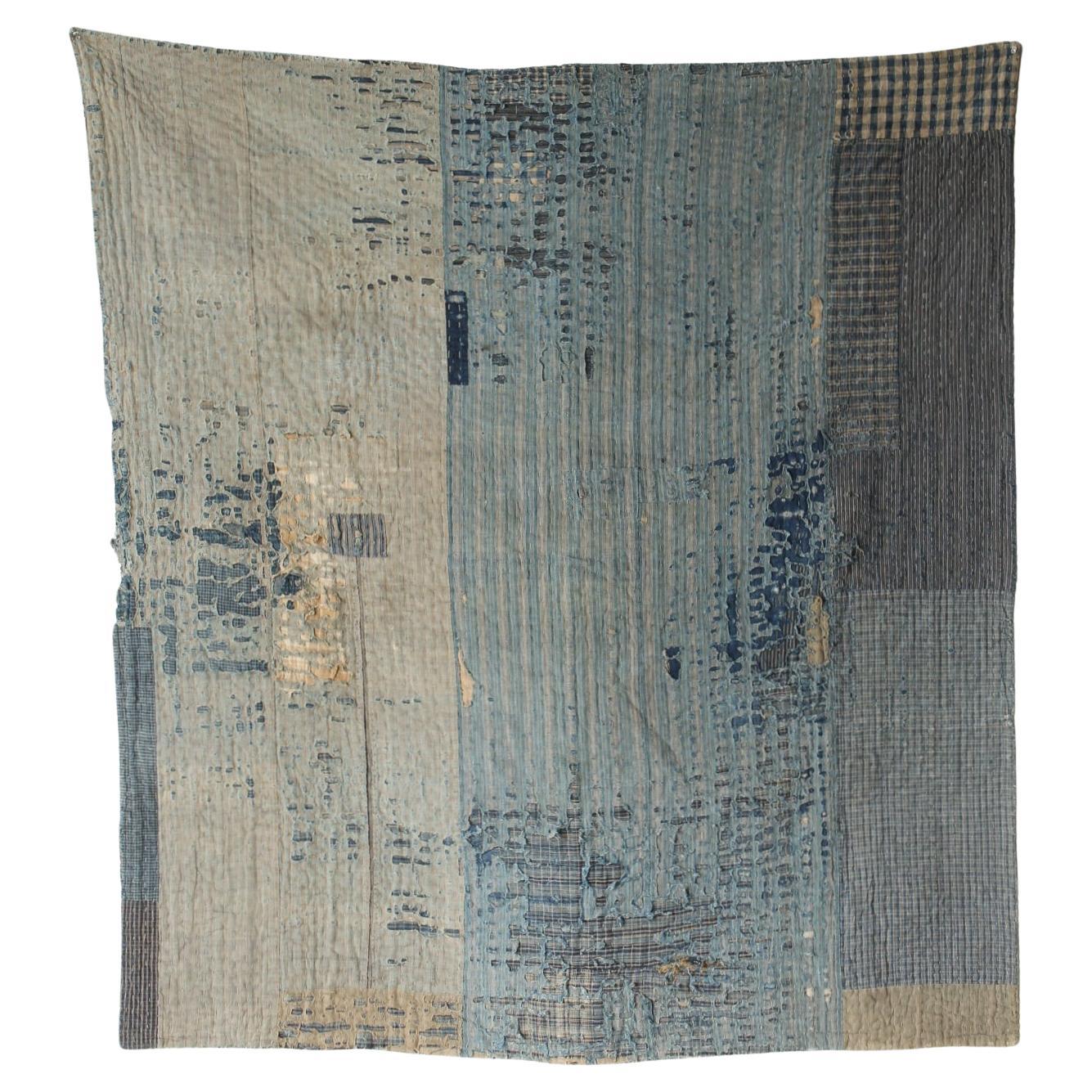
"BORO" Japanese Antique Rag 1800s-1860s / Abstract Art Wabi Sabi
$2,419.26
£1,771.04
€2,000
CA$3,309.77
A$3,499.28
CHF 1,880.42
MX$42,026.88
NOK 23,546.15
SEK 21,546.46
DKK 15,234.31
About the Item
This is an exceptionally old piece of Japanese fabric, dating back to the Edo period (1800s–1860s).
It has been carefully used to withstand the harsh winter cold.
Since ancient times, people have utilized local materials to create and pass down essential clothing and tools, cultivating a way of life in harmony with nature’s challenges.
In Aomori Prefecture, located at the northernmost tip of Honshu, various daily tools and techniques have been inherited to survive the region’s severe winters. These traditions are built upon acts of “sewing,” “mending,” and “connecting”, reflecting a lifestyle that has evolved over generations.
The harsher the environment, the more refined human wisdom and craftsmanship become.
Today, in an era where cheap, disposable items dominate, the practice of repairing and reusing objects opens up new possibilities.
This fabric embodies the Japanese aesthetic of wabi-sabi, a philosophy that finds beauty in imperfection and impermanence.
It represents a restrained, understated elegance—one that stands in contrast to the ordinary and the ostentatious.
A truly unique and rare piece.
- Dimensions:Height: 67.72 in (172 cm)Width: 55.91 in (142 cm)Depth: 0.2 in (5 mm)
- Style:Edo (Of the Period)
- Materials and Techniques:
- Place of Origin:
- Period:
- Date of Manufacture:1800s-1860s
- Condition:Wear consistent with age and use.
- Seller Location:Sammu-shi, JP
- Reference Number:1stDibs: LU5487248480492
About the Seller
5.0
Platinum Seller
Premium sellers with a 4.7+ rating and 24-hour response times
Established in 2015
1stDibs seller since 2020
1,719 sales on 1stDibs
Typical response time: 6 hours
- ShippingRetrieving quote...Shipping from: Taito-ku, Japan
- Return Policy
More From This Seller
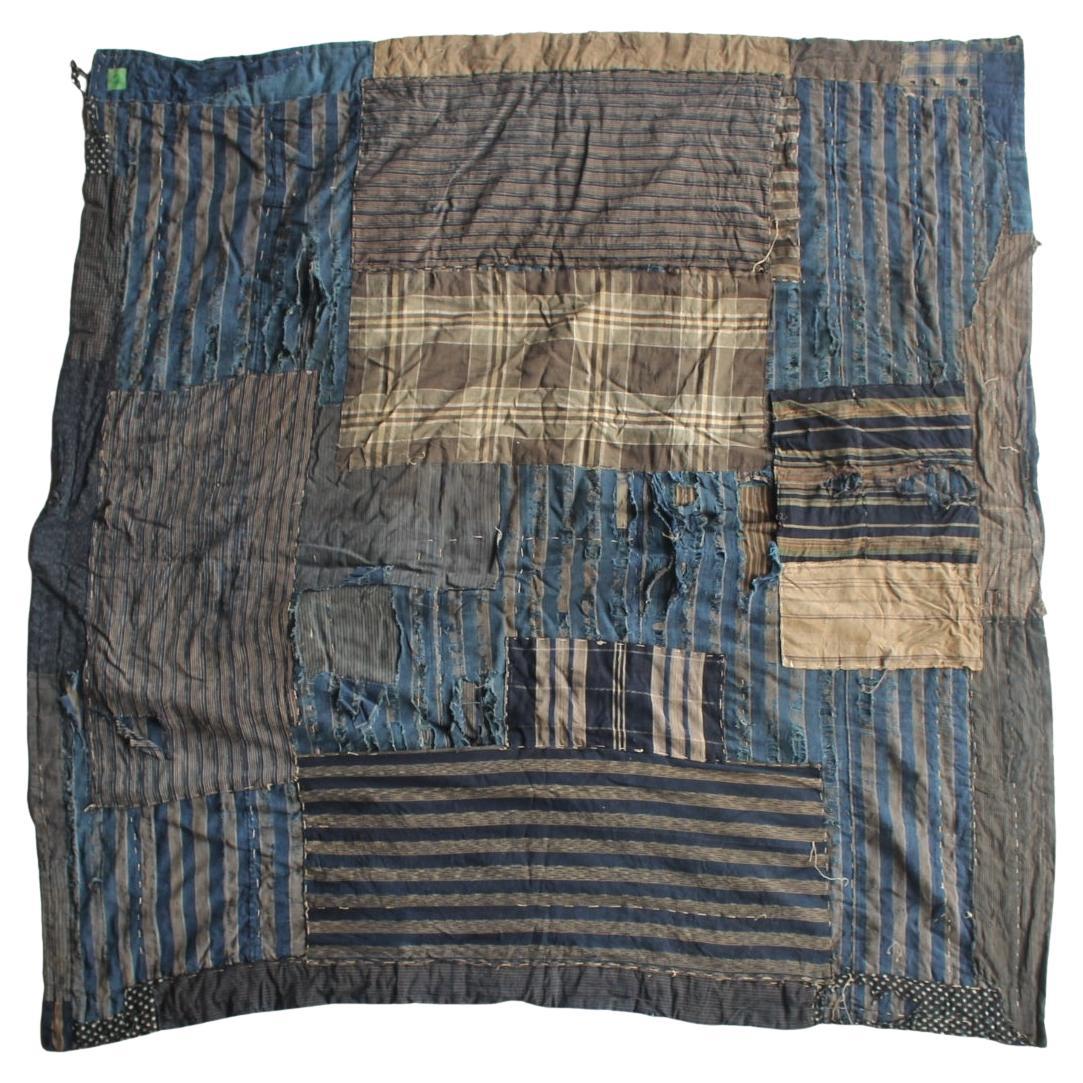
View AllJapanese Antique Rag "BORO" 1800s-1860s / Abstract Art Wabi Sabi
Located in Sammu-shi, Chiba
This is an exceptionally old piece of Japanese fabric, dating back to the Edo period (1800s–1860s).
It has been carefully used to withstand the harsh winter cold.
Since ancient time...
Category
Antique Mid-19th Century Japanese Edo Textiles
Materials
Fabric
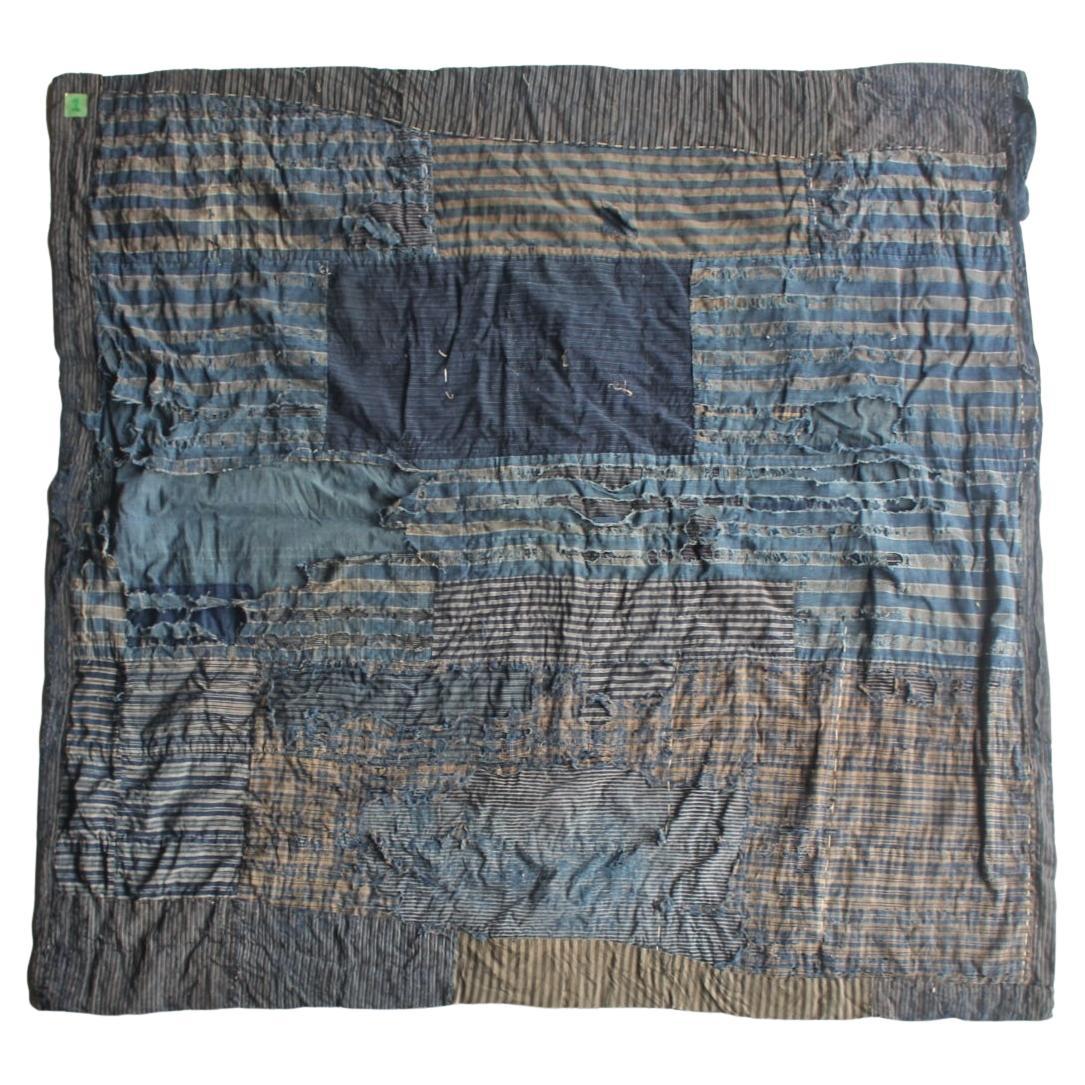
Japanese Antique Rag "BORO" 1800s-1860s / Abstract Art Wabi Sabi
Located in Sammu-shi, Chiba
This is an exceptional example of a Japanese *BORO* textile, dating from the late Edo period (1800s–1860s). Carefully preserved over generations, it embodies both the resourcefulness...
Category
Antique Mid-19th Century Japanese Edo Tapestries
Materials
Fabric
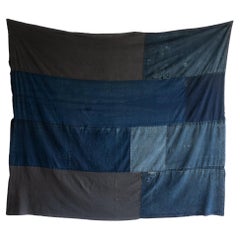
Japanese Indigo Dyed Old Embroidery Cloth / Japanese Toy Pattern / 1912-1960
Located in Sammu-shi, Chiba
It is a Japanese indigo dyed antique cloth.
It calls its name "fu-ro-shi-ki".
Originally used in the dressing room of the public bath "furo" during the...
Category
Early 20th Century Japanese Showa Textiles
Materials
Cotton
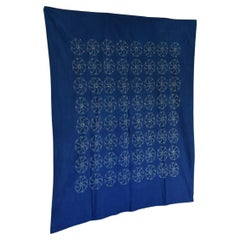
Japanese Wall Art / Japanese objet / wabi-sabi art / primitive wall art
Located in Sammu-shi, Chiba
This is a wall art made using some of the material from an old Japanese door.
This is a wooden door reinforced with galvanized iron sheets.
It's a convenient size that doesn't take...
Category
2010s Japanese Primitive Antiquities
Materials
Tin
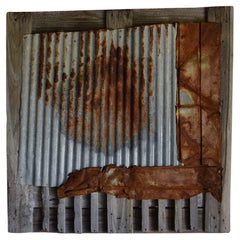
Ceremonial cloth from West Africa
Located in Sammu-shi, Chiba
This vintage West African fabric is handwoven cotton dyed with vegetable dyes and decorated with embroidery and cowrie shells. It is likely to be from the Marino Dogon people.
The ge...
Category
Antique Mid-19th Century Malian Primitive Textiles
Materials
Fabric
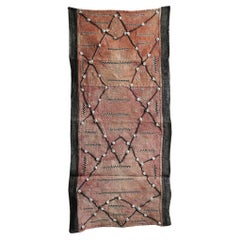
Antique Japanese Ink Painting Curtain/Wabi-Sabi Tapestry/1868-1920
Located in Sammu-shi, Chiba
This is an old Japanese noren curtain. It is believed to be made from a traditional Japanese fabric called asa or basho, made from banana leaf fibers. Noren curtains were originally hung at the entrances of shops and homes, gently blocking outside views and breezes while also conveying a sense of the presence of people and the changing seasons, a presence born from Japan's unique lifestyle and culture. More than simply a room divider, noren curtains also quietly convey the aesthetic sense of the people and businesses that inhabit them.
The greatest appeal of this work lies in the ink paintings executed on the fabric. The moon, bamboo grass, rocks, and flowing river are depicted, making ample use of the white space, creating a tranquil worldview reminiscent of Chinese and Japanese landscape paintings. However, the depiction is by no means verbose; the bamboo grass is depicted with minimal, omitted lines, and the river is not depicted in full, leaving it to the viewer's imagination. In the center, a full moon is depicted only as an outline, and its understated depiction evokes a sense of transience and lingering beauty.
A two-character signature can be seen in the corner of the painting, but details about the artist are unknown. However, noren curtains painted directly onto them in ink like this are extremely rare, and I have only seen them a few times before. I think it is particularly noteworthy that such poetic, highly refined pictorial expression has been applied to a noren curtain, which is supposed to be a practical item.
Over the years, the entire fabric has taken on a slight brownish tinge, taking on the depth and tranquility that only comes with aging. This color blends with the pale ink colors of the ink, quietly blending into the space without making a strong statement. It pairs particularly well with white walls, and I highly recommend using it not only as a noren curtain, but also hanging it on the wall like a tapestry for viewing. I believe that just hanging one in a space will bring a sense of dignified space and the depth of time.
Size & Specifications
Cloth Width: Approx. 87.5 cm
Height: Approx. 150.5 cm
Cloth Thickness: Very thin (approx. 0.05 mm; exact measurements not taken)
Top Bamboo Rod Length: Approx. 98.5 cm
Item Number
OB314
It's impossible to say when we'll ever be able to find another antique noren...
Category
Antique Late 19th Century Japanese Meiji Tapestries
Materials
Hemp

You May Also Like
Japanese Antique "BORO" Edo period 1800s-1860s / Rag Abstract Art Wabi-Sabi
By Axel Vervoordt
Located in Chōsei District Nagara, JP
This is an old Japanese BORO textile, dating back to the Edo period (1800s–1860s). It is a rare cloth that has survived through a long span of time. The interplay of indigo and natur...
Category
Antique Late 19th Century Japanese Edo Tapestries
Materials
Fabric
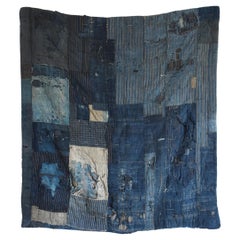
Boro0 Japanese Antiques Primitive Art BORO Indigo-dyed patchwork Old Cloth
Located in Niiza, JP
Material: cotton
Width 1550 x Height 1700 x Depth 10 mm (about) weight 5 kg
estimate Packaging (It will be rolled or folded and shipped in bubble wrap and cardboard.)
50cm x 50cm x...
Category
Antique Early 19th Century Japanese Textiles
Materials
Cotton
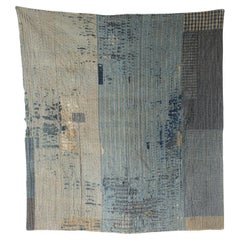
Boro2 Japanese Antiques Primitive Art BORO Indigo-dyed Old Cloth patchwork
Located in Niiza, JP
Material: cotton
Width 1650 x Height 1700 (about) weight 4 kg
estimate Packaging (It will be folded and shipped in bubble wrap and cardboard.)
40 cm x 50 cm x 25 cm, weight 6 kg
Th...
Category
Antique 19th Century Japanese Antiquities
Materials
Cotton
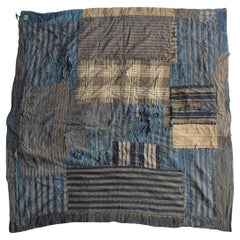
Boro1 Japanese Antiques Primitive Art BORO Indigo-dyed Old Cloth patchwork
Located in Niiza, JP
Material: cotton
Width 1550 x Height 1500 x Depth 10 mm (about) weight 2 kg
estimate Packaging (It will be rolled or folded and shipped in bubble wrap and cardboard.)
45 cm x 45 cm ...
Category
Antique 19th Century Japanese Textiles
Materials
Cotton
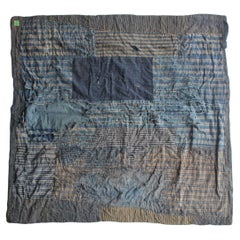
Boro5 Japanese Antiques Primitive Art BORO Indigo-dyed Old Cloth patchwork
Located in Niiza, JP
Material: cotton fabric
Width 1550 x Height 1450 (about) weight 4 kg
estimate Packaging (It will be rolled or folded and shipped in bubble wrap and cardboard.)
45 cm x 55 cm x 20 cm...
Category
Antique 19th Century Japanese Antiquities
Materials
Fabric, Cotton
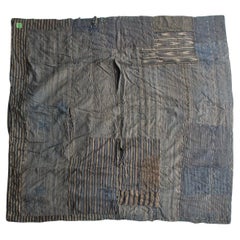
Boro4 Japanese Antiques Primitive Art BORO Indigo-dyed Old Cloth patchwork
Located in Niiza, JP
Material: cotton fabric
Width 1850 x Height 1500 (about) weight 900g
estimate Packaging (It will be rolled or folded and shipped in bubble wrap and cardboard.)
27 cm x 45 cm x 20 cm...
Category
Antique 19th Century Japanese Antiquities
Materials
Fabric, Cotton