Items Similar to Fabric Divider, Cotton Noren with Kakumoji Character, Japan, Early 20th Century
Want more images or videos?
Request additional images or videos from the seller
1 of 13
Fabric Divider, Cotton Noren with Kakumoji Character, Japan, Early 20th Century
$840
£634.59
€727.74
CA$1,172.06
A$1,275.56
CHF 676.17
MX$15,345.97
NOK 8,576.05
SEK 7,846.49
DKK 5,436.74
About the Item
This is a traditional Japanese noren (fabric shop curtain) dating to the Taisho period (1912–1926), crafted from cotton dyed with persimmon tannin (kakishibu). Over time, the dye has faded beautifully, creating a warm, richly worn patina that exudes authentic vintage character.
At the center is a bold kakumoji character—a distinctive Japanese typographic style that originated in the Edo period. Kakumoji reduced a shop’s name to a single, stylized kanji designed with strong graphic impact, serving as an instantly recognizable branding mark.
Originally used at a shop entrance, this noren combines practical durability with striking design heritage. The cotton remains strong and sturdy despite its age, while the faded persimmon dyeing adds layered visual appeal.
Ideal as a decorative wall hanging, room divider, or cultural accent in modern interiors. Perfect for adding authentic Japanese character to shops, restaurants, studios, or homes.
- Dimensions:Height: 58.67 in (149 cm)Width: 38.98 in (99 cm)Depth: 0.4 in (1 cm)
- Materials and Techniques:
- Place of Origin:
- Period:
- Date of Manufacture:20th Century
- Condition:Minor losses.
- Seller Location:Tokyo, JP
- Reference Number:1stDibs: LU2614345851912
About the Seller
5.0
Vetted Professional Seller
Every seller passes strict standards for authenticity and reliability
Established in 2008
1stDibs seller since 2017
136 sales on 1stDibs
Typical response time: 14 hours
- ShippingRetrieving quote...Shipping from: Tokyo, Japan
- Return Policy
More From This Seller
View AllAntique Noren Curtain, Japan, circa 1890 / Wabi Sabi, Japanese craftsmanship
Located in Tokyo, Tokyo
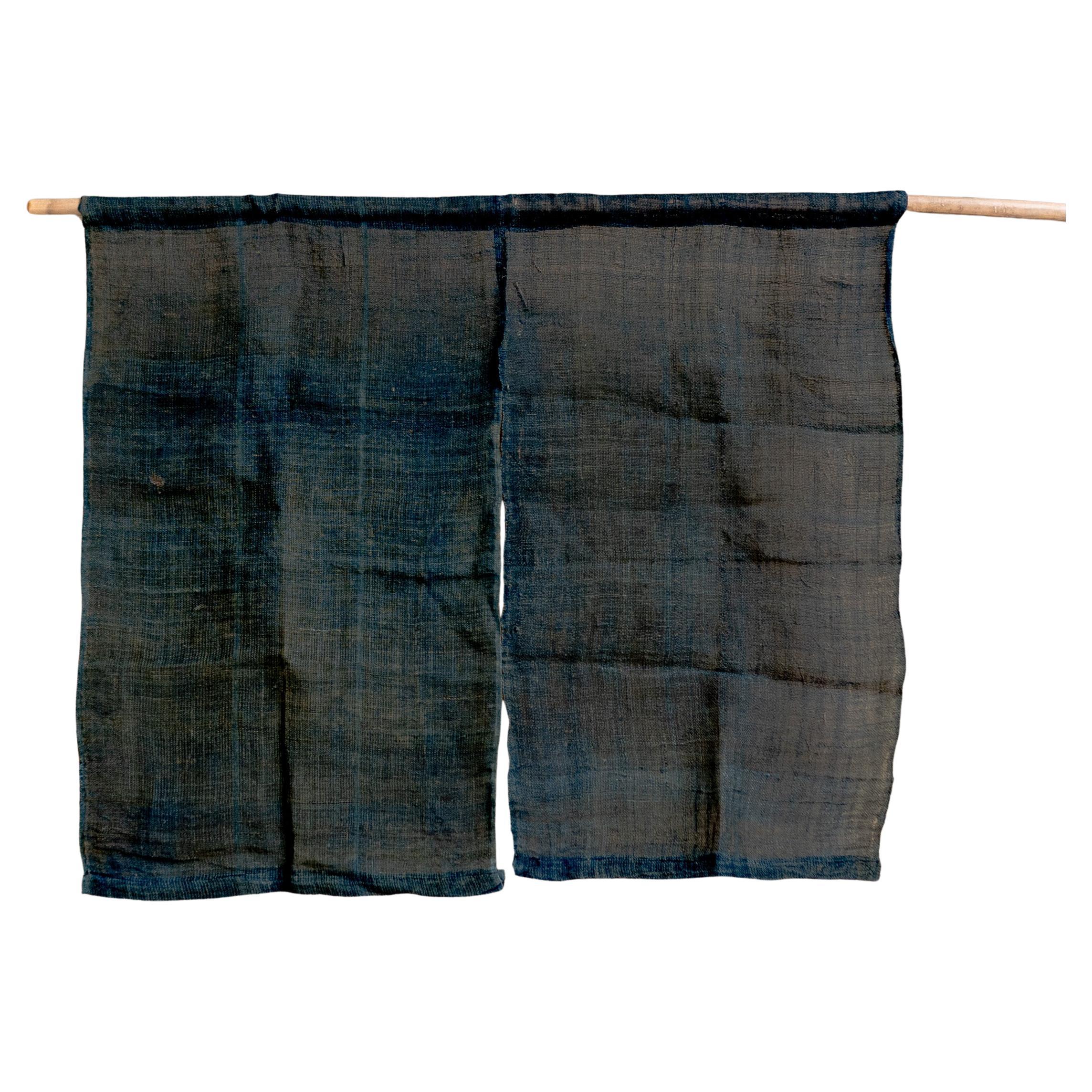
A rare antique noren (Japanese split curtain), hand-woven from natural fibers and dyed in deep, layered shades of natural indigo. Its subtle gradation of...
Category
Antique Late 19th Century Japanese Textiles
Materials
Fabric
Divider, Tsutsugaki Aigaeshi-Dyed Noren with Family Crest, Japan, 19th Century
Located in Tokyo, Tokyo
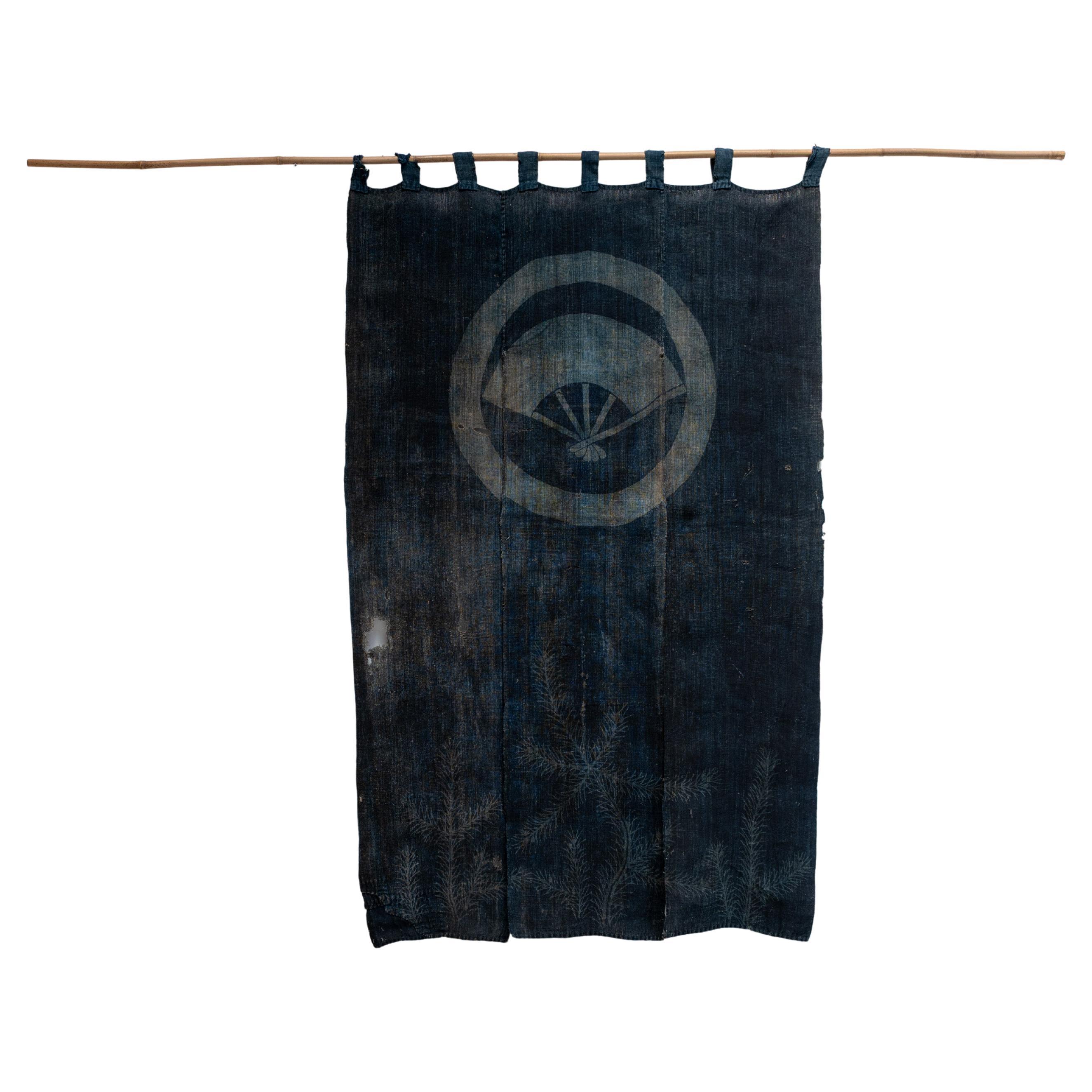
This is a traditional Japanese noren (fabric divider) from the late Edo period, created in Yamagata Prefecture in the 19th century. Crafted from hand-sp...
Category
Antique 19th Century Japanese Textiles
Materials
Fabric
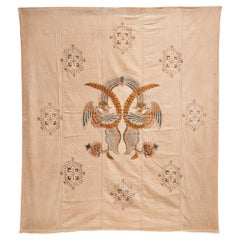
Japanese Vintage Fabric, Wabi Sabi, 1910s
Located in Tokyo, Tokyo
This unique and elegant textile with a phoenix pattern, known as Nagasaki Sarasa, was made in Nagasaki Prefecture (Kyushu) during the Taisho era.
The fabric was likely intended fo...
Category
Vintage 1910s Japanese Textiles
Materials
Cotton
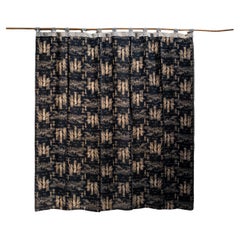
Japanese Vintage Linen Noren, Textile, Wabi Sabi, 19th Century
Located in Tokyo, Tokyo
The unique and beautiful fabric piece, that's called noren - traditional Japanese fabric divider that was made during the Meiji era. This traditional Japanese curtains used to divide...
Category
Antique 19th Century Japanese Textiles
Materials
Linen
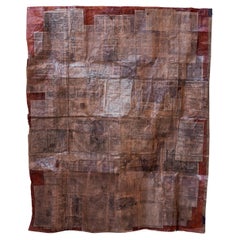
Japanese Persimmon-Dyed Washi with Layered Repairs, Early 20th
Located in Tokyo, Tokyo
This rare and unusually large persimmon tannin–dyed washi rug dates from the late Meiji to Taisho period. Originally created to protect tatami mats from sunlight or to serve as a uti...
Category
Early 20th Century Japanese Textiles
Materials
Paper
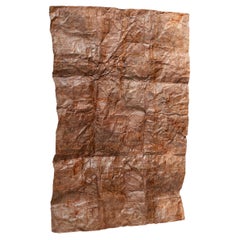
Japanese Persimmon-Dyed Washi Curtain (Shichou-maku), 19th Century
Located in Tokyo, Tokyo
This striking “shichou-maku,” or paper curtain, dates to the Meiji period and was originally used in sericulture rooms to shield silkworms from drafts and cold air. Hung from ceiling...
Category
Antique 19th Century Japanese Textiles
Materials
Paper
You May Also Like
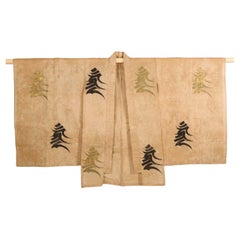
Antique Japanese Noh Outer Cloak Chōken with Stencil Decoration
Located in Atlanta, GA
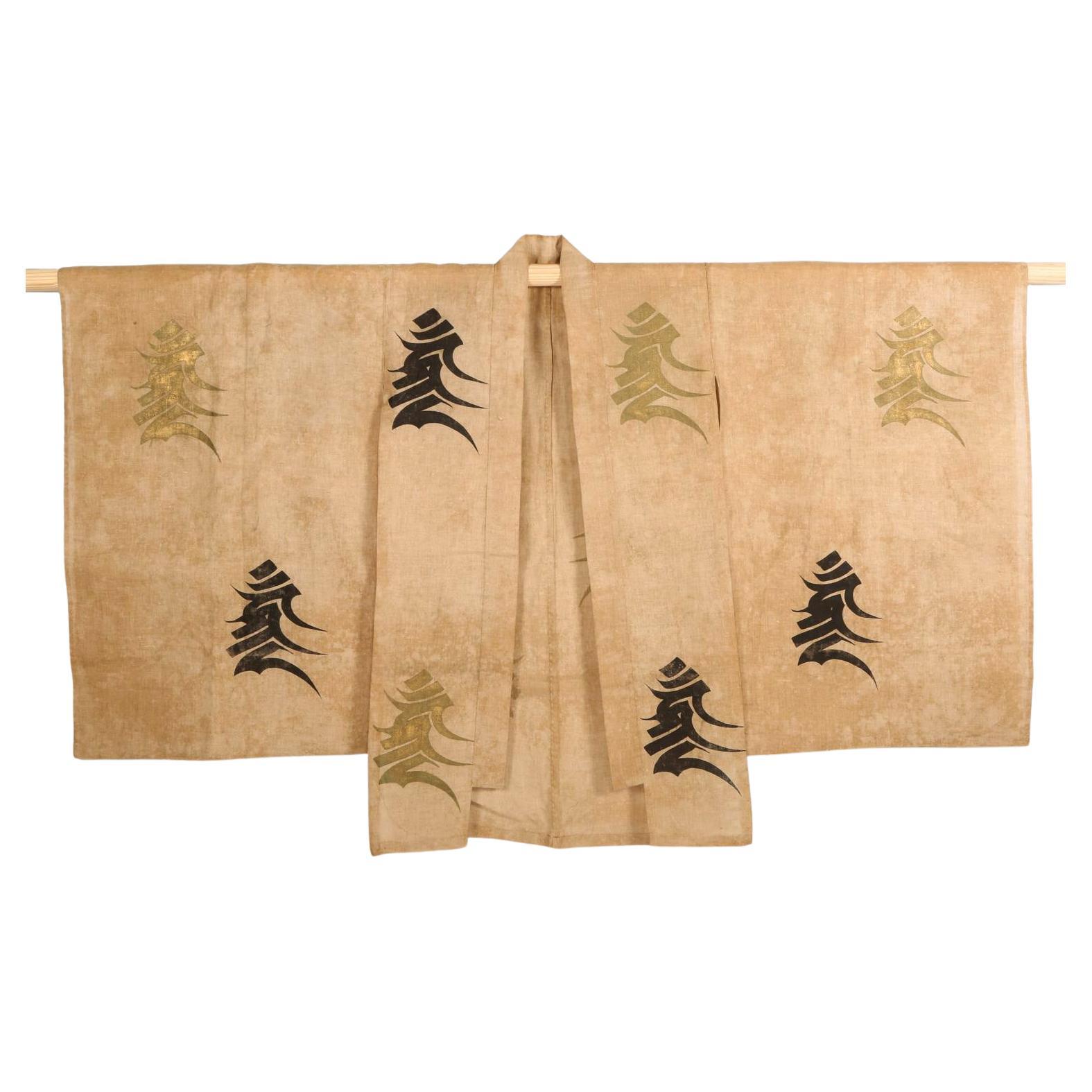
A large and striking Japanese outer cloak for Noh performance (known as Choken) circa 19th century (late Edo to early Meiji period). The robe was woven from a natural bast-fiber (kno...
Category
Antique 19th Century Japanese Edo Textiles
Materials
Natural Fiber
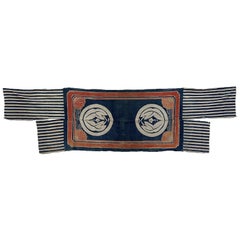
Japanese Horse Trapping, "Uma-No-Haragake", Tsutsugaki, Cotton, Meiji Period
Located in Point Richmond, CA
Japanese horse trapping, "Uma-No-Haragake", Tsutsugaki, cotton, Meiji period
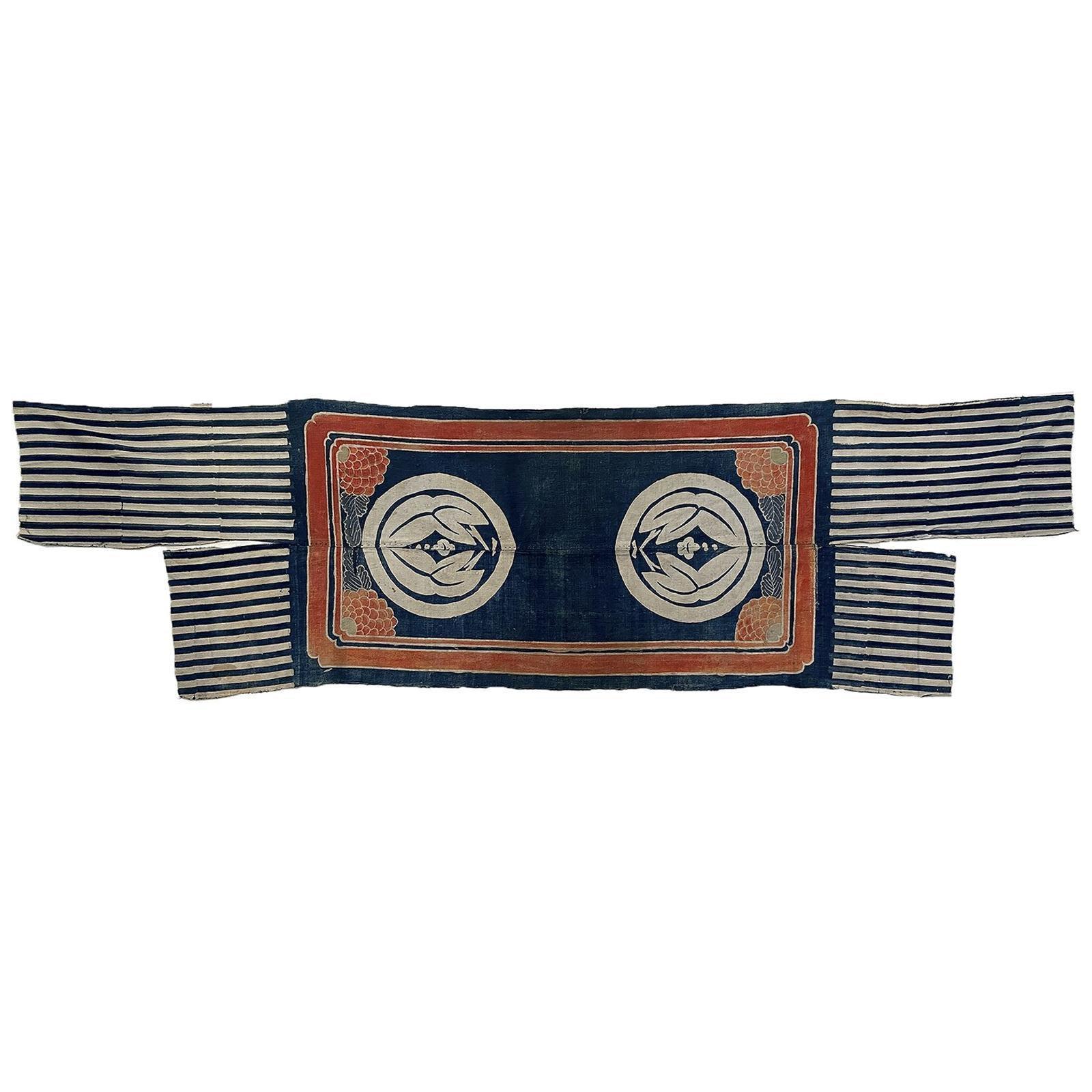
This type of haragake is called yuiage ("tied up"). The central portion covered the belly of the horse an...
Category
20th Century Japanese Meiji Textiles
Materials
Cotton
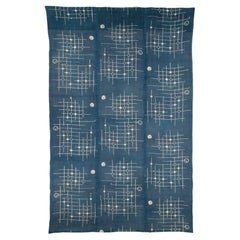
Early 20th Century Japanese Linen Go-Board Pattern Futon Cover
Located in Point Richmond, CA
Early 20th Century Japanese linen go-board pattern futon cover
A unique example of a game-themed textile, this 3-panel futon cover is woven of very fine...
Category
Early 20th Century Japanese Meiji Textiles
Materials
Hemp
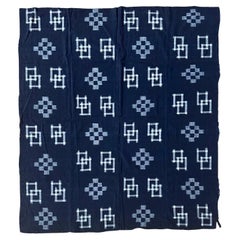
Japanese Textile Panel Double Ikat Kasuri Futon Cover
Located in Atlanta, GA
A Japanese woven cotton textile panel with white pattern on indigo background circa 1900-20s (end of Meiji to Tasho period). The panel was joined by four vertical stripes and was tra...
Category
Early 20th Century Japanese Meiji Textiles
Materials
Cotton
Japanese Monastery Robe Patchwork Kesa with inscription Edo Period
Located in Atlanta, GA
A Japanese Kesa (Monk's Vestment) made from fourteen columns of patchworks of blue brocades with sumptuous woven pattern. The elaborate motifs feature re...
Category
Antique Early 19th Century Japanese Japonisme Textiles
Materials
Brocade, Silk
Antique Japanese Ink Painting Curtain/Wabi-Sabi Tapestry/1868-1920
Located in Sammu-shi, Chiba
This is an old Japanese noren curtain. It is believed to be made from a traditional Japanese fabric called asa or basho, made from banana leaf fibers. Noren curtains were originally ...
Category
Antique Late 19th Century Japanese Meiji Tapestries
Materials
Hemp

More Ways To Browse
Antique Character
Japanese 20th Century Modern Furniture
Antique Fabrics And Textiles Fabric Textiles
Japanese Fabric Art
Japanese Noren
Antique Noren
Wedding Kimono
Burma Textile
Chinese Silk Robe
Meiji Silk Embroider
Antique Fukusa
Antique Futon
Antique Indonesian Ikat
Antique Tibetan Textiles
Chinese Dragon Embroidered
Framed Asian Tapestry
Qing Dynasty Badge
Antique Chinese Brocade