Items Similar to Japanese Antique Rag "BORO" 1800s-1860s / Abstract Art Wabi Sabi
Want more images or videos?
Request additional images or videos from the seller
1 of 18
Japanese Antique Rag "BORO" 1800s-1860s / Abstract Art Wabi Sabi
$2,500
£1,905.74
€2,177.16
CA$3,517.85
A$3,853.14
CHF 2,028.68
MX$45,985.94
NOK 25,853.69
SEK 23,634.17
DKK 16,269.26
About the Item
This is an exceptionally old piece of Japanese fabric, dating back to the Edo period (1800s–1860s).
It has been carefully used to withstand the harsh winter cold.
Since ancient times, people have utilized local materials to create and pass down essential clothing and tools, cultivating a way of life in harmony with nature’s challenges.
In Aomori Prefecture, located at the northernmost tip of Honshu, various daily tools and techniques have been inherited to survive the region’s severe winters. These traditions are built upon acts of “sewing,” “mending,” and “connecting”, reflecting a lifestyle that has evolved over generations.
The harsher the environment, the more refined human wisdom and craftsmanship become.
Today, in an era where cheap, disposable items dominate, the practice of repairing and reusing objects opens up new possibilities.
This fabric embodies the Japanese aesthetic of wabi-sabi, a philosophy that finds beauty in imperfection and impermanence.
It represents a restrained, understated elegance—one that stands in contrast to the ordinary and the ostentatious.
A truly unique and rare piece.
- Dimensions:Height: 71.66 in (182 cm)Width: 71.66 in (182 cm)Depth: 0.2 in (5 mm)
- Style:Edo (Of the Period)
- Materials and Techniques:
- Place of Origin:
- Period:
- Date of Manufacture:1800s-1860s
- Condition:Wear consistent with age and use.
- Seller Location:Sammu-shi, JP
- Reference Number:1stDibs: LU5487248067822
About the Seller
5.0
Platinum Seller
Premium sellers with a 4.7+ rating and 24-hour response times
Established in 2015
1stDibs seller since 2020
1,699 sales on 1stDibs
Typical response time: 6 hours
- ShippingRetrieving quote...Shipping from: Sammushi, Japan
- Return Policy
More From This Seller
View AllJapanese Antique Rag "BORO" 1800s-1860s / Abstract Art Wabi Sabi
Located in Sammu-shi, Chiba
This is an exceptional example of a Japanese *BORO* textile, dating from the late Edo period (1800s–1860s). Carefully preserved over generations, it embodies both the resourcefulness...
Category
Antique Mid-19th Century Japanese Edo Tapestries
Materials
Fabric
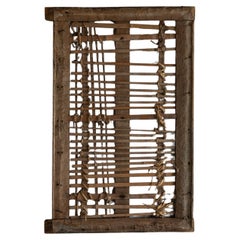
Japanese Antique Door "Wall Decoration" 1860s-1900s / Abstract Art Wabi Sabi
Located in Sammu-shi, Chiba
This was a very old Japanese warehouse (kura) window sliding door.
It was made during the Meiji period (1860s-1900s).
The frame is made of cedar wood and the lattice is bamboo.
It w...
Category
Early 20th Century Japanese Meiji Decorative Art
Materials
Bamboo, Cedar
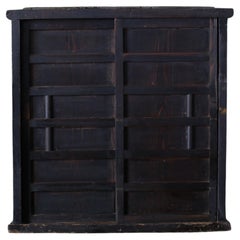
Japanese Antique BK Tansu 1860s-1900s ③ / Cabinet Sideboard Wabi Sabi
Located in Sammu-shi, Chiba
This chest of drawers is one of a set of three used in the same old Japanese house.
Judging from its current condition, it appears to be quite old. It is in all original condition.
...
Category
Early 20th Century Japanese Edo Cabinets
Materials
Cedar
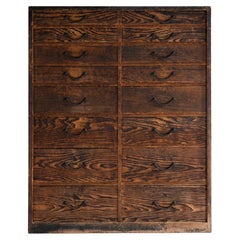
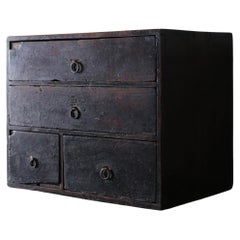
Japanese Antique Drawer 1860s-1920s / Sideboard Wabi Sabi
Located in Sammu-shi, Chiba
This is a very old drawer storage chest made in Japan.
It dates back to the Meiji era (1860s–1920s) and is crafted from Japanese cedar wood.
The metal fittings are made of iron.
The...
Category
Early 20th Century Japanese Meiji Commodes and Chests of Drawers
Materials
Iron
Japanese Antique Drawer 1860s-1920s / Sideboard Wabi Sabi
Located in Sammu-shi, Chiba
This is a very old drawer storage chest made in Japan.
It dates back to the Meiji era (1860s–1920s) and is crafted from Japanese cedar wood.
The metal fittings are made of iron.
The...
Category
Early 20th Century Japanese Meiji Commodes and Chests of Drawers
Materials
Iron
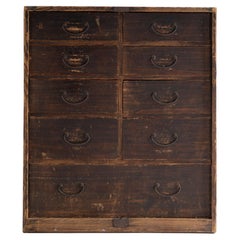
Japanese Antique Wabi Sabi Small Drawer 1860s-1900s
Located in Sammu-shi, Chiba
Very old Japanese small drawer.
This furniture is from the Meiji period (1860s-1900s).
It is made of cedar wood.
The round handles are made of iron.
These drawers are tasteful, rust...
Category
Early 20th Century Japanese Meiji Commodes and Chests of Drawers
Materials
Cedar
You May Also Like
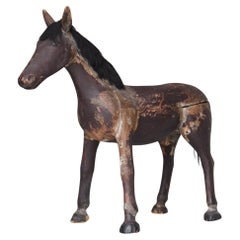
Japanese Antique Sacred Horse Wooden Statue "Shinme" 1800s-1860s / Wabi Sabi
Located in Chōsei District Nagara, JP
This is a very rare carved wooden statue of a sacred horse that was dedicated to a Japanese shrine. It was produced during the Edo period (1800s-1860s), and the main material used is...
Category
Antique Mid-19th Century Japanese Edo Sculptures and Carvings
Materials
Cedar
$5,040 Sale Price
37% Off
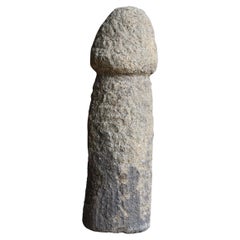
Japanese Antique Stone Carving Penis 1800s-1860s / Sculpture Wabi Sabi Mingei
Located in Chōsei District Nagara, JP
This is an old Japanese stone carving of a phallus, believed to have been made in the late Edo period (1800s–1860s). It is a rare and valuable a...
Category
Antique Late 19th Century Japanese Edo Sculptures and Carvings
Materials
Stone
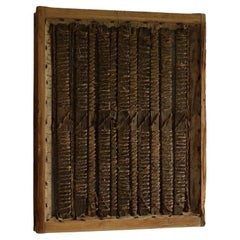
Japanese Antique Door, Abstract Art Wabi Sabi, 1860s-1900s
Located in Katori-Shi, 12
Very old Japanese sliding door.
The simple design conveys the charm of the material.
You can feel the world of wabi and sabi.
Recommended as a wall painting.
It was made in the Mei...
Category
Early 20th Century Meiji Doors and Gates
Materials
Wood
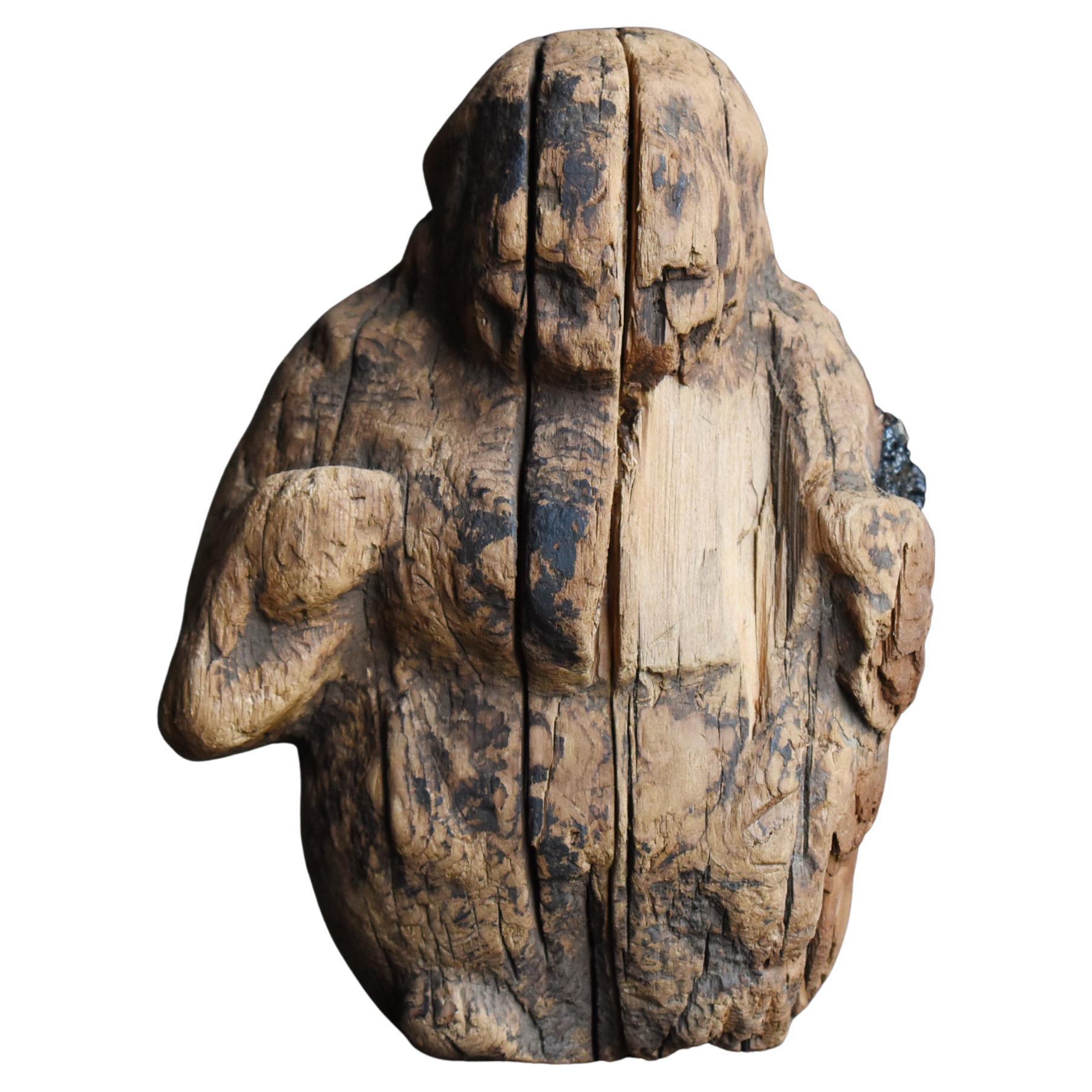
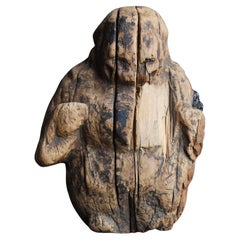
Japanese Antique Wood Carving Daikokuten 1800s-1860s / Figurine Wabisabi
Located in Chōsei District Nagara, JP
This is an old Japanese wooden carving of Daikokuten, created during the Edo period (1800s–1860s). It is carved from sugi (Japanese cedar). Having endured the passage of centuries, i...
Category
Antique Late 19th Century Japanese Edo Sculptures and Carvings
Materials
Cedar
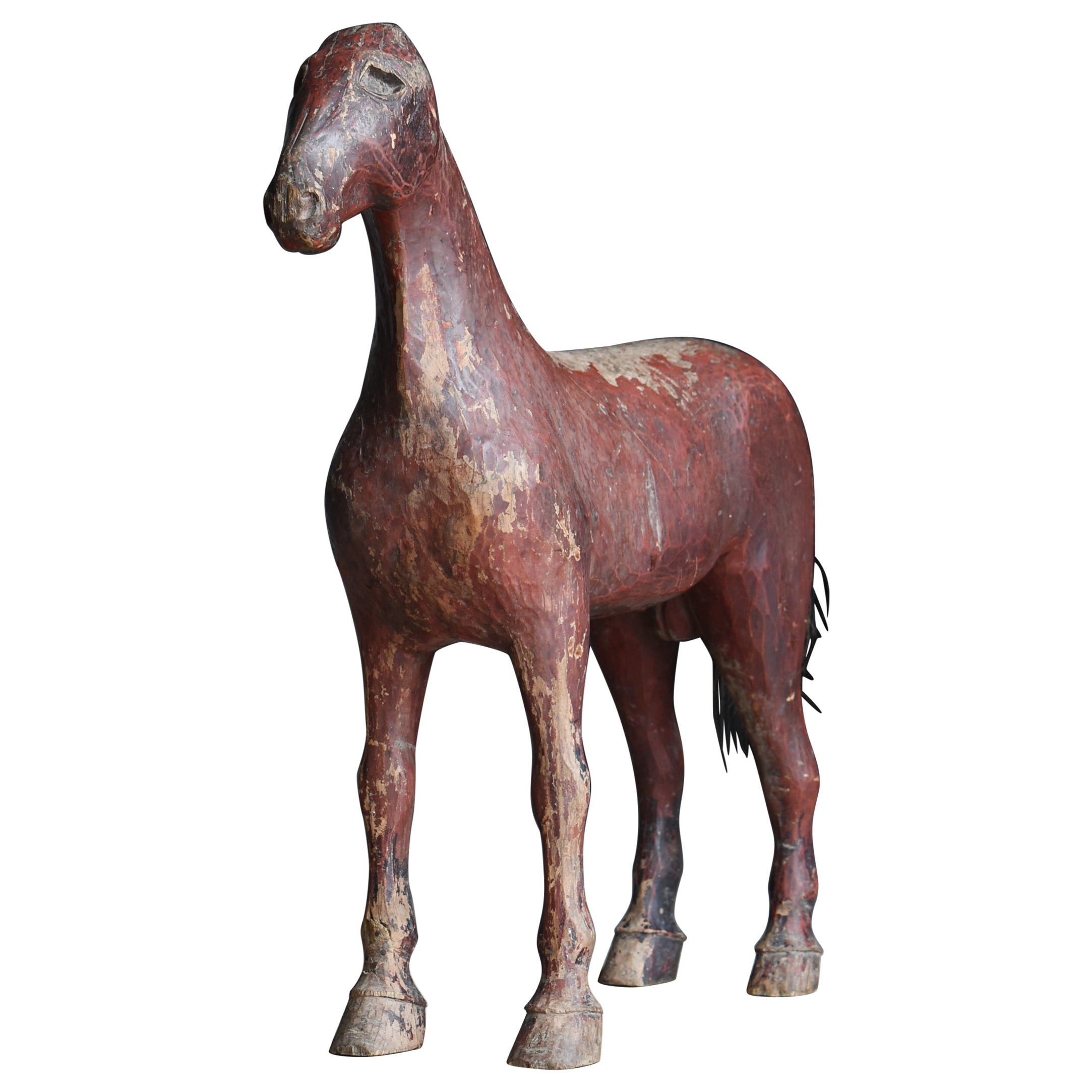
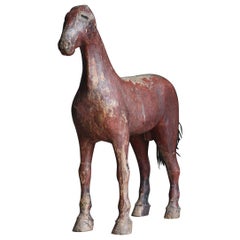
Japanese Antique Sacred Horse "Shinme" 1800s-1860s / Primitive Wabisabi
Located in Chōsei District Nagara, JP
This is an old Japanese carved wooden horse, a highly valuable piece created in the late Edo period (early 1800s–1860s). In Japan, it is known as a "Shinme" (sacred horse), a term re...
Category
Antique Late 19th Century Japanese Edo Sculptures and Carvings
Materials
Cedar, Lacquer
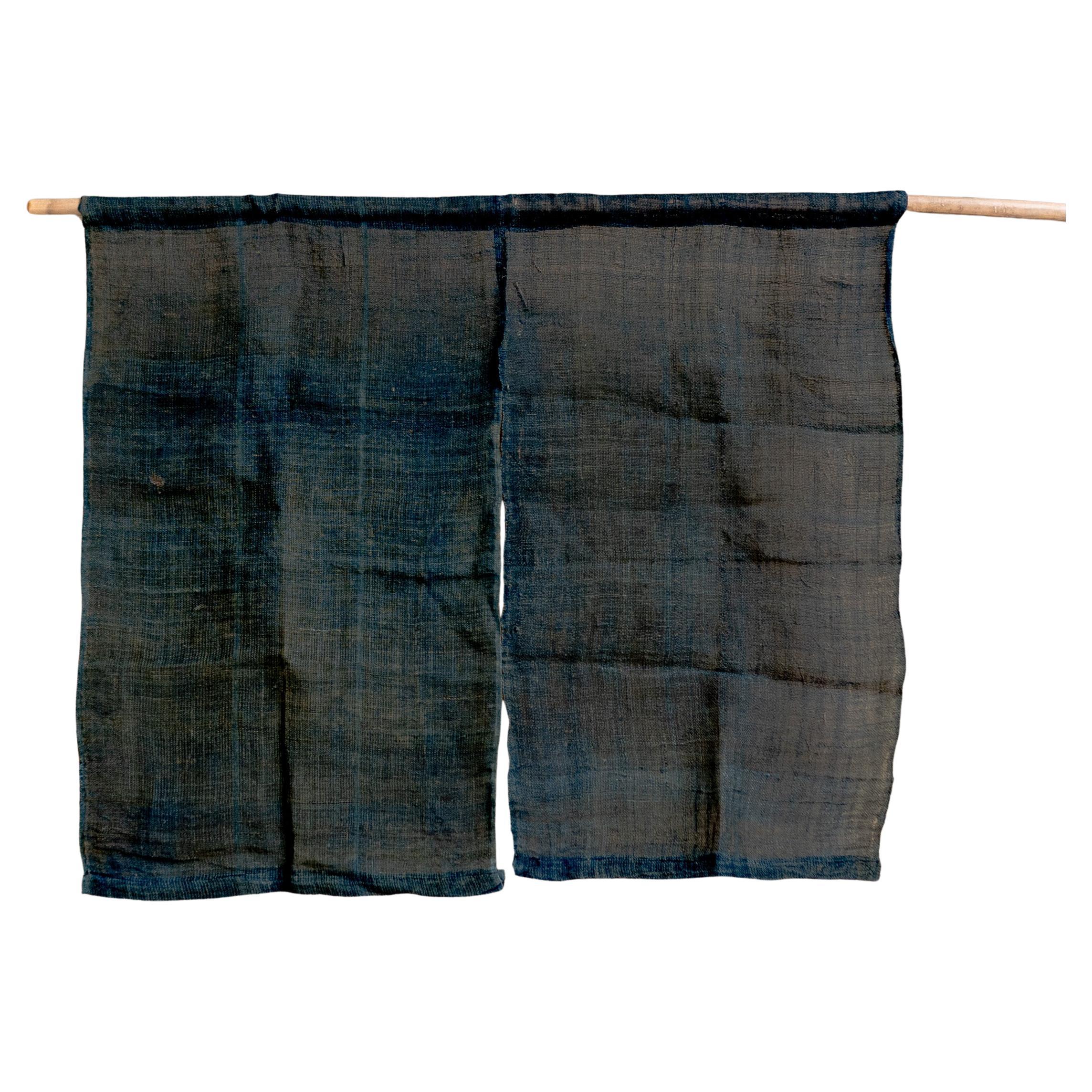
Antique Noren Curtain, Japan, circa 1890 / Wabi Sabi, Japanese craftsmanship
Located in Tokyo, Tokyo
A rare antique noren (Japanese split curtain), hand-woven from natural fibers and dyed in deep, layered shades of natural indigo. Its subtle gradation of...
Category
Antique Late 19th Century Japanese Textiles
Materials
Fabric