Items Similar to Japanese Fireman Hood with Stencil Inscription Meiji Period
Want more images or videos?
Request additional images or videos from the seller
1 of 21
Japanese Fireman Hood with Stencil Inscription Meiji Period
$3,000
£2,285.50
€2,608.30
CA$4,215.71
A$4,594.38
CHF 2,432.92
MX$55,183.37
NOK 30,801.35
SEK 28,318.81
DKK 19,481.10
About the Item
A well-preserved Japanese fireman's hood (known as hikeshi zukin in Japanese) circa 1900s, late Meiji period. Woven with thick cotton with sashiko (cotton thread quilting) and katazome (stencil resist dye), this is a piece of vernacular textile art in an elaborate design and completely preserved form, a rare example of the survived accoutrement of the fireman's outfits. The hood features a heavily padded crown with three red stripes and stenciled inscription "the third bureau" in circle, two eye openings with flip-down cover and multiple layers of protections, each with distinctive designs and kanji inscription made by stencil resist dyes. The inner most flaps still retain its original button. The inscription indicates the that the hood belonged to the "Third Fireman Bureau" of Uchikawa, a town in Yokosuka city of the Kanagawa Prefecture, south of Yokohama.
The display stand is not included.
- Dimensions:Height: 29 in (73.66 cm)Width: 19 in (48.26 cm)Depth: 2 in (5.08 cm)
- Style:Japonisme (Of the Period)
- Materials and Techniques:Cotton,Woven
- Place of Origin:
- Period:1900-1909
- Date of Manufacture:1900s
- Condition:Wear consistent with age and use. Very well preserved in its entirety and vivid colors. One small fraying edge on the bottom flap as shown.
- Seller Location:Atlanta, GA
- Reference Number:1stDibs: LU945030925302
About the Seller
4.9
Platinum Seller
Premium sellers with a 4.7+ rating and 24-hour response times
Established in 2006
1stDibs seller since 2010
581 sales on 1stDibs
Typical response time: <1 hour
- ShippingRetrieving quote...Shipping from: Atlanta, GA
- Return Policy
More From This Seller
View AllJapanese Fisherman Festival Kimono with Tsutsugaki Design
Located in Atlanta, GA
A Japanese festival Kimono robe circa late 19th to early 20th century (end of Meiji Period) for fishing ritual. Made in a cotton fabric, the kimono was elaborately decorated by Tsuts...
Category
Early 20th Century Japanese Meiji Textiles
Materials
Cotton, Linen
Antique Japanese Noh Outer Cloak Chōken with Stencil Decoration
Located in Atlanta, GA
A large and striking Japanese outer cloak for Noh performance (known as Choken) circa 19th century (late Edo to early Meiji period). The robe was woven from a natural bast-fiber (kno...
Category
Antique 19th Century Japanese Edo Textiles
Materials
Natural Fiber
Rare Japanese Fireman
s Four-Piece Assemble Meiji to Showa Period
Located in Atlanta, GA
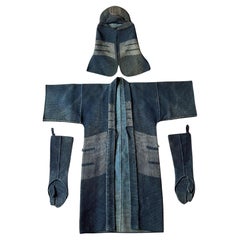
A rare four-piece Japanese Fireman's assemble (Shobosho uniform) woven with heavy cotton and decorated with stencil resist dye circa 1890-20s Late Meiji to Showa Period. The assemble...
Category
Vintage 1920s Japanese Meiji Textiles
Materials
Cotton
Rare Antique Kikko Katabira Armor Jacket Edo Period
Located in Atlanta, GA
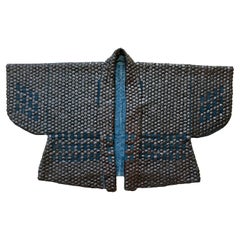
A rare and well-preserved Kikko Jacket used traditionally as an under armor by elite Daimyo and Samurai class since the time of the Mongol invasions of Japan (1270s), and particularl...
Category
Antique Mid-19th Century Japanese Edo Textiles
Materials
Iron
Japanese Brocade Noh Costume Kimono Robe Meiji Period
Located in Atlanta, GA
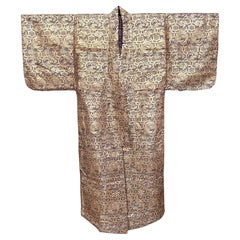
A Noh costume made from magnificent silk twill brocade woven with metallic gold threads circa 1930s. The robe is identified as "Atsuita", made for male actors in the Noh play. The luxuriant fabric has a deep blue background with golden interlocking hexagon pattern that resembles tortoise shells, the symbol of longevity. The motifs showcase three auspicious symbols in repetitive patterns: roundels of coiled dragon, phoenix and peony. The kimono robe...
Category
20th Century Japanese Meiji Textiles
Materials
Brocade, Silk
Japanese Lacquered Samurai Jingasa Hat Edo Period
Located in Atlanta, GA
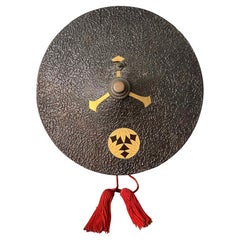
A bespoken Japanese historical hat known as Jinggasa (militant hat) that was worn by samurai in Edo period (1603-1868) circa 18-19th century. There were several subtypes of Jingasa a...
Category
Antique 19th Century Japanese Japonisme Lacquer
Materials
Wood, Lacquer
You May Also Like
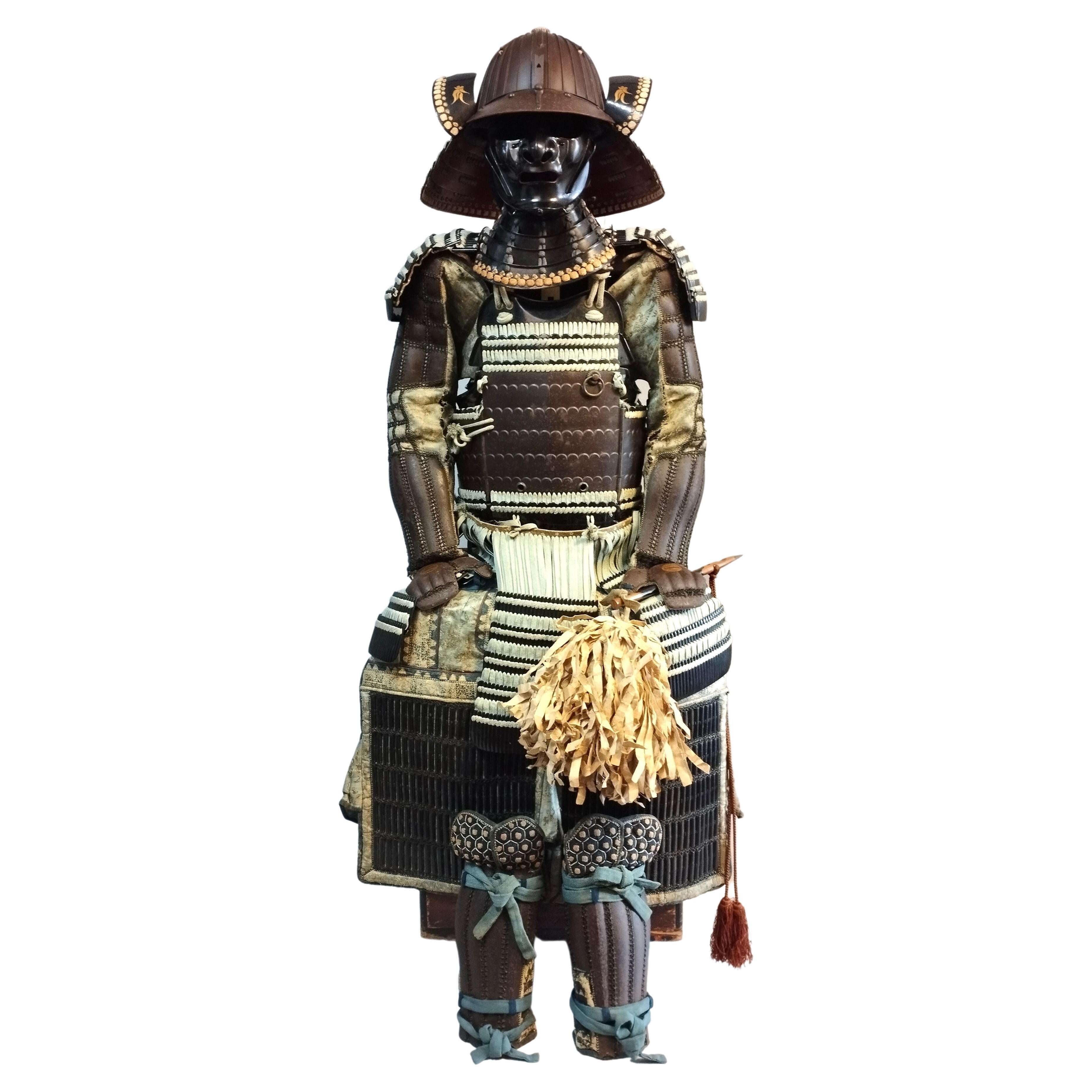
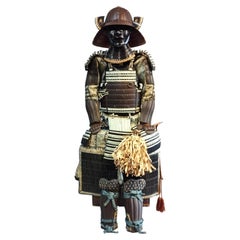
18th Century Hirate Clan Samurai Armor with Signed Kabuto Helmet
Located in Fukuoka, JP
This is a truly exceptional set of 18th century Samurai armor that is sure to impress any collector or enthusiast. The patinated iron used in its construction has aged beautifully, giving the armor a truly unique appearance that is sure to catch the eye. The brocade silk and cotton padding used to line the armor not only provide a comfortable fit for the wearer, but also add an extra layer of decorative flair.
One of the most striking features of this armor is the crests of the Hirate samurai clan that adorn it. These crests are a symbol of the clan's identity and heritage, and their presence on the armor speaks to the deep connection between samurai warriors and the clans they belonged to.
The Kabuto...
Category
Antique 18th Century Japanese Antiquities
Materials
Iron
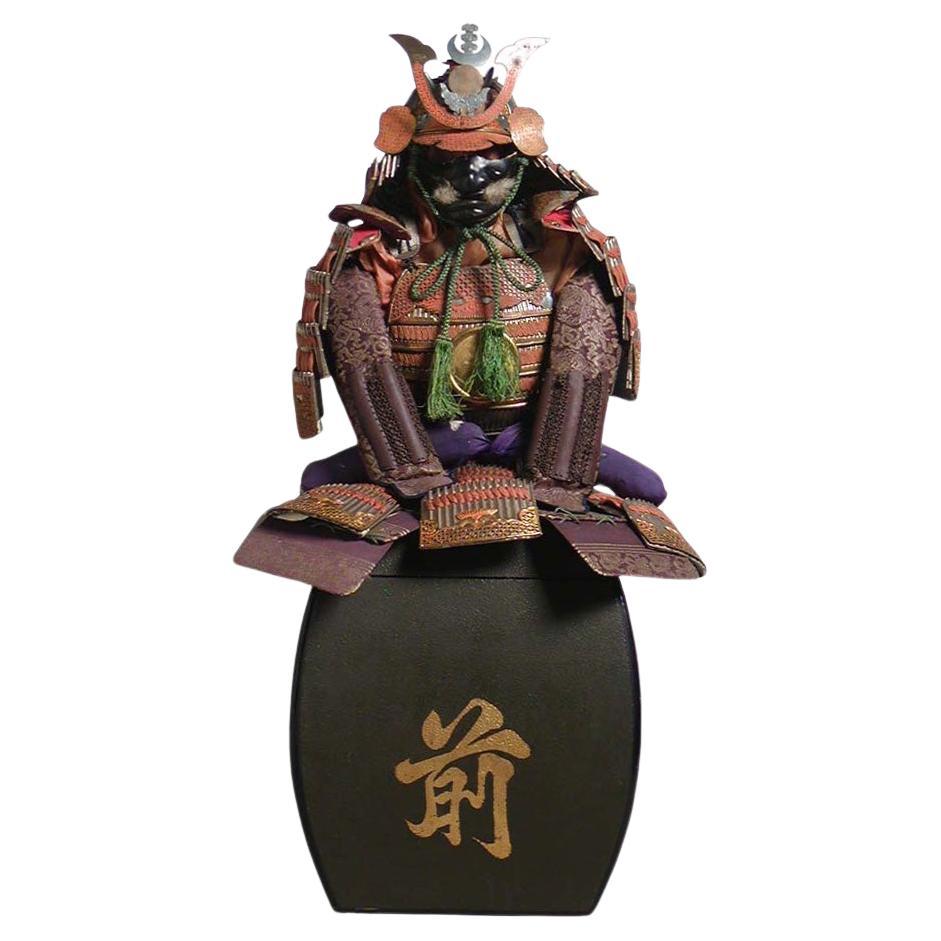
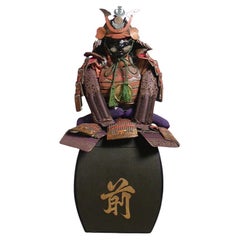
Japanese Boy
s day display suit of armor
Located in Point Richmond, CA
Antique Japanese miniature model of a suit of armor made for the Boy’s day display. Constructed of a lacquered paper cuirass, upper arm guar...
Category
Antique 1850s Japanese Edo Sculptures and Carvings
Materials
Textile, Wood, Lacquer, Paper
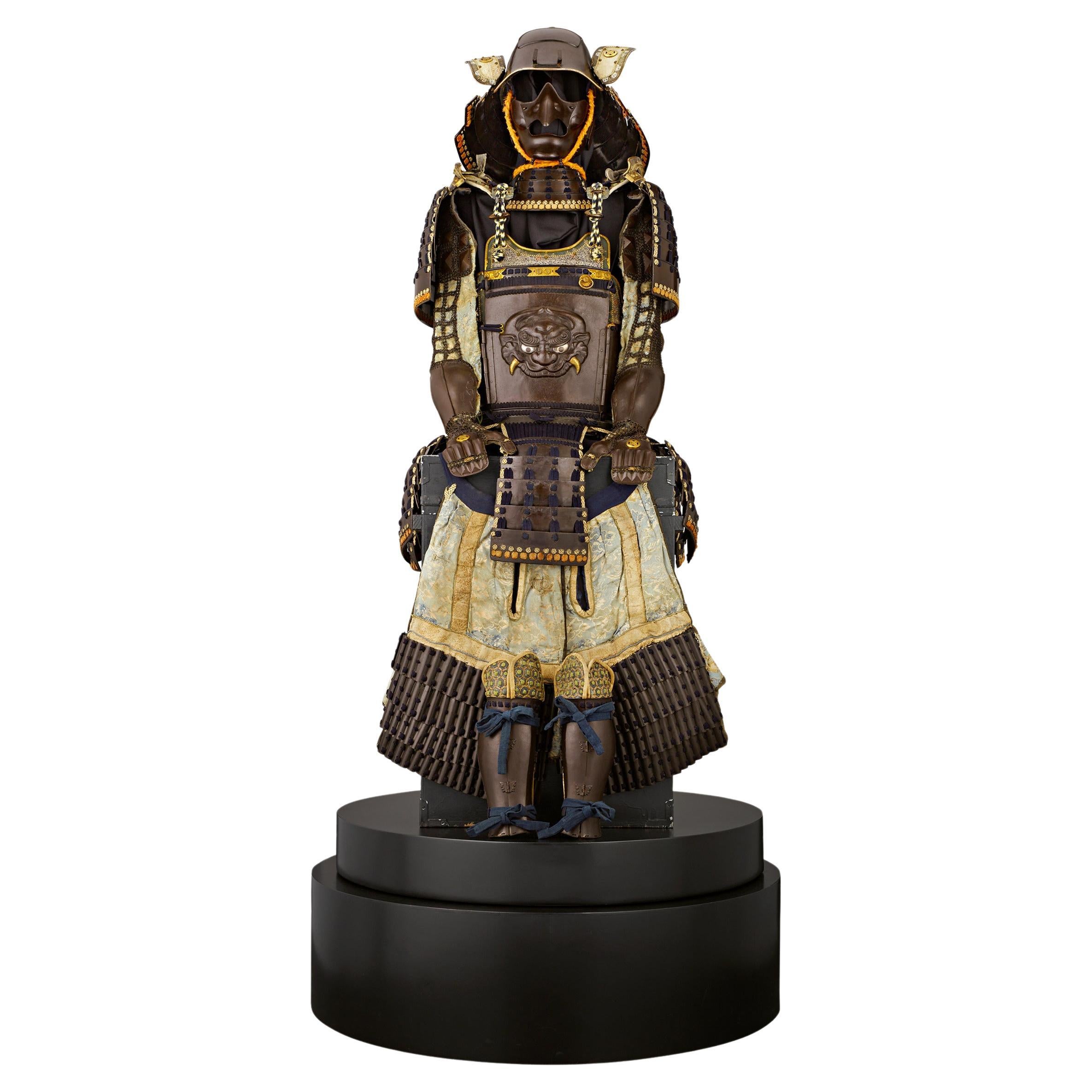
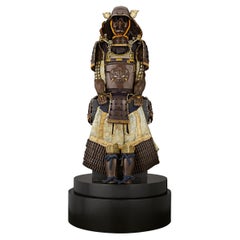
Edo Period Samurai Suit Of Armor
Located in New Orleans, LA
This exquisite Tetsusabiji Uchidashi Gomai Dou Gusoku (Five-Plate Russet Iron Embossed Cuirass Armor), crafted in the 18th century, exemplifies the pinnacle of Edo-period samurai arm...
Category
Antique 18th Century Asian Edo Arms, Armor and Weapons
Materials
Copper, Iron
$188,500
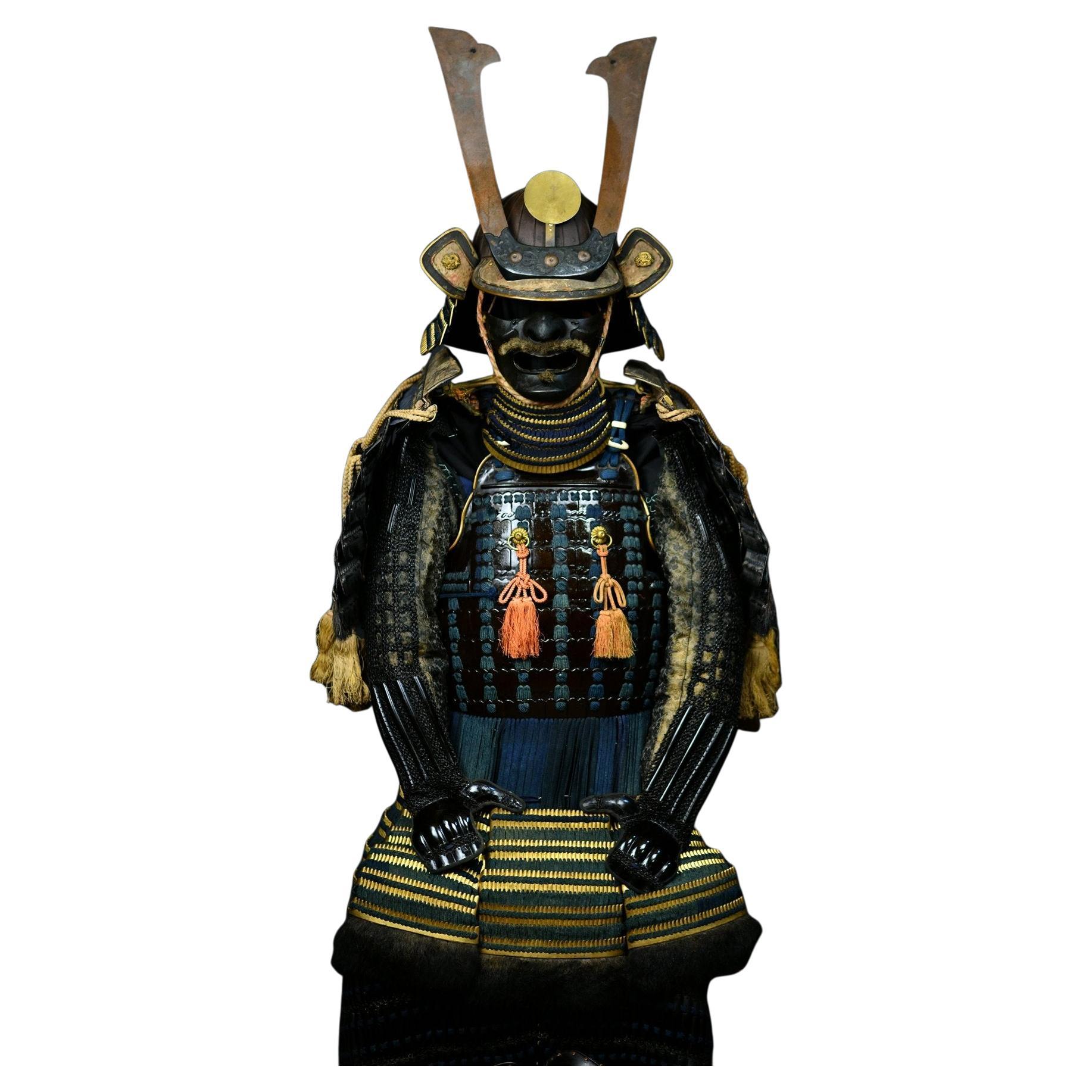
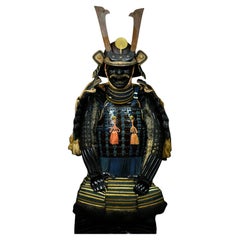
Rare Antique Original high Ranking Edo period Samurai armor Yoroi Japan Daimyō
Located in Ijzendijke, NL
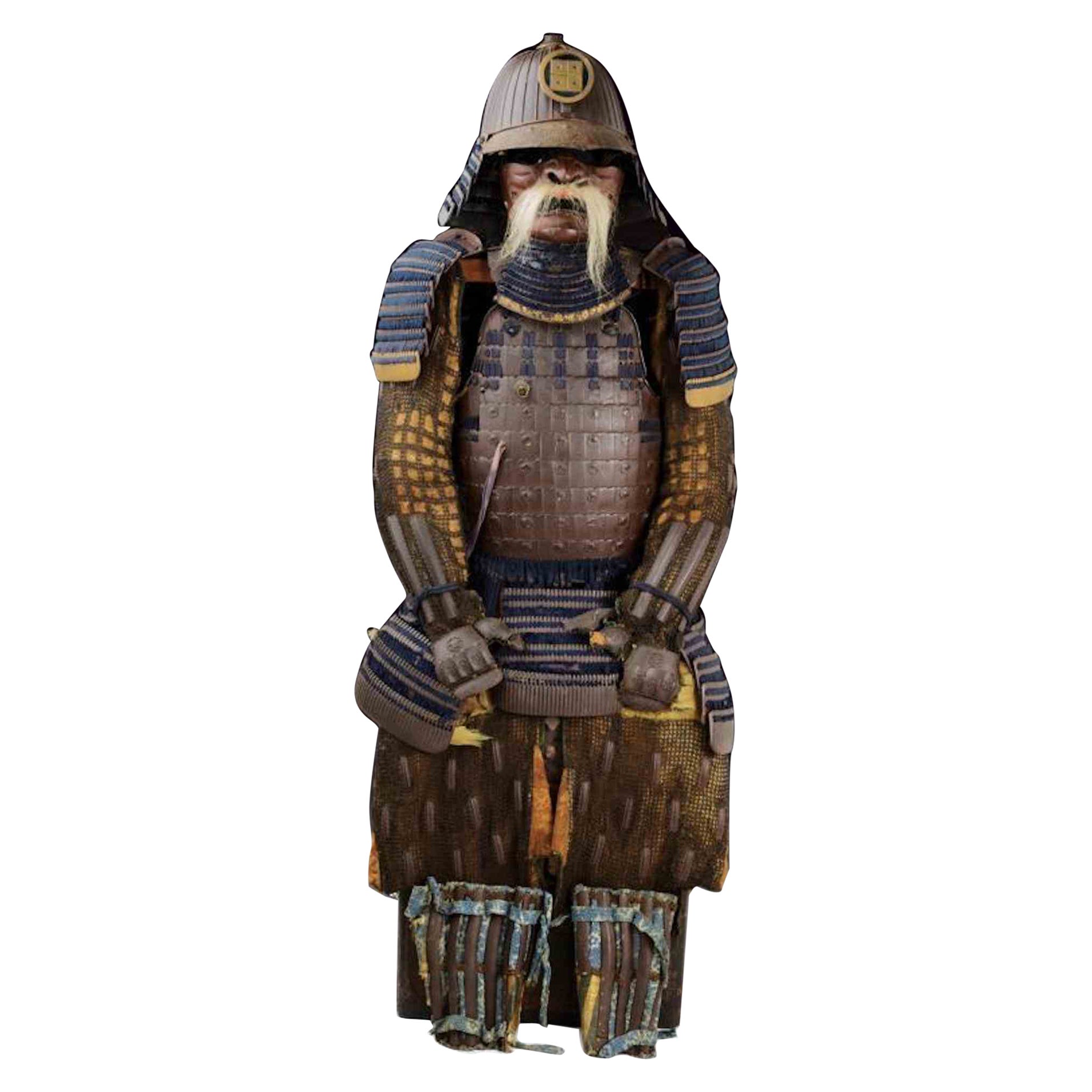
This complete Edo-period samurai armor is an exceptional example of the refined martial elegance and ceremonial grandeur associated with Japan’s warrior aristocracy. Every component reflects a precise harmony of functionality, symbolism, and prestige.
At the heart of the set is a superb suji-bachi kabuto, constructed from multiple riveted iron plates arranged with flawless symmetry and enriched by a beautifully aged patina. It is crowned with a gilt tehen no kanamono, and the imposing maedate presents a pair of antler-like blades framing a gilded sun disc an emblem of celestial authority and divine lineage.
The Fukigaeshi feature extraordinary gilt dragon ornaments, carved in high relief. Dragons, ancient symbols of protection and power, were reserved for armor of the highest rank, strongly indicating that this set belonged to a Daimyō or high-ranking retainer.
The menpō, lacquered in deep black, includes a natural-hair moustache and an articulated jaw (resseibō), lending the face a vivid sense of character. Below it, the shikoro is composed of finely lacquered blue-and-gold plates, meticulously laced with silk.
The okegawa ni-mai dō cuirass is finished in a dark brown lacquer and laced in deep indigo silk, complemented by elegant orange ceremonial tassels a hallmark of formal presentation armor. The sode (shoulder guards) retain their rare bear-fur trimming, an expensive and status-laden material symbolizing courage and noble rank.
Completing the ensemble are beautifully made kote, haidate, and suneate, each executed with rich fabrics and refined lacquer work. A butterfly mon (chō-mon) appears on the leg guards an elegant symbol of transformation, adding a poetic contrast to the armor’s martial presence.
The extensive use of gilding, the rare bear-fur details, and the prominent dragon motifs confirm this as a piece created for the highest echelons of samurai society. It is a masterpiece where ceremonial artistry, symbolism, and authority converge.
Artistic and Historical Significance
This armor epitomizes the Edo-period ideal, when arms and armor transcended their battlefield origins and became expressions of identity, dignity, and cultural refinement. The interplay of dark lacquer, golden ornamentation, and natural materials embodies the spirit of bushidō discipline, inner strength, and beauty through restraint.
Whether displayed in a private collection, gallery, office, or interior setting, this armor commands attention. Its presence transforms any space, making it a truly museum-worthy centerpiece for collectors of Japanese, military, or historical art.
The set includes its traditional stand and storage box. As with all antique armor...
Category
Antique 17th Century Japanese Japonisme Antiquities
Materials
Metal
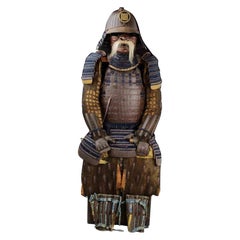
A Tosei Gusoku (Samurai
s Armour), 17th Century
Located in Roma, IT
Belonging to the period 1603-1867, most likely between the end of 17th and the beginning of 18th Century, this beautiful armour is a 32-plate suji kabuto made of brown-lacquered iron...
Category
Antique 17th Century Japanese Figurative Sculptures
Materials
Metal, Iron
$20,103 Sale Price
30% Off
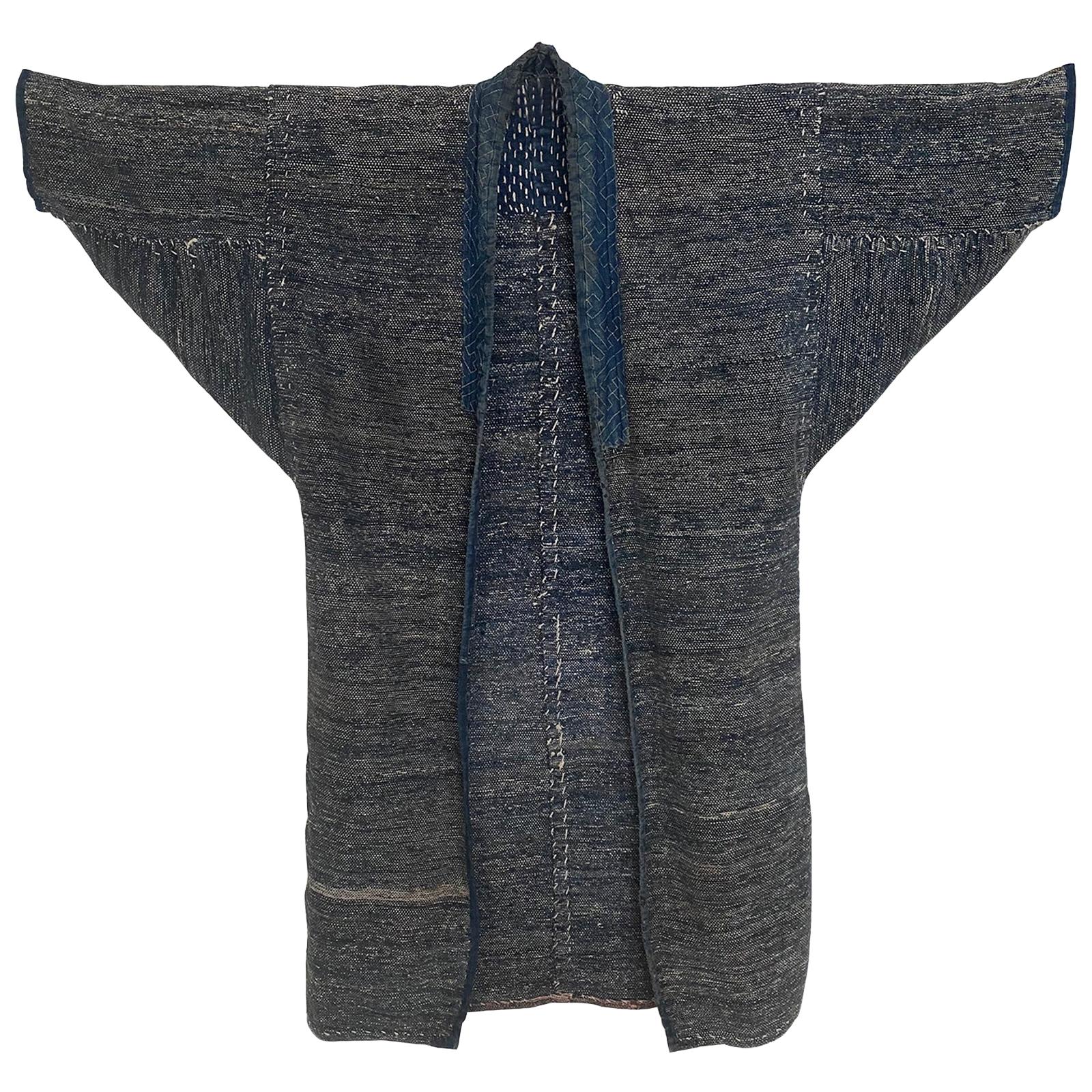
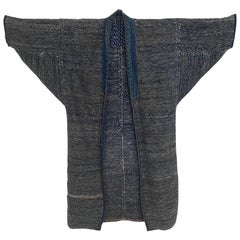
Saki-Ori Farmers Coat, Northern Japan, Meiji Period
Located in Point Richmond, CA
Saki-ori farmers coat, Northern Japan, Meiji period
A very heavy and substantial saki-ori coat, made of cotton with an indigo kasuri lapel. Several patches of hand sewn stitching ...
Category
20th Century Japanese Meiji Textiles
Materials
Cotton
More Ways To Browse
Antique Stencils
Antique Furniture Stencils
Antique Firemans
Japanese Fireman
Suzani Bed Cover
India Textile Art
Vintage Textile Wall Hanging
Middle Eastern Kaftan
Ikat Weavings
Ikat Indonesia
Indonesian Ikat
Japanese Obi
Japanese Silk Embroidered
19th Century Chinese Embroidery
Moroccan Kaftan Brocade
Antique Chinese Silk Embroider
Indonesian Ikat Textiles
Qing Dynasty Textile