Items Similar to Japanese Persimmon-Dyed Washi with Layered Repairs, Early 20th
Video Loading
Want more images or videos?
Request additional images or videos from the seller
1 of 15
Japanese Persimmon-Dyed Washi with Layered Repairs, Early 20th
$2,100
£1,603.52
€1,825.67
CA$2,948.73
A$3,223.54
CHF 1,705.40
MX$38,574.85
NOK 21,698.74
SEK 19,863
DKK 13,636.59
About the Item
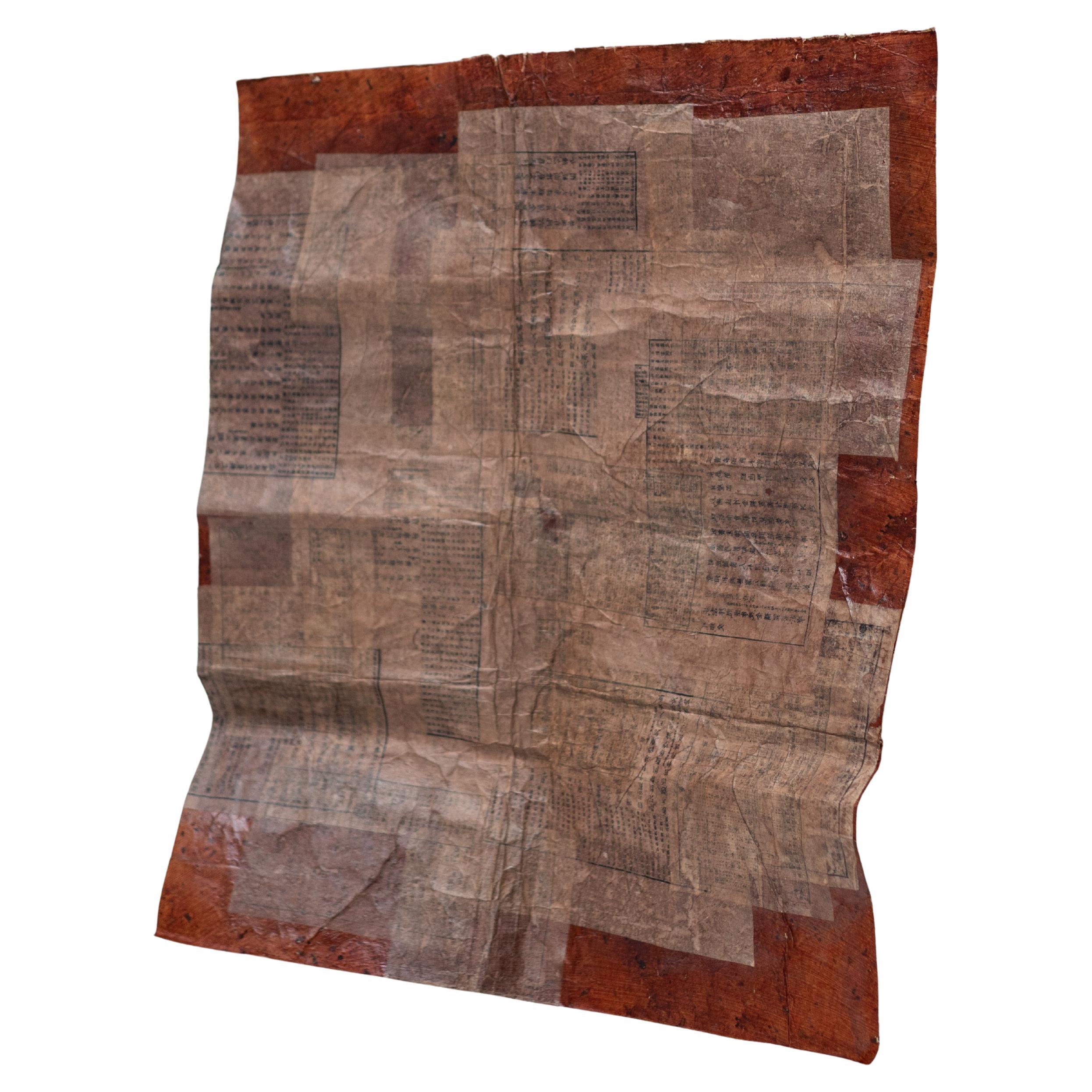
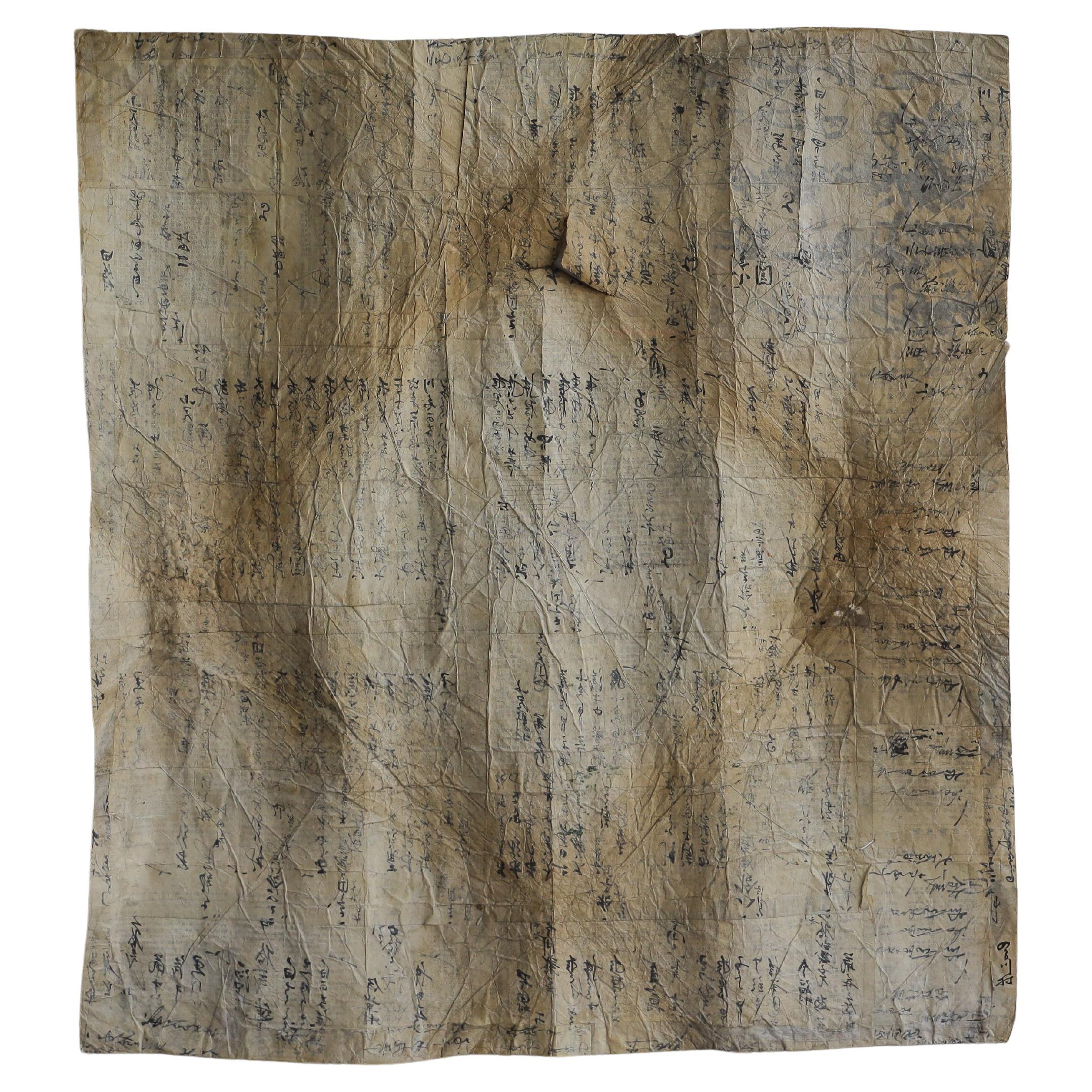
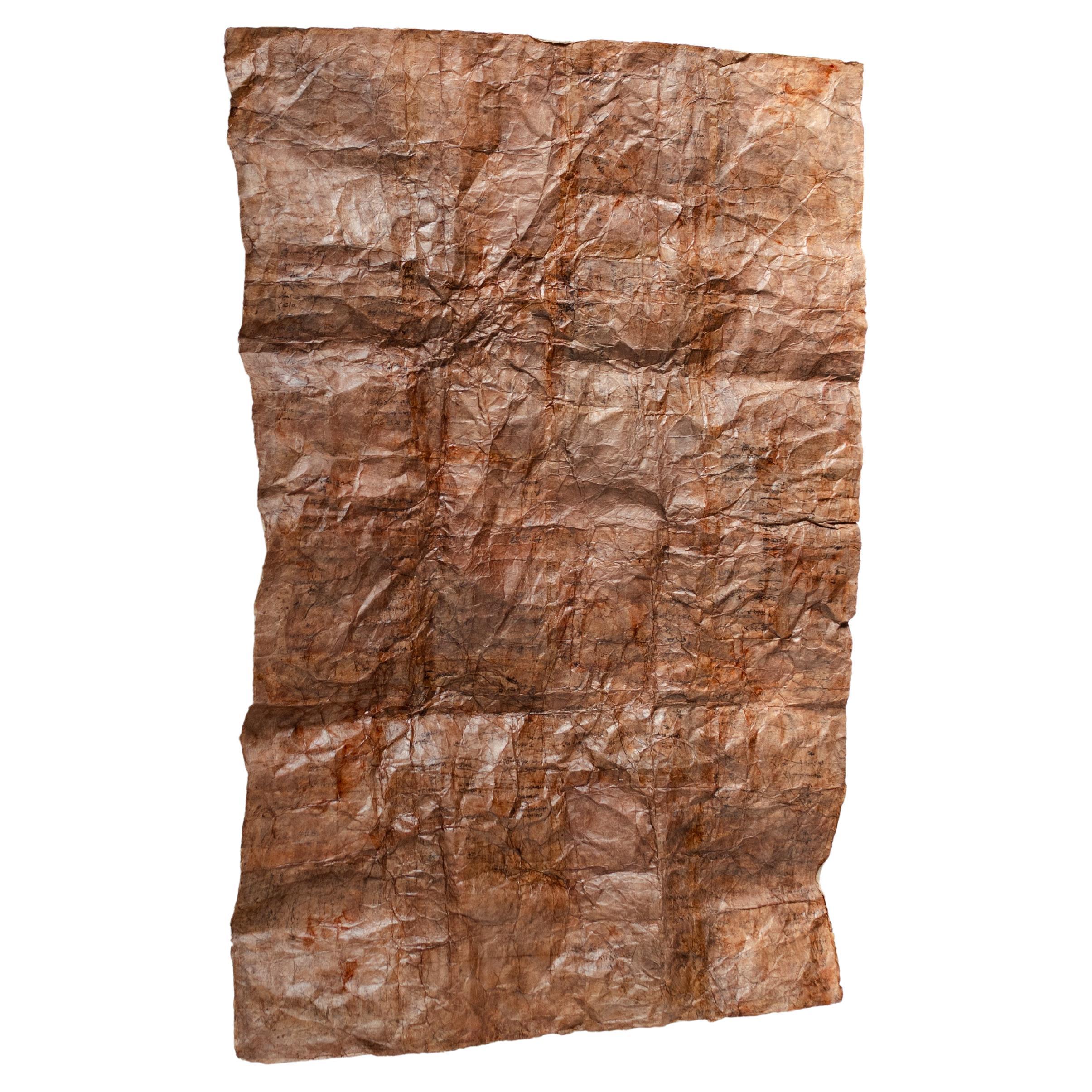
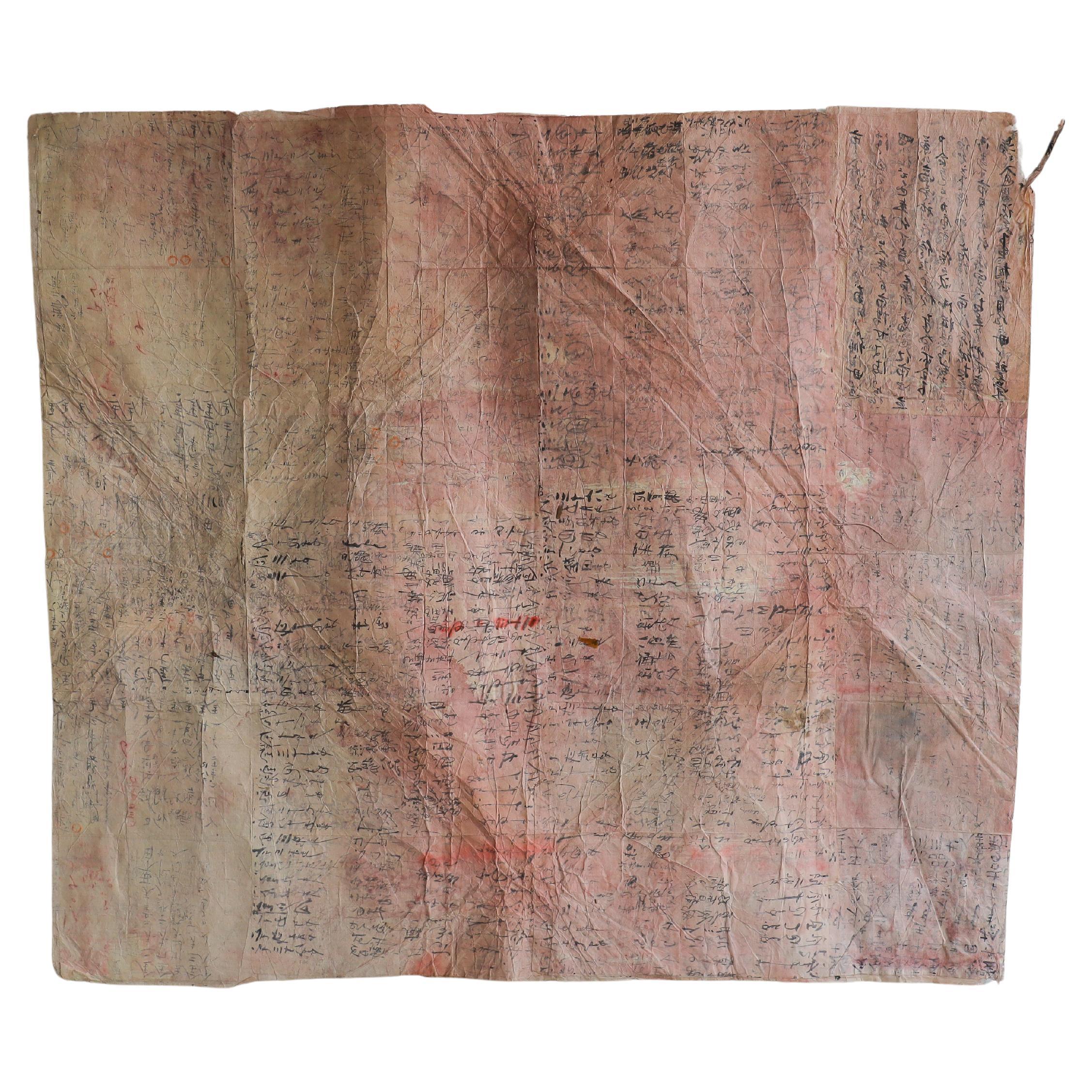
This rare and unusually large persimmon tannin–dyed washi rug dates from the late Meiji to Taisho period. Originally created to protect tatami mats from sunlight or to serve as a utilitarian floor covering, it embodies the Japanese tradition of transforming humble handmade paper into a durable, functional surface.
Over decades of use, the piece was repaired with recycled papers—some different fragments originating from the Edo and early Meiji periods—applied in layered patches during the Showa era. These accumulated interventions have created a striking, collage-like surface where history is embedded in every layer. The irregular textures and tonal variations of the kakishibu (persimmon tannin) dye bring a warm, earthy resonance that reflects both impermanence and resilience.
The paper large format and expressive patina make it especially captivating as wall art, offering an atmospheric backdrop or focal point in interiors. Beyond its historical value, it invites reinterpretation: as a sculptural hanging, as a grounding textile for experimental installations, or even as a poetic table covering that brings depth and authenticity to a dining setting.
Lightweight yet visually powerful, this piece stands at the intersection of artifact and artwork—ideal for collectors and designers drawn to wabi-sabi aesthetics, layered materiality, and objects that reveal the passage of time.
- Dimensions:Height: 61.03 in (155 cm)Width: 70.87 in (180 cm)Depth: 0.4 in (1 cm)
- Materials and Techniques:
- Place of Origin:
- Period:
- Date of Manufacture:20th Century
- Condition:Minor losses.
- Seller Location:Tokyo, JP
- Reference Number:1stDibs: LU2614346891552
About the Seller
5.0
Vetted Professional Seller
Every seller passes strict standards for authenticity and reliability
Established in 2008
1stDibs seller since 2017
136 sales on 1stDibs
Typical response time: 14 hours
- ShippingRetrieving quote...Shipping from: Tokyo, Japan
- Return Policy
More From This Seller
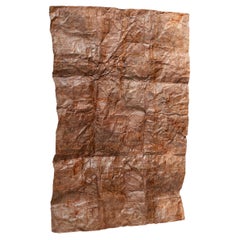
View AllJapanese Persimmon-Dyed Washi Rug with Layered Repairs, 20th Century
Located in Tokyo, Tokyo
This rare persimmon tannin–dyed washi rug dates from the late Meiji to Taisho period (early 20th century) and was traditionally used to protect tatami mats from sunlight or serve as ...
Category
20th Century Japanese Textiles
Materials
Paper
Japanese Persimmon-Dyed Washi Curtain (Shichou-maku), 19th Century
Located in Tokyo, Tokyo
This striking “shichou-maku,” or paper curtain, dates to the Meiji period and was originally used in sericulture rooms to shield silkworms from drafts and cold air. Hung from ceiling...
Category
Antique 19th Century Japanese Textiles
Materials
Paper
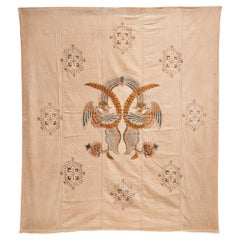
Japanese Vintage Fabric, Wabi Sabi, 1910s
Located in Tokyo, Tokyo
This unique and elegant textile with a phoenix pattern, known as Nagasaki Sarasa, was made in Nagasaki Prefecture (Kyushu) during the Taisho era.
The fabric was likely intended fo...
Category
Vintage 1910s Japanese Textiles
Materials
Cotton
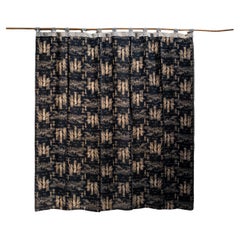
Japanese Vintage Linen Noren, Textile, Wabi Sabi, 19th Century
Located in Tokyo, Tokyo
The unique and beautiful fabric piece, that's called noren - traditional Japanese fabric divider that was made during the Meiji era. This traditional Japanese curtains used to divide...
Category
Antique 19th Century Japanese Textiles
Materials
Linen
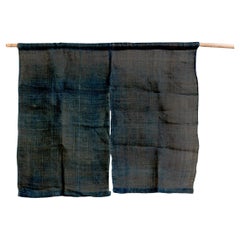
Antique Noren Curtain, Japan, circa 1890 / Wabi Sabi, Japanese craftsmanship
Located in Tokyo, Tokyo
A rare antique noren (Japanese split curtain), hand-woven from natural fibers and dyed in deep, layered shades of natural indigo. Its subtle gradation of...
Category
Antique Late 19th Century Japanese Textiles
Materials
Fabric
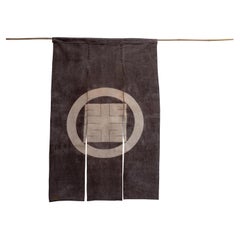
Fabric Divider, Cotton Noren with Kakumoji Character, Japan, Early 20th Century
Located in Tokyo, Tokyo
This is a traditional Japanese noren (fabric shop curtain) dating to the Taisho period (1912–1926), crafted from cotton dyed with persimmon tannin (kaki...
Category
Early 20th Century Japanese Textiles
Materials
Cotton
You May Also Like
Japanese Antiques , Tapestries , Wabi-Sabi
Located in Katori-Shi, 12
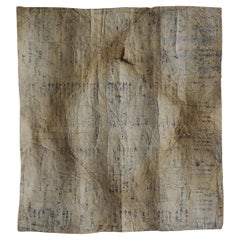
We present to you a precious old wrapping paper from the Taisho period.
This washi paper was used to wrap important items. It was made by overlapping multiple ledgers, and is chara...
Category
Early 20th Century Japanese Taisho Paintings and Screens
Materials
Paper
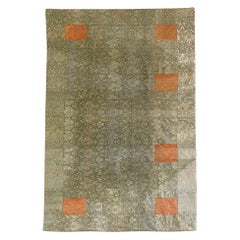
Antique Japanese Brocade Monk
s Robe Kesa Meiji Period
Located in Atlanta, GA
A Japanese Kesa (Monk's Vestment) made from thirteen columns of patchworks of shimmering woven brocades. The elaborate motifs feature repetitive elaborat...
Category
Antique Late 19th Century Japanese Meiji Textiles
Materials
Brocade, Silk
Japanese Antiques , Old Wrapping Paper , Tapestries , Wabi-sabi
Located in Katori-Shi, 12
We present to you a precious old wrapping paper from the Taisho period.
This washi paper was used to wrap important items. It was made by overlapping multiple ledgers, and is chara...
Category
Early 20th Century Japanese Taisho Paintings and Screens
Materials
Paper
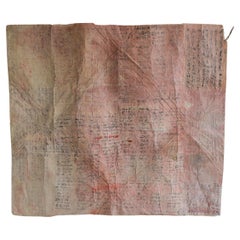
Japanese Antiques , Old Wrapping Paper , Tapestries , Wabi-Sabi
Located in Katori-Shi, 12
We present to you a precious old wrapping paper from the Taisho period.
This washi paper was used to wrap important items. It was made by overlapping multiple ledgers, and is chara...
Category
Early 20th Century Japanese Taisho Paintings and Screens
Materials
Paper
Antique Brocade Kesa Monk
s Patched Robe Edo Period
Located in Atlanta, GA
Kesa, known as "Jiasha" in Chinese and "Kasaya" in Sanskrit, is an out layer garment worn by the ordained Buddhist monks. Bearing a basic rectangular form, it developed originally in...
Category
Antique Late 18th Century Japanese Edo Textiles
Materials
Textile, Brocade
Japanese Antique "BORO" Edo period 1800s-1860s / Rag Abstract Art Wabi-Sabi
By Axel Vervoordt
Located in Chōsei District Nagara, JP
This is an old Japanese BORO textile, dating back to the Edo period (1800s–1860s). It is a rare cloth that has survived through a long span of time. The interplay of indigo and natur...
Category
Antique Late 19th Century Japanese Edo Tapestries
Materials
Fabric