Items Similar to Japanese Woven Ikat and Stenciled Summer Usumono Kimono Meiji Period

Want more images or videos?
Request additional images or videos from the seller
1 of 10
Japanese Woven Ikat and Stenciled Summer Usumono Kimono Meiji Period
$1,600per set
£1,208.43per set
€1,395.92per set
CA$2,254.17per set
A$2,414.22per set
CHF 1,297.87per set
MX$29,322.10per set
NOK 16,399.19per set
SEK 15,014.68per set
DKK 10,430.08per set
About the Item
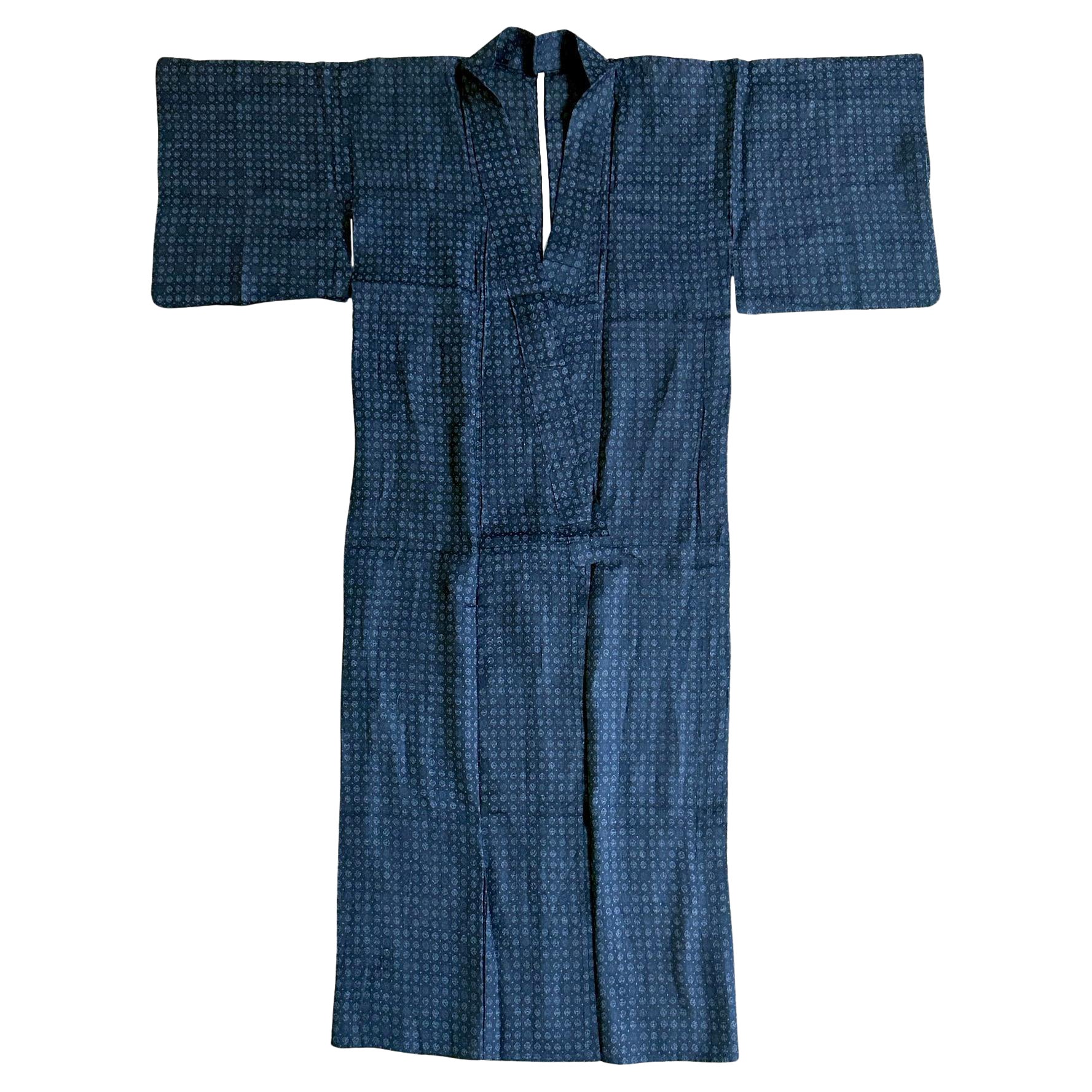
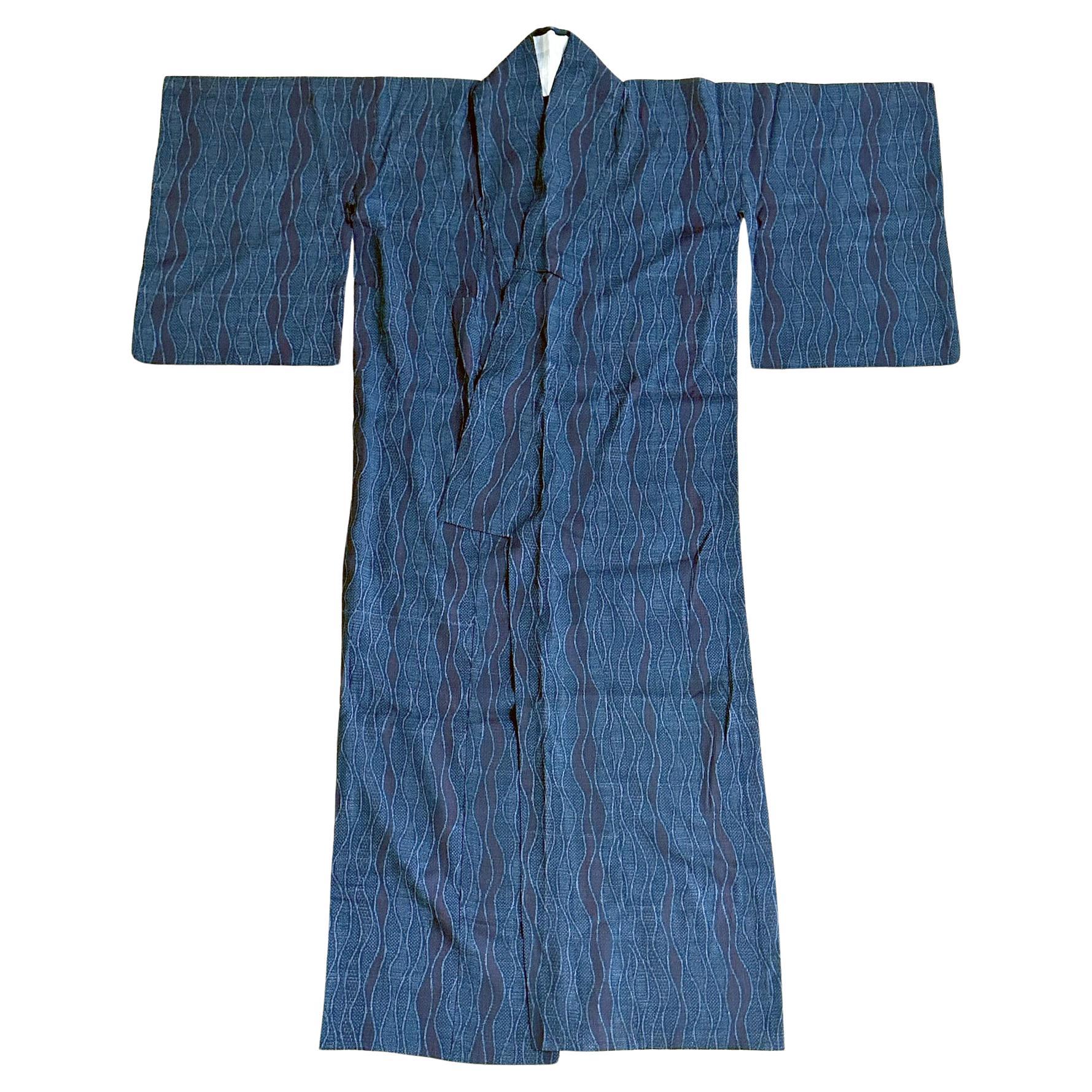
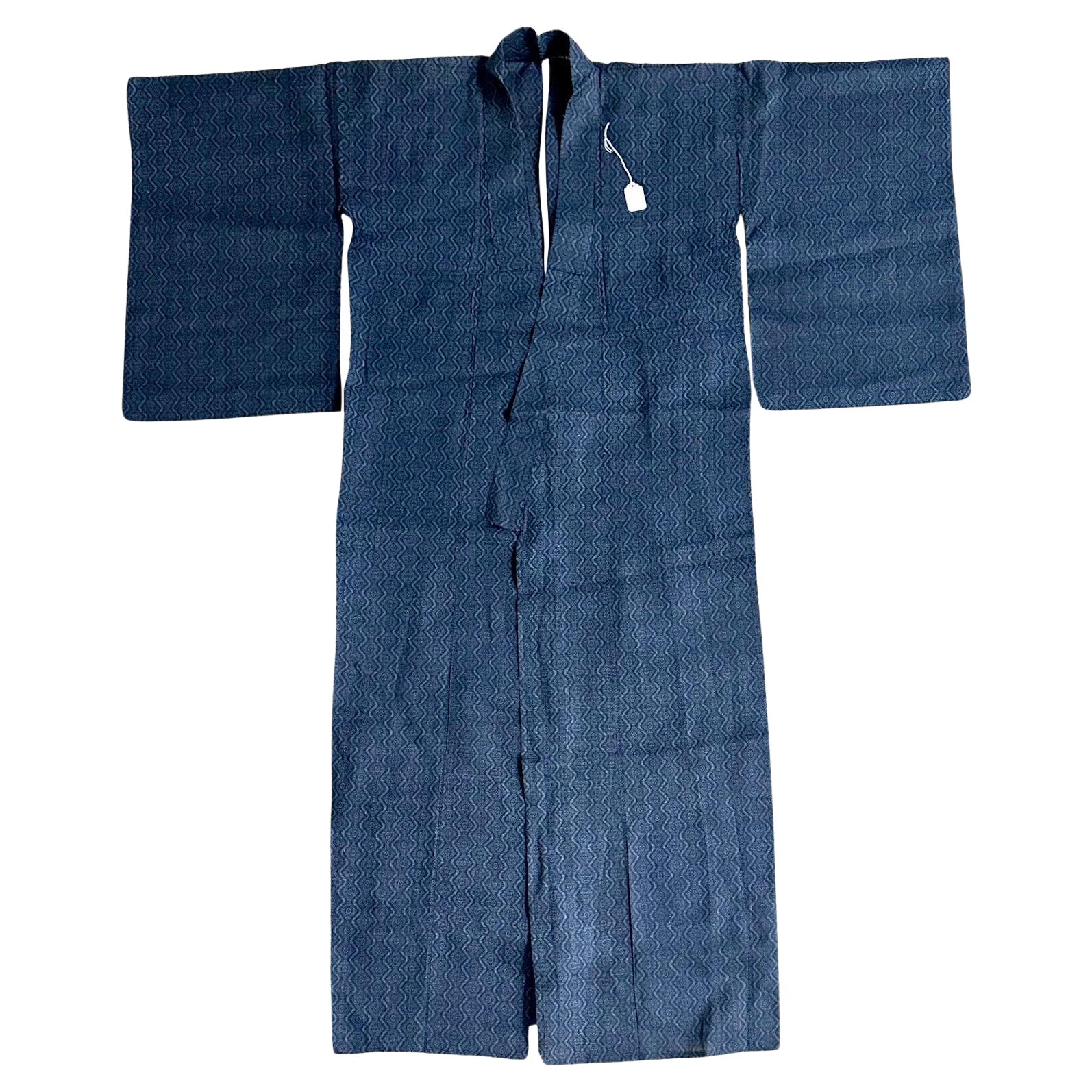
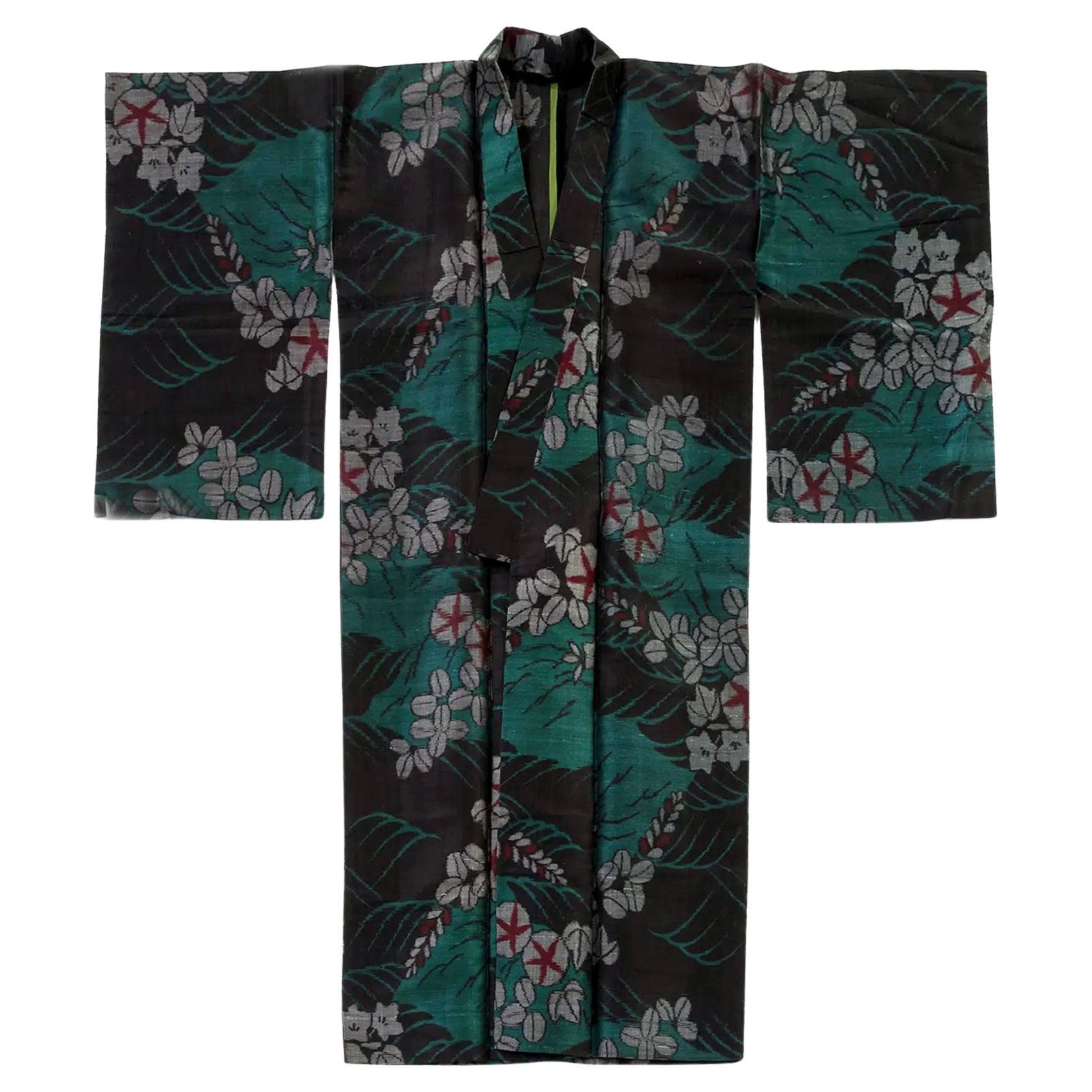
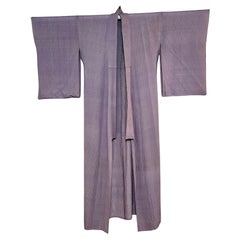
On offer is a “Natsu No Kimono” (summer kimono) also called “Usumono" (thin clothes) dated from late Meiji Period circa late 19th to early 20th century. This well-preserved garment was tailored from a woven indigo blue fabric with fine ikat design. The thin fabric was a type of linen/hemp that is almost seen through against the light, allowing great ventilation in hot summer days. On the indigo background, a white geometrical threaded pattern in warp-ikat design were woven into the fabric. A further design was added by stencil resistant dying (known in Japanese as Katazome). Repetition of small motifs of floral and leaves in lighter blue color was left permeating the entire surface. The two types of techniques complemented each other nicely, creating a complex, contrasting yet subdued textile. The sleeves are short and there are vents under both arms. The kimono appears partially lined around the neck area, but the lining has since been removed at some point. The thin fabric was kept in fine condition free of odor or noticeable stains or discoloration.
Ikat weaving was originated in Southeast Asia and spread to Japan Mainland in the 17th century via Okinawa (14th century). The cotton production accelerated the development of the textile industry on a much larger scale by then in the Edo period when Kasuri weaving became very popular among the general population.
- Dimensions:Height: 55 in (139.7 cm)Width: 45 in (114.3 cm)Depth: 0.5 in (1.27 cm)
- Sold As:Set of 2
- Style:Meiji (Of the Period)
- Materials and Techniques:Linen,Ikat
- Place of Origin:
- Period:
- Date of Manufacture:Early 20th Century
- Condition:Wear consistent with age and use. Overall good condition as a well-preserved example. No odors, stains or discoloration.
- Seller Location:Atlanta, GA
- Reference Number:1stDibs: LU945043434252
About the Seller
4.9
Platinum Seller
Premium sellers with a 4.7+ rating and 24-hour response times
Established in 2006
1stDibs seller since 2010
586 sales on 1stDibs
Typical response time: <1 hour
- ShippingRetrieving quote...Shipping from: Atlanta, GA
- Return Policy
More From This Seller
View AllJapanese Woven Asa Double Ikat Summer Usumono Kimono Provenance
Located in Atlanta, GA
On offer is a “Natsu No Kimono” (summer kimono) also called “Usumono" (thin clothes) dated from early 20th century Taisho Period. This well-preserved garment was tailored from a wove...
Category
Early 20th Century Japanese Taisho Textiles
Materials
Hemp
Japanese Woven Asa Double Ikat Summer Usumono Kimono Provenance
Located in Atlanta, GA
A “Natsu No Kimono” (summer kimono) also called “Usumono" (thin clothes) dated from early 20th century Taisho Period. This well-preserved garment was tailored from a woven indigo blu...
Category
Early 20th Century Japanese Taisho Textiles
Materials
Linen
Japanese Woven Asa Double Ikat Summer Usumono Kimono Provenance
Located in Atlanta, GA
A “Natsu No Kimono” (summer kimono) also called “Usumono" (thin clothes) dated from early 20th century Taisho Period. This well-preserved garment was tailored from a woven indigo blu...
Category
Early 20th Century Japanese Taisho Textiles
Materials
Hemp
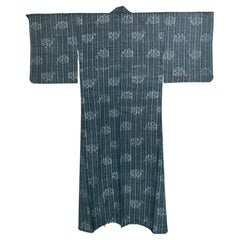
Japanese Woven Linen Kimono with Katazome Stencil Dyes
Located in Atlanta, GA
On offer is a Japanese summer kimono woven from indigo blue linen with ivory color fine stripes patterns with apparently darker weft additions. The elega...
Category
Early 20th Century Japanese Japonisme Textiles
Materials
Linen
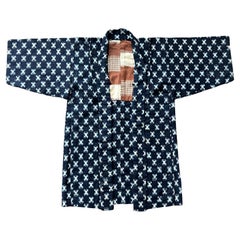
Rare Japanese Woven Ikat Child Kimono Nemaki
Located in Atlanta, GA
A rare and well preserved Japanese woven child's kimono circa early 20th century (end of Meiji period). The small kimono was a great example of Nemaki (...
Category
Early 20th Century Japanese Meiji Textiles
Materials
Cotton
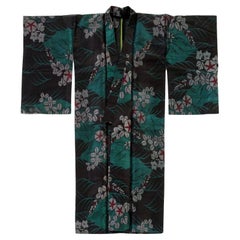
Exceptional Japanese Summer Asa Hitoe Weft Ikat Kimono Provenance
Located in Atlanta, GA
A super fine Japanese summer unlined (Hitoe) Kimono made with a soft Asa fiber blended with silk. The garment was hand-stitched and dated to circa 1930-50s Showa period. It is hard t...
Category
Mid-20th Century Japanese Showa Textiles
Materials
Linen, Silk
You May Also Like
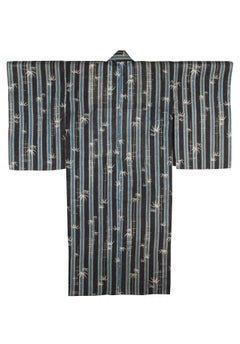
Taisho-Early Showa Period Japanese Stencil-Dyed Summer Kimono with Bamboo Motif
Located in Point Richmond, CA
Taisho-Early Showa period Japanese Stencil-Dyed Summer Kimono with bamboo Motif
A light-weight summer kimono woven of both cotton and silk, and patter...
Category
Mid-20th Century Japanese Taisho Textiles
Materials
Cotton, Silk
Antique Japanese Indigo-Dyed Double Ikat Kimono
Located in Point Richmond, CA
Antique Japanese Indigo-Dyed Double Ikat Kimono
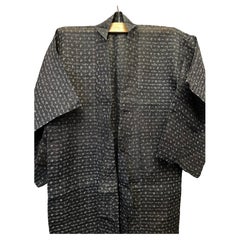
This deeply saturated indigo-dyed kimono is made of heavy-weight hand-spun cotton and precisely patter...
Category
Early 20th Century Japanese Taisho Tribal Art
Materials
Cotton
Japanese Cotton Kimono IKAT Kasuri 1970s Showa
Located in Paris, FR
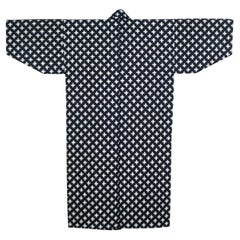
This is a kimono made in Japan called kasuri. This kasuri kimono was made around 1970s.
It was used to wear by some peasants to work. This is made with cotton Ikat.
Dimensions:
Heig...
Category
Vintage 1970s Japanese Showa Antiquities
Materials
Cotton
$271 Sale Price
40% Off
Vintage Kimono Silk Brocade Japanese Ceremonial 1970
Located in Moreno Valley, CA
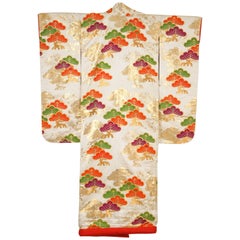
A vintage Mid-Century ivory color silk brocade collectable Japanese ceremonial kimono. One of a kind.
Fabulous museum quality ceremonial kimono in pure silk with intricate detailed h...
Category
20th Century Japanese Japonisme Textiles
Materials
Silk
Japanese Handmade Men
s Long Silk Kimono #2 from 1955
Located in Norton, MA
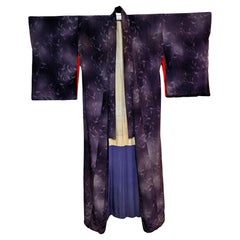
BEAUTIFUL JAPANESE SILK KMIONO, in the color of purple with white floral patterns throughout, and still in new condition from the 1955 inventory, never used.
Category
Vintage 1950s Japanese Textiles
Materials
Silk
Japanese handmade Men
s Long Silk Kimono #1 from 1955
Located in Norton, MA
BEAUTIFUL JAPANESE SILK KMIONO, in the color of Lavender, and still in new condition from the 1955 inventory, never used.
Category
Vintage 1950s Japanese Textiles
Materials
Silk
More Ways To Browse
Ikat Fabrics
Antique Fabrics And Textiles Fabric Textiles
Antique Stencils
Antique Ikat
Japanese Linen
Antique Hemp
Antique Furniture Stencils
Antique Ikat Fabric
Antique Indigo Fabric
Kimono Meiji
Blue Ikat Fabric
Vintage Batik Indonesia
Indonesian Silk
Qing Dynasty Silk Embroidery
Dragon Robe
Ikat Textile From Sumba
Meiji Embroidery
Used Futons