18th Century Architectural Elements
to
164
411
112
524
Height
to
Width
to
57
37
36
34
26
19
18
1
718
1,284
1,246
441
417
420
225
47
10
88
64
33
73
82
78
14
20
234
232
118
55
55
481
183
177
55
36
524
524
524
2
1
1
Period: 18th Century
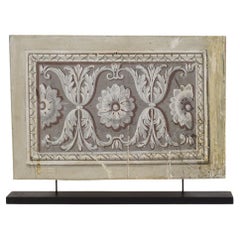
Late 18th century Italian Neo Classical Hand Painted Panel
Located in Buisson, FR
Amazing neoclassical hand painted panel in fresco style.
Italy circa 1780
Weathered, small losses.
Measurements include the wooden base.
H:52,5cm W:39,5cm D:7cm
Category
Italian Neoclassical Antique 18th Century Architectural Elements
Materials
Wood

$804 Sale Price
47% Off
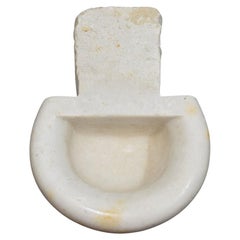
18th Century Italian Baroque Marble Holy Water Font or Stoup
Located in Buisson, FR
Beautiful Baroque marble holy water font or stoup,
Unique and original period piece. Italy, circa 1750
H:12cm W:24,5cm D:18-33cm
Category
Italian Baroque Antique 18th Century Architectural Elements
Materials
Marble
$948 Sale Price
55% Off
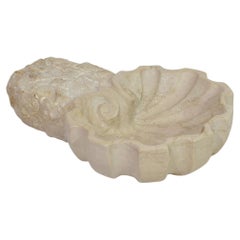
18th Century Italian Baroque Hand-carved Limestone Holy Water Font or Stoup
Located in Buisson, FR
Beautiful Baroque hand carved limestone holy water font or stoup,
Unique and original period piece. Italy, circa 1750. Good but weathered condition just as it should.
Measures: H:10c...
Category
Italian Baroque Antique 18th Century Architectural Elements
Materials
Limestone
$1,165 Sale Price
50% Off
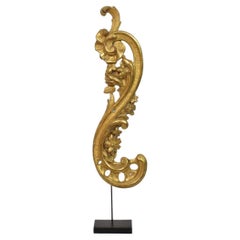
Pair 18th Century Italian Hand Carved Giltwood Baroque Curl Ornaments
Located in Buisson, FR
Beautiful pair hand carved giltwood baroque ornaments that once adorned a chapel or a church.
Italy, circa 1750. Weathered, small losses and old repair. Measurement includes the wood...
Category
Italian Baroque Antique 18th Century Architectural Elements
Materials
Wood

$471 Sale Price / set
46% Off
18th Century Italian Hand Carved Giltwood Baroque Curl Ornament
Located in Buisson, FR
Beautiful handcarved giltwood baroque ornament that once adorned a chapel or a church.
Italy, circa 1750. Weathered condition. Measurement includes the wooden base.
Category
Italian Baroque Antique 18th Century Architectural Elements
Materials
Wood
$471 Sale Price
46% Off
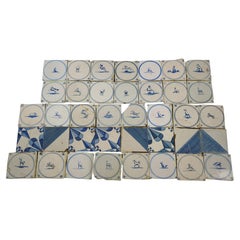
39 Antique 18th C. Dutch Delft Tiles Blue
White Star Animal Rabbit Hound Deer
By Delft
Located in Dayton, OH
Lot of 39 antique 18th Century blue and white ceramic Delft tiles. The majority feature a circle design around various animals including rabbits, dogs/hounds/fox, deer/stag, horse, c...
Category
Dutch Georgian Antique 18th Century Architectural Elements
Materials
Porcelain
$3,000 Sale Price
20% Off
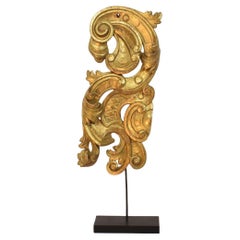
Large 18th Century Italian Hand Carved Giltwood Baroque Curl Ornament
Located in Buisson, FR
Beautiful and large handcarved giltwood baroque ornament that once adorned a chapel or a church.
Italy, circa 1750. Weathered/ small losses and old repairs. Measurement includes the ...
Category
Italian Baroque Antique 18th Century Architectural Elements
Materials
Wood
$1,067 Sale Price
54% Off
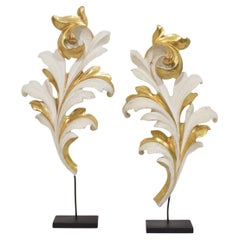
Pair Italian 18/19th Century Hand Carved Giltwood Acanthus Leaf Curl Ornaments
Located in Buisson, FR
Beautiful handcarved giltwood acanthus leaf curl ornaments that once adorned a chapel .Original period pieces that due their high age have a wonderful weathered look.
Italy circa 178...
Category
Italian Antique 18th Century Architectural Elements
Materials
Wood
$804 Sale Price / set
46% Off
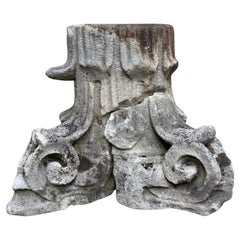
18th Century Italian Carved Limestone Corinthian Capital
Located in Stamford, CT
18th century Italian Neoclassical carved limestone Corinthian capital. Weathered and broken, this architectural fragment makes an resonant outdoor or indoor decorative element.
Gre...
Category
Italian Neoclassical Antique 18th Century Architectural Elements
Materials
Limestone
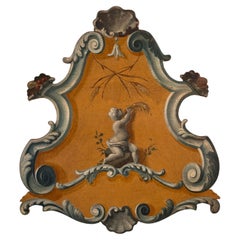
18th Century Italian Painted Rococo Panel
Located in Charlottesville, VA
A vibrant 18th century Italian rococo panel with shaped silhouette, painted in ochre and celadon tones. The central figure—a cherubic child gathering wheat—is framed by ornate scroll...
Category
Italian Antique 18th Century Architectural Elements
Materials
Wood, Paint
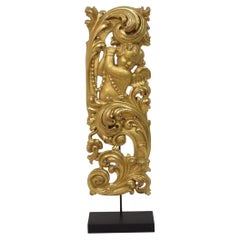
Large 18th Century Italian Hand Carved Giltwood Baroque Curl Ornament With Angel
Located in Buisson, FR
Beautiful and large handcarved giltwood baroque ornament that once adorned a chapel or a church.
It represents an baroque angel between acanthus leaves. Amazing period piece in a ver...
Category
Italian Baroque Antique 18th Century Architectural Elements
Materials
Wood
$1,520 Sale Price
43% Off
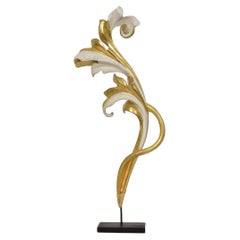
Italian 18/19th Century Hand Carved Giltwood Acanthus Leaf Curl Ornament
Located in Buisson, FR
Beautiful handcarved giltwood acanthus leaf curl ornament that once adorned a chapel .Original period piece that due it’s high age has a beautiful weathered look.
Italy circa 1780/18...
Category
Italian Antique 18th Century Architectural Elements
Materials
Wood
$292 Sale Price
50% Off
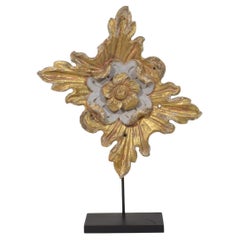
Antique Portuguese Baroque Carved Wooden Ornament, Circa 1750
Located in Buisson, FR
Wonderful decorative ornament with original color/gilding .
Portugal circa 1750, Weathered, small losses.
Measurements include the pedestal.
H:46cm W:35cm D:9cm
Category
Portuguese Baroque Antique 18th Century Architectural Elements
Materials
Wood
$590 Sale Price
50% Off
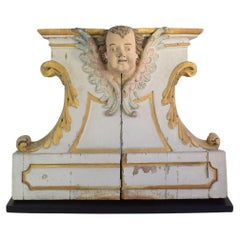
Spanish Baroque Carved Wooden Altar Ornament with Angel Head, Circa 1750
Located in Buisson, FR
Wonderful baroque altar ornament with Angel head. Great and unique item.
Spain circa 1750
Weathered, losses and old repairs.
More photo's available on request.
Measurements include ...
Category
Spanish Baroque Antique 18th Century Architectural Elements
Materials
Wood
$4,501 Sale Price
44% Off
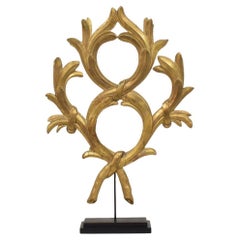
Large 18th Century Italian Neoclassical Carved Giltwood Ornament
Located in Buisson, FR
Beautiful 18th century neoclassical giltwood ornament.
Italy circa 1780.
Weathered,small losses and old repairs.
Measurements include the wooden base.
H:67cm W:45cm D:9cm
Category
Italian Neoclassical Antique 18th Century Architectural Elements
Materials
Wood
$804 Sale Price
41% Off
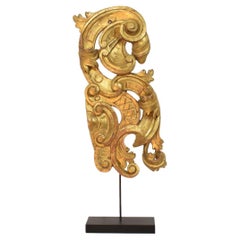
Large 18th Century Italian Hand Carved Giltwood Baroque Curl Ornament
Located in Buisson, FR
Beautiful and large handcarved giltwood baroque ornament that once adorned a chapel or a church.
Italy, circa 1750. Weathered/ small losses. Measurement includes the wooden base.
H:6...
Category
Italian Baroque Antique 18th Century Architectural Elements
Materials
Wood
$1,067 Sale Price
54% Off
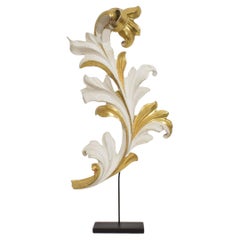
Italian 18/19th Century Hand Carved Giltwood Acanthus Leaf Curl Ornament
Located in Buisson, FR
Beautiful handcarved giltwood acanthus leaf curl ornament that once adorned a chapel .Original period piece that due it’s high age has a wonderful weathered look.
Italy circa 1780/...
Category
Italian Antique 18th Century Architectural Elements
Materials
Wood
$447 Sale Price
46% Off
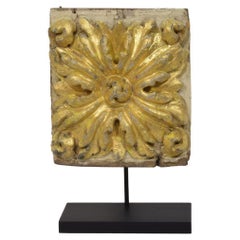
18th Century Portuguese Baroque Carved Wooden Ornament
Located in Buisson, FR
Wonderful decorative ornament with original color/gilding .
Portugal circa 1750, Weathered, small losses.
Measurements include the pedestal.
H:30,5cm W:20cm D:9cm
Category
Portuguese Baroque Antique 18th Century Architectural Elements
Materials
Wood
$506 Sale Price
52% Off
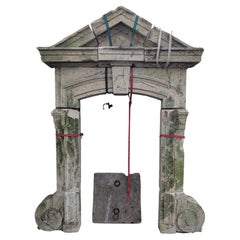
18th-Century French Château Limestone Arch with Pediment, circa 1750
Located in TOURCOING, FR
Magnificent architectural limestone arch originating from an 18th-century French château, carved from white limestone (pierre calcaire blanche). This grand piece features a triangula...
Category
Antique 18th Century Architectural Elements
Materials
Limestone
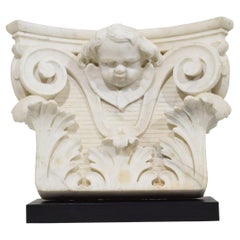
French, 17th / 18th Century, Carved White Marble Capital With Angel Head
Located in Buisson, FR
Spectacular hand-carved white marble capital with angel head.
Beautiful weathered white marble .
France circa 1650- 1750
Weathered
Measurements include the wooden pedestal
Category
French Antique 18th Century Architectural Elements
Materials
Marble
$3,070 Sale Price
55% Off
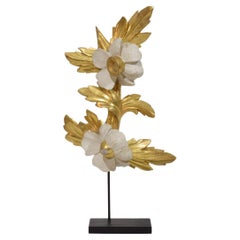
Italian 18/19th Century Hand Carved Giltwood Floral Ornament
Located in Buisson, FR
Beautiful handcarved giltwood floral ornament that once adorned a chapel .Original period piece that due it’s high age has a wonderful weathered look.
Italy circa 1780/1850 , weather...
Category
Italian Antique 18th Century Architectural Elements
Materials
Wood
$304 Sale Price
46% Off
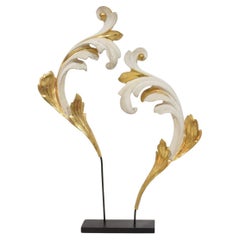
Pair Italian 18/19th Century Hand Carved Giltwood Acanthus Leaf Curl Ornaments
Located in Buisson, FR
Beautiful handcarved giltwood acanthus leaf curl ornaments that once adorned a chapel .Original period pieces that due their high age have a wonderful weathered look.
Italy circa 178...
Category
Italian Antique 18th Century Architectural Elements
Materials
Wood
$471 Sale Price / set
50% Off
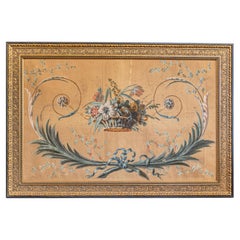
French Directoire Period Floral Painted Panel in Gilded Frame, circa 1790
Located in Atlanta, GA
A French Directoire period framed painted panel from the late 18th century, with floral motifs. Born in France during the later years of the 18th century, this exquisite decorative p...
Category
French Directoire Antique 18th Century Architectural Elements
Materials
Wood, Paint
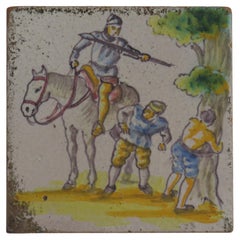
Dutch Delft Ceramic Wall Tile Polychrome Horseman, Circa 1800
Located in Lincoln, Lincolnshire
This is a very attractive Delft Polychrome, hand painted earthenware ceramic wall tile dating to the late 18th Century.
The tile is 5.5 inches ( 14cm) square and over 1/2 inches thi...
Category
Dutch Dutch Colonial Antique 18th Century Architectural Elements
Materials
Ceramic
$268 Sale Price
20% Off
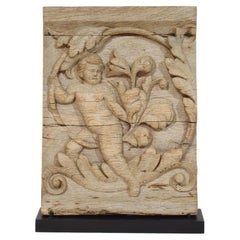
18th Century French Carved Oak Panel Depicting An Angel On An Acanthus Curl
Located in Buisson, FR
Beautiful weathered oak panel depicting a baroque angel on an acanthus curl.
Weathered and small losses, most likely it was once part of a larger panel.
France circa 1750. treated ag...
Category
French Baroque Antique 18th Century Architectural Elements
Materials
Oak
$566 Sale Price
40% Off
Pair Italian 18/19th Century Hand Carved Giltwood Acanthus Leaf Curl Ornaments
Located in Buisson, FR
Beautiful handcarved giltwood acanthus leaf curl ornaments that once adorned a chapel .Original period pieces that due their high age have a wonderful weathered look.
Italy circa 178...
Category
Italian Antique 18th Century Architectural Elements
Materials
Wood
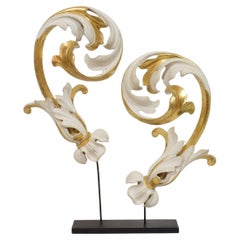
$590 Sale Price / set
61% Off
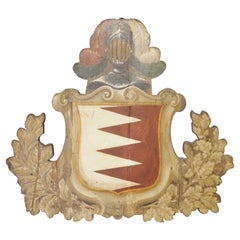
Large Painted Antique Tuscan Cartouche Panel, 18th Century
Located in Dallas, TX
This large cartouche panel was carved from wood and hand-painted with a central coat of arms in Italy during the 1700’s. Inspired by a 16th century Fr...
Category
Italian Baroque Antique 18th Century Architectural Elements
Materials
Wood
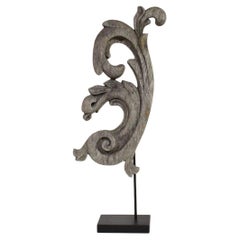
French Baroque Hand-Carved Oak Ornament, Circa 1650-1750
Located in Buisson, FR
Beautiful handcarved and natural weathered oak baroque ornament . Was once part of a larger piece.
France, circa 1650-1750. Wonderful weathered condition. Measurement includes the wo...
Category
French Baroque Antique 18th Century Architectural Elements
Materials
Oak
$471 Sale Price
46% Off
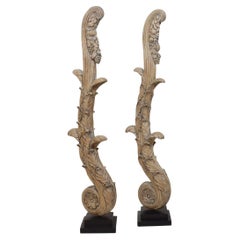
Pair Large 18th Century French Neoclassical Carved Oak Ornaments
Located in Buisson, FR
Beautiful pair 18th century neoclassical carved oak ornaments.
France circa 1780.
Weathered, small losses and old repairs.
Measurements are individual and include the wooden base.
Category
Italian Neoclassical Antique 18th Century Architectural Elements
Materials
Oak
$1,878 Sale Price / set
55% Off
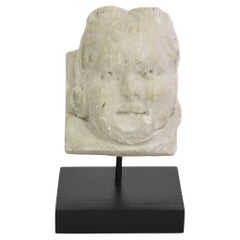
French, 17th / 18th Century Carved Stone Angel Head Ornament
Located in Buisson, FR
Beautiful weathered hand carved stone angel head ornament that once adorned a facade.
France, circa 1650-1750.
Weathered.
Measurement includes the wooden base.
Category
French Baroque Antique 18th Century Architectural Elements
Materials
Stone
$590 Sale Price
43% Off
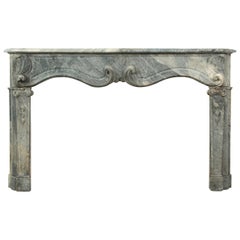
Extraordinair French Louis XIV Fireplace Mantel
Located in Haarlem, Noord-Holland
Very happy to offer this amazing French louis XIV fireplace mantel.
The mantel is made from striking Italian Bardiglio grey marble, this ni...
Category
French Louis XV Antique 18th Century Architectural Elements
Materials
Marble
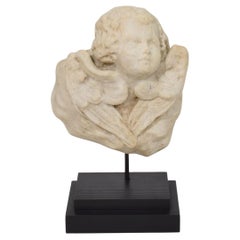
Italian 18th Century Baroque Marble Winged Angel Head
Located in Buisson, FR
Beautiful weathered white marble angel head.
Italy, circa 1750. Good but weathered condition
Measurement here below includes the wooden pedestal.
H:29,5cm W:19cm D:12cm
Category
Italian Baroque Antique 18th Century Architectural Elements
Materials
Marble
$685 Sale Price
54% Off
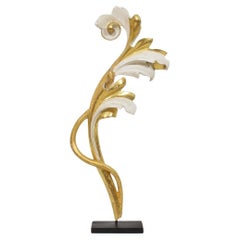
Italian 18/19th Century Hand Carved Giltwood Acanthus Leaf Ornament
Located in Buisson, FR
Beautiful handcarved giltwood acanthus leaf ornament that once adorned a chapel . Original period piece that due its high age has a beautiful weathered look.
Italy circa 1780/1850 , ...
Category
Italian Antique 18th Century Architectural Elements
Materials
Wood
$292 Sale Price
50% Off
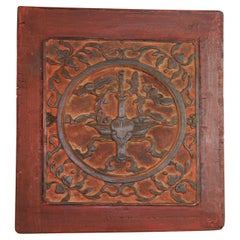
Japanese Carved Wood Architectural Wood Panel 18th Century
Located in Douglas Manor, NY
Japanese 18th century carved wood architectural panel.
Category
Antique 18th Century Architectural Elements
Materials
Hardwood
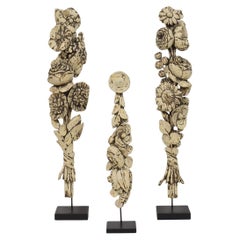
Collection Late 18th Century French Neoclassical Carved Wooden Ornaments
Located in Buisson, FR
Beautiful collection of three 18th century neoclassical carved wooden ornaments.
France circa 1780.
Weathered, small losses
Measurements are individual and include the wooden base.
...
Category
French Neoclassical Antique 18th Century Architectural Elements
Materials
Wood
$685 Sale Price / set
50% Off
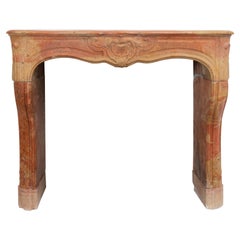
Small French Louis XV Fireplace Mantel
Located in Haarlem, Noord-Holland
Small French Louis XV Fireplace Mantel.
Unique little Louis XV Fireplace mantel in Corton Violine limestone from the area of Burgundy in France. The soft and warm tones makes this...
Category
French Louis XV Antique 18th Century Architectural Elements
Materials
Limestone
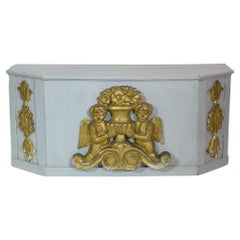
18th Century Italian Neoclassical Carved Wooden Altar
Located in Buisson, FR
Wonderful neoclassical carved wooden altar with beautiful gilded angels.
Italy, circa 1760-1780. Weathered, small losses and old repairs.
Category
Italian Neoclassical Antique 18th Century Architectural Elements
Materials
Wood
$1,878 Sale Price
36% Off
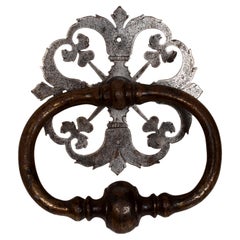
French 18th c Door Knocker with Original Cast Iron Knocker
Wrought Iron Back
Located in valatie, NY
French 18th c Door Knocker with Original Cast Iron Knocker and Wrought Iron Back. This hand-wrought iron door knocker with a pierced scrolling back...
Category
French Neoclassical Antique 18th Century Architectural Elements
Materials
Wrought Iron
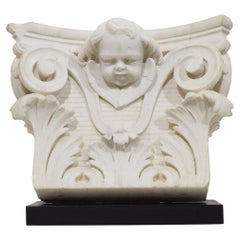
French, 17th / 18th Century, Carved White Marble Capital With Angel Head
Located in Buisson, FR
Spectacular hand-carved white marble capital with angel head.
Beautiful weathered white marble .
France circa 1650-1750
Weathered
Measurements include the wooden pedestal
Category
French Antique 18th Century Architectural Elements
Materials
Marble
$3,070 Sale Price
55% Off
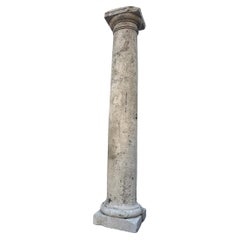
18th Century Hand Carved Stone Garden Columns Architectural Elements Decorative
Located in West Hollywood, CA
18th Century Hand Carved Stone Garden Column Architectural Elements Decorative . Nicely hand carved late 18th century single stone columns sitting on Square Base pedestal shape at th...
Category
French Louis XIV Antique 18th Century Architectural Elements
Materials
Stone
$9,120 Sale Price / item
20% Off
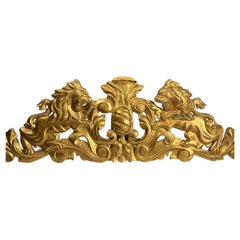
Italian Giltwood Lion Pediment, 18th Century – Hand-Carved Antique Décor
Located in Lincoln, GB
Italian Giltwood Lion Pediment, 18th Century – Hand-Carved Antique Décor
Bring a sense of grandeur and old-world craftsmanship to your interior with this 18th Century Italian Giltwo...
Category
Italian Baroque Antique 18th Century Architectural Elements
Materials
Giltwood
Italian 18/19th Century Hand Carved Giltwood Acanthus Leaf Curl Ornament.
Located in Buisson, FR
Beautiful handcarved giltwood acanthus leaf curl ornament that once adorned a chapel .Original period piece that due it’s high age has a beautiful weathered look.
Italy circa 1780/1...
Category
Italian Antique 18th Century Architectural Elements
Materials
Wood
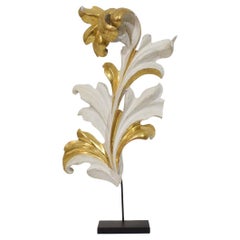
$447 Sale Price
46% Off
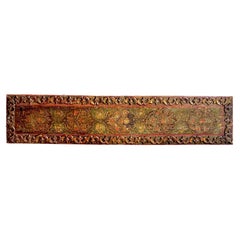
18th Century Italian Frieze Painted Wall Panel #2
Located in Bradenton, FL
18th century Italian wall decorative panel frieze with stunning hand-carved gilded relief. The decorative candelabra gilt relief motif is very classical, hand-carved with alternating...
Category
Italian Renaissance Antique 18th Century Architectural Elements
Materials
Wood
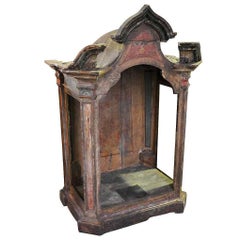
18th Century Spanish Polychromed Tabernacle, Niche
Located in Round Top, TX
18th century spanish polychromed tabernacle, niche for the display of Santos. Original finish in somber tones of ochre and siena.
Category
Spanish Antique 18th Century Architectural Elements
Materials
Wood
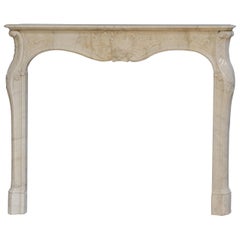
Elegant Italian Fireplace Mantel
Located in Haarlem, Noord-Holland
Lovely elegant 18th century fireplace mantel in Carrara white marble.
This Italian beauty with its beautifully shaped jambs with scroll to top was originally build into the wall.
...
Category
Italian Rococo Antique 18th Century Architectural Elements
Materials
Carrara Marble
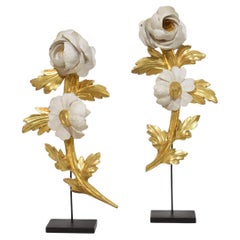
Pair Italian 18/19th Century Hand Carved Giltwood Floral Ornaments
Located in Buisson, FR
Beautiful handcarved giltwood floral ornaments that once adorned a chapel .Original period pieces that due their high age have a wonderful weathered look.
Italy circa 1780/1850 , wea...
Category
Italian Antique 18th Century Architectural Elements
Materials
Wood
$804 Sale Price / set
50% Off
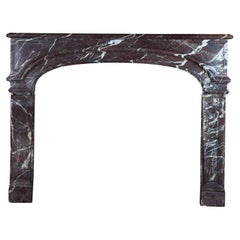
Authentic French Rouge Griotte Marble Fireplace Surround
Located in Beervelde, BE
A beautiful French Louis XIV period, 18th century, original mantle piece in Rouge Griotte marble.
The marble was used in lots of historical landmarks in...
Category
French Louis XIV Antique 18th Century Architectural Elements
Materials
Griotte Marble
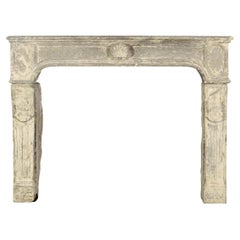
Fine 18th Century Period French Antique Decorative Fireplace in Limestone
Located in Beervelde, BE
This is very small French country limestone fireplace surround from the Louis XV period. A delicate surround with great authentic patina and which was installed in a wood pannel...
Category
French Louis XV Antique 18th Century Architectural Elements
Materials
Limestone
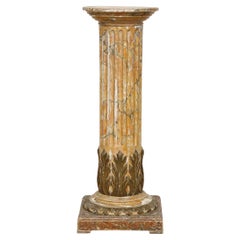
Gustavian Neoclassical 18th Century Pedestal, Origin: Sweden, Circa 1780-1795
Located in New York, NY
Gustavian, neoclassical 18th century pedestal, origin; Stockholm, Sweden, circa 1780 - 1795, with exceptionally painted, all original faux-marble finishes
Provenance: Private Collec...
Category
Swedish Gustavian Antique 18th Century Architectural Elements
Materials
Wood, Paint
18th Century Rococo Fragment Of A Copper Fireplace Door
Located in Copenhagen, K
Beautiful copper door with Rococo decorations and dated 1783. Could be used for a actual fireplace, or as a Folk Art wall decoration.
Category
Scandinavian Rococo Antique 18th Century Architectural Elements
Materials
Copper

$499 Sale Price
36% Off
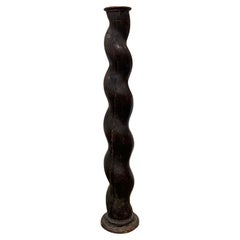
18th Century Twisted Column Plinth Pedestal Torchere
Located in Sherborne, GB
A stunning rich, textural, sculptural column. It is a gentle twist, hand carved, perfect for showing sculpture, floral displays, adding an ancient ar...
Category
French French Provincial Antique 18th Century Architectural Elements
Materials
Fruitwood
$1,644 Sale Price
47% Off
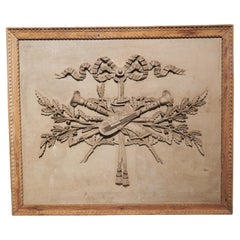
18th Century French Louis XVI Musical Trophy Boiserie Panel in Carved Oak Frame
Located in Dallas, TX
Hand carved during the reign of Louis XVI, this linden wood and oak plaque was originally a boiserie panel that would have adorned the wall of a French manor...
Category
French Louis XVI Antique 18th Century Architectural Elements
Materials
Wood, Oak
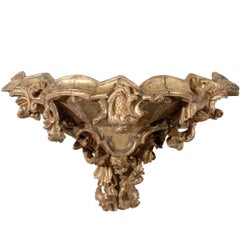
Italian 18th Century Richly Carved
Gilt Wood Rococo Style Wall Bracket
Located in Atlanta, GA
An Italian 18th century gilded bracket. This large size Italian Rococo style bracket features an abundance of decor associated to a very curvy Silhouet...
Category
Italian Rococo Antique 18th Century Architectural Elements
Materials
Wood
Large Italian Giltwood Bed Canopy
Corona
Located in Houston, TX
Large Italian giltwood bed canopy, or corona (also known in France as a ciel de lit), circa 1760-1780. Hand carved giltwood with painted detail decoration. ...
Category
Italian Neoclassical Antique 18th Century Architectural Elements
Materials
Wood, Giltwood
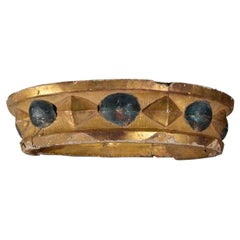
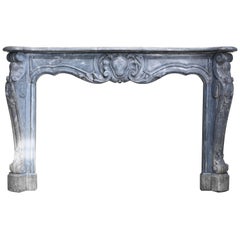
Antique Grey/Blue Marble Fireplace, 18th Century, Louis XV
Located in Made, NL
This is a jewel within our collection of antique marble fireplaces! A unique chimney in the style of Louis XV from the 18th century. This beautiful fireplace has beautiful round shap...
Category
French Other Antique 18th Century Architectural Elements
Materials
Marble
$30,051 Sale Price
27% Off
Italian 18th Century Door
Located in Round Top, TX
A wonderful door in painted wood from Venice, Italy. Not only wonderful as a door, but perfect to build into cabinetry or use as a headboard. Fabulous patina.
Category
Italian Antique 18th Century Architectural Elements
Materials
Wood

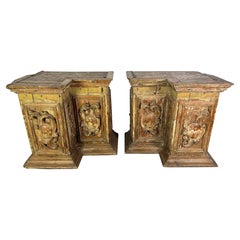
Pair of late 18th century Italian Architectural Elements
Located in Los Angeles, CA
A remarkable pair of late 18th century Italian architectural elements, likely salvaged from a chapel or palazzo interior. Each piece is hand-carved from wood, showcasing deeply model...
Category
Italian Baroque Antique 18th Century Architectural Elements
Materials
Gold Leaf
$12,000 Sale Price / set
33% Off
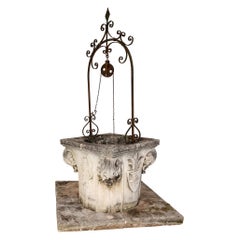
18th Century Vincenza Stone Wellhead
Located in Washington, DC
An 18th century Vincenza stone wellhead. This came from a palazzo in Veneto region of Italy.
Category
Italian Baroque Antique 18th Century Architectural Elements
Materials
Stone
$42,500 / set
18th Century
circa 1750
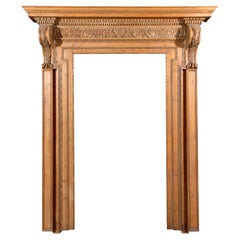
George II Pine Doorway
Located in London, GB
An 18th century (circa 1750) George II pine doorway. The barrel frieze carved with shell centre and scrolled leaves and foliage, surmounted by egg and dart dentil cornice. Panelled p...
Category
English George II Antique 18th Century Architectural Elements
Materials
Pine
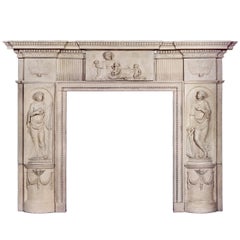
Rare and Beautiful English Coade Stone Fireplace Mantel, circa 1790
Located in London, GB
A rare and beautiful Coadestone fireplace, circa 1790 from Capesthorne in Cheshire. After a fire and rebuilding, the fireplace was taken there in the 1860s from the family's house in...
Category
British Georgian Antique 18th Century Architectural Elements
Materials
Stone
More Ways To Browse
Iron Window Grille
Large Garden Mirrors
Limestone Gargoyle
Limestone Pillars
Marble Seashell
Pair Door Knockers
Spanish Wood Beam
Stone Carved Keystone
Stone Caryatid
Talavera Tiles
Terra Cotta Finial
Terracotta Capital
Victor Horta Art Nouveau
Walter Macfarlane
Wrought Iron Transom
Amber Glass Door
Antique Brass Finger Plates
Antique Cast Iron Grills