Items Similar to Cornish Serpentine Doorstop with Loop Handle, 19th Century Folk Art

Want more images or videos?
Request additional images or videos from the seller
1 of 12
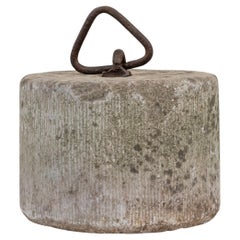
Cornish Serpentine Doorstop with Loop Handle, 19th Century Folk Art
$529.18
£386
€453.65
CA$732.98
A$785.38
CHF 421.30
MX$9,302.93
NOK 5,314.48
SEK 4,861.93
DKK 3,388.82
About the Item
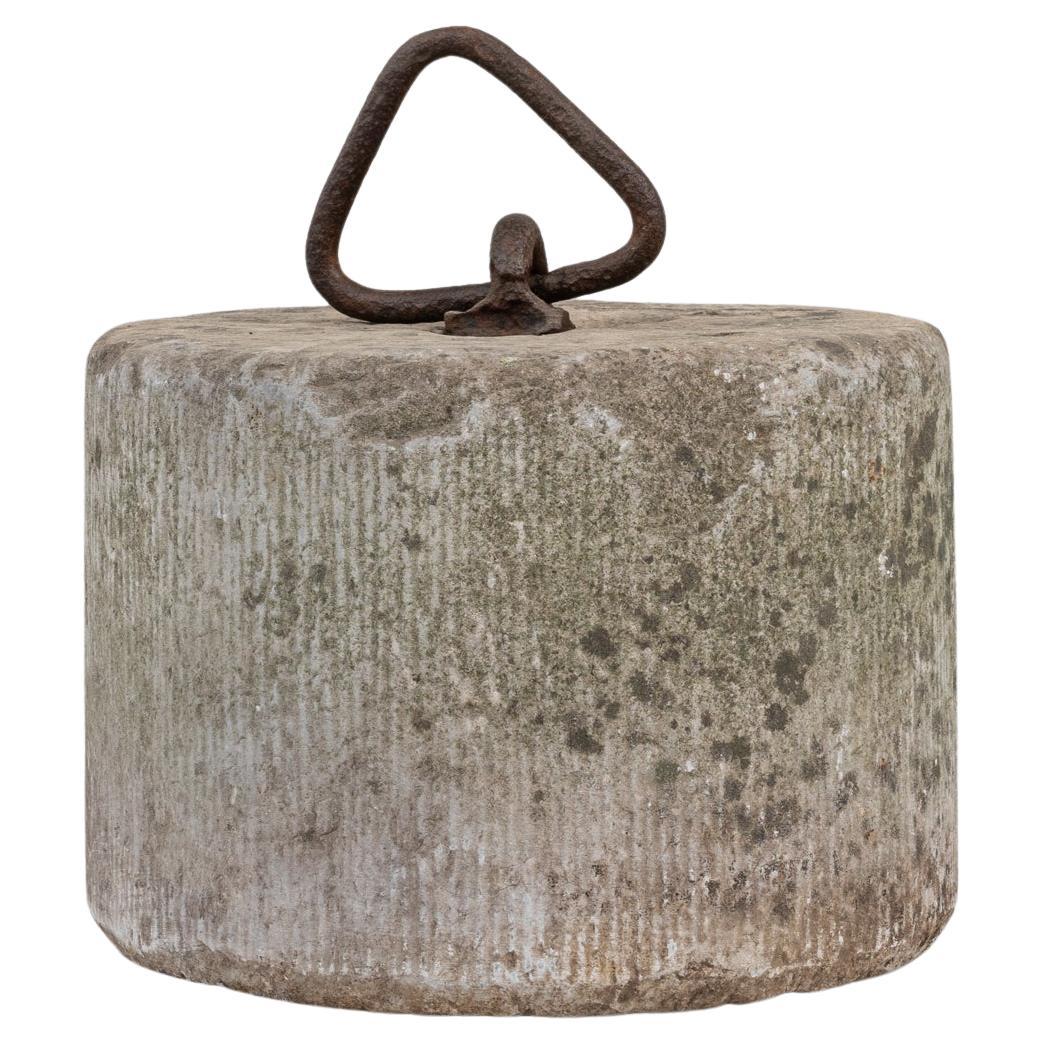
Cornish Serpentine Doorstop with Loop Handle, 19th Century Wabi-Sabi Folk Sculpture
A striking 19th century Cornish serpentine doorstop featuring a classic loop handle. Hand-carved from serpentine stone sourced from the Lizard Peninsula in Cornwall, England, this piece embodies the natural beauty and geological history of the region.
The surface shows a muted polish that highlights the unique mottled brown, earthy green, and dark mineral veining characteristic of serpentine. Signs of age and use are evident, with minor losses and wear adding authentic character – unsurprising given its Victorian-era origin and utilitarian purpose.
Why we love it
This serpentine doorstop bridges functionality and sculpture, standing as a testament to Cornish stone craftsmanship of the 1800s. Its weight makes it practical, while its natural form and polished surface bring a grounding organic presence to an interior. It works equally well styled as a rustic wabi-sabi decorative accent, a sculptural object on stone or wood floors, or as a heritage-rich detail in country houses, coastal retreats, or modern minimal interiors.
Key features
• Hand-carved from Cornish serpentine stone
• Polished surface with natural mineral patterning
• Loop handle for lifting and traditional use as a doorstop
• Minor losses and wear consistent with age and outdoor use
• Origin: Lizard Peninsula, Cornwall, England
• Period: 19th century
Dimensions
Approximate height: 22cm
Base diameter: 11.5
Weight:3.10kg
About Cornish Serpentine
Cornish serpentine became highly sought after during the Victorian era, especially after Queen Victoria’s visit to Cornwall in 1846, which popularised serpentine objects as decorative souvenirs and collectibles. Each piece is unique, with colouring formed by mineral metamorphosis over millions of years.
⸻
Follow our page for curated antique, folk, and design objects. Contact us for competitive global shipping quotes; we endeavour to find the best solution for each client.
- Dimensions:Height: 8.67 in (22 cm)Diameter: 4.53 in (11.5 cm)
- Style:Folk Art (Of the Period)
- Materials and Techniques:
- Place of Origin:
- Period:
- Date of Manufacture:1880’s
- Condition:Wear consistent with age and use. Minor losses. Minor structural damages. Minor fading.
- Seller Location:London, GB
- Reference Number:1stDibs: LU2868345797572
About the Seller
5.0
Gold Seller
Premium sellers maintaining a 4.3+ rating and 24-hour response times
Established in 2015
1stDibs seller since 2017
202 sales on 1stDibs
Typical response time: <1 hour
- ShippingRetrieving quote...Shipping from: Maldon, United Kingdom
- Return Policy
More From This Seller
View AllIndonesian Painted Buffalo, Cow Bell Decorative Folk Art Sculpture, wall art
Located in London, GB
Antique Indonesian Buffalo Racing Cowbell Painted Wood with Rope Handle
Discover this antique Indonesian buffalo racing cowbell, traditionally strapped around the necks of water bu...
Category
Vintage 1910s Indonesian Folk Art Mounted Objects
Materials
Wood
Indonesian Painted Buffalo, Cow Bell Decorative Folk Art Sculpture, wall art
Located in London, GB
Antique Indonesian Buffalo Racing Cowbell Painted Wood with Rope Handle
Discover this antique Indonesian buffalo racing cowbell, traditionally strapped around the necks of water bu...
Category
Vintage 1910s Indonesian Folk Art Mounted Objects
Materials
Wood
Antique French Glazed Terracotta Water Spout Jug - Authentic Southern France
Located in London, GB
Antique French Glazed Terracotta Water Spout Jug - Authentic Southern France
This rare antique French glazed terracotta water spout handle jug is a unique and authentic piece from ...
Category
Antique 19th Century French French Provincial Pottery
Materials
Clay
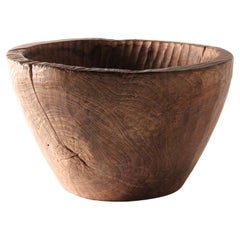
Wabi-Sabi Vintage Wooden Bowl, Lombok, Organic Sculptural Centerpiece
Located in London, GB
Wabi-Sabi Lombok Wooden Bowl, Sculptural Hand-Carved Form, circa 1940s
A monumental hand-carved wooden bowl from Lombok, Indonesia, dating to the 1940s. Carved from a single block o...
Category
Vintage 1940s Indonesian Folk Art Planters, Cachepots and Jardinières
Materials
Wood
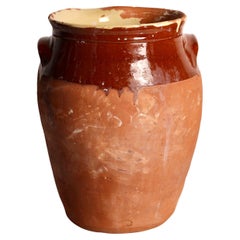
19th Century Oversized Twin-Handled Dairy Jug – English Heritage Craftsmanship
Located in London, GB
19th Century Oversized Twin-Handled Dairy Jug – English Heritage Craftsmanship
---
This wonderful oversized twin-handled 19th-century dairy jug embodies th...
Category
Antique 1890s English Country Garniture
Materials
Clay, Terracotta
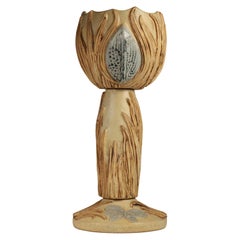
Mid Century Modern Ceramic Jardinière by Bernard Rooke
By Bernard Rooke
Located in London, GB
An organic and Brutalist style Jardine which would work perfectly with trailing foliage.
Bernard Rooke (born 1938) is a British artist and studio potter. Rooke has exhibited his "Brutalist" ceramics and painting both in the UK and abroad with work in many collections both public and private including the Victoria and Albert Museum, Cleveland Museum of Art, Nuffield Foundation, Röhsska Museum in Sweden and the Trondheim Kunstmuseum in Norway.
Bernard Rooke attended Ipswich School of Art studying painting and lithography before going on to study at Goldsmiths College of Art. It was while studying here that he decided to take up pottery. Although unfamiliar with this craft and tradition, he found that working with clay provided new opportunities for freedom of interpretation and creativity.
In 1960 Rooke set up his first pottery in Forest Hill in South London along with Alan Wallwork. It was a very small room with enough space for a small electric kiln. He was initially using mainly hand building, coiling, blocking and slabbing techniques. While researching ideas, he was supporting himself by part-time lecturing at London University, Goldsmiths College and St Mary's College. In addition, Rooke's membership of 'The Craftsman Potters' Association' enabled him to show his work in a shop in Carnaby Street in London.
In 1967, both the need for a larger working space and becoming disillusioned with living in London spurred Rooke into moving out of the city and to an old mill building in Swilland in Suffolk. Rooke wanted to widen the range of work so as to become more commercial. With the birth of his son, Aaron, and much needed work to be done on the mill, it was important to be able to make a living.
In 1968, the Grand Metropolitan Hotel commissioned Rooke to make 120 standard lamps, 120 table lamps as well as a 24 foot long ceramic mural and another 9 foot high, which incorporated interior lighting. The money from the commission helped to pay for much needed restoration work on the mill.
By the 1970s, a gallery space was opened in the windmill and run by Susan Rooke, Bernard's wife, selling work to locals and tourists as well as to American airmen based nearby. The vision for Mill Gallery was beginning to develop and alongside this a reputation was building bringing in a good source of income.
Sons Aaron and Felix were becoming more involved with the running of the pottery, giving Bernard more time to develop new ideas and designs and more time to continue with his painting. In 2004, the Rooke family decided not to sell to the public through the gallery anymore and close the pottery to concentrate more on painting and printmaking.
In 2017 Bernard's lighting was featured in the Exhibition: “Glass, Light, Paint & Clay” at the Peterborough Museum and Art Gallery. The exhibition featured four artists: Bernard Rooke, John Maltby...
Category
Vintage 1970s English Brutalist Planters and Jardinieres
Materials
Clay
You May Also Like
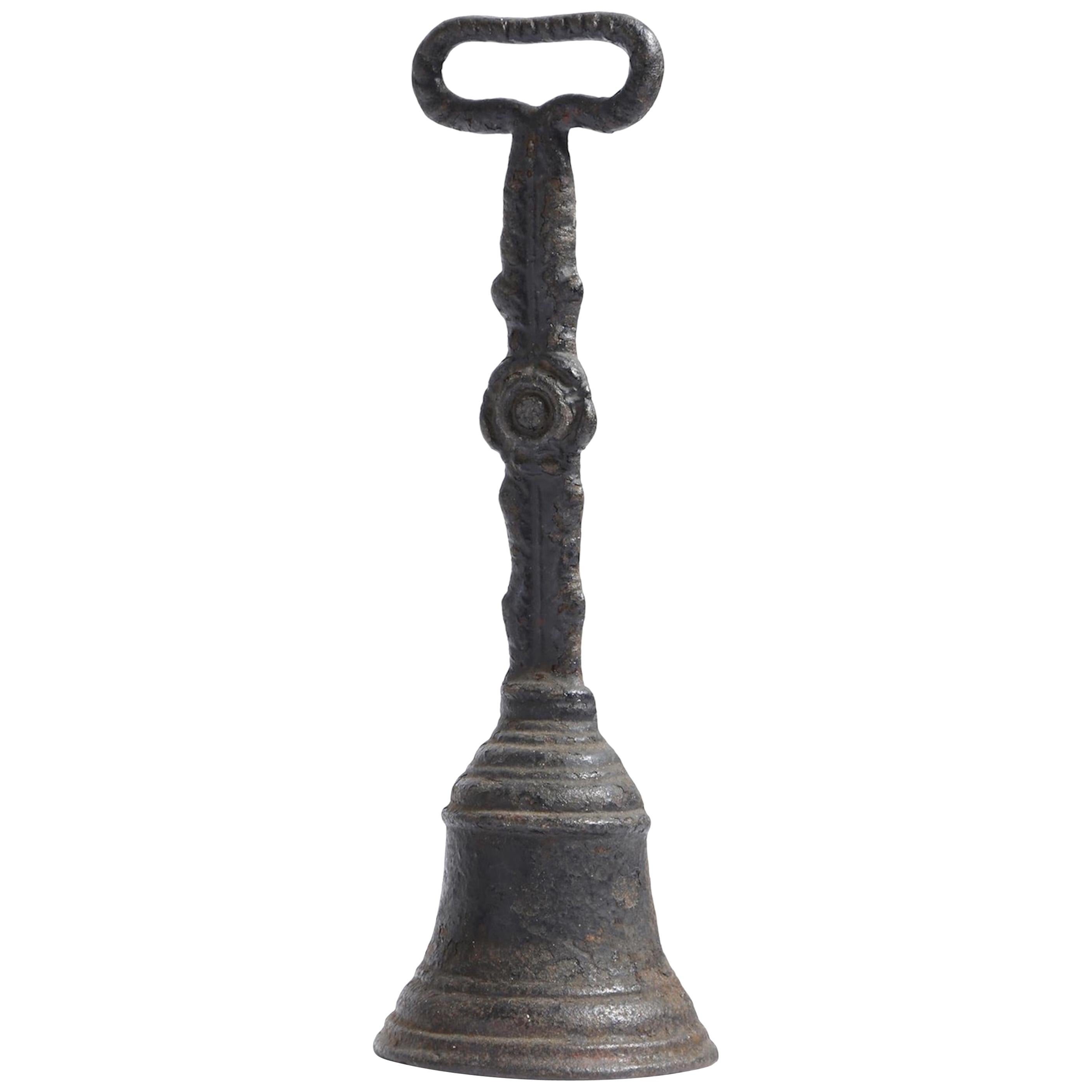
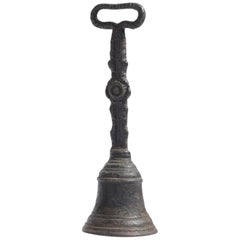
Doorstop, 19th Century, English Victorian, Cast Iron, Bell, Rope Twist
Located in BUNGAY, SUFFOLK
The rope twist handle above an acanthus leaf stem terminating in the form of a bell.
Category
Antique Mid-19th Century British Victorian Doors and Gates
Materials
Brass
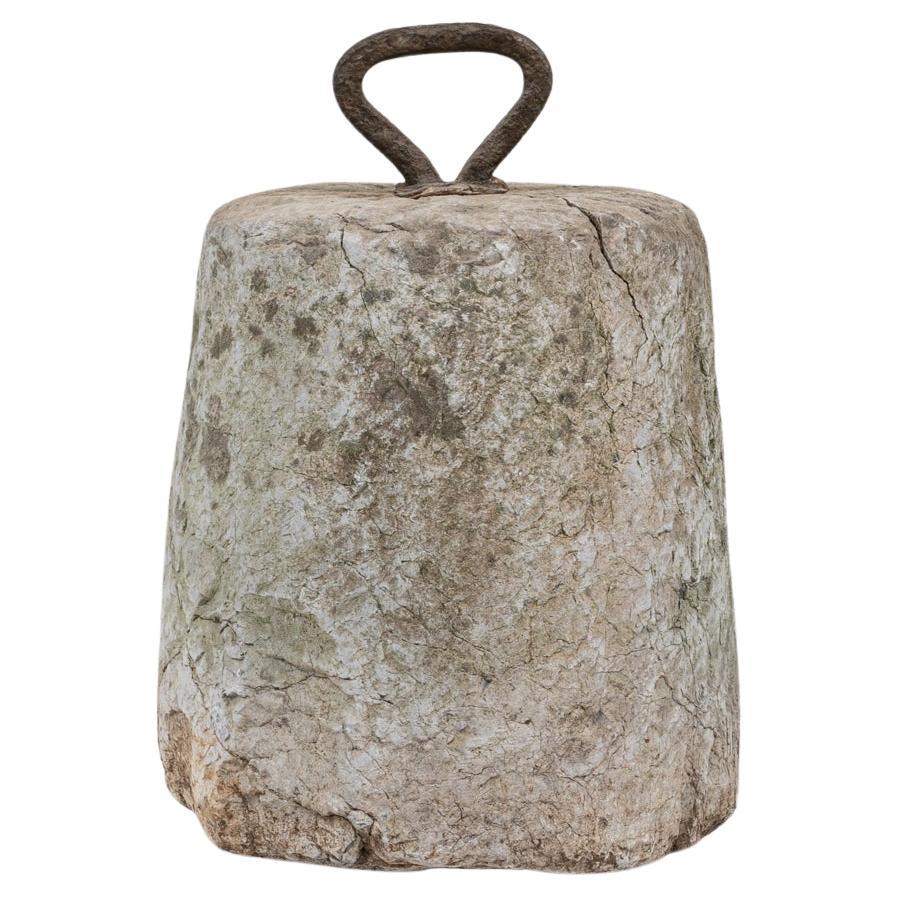
19th Century Belgian Concrete Door Stop
Located in High Point, NC
This 19th Century Belgian concrete door stop is a utilitarian object elevated by timeworn charm and material authenticity. Crafted from solid concrete with a naturally aged surface, ...
Category
Antique 19th Century Belgian Natural Specimens
Materials
Concrete
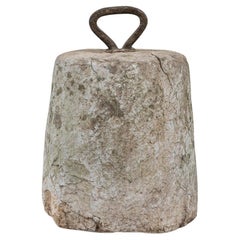
19th Century Belgian Blue Stone Doorstop
Located in High Point, NC
19th Century Belgian Blue Stone Doorstop. This sculptural doorstop, crafted from dense Belgian blue stone in the 19th century, embodies the understated strength and natural beauty of...
Category
Antique 19th Century Belgian Paperweights
Materials
Stone
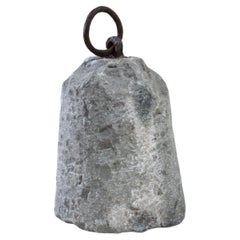
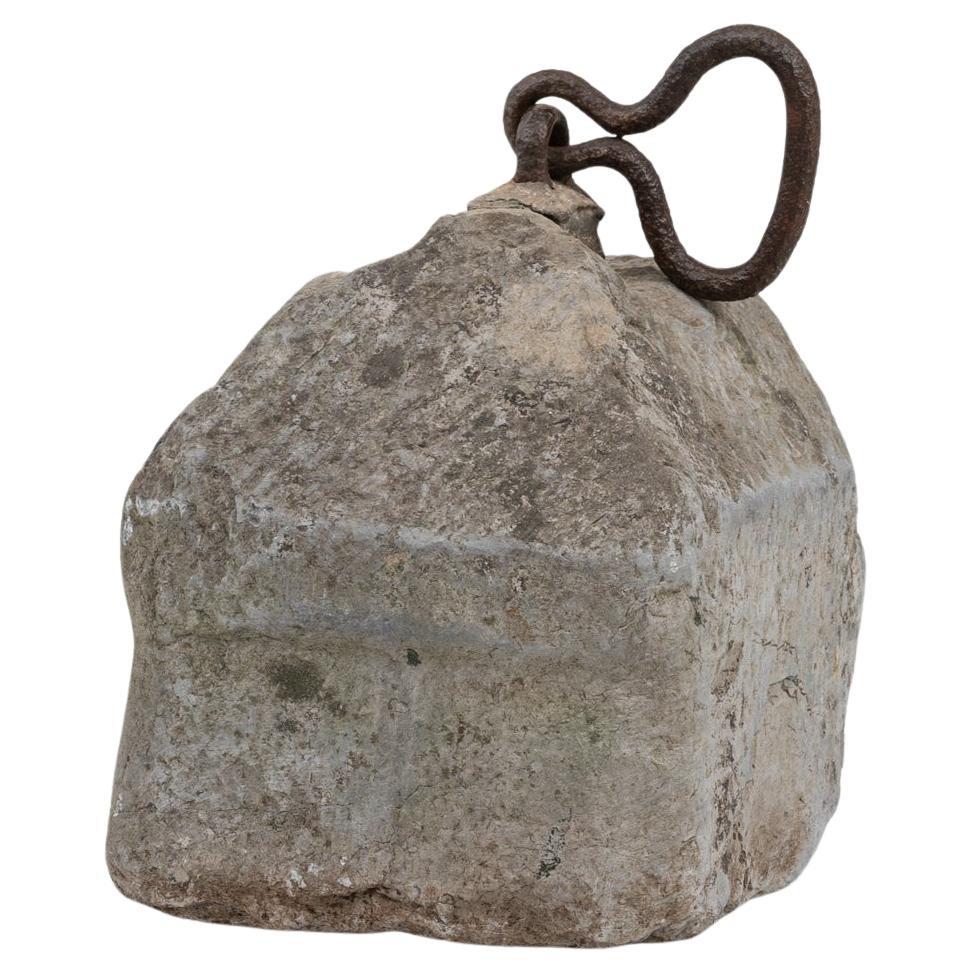
19th Century Belgian Concrete Door Stop
Located in High Point, NC
This 19th Century Belgian concrete door stop is a distinctive piece with a striking, irregular form shaped by time and use. Its angular, almost pyramidal body showcases a richly aged...
Category
Antique 19th Century Belgian Natural Specimens
Materials
Concrete
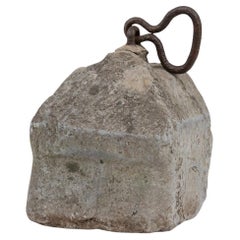
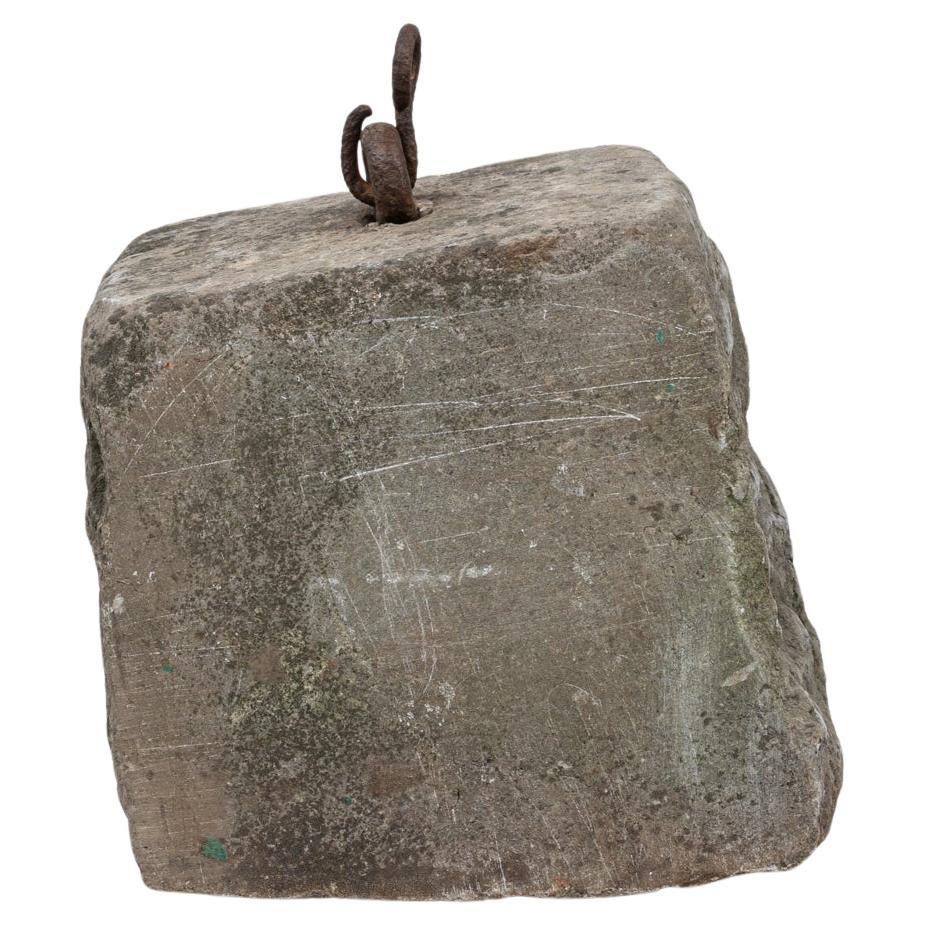
19th Century Belgian Concrete Door Stop
Located in High Point, NC
This 19th Century Belgian concrete door stop features a rugged, angular form that highlights its utilitarian origins and enduring character. The hand-hewn block of concrete exhibits ...
Category
Antique 19th Century Belgian Natural Specimens
Materials
Concrete
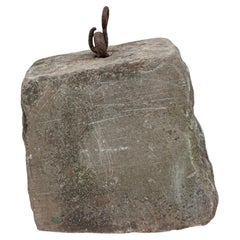
19th Century Belgian Concrete Door Stop
Located in High Point, NC
This 19th Century Belgian concrete door stop is a robust example of utilitarian form turned sculptural artifact. Cylindrical in shape with a subtly ribbed texture around its sides, t...
Category
Antique 19th Century Belgian Natural Specimens
Materials
Concrete
More Ways To Browse
Antique Mineral
Antique Door Handle
Antique Lizard
Antique Metal Doors
Door Handles Metal
Bridge Sculpture
Serpentine Doors
Folk Doorstop
Cornish Serpentine
Indian Wood Door
Murano Glass Door Handle
Wrought Iron Garden Arch
Antique Church Gates
Antique Door Pull Handles
Antique Pantry Door
Art Nouveau Iron Door
Art Nouveau Wrought Iron Gate
Indian Painted Door