Items Similar to 18th-Century English Pottery Pebbled Pearlware Bough Pots, Wood Family
Want more images or videos?
Request additional images or videos from the seller
1 of 7
18th-Century English Pottery Pebbled Pearlware Bough Pots, Wood Family
$2,000per set
£1,522.96per set
€1,753.65per set
CA$2,834.18per set
A$3,048.56per set
CHF 1,629.24per set
MX$35,933.86per set
NOK 20,540.90per set
SEK 18,778.28per set
DKK 13,102.69per set
About the Item
Encrusted Elegance: English Variegated Surface Bough Pots
Object: Pair of Bough Pots (Flower Vases)
Origin: England, Staffordshire region, Attributed to Ralph Wood, Birch
Whitehead, or Breeze
Wilson
Date: Circa 1780-1800
Medium: Earthenware with Applied Clay Slip (Variegated Surface)
Dimensions: 7 3/4 inches wide x 4 inches high x 3 3/4 inches deep.
This handsome pair of bough pots is a rare and refined example of decorative English earthenware from the late 18th century. Designed to hold cut flowers or fragrant boughs on a mantelpiece or window ledge, these pots are defined by their unusual variegated surface, a highly tactile and complex finish also known as "pebbled" or "encrusted" ware .
The finish was achieved by carefully applying small chips of crushed clay (grog) or colored slip over the body before firing, creating a striking texture that resembles encrusted rock or coarse earth. This rough, naturalistic surface contrasts sharply with the smooth, refined white body and the bright blue banding applied to the rims. The pierced tops are a functional design element, intended to stabilize and arrange floral arrangements. The pots' semicircular shape confirms they were specifically designed to be displayed as a facing pair against a flat surface, such as a fireplace mantel.
Historical Context: Experimental Surfaces
The development of sophisticated surface treatments like the variegated technique was characteristic of the major Staffordshire potteries during the transition from Creamware to Pearlware. Makers like Ralph Wood, as well as later potters such as Birch
Whitehead or Breeze
Wilson, experimented endlessly with glazes, enamels, and textures to appeal to the affluent domestic market. These complex, three-dimensional surfaces provided a visually rich alternative to the popular transfer-printed wares of the time, signifying both the wealth of the owner and the technical prowess of the maker. The survival of this pair in such excellent condition highlights their esteemed place in the Georgian-era home.
References
Rickard, Jonathan. Mocha and Related Dipped Wares, 1770-1939 (Page 119, figure 184, for a similar shape and discussion of related techniques).
Victoria
Albert Museum, London: Their Ceramics Collection holds a single example of a bough pot utilizing this surface technique.
Staffordshire Pottery Studies: Publications focusing on the works of Ralph Wood, Birch
Whitehead, and the use of 'grog' or crushed clay in early 19th-century ceramic decoration.
(Ref: ny7125-amr)
- Attributed to:Ralph Wood Pottery (Manufacturer)
- Dimensions:Height: 4 in (10.16 cm)Width: 7.75 in (19.69 cm)Depth: 3.75 in (9.53 cm)
- Sold As:Set of 2
- Style:Georgian (Of the Period)
- Materials and Techniques:Pearlware,Pottery
- Place of Origin:
- Period:
- Date of Manufacture:1790
- Condition:perfect- with no condition issues.
- Seller Location:Downingtown, PA
- Reference Number:Seller: NY07125/pmr1stDibs: U090207861018
About the Seller
5.0
Recognized Seller
These prestigious sellers are industry leaders and represent the highest echelon for item quality and design.
Gold Seller
Premium sellers maintaining a 4.3+ rating and 24-hour response times
Established in 1916
1stDibs seller since 2009
438 sales on 1stDibs
Typical response time: 1 hour
Associations
The Art and Antique Dealers League of AmericaAntiques Associations Members
- ShippingRetrieving quote...Shipping from: Downingtown, PA
- Return Policy
More From This Seller
View AllVintage American Pottery Pair of Terracotta Vases
Located in Downingtown, PA
American Pottery Pair of Terracotta Vases
Late 20th Century
A striking pair of large terracotta vases, each with a robust bulbous body rising from a slightly flared foot to a double...
Category
Early 2000s Rustic Vases
Materials
Stoneware
Wedgwood Neo-classical Large Cachepots and Stands, A Pair, Late 18th Century
Located in Downingtown, PA
Wedgwood Pearlware Neoclassical Cachepots and Stands,
A Pair
(Late 18th Century)
This handsome Pair of Wedgwood Cachepots and Underdishes, dating from the Late 18th Century, repre...
Category
Antique Late 18th Century Pottery
Materials
Pearlware, Pottery
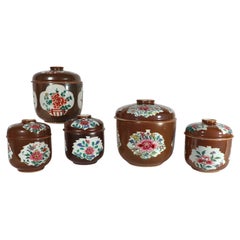
Chinese Export Porcelain Group of Batavia-ware Urns
Covers
Located in Downingtown, PA
Collection of Five Chinese Export 'Batavia-ware' and Famille Rose Jars and Covers
Qianlong Period, China, Circa 1750s
This handsome collection of five graduated covered jars is a magnificent and rare example of mid-18th-century Chinese Export porcelain, illustrating the highly successful fusion of Chinese ceramic technology and European market demand during the height of the global trade era.
________________________________________
Description and Aesthetic
Medium: Porcelain with underglaze brown glaze and overglaze Famille Rose enamels.
Period: Qianlong (1736–1795).
Origin: Jingdezhen kilns, China, made for the European export market.
The collection comprises two large, two medium, and one small jar, intended to be displayed together as a garniture—a decorative set prized for mantelpieces and cabinets in opulent European interiors.
• The 'Batavia' Ground: Each piece is characterized by a luxurious, deep chocolate-brown glaze covering the exterior, a distinctive aesthetic known historically as "Batavia-ware" or descriptively as café au lait. This rich, monochrome ground was achieved by bathing the porcelain in an iron-rich slip before glazing and firing.
• The Famille Rose Reserves: The dark ground provides a dramatic backdrop for finely painted, leaf-shaped reserves (panels). These panels are adorned with exquisite floral sprays executed in the vibrant Famille Rose palette (meaning "pink family"), which was introduced to China from Europe in the early 18th century. The opaque enamels—dominated by the rose-pink created from colloidal gold—allow for subtle shading and realism, brilliantly depicting the peony (mudan), the Chinese flower of wealth, nobility, and honor.
• The Covers: The domed covers maintain this contrast, with a high, lustrous brown glaze broken by Famille Rose floral sprays that echo the motifs on the body.
________________________________________
Historical Context: Global Trade and Naming
The name "Batavia-ware" is a crucial historical reference, even though the porcelain was manufactured in the kilns of Jingdezhen.
1. The Dutch East India Company (VOC): Batavia (modern-day Jakarta, Indonesia) served as the fortified administrative and trading headquarters of the Dutch East India Company (VOC) in Asia.
2. The Trade Route: Porcelain destined for the European market was collected from various Chinese ports and then centrally transshipped through Batavia. This particular style became famously associated with that major transit port among Western collectors, hence the name, which links the sophisticated manufacturing of China to the powerful trade infrastructure of the Dutch.
3. 18th-Century Opulence: Garnitures like this were highly desirable statements of wealth and worldliness in 18th-century Europe. Their acquisition signified participation in the exotic, global market and a cosmopolitan taste capable of appreciating the high technical and artistic quality of Chinese porcelain.
The successful combination of the deep, rich brown glaze—which evokes a feeling of luxurious Eastern lacquer or polished wood—with the delicate, luminous European-inspired Famille Rose palette represents a brilliant convergence of East-West artistic demands at the height of the Qianlong Emperor’s reign.
________________________________________
Dimensions
Largest Jar: 7 1/2 inches high x 7 1/2 inches diameter; Second Jar: 7 1/4 inches high x 6 1/2 inches diameter; Third Jar: 5 1/2 inches high x 5 inches diameter; Pair of Smaller Jars...
Category
Antique 1750s Chinese Chinese Export Jars
Materials
Porcelain
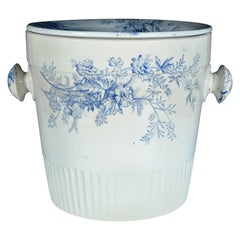
Blue and White Floral Pottery Covered Pil and Cover, Vera Pottery
Located in Downingtown, PA
Blue and white floral pottery covered pil and cover,
Vera pottery,
circa 1900-1930.
The cylindrical pail with exterior knob handles has a reeded lowe...
Category
Early 20th Century English Edwardian Planters, Cachepots and Jardinières
Materials
Pottery
18th-century Chinese Export Porcelain Large Famille Rose Cachepot
Located in Downingtown, PA
Monumental Chinese Export Porcelain Famille Rose Cachepot or Wine Cooler
This magnificent Chinese Export porcelain cachepot or wine cooler, dati...
Category
Antique Mid-18th Century Chinese Chinese Export Planters, Cachepots and ...
Materials
Porcelain

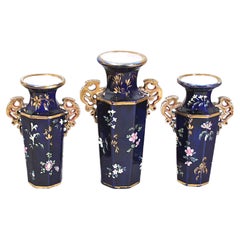
Mason
s Ironstone Garniture of Three Vases, Circa 1835
By Mason
s Ironstone
Located in Downingtown, PA
Regency Opulence: Mason's Ironstone Garniture Vases
Object: Garniture of Three Vases (One central, two flanking)
Manufacturer: Mason's Ironstone China, Staffordshire, England
Date: ...
Category
Antique Mid-19th Century English William IV Vases
Materials
Pottery, Ironstone
You May Also Like
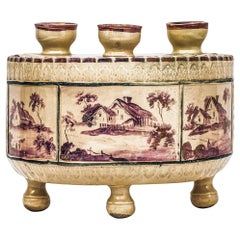
Early 19th Century English Demilune Lusterware Bough Pot With Cover
By Hackwood
Co.
Located in Roma, RM
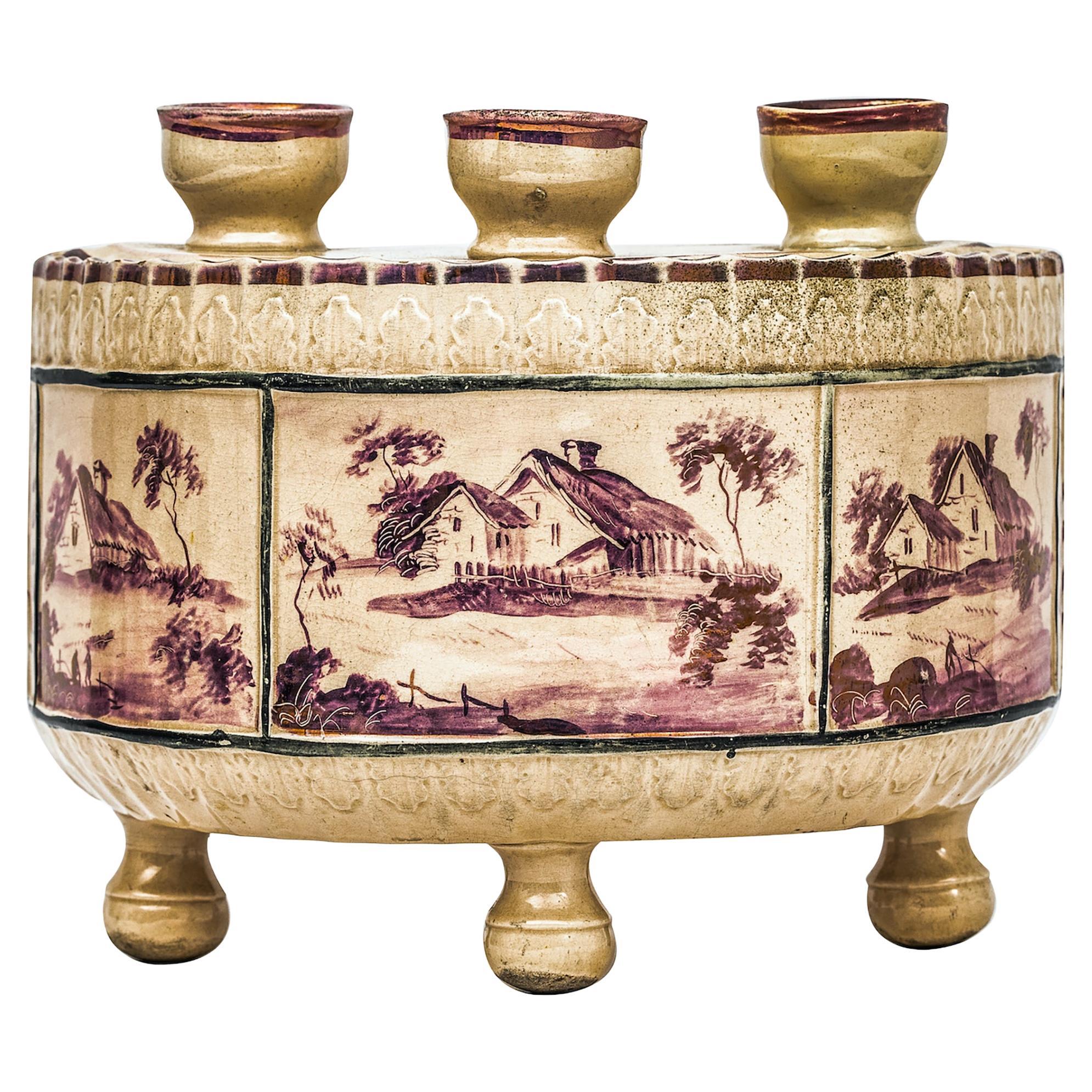
This demilune flower pot or bough pot for forcing springtime bulbs, is adorned with three landscape panels. Each panel, painted in pink lustre, depicts the same cottage in a pastoral setting from three different vantage points. Moulded into the top and bottom rims are acanthus leaves. Pieces in this shape, color and style have been attributed to the Hackwood company, and usually pieces like these, are not marked. William Hackwood
Son was an earthenware factory in Shelton, England, from 1818 until 1853. In addition to lustre ware...
Category
Antique Early 19th Century British Planters, Cachepots and Jardinières
Materials
Ceramic, Faience, Luster
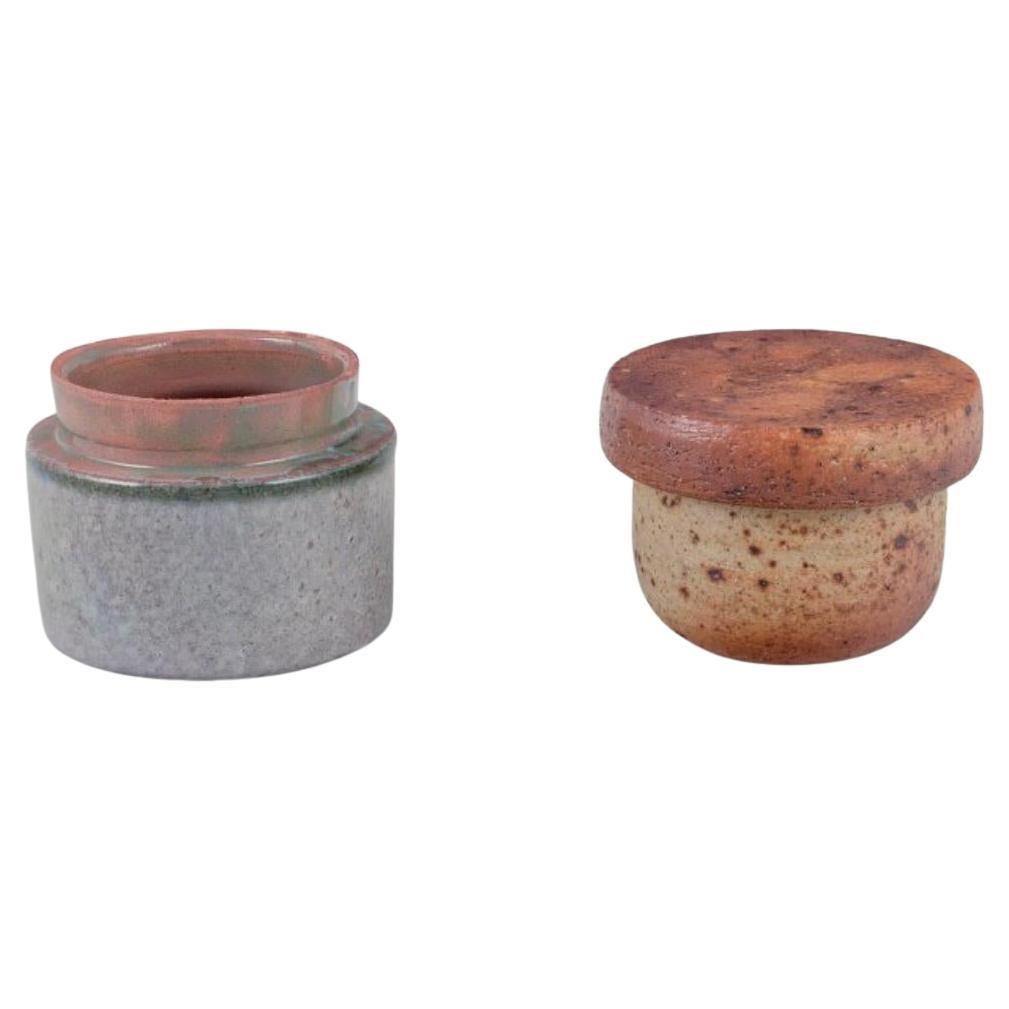
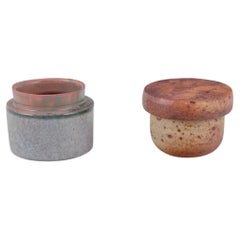
European studio potter. Two unique ceramic jars, one with a lid.
Located in København, Copenhagen
European studio potter.
Two unique ceramic jars, one with a lid. Glazed in earth tones and blue-gray hues.
In excellent condition, with minimal chips in the opening of one jar (see...
Category
Vintage 1980s Unknown Jars
Materials
Ceramic
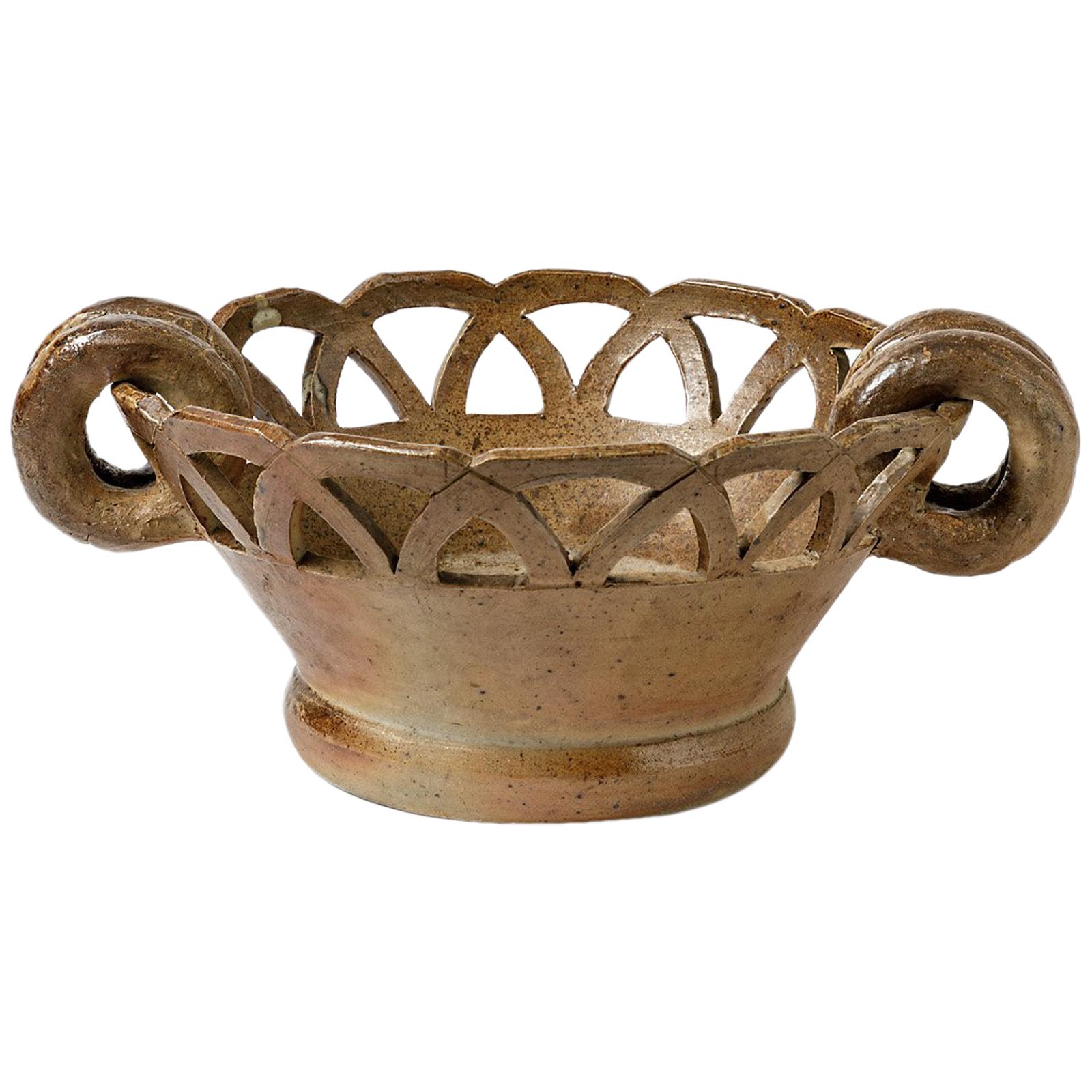
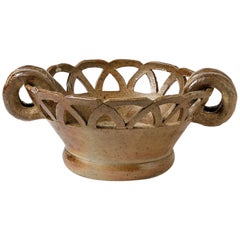
Large Stoneware Ceramic Cachepots or Jardiniere from La Borne, circa 1950
Located in Neuilly-en- sancerre, FR
La Borne, circa 1950.
Attributed to François Guillaume after the second war.
Elegant stoneware ceramic cachepots with beautiful cut decoration...
Category
Vintage 1950s French Modern Planters, Cachepots and Jardinières
Materials
Ceramic
Vintage Boho Glazed Ceramic Planter
Located in West Palm Beach, FL
Introduce eclectic charm to your home with the American style Vintage Boho Glazed Ceramic Planter. This beautifully crafted planter features a v...
Category
Late 20th Century American Planters and Jardinieres
Materials
Ceramic

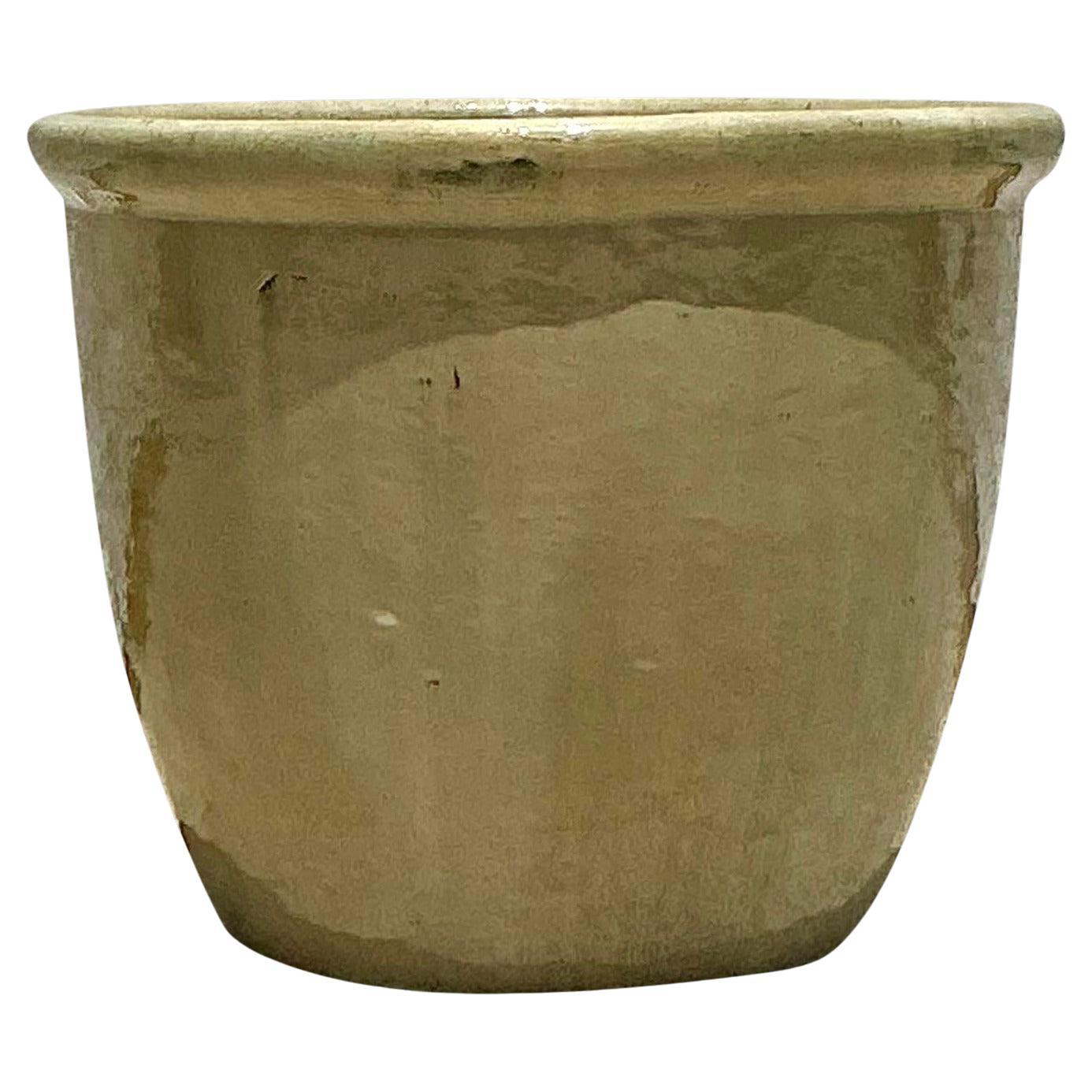
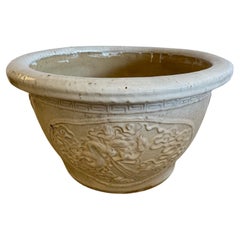
Chinese Vintage Glazed Stoneware Pottery Planter Jardinaire
Located in Hopewell, NJ
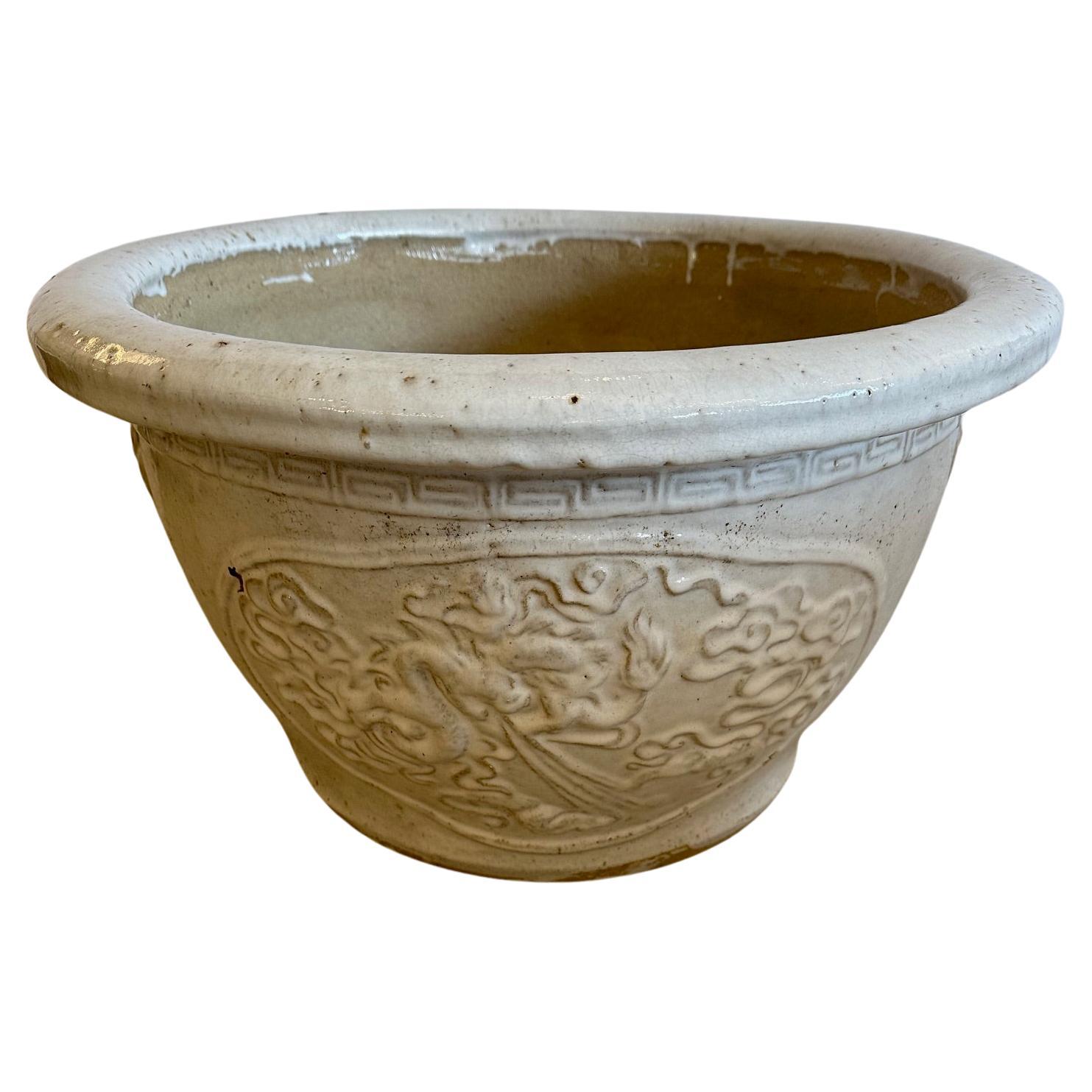
Lovely cream colored Chinese glazed ceramic planter with raised decoration.
Category
Vintage 1970s Chinese Chinese Export Planters and Jardinieres
Materials
Ceramic
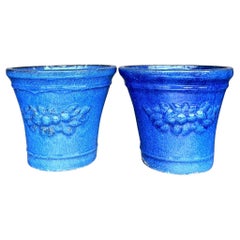
Vintage Boho Glazed Ceramic Pots - a Pair
Located in West Palm Beach, FL
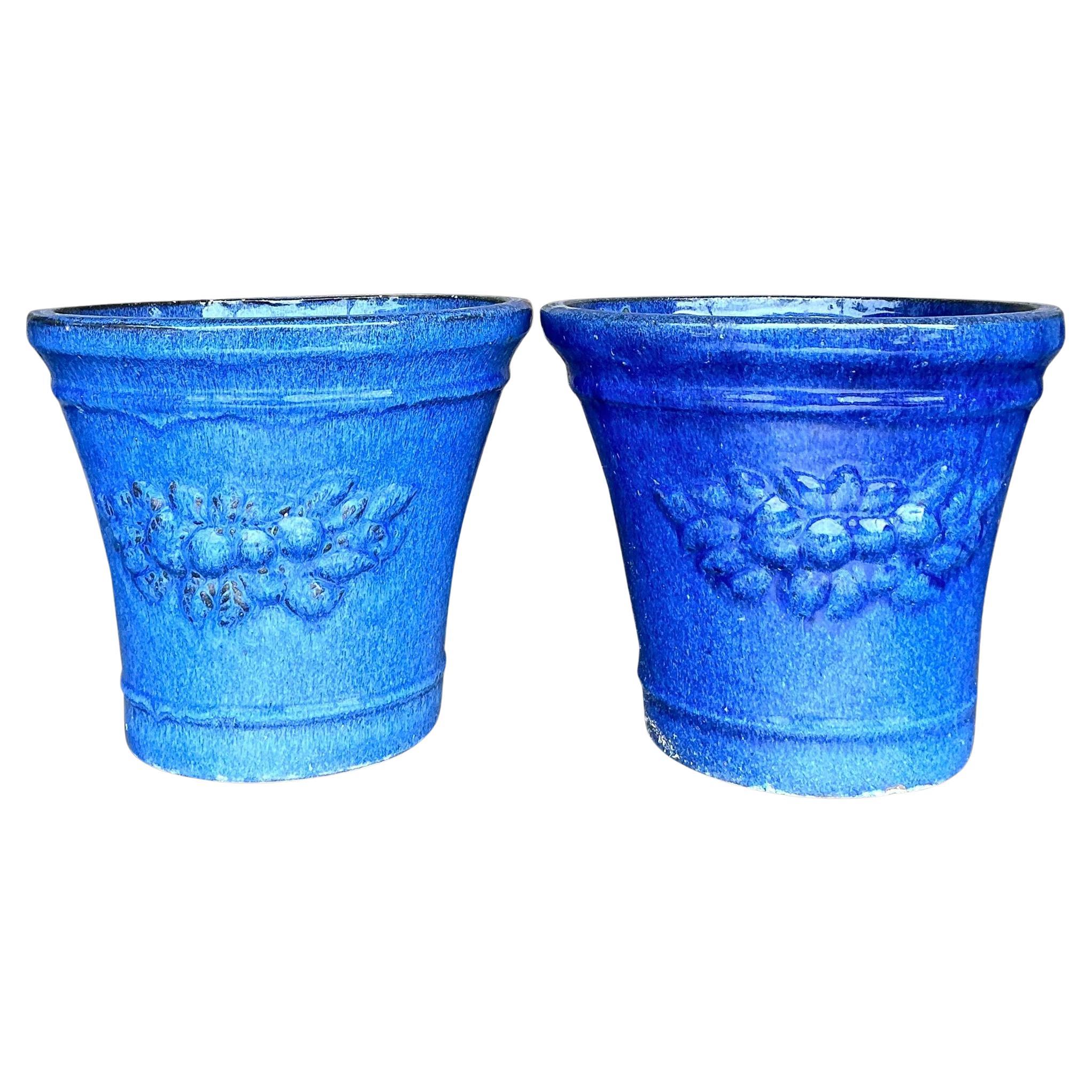
Add a touch of earthy elegance to your space with this charming pair of Vintage Boho Glazed Ceramic Pots. Each pot features a unique, handcrafted design with vibrant glazes that show...
Category
Late 20th Century American Rustic Planters, Cachepots and Jardinières
Materials
Ceramic
More Ways To Browse
18th Century Wood Furniture
Jardiniere Pot Antique
Ralph Wood
Pair Of Georgian Side Tables
English Pearlware
Pebble Planter
Bough Pot
Antique Bough Pot
English Wood Planter
Ralph Wood Pottery
English Bough Pots
Neoclassical French Planter
French Plant Stand
Neoclassical French Jardiniere
Container French
Jardiniere Lion
Plant Stand 19th Century
Planters Green Garden