Footed Blue Steuben Aurene Bowl by Frederick Carder
About the Item
- Creator:Frederick Carder (Designer),Frederick Carder Steuben (Maker)
- Dimensions:Height: 3.25 in (8.26 cm)Diameter: 9 in (22.86 cm)
- Style:Arts and Crafts (Of the Period)
- Materials and Techniques:
- Place of Origin:
- Period:1910-1919
- Date of Manufacture:1915
- Condition:Wear consistent with age and use. Bowl has no chips or cracks, there are a couple of "straw" marks possibly in the inside of the bowl. It has not been repaired as it rings when pinged.
- Seller Location:Palm Desert, CA
- Reference Number:1stDibs: LU797713522542
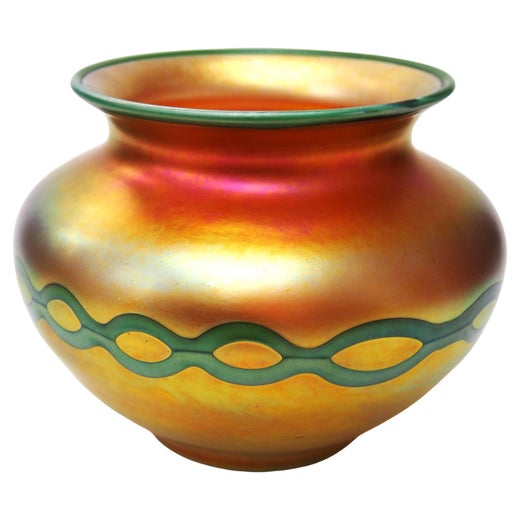
Frederick Carder
The revered Steuben Glass Works — the most illustrious name in American art glass — was cofounded in 1903 in the town of Corning, New York, by Frederick Carder, a Staffordshire native and alum of British glassmaker Stevens Williams.
Though the company began to take shape in 1776, Stevens Williams Ltd. was formally established in 1847 in Brierley Hill in the West Midlands of England by entrepreneurs William Stevens and Samuel Cox Williams.
Carder, who had left school at an early age to work at his parents’ pottery business in Brierley Hill, returned to his education to study technology and chemistry in the evenings. During this period and into the late 19th century, demand was high for attractive, mass-produced glass, with imports providing strong competition for British glassmakers. Determined to produce glass products that were “a cut above the rest,” Stevens Williams focused on creating unique and innovative glassware of unparalleled quality.
Led by master glassmaker John Northwood, Stevens Williams became known in the 1870s for its hallmark colored glass. In 1880, the company garnered more attention when Northwood encouraged the 17-year-old Carder to join the firm as a draftsman and designer. Despite Carder’s young age, Northwood recognized his prodigious talent for cameo work, engraving, cutting and intaglio, skills which would contribute to some of Stevens Williams’ most beautiful glass and crystal pieces.
Toward the turn of the century, Stevens Williams expanded from a traditional Victorian style to include elements of Japonisme and Art Nouveau, styles that particularly influenced Carder.
Northwood continued to work for the company until his death in 1902. A year later, Carder left for the United States, where he became famous for cofounding Steuben Glass Works with entrepreneur Thomas G. Hawkes.
Carder was a restless experimenter at Steuben, constantly creating new color formulas that resulted in a wide array of hues, from milky jades to his iridescent Aurene shades. A favorite Carder technique was to acid-etch decorative patterns into pieces made of glass layered in different colors. The forms of his vessels were relatively conservative. Most are based on classic Chinese pottery; many display the flowing, naturalistic lines of the Art Nouveau period.
The larger local firm Corning Glass acquired Steuben Glass Works in 1918. The company’s approach to art glass changed radically in the early 1930s, when Corning chemists devised a new type of crystal known as 10M, with perfect clarity and brilliant refractive powers. Corning decided that, henceforth, all Steuben decorative objects, vases, sculptures and other wares would be made from the crystal.
Stevens Williams continued production until 1967. In 1968, the company’s name was changed to Royal Brierley Crystal.
Carder worked with glass for more than eight decades. An array of his pieces can be found in the collection of the Corning Museum of Glass.
Find antique Frederick Carder serveware, decorative objects and other furniture on 1stDibs.
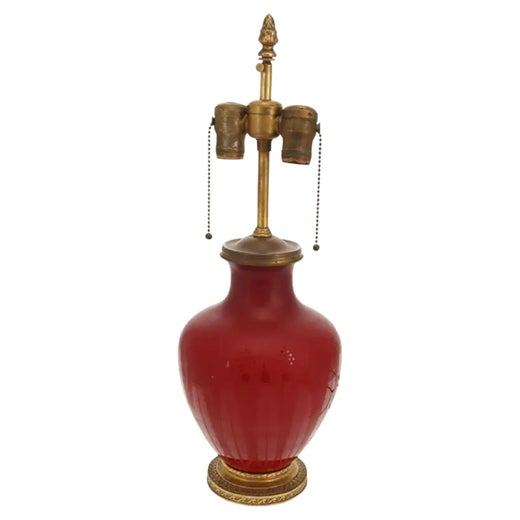
Frederick Carder Steuben
The revered Steuben Glass Works — the most illustrious name in American art glass — was cofounded in 1903 in the town of Corning, New York, by Frederick Carder, a Staffordshire native and alum of British glassmaker Stevens Williams.
Though the company began to take shape in 1776, Stevens Williams Ltd. was formally established in 1847 in Brierley Hill in the West Midlands of England by entrepreneurs William Stevens and Samuel Cox Williams.
Carder, who had left school at an early age to work at his parents’ pottery business in Brierley Hill, returned to his education to study technology and chemistry in the evenings. During this period and into the late 19th century, demand was high for attractive, mass-produced glass, with imports providing strong competition for British glassmakers. Determined to produce glass products that were “a cut above the rest,” Stevens Williams focused on creating unique and innovative glassware of unparalleled quality.
Led by master glassmaker John Northwood, Stevens Williams became known in the 1870s for its hallmark colored glass. In 1880, the company garnered more attention when Northwood encouraged the 17-year-old Carder to join the firm as a draftsman and designer. Despite Carder’s young age, Northwood recognized his prodigious talent for cameo work, engraving, cutting and intaglio, skills which would contribute to some of Stevens Williams’ most beautiful glass and crystal pieces.
Toward the turn of the century, Stevens Williams expanded from a traditional Victorian style to include elements of Japonisme and Art Nouveau, styles that particularly influenced Carder.
Northwood continued to work for the company until his death in 1902. A year later, Carder left for the United States, where he became famous for cofounding Steuben Glass Works with entrepreneur Thomas G. Hawkes.
Carder was a restless experimenter at Steuben, constantly creating new color formulas that resulted in a wide array of hues, from milky jades to his iridescent Aurene shades. A favorite Carder technique was to acid-etch decorative patterns into pieces made of glass layered in different colors. The forms of his vessels were relatively conservative. Most are based on classic Chinese pottery; many display the flowing, naturalistic lines of the Art Nouveau period.
The larger local firm Corning Glass acquired Steuben Glass Works in 1918. The company’s approach to art glass changed radically in the early 1930s, when Corning chemists devised a new type of crystal known as 10M, with perfect clarity and brilliant refractive powers. Corning decided that, henceforth, all Steuben decorative objects, vases, sculptures and other wares would be made from the crystal.
Stevens Williams continued production until 1967. In 1968, the company’s name was changed to Royal Brierley Crystal.
Carder worked with glass for more than eight decades. An array of his pieces can be found in the collections of the Corning Museum of Glass and the Metropolitan Museum of Art.
Find antique Frederick Carder Steuben serveware, decorative objects and other furniture on 1stDibs.
You May Also Like
Early 20th Century American Arts and Crafts Decorative Bowls
Art Glass
Early 20th Century American Arts and Crafts Decorative Bowls
Art Glass
Early 20th Century Art Nouveau Glass
Glass
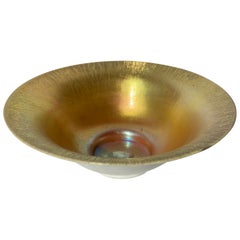
Early 20th Century American Art Deco Decorative Bowls
Art Glass
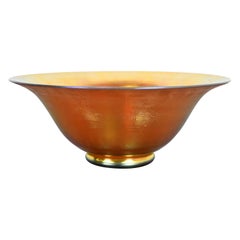
Early 20th Century American Art Nouveau Decorative Bowls
Art Glass
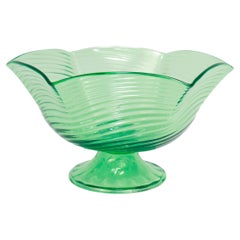
20th Century Art Deco Vases
Glass
Vintage 1960s Mid-Century Modern Decorative Bowls
Crystal
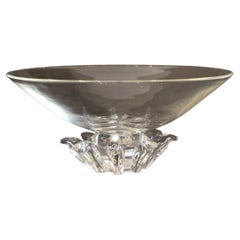
Late 20th Century American Mid-Century Modern Decorative Dishes and Vide...
Art Glass
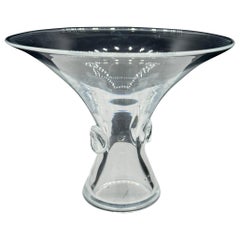
Mid-20th Century American Mid-Century Modern Decorative Bowls
Crystal
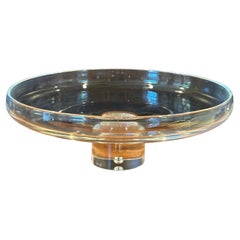
Antique Late 18th Century English Decorative Bowls
Pearlware
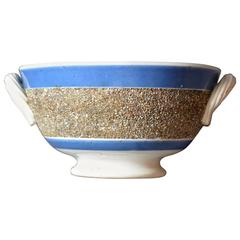
More From This Seller
View AllVintage 1960s American Glass
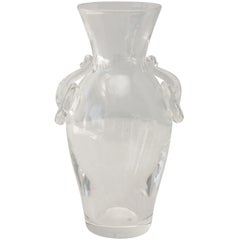
Late 20th Century Italian Organic Modern Decorative Bowls
Crystal, Sterling Silver, Gold Plate
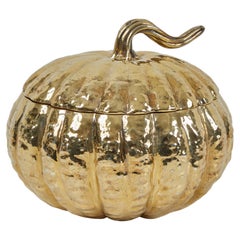
Late 20th Century American Rococo Decorative Bowls
Gold Leaf
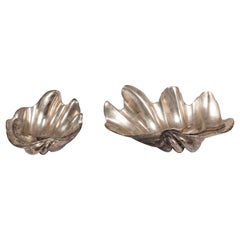
Vintage 1930s American Art Deco Bookends
Crystal
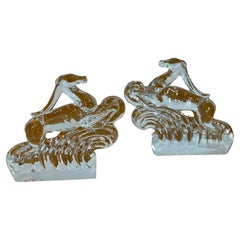
Vintage 1970s Italian Mid-Century Modern Centerpieces
Silver Plate
Vintage 1970s Italian Mid-Century Modern Centerpieces
Silver Plate
Still Thinking About These?
All Recently ViewedRead More
In Dragonette’s New Palm Desert Digs, Great Design Springs Eternal
Since leaving Los Angeles, Patrick Dragonette is experiencing a new kind of creative freedom.
Why This L.A. Designer Prefers Soulful Sophistication over Snobbism
Mallery Roberts Morgan practices a singular brand of creative fluidity as a writer and a quietly influential interior designer.