Items Similar to Early 19th Century French Empire Pendule Portefaix circa 1810 Paris


Want more images or videos?
Request additional images or videos from the seller
1 of 9
Early 19th Century French Empire Pendule Portefaix circa 1810 Paris
$15,299.27
£11,385.23
€12,800
CA$21,171.41
A$22,725.52
CHF 12,100.18
MX$269,158.33
NOK 152,913.17
SEK 139,652.37
DKK 97,534.24
About the Item
Paris, Empire, c. 1810, bronze body, fire-gilt and patinated, designed by Jean-André Reiche in 1808, 8-day movement, enamel dial with Roman numerals, figure of the wearer on an oval base, very nice condition
Dimensions: height 37 cm, width 28 cm, depth 10.5 cm
Beautiful, fire-gilded and patinated bronze pendulum from the early 19th century. It depicts a young man carrying a large cotton parcel on his back. He is holding a letter in his right hand and leaning on a bamboo stick with his left. His tobacco pipe is tucked into his hat string and he is carrying his water bottle on his belt.
Not only does the fire-gilding contrast interestingly with the deep black patinated bronze, but the white glass eyes are also particularly striking.
The ciselleur has managed to make materials tangible through different surface finishes. For example, the skin is subtly hatched differently to the cotton fabric of the trousers - please take a look at the photo showing the foot in detail.
The proportions of the figure are perfect, and the drape of the trousers emphasizes the dynamic movement.
The heart of the clock is an 8-day pendulum movement.
The Breguet hands are blued and the pendulum is suspended from a thread, typical of the period. The clock strikes a bell on the half and full hour.
Interesting facts:
The depiction of Le Portefaix was created by the Parisian bronze caster Jean-André Reiche, who had his artistic design registered in Paris in 1808. In addition to the depiction of the cotton picker, there are numerous other pendulums that deal with the theme of colonization. Other themes from the "new world" were also treated artistically - exotic animals and plants - butterflies, birds of paradise, tobacco and spices...
As a sign of admiration for the exotic, the "Au Bon Sauvage" pendulums are a typical feature of the Enlightenment at the end of the 18th century. They show the yearnings of a hitherto Europe-centered society, which was urged by the discovery of seafaring and the revolution of 1789 to look beyond its usual horizons.
[Source: Elke Niehüser - The French bronze clock p. 140-143]
- Dimensions:Height: 14.57 in (37 cm)Width: 11.03 in (28 cm)Depth: 4.14 in (10.5 cm)
- Materials and Techniques:
- Period:
- Date of Manufacture:1810
- Condition:Wear consistent with age and use.
- Seller Location:Münster, DE
- Reference Number:1stDibs: LU9172245811022
About the Seller
5.0
Recognized Seller
These prestigious sellers are industry leaders and represent the highest echelon for item quality and design.
Established in 2000
1stDibs seller since 2023
6 sales on 1stDibs
- ShippingRetrieving quote...Shipping from: Münster, Germany
- Return Policy
More From This Seller
View AllFrench Transition Period secretary c. 1760 Jean-Francois Dubut
Located in Münster, DE
Secretary à battant - Jean-Francois Dubut
Elaborately crafted bureau à battant, Paris circa 1760, Transition, Jean-Francois Dubut
rosewood, amaranth, violet and ebony veneered on o...
Category
Antique 1760s French Empire Secretaires
Materials
Marble
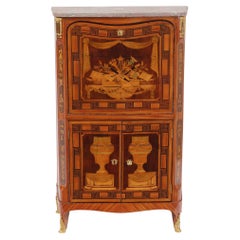
$17,020 Sale Price
20% Off
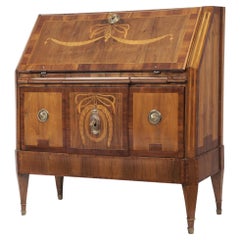
18th Century Louis Seize Rosewood and Walnut Secretaire Secretary
Located in Münster, DE
Diagonal flap secretary
Louis Seize, around 1780/90, rosewood, walnut and other precious woods veneered and marquetry, 1 spacious drawer, original fittings, wax polish
Dimension...
Category
Antique Late 18th Century French Louis XVI Secretaires
Materials
Wood, Rosewood, Walnut, Softwood
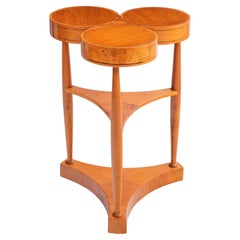
19th Century Biedermeier Style Jardinière Side Table Swan
Located in Münster, DE
Jardinière
Germany, circa 1850/60, solid cherry wood and veneer, inlaid
swan motifs,
3-pass construction with solid columns and intermediate shelf, upper section with lids, whic...
Category
Antique 1860s German Biedermeier Side Tables
Materials
Cherry
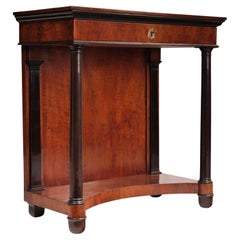
19th Century Biedermeier Console Table Mahogany c. 1825
Located in Münster, DE
Console, Biedermeier c. 1825, mahogany, rectangular body with large drawer on two fully sculpted columns, back panel with ebonized pilasters, concave cut-out base, restored condition...
Category
Antique 1820s German Biedermeier Console Tables
Materials
Mahogany
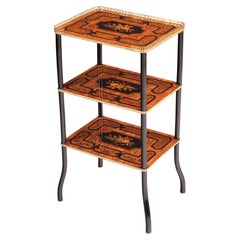
19th Century French Rosewood Etagere Side Table
Located in Münster, DE
Etagere side table
France, late 19th century, rosewood and various precious woods veneered and marked with floral motifs, 3 levels, upper section with brass gallery, shellac polish
...
Category
Antique 1880s French Baroque Revival Side Tables
Materials
Brass
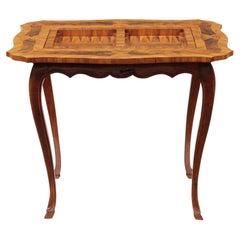
18th Century French Rococo Gaming / Console Table with reversible top
Located in Münster, DE
convertible console rococo around 1750
Richly inlaid rectangular top on delicate walnut base with carved buck hooves. Elaborate frame construction with reversible top with interned ...
Category
Antique Mid-18th Century French Rococo Game Tables
Materials
Walnut
You May Also Like
An empire mantel clock "AU PORTEFAIX" after Jean andre reiche
Located in Harrington Park, NJ
MANTEL CLOCK "Au bon sauvage" or "PORTEFAIX",
late Empire, after a design by J.A. REICHE (Jean-Andre Reiche, 1752-1817), Paris, 19th century. Gilt ...
Category
Antique 1810s French Empire Mantel Clocks
Materials
Bronze, Ormolu
$9,000 Sale Price
40% Off
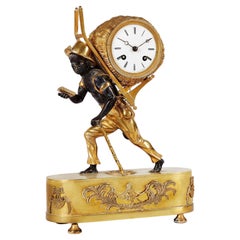
Early 19th Century Ormolu Mantel Clock "Portefaix", Paris, circa 1810
Located in Greven, DE
Pendule Portefaix
Paris
Bronze, enamel
Empire around 1810
Dimensions: H x W x D: 36 x 28 x 11 cm
Description:
Beautiful, fire-gilded and patinated bronze pendule from the early 19...
Category
Antique Early 19th Century French Empire Mantel Clocks
Materials
Ormolu

Clock Pendulum Empire France
Located in New York, NY
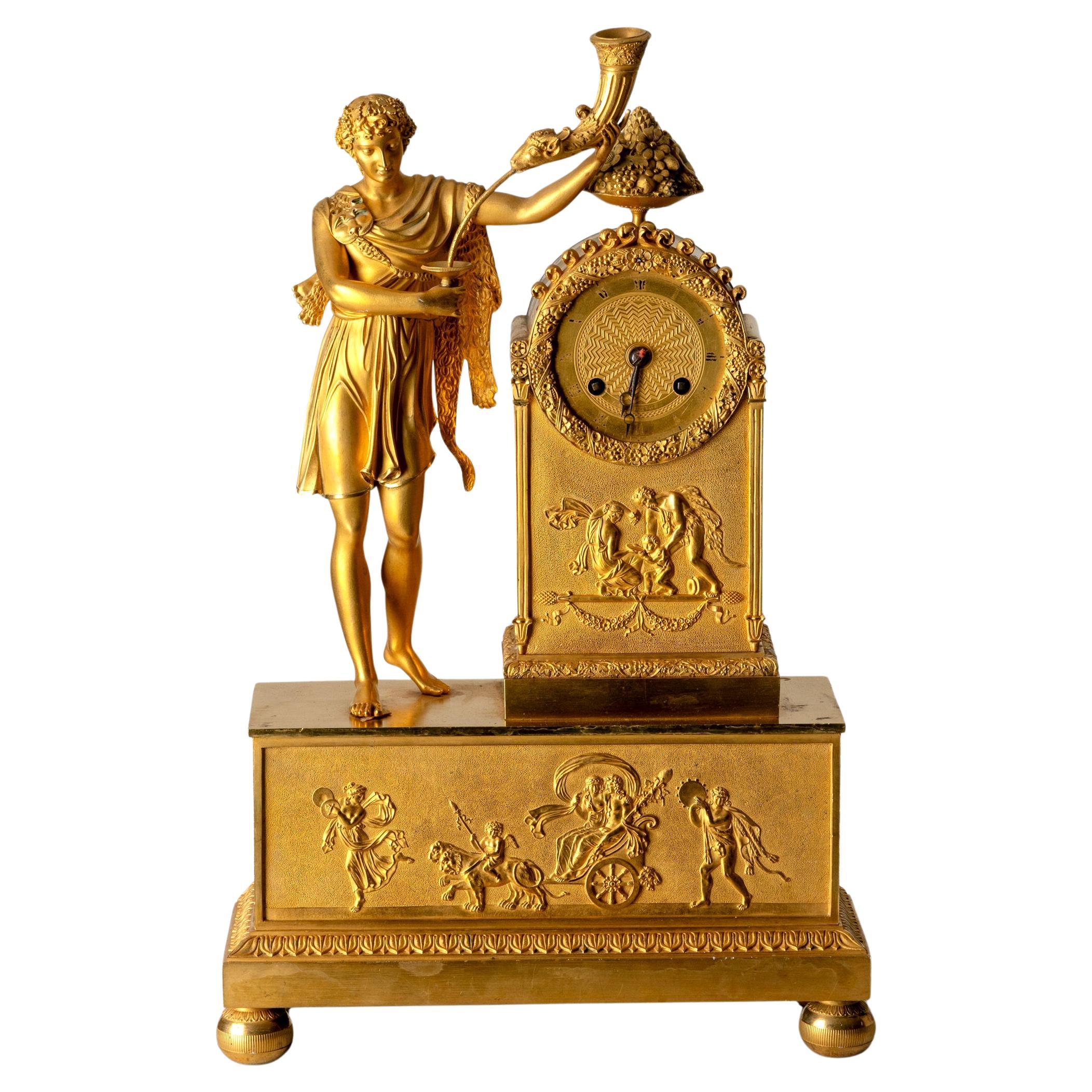
Table pendulum clock made in France during the empire period, 1790-1810. Made from gilt bronze. Depicting a man holding a cornucopia.
Category
Antique Early 19th Century French Empire Table Clocks and Desk Clocks
Materials
Bronze
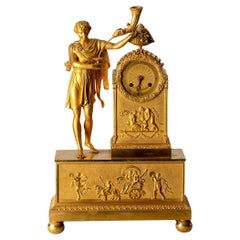
Table Clock Empire Period France
Located in New York, NY
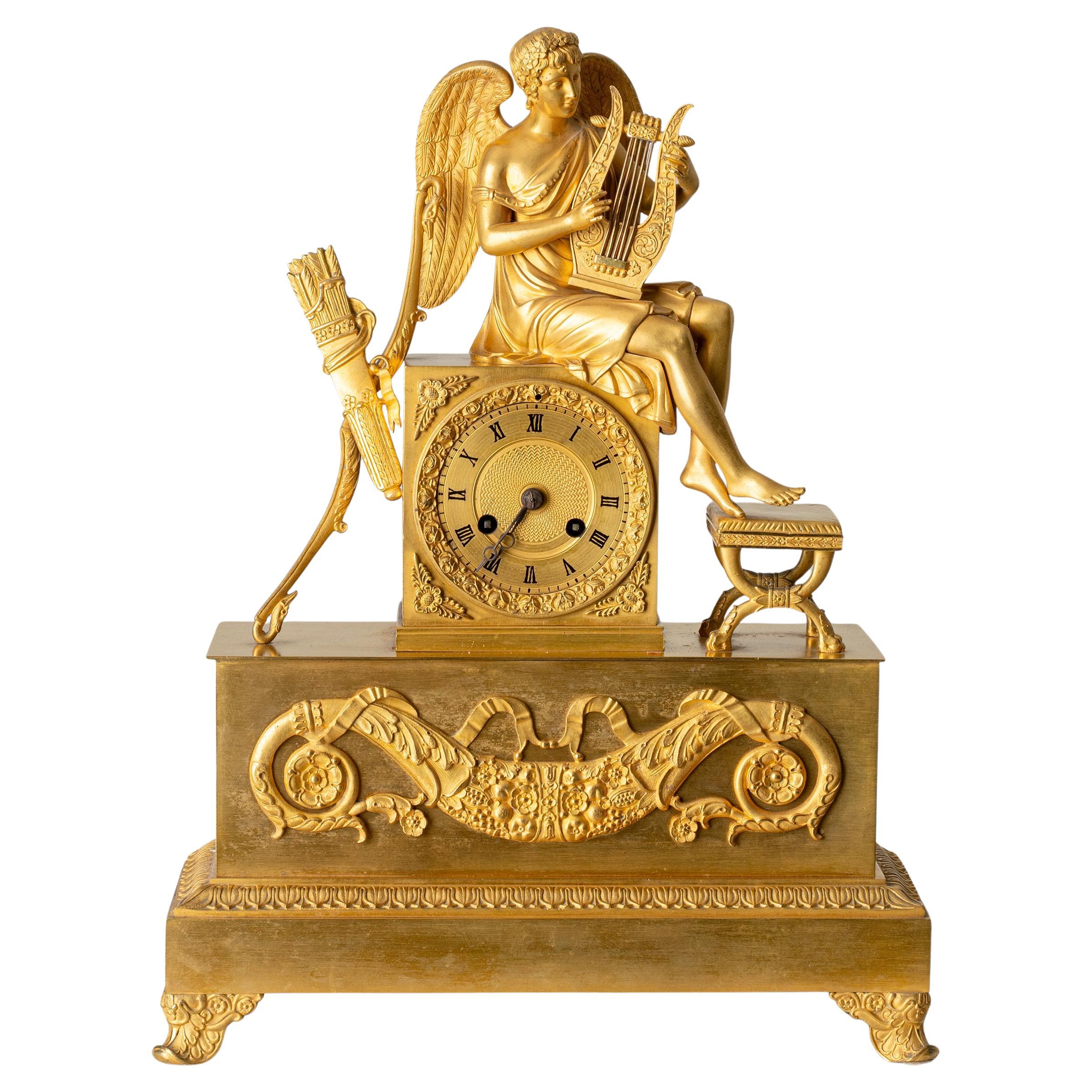
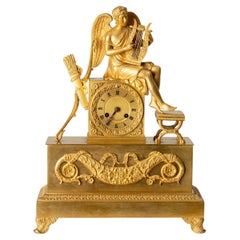
A mantel clock made during the Empire period 1790-1820 in France. Made from burnished gilt bronze. The Greek God Apollo is playing the lyre with his feet resting on a guilded stool.
Category
Antique 1790s French Empire Table Clocks and Desk Clocks
Materials
Bronze
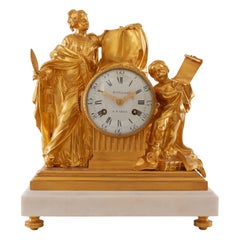
18th Century Clock, Baillon in Paris
Located in Warsaw, PL
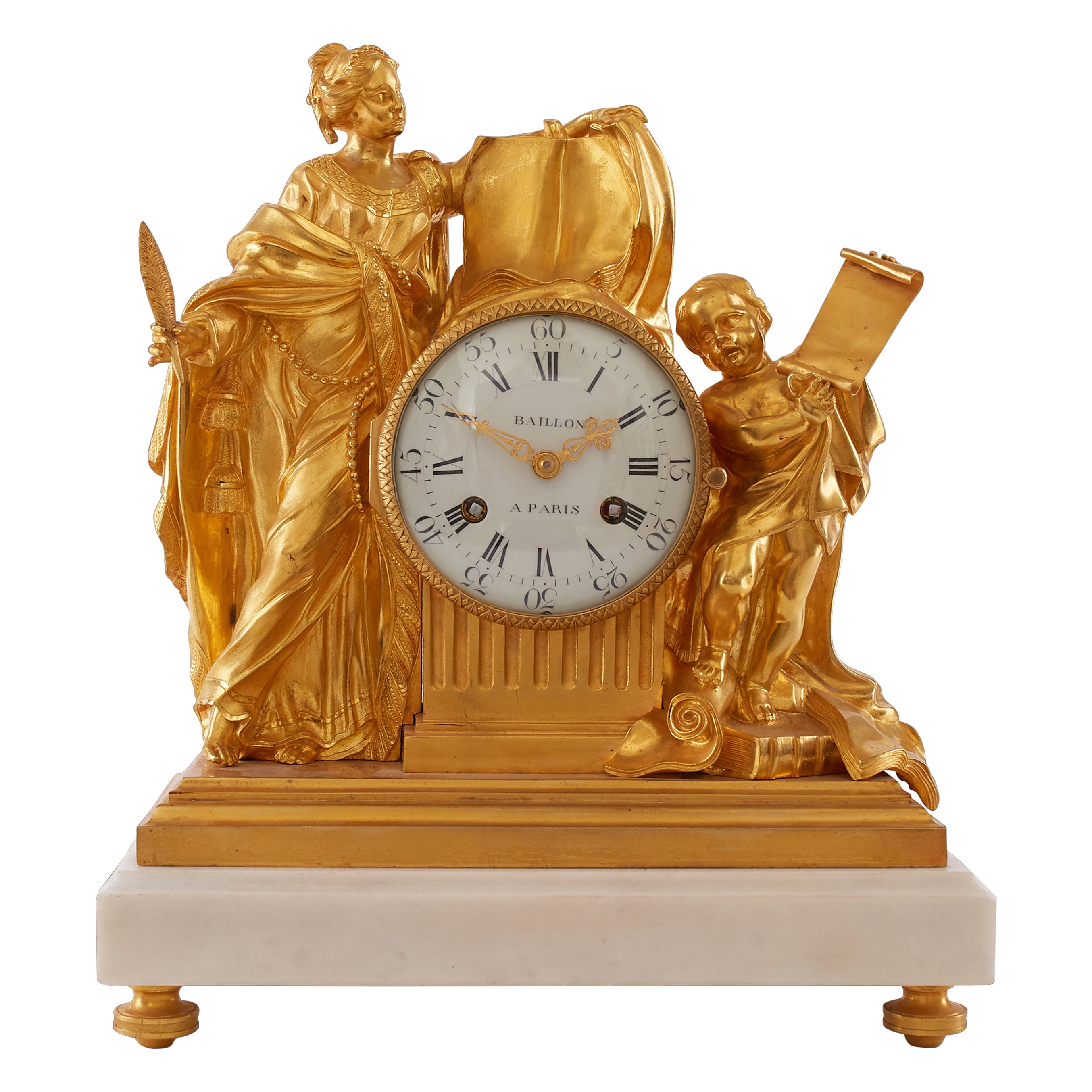
This is a unique, authentic antique French table or mantel clock. It is in finely chiseled and gilded bronze. The dial with outer Arabic numerals and inner Roman numerals and a fine pair of pierced gilt brass hands for the hours and minutes. Next to the clock is a tall lady figurine, accompanied by a child. The woman is holding a book in her right hand and a feather pen in her left hand. On the other side, the child draped in the Antique is standing on books and holding a paper. The white marble base rests on four small spinning feet.
This clock was made by Jean-Baptiste Baillon III, one of the most skilled and innovative makers of his day. Baillon achieved almost unprecedented success to become “the richest watchmaker in Europe” - F.J. Britten. He was also one of the most important clockmakers of the eighteenth century and undoubtedly the most famous member of a long line of clockmakers. His success was largely due to his ability to organise a vast and thriving private factory in Saint-Germain-en-Laye which was unique in the history of eighteenth century clockmaking. The renowned horologist, Ferdinand Berthoud was among many to be impressed by its scale and quality and in 1753 noted that Baillon’s “house is the finest and richest Clock Shop. Diamonds are used not only to decorate his Watches but even Clocks. He has made some whose cases were small gold boxes...
Category
Antique Early 19th Century French Empire Mantel Clocks
Materials
Marble, Bronze
$8,079 Sale Price
43% Off
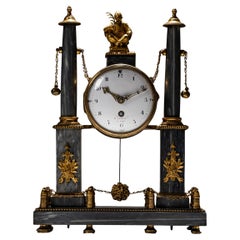
French Portico Clock Signed Cellier à Paris, 19th Century
Located in Greding, DE
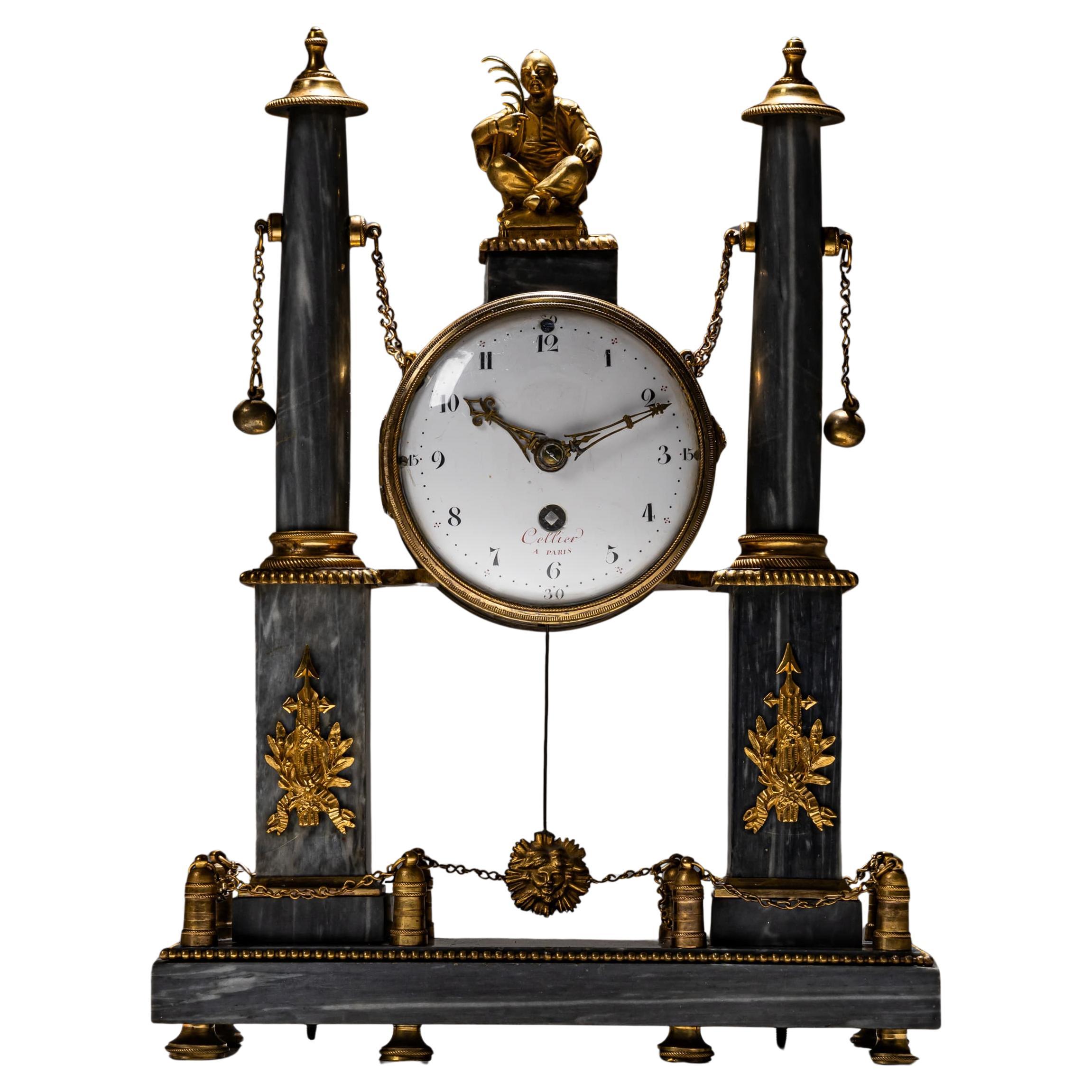
Small portico clock made of gray marble with gilded applications. The cylindrical movement is enclosed between two columns, above which a figural top piece in the form of a seated Ch...
Category
Antique 19th Century French Empire Table Clocks and Desk Clocks
Materials
Marble, Bronze, Enamel
More Ways To Browse
Antique Paradise
Antique Hatch
Breguet Antique
French Desk Paris
Glass And Gold Bamboo Table
Exotic Butterfly
Clock Heart
Antique Tobacco Signs
Pendule Empire
Jean Andre Reiche
Used Furniture New Haven
Viennese Enamel Clock
Vintage Clock Timer
Water Clock
Zodiac Clock
Antique Clocks Birmingham
Art Deco Blue Mirror Clock
J E Caldwell Clock