Items Similar to Early 20th Century Austrian Bronze Sculpture "Standing Pig" by Franz Bergman
Want more images or videos?
Request additional images or videos from the seller
1 of 13
Early 20th Century Austrian Bronze Sculpture "Standing Pig" by Franz Bergman
$1,209.13
£885
€1,030.83
CA$1,665.67
A$1,827.55
CHF 962.67
MX$21,740.69
NOK 12,331.66
SEK 11,260.49
DKK 7,701.26
About the Item
A very fine early 20th Century Austrian bronze study of a standing pig with excellent gilt colour and very fine hand finished surface detail, signed with the Bergman 'B' in an amphora vase
ADDITIONAL INFORMATION
Height: 3 cm
Width: 10 cm
Depth: 3 cm
Condition: Excellent Original Condition
Circa: 1900
Materials: Cold Painted Bronze
Book Ref Antique Vienna Bronzes by Joseph Zobel
SKU: 9331
ABOUT
Bergman Pig
Franz Bergman Sculptures
Bergman is celebrated for his great attention to detail and wonderful vibrant colours, Franz Xavier Bergman (1861-1936) is, arguably, the most famous of the Viennese cold-painted bronze artists, delighting in producing Oriental, Arab bronze and animal subjects, including Harem beauties, Arab tradesmen, Scribes and Arab Warrior and almost every animal subject that was known at the time.
His father, also Franz Bergman (1838–1894), was a professional chaser (embosser) from Gablonz, Austria who came to Vienna and founded a small bronze factory in 1860. Franz Xavier inherited the company and opened a new foundry in 1900. There he created numerous cold painted (so named because the numerous layers of polychrome paint, applied to the bronze, were not fired to fix them to the metal) figures. Many other bronzes were still based on designs by Franz Bergman, the elder.
Animal Subjects
Animal figures can, occasionally, be found for a few hundred pounds, though sculptures in pristine condition and larger figures can be worth several thousand pounds. Value is affected by condition. The cold painted decoration is relatively easy to damage and worn Enamel will reduce value considerably. Restoration can also reduce the value considerably, especially when done in a non-sympathetic manner.
- Creator:Franz Bergmann (Artist)
- Dimensions:Height: 1.19 in (3 cm)Width: 3.94 in (10 cm)Depth: 1.19 in (3 cm)
- Style:Art Nouveau (Of the Period)
- Materials and Techniques:
- Place of Origin:
- Period:
- Date of Manufacture:1900
- Condition:Wear consistent with age and use.
- Seller Location:London, GB
- Reference Number:Seller: 93311stDibs: LU3216344098282
Franz Bergmann
There were many bronze foundries operating in Vienna in this period, but it was Bergman’s which became the most celebrated, working with a number of celebrated Viennese sculptors at the turn of the 20th Century, such as Bruno Zach, to produce designs for his famous bronze figures. Bergman bronzes are especially famous for having utilised a technique for decorating the bronzes called cold painting. Cold painting as a technique developed in Vienna in the late 19th Century, and involved the application of several layers of paint added to the bronze after firing. It was used to make fashionable collectors’ items. Bergman figures came in three main forms: animal figures, Orientalist sculptures, and erotic figures in the Art Nouveau style. His animal figures were often whimsical and humorous, and often satirical. They have become highly sought-after collectors’ items today. Bergman’s Orientalist sculptures are equally highly sought-after. He was producing these figures at a time when interest in the exotic lands of the Middle East and North Africa was at its peak among Europe’s artists and buyers.
About the Seller
5.0
Vetted Professional Seller
Every seller passes strict standards for authenticity and reliability
Established in 1936
1stDibs seller since 2017
87 sales on 1stDibs
Typical response time: 1 hour
- ShippingRetrieving quote...Shipping from: London, United Kingdom
- Return Policy
More From This Seller
View AllEarly 20th Century Bronze Sculpture entitled "Standing Terrier" by Edith Parsons
Located in London, GB
An endearing early 20th Century patinated bronze study of a standing terrier with excellent textured surface detail and colour, raised on a bronze base and signed PB Parsons
ADDITI...
Category
Early 20th Century American Art Nouveau Animal Sculptures
Materials
Bronze
Early 20th Century Animalier Bronze Sculpture "Turning Terrier" by Edith Parsons
Located in London, GB
A charming early 20th Century patinated bronze study of a turning terrier with excellent textured surface detail and colour, raised on a bronze base and signed E B Parsons...
Category
Early 20th Century North American Art Nouveau Animal Sculptures
Materials
Bronze
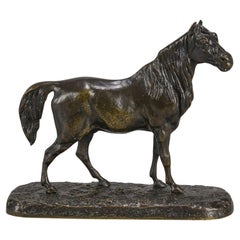
Late 19th Century Animalier Bronze Sculpture "Cheval Arabe No.3" by Pierre Jules
By Pierre Jules Mêne
Located in London, GB
"Cheval Arabe No.3" by Pierre Jules Mene
An attractive late 19th Century Animalier bronze study of an arab stallion. The bronze exhibiting excellent hand chased surface detail and g...
Category
Antique 19th Century French Art Nouveau Animal Sculptures
Materials
Bronze
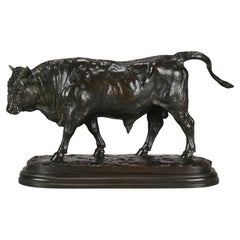
19th Century Animalier French Bronze Entitled "Taureau Debout" by Rosa Bonheur
By Rosa Bonheur
Located in London, GB
"Taureau Debout" by Rosa Bonheur.
An excellent late 19th Century French animalier bronze study of a standing bull with fine hand chased surface that accentuates the muscle definition of the subject, signed Rosa B.
ADDITIONAL INFORMATION
Measures: Width: 32 cm
Height: 18 cm
Depth: 11cm
Condition: Excellent Original Condition
Circa: 1870
Materials: Bronze
Book reference: Animals in Bronze by Christopher Payne
Page no. 174
DESCRIPTION
Bonheur, Rosa (1822-1899)
The most popular artist of nineteenth-century France, Rosa Bonheur was also one of the first renowned painters of animals and the first woman awarded the Grand Cross by the French Legion of Honor. A professional artist with a successful career, Bonheur lived in two consecutive committed relationships with women.
Born on March 16, 1822 in Bordeaux, Marie Rosalie Bonheur was the oldest of the four children of Raimond Oscar Bonheur (1796-1849) and Sophie Marquis. Bonheur's father was an art teacher who came from a poor family, while her mother, a musician, had descended from a middle-class family and had been her husband's art student.
Bonheur's father, who taught drawing and landscape painting, was an ardent member of the utopian Saint Simeon society.
The group held idealistic beliefs about the reform of work, property, marriage, and the role of women in society. Most importantly, for the artist's future, the Saint Simeons questioned traditional gender norms and firmly believed in the equality of women. While teaching artistic techniques to his oldest daughter, Raimond Bonheur also encouraged her independence and taught her to consider art as a career.
In 1828 Raimond Bonheur joined the Saint Simeons at their retreat outside Paris. Sophie and the children joined him in Paris the following year. Four years later, however, Raimond abandoned his family to live in isolation with his fellow Saint Simeons.
Sophie Bonheur died in 1833 at the age of thirty-six. Rosa was only eleven years old when her mother died, but she was aware of the heavy price her mother paid for married life with a man who was more dedicated to his own ideals than to meeting his family's needs. Rosa also saw that her mother's marriage led to poverty and her death from exhaustion.
After her mother's death, Bonheur was taken in by the Micas family who resided nearby. Mme Micas and Bonheur's mother had been friends. When Mme Bonheur died, the Micas family paid Raimond Bonheur's debts and cared for Rosa. Their daughther, Nathalie, who would later become an amateur inventor and unschooled veterinarian, and Rosa became enamored with each other.
When Rosa Bonheur began her career as a professional artist, she had already been trained by her father who had allowed her to study in all male classes. Rosa also learned by sketching masterworks at the Louvre from the age of fourteen, and later, by studying with Léon Cogniet.
From the very beginning, Bonheur's favorite subject was animals. She learned their anatomy completely by dissecting them in local slaughterhouses. She also visited the horse market two times a week. Study of animals by direct observation led to the formation of the realist style in which Bonheur worked.
It was for such work that Bonheur obtained written permission from the French government to wear men's slacks. Her working attire also consisted of a loose smock and heavy boots that protected her feet from the dangerous environment in which she painted. The style of dress that the artist adopted for work and home may well have been influenced by her father's attire, which was based on St. Simeonian clothing experiments. Bonheur also cropped her hair, perhaps to facilitate her work. She did, however, always wear dresses for social occasions because she knew that appropriate dress would further her career.
Bonheur earned a successful living as a painter of animals. She exhibited at the annual Paris Salon regularly from the age of nineteen in 1841 through 1853, when she was thirty-one. She won the salon's gold medal at the age of twenty-six in 1848 and was commissioned by the French government to paint Plowing on the Nivernais in 1849. In the same year Bonheur and her sister Juliette became directors of l'École gratuite de dessin pour les jeunes filles, a post their father had once held.
Bonheur completed her most renowned work, The Horse Fair, in 1855. The successful representation of percherons (a breed native to Normandy) was purchased by Ernest Gambart, a London art dealer whose gallery specialized in work by French artists. He exhibited The Horse Fair in London where Bonheur visited with Nathalie. Queen Victoria requested a private viewing of the painting at Windsor Castle. It would later be purchased in 1887 by Cornelius Vanderbilt and donated to the new Metropolitan Museum of Art in New York City.
Bonheur's trip to England allowed her to meet Charles Eastlake, then President of the Royal Academy, John Ruskin, the English writer and critic, and Edwin Landseer, the British animalier. She also toured the English and Scottish countrysides and executed some paintings based on her observations of new breeds of animals found there.
Gambart made engravings of Bonheur's work, including The Horse Fair, and sold them in England, Europe, and the United States. Bonheur became one of the most renowned painters of the time. Little girls, such as Anna Klumpke in the United States, even had dolls in her likeness, much as American girls played with Shirley Temple dolls...
Category
Antique 19th Century French Art Nouveau Animal Sculptures
Materials
Bronze
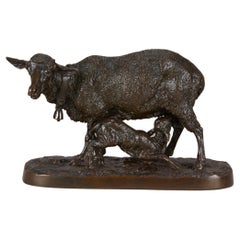
19th Century Anamilier Bronze Entitled "Ewe And Lamb" by Pierre Jules Mêne
By Pierre Jules Mêne
Located in London, GB
Wonderful 19th Century animalier bronze group of a standing ewe with her feeding lamb beneath her, the bronze with excellent rich brown patina and very fine hand chased surface detai...
Category
Antique 1870s Art Nouveau Animal Sculptures
Materials
Bronze
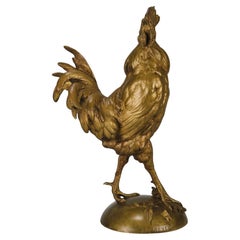
19th Century Animalier Bronze Sculpture "Standing Cockerel" by Paul Comolera
By Paul Comolera
Located in London, GB
A very fine large late 19th Century Animalier gilt bronze study of a standing cockerel with his chest pushed out in a proud pose as he crows to the eraly morning sunshine, the bronze surface with excellent deep golden colour and fine hand finished detail, signed P.Comolera
ADDITIONAL INFORMATION
Height: 31 cm
Width: 20 cm
Condition: Excellent Original Condition
Circa: 1900
Materials: Bronze
SKU: 9324
ABOUT
Paul Comolera (French, 1818 ~ 1897) Comolera was born in Paris, France. A very fine sculptor known mainly for his modelling of birds but he also produced some other animal figures as well as portrait busts. Comolera was a student of the early sculptor Francois Rude and he was the teacher of Jules Moigniez, one of the more important sculptors of the Animalier school. There is a distinct similarity in the detail, construction, form, and finish of the works of Comolera and his student Moigniez although Comolera’s birds are considered to be more in the naturalistic style as opposed to the romantic style of his pupil. Paul Comolera made his debut at the Salon in 1846 with a group called Golden Pheasants of China and continued to exhibit there until his death in 1897. Comolera’s bronzes...
Category
Antique Late 19th Century French Art Nouveau Animal Sculptures
Materials
Bronze
You May Also Like
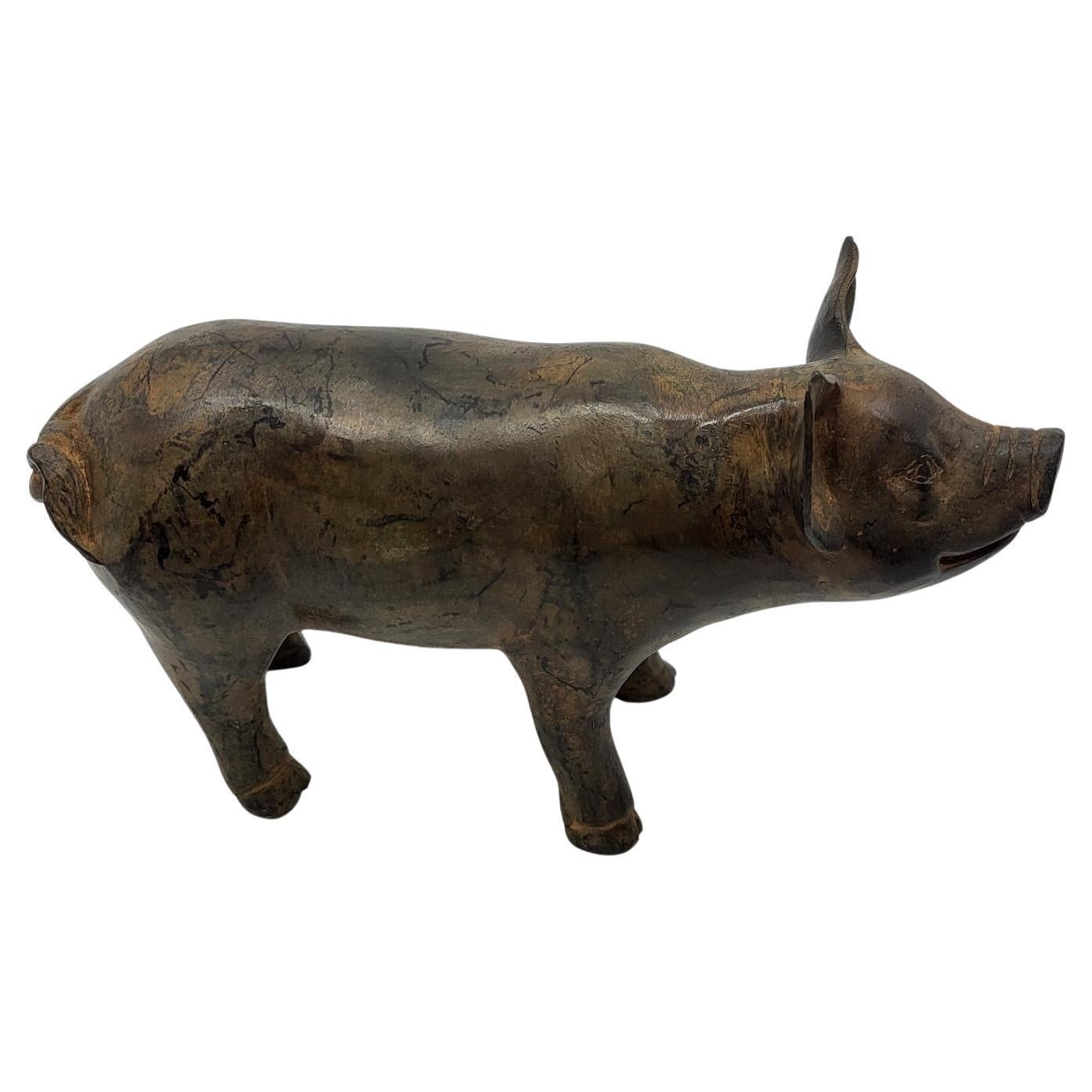
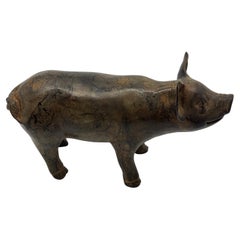
Bronze Pig Sculpture by Pierre Chenet, Humorous French Art, Circa 2000
By Chenet
Located in London, England
Pierre Chenet, maître fondeur français, a su se faire une place de choix dans le monde de la sculpture en bronze grâce à ses créations audacieuses et emblématiques. Parmi celles-ci, ...
Category
Early 2000s French French Provincial Animal Sculptures
Materials
Bronze
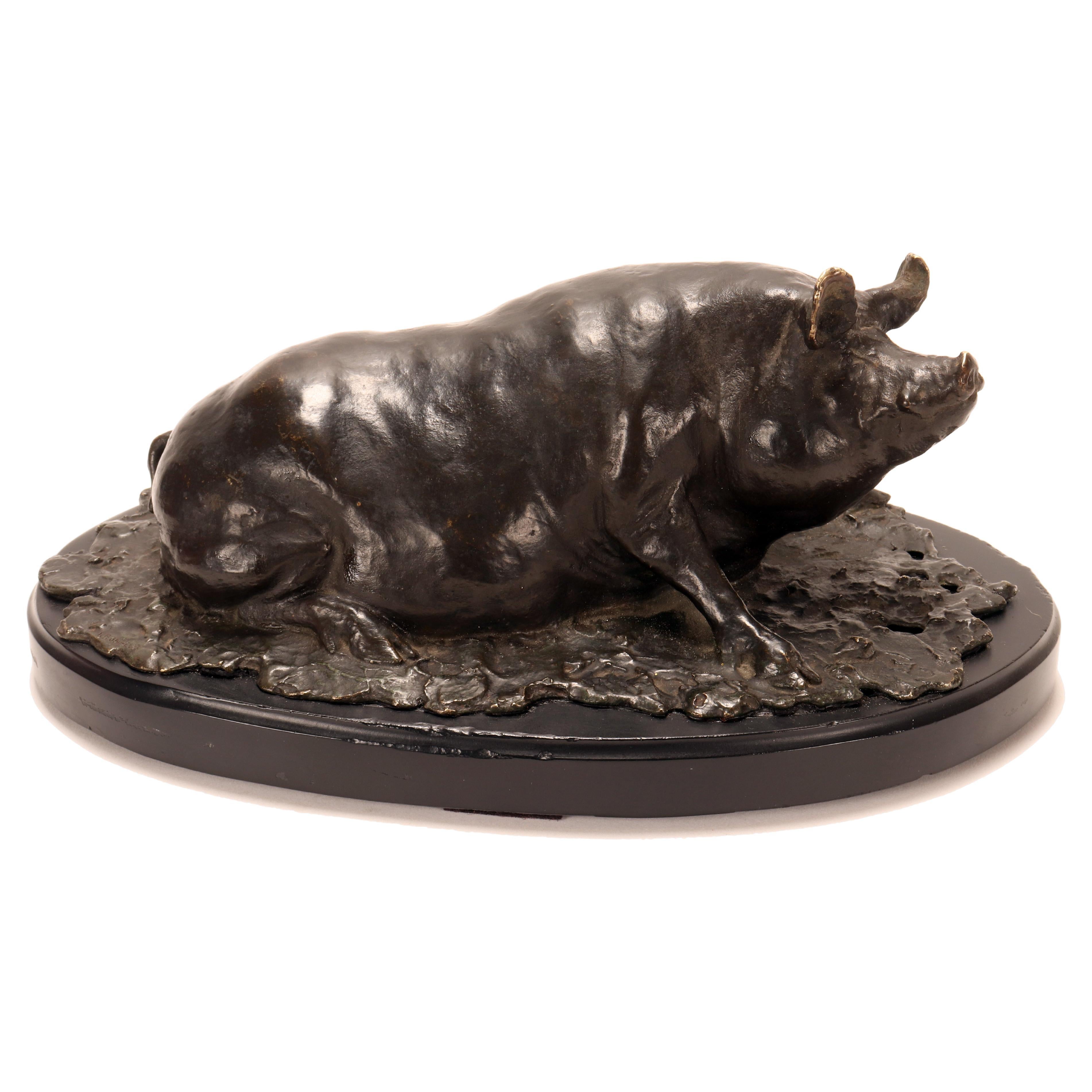
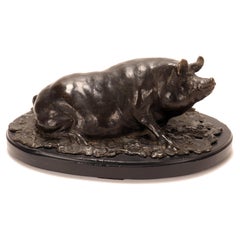
Bronze sculpture depicting a pig or sow, signed I. Bonheur, France 1870.
By Isidore Jules Bonheur
Located in Milan, IT
Lost-wax bronze sculpture depicting a pig or sow lying in a meadow. The sculpture is mounted on an oval Lavagna slate base. Signed "I. Bonheur." France, late 19th century.
Category
Antique Late 19th Century French Animal Sculptures
Materials
Slate, Bronze
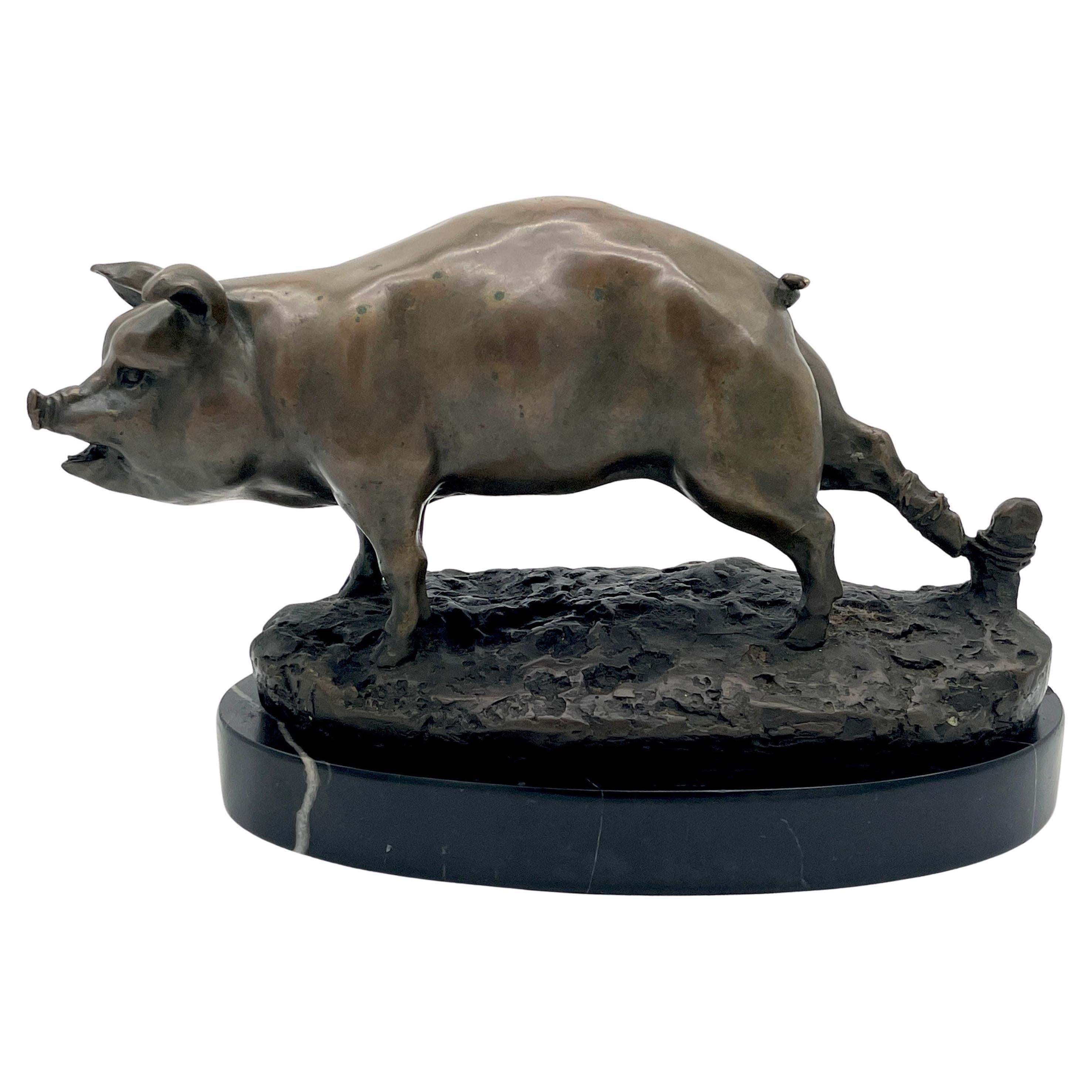
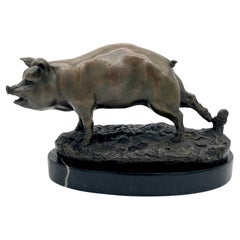
French School Animalier Sculpture Bronze of a Roped Prize Pig
By Antoine-Louis Barye
Located in West Palm Beach, FL
French School Animalier Sculpture Bronze of a Roped Prize Pig
20th Century France, Signed 'Barex'
This 20th-century French School Bronze An...
Category
20th Century European Sporting Art Animal Sculptures
Materials
Marble, Bronze
$1,196 Sale Price
20% Off
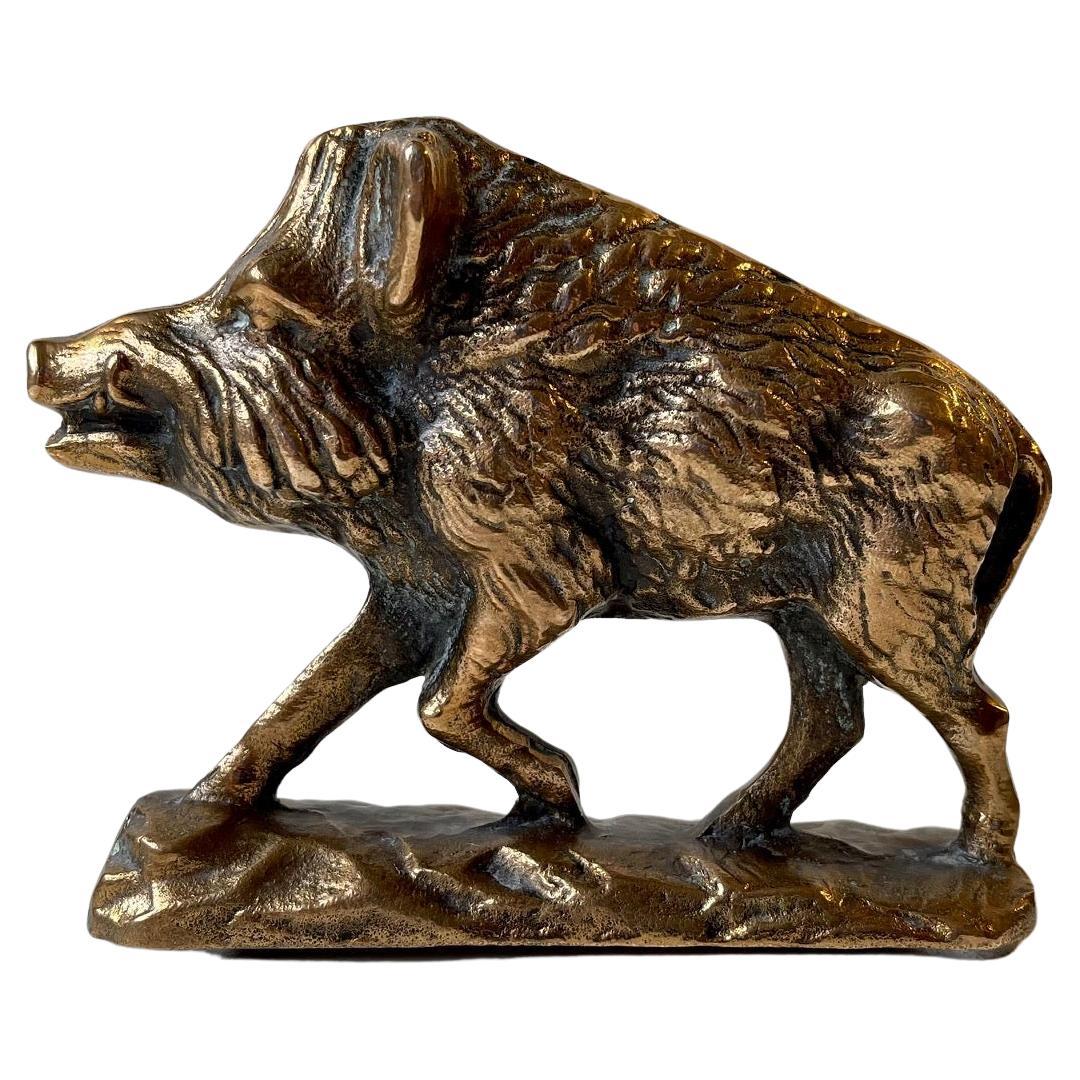
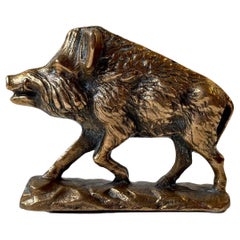
Antique Wild Boar Sculpture in Bronze, France, 1920s
Located in Esbjerg, DK
Small desk og mantle bronze depicting a young wild boar standing on a log. Fine detailing and a rich golden patina. Signed/marked France to its base. Where it was made circa 1920-25....
Category
Vintage 1920s French Late Victorian Animal Sculptures
Materials
Bronze
$484 Sale Price
44% Off
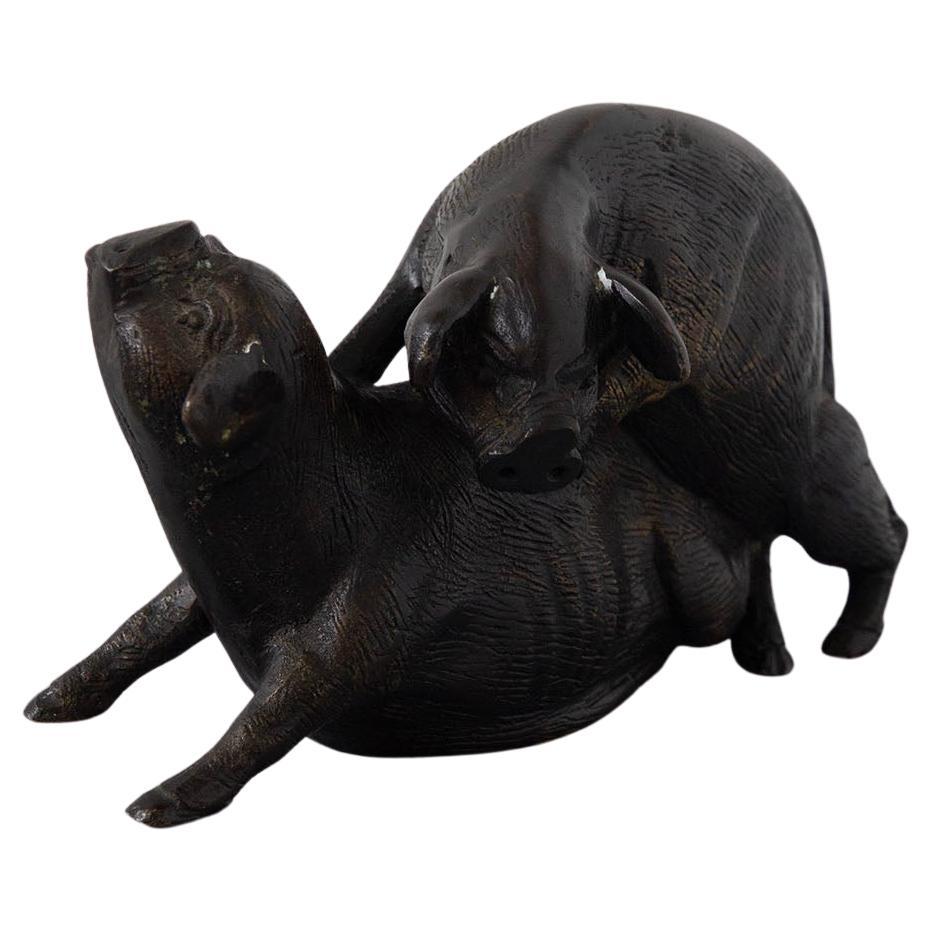
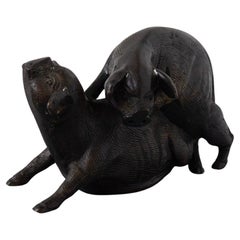
Italian Bronze sculpture: Two Pigs, bronze artist 20th century
By Italian school XX ct.
Located in Milano, IT
Imagine a small but enchanting Italian bronze sculpture that captures an unexpected moment of nature's beauty. It's a delicate portrayal of Two Mating Pigs, created by a skilled 20th...
Category
Antique Early 1900s Italian Art Nouveau Animal Sculptures
Materials
Bronze
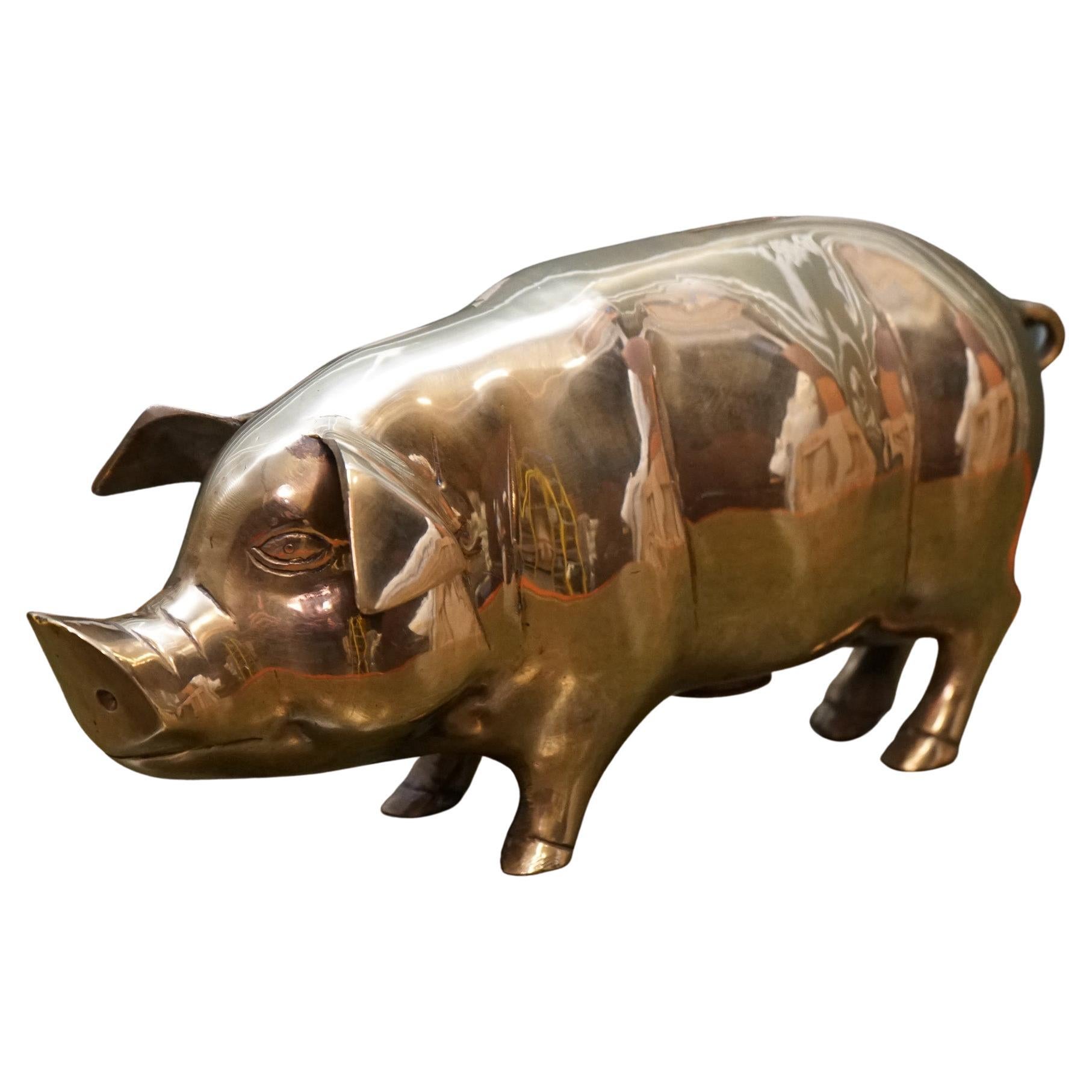
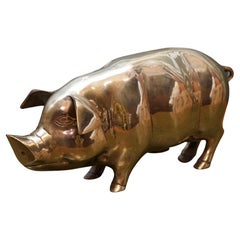
1920s ANTIQUE DECORATIVE BRASS PiGGY BANK
Located in Pulborough, GB
We are delighted to offer for sale this Lovely 1920s Antique Brass Piggy Bank.
The piggy bank would resemble an actual pig with all the features th...
Category
Antique 19th Century British Animal Sculptures
Materials
Brass
More Ways To Browse
Antique Scribe
Gold Pig
Arab Warriors
Franz Xavier Bergman
Bronze Pig Sculpture
Bronze Pigs
Karlsruher Majolika
Miniature Glass Animals
Murano Blue Bird
Owl With Glass Eyes
Pair Staffordshire Spaniels
Pierre Jule Mene Horse Sculptures
Pierre Jules Mene Bronze Horse
Pink Swan
Portuguese All
Pottery Owl
Ram Bronze Sculpture
Russian Bear