Items Similar to Pair of 1615 English Polychrome Painted Heraldic Lion Newel Banisters Finials
Want more images or videos?
Request additional images or videos from the seller
1 of 21
Pair of 1615 English Polychrome Painted Heraldic Lion Newel Banisters Finials
$16,408.94per set
£12,000per set
€14,102.97per set
CA$22,838.78per set
A$24,501.92per set
CHF 13,142.33per set
MX$294,999.86per set
NOK 165,674.47per set
SEK 151,072.16per set
DKK 105,368.02per set
About the Item
Wer are delighted to offer this exceptionally rare pair of King James 1st 1615 English Heraldic Lion Newel Finials with period Polychrome paint
Where to begin! What a find, these are original English Newel Finials which would have been used at either end of a bannister, they are totally and utterly unrestored and haven’t changed one bit in the last 405 years of their existence
They can be used as pure decoration, they are freestanding and really define a space, alternatively they still have the original mounting holes to the base, they could be used as reclaimed bannister terminals once again
Dimensions
Height 37cm
36cm
Width 16cm
13cm
Depth 12cm
17cm
Please note all measurements are taken at the widest point
Heraldic beasts were used in many different interiors: country houses; townhouses; livery halls; boardrooms of various institutions; churches and places of worship; and warships. As a result, the purpose for which these pieces may have been carved remains unclear. This pair of heraldic beasts may have been carved as newel post finials of a grand staircase; or as finials for a church or a livery hall.
John Crowther (1837-1902)’s ‘Interior View of the Church of St Matthew, Friday Street’, a watercolor painted in 1881, demonstrates the use of such carvings within the interior of a church. In 20th century Britain, over 1,000 country houses were demolished. This phenomenon was brought about by a change in social, political and financial conditions – high taxation, death duties, and the loss of aristocratic heirs as well as workers to manage the estates following the two World Wars – which led to landed families selling estates and a large number of country houses being demolished.
On 4 May 1912 ‘Country Life’ carried an advertisement for the ‘Stone Balustrade containing 140 turned balusters; 80 half-balusters; 13 massive pillars’ and ‘13 urns’ from Trentham Hall, Staffordshire, which were being sold for £200. This was a hint of things to come.
In 1944 the trustees of Castle Howard began selling the contents of the house; the Duke of Bedford reduced Woburn Abbey to half its original size in 1947; and Alfred Waterhouse’s Eaton Hall was razed to the ground in 1963. From the turn of the 20th century, interior woodwork, including complete panelled rooms, staircases and fittings such as these heraldic beasts secured an active market amongst rich Americans.
Bibliography: Anthony Wells-Cole, ‘Art and Decoration in Elizabethan and Jacobean England: The Influence of Continental Prints, 1558-1625’ (Paul Mellon Centre for Studies in British Art, Yale University Press New Haven
London, 1997).
This item is available for collection from our Wimbledon warehouses
Condition
Please view the very detailed pictures as they form part of the description around condition
Please note vintage period and original items such as leather seating will always have natural patina in the form of cracking creasing and wear, we recommend regular waxing to ensure no moisture is lost, also hand dyed leather is not recommended to sit in direct sunlight for prolonged periods of time as it will dry out and fade.
- Dimensions:Height: 14.57 in (37 cm)Width: 6.3 in (16 cm)Depth: 4.73 in (12 cm)
- Sold As:Set of 2
- Style:Jacobean (Of the Period)
- Materials and Techniques:
- Place of Origin:
- Period:1610-1619
- Date of Manufacture:1615
- Condition:Wear consistent with age and use. Minor fading.
- Seller Location:West Sussex, GB
- Reference Number:1stDibs: LU2823320308342
About the Seller
4.7
Platinum Seller
Premium sellers with a 4.7+ rating and 24-hour response times
Established in 2012
1stDibs seller since 2017
2,110 sales on 1stDibs
Typical response time: 1 hour
- ShippingRetrieving quote...Shipping from: West Sussex, United Kingdom
- Return Policy
More From This Seller
View AllFine Antique circa 1800 Hand Carved Royal Armorial Lion from Coat of Arms Crest
Located in West Sussex, Pulborough
We are delighted to offer for sale this stunning circa 1800 hand carved Royal English Armorial Crest / Coat of Arms Lion.
A truly stunning piece,...
Category
Antique Early 1800s English George III Animal Sculptures
Materials
Wood
FINE PAIR OF ANTIQUE 19TH CENTURY ITALIAN ALABASTER LiONS AFTER ANTONIO CANOVA
Located in West Sussex, Pulborough
Royal House Antiques
Royal House Antiques is delighted to offer for sale this extremely collectable pair of original Antique Circa 1880 Italian Grand Tour Alabaster Recumbent Lions ...
Category
Antique 1880s Italian Grand Tour Animal Sculptures
Materials
Alabaster
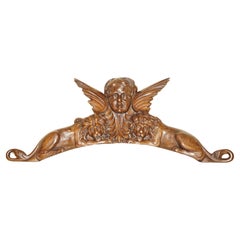
IMPORTANT 18TH CENTURY CiRCA 1720 OAK CARVED SURMOUNT OF REGAL LIONS
A PUTTI
Located in West Sussex, Pulborough
Royal House Antiques
Royal House Antiques is delighted to offer for sale lovely hand carved 18th century wall Surmount Circa 1700-1720 depicting Recumbent Regal Lions with a large w...
Category
Antique 1720s English George II Architectural Elements
Materials
Oak
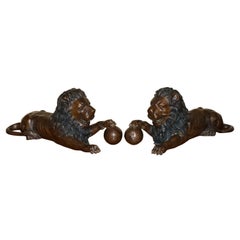
PAIR OF LARGE ANTiQUE RECUMBENT LION BRONZE STATUES SUPER DECORATIVE MUST SEE
Located in West Sussex, Pulborough
Royal House Antiques
Royal House Antiques is delighted to offer for sale this stunning pair of early 20th century bronze statues of Recumbent Lions resting with balls under their pa...
Category
Early 20th Century English Art Deco Animal Sculptures
Materials
Bronze
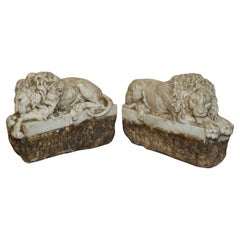
PAIR OF ANTIQUE 19TH CENTURY ITALIAN ANTONiO CANOVA TOMB OF POPE CLEMENT LIONS
Located in West Sussex, Pulborough
Royal House Antiques
Royal House Antiques is delighted to offer for sale this extremely collectable pair of original Antique Circa 1880 Italian Grand Tour Alabaster Recumbent Lions after the original huge statues by Antonio Canova
These are original examples not later copies, they have a stunning antique patina and look expensive and important in any setting
Grand tour pieces were purchased by young men and women in high society when they finished their studies, they would go on a "Grand Tour" around Europe visiting the sites and collecting trinkets, these trinkets could be very small such as ingots, or if you were fabulously wealthy they would be much larger and heavier like these lions
About Tomb of Pope Clement XIII
The artwork, titled “Tomb of Pope Clement XIII,” is a sculpture created by Antonio Canova in 1792. Belonging to the Neoclassicism art movement, this masterpiece exemplifies the genre of sculpture.
In the artwork, Canova masterfully arranges various sculptural elements to create a poignant and regal composition. The tomb consists of a carved effigy of Pope Clement XIII, situated in a reverent pose atop an elaborately adorned sarcophagus. The Pope’s figure is cloaked in flowing garments, kneeling in prayer, signifying his piety. Below, two imposing lions flank the monument, symbolizing strength and vigilance. An angelic figure, wings partially spread, gazes downwards with a sorrowful expression, embodying the eternal mourning for the departed. Adjacent to the angel, a robed woman stands, her somber posture accentuating the tomb’s solemn atmosphere. The architectural framework, with its towering columns and vaulted arch, adds to the grandeur and reverence of the entire composition, upholding the Neoclassical ideals of symmetry, order, and monumental form.
Later in life the Canova Lions were replicated, they are located in front of the Corcoran Gallery of Art in Washington, D.C, these were cast in bronze from molds of the originals. The pieces were installed in 1860
This pair as mentioned are sublime, they really set the scene for a room, I've had a pair on the top of my piano for years with a large Tiffany lamp...
Category
Antique 1880s Italian Grand Tour Animal Sculptures
Materials
Alabaster
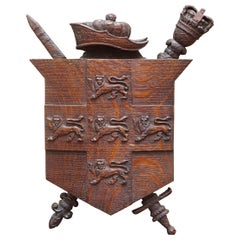
Rare Hand Carved 1587 Fighting Scots City of York Coat of Arms Armoiral Crest
Located in West Sussex, Pulborough
We are delighted to offer for sale this lovely hand carved wall plaque coat of arms for the city of York Fighting Scots dating from 1587
This is a very good looking and well made ...
Category
Antique Mid-19th Century English Mid-Century Modern Arms, Armor and Weapons
Materials
Wood
You May Also Like
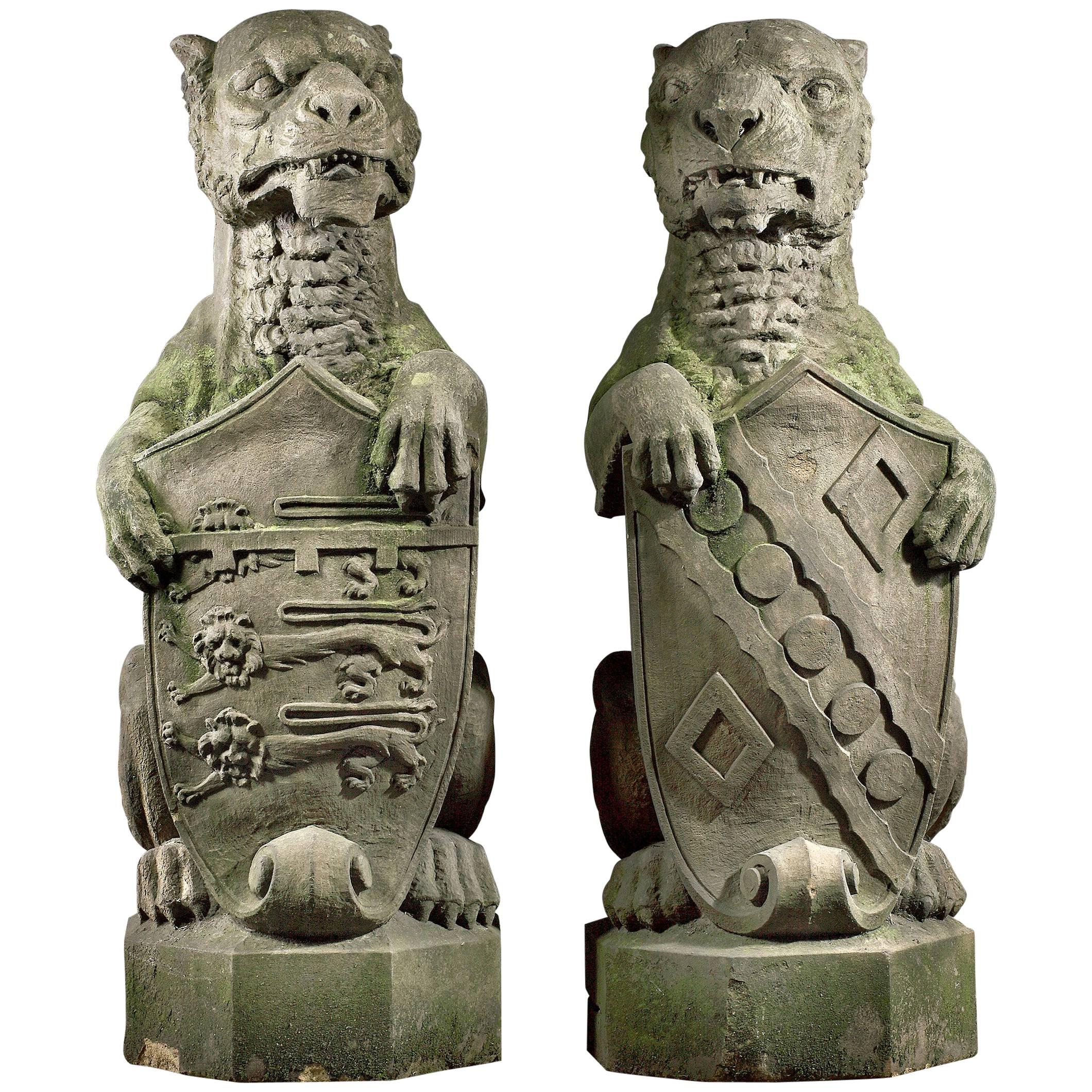
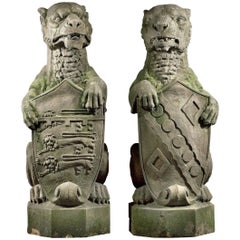
19th Century English Finials Carved as Heraldic Lions
Located in Baambrugge, NL
The beast are portrayed sejant each with the forepaws supporting a shield. They are sitting on octagonal bases.
The armorials might have been painted at some point, but no traces ...
Category
Antique 19th Century Great Britain (UK) Gothic Statues
Materials
Sandstone
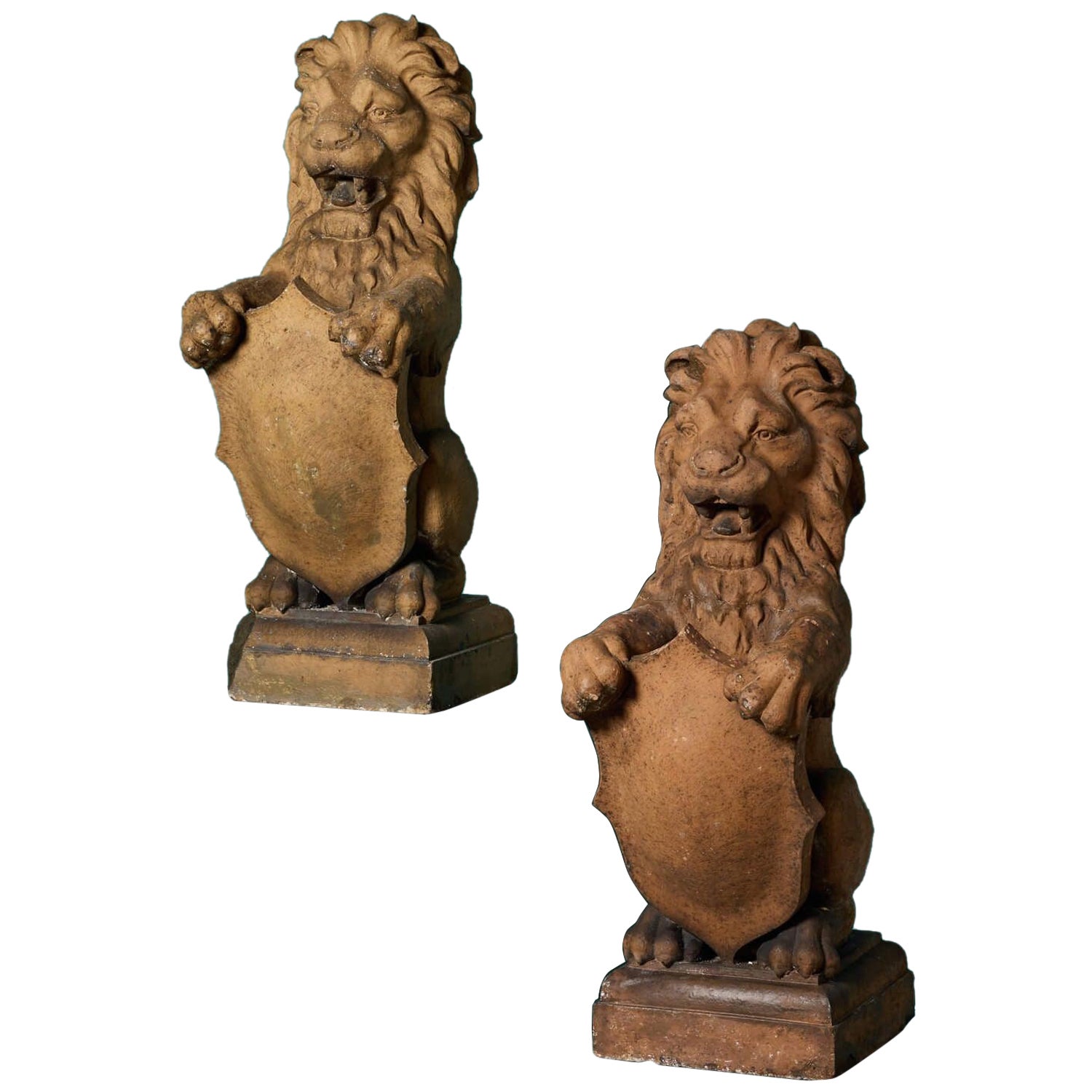
Pair of Scottish Terracotta Shield-bearing Lion Finials
Located in Wormelow, Herefordshire
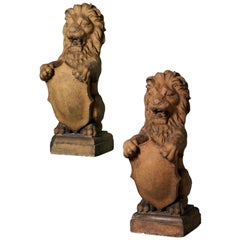
A pair of antique Scottish terracotta parodic shield-bearing lion finials dating to circa 1880. Seated on shaped bases with shields and expressive faces, this eye-catching pair are full of character, incorporating Victorian and medieval styles.
Sourced from a Scottish estate and made from very durable fire clay terracotta. This pair would look impressive acting as driveway finials...
Category
Antique Late 19th Century British Statues
Materials
Clay, Terracotta
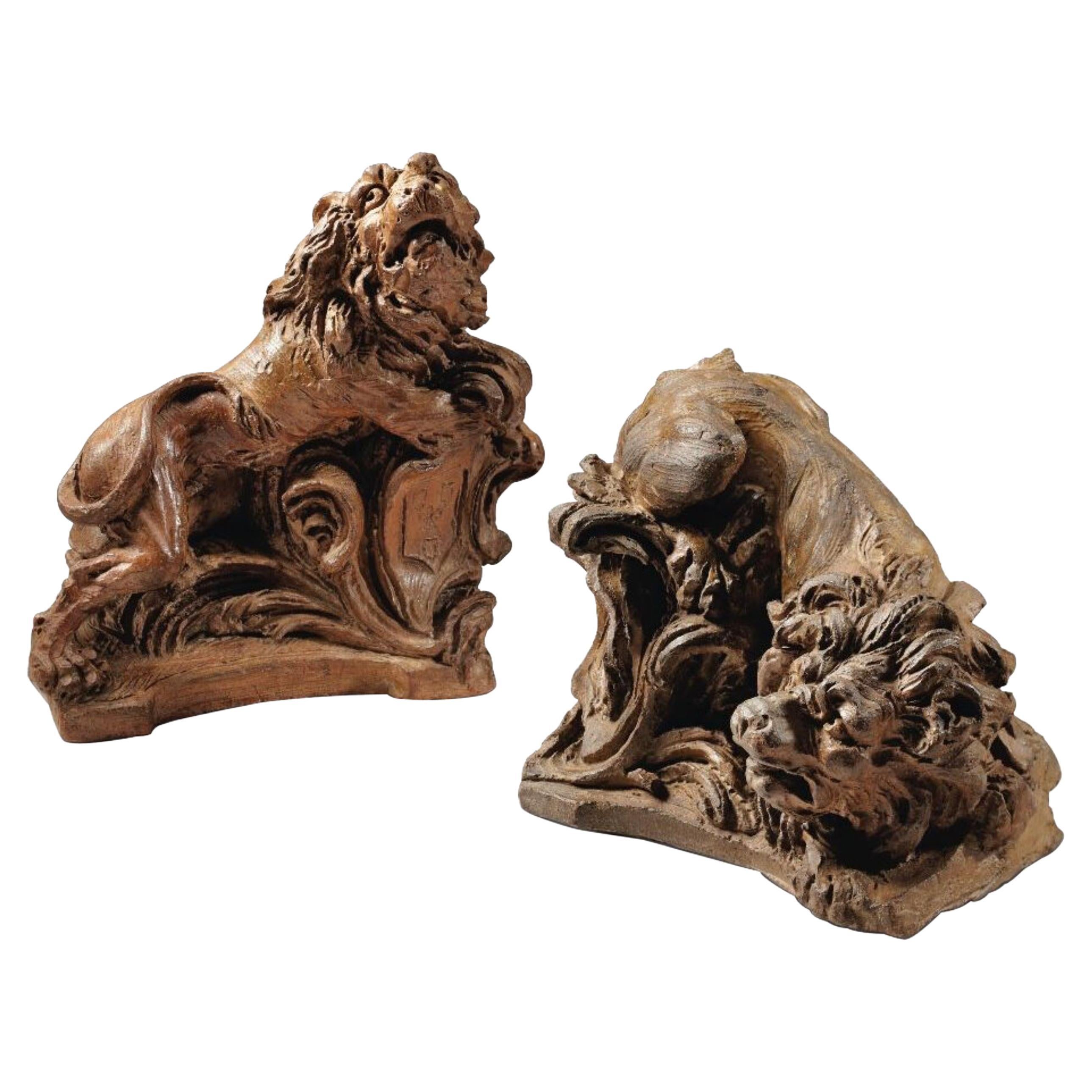
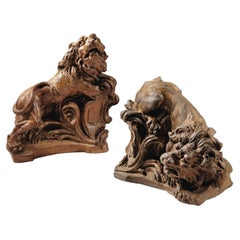
Two Terracotta Lions with Shields, French, Mid-18th Century
Located in Spencertown, NY
Possibly designs for Chenets.
Category
Antique 1750s French Rococo Sculptures and Carvings
Materials
Terracotta
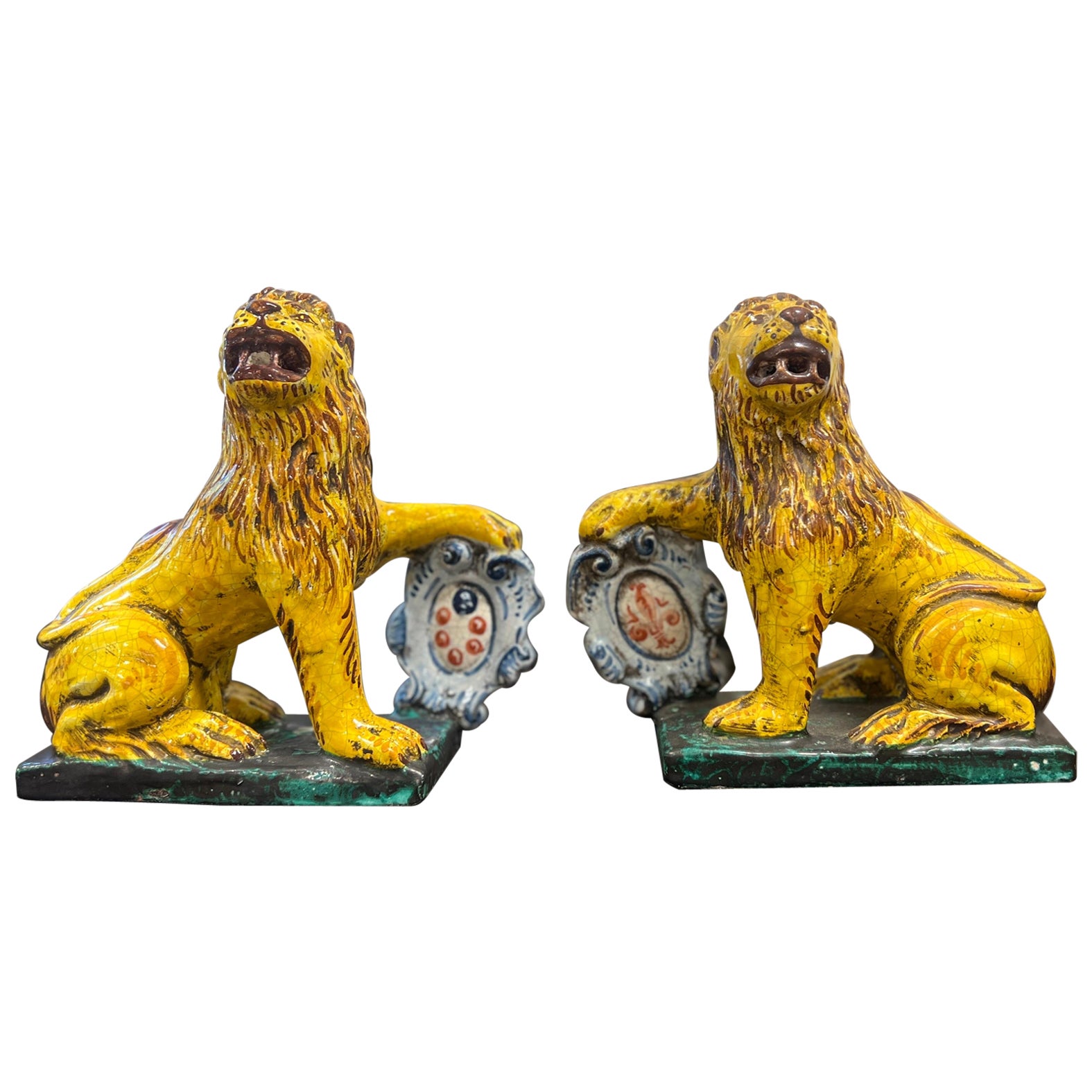
Pair, Antique Italian Faience Renaissance Style Lions W/ Armorial Shields
Located in Atlanta, GA
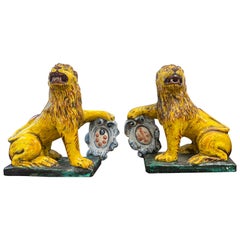
Pair, Antique Italian Faience Renaissance Style Lions W/ Armorial Shields.
A wonderful pair of Italian faience Lions with armorial shields and...
Category
Early 20th Century Italian Renaissance Revival Animal Sculptures
Materials
Ceramic
Pair of Reclaimed Bronze Armorial Lions
Located in Wormelow, Herefordshire
A pair of early 20th century reclaimed bronze armorial lions, circa 1920. These decorative bronze lions could be used indoors as interior decoration or in the garden where exposure t...
Category
Early 20th Century English Tudor Statues
Materials
Metal, Bronze
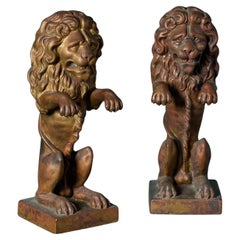
Pair of 1870s English Carved Wood Lions
Located in Tarrytown, NY
Pair of 1870s English carved wood lions.
Category
Antique 15th Century and Earlier Animal Sculptures
Materials
Wood
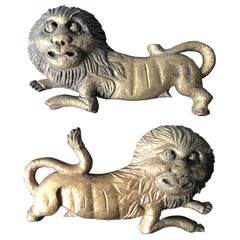
$750 / set