Items Similar to Japanese Meiji Period Elaborate Bunraku Puppeta, 19th Century
Want more images or videos?
Request additional images or videos from the seller
1 of 5
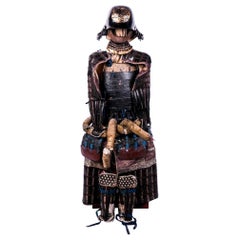
Japanese Meiji Period Elaborate Bunraku Puppeta, 19th Century
$38,200
£28,555.51
€32,939.39
CA$53,480.04
A$56,510.50
CHF 30,391.65
MX$676,535.83
NOK 380,771.79
SEK 348,731.70
DKK 246,018.70
About the Item
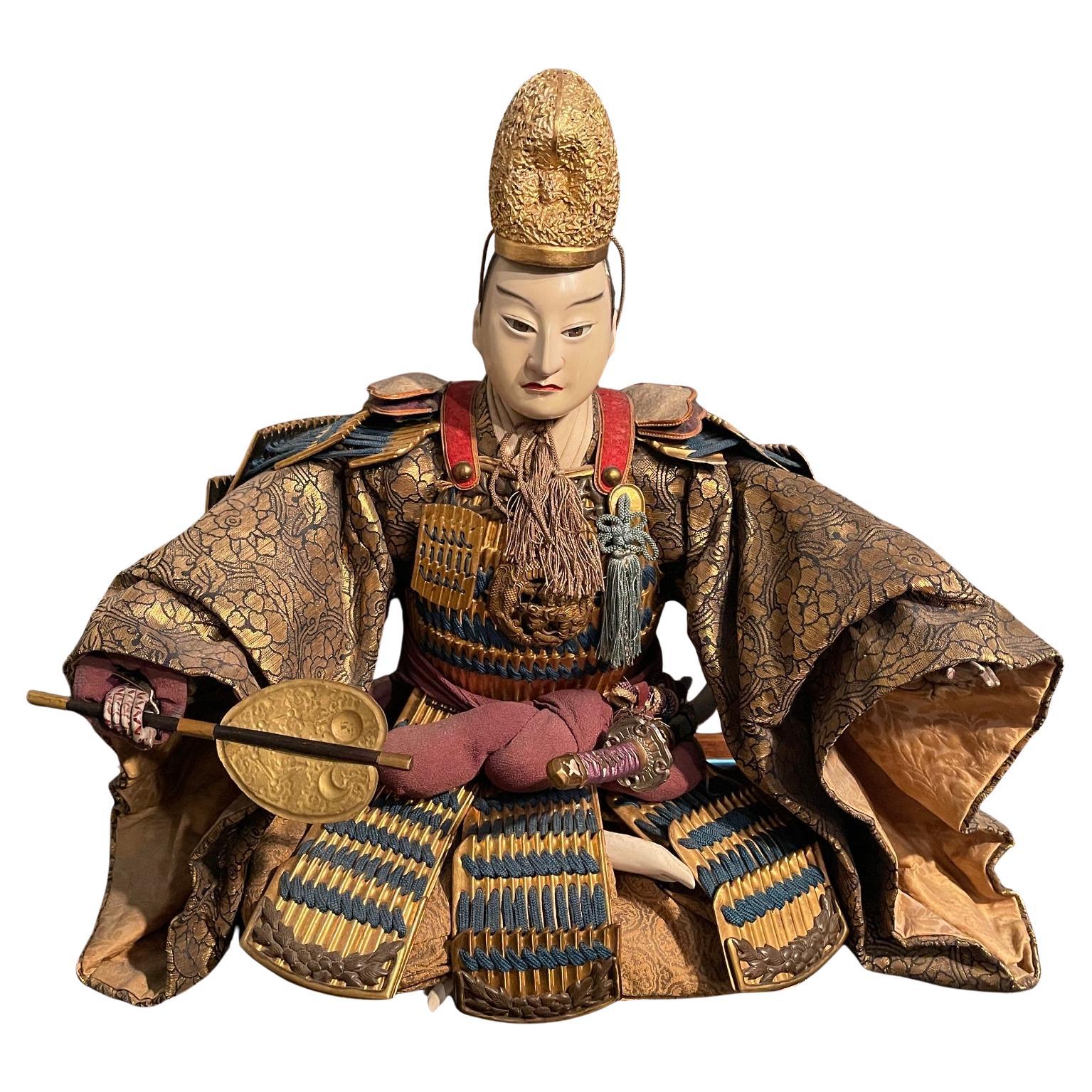
Japanese Meiji Period Elaborate Bunraku Puppeta. 19th Century
Meiji Period (1868-1912)
Minor wear to textiles, fine antique condition,
Original Bamboo display stand.
DIMENSION
Height: 33 inches
Width: 18 inches
Depth: 9 inches
ABOUT
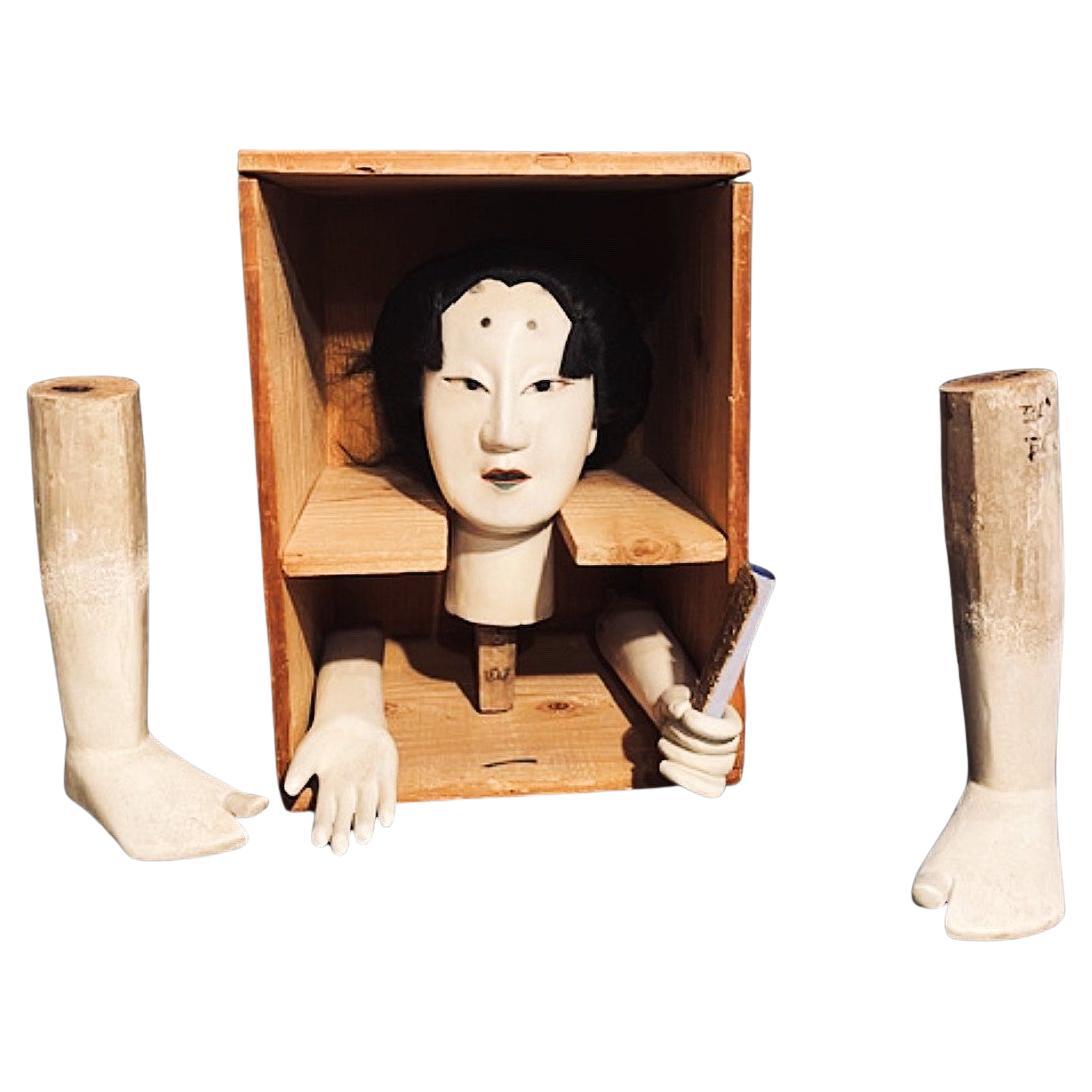
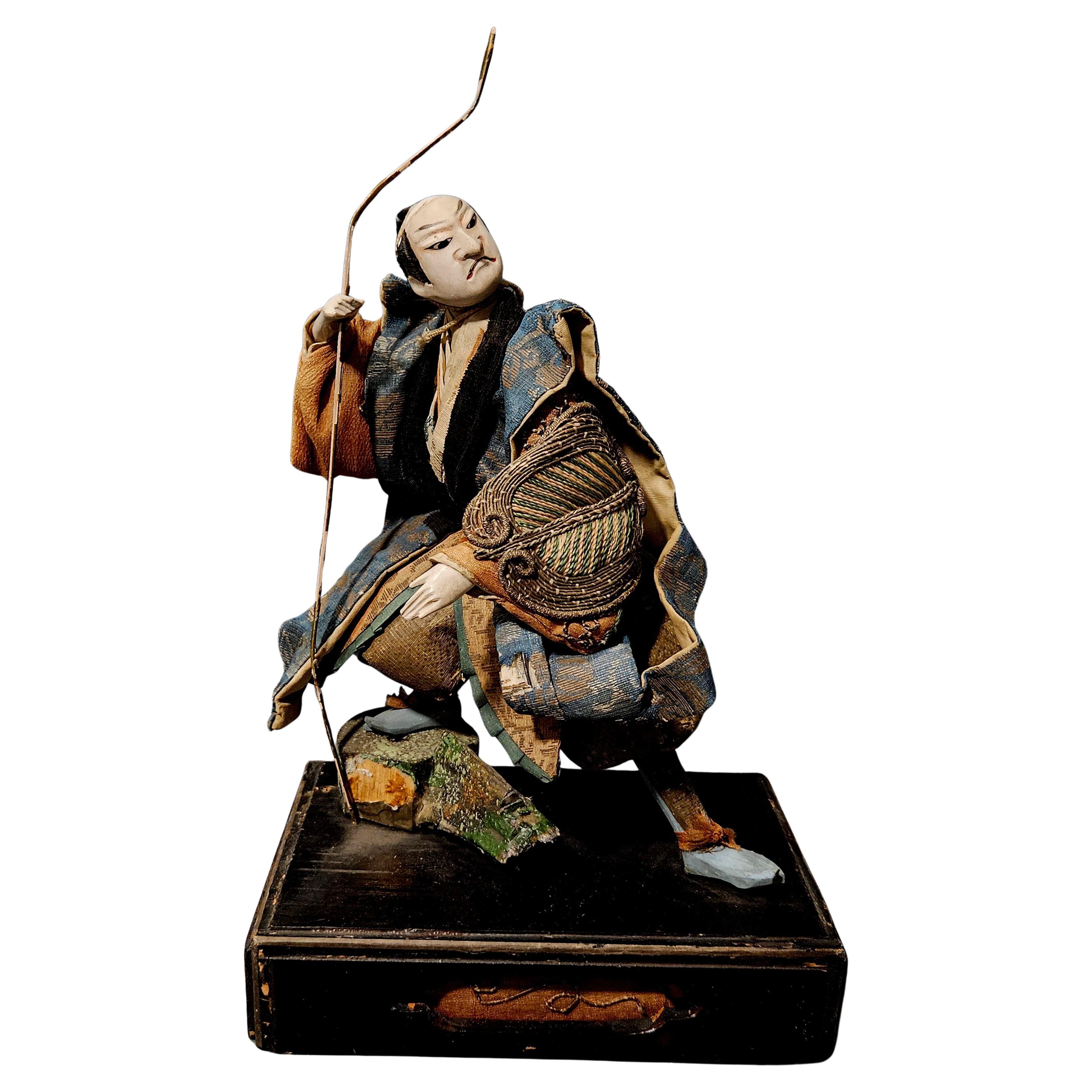
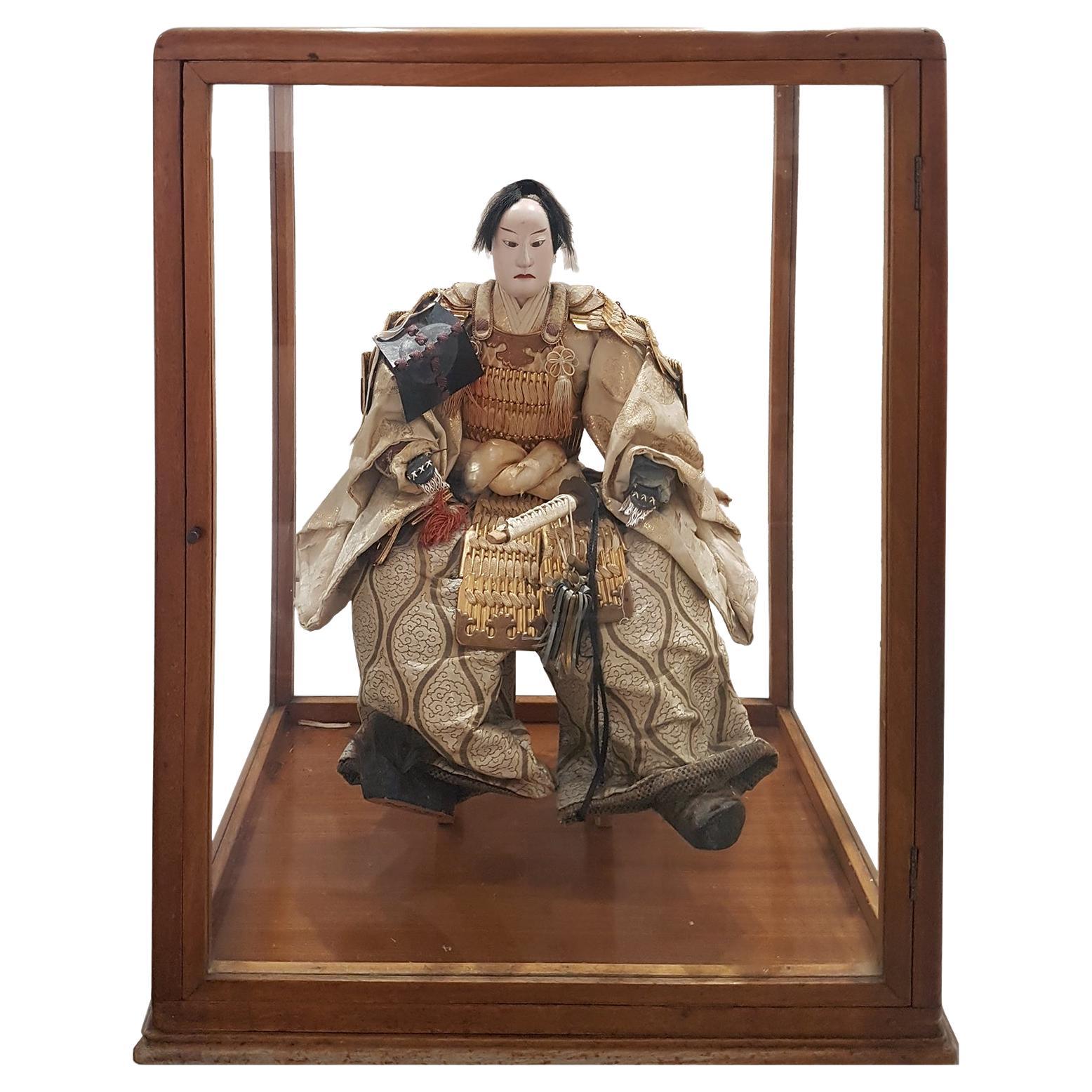
Bunraku (puppet) depicting the warrior Minamoto Yoshistune his head carved of wood and covered in a fine white gofun with painted details, face of a handsome youth with trigger mechanism allowing for the eyebrows to raise and lower and the eyes to shift from side, is wearing military armor with signature dragon on his breastplate ,brocade patterning of his thick obi tie, sumptuous silk brocade kimono and brocade hakama trousers with the Minamoto Clan pattern, silk tabi socks with straw sandals, and matching headband. Exhibited Morikami Museum (2012). Published in Japanese Dolls: The Fascinating World of Ningyô, p. 214. Yoshitsune and The Thousand Cherry Trees, written in 1747 by Takeda Izumo II, is considered one of the great classics of Japanese theater, and was often adapted to the Kabuki stage. This is a masterpiece of Kabuki puppet.
- Dimensions:Height: 33 in (83.82 cm)Width: 18 in (45.72 cm)Depth: 9 in (22.86 cm)
- Style:Japonisme (Of the Period)
- Materials and Techniques:
- Place of Origin:
- Period:
- Date of Manufacture:ca. 19th Century
- Condition:Wear consistent with age and use. We make our best effort to provide a fair and descriptive condition report. Please examine photos attentively, as they are part of the description. Send us a message to request more details or discuss price.
- Seller Location:New York, NY
- Reference Number:1stDibs: LU2819344673672
About the Seller
5.0
Platinum Seller
Premium sellers with a 4.7+ rating and 24-hour response times
Established in 1993
1stDibs seller since 2017
93 sales on 1stDibs
Typical response time: 2 hours
- ShippingRetrieving quote...Shipping from: New York, NY
- Return Policy
More From This Seller
View AllJapanese Edo Period Musha Ningyo Seating Samurai, Ca. 1800
Located in New York, NY
Japanese Edo Period Musha Ningyo Seating Samurai, Ca. 1800
DIMENSIONS
Height: 16 inches
Width: 19 inches
Depth: 10 inches
ABOUT
Musha Ningyō (武者人形)- Literal meaning: "Warrior Dolls...
Category
Antique Early 1800s Japanese Japonisme Figurative Sculptures
Materials
Wood
Japanese Late Edo Period Life-Size Imperial Bunraku by Nagoshi Kenji, ca. 1850
Located in New York, NY
Japanese Late Edo Period Life-Size Imperial Bunraku
Head, Hands and Legs by Nagoshi Kenji, Ca. 1850
DIMENSIONS
Head: 13” High
Hands: 11” High
Legs: 9” High
...
Category
Antique 1850s Japanese Japonisme Figurative Sculptures
Materials
Wood

Japanese Edo Period Saga Ningyo, Ca. 1850
Located in New York, NY
Japanese Edo Period Saga Ningyo, Ca. 1850
DIMENSIONS
Height: 9.5 inches
Width: 6 inches
Depth: 5 inches
Category
Antique 1850s Japanese Japonisme Figurative Sculptures
Materials
Wood
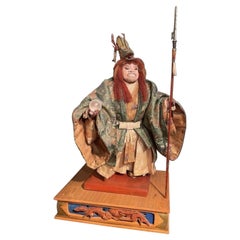
Japanese Edo Period Dragon God Ningyô, Ca. 1820
Located in New York, NY
Japanese Edo Period Dragon God Ningyô, Ca. 1820
DIMENSIONS
Height: 26 inches over all
Minor wear in textiles.
Fine antique condition
ABOUT
Musha-Ningyô (warr...
Category
Antique 1820s Japanese Japonisme Figurative Sculptures
Materials
Wood
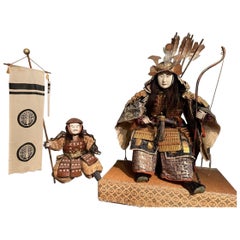
Japanese Edo Period Yoshitsune and Bannerman Warrior Musha Ningyô, Ca. 1800
Located in New York, NY
Japanese Edo Period Grand-Scale Yoshitsune and Bannerman Warrior Musha Ningyô, Ca. 1800
DIMENSIONS
Warrior - Height: 31 inches with platform.
Bannerman - Height: 28 inches with b...
Category
Antique Early 1800s Japanese Japonisme Sculptures and Carvings
Materials
Wood
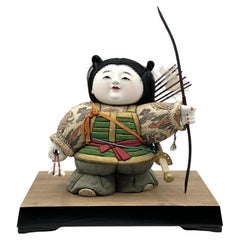
Japanese Meiji Period Gosho Ningyô of the First Emperor, Jimmu, Ca. 190
Located in New York, NY
Japanese Meiji Period Gosho Ningyô of Jimmu, the First Emperor of Japan, Ca. 1900
DIMENSIONS:
Height: 8.5 inches
Widt...
Category
Antique Early 1900s Japanese Japonisme Toys and Dolls
Materials
Ceramic
You May Also Like
Antique Japanese Takedo Sculpture Doll, 19th Century
Located in Norton, MA
Japanese Takedo Sculptural Rendering of a Kabuki Actor, Circa 1800, Youth Dressed in Gold Paper, Brocade Textiles and Silk Crepe Sleeves Embroidered in Multicolor Floral Design, He H...
Category
Antique 1840s Vietnamese Other Figurative Sculptures
Materials
Wood
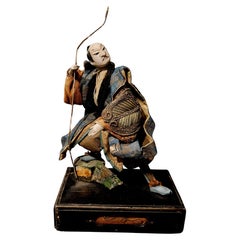
Japanese Samurai Doll, End of 18th Century
Located in Roma, IT
Beautiful antique Samurai Doll, Japanese manufacture, end of 18th century.
Given as a present to young boys becoming adults, it is finely decorated with original 18th century dresse...
Category
Antique Late 18th Century Japanese Japonisme Sculptures and Carvings
Materials
Glass, Wood
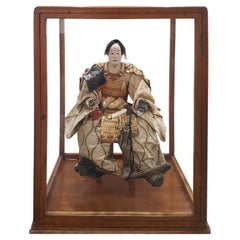
Samuraï Yoshitsune Puppet Sculpture
Located in Paris, FR
Sculpture Samuraï Yoshitsune Puppet with structure in wood,
hand-carved wood, hand-painted wood, hand-lacquered
wood, covered with hand-embroidered silk puppet garments.
With arro...
Category
Vintage 1980s Japanese Figurative Sculptures
Materials
Silk, Wood
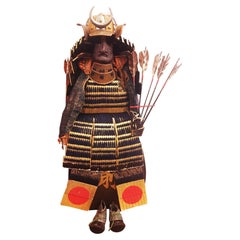
Japanese Kutani Statues Story of Momotaro Tsugata Yuma, 19/20th C
Located in Amsterdam, Noord Holland
Large, lovely and very nicely made Kutani statues
They depict the characters from the story of Momotaro (Peach Boy). Specifically, Momotaro himself, Do...
Category
Antique 19th Century Japanese Figurative Sculptures
Materials
Porcelain
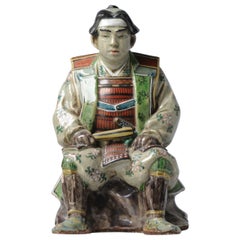
$2,398 Sale Price / set
20% Off
Japanese Samurai Figure Hinaningyo, Edo Period
Located in Munich, Bavaria
Antique samurai doll called Hinaningyo; Japan, late EDO period
Praised at the Tang-no-sekku boys' festival on May 5th as a sign of bravery, embodying the...
Category
Antique Mid-18th Century Japanese Antiquities
Materials
Textile, Wood
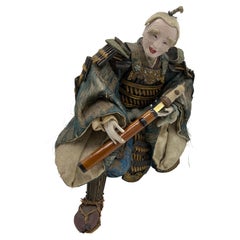
$2,731 Sale Price
20% Off
18th Century, Japanese Edo Period Lacquer
Chain Mail Suit of Samurai Armor
Located in Atlanta, GA
Japanese, Edo Period (1603-1868), likely late 18th century.
Step into the rich tapestry of Japanese history with this exquisite 18th-century Edo Period Lacquer & Chain Mail Suit of Armor, a masterpiece that seamlessly blends martial craftsmanship with artistic elegance. Crafted during a period of unparalleled cultural refinement, this armor is a testament to the meticulous skill and dedication of Japanese artisans.
The Gosuko armor, at the heart of this ensemble, embodies the traditional armor design of the Edo Period. Each meticulously lacquered plate, carefully adorned with ornate motifs, reflects not only the functional sophistication required for battle but also the aesthetic sensibilities intrinsic to Japanese art. The incorporation of chain mail adds a layer of flexibility and mobility, harmonizing the demands of protection with the fluidity required in combat.
A crowning glory to this armor is the Kabuto Helmet, an iconic symbol of samurai identity and resilience. Its design not only provides formidable protection but also serves as a canvas for artistic expression. The helmet's form, combined with lacquer embellishments and a crest, creates a striking visual statement, a representation of the wearer's identity and lineage.
To complete the ensemble, the armor comes with a brocade fabric, adding a touch of regality to this already magnificent piece. The interplay of textures and colors in the brocade further elevates the visual impact, turning the act of donning this armor into a ceremonial experience.
For the discerning collector, this piece is presented in a lacquer armor box, meticulously crafted to safeguard and showcase the historical significance of the armor. The accompanying wood armor display stand serves as a stage, allowing this masterpiece to command attention in any setting, whether it be a private collection, museum exhibit, or a distinguished living space.
Owning this 18th-century Japanese Edo Period Lacquer...
Category
Antique 18th Century Japanese Japonisme Antiquities
Materials
Iron, Gold Leaf
$10,000 Sale Price
20% Off