Items Similar to Marble Helmet - France, 17th century
Want more images or videos?
Request additional images or videos from the seller
1 of 6
Marble Helmet - France, 17th century
$20,253.67
£15,047.06
€17,000
CA$28,082.63
A$30,200.52
CHF 16,148.27
MX$364,209.63
NOK 204,205.98
SEK 186,057.94
DKK 129,568.24
About the Item
Marble Helmet
France, 17th century
Marble
25 × 27 × 18 cm
This finely carved marble helmet, adorned with a grotesque mask, exemplifies the 17th-century fascination with antique-inspired martial ornament. Evoking the elaborate parade helmets known from Renaissance prints rather than functional armor, it was conceived for symbolic display rather than practical use.
Within the heraldic tradition, such crests (cimieri) expressed lineage, rank, and dynastic continuity, serving as “stable emblems of lordship” in triumphal or funerary contexts. The motif’s recurrence across sculpture, seals, and monumental decoration underscores its role in affirming aristocratic identity and perpetuating memory.
The presence of a metal accroche suggests that this helmet was intended to be suspended, most likely surmounting a coat of arms within a monumental ensemble, recalling the arrangement in François Du Quesnoy’s monument to Ferdinand van der Eynden (†1630) in Santa Maria dell’Anima, Rome. Comparable in style to Du Quesnoy’s example, this helmet nonetheless displays a more elaborate treatment: the grotesque mask reflects a closer affinity with Italian Renaissance models, whose ornamental richness and classical inspiration are here reinterpreted within a Baroque idiom.
This sculpture thus reflects the dynamic exchange of heraldic and antiquarian forms among Flemish, French, and Italian artists, contributing to the development of the Baroque language of commemoration and its fusion of martial symbolism with classical refinement.
Comparaisons:
Du Quesnoy, Ferdinand van der Eynden Monument, Rome, Santa Maria dell’Anima.
- Dimensions:Height: 9.85 in (25 cm)Width: 10.63 in (27 cm)Depth: 7.09 in (18 cm)
- Style:Renaissance (Of the Period)
- Materials and Techniques:
- Place of Origin:
- Period:
- Date of Manufacture:17th century
- Condition:Wear consistent with age and use.
- Seller Location:Bruxelles, BE
- Reference Number:1stDibs: LU6666247426622
About the Seller
5.0
Vetted Professional Seller
Every seller passes strict standards for authenticity and reliability
1stDibs seller since 2022
15 sales on 1stDibs
- ShippingRetrieving quote...Shipping from: Bruxelles, Belgium
- Return Policy
More From This Seller
View All16h century Griffin Head - Italy
Located in Bruxelles, BE
Griffin head
Italy, 16th century
On a modern metal stand
Measures: 20 x 29 x 21 cm (without the stand)
The griffin is a legendary creature with the body of a lion, the head an...
Category
Antique 16th Century Italian Renaissance Animal Sculptures
Materials
Marble
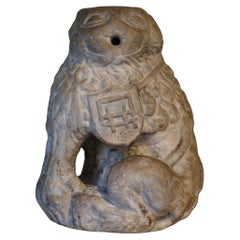
Marble Lion, Périgord, 17th Century
Located in Bruxelles, BE
Marble lion
white marble
France, probably Périgord, 17th century
Small marble lion wearing a coat of arms pendant with the engraved date, ...
Category
Antique 17th Century French Renaissance Animal Sculptures
Materials
Marble
$3,931 Sale Price
40% Off
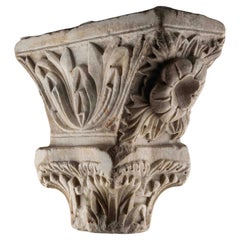
Marble capital carved with acanthus leaves - Apulia, 13th century
Located in Bruxelles, BE
Marble capital carved with acanthus leaves
Southern Italy, Apulia
13th century
28,5 x 53,5 x 12,5 cm
This wedge-shape capital decorated with acanthus leaves and roses is character...
Category
Antique 15th Century and Earlier Italian Medieval Architectural Elements
Materials
Marble
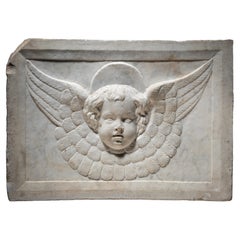
Cercle of Jacopo della Pila - Marble relief depicting a winged Cherub
Located in Bruxelles, BE
Cercle of Jacopo della Pila (Lombard, in Naples 1471-1502)
Marble relief depicting a winged Cherub
Naples, second half of15th century
40 x 57 x 12 cm
Exquisitely carved, this relief portrays a winged cherub with cascading hair and delicate features. The cherub's plump, smooth countenance, rounded cheeks, outlined lips, and finely drawn nose emanate a sense of tenderness. The quadrangular module, is adorned with a carved frame. The relief ascends gradually, transitioning from the low relief of the wings to the high relief of the head.
The rectangular frame and the subtly curved form of the artwork suggest that the relief likely adorned the upper part of an arch or a vaulted chapel. The type is that of the perspective room with a coffered ceiling decorated with figures of winged cherubs, which is found in various Neapolitan chapels of the 15th century. Coffered ceilings attest to the recovery of antiquity and the search for luxury in Renaissance architecture, first in Florence, then in Rome and Naples. The majority of the numerous family chapels and tombs built during the late fifteenth century in south of Italy employ the new formal vocabulary of the Florentine Renaissance in a self-confident manner that permitted a broad spectrum of variations.
The escalating admiration for the classical world, coupled with the development of perspective, significantly contributed to the Renaissance endorsement of coffered ceilings. This artistic and constructive device drew inspiration from the intricate marble patterns observed in historical landmarks such as the Arch of Titus, the Temple of Vesta in Tivoli, the Pantheon, and the Basilica of Maxentius. A distilled product of both mathematical and artistic cultures, deeply scrutinizing the ancient world, the coffered ceiling plays a vital role in the perspective construction of space with its regular and directional geometry. The motif of the coffered ceiling decorated with cherubs in relief was introduced in Naples by Francesco Laurana in the plastic decoration of the Arch of Castelnuovo. Laurana's impact on the art scene in the south of Italy was profound. The introduction of the winged cherub into the region's artistic vocabulary bridged the gap between the classical and the contemporary, creating a synthesis that resonated with both aesthetic and spiritual sensibilities. His influence extended beyond the immediate visual appeal, shaping the cultural identity of the Renaissance in southern Italy. Although the plastic decoration of the Arch of Castelnuovo cannot certainly be ascribed to a mature Renaissance style, it was precisely on this occasion that the sculptors who worked there could get to know and export throughout the Italian peninsula that type of "Florentine classicism" which, even in the 15th century Naples, was conditioned by the Burgundian culture imported into the Kingdom by Alfonso of Aragon himself, with artists called from Spain and Northern Europe. The coffered ceiling, with its geometric patterns and Laurana's winged cherubs nestled within, became a symbol of refinement and cultural sophistication. The relief sculptures, carefully integrated into the overall design, transformed the ceiling into a celestial realm, inviting viewers to contemplate the divine while immersed in the grandeur of the Renaissance space.
Similar winged cherubs appears also in the Naples cathedral. Within the renowned Succorpo Chapel, a mesmerizing marble coffered ceiling adorned with cherubs epitomizes the splendor of the Neapolitan Renaissance. The interplay of light and shadow on the textured surface of the marble coffered ceiling introduces an ethereal dimension, providing an immersive visual experience for observers. The geometric precision and the repeated patterns, reminiscent of classical motifs, establish a sense of harmony and balance that has become the hallmark of the Neapolitan interpretation of Florentine Renaissance aesthetics.
Although probably intended to be admired from a distance, this cherub is intricately detailed and exquisitely rendered: the face and hair are elegantly outlined and the feathers are textured through juxtaposed lines. The marble, both figurative and decorative, adheres to the principles of balance and restrained ornamentation typical of the « Florentine Classicism ». Harmonious shapes and gracefully orchestrated curves , rooted in the classical repertoire, converge to evoke a sense of ethereal beauty. The surface displays the masterful use of a chisel to intricately carve the feathers and facial features, creating an almost abstract quality.
This work is a testament to a sculptor of great skill and rich figurative knowledge, seamlessly blending classical firmness in contours with a refined treatment of the marble's surface. The combination of tradition and innovation point to a stylistic idiom from Lombardy, in particular we can find some comparaisons with the works of Jacopo della Pila, sculptor of Lombard origin working in Naples in the second half of the 15th century. He is documented there between 1471 and 1502, and is a protagonist of the Aragon Renaissance in the second half of the Quattrocento, together with the other great Northern sculptor active in the kingdom, Domenico Gagini.
the first commission he received dates back to August 9, 1471, when Jacopo publicly committed to sculpting the funerary monument of Archbishop Nicola Piscicelli to be placed in the Cathedral of Salerno. The last known work is an altar ordered on July 29, 1502, by the noble Jacopo Rocco for the church of San Lorenzo Maggiore in Naples. Between these two chronological extremes (1471-1502), we must place the fervent activity of the artist, who had trained in Rome, perhaps under the guidance of Paolo Romano but also engaged in dialogue with other major artists of the city, especially Isaia da Pisa. He enriched his experience in Naples, initially drawing inspiration from the works of Domenico Gagini and later from the Tuscan masterpieces of Antonio Rossellino and Benedetto da Maiano destined for the church of Santa Maria di Monteoliveto. Jacopo della Pila's artistic personality is thus based on a complex interplay of influences, contributing to the definition of a highly personal style.
Close comparaison can be made between our cherub and the winged angels reliefs...
Category
Antique 15th Century and Earlier Italian Renaissance Figurative Sculptures
Materials
Marble
$22,874 Sale Price
20% Off
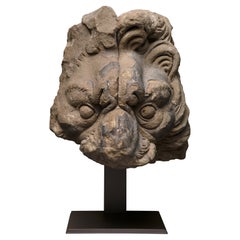
Roman Lion
s Protome - Gallo-Roman, 2nd century AD/3rd century
Located in Bruxelles, BE
Roman Lion's Protome
Sandstone
Gallo-Roman, 2nd century AD - 3rd century
Provenance : Private Collection Prof. Giesen (Konstanz on Bodensee), pré 1945
Most likely from the Chateau a...
Category
Antique 15th Century and Earlier German Classical Roman Animal Sculptures
Materials
Sandstone
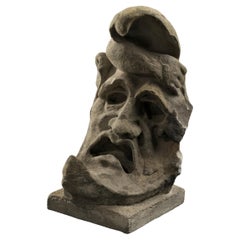
Renaissance grotesque in the shape of a half-moon - France, 17th century
Located in Bruxelles, BE
Large grotesque in the shape of a half-moon
On a posterior cement base
Limestone
France, 17th century
72 x 42 x 51 cm
Category
Antique 17th Century French Renaissance Statues
Materials
Limestone
You May Also Like
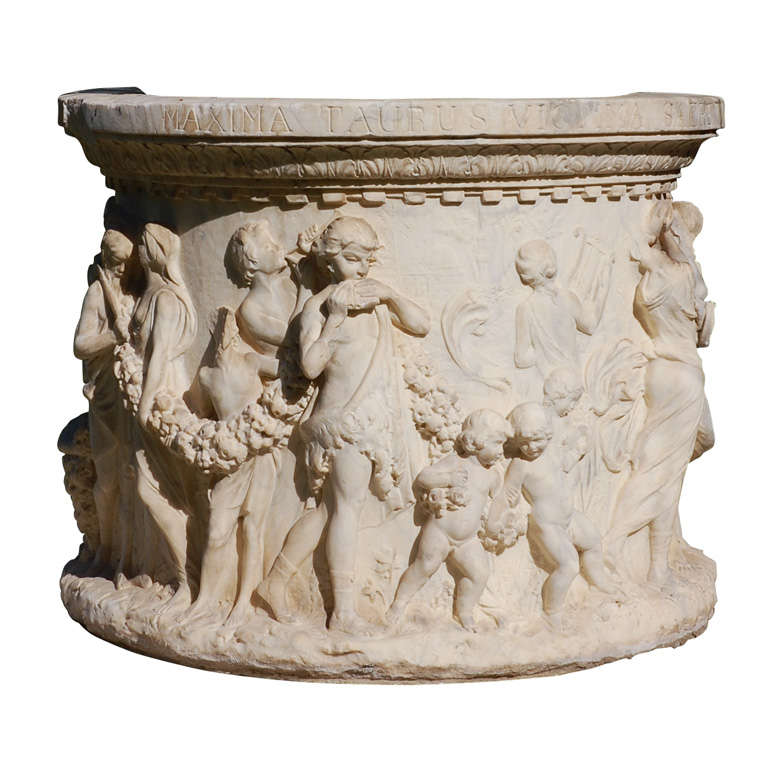
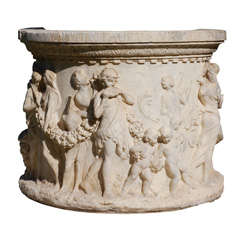
19th Century Italian Marble Well Head
Located in Los Angeles, CA
Very rare 19th c. Italian Marble Well Head signed by Professor Polizi, Firenze, Italy
Category
Antique 19th Century Italian Architectural Elements
Materials
Marble
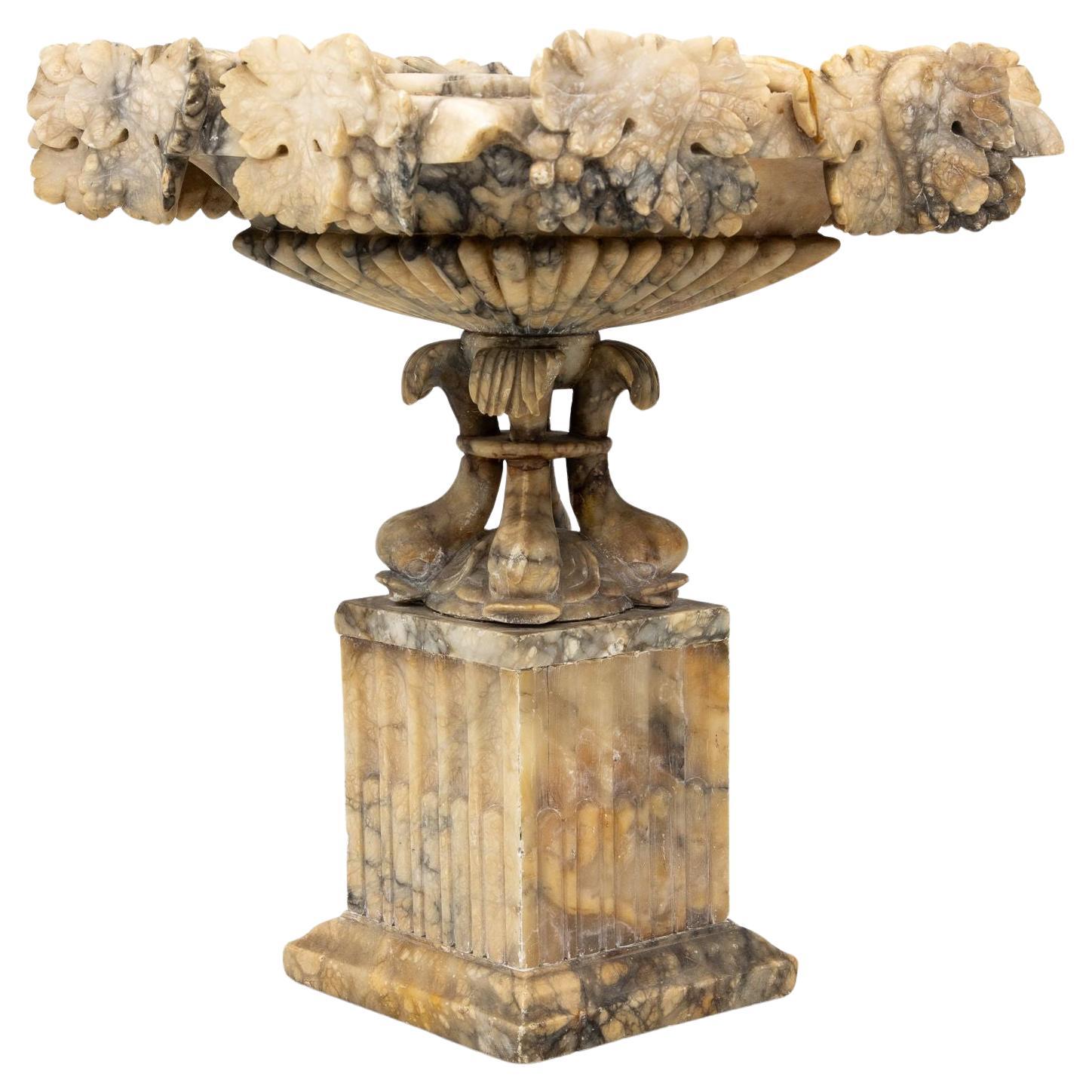
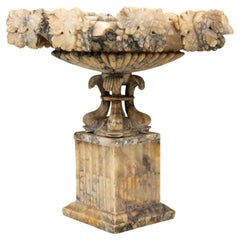
Carved Marble Shaped Neoclassical Urn, Italy 19th Century
Located in South Salem, NY
An exquisite 19th-century Italian Neoclassical carved marble urn in a distinctive diamond shape. Adorned with intricately carved grape vines, it features a fluted body resting on fou...
Category
Antique Late 19th Century Italian Urns
Materials
Marble
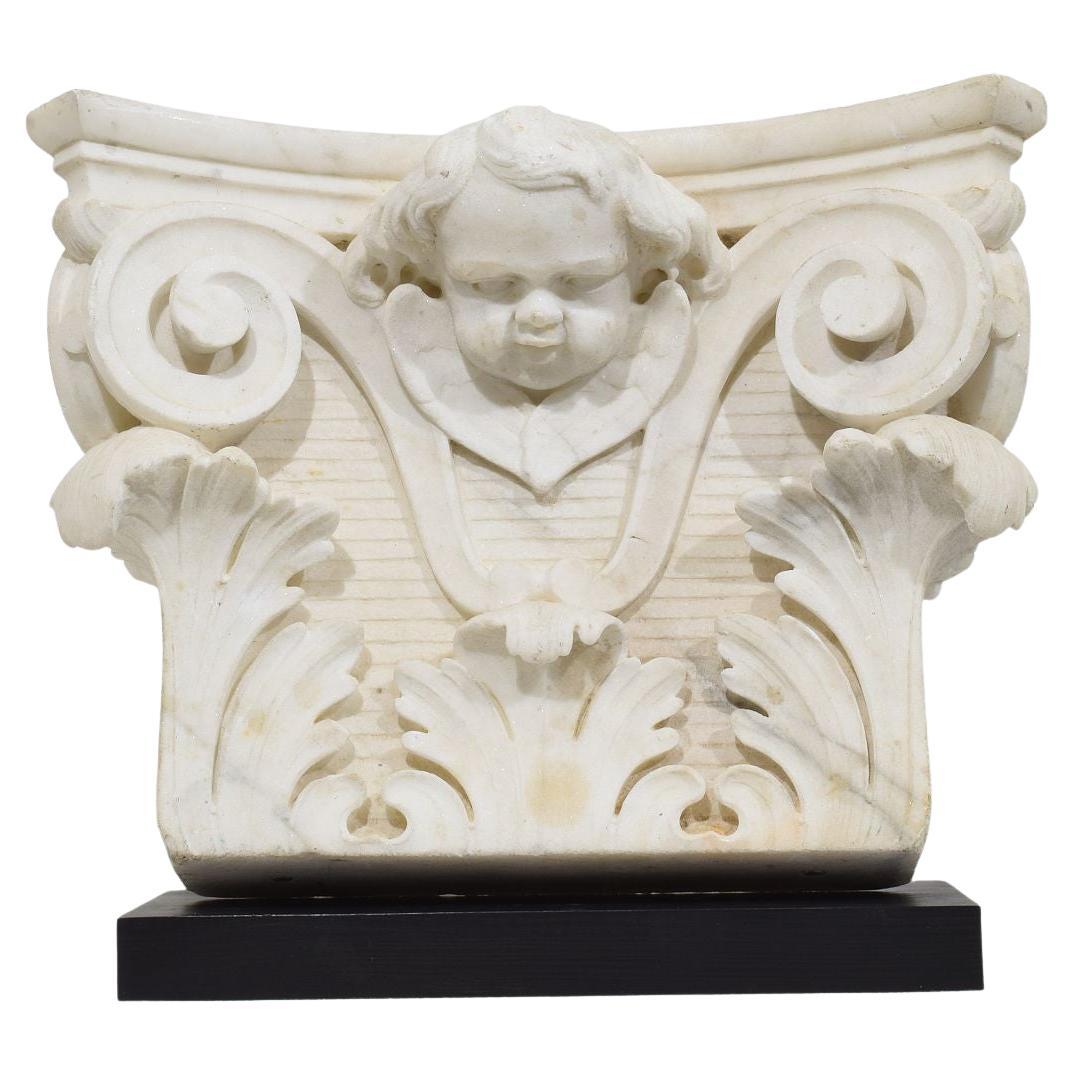
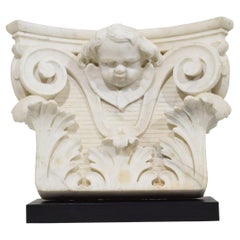
French, 17th / 18th Century, Carved White Marble Capital With Angel Head
Located in Buisson, FR
Spectacular hand-carved white marble capital with angel head.
Beautiful weathered white marble .
France circa 1650- 1750
Weathered
Measurements include the wooden pedestal
Category
Antique 18th Century French Architectural Elements
Materials
Marble
$3,067 Sale Price
55% Off
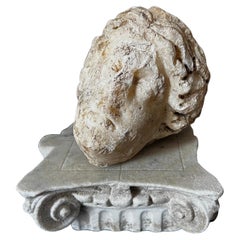
Antique Roman Marble Head of a Goddess, Possibly Venus, 1st-3rd Century AD
Located in Doha, QA
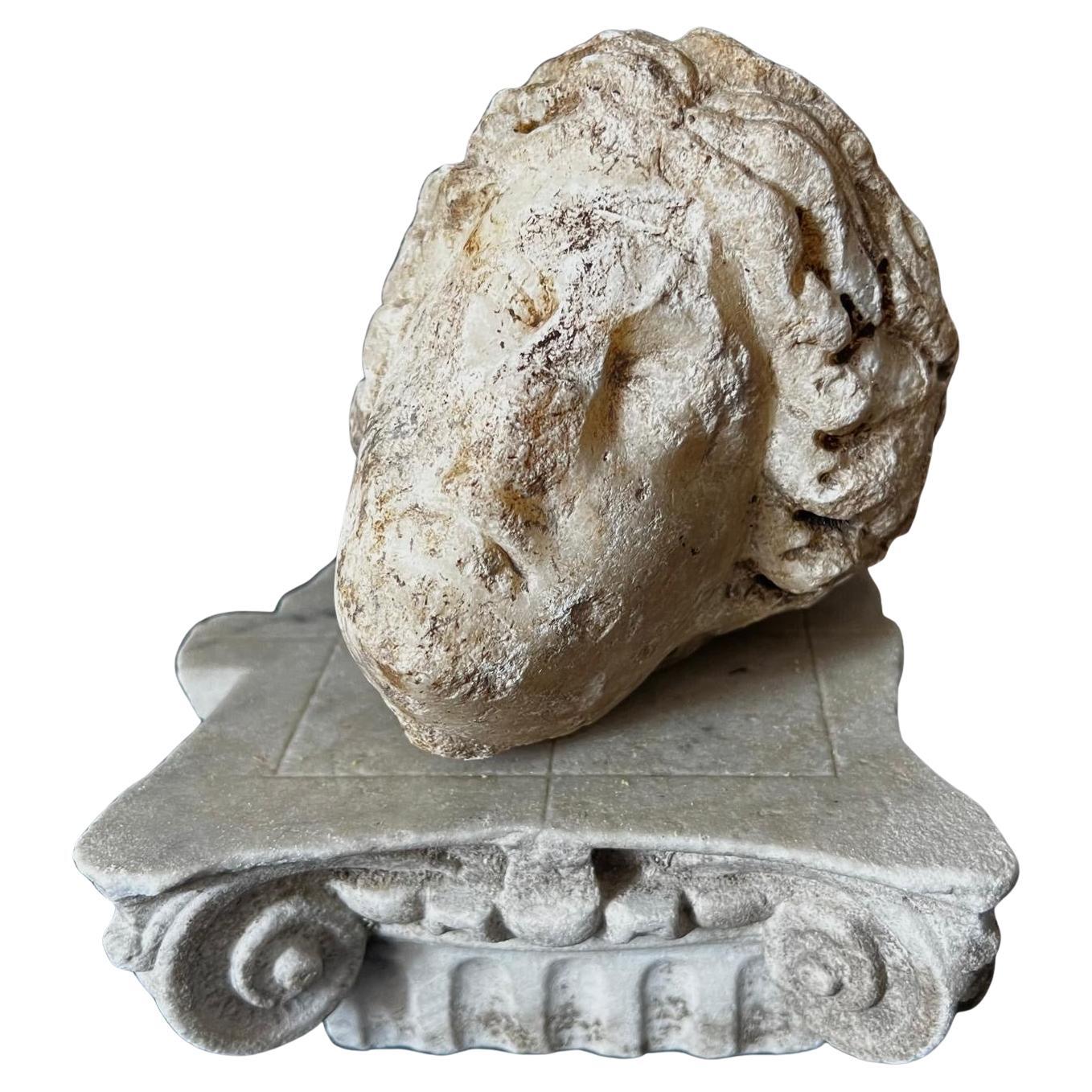
A captivating Roman marble head of a Goddess, possibly Venus, dating from the 1st–3rd century AD, exquisitely carved and presented on a bespoke marble pedestal styled as a classical ...
Category
Antique 15th Century and Earlier Italian Classical Roman Figurative Scul...
Materials
Marble
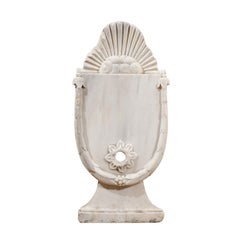
18th Century French White Carrara Marble Fountain Head
Located in Atlanta, GA
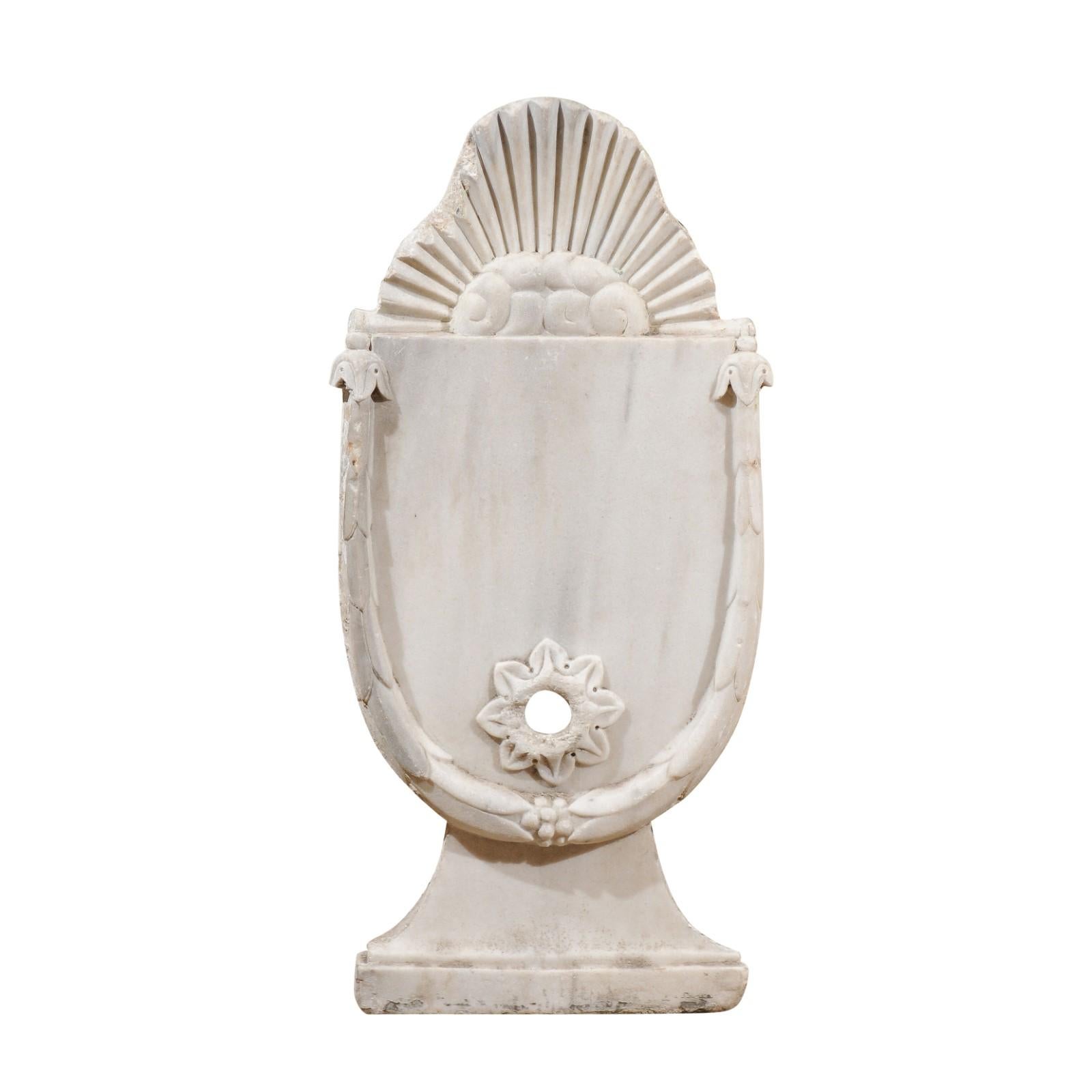
A beautifully carved white Carrara marble wall fountain head from 18th Century France with a fluted top, rounded body, with carved leaf border detai...
Category
Antique 18th Century French Fountains
Materials
Carrara Marble
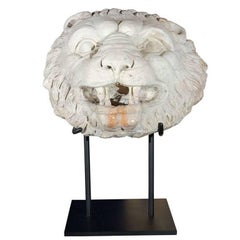
17th Century, Carrera Marble Lion Fountain Head
Located in Los Angeles, CA
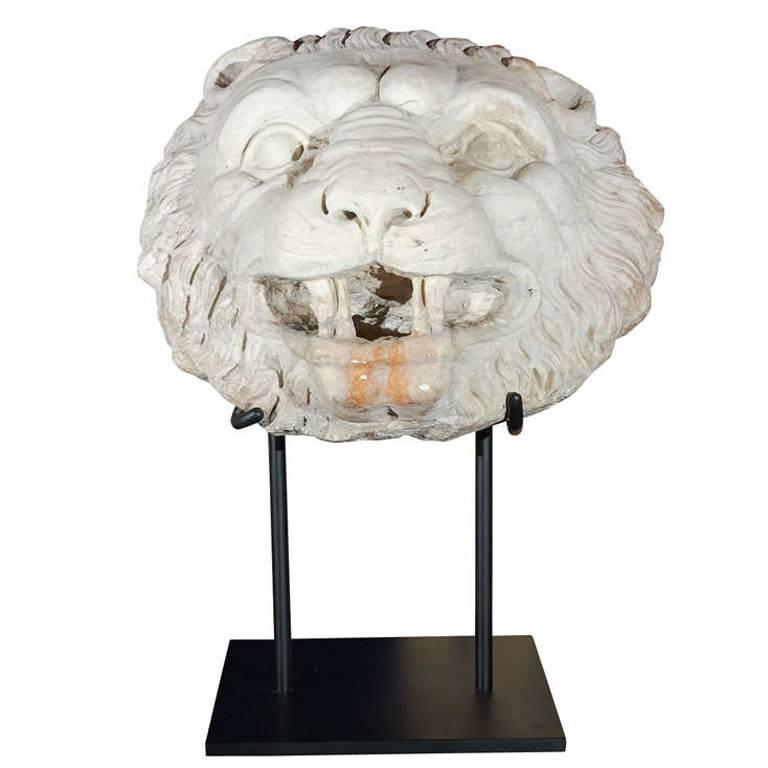
Stunning, solid white, Carrara marble lions head from a fountain in Florence featuring a flowing main and a fabulous patina. Mounted on a custom, iron base. The piece hails from the ...
Category
Antique Early 1600s Italian Sculptures
Materials
Marble