Items Similar to Set of Antique Cannonballs on Custom Stands, Wabi Sabi, Norway, c. 1800s
Want more images or videos?
Request additional images or videos from the seller
1 of 15
Set of Antique Cannonballs on Custom Stands, Wabi Sabi, Norway, c. 1800s
$1,487.27per set
£1,106.57per set
€1,250per set
CA$2,060.08per set
A$2,207.34per set
CHF 1,184.08per set
MX$26,146.28per set
NOK 14,936.57per set
SEK 13,664.65per set
DKK 9,524.41per set
About the Item
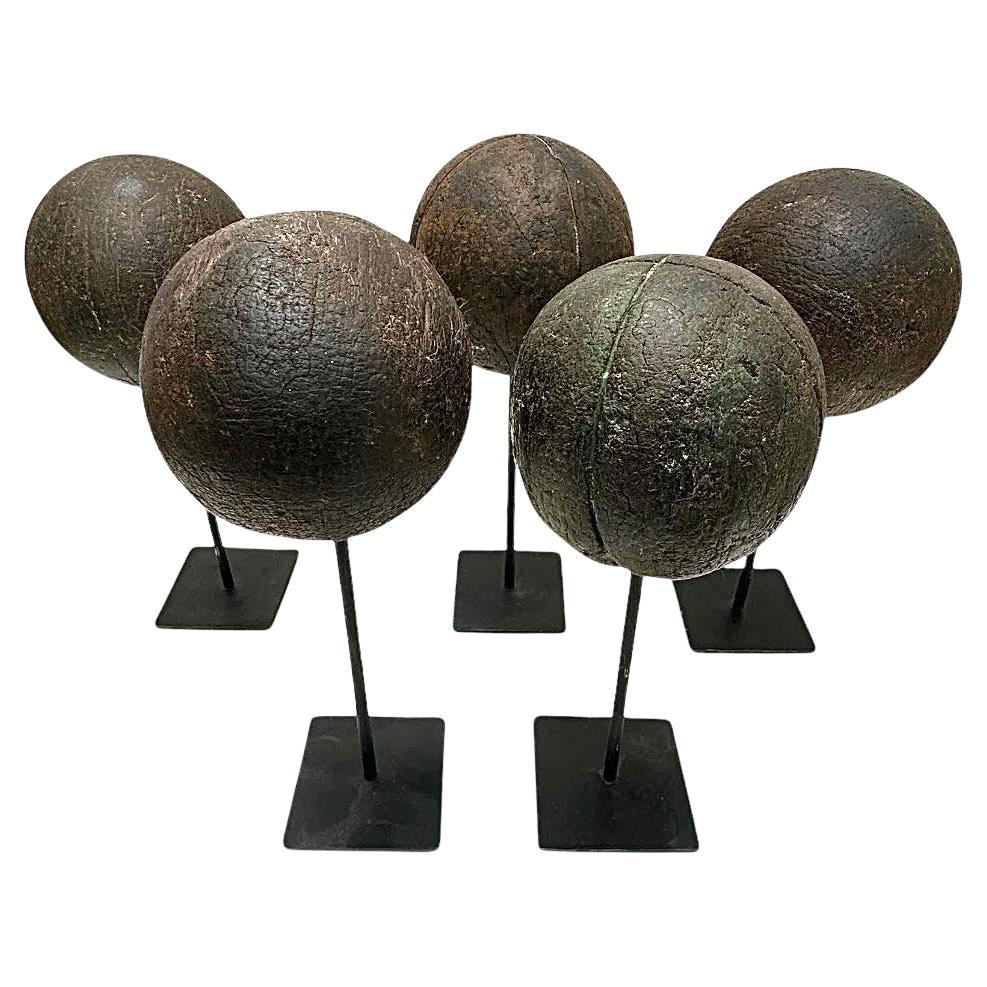
A set of antique iron cannonballs originating from an old Norwegian fortress, dating to the 1800s. Mounted on custom-made metal stands for display. Surface wear and patina consistent with age. Each piece varies in shape and texture with beautiful patina.
Measures, from shortest to tallest:
All bases: 6 × 6 cm
H: 18 cm × Ø: 5 cm
H: 22.5 cm × Ø: 6 cm
H: 26 cm × Ø: 8 cm
H: 28 cm × Ø: 5.5 cm
H: 31 cm × Ø: 6.5 cm
- Dimensions:Height: 12.21 in (31 cm)Width: 2.37 in (6 cm)Depth: 2.37 in (6 cm)
- Sold As:Set of 5
- Style:Romantic (Of the Period)
- Materials and Techniques:
- Place of Origin:
- Period:
- Date of Manufacture:c. 1800s
- Condition:Wear consistent with age and use.
- Seller Location:Hønefoss, NO
- Reference Number:1stDibs: LU7194247738302
About the Seller
5.0
Gold Seller
Premium sellers maintaining a 4.3+ rating and 24-hour response times
Established in 2020
1stDibs seller since 2022
72 sales on 1stDibs
Typical response time: 1 hour
- ShippingRetrieving quote...Shipping from: Hønefoss, Norway
- Return Policy
More From This Seller
View AllSet of 8 Brutalist Bar Stools, Europe, circa 1970s
Located in Hønefoss, 30
Set of 8 Brutalist-inspired bar stools in stained beech and steel, Europe, circa 1970s. The sculpted, saddle-shaped seats are carved with a gentle curvature that embraces the body, w...
Category
20th Century Belgian Brutalist Stools
Materials
Metal
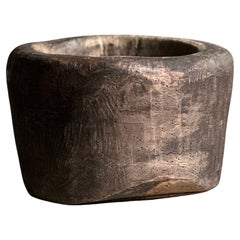
Antique Mortar, Wabi Sabi Style, Scandinavia 1800s
Located in Hønefoss, 30
Wooden Wabi Sabi Mortar from Scandinavia, circa 1800s. In good vintage condition showing beautiful patina from age and use.
Category
Antique 19th Century Swedish Romantic Scientific Instruments
Materials
Wood
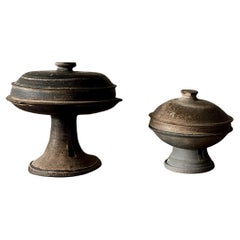
Set of 2 Pedestal Jars, Korea, Silla period (57 BCE – 935 CE)
Located in Hønefoss, 30
Pedestal Jars
Korea, Silla period (57 BCE – 935 CE).
Set of 2
Varied forms. “Kobae”-type jars with tall, flared pedestal bases and openwork decoration. Grey stoneware with traces of...
Category
Antique 15th Century and Earlier Korean Ceramics
Materials
Earthenware
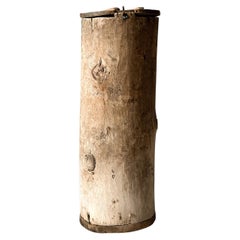
Antique Wooden Planter, Wabi Sabi Style, Scandinavia 1800s
Located in Hønefoss, 30
Antique Wooden Wabi Sabi Planter from Scandinavia, circa 1800s. This beautiful piece makes a perfect planter for bigger plants or tree or just a deco...
Category
Antique 19th Century Norwegian Romantic Planters and Jardinieres
Materials
Wood
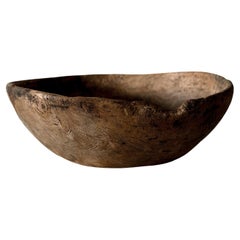
Antique Root Bowl, Wabi Sabi Style, Scandinavia 1800s
Located in Hønefoss, 30
A unique and large root bowl from Norway, Scandinavia, dated 1818. In good vintage condition showing beautiful patina from age and use.
Category
Antique 19th Century Norwegian Romantic Scientific Instruments
Materials
Wood
Antique Wabi Sabi Wooden Root Bowl, Scandinavia c. 1800s
Located in Hønefoss, 30
A wonderful antique wabi sabi wooden root bowl with beautiful patina from age and use.
Category
Antique Mid-19th Century Norwegian Romantic Antiquities
Materials
Wood
You May Also Like
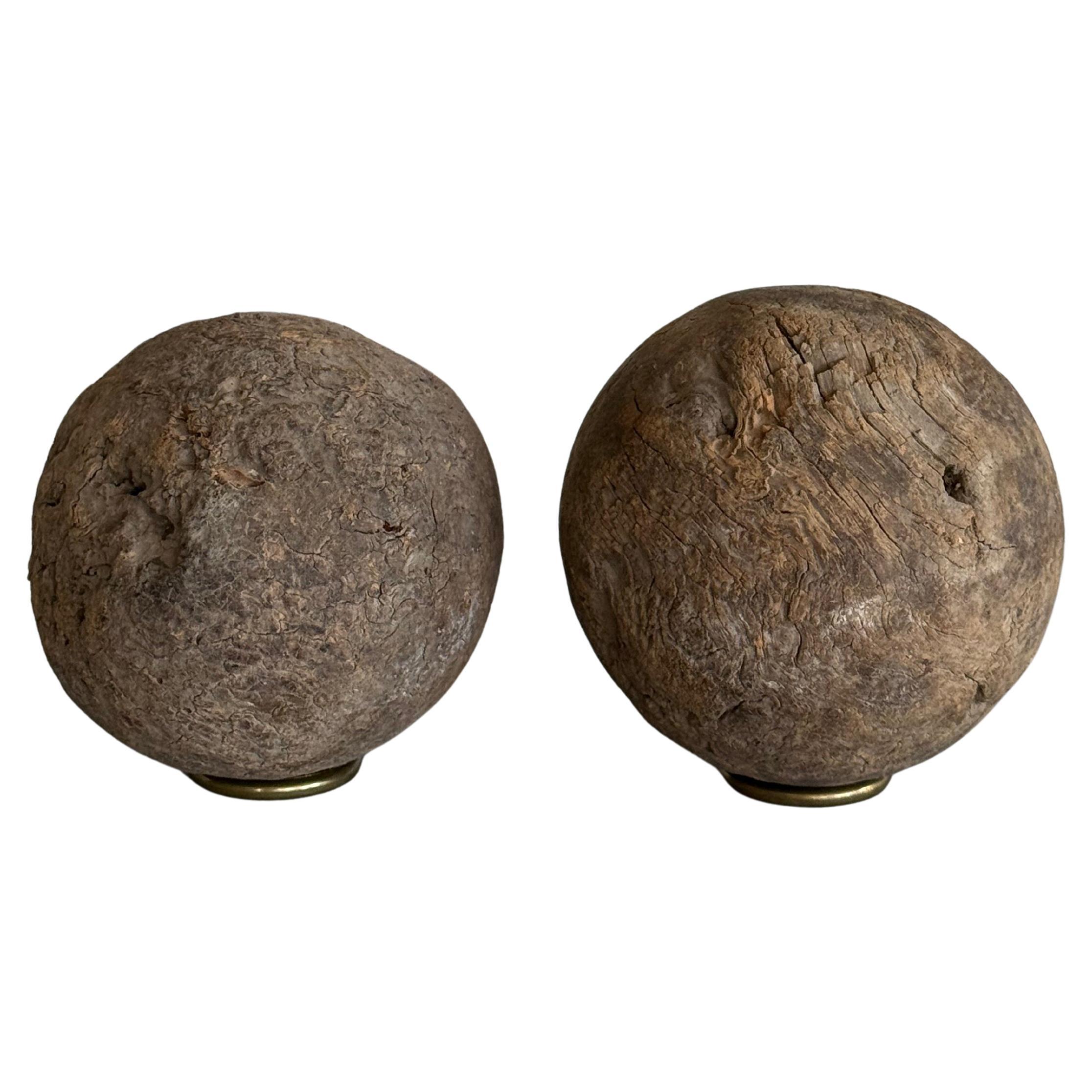
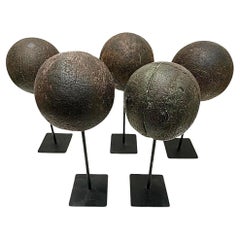
Antique Wooden Bocce Ball Collection Mounted
By Mark Indursky
Located in Stamford, CT
A collection of 5 antique wooden Bocce balls all mounted on custom made steel stands. Dense heavy wood. Beautiful untouched surfaces. Very organic and primitive looking. The Balls th...
Category
Antique Early 1900s Italian Folk Art Mounted Objects
Materials
Wood, Hardwood
$950 / item
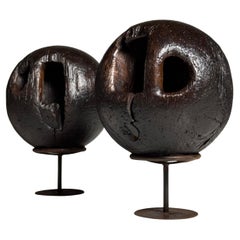
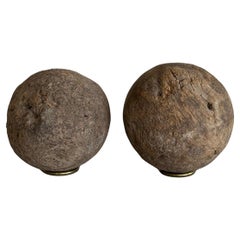
Set of 18th century bowling balls on wooden stand
Located in MILL, NL
Set of 2 beautiful solid hardwood original Bowling balls made of wood. Originated in Southern Europe, 18th century. Traces of woodworm, but not active. Beautiful color. On stand.
Category
Antique 18th Century European Sports Equipment and Memorabilia
Materials
Hardwood
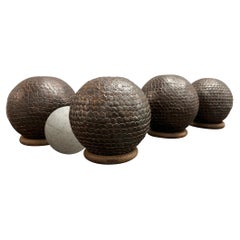
Set of 19th Century French Pétanque Boules
Located in Chicago, IL
A playful set of 19th century French pétanque boules, comprised of four iron studded balls and one marble cochonnet (jack). The set can be used in pla...
Category
Antique 19th Century French Rustic Mounted Objects
Materials
Marble, Iron
$1,650 / set
Set 18th Century Wooden Sculpted Balls
Located in Nijlen, BE
Playing balls from the 18th century in France.
Although the most famous variant, pétanque, only emerged in the early 20th century, a precursor already had a long history. The game w...
Category
Antique 18th Century French Folk Art Antiquities
Materials
Oak
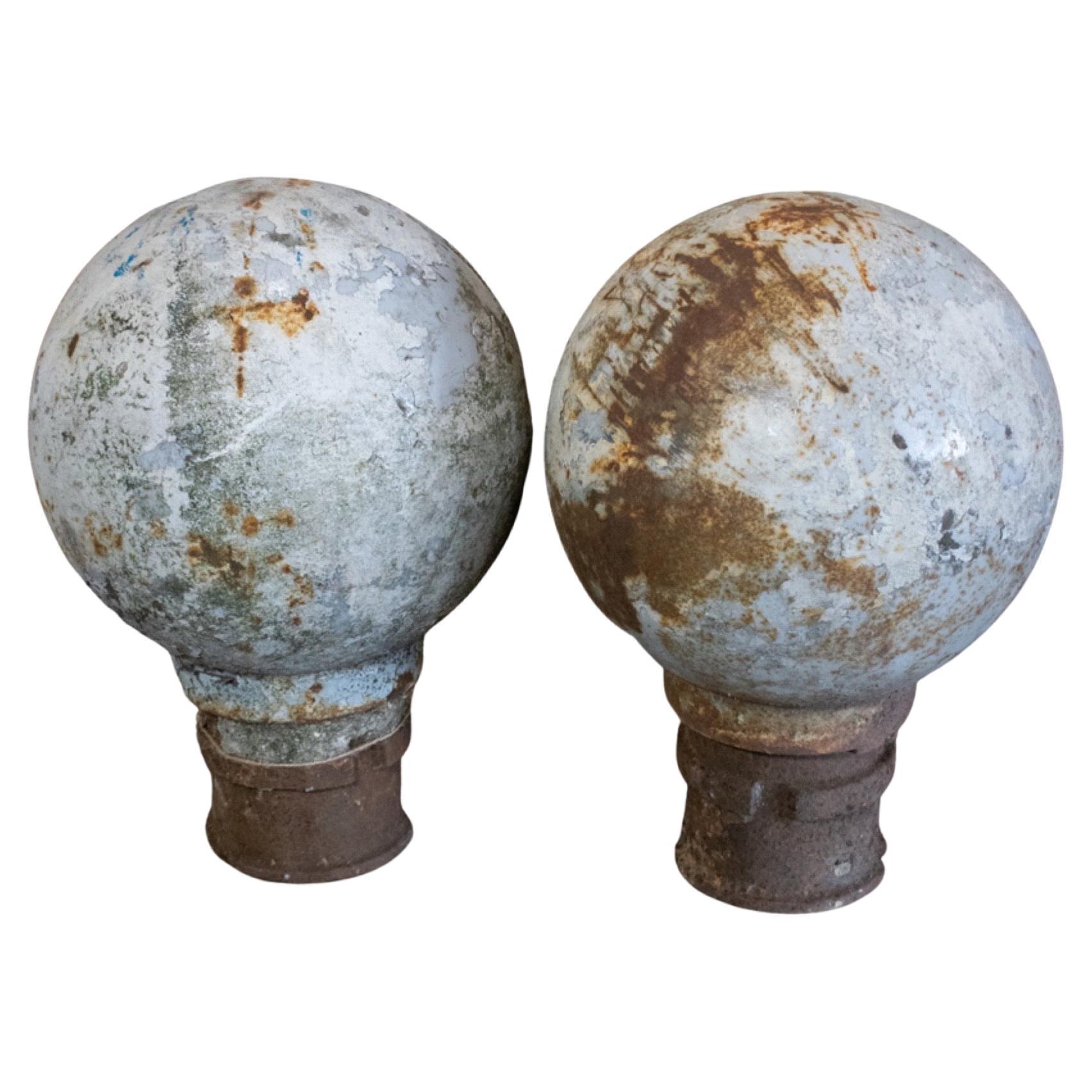
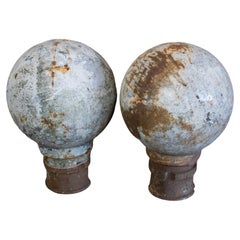
French Iron Ball Finials
Located in Dallas, TX
Pair of rustic round ball finials. Originates from France. Circa, 1880's. Sold as a set of two.
Category
Antique Mid-18th Century Architectural Elements
Materials
Iron
$3,640 / set
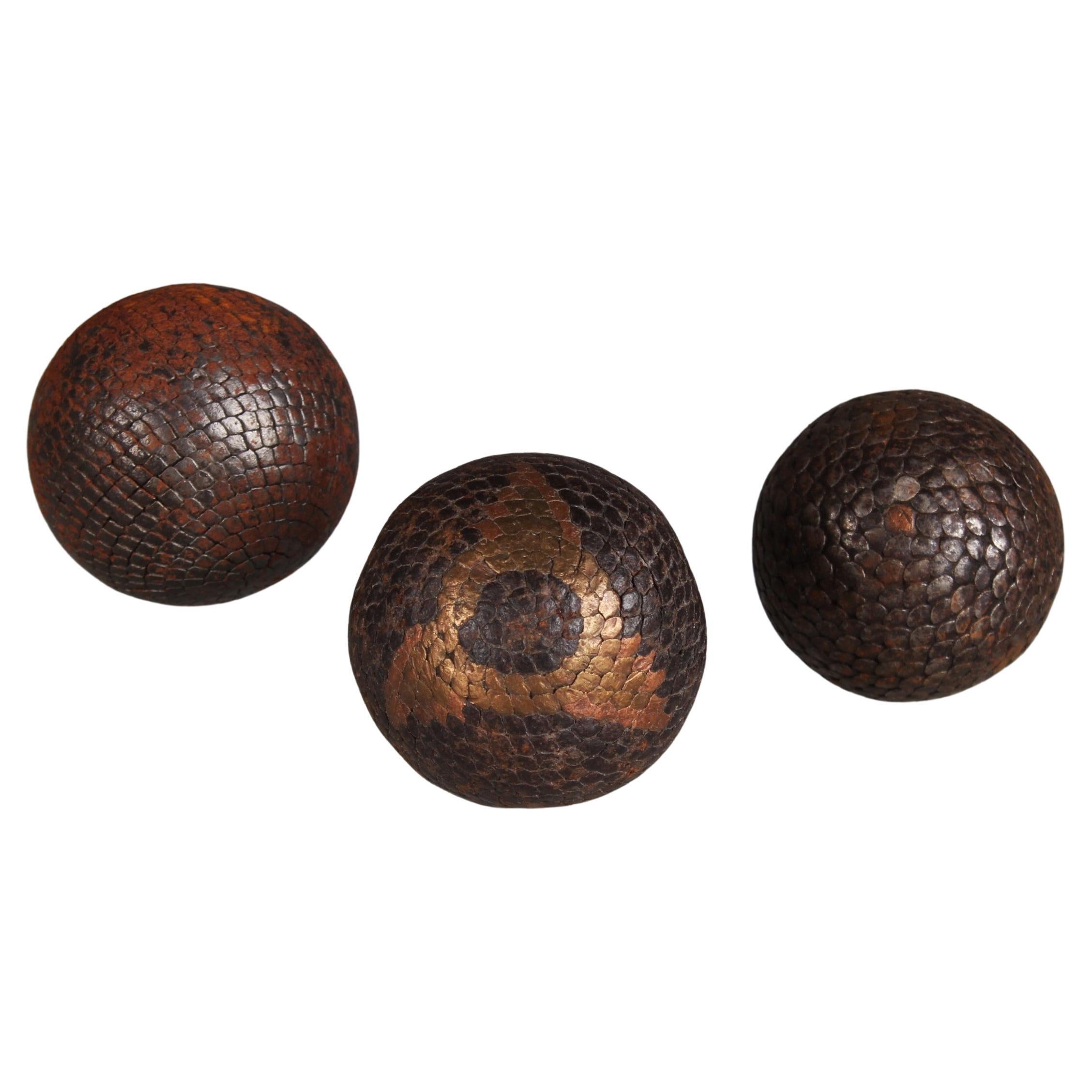
Antique Boule Balls Set "B", Pétanque, 1880s, France, Craftsmanship
Located in Greven, DE
Beautiful, unique Boule set of three Boule balls, France, late 19th Century.
In the 19th century, the manufacture of boules balls underwent significant development in France as the game of boules, particularly the pétanque variant, gained in popularity. The manufacture of boules balls during this period was a manual process that required expertise, precision and love to detail.
In the late 19th and early 20th centuries, particularly in rural areas of France and other Mediterranean regions, olive wood was a commonly used source of material for making boules balls. This was not only due to the availability of the material, but also to the outstanding properties of olive wood, which was characterized by hardness, strength and a rich grain.
First, the olive wood was carefully selected and shaped into raw balls, which were then sanded to the desired size and shape. The nails were then hammered into the balls one by one, making sure that they were evenly distributed and firmly anchored. Finally, the spheres were polished and coated with a protective varnish to enhance their natural beauty and protect them from the elements.
The use of nails to decorate and reinforce olive wood boules was a traditional practice that not only gave the ball a rustic aesthetic, but also improved its durability and contributed to customization. Many balls were made according to the specific requirements and preferences of the players. Nails were driven at regular intervals around the ball, with each nail hole precisely placed so as not to affect the balance and weight distribution of the ball. These nails not only served as a decorative element, but also helped to strengthen the structure of the ball and make it more resistant to the hard knocks and wear and tear during play. Individual engravings or decorations were often applied to the balls to make them unique and identify the player.
Antique boules...
Category
Antique Late 19th Century French Late Victorian Antiquities
Materials
Olive