Items Similar to Double botanical model of the flower of the Field Maple Robert Brendel late 19th century
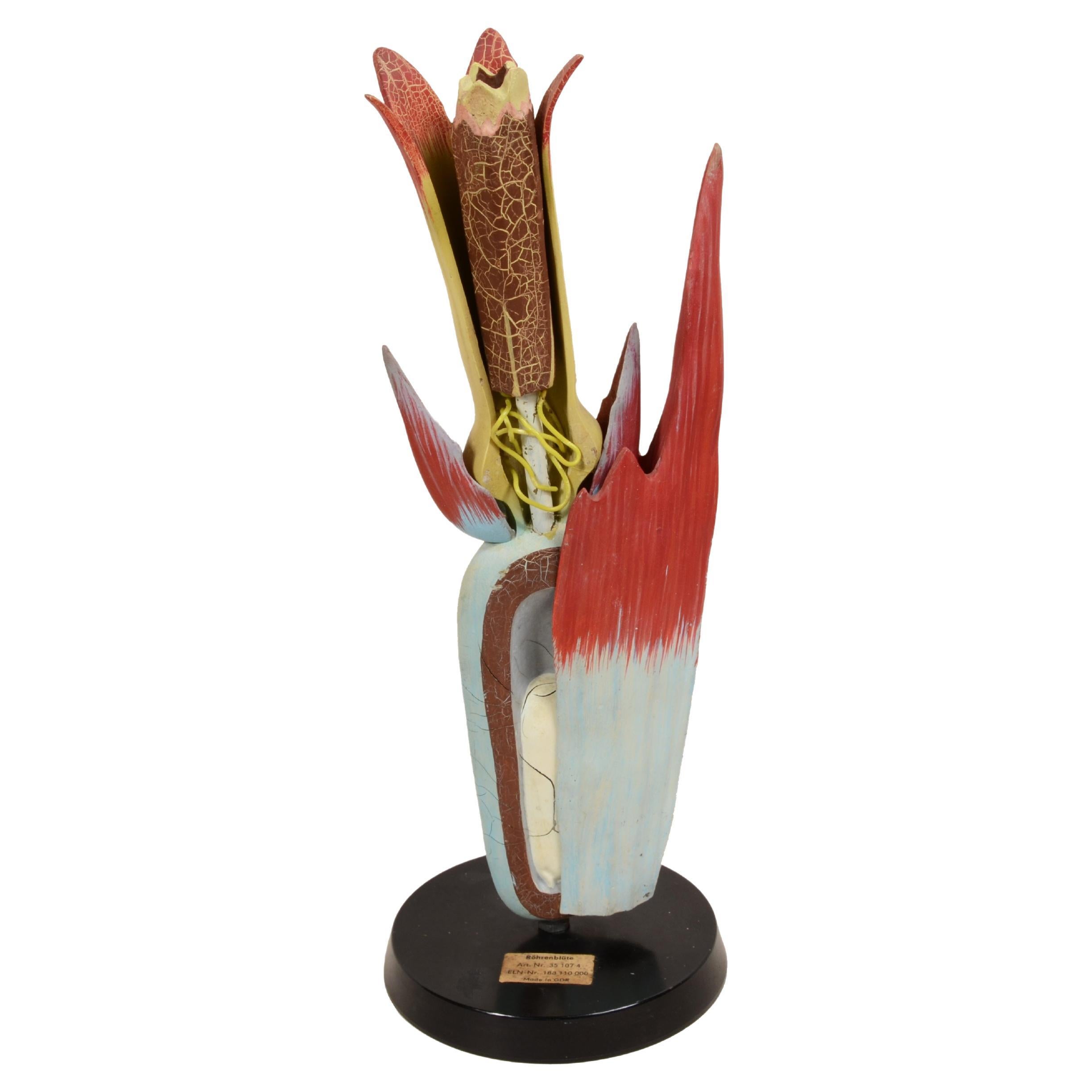
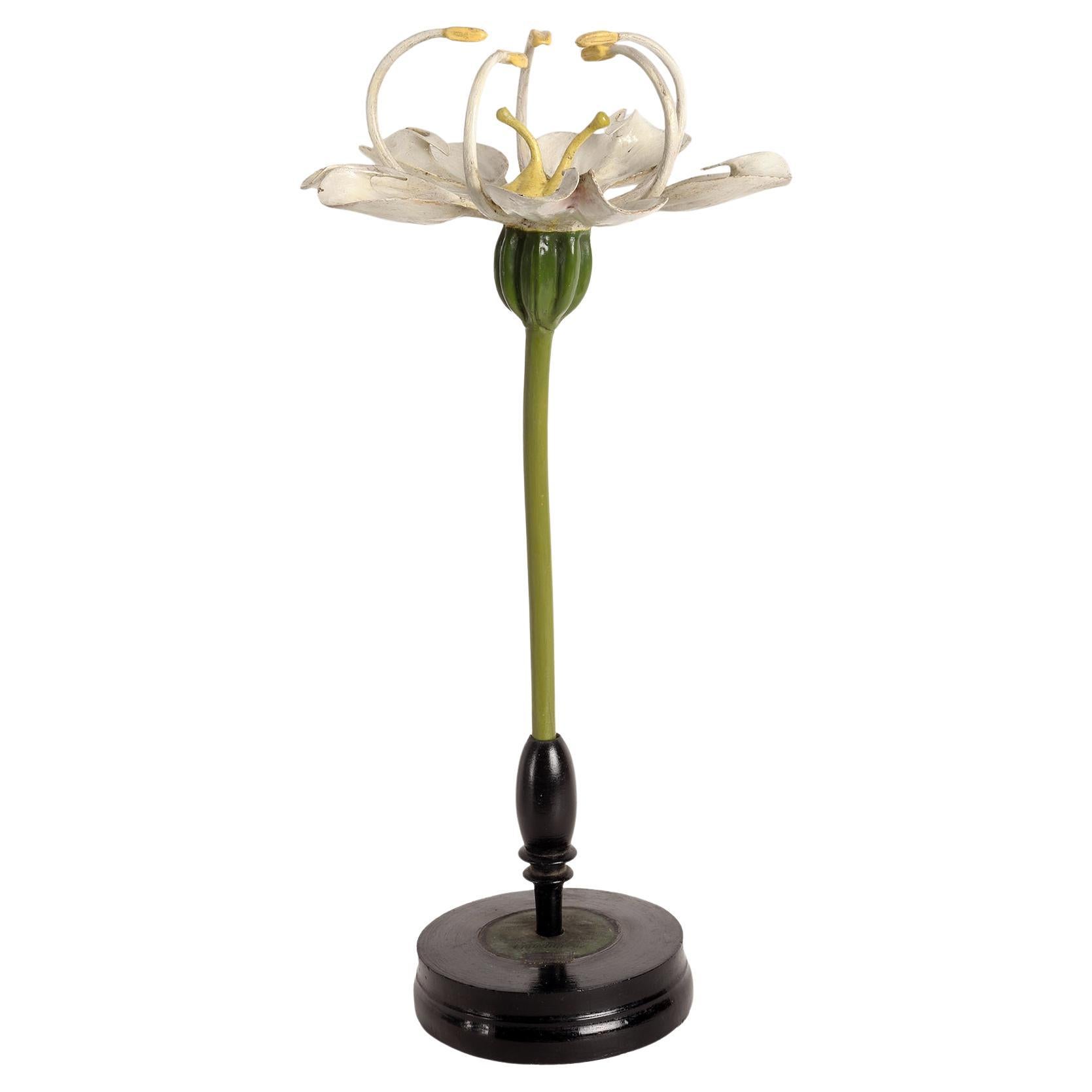
Want more images or videos?
Request additional images or videos from the seller
1 of 20
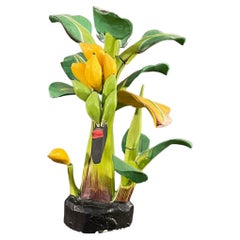
Double botanical model of the flower of the Field Maple Robert Brendel late 19th century
$6,352.05
£4,706.26
€5,300
CA$8,759.44
A$9,273.96
CHF 5,018.80
MX$110,840.87
NOK 62,558.74
SEK 57,207.75
DKK 40,375.88
About the Item
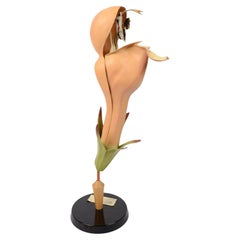
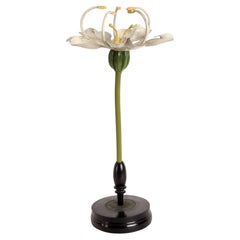
Double botanical model of the flower of the Field Maple made in Germany around the end of the 19th century by Robert Brendel (1821-1898). The flower is made of wood and papier mache and each one breaks down into 3 sections and is mounted on a round base in ebonized wood with a label in the center describing its characteristics.
Good condition crack on a leaf
Measurements Height cm 45 -17.8 inches, flower diameter cm 25 -9.8 inches.
Field Maple also called Loppio, Chioppo, Testuccio, etc...A plant with low, bushy foliage, it can reach 2 to 30 meters in height. The stem can often be branched in the lower-middle part.
It is a polygamous plant with unisexual and hermaphroditic flowers; there are about 150 species of Maple trees widespread in Europe, Asia and North America.
In autumn in both forests and botanical gardens, the leaf coloration of Maple trees take on the eye-catching colors of autumn foliage becoming a destination for tourism, especially in the United States and Japan
Slow-growing plant used as a hedge as it resists animal grazing very well and is an excellent aid for integrated biological control, as well as having a high capacity to absorb carbon dioxide and particulate matter.
The reddish-colored wood is very durable and is used for tool handles and violin handles, in this regard the first person to use a maple bridge to hold violin strings was Antonio Stradivari.
In earlier times maple was believed to have magical powers against witches and bad luck.
The Robert Brendel
Sons manufactory was founded in Breslau by Robert Brendel in 1866 with the production of botanical models of flowers, fruits and plants designed for teaching botany, creating a perfect fusion of science and art.
The need to create paper mache plant models had arisen from the difficulty of finding fresh material.
The activity began with the production of models of medicinal plants, then at the suggestion of the director of the Institute of Plant Physiology at the University of Wroclaw, the first such institute in the world, Robert Brendel extended production to include models of botany and plant anatomy more generally.
The production technique started from the development of casts on which with the prevalent use of papier-mâché, the model maker shaped the models.
The specimens produced were tempera-colored and polished with wax lacquer, each prototype was assembled to be supported by a rattan stand and then inserted into a round wooden base, which in the oldest models was painted black, while the bases inherent in the production since the early 1900s was of light wood. A label was pasted on the base with the name in Latin and the vernacular name and in various languages, as well as the serial number, scale and other details.
This teaching potential was adopted by many educational institutions, resulting in significant improvements in both the teaching and study of botany, compared with earlier methods that were based on drawings or prints, or with the practice of dissecting real plants, with the resulting difficulty regarding rapid decomposition.
Being able to have three-dimensional enlarged models, faithful reproductions of real ones helped greatly in the study of plant anatomy, over time Brendel began to develop paper mache models that could be disassembled, the use of hooks and small hinges allowed for dissection and disassembly of the pieces significantly increasing the importance of teaching.
By the end of the 19th century, the Brendel Manufacture was famous and recognized worldwide, models were displayed and awarded in various world exhibitions, both in Europe and overseas, the catalog included more than 300 different models.
It is likely that the final closure of the business originated with the passing of the racial laws during the Third Reich, as the Brendel family was of Jewish descent.
- Dimensions:Height: 17.8 in (45.22 cm)Diameter: 9.8 in (24.9 cm)
- Materials and Techniques:
- Period:
- Date of Manufacture:1890
- Condition:Wear consistent with age and use.
- Seller Location:Milan, IT
- Reference Number:1stDibs: LU1020245549982
About the Seller
5.0
Gold Seller
Premium sellers maintaining a 4.3+ rating and 24-hour response times
Established in 1999
1stDibs seller since 2014
405 sales on 1stDibs
Typical response time: 7 hours
- ShippingRetrieving quote...Shipping from: Milan, Italy
- Return Policy
More From This Seller
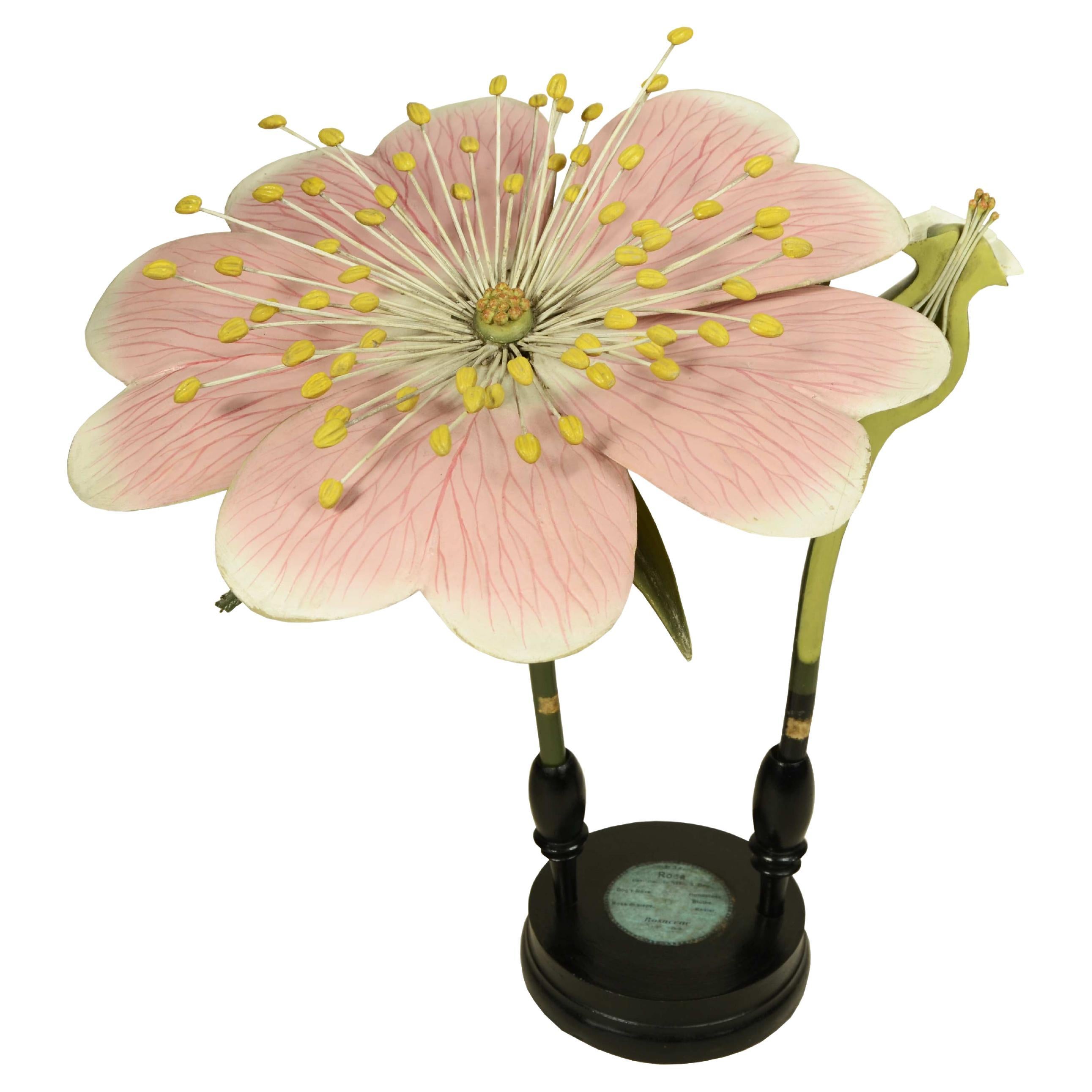
View AllDouble botanical model of the Rosa Canina flower Robert Brendel late 19th century.
Located in Milan, IT
Double botanical model of the Rosa Canina flower made around the end of the 19th century by Robert Brendel (1821-1898). The flower is made of wood and papier mache and each one break...
Category
Antique Late 19th Century Natural Specimens
Materials
Wood
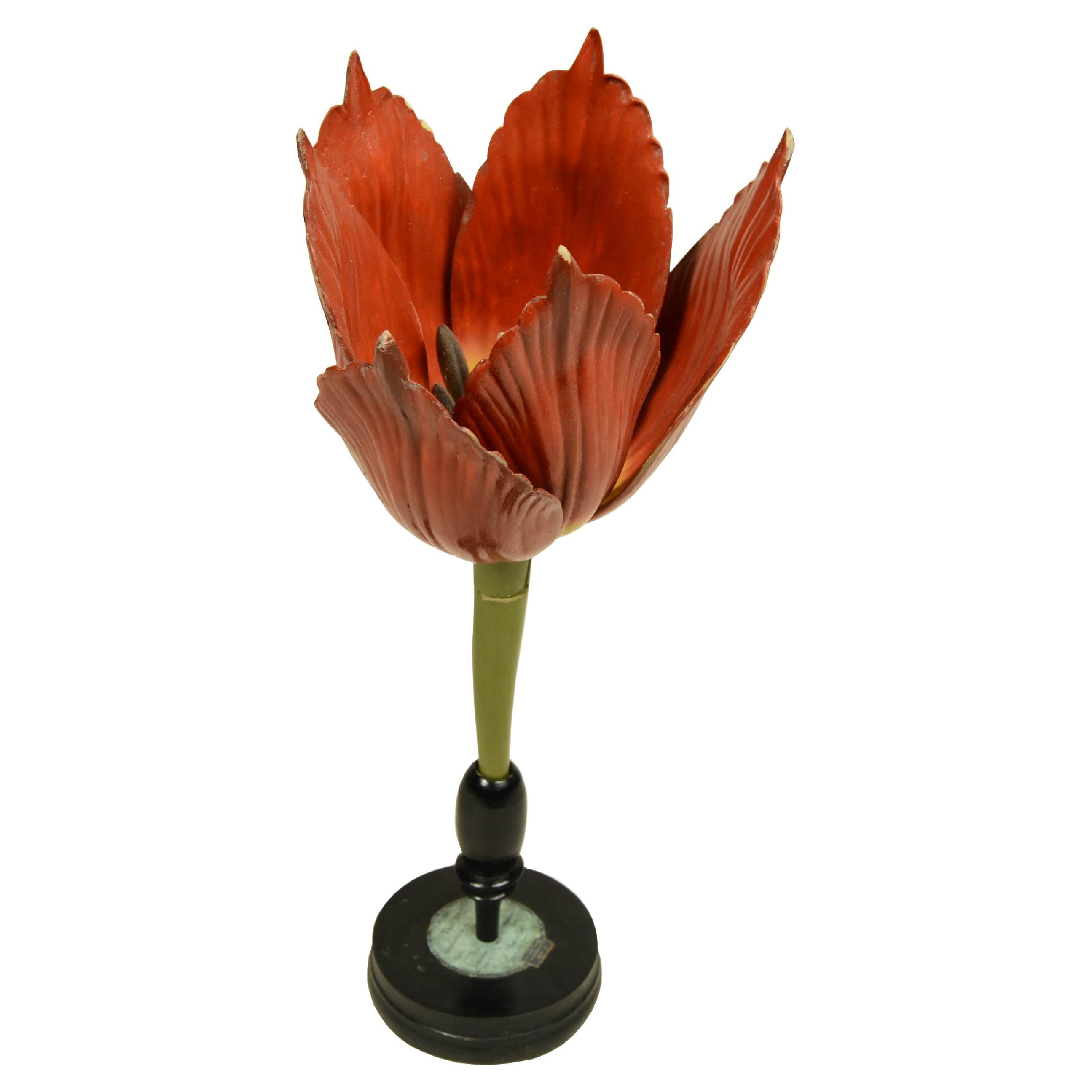
Original botanical model of the Tulip flower Robert Brendel late 19th century
Located in Milan, IT
Original Brendel botanical model of the Tulip flower made in Germany around the end of the 19th century by Robert Brendel (1821-1898). The flower is made of wood and papier mache and...
Category
Antique Late 19th Century Natural Specimens
Materials
Wood
Educational botanical cross-sectional model of the inner part of sunflower flower
Located in Milan, IT
Educational botanical model in section of the sunflower flower showing its inner part, this is an enlarged and decomposable inner tubular corolla of a concrescent petal section in th...
Category
Vintage 1950s Taxidermy
Materials
Bakelite
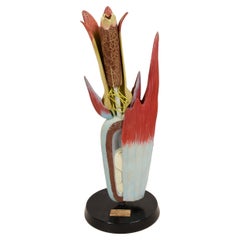
1930s Germany Botanical Model of the Lamium Purpureum Flower
Located in Milan, IT
Educational model of the Lamium purpureum L. (false purple nettle) flower made of painted papier mâché with a Bakelite base from the 1930s, German ma...
Category
Vintage 1930s German Scientific Instruments
Materials
Parchment Paper
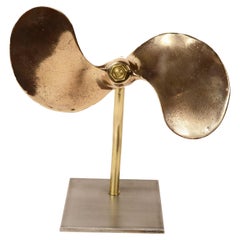
Small propeller bronze bipalas, British manufacture of the 1930s
Located in Milan, IT
Small propeller bronze bipala, British manufacture of the 1930s.
Width 19 cm - 7.5 inch, height 8.5 cm - 3.4 inch, depth 4.5 cm - 1.8 inch. The propeller is mounted on a custom-mad...
Category
Vintage 1930s Nautical Objects
Materials
Bronze
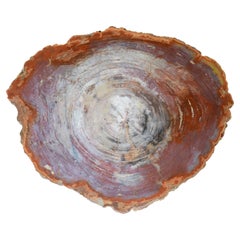
Slice of wood from Arizona
s Petrified Forest and dating back to the Triassic period
Located in Milan, IT
Slice of wood from Arizona's Petrified Forest dating back to the Triassic period. It is a trunk slice complete with bark of the conifer Araucarioxylon Arizonicum an extinct species a...
Category
Vintage 1960s Natural Specimens
Materials
Wood
You May Also Like
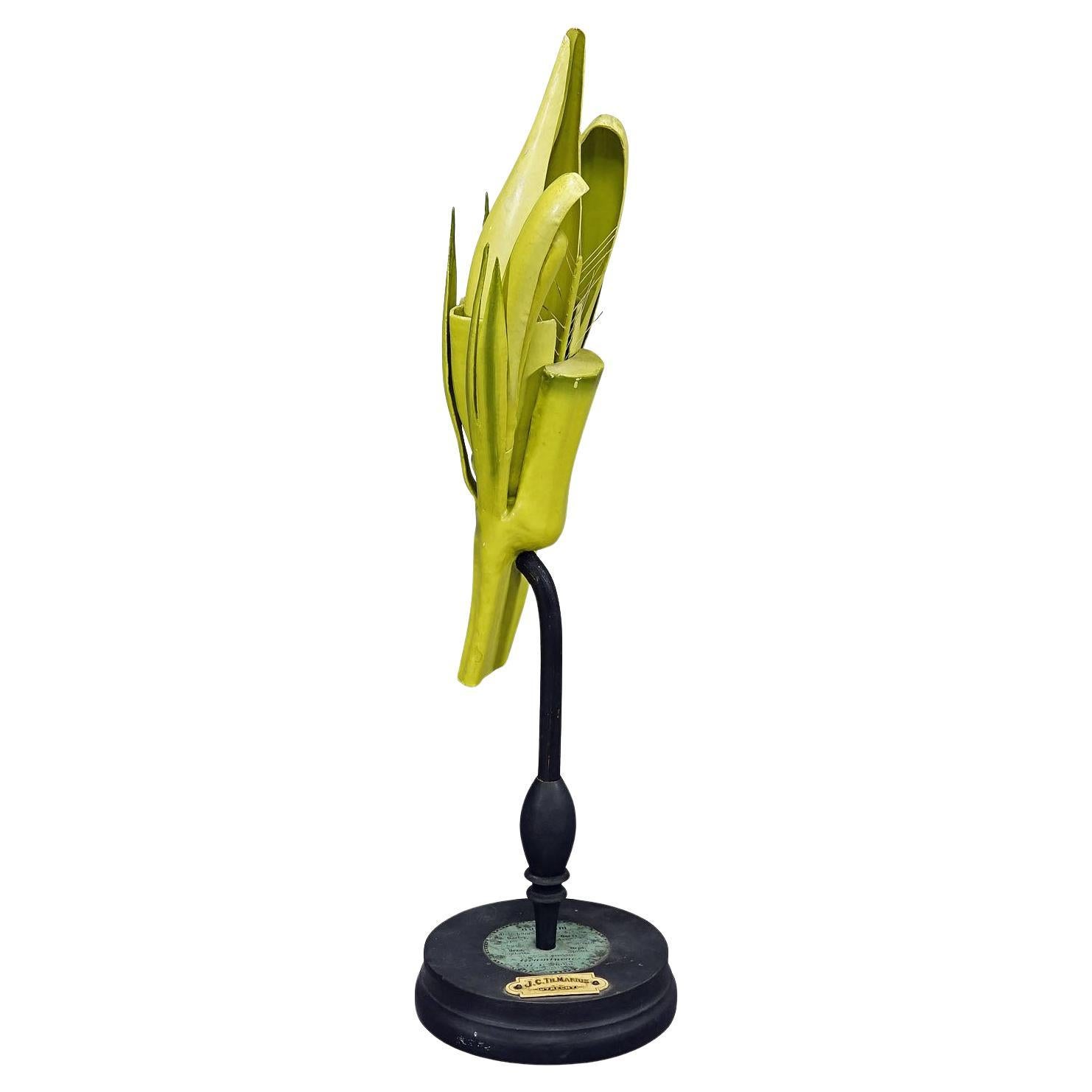
19th Century Botanic Model by Robert Brendel - Barley
By Robert Brendel
Located in Berghuelen, DE
19th Century Botanic Model by Robert Brendel - Barley
A rare antique botanical model manufactured by the famous Robert Brendel manufactory for botanicals models around 1900. Highly ...
Category
Early 20th Century German Mid-Century Modern Natural Specimens
Materials
Plaster, Wood, Paper

Robert Brendel
s Botanical Model, 19th Century
By Robert Brendel
Located in New York, NY
A Botanical model by Robert Brendel, famous German botanist, 19th century.
As detailed by the University of Aberdeen Zoology Museum, "In the late 19th century Botanist and model-mak...
Category
Antique 1890s German Other Models and Miniatures
Materials
Wood, Lacquer
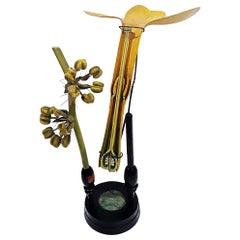
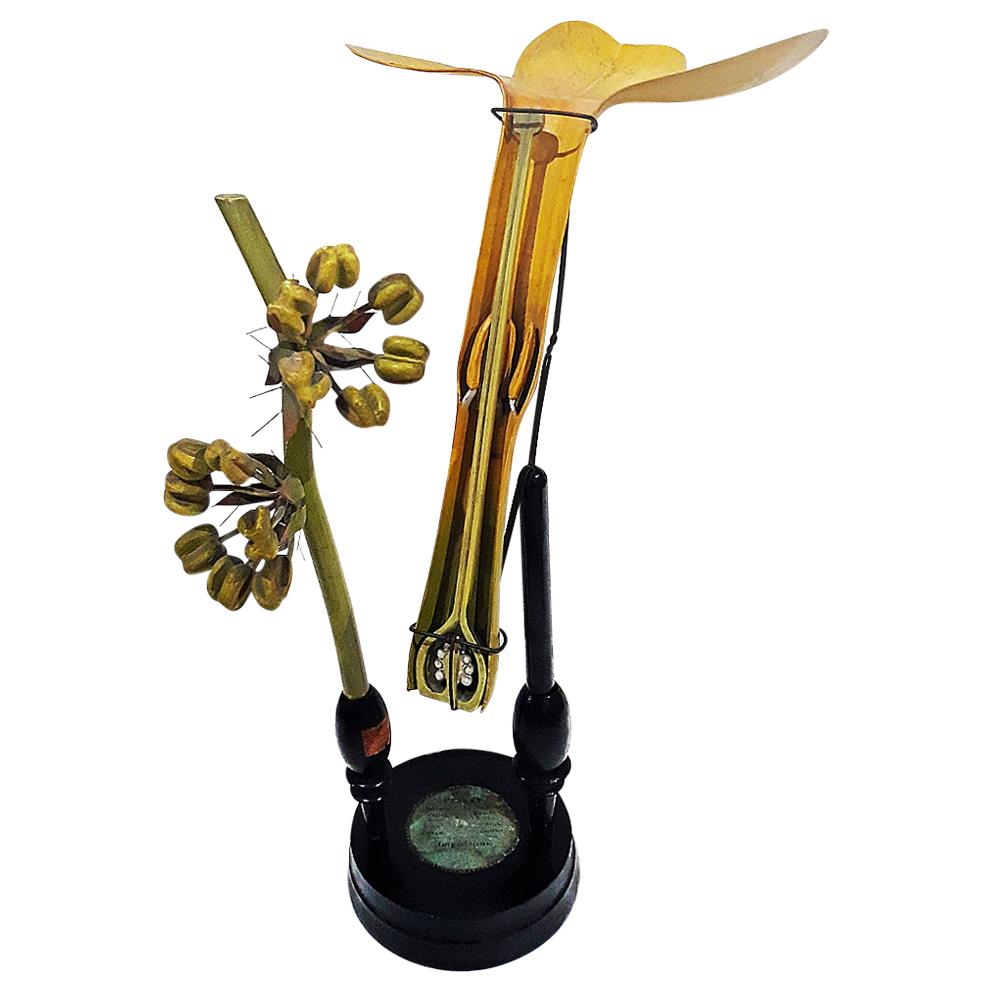
A botanic model Brendel, Germany 1900.
Located in Milan, IT
A rare botanical model of the Brendel, Conium maculatum N.60 (Umbelliferae). The round base in ebonized wood holds the botanical model which reveals the flower of the Hemlock. Brende...
Category
Early 20th Century German Scientific Instruments
Materials
Wood
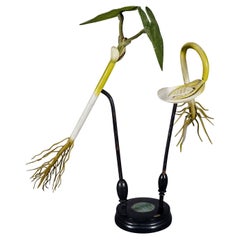
19th Century Botanic Model by Robert Brendel - Bean Seedling
By Robert Brendel
Located in Berghuelen, DE
19th Century Botanic Model by Robert Brendel - Bean Seedling
A rare antique botanical model manufactured by the famous Robert Brendel manufactory for botanicals models around 1900. ...
Category
Early 20th Century German Mid-Century Modern Natural Specimens
Materials
Plaster, Wood, Paper
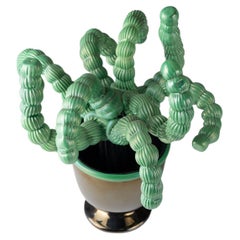
Napoleone Martinuzzi, a
Pianta Grassa
sculpture
Located in Zurich, CH
Napoleone Martinuzzi (1892-1977), a 'Pianta Grassa' sculpture, ca. 1925-1931
executed by Venini & C., Murano, Italy
21 cm (height)
signed with two-line acid stamp
very good conditio...
Category
Vintage 1930s Italian Natural Specimens
Materials
Murano Glass
$11,026 Sale Price
20% Off
Italian Modern Wooden Botanic Model
By Robert Brendel
Located in Roma, IT
A botanic didactical specimen in the manner of the famous German botanist Robert Brendel.
"In the late 19th century Robert Brendel and his son Reinhold produced beautiful and accur...
Category
Mid-20th Century Italian Mid-Century Modern Natural Specimens
Materials
Wood
More Ways To Browse
Elephant Bird Egg
Green River Stone
Jaguar Pelt
Large Iridescent Ammonite
Martian Meteorites
Octopus Fossil
Russian Hardstone Flower Study
Sea Whip Coral
Seahorse Candleholder
Skull Pedestal
Taxidermy Anteater
Tole Orange Tree
Tortoise Carapace
Triceratops Skull
Warthog Skull
Whale Bone Sculpture
Agate Specimen Box
Antique Butterfly Dome