Items Similar to Japanese antique Shigaraki ware vase / 13th century / Wabi-sabi flower vase
Video Loading
Want more images or videos?
Request additional images or videos from the seller
1 of 22
Japanese antique Shigaraki ware vase / 13th century / Wabi-sabi flower vase
$3,000
£2,279.26
€2,619.35
CA$4,213.87
A$4,586.69
CHF 2,430.32
MX$55,161.88
NOK 30,900.93
SEK 28,317.28
DKK 19,566.37
About the Item
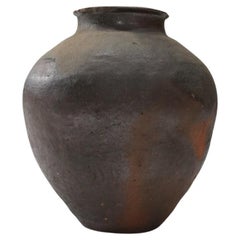
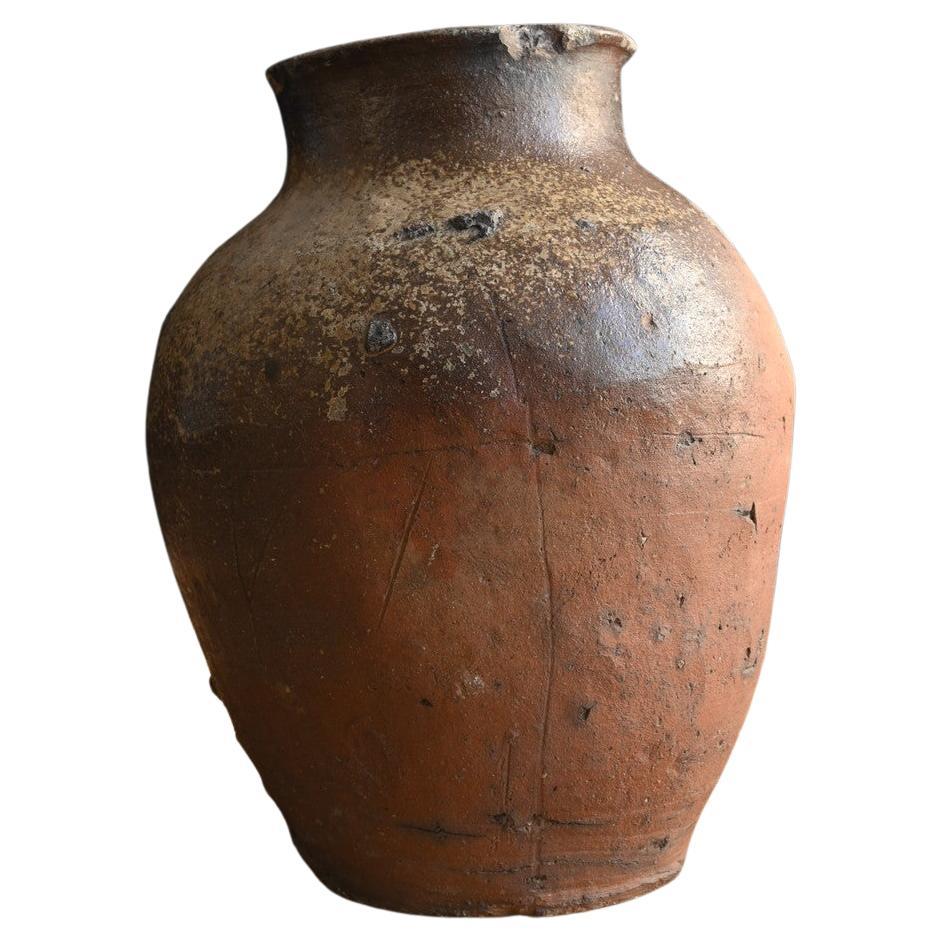
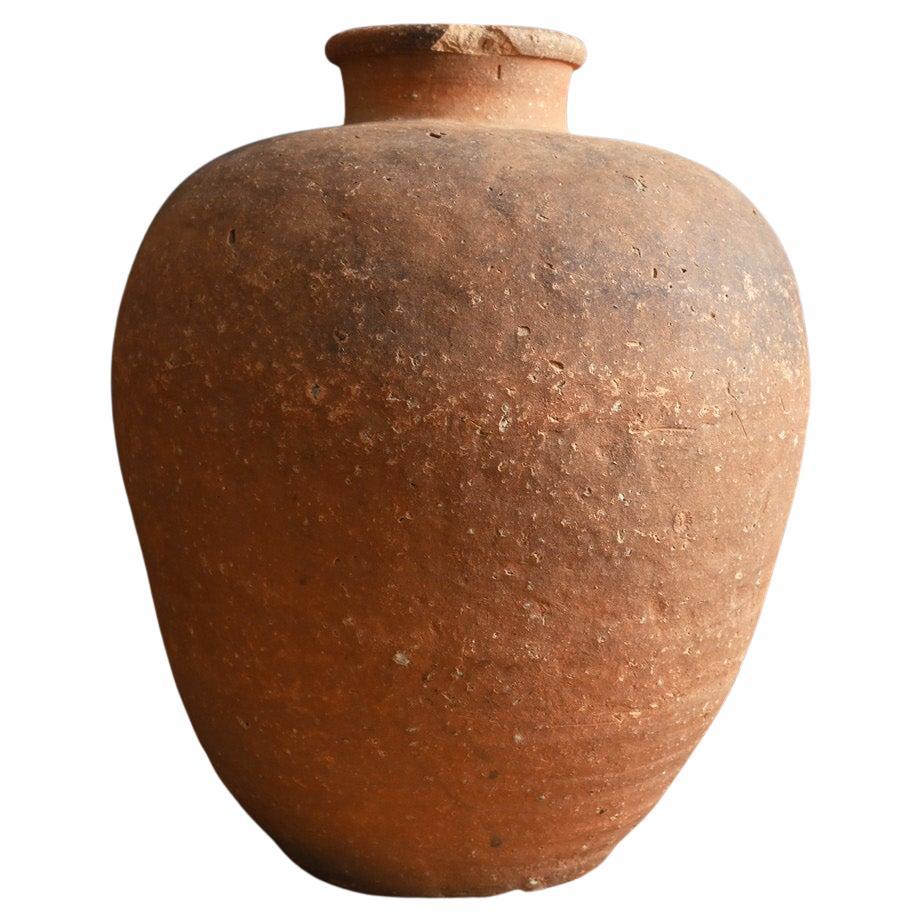
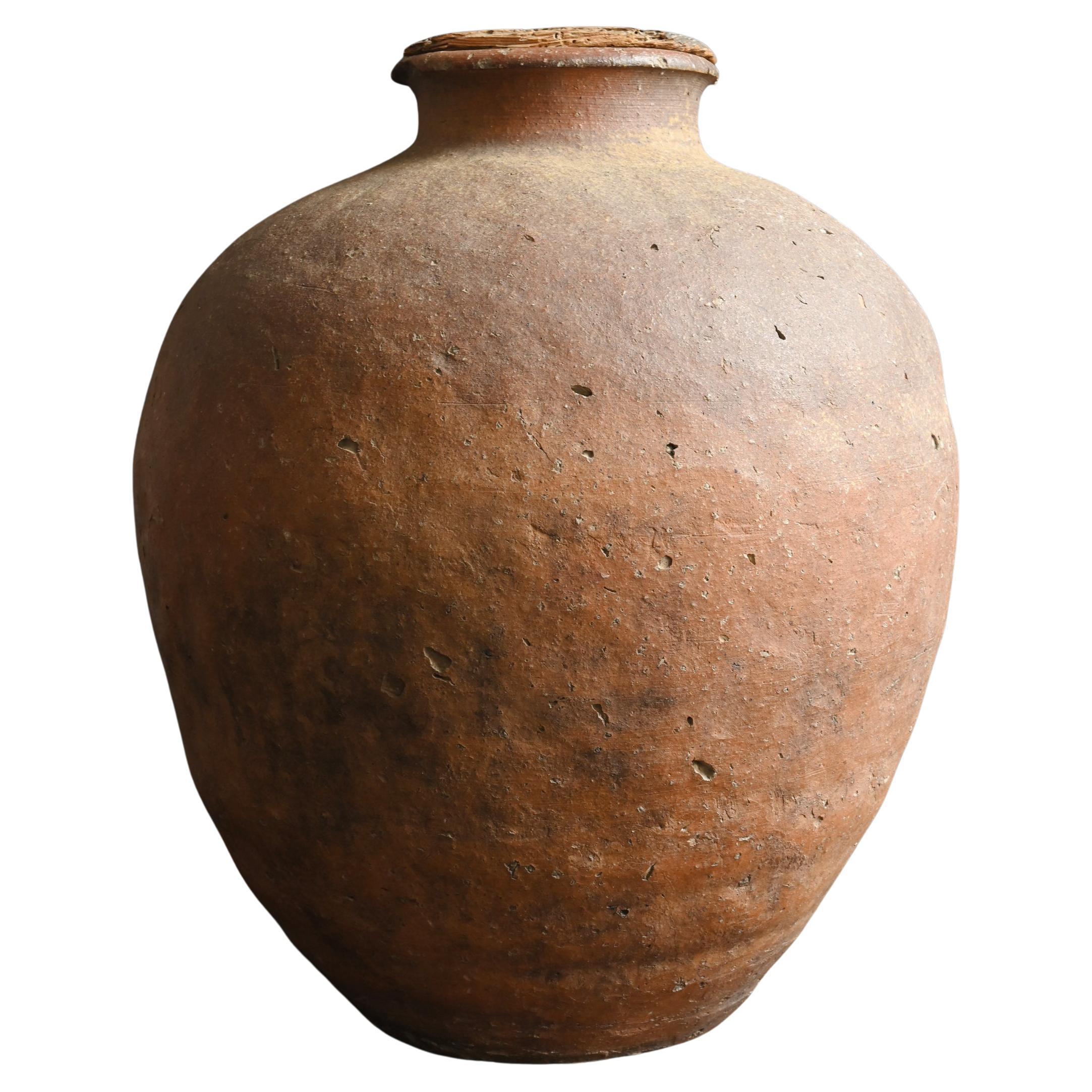
This Echizen ware jar was produced during the Kamakura period, around the 13th century. Even among the few remaining examples of medieval Echizen ware, this is an especially valuable piece, featured in the widely renowned "Echizen Ware Masterpieces Catalog." It appears to have been carefully preserved by a collector for a long time and only recently surfaced on the market.
Echizen ware is a type of pottery produced in the Nyu District area of Fukui Prefecture, one of Japan's Six Ancient Kilns. Its history began in the late Heian period and rapidly developed through the Kamakura and Muromachi periods. Echizen clay is rich in iron, and high-temperature firing results in a robust, rough-textured finish. Medieval Echizen ware was highly valued as everyday household items, and its beauty continues to be highly valued today.
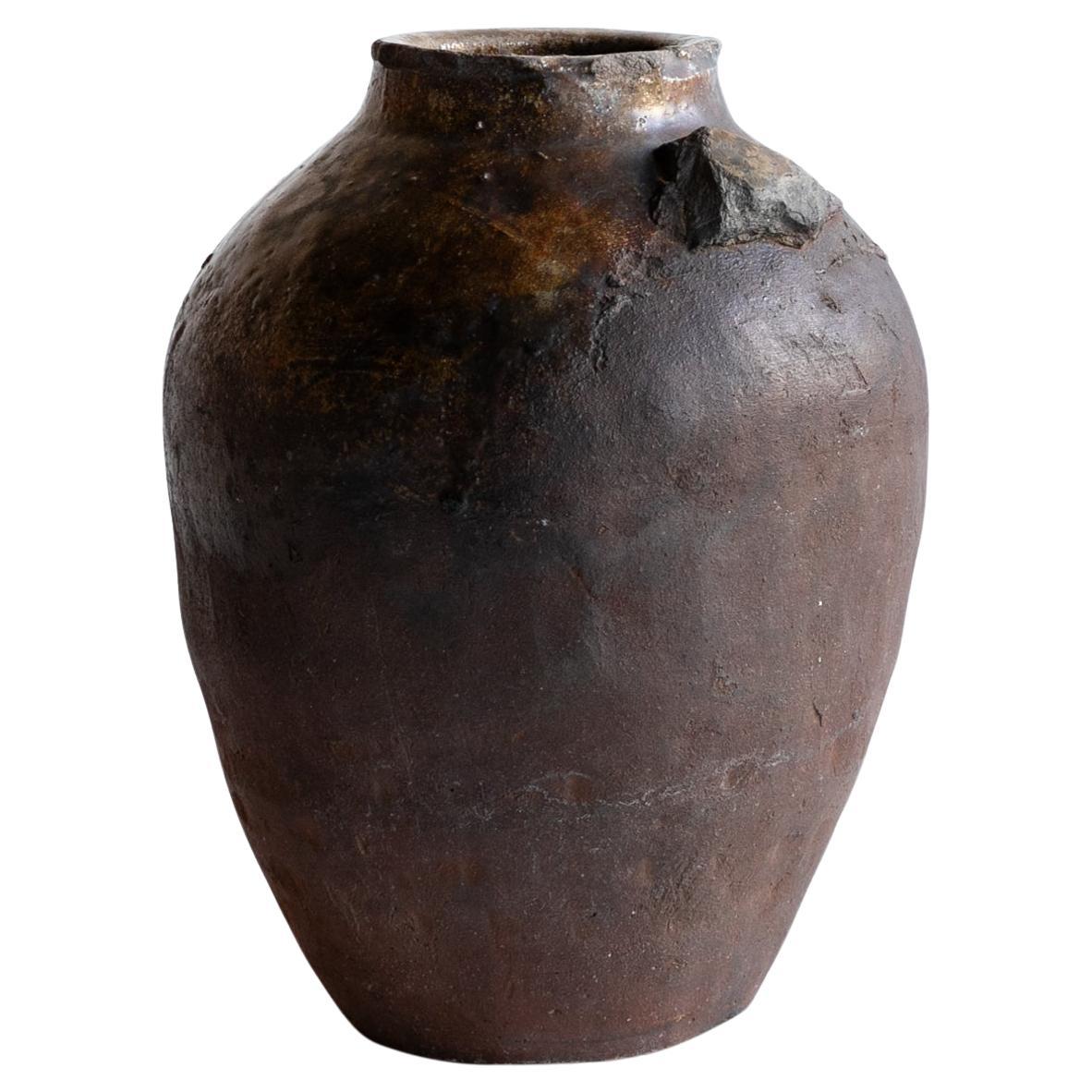
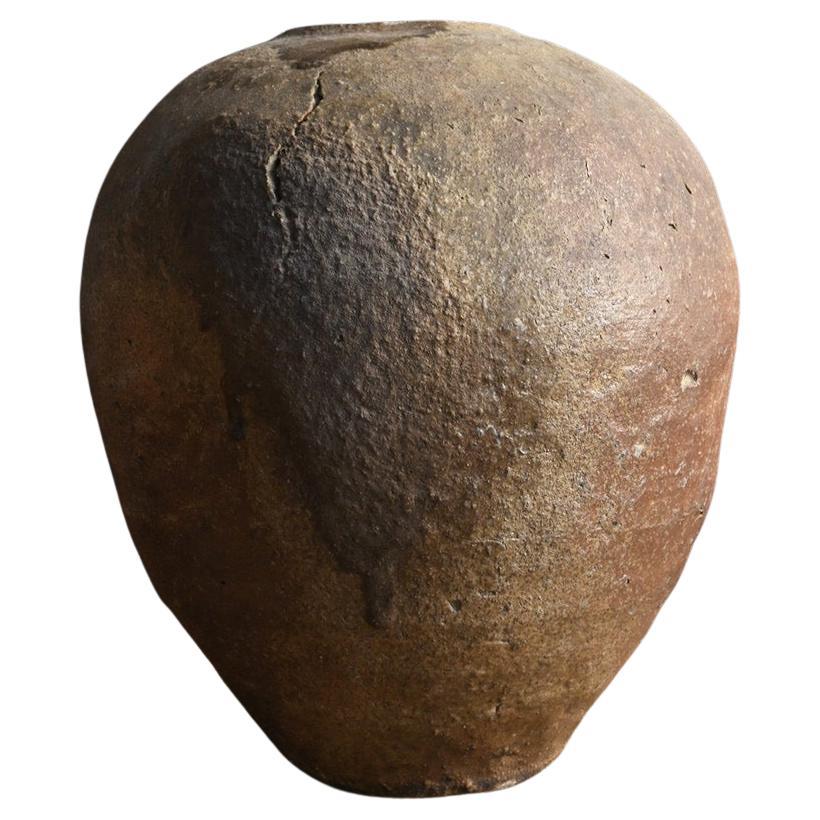
This piece also exemplifies the typical characteristics of Kamakura-period Echizen ware, with its powerful, compact form, the taut body and shoulders, and the rim's construction all displaying the sculptural beauty of the time. In particular, the engraved line pattern on the shoulder and the modest decoration near the rim are designs commonly seen on Echizen vases of the same period, and are important elements in confirming the vases' age.
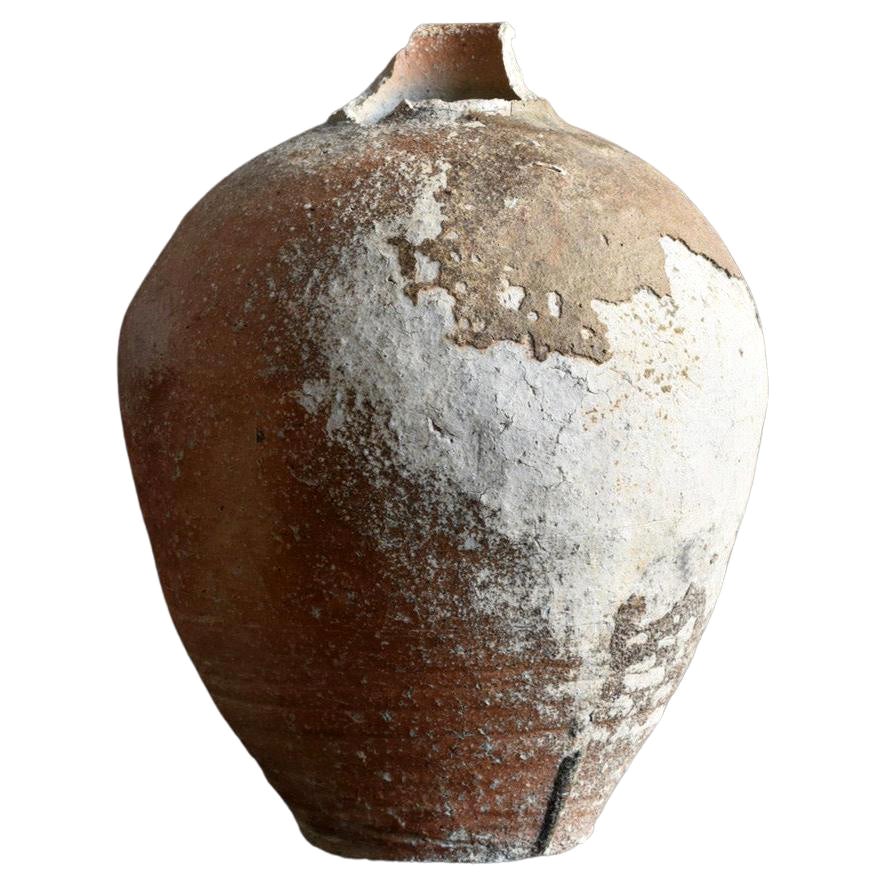
There is a large chip on the body that appears to have occurred during firing, but the surface of the chipped area is still clearly browned, suggesting that this was not a break during use, but rather a natural occurrence in the kiln. Its rough, rock-like texture strongly evokes the rugged, rustic charm of Echizen ware.
Compared to the photograph in the accompanying catalog, it is clear that the chipped areas on this vases have been meticulously restored. The restoration was likely carried out by a highly skilled craftsman, and the intricate finish is nearly unnoticeable even when viewed from a distance of several dozen centimeters. The intention behind the restoration was likely to maximize the vases' aesthetic appeal when displayed.
There is an old crack at the base, and traces of repair using something like putty can be seen on the inside. Due to the age of the repair, there is a risk of leakage if water is poured directly into the vases. When using as a flower vase, please fill the vases with water in a separate container and place it inside the vases. It pairs beautifully with dried flowers, and its tranquil yet stately appearance will add a touch of elegance to any space.
This Echizen jar, with its unmistakable historical context, speaks to Japan's medieval Kamakura period. It is not only an exceptional piece of art, but also possesses a strong presence that has endured through the ages and continues to be passed down to the present day.
Size: Diameter 23.6cm x Height 25cm
Weight: 4.1kg
Product Number: po372
- Dimensions:Height: 9.85 in (25 cm)Diameter: 9.3 in (23.6 cm)
- Style:Other (Of the Period)
- Materials and Techniques:
- Place of Origin:
- Period:
- Date of Manufacture:1200s
- Condition:Repaired: The construction of the top of this vase has been visually restored and repaired, and it looks different to the photograph shown. It looks completely natural even when viewed from a distance of just a few dozen centimetres.
- Seller Location:Sammu-shi, JP
- Reference Number:1stDibs: LU5487247179872
About the Seller
5.0
Platinum Seller
Premium sellers with a 4.7+ rating and 24-hour response times
Established in 2015
1stDibs seller since 2020
1,705 sales on 1stDibs
Typical response time: 6 hours
- ShippingRetrieving quote...Shipping from: senzoku, Japan
- Return Policy
More From This Seller
View AllJapanese Antique Pottery Jar 15th-16th Century/ Wabi-Sabi Jar/Tokoname Vase
Located in Sammu-shi, Chiba
It is a very old jar in Japan.
This is a pottery called Tokoname ware.
Tokoname is a kiln located in Aichi prefecture, Japan.
It is said to have originated around the 12th century.
A...
Category
Antique 16th Century Japanese Other Vases
Materials
Pottery
Japanese Antique Pottery Jar/1500s/"Shigaraki Ware"/Wabisabi Vase
Located in Sammu-shi, Chiba
This is a Japanese pottery called "Shigaraki ware".
Shigaraki is a historical kiln located in Shiga Prefecture, Japan. (Shigaraki Kiln is marked with a ...
Category
Antique 15th Century and Earlier Japanese Other Vases
Materials
Pottery
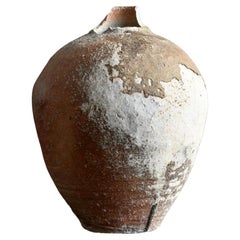
Japanese antique Shigaraki ware vase/withered wabi-sabi vase/16th century
Located in Sammu-shi, Chiba
This is Shigaraki ware pottery made in Shiga Prefecture, Japan. Shigaraki ware is said to have been born in the Shigaraki region of Shiga Prefecture around the 8th century and is one...
Category
Antique 15th Century and Earlier Japanese Other Jars
Materials
Pottery
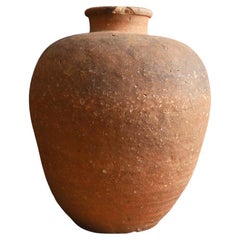
Japanese antique "Shigaraki ware" large vase / late 15th century / Wabi-sabi
Located in Sammu-shi, Chiba
This is a piece of Shigaraki ware pottery fired in Shiga Prefecture. Shigaraki ware is said to have originated in the Shigaraki region of Shiga Prefecture around the 8th century and ...
Category
Antique 15th Century and Earlier Japanese Other Jars
Materials
Pottery
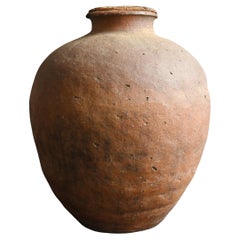
Japanese Antique Pottery Jar 16th-17th Century/ Wabi-Sabi Vase/Tokoname
Located in Sammu-shi, Chiba
Tokoname is a region located in Aichi Prefecture.
It is a pottery production center with a very old history in Japan (around the 12th century).
These jars were probably fired during...
Category
Antique Early 17th Century Japanese Edo Vases
Materials
Pottery
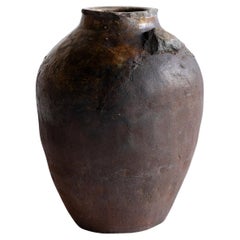
Japanese antique Shigaraki ware vase/1400-1573/Wabi-sabi vase
Located in Sammu-shi, Chiba
It is "Shigaraki ware".
Shigaraki ware is a historic kiln located in Shiga Prefecture.
(The Shigaraki ware kiln is circled in red in the image.)
It is said to have originated in the ...
Category
Antique 15th Century and Earlier Japanese Other Jars
Materials
Pottery
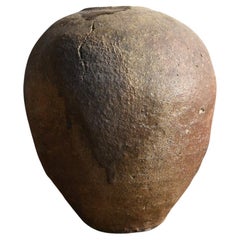
You May Also Like
Japanese Antique Edo Meiji Wabi-Sabi Tanba Tamba Art Pottery Vase Jar Pot
Located in Studio City, CA
A beautifully shaped, glazed (a lava crater glaze reminiscent of such modern western potters as Beatrice Wood, Glenn Lukens and Otto and Gertrud Natzler), and complexly textured Tamb...
Category
Antique Late 19th Century Japanese Meiji Ceramics
Materials
Earthenware, Pottery
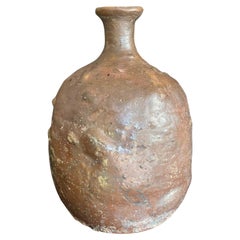
Japanese Antique Shigaraki Ware 17th Century / Pottery Vase Vessel Wabi Sabi
Located in Chōsei District Nagara, JP
This is a ceramic jar made in Japan.
It was made in the 17th Century and is a valuable piece that conveys the lifestyle and aesthetic sense of the time.
Shigaraki ware is one of the...
Category
Antique 17th Century Japanese Edo Vases
Materials
Pottery
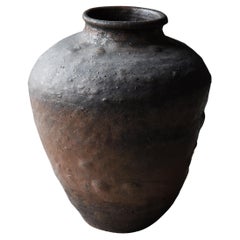
$800 Sale Price
46% Off
Japanese Antique Shigaraki ware 17th Century / Pottery Vase Wabisabi
Located in Chōsei District Nagara, JP
This is an old pottery pot made in Japan.
It is a very old pot believed to have been made in the 17th century, early Edo period, and is called Koshigaraki in Japan.
Koshigaraki refe...
Category
Antique 17th Century Japanese Edo Vases
Materials
Pottery
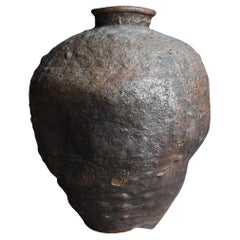
$1,200 Sale Price
33% Off
Japanese Wabi-Sabi Small Vase, Meiji Period, 1750-1850
Located in Katori-Shi, 12
This is an old Japanese pottery.
It is from the Meiji period (1860s-1900s).
It was used as a fire extinguishing pot.
This piece has beautiful color and texture.
It is very rare...
Category
Early 20th Century Meiji Antiquities
Materials
Pottery
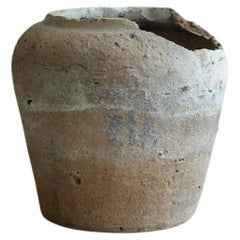
Japanese Antique Huge “Yabure Tsubo” Ceramic Vessel 13th Century / Wabi-Sabi
By Axel Vervoordt
Located in Chōsei District Nagara, JP
This is an old, monumental Tokoname ware “Yabure Tsubo” (broken-form jar) made in Japan.
A yabure tsubo refers to a large jar that has sustained natural breakage and weathering over ...
Category
Antique 15th Century and Earlier Japanese Other Vases
Materials
Ceramic
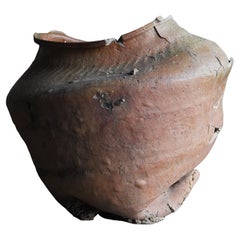
Japanese Antique Ceramic Vase - Japandi Wabi-Sabi
Located in Chiba, Chiba
A Japanese antique ceramic vase with a quiet, time-worn presence.
The piece shows a small chip along the rim, and several kiln marks remain visible on the body—subtle traces of its h...
Category
Antique 19th Century Japanese Antiquities
Materials
Pottery