Gothic Planters, Cachepots and Jardinières
The Gothic Revival movement (also called Victorian Gothic or Neo-Gothic) emerged in Britain in the 1740s, and reached its height in the late-19th century. The style is characterized by such decorative flourishes as pointed arches, floral details, finials, heraldic motifs and linenfold carving. The movement was rooted in religious and social conservatism. Its proponents, who included Charles Barry and A.W.N. Pugin, the architects of London’s Houses of Parliament (designed in 1840), believed that the art and architecture of the Middle Ages were authentically spiritual and inherently moral.
In the United States, the Gothic Revival movement shaped both public buildings and private houses. Numerous American schools were built in the early-19th century in a style now called Collegiate Gothic. Many builders and craftsmen were inspired by Andrew Jackson Downing’s widely read 1850 book Architecture for Country Houses, which posited that a family’s home should exemplify their values — and that the Gothic Revival style was particularly well-suited to scholars and clergymen. Furniture with detailing that mirrored that of Gothic Revival buildings appeared in the same period. Such pieces typically feature dark, intricately carved wood, and upholstery in velvet or leather.
Much like the castle or cathedral that inspired it, a Gothic Revival chair makes a bold design statement. And while you probably don’t have to cross a moat or raise a portcullis to get through your front door, a Gothic Revival piece might make a statement that your home is indeed your castle.
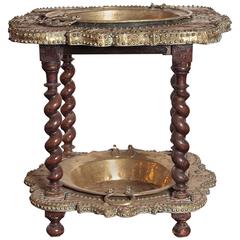
Late 18th Century Spanish Antique Gothic Planters, Cachepots and Jardinières
Brass, Copper
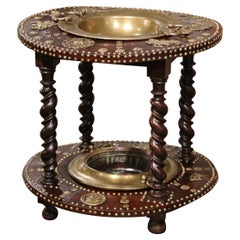
17th Century French Antique Gothic Planters, Cachepots and Jardinières
Stone, Limestone
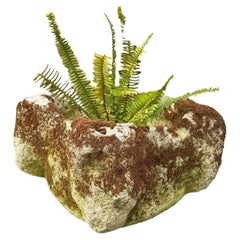

1870s Antique Gothic Planters, Cachepots and Jardinières
Brass

19th Century Antique Gothic Planters, Cachepots and Jardinières
Brass
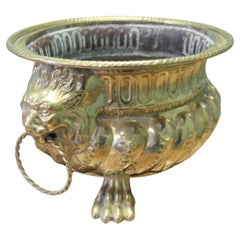
20th Century French Gothic Planters, Cachepots and Jardinières
Brass
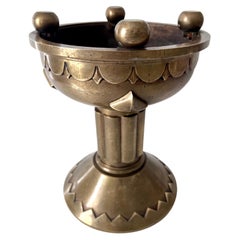
16th Century French Antique Gothic Planters, Cachepots and Jardinières
Iron
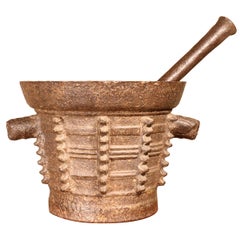
Late 19th Century Antique Gothic Planters, Cachepots and Jardinières
Brass
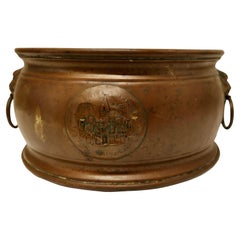
Mid-19th Century French Antique Gothic Planters, Cachepots and Jardinières
Ceramic, Faience
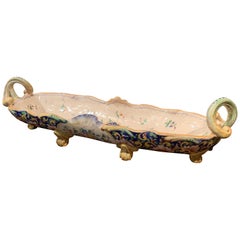
20th Century Gothic Planters, Cachepots and Jardinières
Cement
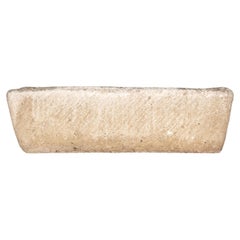
1880s French Antique Gothic Planters, Cachepots and Jardinières
Faience, Ceramic
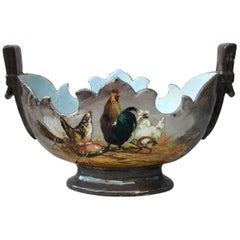
1950s French Vintage Gothic Planters, Cachepots and Jardinières
Metal
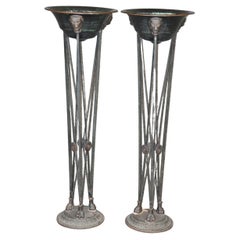
19th Century Chinese Antique Gothic Planters, Cachepots and Jardinières
Wood
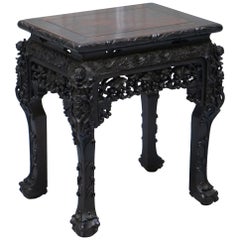
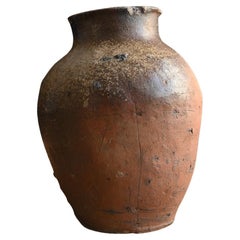
16th Century Japanese Antique Gothic Planters, Cachepots and Jardinières
Pottery
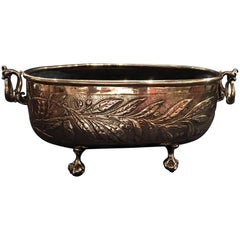
19th Century French Antique Gothic Planters, Cachepots and Jardinières
Brass
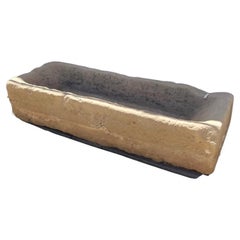
20th Century Gothic Planters, Cachepots and Jardinières
Limestone
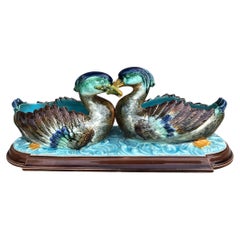
1870s French Antique Gothic Planters, Cachepots and Jardinières
Ceramic
Mid-20th Century Spanish Gothic Planters, Cachepots and Jardinières
Terracotta
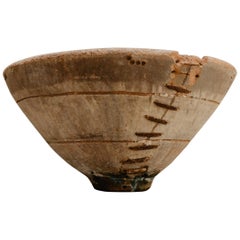
1850s French Antique Gothic Planters, Cachepots and Jardinières
Brass
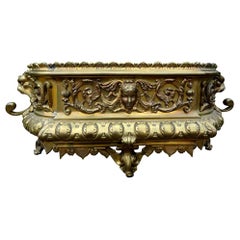
18th Century and Earlier Italian Antique Gothic Planters, Cachepots and Jardinières
Wrought Iron
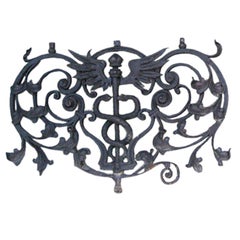
Late 20th Century American Gothic Planters, Cachepots and Jardinières
Iron
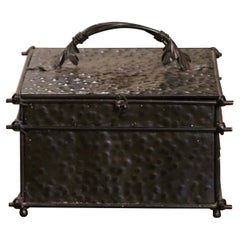
Early 1900s English Antique Gothic Planters, Cachepots and Jardinières
Brass
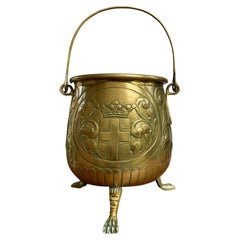
Early 19th Century Spanish Antique Gothic Planters, Cachepots and Jardinières
Brass
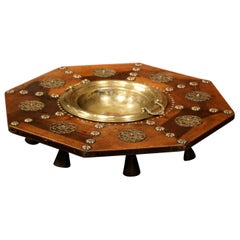
Late 19th Century French Antique Gothic Planters, Cachepots and Jardinières
Brass

1930s French Vintage Gothic Planters, Cachepots and Jardinières
Metal
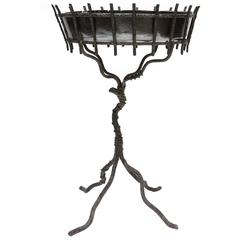
Mid-19th Century French Antique Gothic Planters, Cachepots and Jardinières
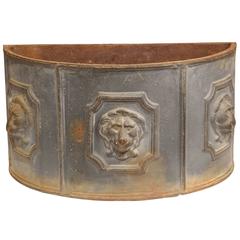
Late 18th Century Spanish Antique Gothic Planters, Cachepots and Jardinières
Brass, Copper