Items Similar to Antique Chinese Porcelain Hatcher Cargo Kraak Ghendi Porcelain, South China
Want more images or videos?
Request additional images or videos from the seller
1 of 5
Antique Chinese Porcelain Hatcher Cargo Kraak Ghendi Porcelain, South China
$3,648.49
£2,725.04
€3,048.94
CA$5,026.46
A$5,477.96
CHF 2,900.82
MX$65,796.08
NOK 36,724.98
SEK 33,765.01
DKK 23,227.65
About the Item
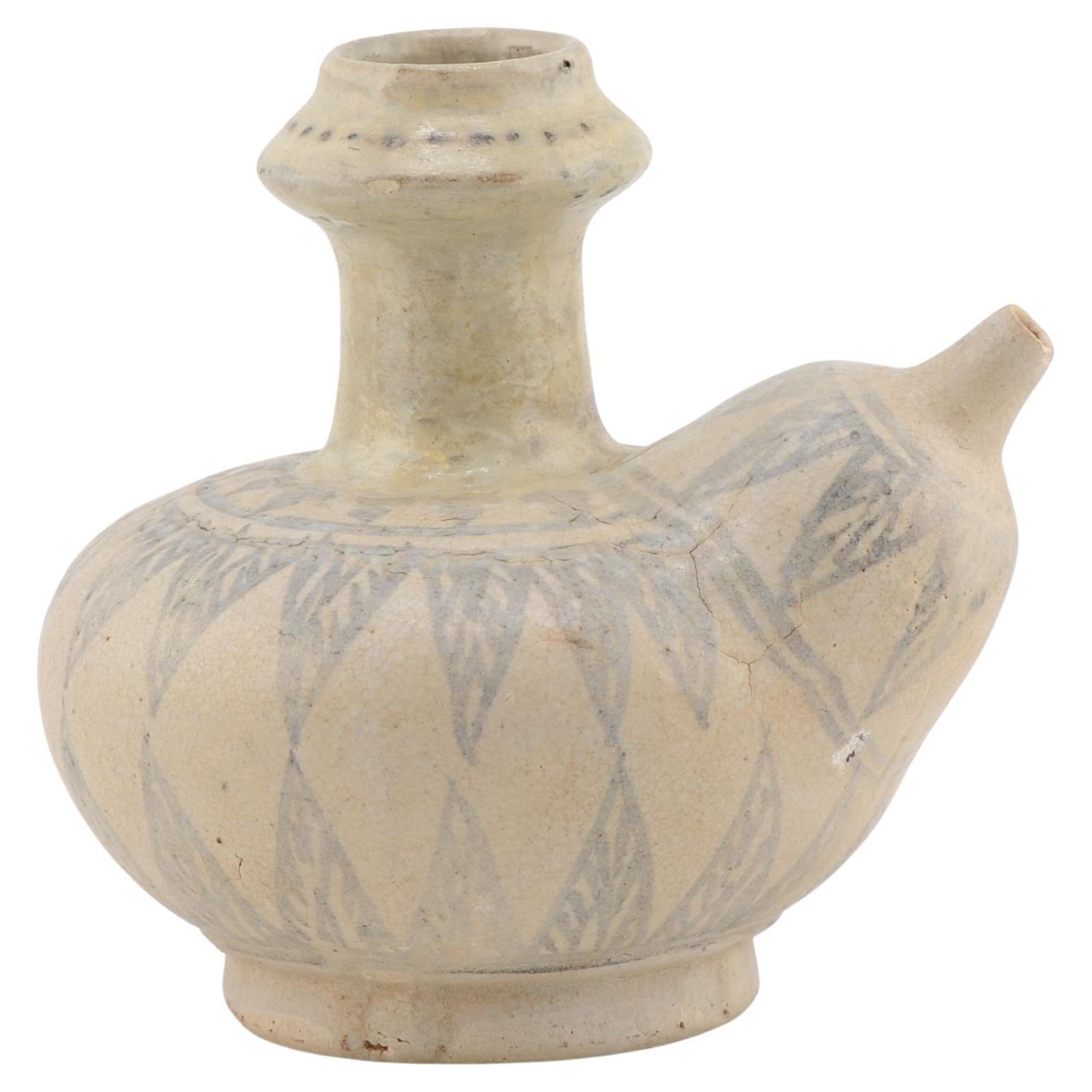
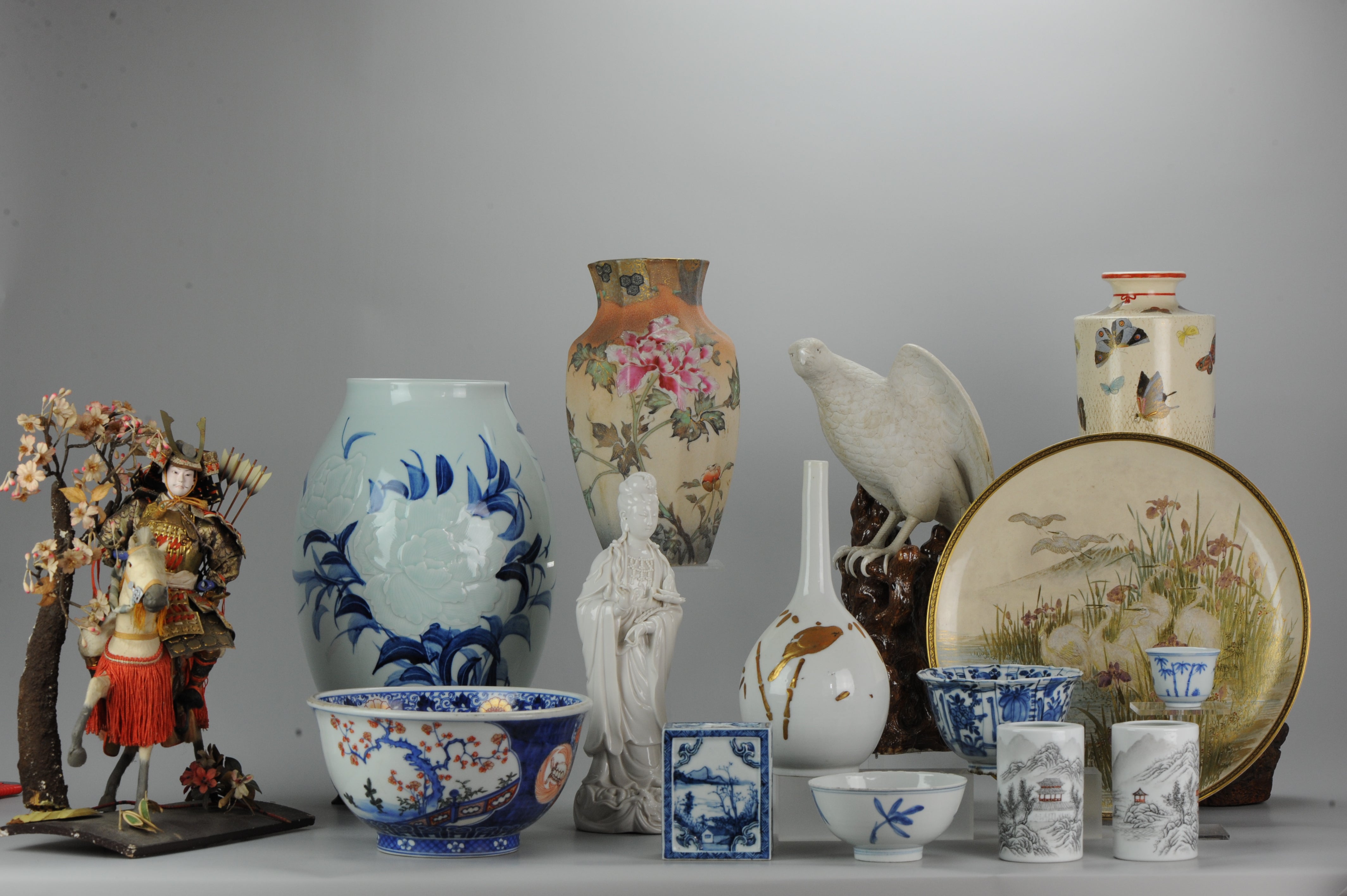
Sharing with you this very nicely decorated kraak Ghendi with a geometrical decoration. The piece was part of the Hatcher Collection. Auctioned by Christies Amsterdam in 1984. It is in very good condition.
The Hatcher Junk
1643-1646
The Hatcher Cargo was recovered from the wreck of a Chinese junk in the South China seas port of Batavia (today Jakarta) by Captain Michael Hatcher in 1983, and was later sold in the Netherlands. They were a small part of what, at the time, was the largest cargo of Chinese porcelain ever recovered in good condition from the sea. Captain Michael Hatcher and his crew brought up about 25,000 pieces of unbroken porcelain from the Hatcher junk those sold through four sales at Christies Amsterdam. The very wide diversity and quality of many of the pieces created great interest, and the date was established by the existence in the find of two pieces with the Chinese cyclical date for 1643.
Captain Michael Hatcher and his crew brought up about 25,000 pieces of unbroken porcelain from the Hatcher junk. Those sold through four sales at Christies Amsterdam. Captain Hatcher returned to the site in 1985 and salvaged over 2,000 more pieces, most of which were sold through a London dealer, Heirloom and Howard. The great majority of the 25,000 pieces were Jingdezhen blue and white, but there were also interesting groups of celadon, blanc-de-Chine, coloured wares and provincial blue-and-white. (Sheaf
Kilburn 1988, pp.8-19)
The ship was almost certainly sailing from China to the Dutch base at Batavia from where cargoes were purchased and transhipped to Dutch East Indiamen for their journey to Europe.
The range of shapes of wares available in the Hatcher junk illustrates what a south Asian porcelain trading vessel of the mid-17th Century might be expected to contain. The cargo also includes objects which normally did not reach the West. This wreck should be seen in its historical context. There was a Dutch pewter jug found in the wreck, which certainly suggests a connection with the Dutch East India Company, (Vereenigde Oost-Indische Compagnie VOC), headquarters at Batavia. The native Ming dynasty was overthrown in 1644 and the resulting civil war substantially upset Chinese trade with the VOC and other western powers. The rebellion interrupted Junk trade to the VOC headquarters at Formosa, the entrepot for ceramics bound ultimately for Batavia. The contents of this wreck suggest a considerable conservatism in the production of Chinese domestic blue-and-white for the first half of the 17th Century. Types of kraak porcelain which were discovered in the Witte Leeuw wreck (which sank in 1613) are closely mirrored in the porcelain of this ship, 30 to 40 years later, it is often said that the Dutch were very conservative in their porcelain taste during the first half the 17th century. It may well be that the VOC went on buying kraak type wares, and the reason why such large amounts of dishes, bowls and jars survived especially in the Netherlands, is that, in fact, there was no export porcelain alternative readily available which the VOC could buy in quantity from Chinese trading Junks. Many of the smaller pieces offered from this wreck bear earlier reign-marks, mostly of the late Ming Emperors none unfortunately of Tianqi or Chongzheng, but equally none with Kangxi marks or cyclical dates for the earliest years of the Manchu Qing dynasty. (Amsterdam 1985, pp.7-8)
The kendi is a drinking and pouring vessel widely used in Asia. Its basic shape is a bulbous body, a long neck and a tubular or breast-shaped (mammiform) spout on the shoulder. The kendi has no handle and one holds it by the neck and drinks from the spout. The kendi seems to have evolved from the Indian “kundika” and spread throughout Asia, changing shape and adapting to existing local vessels for similar use. Kendis of Chinese kraak porcelain of the first half of the 17th century and Japanese kendis of the second half were part of the Dutch East India Company’s (VOC) porcelain assortment for the inter-Asian trade. Apparently, they also reached The Netherlands in small quantities, probably as part of the belongings of retiring VOC employees. They were not used according to their traditional function in The Netherlands, and must only have been decorative items or were filled with flowers as shown on paintings.
Additional information:
Material: Porcelain
Pottery
Region of Origin: China
Period: 16th century, 17th century
Emperor: Wanli (1572-1620)
China Dynasty Period: Ming
Transitional (1368 – 1664)
Decoration Type / ColourKraak
Material: Porcelain
Pottery
Condition: Perfect Condition.
Dimensions: 10.5cm
- Dimensions:Height: 4.14 in (10.5 cm)
- Style:Ming (Of the Period)
- Materials and Techniques:
- Place of Origin:
- Period:
- Date of Manufacture:16th Century/17th Century
- Condition:
- Seller Location:Amsterdam, NL
- Reference Number:Seller: 1350820677711stDibs: LU4863242700902
About the Seller
5.0
Gold Seller
Premium sellers maintaining a 4.3+ rating and 24-hour response times
Established in 2015
1stDibs seller since 2019
287 sales on 1stDibs
Typical response time: 4 hours
- ShippingRetrieving quote...Shipping from: Amsterdam, Netherlands
- Return Policy
More From This Seller
View AllAntique Chinese Porcelain Hatcher Cargo Kraak Ghendi porcelain South China
Located in Amsterdam, Noord Holland
Sharing with you this very nicely decorated kraak Ghendi with a geometrical decoration. The piece was part of the Hatcher Collection. Auctioned by Christies Amsterdam in 1984. It is in very good condition.
The Hatcher Junk...
Category
Antique 17th Century Chinese Ming Planters, Cachepots and Jardinières
Materials
Porcelain
$3,482 Sale Price
20% Off
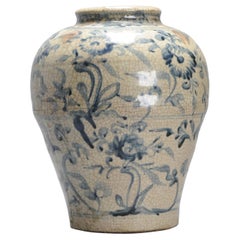
Antique Ming Wanli 1560-1590 Chinese Porcelain Swatow/Zhangzhou Jar
Located in Amsterdam, Noord Holland
Description
A very nicely decorated large dish from around 1600-1630.
Heavy and larger sized piece with beautiful decoration in red and green
Storage box included.
Similar piece in ...
Category
Antique 17th Century Chinese Decorative Dishes and Vide-Poche
Materials
Porcelain
$2,726 Sale Price
20% Off
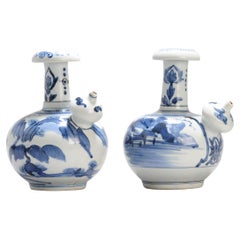
Antique Edo period Ca 1670 Japanese Ming Style Porcelain Ghendis Arita Kraak
Located in Amsterdam, Noord Holland
Sharing with you this very nice edo period, 1670-1680 examples. With a landscape scene. The rim beautifully painted. The base is blank.
Unmarked at base
Arita ware, also known as A...
Category
Antique 17th Century Chinese Edo Planters, Cachepots and Jardinières
Materials
Porcelain
$2,235 Sale Price
48% Off
Exceptional Antique 19th c Vase Half Baked Chinese Porcelain Jiajing Wucai
Located in Amsterdam, Noord Holland
Sharing with you this lovely and well made large vase. Jiajing marked but later most likely 18/19th century. Its a unfinished Wucai vase. Half Baked, the 2n...
Category
Antique 19th Century Chinese Qing Ceramics
Materials
Porcelain

$2,918 Sale Price
72% Off
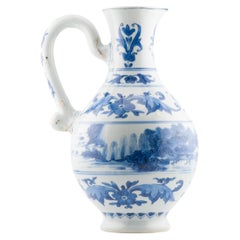
Antique Chongzhen Shunzhi Transitional Chinese Porcelain Ewer, 17th Century
Located in Amsterdam, Noord Holland
A very nicely decorated and Ewer in underglaze blue. The globular body rises to a flared neck decorated with tulips and supported by a high handle. The main decoration depicts a nice...
Category
Antique 17th Century Chinese Ming Vases
Materials
Porcelain
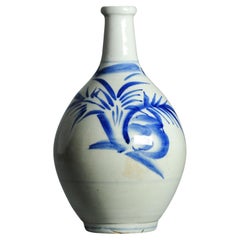
Antique Japanese Porcelain Edo period Tokkuri Bottle Vase Flowers Japan
Located in Amsterdam, Noord Holland
Description
Nice
Beautiful Arita Japanese Porcelain.
This antique Japanese Imari porcelain sake bottle features a sleek and elegant design, with hand-painted floral patterns cr...
Category
Antique 19th Century Japanese Edo Ceramics
Materials
Porcelain
You May Also Like
Chinese Pottery, 1850s
Located in Los Angeles, CA
Hand-made, hand-painted Chinese pottery with beautiful design, 1850s.
Category
Antique Mid-19th Century Chinese Mid-Century Modern Vases
Materials
Ceramic
$1,440 Sale Price
20% Off
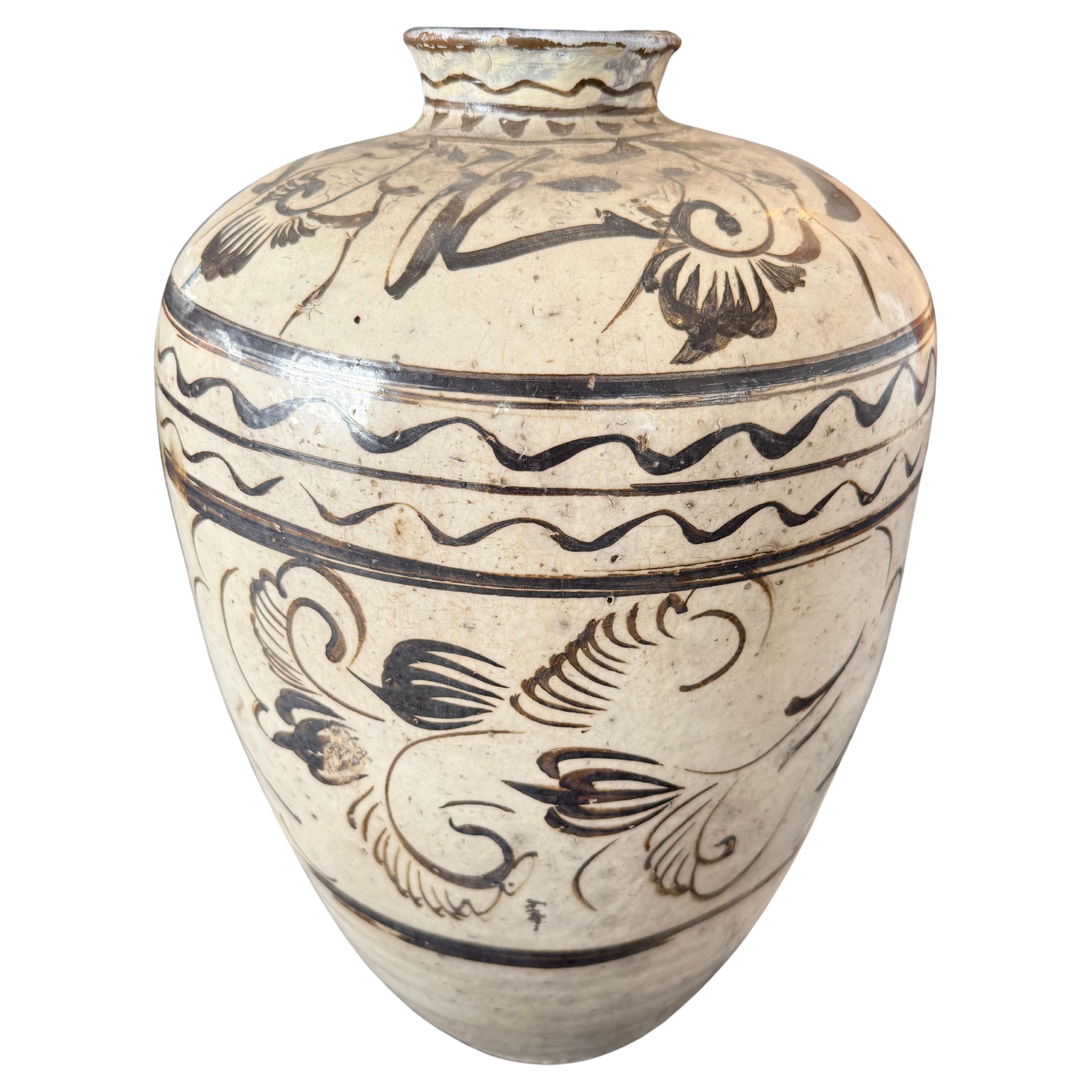
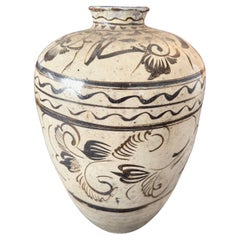
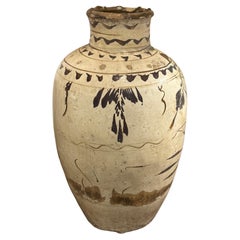
A Chinese Cizhou Stonweare Vessel, Ming Dynasty, 17th Century
Located in ARMADALE, VIC
A Chinese Cizhou Stonweare Vessel, Ming Dynasty, 17th Century
Description:
Produced in Northern China, Cizhou ware was especially popular from the Song to Yuan dynasties (11th–14th ...
Category
Antique 17th Century Chinese Ming Jars
Materials
Stoneware
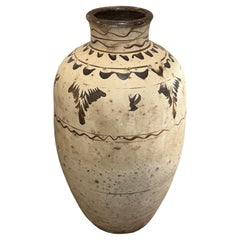
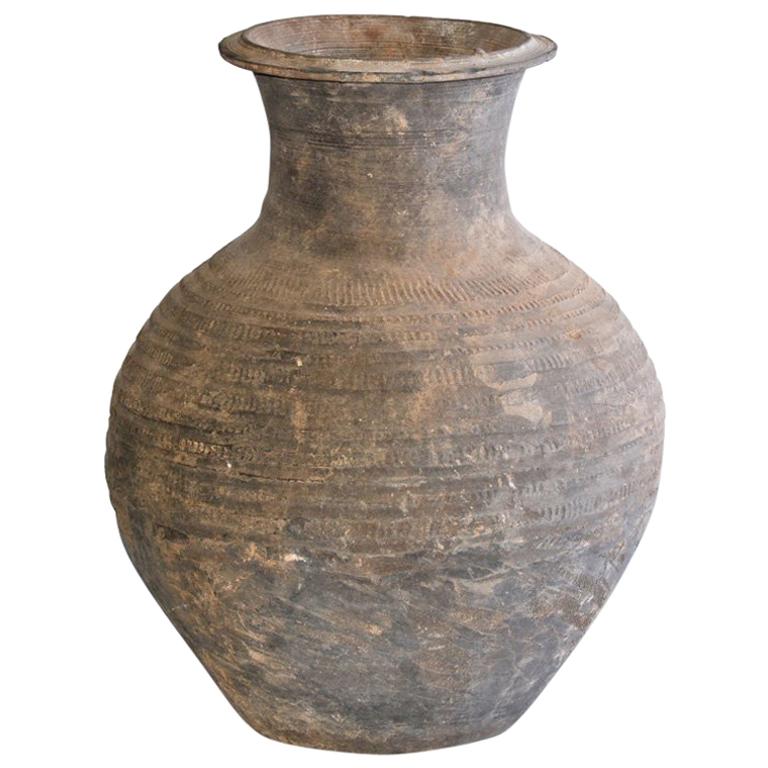
Unglazed Antique Chinese Vessel
Located in Sheffield, MA
The antique Chinese clay vessel is handcrafted from clay and fired. Shallow enrelief bands encircle the upper part of the vessel.
Category
Antique Late 19th Century Chinese Chinese Export Vases
Materials
Clay
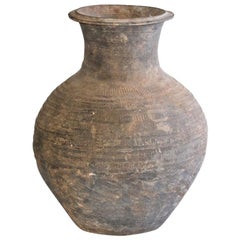
Chinese Pottery, 1850s
Located in Los Angeles, CA
Beautiful hand-painted pottery, original condition. China, 1850s.
Category
Antique Early 19th Century Chinese Mid-Century Modern Vases
Materials
Ceramic
$1,280 Sale Price
20% Off
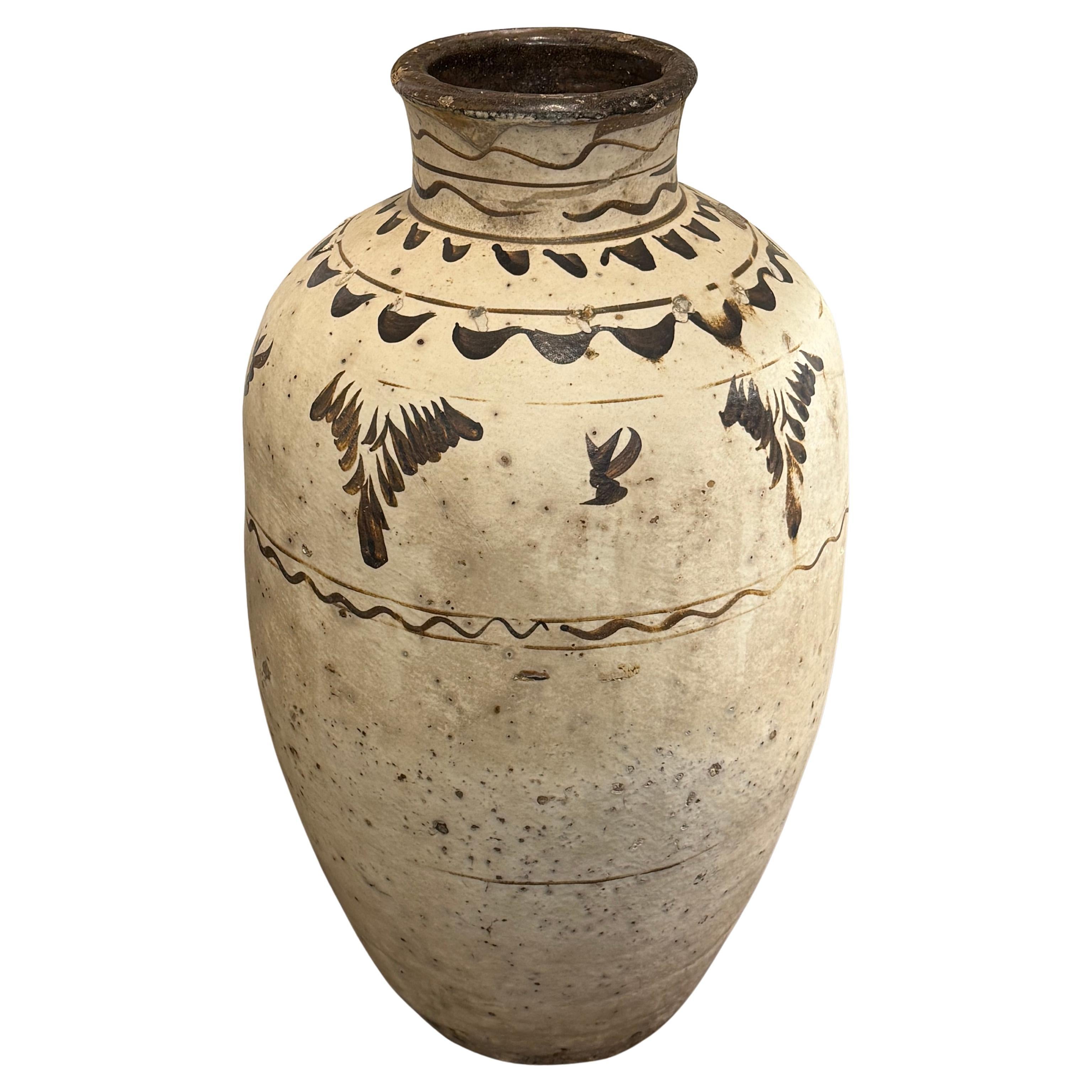
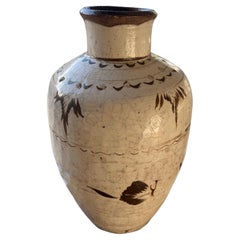
A Chinese Cizhou Stonweare Vessel, Ming Dynasty, 17th Century
Located in ARMADALE, VIC
A Chinese Cizhou Stonweare Vessel, Ming Dynasty, 17th Century
Description:
Produced in Northern China, Cizhou ware was especially popular from the Song to Yuan dynasties (11th–14th ...
Category
Antique 17th Century Chinese Ming Jars
Materials
Stoneware
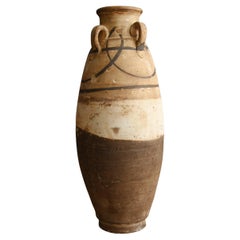
Chinese antique pottery wabi-sabi vase/12th-14th century/Cizhou kiln
Located in Sammu-shi, Chiba
This is a vase believed to have been fired at the Cizhou kilns in northern China. Known for their distinctive white-slip base and bold black glaze decoration, the Cizhou kilns flouri...
Category
Antique 15th Century and Earlier Chinese Other Vases
Materials
Pottery
More Ways To Browse
Voc Antique
Antique Hatch
17th Century Chinese Japanese Porcelain
Antique Drinking Vessels
Dutch Voc
Painting On Porcelain
Antique Porcelain Mirror
Blue And White Kangxi Vase
Antique Junk
Pewter Jug
Antique Pewter Jugs
Chinese Junk
Dutch Pewter
Hatcher Collection
Kangxi Blue And White Jar
Hatcher Cargo
Chinese Kendi
Voc Porcelain