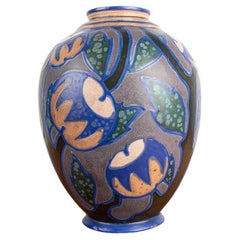
Items Similar to Ceramic Art Nouveau Vase by Max Laeuger for Tonwerke Kandern, Germany, 1910s.
Want more images or videos?
Request additional images or videos from the seller
1 of 10
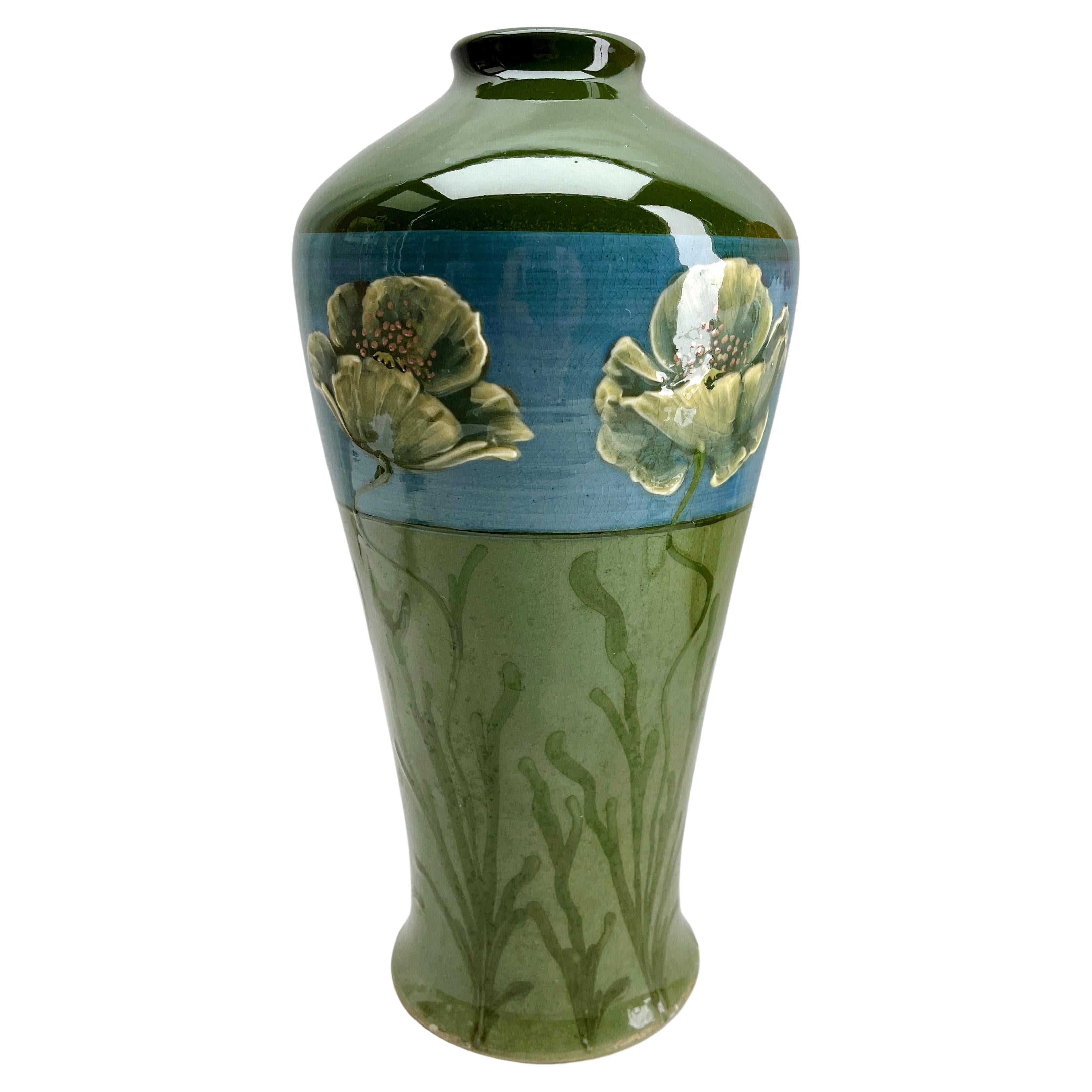
Ceramic Art Nouveau Vase by Max Laeuger for Tonwerke Kandern, Germany, 1910s.
$2,495
£1,898.33
€2,187.26
CA$3,542.12
A$3,800.06
CHF 2,038.27
MX$45,752.21
NOK 25,694.84
SEK 23,430.13
DKK 16,341.77
About the Item
A beautiful Art Nouveau / Art Deco earthenware vase with amazing leaf decor.
Made by Professor Max Läuger for Tonwerke in Kandern, Germany, 1897-1914.
Great condition, only a couple of tiny chips to the decor (pictured).
Incised with makers mark and model number 841.
Maximilian Josef Max Laeuger (1864–1952) was a German architect, artist, designer, and one of the most important figures in early 20th-century European ceramics and applied arts. Born on 30 September 1864 in Lörrach, a town in Baden-Württemberg in southwestern Germany, he grew up at a time when the arts and crafts movement was gaining momentum across Europe, promoting the unity of art, design, and everyday life. Laeuger’s wide-ranging talents led him to become not just a ceramist, but a painter, sculptor, graphic artist, interior and garden architect, teacher, and theorist of art and design.
His formal artistic training began at the School of Decorative Arts in Karlsruhe, where he studied painting and interior design in the early 1880s. He later expanded his education with studies in Paris at the Académie Julian, and through extensive travels in Italy, North Africa, and Spain, where he studied Islamic ceramics and absorbed diverse influences that would inform his own work.
Although trained in traditional arts, Laeuger’s deepest passion quickly became ceramics, a medium through which he could merge colour, form, and decoration. In 1897 he founded the Prof. Laeuger'sche Kunst-Töpfereien at the Tonwerke Kandern pottery in the Black Forest, where he created hundreds of designs for vases, tiles, and architectural ceramics that were produced and distributed widely during the height of the Art Nouveau movement. His ceramic works were characterised by their relief decoration, stylised plant motifs, vibrant glazes, and organic forms, and they were exhibited internationally - including at the 1900 Paris Exposition Universelle and the 1904 St. Louis World’s Fair, where he won gold medals for his designs.
Laeuger’s creative interests, however, went far beyond pottery. In 1907 he became one of the founding members of the Deutscher Werkbund, an influential organisation that sought to integrate traditional craftsmanship with modern industrial production and would help shape modern design in Germany. As an architect and landscape designer he developed plans for private villas, parks, and public gardens, bringing the same artistic sensibility to built environments that he applied to ceramics. Among his notable projects were extensive garden designs in Baden-Baden and large estates in Germany and the Netherlands, where he conceived not only the layout of gardens but also decorative elements such as tiles and lighting.
Laeuger maintained a long academic career as well, serving as a professor of interior, garden, and later figure drawing and decoration at the Karlsruhe Institute of Technology from the 1890s into the 1930s. His teaching emphasised the integration of colour, form, and space, reflecting his belief in the Gesamtkunstwerk - the total work of art - in which multiple disciplines come together harmoniously.
In 1916 Laeuger established his own ceramics workshop in Karlsruhe, where he continued to produce innovative pieces through the 1940s. Between 1921 and 1929 he also supplied designs to the Staatliche Majolika-Manufaktur Karlsruhe, further cementing his influence on German ceramic art. His work from this period demonstrates a maturation of style, blending Art Nouveau’s expressive ornamentation with a more refined and personal aesthetic.
Throughout his life Laeuger remained internationally recognised for his contributions to both decorative and applied arts. Honors came his way, including honorary citizenship of his hometown of Lörrach and prestigious awards such as the Goethe Medal for Art and Science. Even late in life his work continued to be celebrated, and in 1951 he was awarded the Grand Prix at the Triennial of Milan, underscoring his lasting impact on design.
Max Laeuger died on 12 December 1952 in his native Lörrach. Today he is remembered as a multidisciplinary pioneer who brought ceramics into the realm of fine art, blurred the boundaries between decoration and structure, and helped bridge traditional craft and modern design in Germany and beyond. His legacy lives on in museums, public spaces, and the many ceramic works that remain treasured by collectors and institutions around the world.
- Creator:
- Similar to:Majolica Manufactory of Karlsruhe (Manufacturer)Edmund de Waal (Artist)
- Dimensions:Height: 9.45 in (24 cm)Diameter: 7.09 in (18 cm)
- Style:Art Nouveau (Of the Period)
- Materials and Techniques:
- Place of Origin:
- Period:
- Date of Manufacture:1897-1914
- Condition:Wear consistent with age and use.
- Seller Location:Malmö, SE
- Reference Number:Seller: 9901stDibs: LU8317248175862
About the Seller
5.0
Platinum Seller
Premium sellers with a 4.7+ rating and 24-hour response times
1stDibs seller since 2023
171 sales on 1stDibs
Typical response time: <1 hour
- ShippingRetrieving quote...Shipping from: Malmö, Sweden
- Return Policy
More From This Seller
View AllArt Nouveau Pottery Vase by Charles Greber. Beauvais, France, circa 1920.
By Auguste Delaherche, Pierre-Adrien Dalpayrat, Charles Greber, Clement Massier
Located in Malmö, SE
A beautiful art nouveau vase with amazing glaze.
Made by Charles Gréber in his studio in Beauvais, France in early 20th Century.
Great condition. Signed by the artist.
Reputed ce...
Category
Early 20th Century French Art Nouveau Vases
Materials
Ceramic
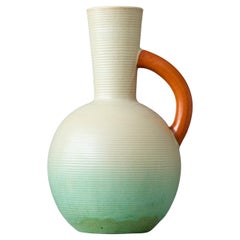
Ceramic Art Deco Floor Vase by Andersson
Johansson, Höganäs, Sweden, 1930s.
By Upsala Ekeby, Anna-Lisa Thomson, Ewald Dahlskog, Eva Jancke-Björk, Andersson
Johansson
Located in Malmö, SE
A large and impressiv Art Deco earthenware floor vase with amazing glaze.
Made by Andersson & Johansson in Höganäs, Sweden, 1930s.
Impressed with makers mark.
Great condition, no ch...
Category
Mid-20th Century Swedish Art Deco Vases
Materials
Ceramic, Earthenware
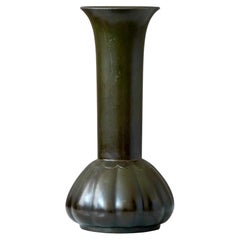
Art Deco Vase by Just Andersen, Denmark, 1930s
By GAB Guldsmedsaktiebolaget, Sune Bäckström, Just Andersen
Located in Malmö, SE
A beautiful art deco vase designed by Just Andersen in 1930s and produced by his own company in Denmark. Made from Disko metal (an alloy of different metals invented by Just Andersen...
Category
Mid-20th Century Danish Art Deco Vases
Materials
Metal
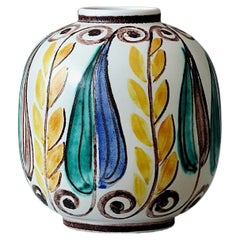
Stoneware Vase by Hertha Bengtson. Rorstrand, Sweden, 1950s.
By Herta Bengtson, Rörstrand, Hertha Bengtson
Located in Malmö, SE
A beautiful stoneware vase with amazing glaze.
Made by Hertha Bengtson for Rörstrand, Sweden, 1950s.
Excellent condition.
Signed 'Bengtson' and 'R' för Rörstrand.
Hertha Bengtson (1917-1993) is one of the well-known representatives of the illustrious Swedish ceramic design of the 20th century. She was one of the leading designers for the Rörstrand factory in the 1950s. Bengtson is represented at the Swedish National Museum of Art and Design.
Hertha Bengtson was born in Ysane in Blekinge and grew up on a farm with her four brothers. Her parents were Henning and Asta Bengtson. Her father was a jack-of-all-trades and ran both a mink farm and a shop alongside his farm, which was the least of his interests. Her mother, to whom Hertha Bengtson was very close, was a skilled weaver. Hertha Bengtson's interest in textiles and handicrafts came from her mother. From her grandmother she inherited Scanian country textile knowledge and from her grandmother’s neighbour she learned to tat the Scanian way, without patterns.
Upon completing her education at a girls’ school, Hertha Bengtson wanted to become a drawing teacher. However, there was no money to continue her formal education. Hertha Bengtson achieved top marks in drawing and handicrafts and therefore gained a place as a handicrafts teacher at one of the region’s elementary schools. During her time at the girls’ school, she had also taken evening classes in porcelain painting. In 1937 she applied to Hackefors’ porcelain factory in Linköping where she became employed as a pattern designer. Hertha Bengtson was interested in all aspects of the factory and when the men were called up for military service at the outbreak of the Second World War, she became head of her department at age 22.
Hertha Bengtson wanted to create her own porcelain. She applied to and became employed at Rörstrand’s porcelain factory in 1941, where she started as a pattern designer but quickly became a master designer. Hertha Bengtson’s ability to combine beauty with function was fundamental to her success as a designer. Her breakthrough came with the innovative blue-and-white tableware...
Category
Mid-20th Century Swedish Scandinavian Modern Vases
Materials
Ceramic, Stoneware
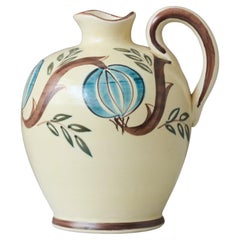
Ceramic Vase / Pitcher by Allan Ebeling for Bo Fajans, Sweden, 1940s.
By Eva Jancke-Björk, Ewald Dahlskog, Bobergs Fajansfabrik AB, Allan Ebeling, Bo Fajans
Located in Malmö, SE
A beautiful Scandinavian Modern ceramic vase / pitcher with amazing glaze.
Designed by Allan Ebeling for Bo Fajans, Sweden, 1940s.
Great condition. No chips, cracks or crazing.
Mak...
Category
Mid-20th Century Swedish Scandinavian Modern Vases
Materials
Ceramic, Earthenware
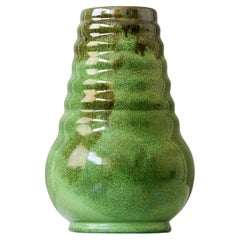
Green Art Deco Ceramic Vase by Erik Mornils for Nittsjo, Sweden, 1930s.
By Bo Fajans, Ewald Dahlskog, Jerk Werkmaster, Nittsjo, Nittsjo Keramik, Upsala Ekeby
Located in Malmö, SE
A beautiful Art Deco vase made by Erik Mornils for Nittsjö, Sweden, 1930s.
Excellent condition.
Impressed with makers mark.
Nittsjö Keramik, founded in 1843 in Rättvik, Dalarna, i...
Category
Mid-20th Century Swedish Art Deco Vases
Materials
Ceramic, Earthenware
You May Also Like
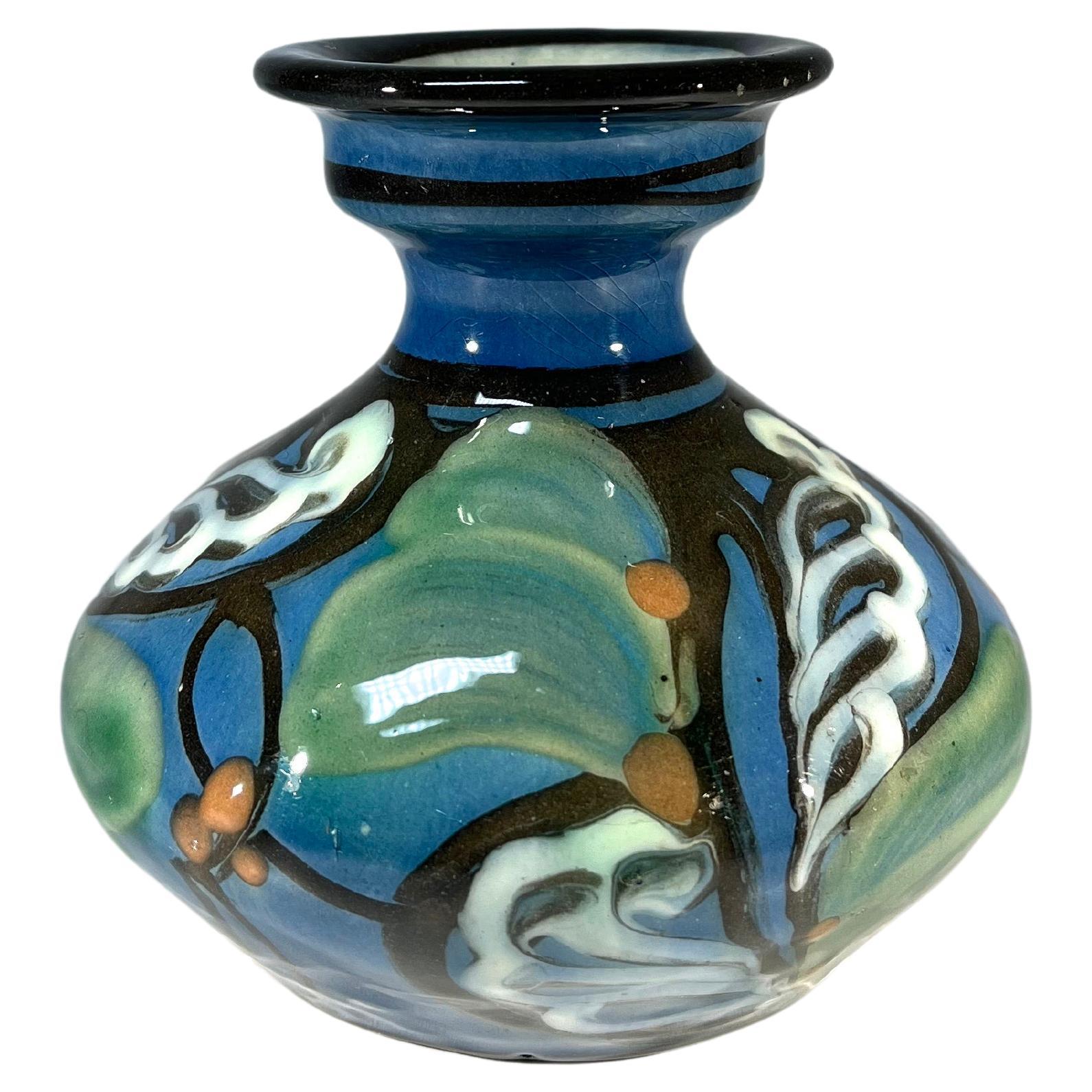
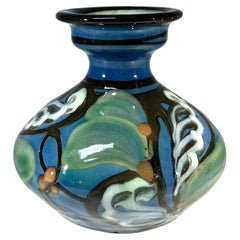
Antique Art Nouveau Stylised Ceramic Vase By Horsens Danico, Denmark c1920
By Danico Pottery
Located in Rothley, Leicestershire
Art nouveau in design and era, a fabulously glazed ceramic vase by Horsens Danico Denmark
A super little vase to collect
Circa 1920's
Signed Danico, 221 Denmark
Height 4.25 inch, Dia...
Category
Vintage 1920s Danish Art Nouveau Vases
Materials
Ceramic
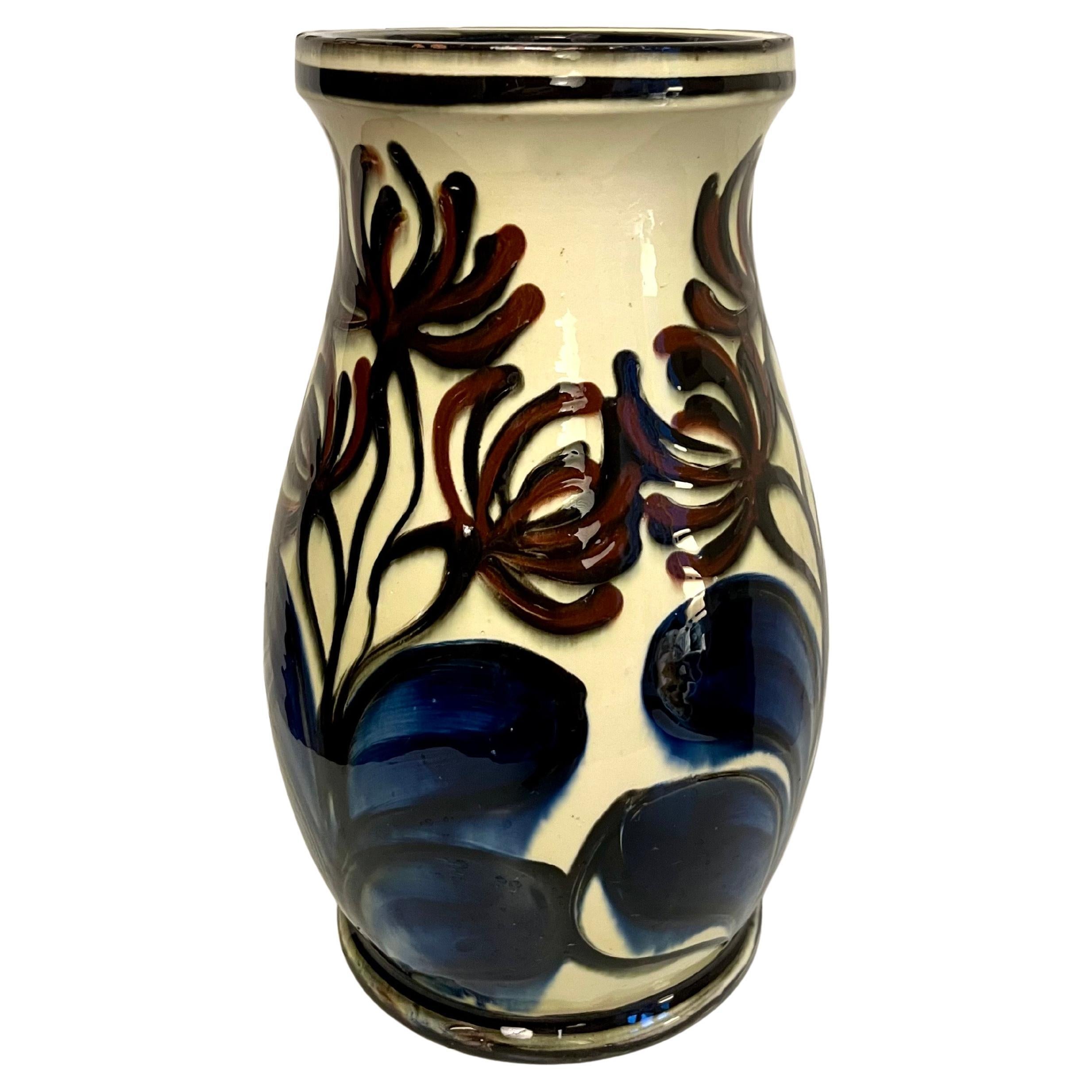
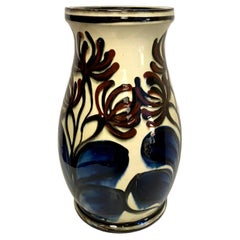
Large Art Nouveau Ceramic Vase by Danico, Denmark, 1920s
By Danico Pottery
Located in Frederiksberg C, DK
Large Art Nouveau Ceramic Vase by Danico, Denmark, 1920s
Striking large Art Nouveau ceramic vase by Danico, Denmark, dating from the 1920s. This impressive piece is handmade and han...
Category
Vintage 1920s Danish Art Nouveau Vases
Materials
Ceramic, Stoneware
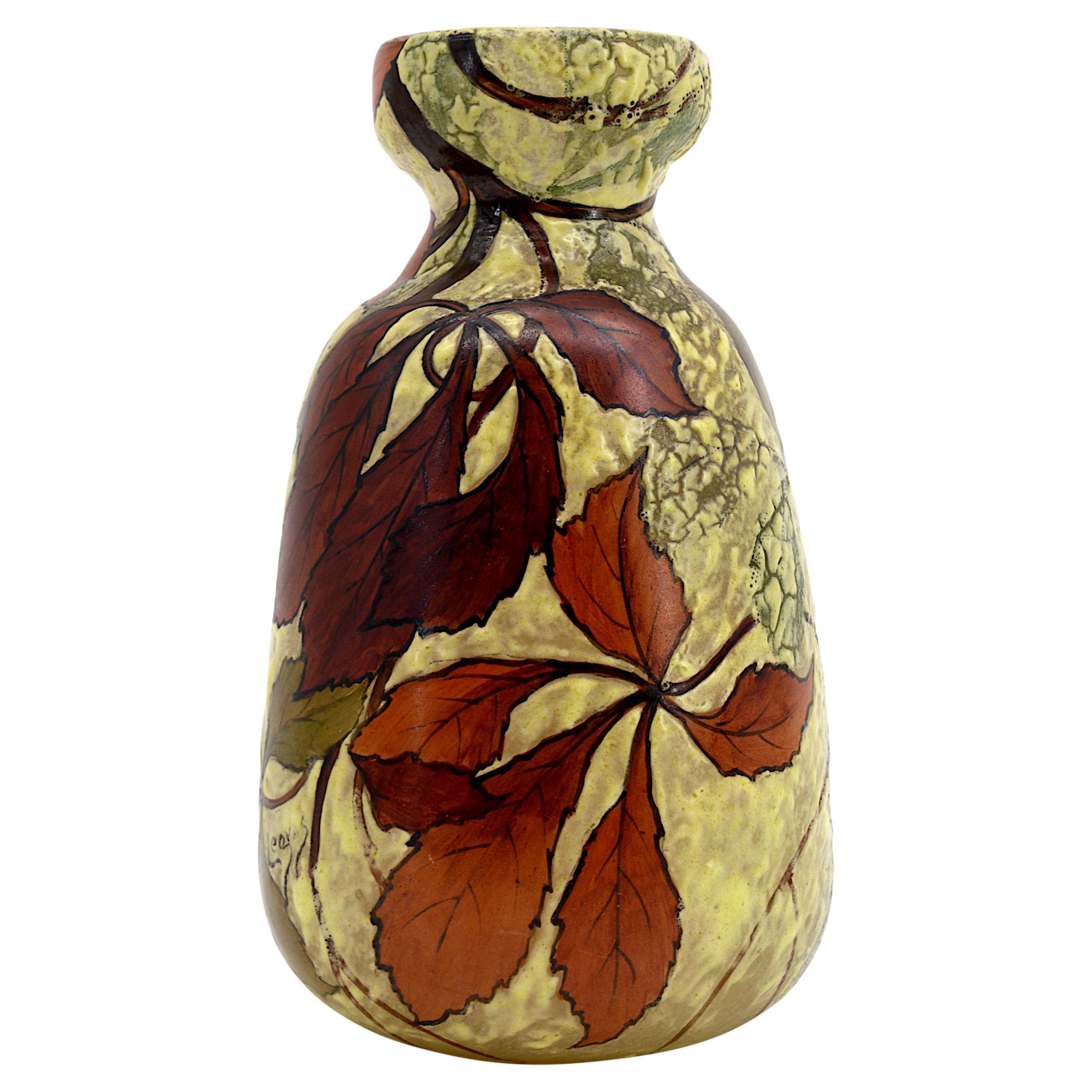
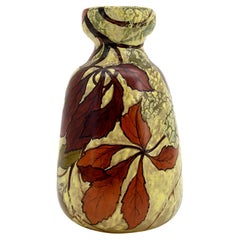
Legras French Art Nouveau Enameled Vase, Early 1900s
By François-Théodore Legras
Located in Saint-Amans-des-Cots, FR
French Art Nouveau Vase by François-Théodore Legras, Early 1900s – Rare Enamelled Chestnut Leaf Décor
A superb and exceptionally rare French Art Nouveau vase by François-Théodore Le...
Category
Antique Early 1900s French Art Nouveau Vases
Materials
Art Glass
Art Nouveau Vase Handmade and Hand Glazed and Enamel Details 1930s
By Faienceries Sarreguemines
Located in Verviers, BE
Brilliant handmade hand-glazed Art Nouveau Vase, 1930.
Handmade and hand-glazed in brilliant colored details.
Made in Belgium
Art Nouveau period 1930 fine quality.
The piece is in ...
Category
Vintage 1930s Belgian Art Nouveau Planters, Cachepots and Jardinières
Materials
Enamel
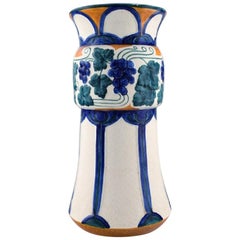
Alf Wallander for Rorstrand /Rörstrand, Large Art Nouveau Vase in Glazed Faience
Located in København, Copenhagen
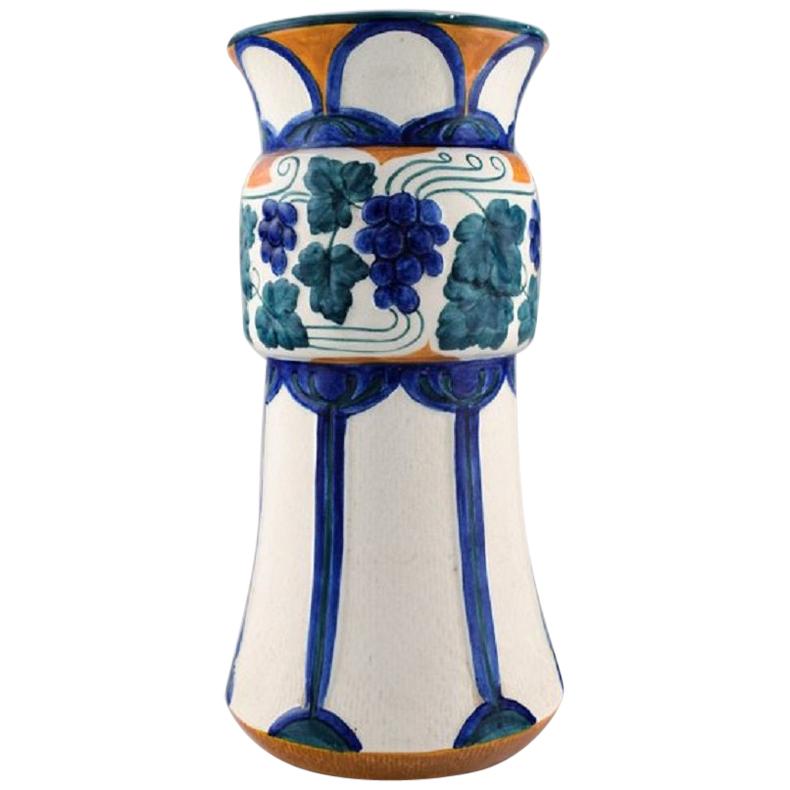
Alf Wallander for Rorstrand / Rörstrand. Large art nouveau vase in glazed faience with grapevine motif. Early 20th century.
In very good condition.
Measures: 32 x 17 cm.
Stamped.
Category
Early 20th Century Swedish Art Nouveau Vases
Materials
Faience
Multicolored ceramic vase, Art Nouveau period by the Revernay Manufacture, 1910s
By Revernay Sarreguemines Digoin
Located in JOINVILLE-LE-PONT, FR
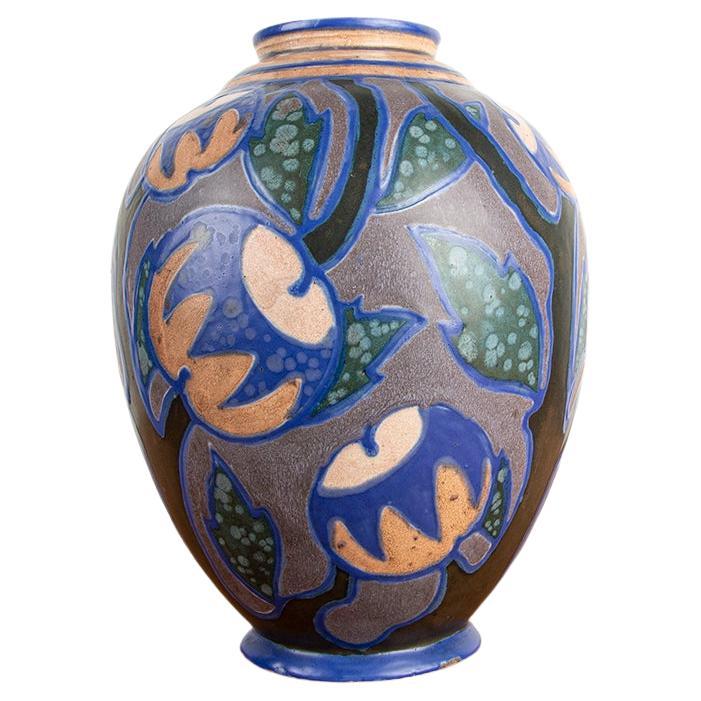
Magnificent Art Nouveau vase with floral motifs in blue, pink, black, and green, highly decorative.
The Manufacture Revernay is an artistic ceramics workshop founded in 1896. It is d...
Category
Vintage 1910s French Art Nouveau Vases
Materials
Ceramic