Items Similar to Cubic Vase by Anatole Riecke for La Coupole, Representing Jean Gabin, 1958
Want more images or videos?
Request additional images or videos from the seller
1 of 6
Cubic Vase by Anatole Riecke for La Coupole, Representing Jean Gabin, 1958
$598.32
£446.88
€500
CA$824.30
A$898.34
CHF 475.71
MX$10,789.99
NOK 6,022.58
SEK 5,537.17
DKK 3,809.13
About the Item
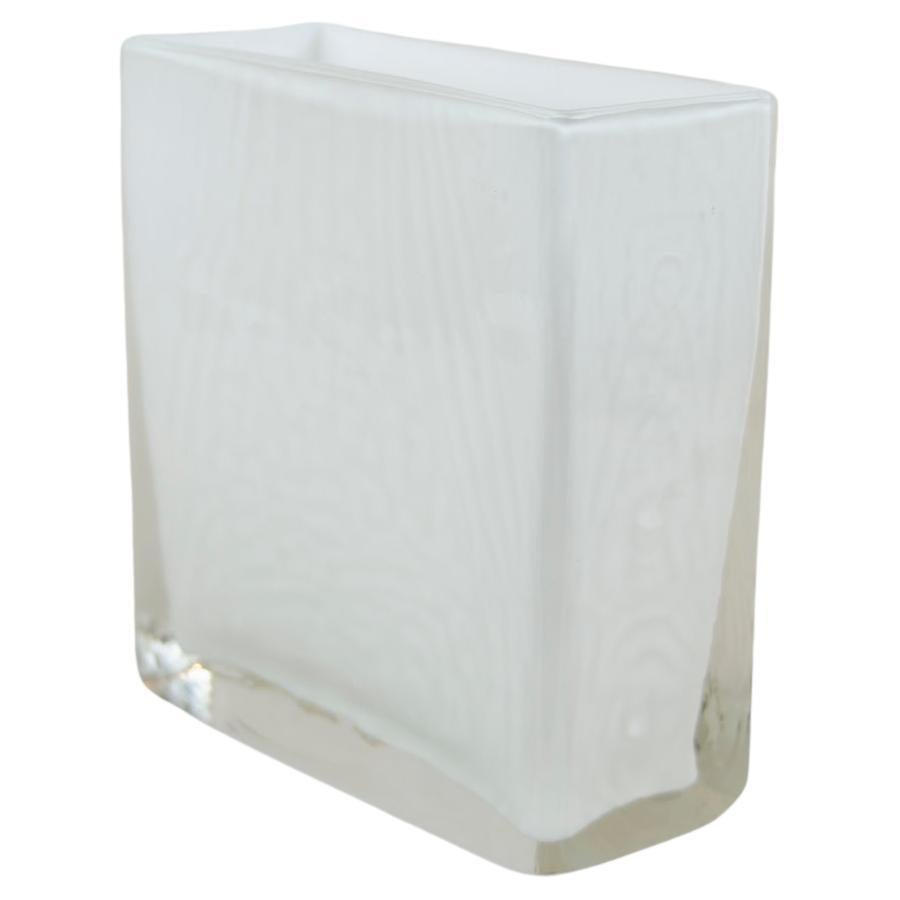
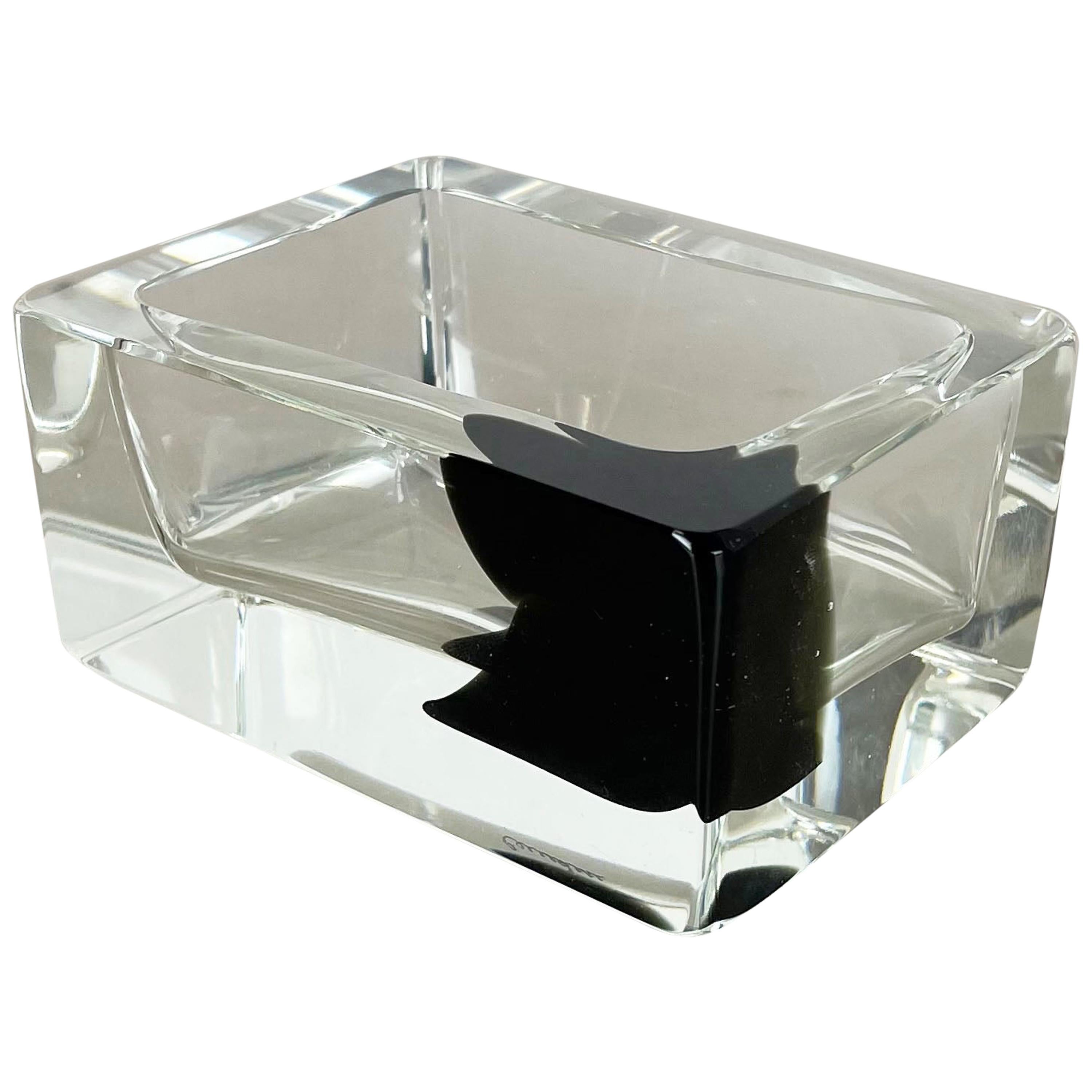
Cubic Vase by Anatole Riecke for La Coupole, representing Jean Gabin, 1958
Vase by Anatole Riecke, Cubic, in black opaline, representing Jean Gabin, 1958. This vase is a creation of the artist of Russian origin who lived in Paris at the beginning of the 20th century. A. Riecke participated in the decoration of the famous Parisian restaurant “La Coupole”, symbol of Art Deco architecture, and where all the personalities of the artistic world met. Vase in black opaline, one side of which is decorated with a figurative motif representing the French actor Jean Gabin.
Riecke's decorations were mostly abstract, this is a rare opportunity to discover another side of this artist's work. Decoration with natural pigments. The object is joyful, powerful, delicate and fascinating. We have other pieces by this artist that we will add soon, examples in the last photo. Unique copy, signed, dated with the title Gabin, and La Coupole marked under the vase.
Dimensions: H14xW14xD14cm.
- Attributed to:A. Riecke (Artist)
- Dimensions:Height: 5.52 in (14 cm)Width: 5.52 in (14 cm)Depth: 5.52 in (14 cm)
- Style:Mid-Century Modern (Of the Period)
- Materials and Techniques:
- Place of Origin:
- Period:
- Date of Manufacture:1958
- Condition:Wear consistent with age and use.
- Seller Location:Crespières, FR
- Reference Number:1stDibs: LU7806234047522
About the Seller
5.0
Vetted Professional Seller
Every seller passes strict standards for authenticity and reliability
Established in 2011
1stDibs seller since 2022
11 sales on 1stDibs
- ShippingRetrieving quote...Shipping from: Crespières, France
- Return Policy
More From This Seller
View AllCrystal Vase by Anatole Riecke, Mid Century, La Coupole Restaurant Paris
By A. Riecke
Located in Crespières, FR
French Crystal vase by Anatole Riecke – 1944, La Coupole Restaurant, Paris.
This vase is a creation of the artist Anatole Riecke, of Russian origin, who lived in Paris at the beginn...
Category
Mid-20th Century French Art Deco Vases
Materials
Crystal
Art Deco French Center Piece Silver Plated Glass Liner Attributed to Sue
Mare
By Marie Louis Sue
Located in Crespières, FR
Attributed to Sue et Mare this art deco centre piece is composed of a silver plated oval recipient, and its original cut cristal liner.
The decor is a beautiful example of the Frenc...
Category
Vintage 1920s French Art Deco Centerpieces
Materials
Metal, Silver Plate
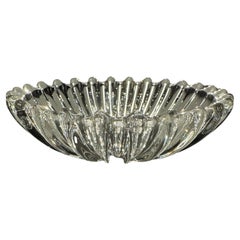
Art Deco French Large Bowl or Centre Piece Bayel Crystal
By Bayel Crystal
Located in Crespières, FR
1920s large fruits, salade, dessert bowl or centre piece in clear transparent crystal.
The Bayel Royal Manufacture was born in 1666, a hundred years before Baccarat, on the request...
Category
Vintage 1920s French Art Deco Candlesticks
Materials
Crystal
$909 Sale Price
20% Off
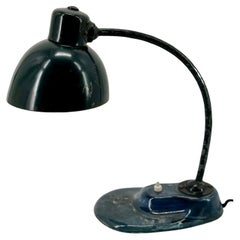
Glass Base Kandem 1115 Table Lamp By Marianne Brandt Circa Late 1930’s
By Marianne Brandt
Located in Crespières, FR
1930’s Glass Base Kandem 1115 Table Lamp by Marianne Brandt for Kandem Germany (Körting
Mathiesen AG, Leipzig)
Iconic Kandem Bauhaus table or desk lamp by Marianne Brandt.
Th...
Category
Vintage 1930s German Mid-Century Modern Table Lamps
Materials
Iron
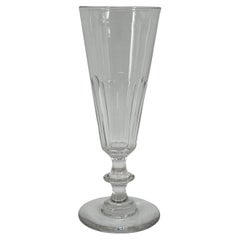
Champagne Cristal Glasses, French XIXth Century, More Available
By Baccarat
Located in Crespières, FR
Clear champagne crystal glasse from the XIXth century, a classical model, with a beautiful clear sound.
The facetted decor around catches the light and reflects it even more. The s...
Category
Antique Late 19th Century French Napoleon III Glass
Materials
Crystal
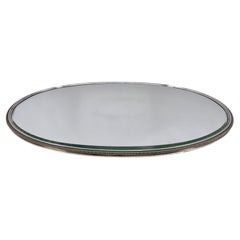
French Table Centrepiece Silvered Bronze and Mirror Signed Boin-Taburet C. 1880
By Boin-Taburet
Located in Crespières, FR
French Oval Table Centrepiece Silvered bronze and Bevelled Mirror signed Bointaburet, 19th century.
French centrepiece in silvered bronze, with an ingot mold decorated with Louis XV...
Category
Antique Late 19th Century French Louis XVI Centerpieces
Materials
Silver Plate, Bronze
$2,094 Sale Price
30% Off
You May Also Like
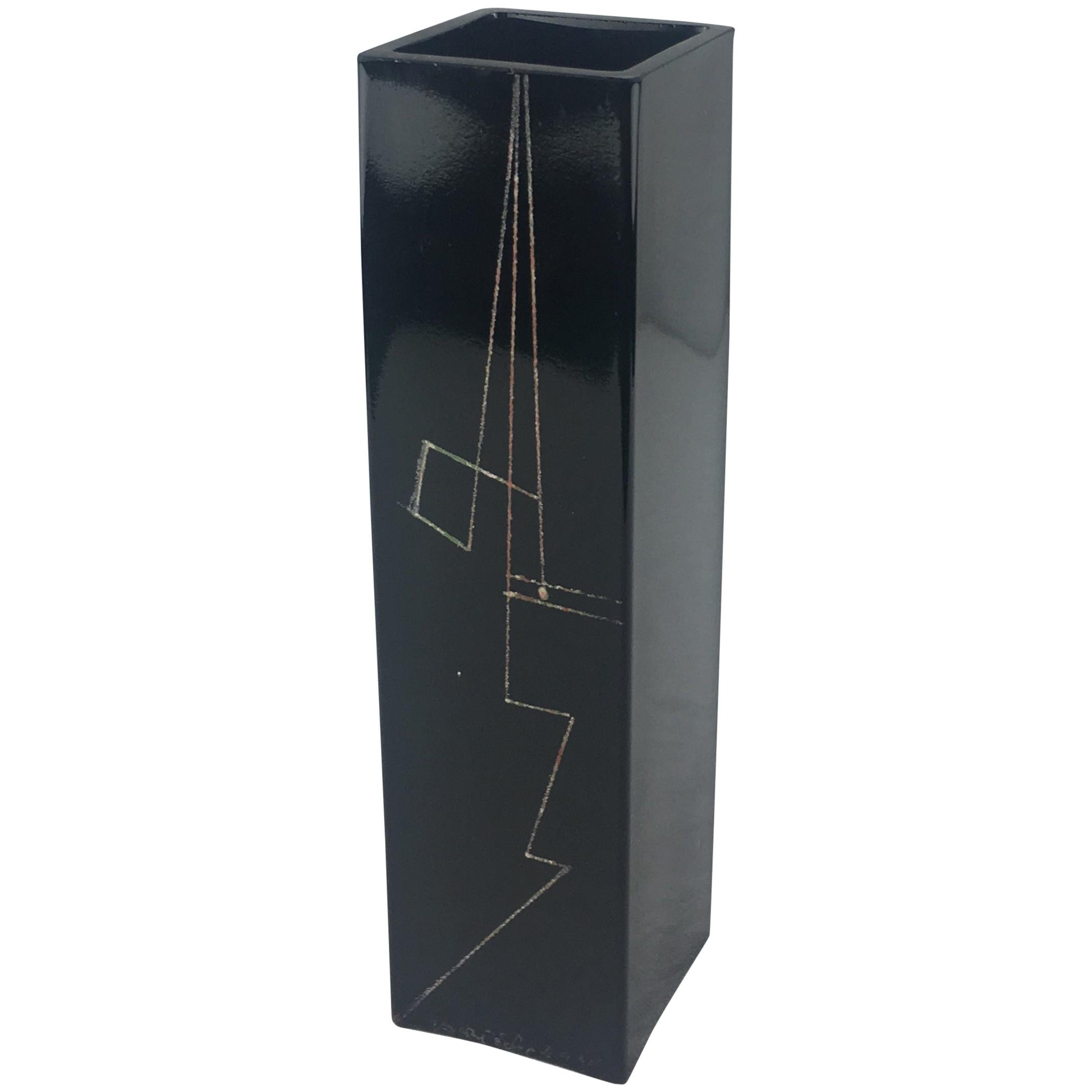
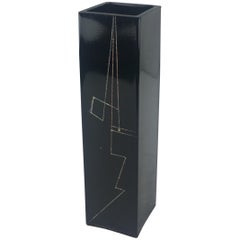
Art Deco Cubist Vase signed Anatole Riecke from La Coupole Paris France
By A. Riecke
Located in Miami, FL
A small distinctive vase, fashioned with period cubism etched designs. This is another of our collection of pieces that were once used at, and perhaps sold, through the legendary La Coupole...
Category
20th Century French Art Deco Vases
Materials
Porcelain
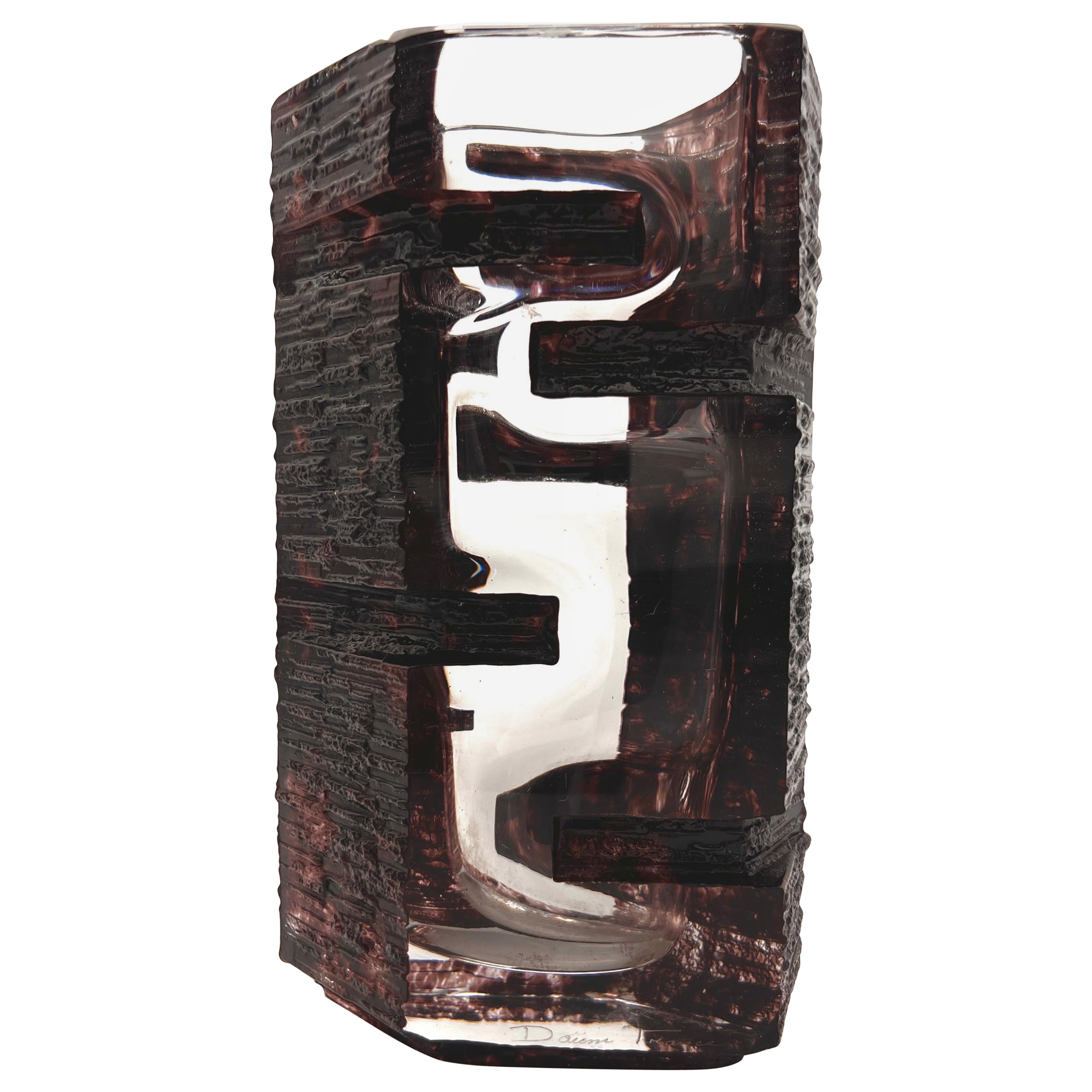
Cesar Baldaccini ( 1921-1998 ) Vase model Argos for Daum France 1970
By Daum, César Baldaccini
Located in palm beach, FL
Vase A by Cesar Baldaccini for Daum, France, 1970s, is a magnificent work of art that seamlessly combines form and function. Designed by renowned French sculptor Cesar Baldaccini, this multi-faceted vase is a stunning example of his mastery of sculptural forms. Made by renowned French glassmaker Daum, this vase features a highly polished, multi-faceted surface that reflects and refracts light in fascinating ways. The veneers are perfectly aligned and flawlessly executed, creating a breathtaking sense of depth and texture. The vase is signed "Daum France", which adds a touch of authenticity and provenance to the piece. This is a true collector's item, sought after by art lovers and collectors around the world. Functional, the Argos vase is ideal for presenting flowers or other decorative objects. Its sculptural form and multi-faceted surface create a dynamic backdrop that enhances the beauty of any arrangement. Overall, the Argos vase by Cesar Baldaccini for Daum, France, 1970s, is a masterpiece of design and craftsmanship. Its striking form, impeccable craftsmanship and exceptional provenance make it a highly coveted piece that is sure to impress and enchant anyone who sees it.
Cesar Badaccini (1921-1998)
His parents, Omer and Lelia Baldaccini, Italians of Tuscan origin, ran a bar in Marseille where César was born, with his twin sister Amandine, in 1921 in the popular district of Belle-de-Mai, at 71 rue Loubon, in the 3rd arrondissement1. "I am basically an absolute self-taught," he will say2. At the time, he designed and tinkered with carts for his little brother with cans. Nevertheless, after first working for his father (he also helped a butcher neighbor for a meager salary after leaving school at the age of twelve), he followed the courses of the École supérieure des beaux-arts de Marseille from 1935 to 1939; in 1937, he obtained three prizes, in engraving, drawing and architecture3.
Not mobilized during the war (he also escaped the STO), he lived on scams before settling in Paris to be admitted, in 1943, to the École nationale supérieure des beaux-arts with Michel Guino, Albert Féraud, Daniel David, Eugène Dodeigne and Philippe Hiquily, like him in the workshop of Marcel Gimond. In 1945, he returned to Marseille to marry Maria Astruc, with whom he set up a business (they divorced in 1959). He returned to Paris in 1946 where he occupied a studio in an old brothel at 21 rue de l'Échaudé, whose rooms, following the Marthe Richard law, had been assigned to students4. There he met Émilenne Deschamps, who would later become one of his muses.
Faced with the impossibility for him to work the stone, because of its cost, he turned to other materials3. From 1947, he worked on plaster and iron. In 1949, he was introduced to arc welding in an industrial carpentry in Trans-en-Provence and used lead in pushed sheets and welded iron wires. In 1951, he visited Pompeii and remained marked by the casts of the bodies of the inhabitants caught in the lava3. In 1952, he used inexpensive recovered materials and made his first sculptures in welded scrap metal: his means were then still modest. Thus, for lack of money and to afford marble, César will recover in the scrap dumps the materials of his first sculptures: tubes, bolts, screws that become insects or end up in the powerful curves of the Venus de Villetaneuse (1962).
In 1954, he exhibited at the Lucien Durand gallery in Paris and obtained the "collabo" prize for a sculpture entitled Le Poisson5, made in Villetaneuse, a city where he worked for a dozen years thanks to the help of a local industrialist, Léon Jacques6. He gained fame when his work was bought for 100,000 francs in 1955 by the State for the National Museum of Modern Art7. The same year, he exhibited at the Salon de Mai. The following year, the MNAM bought Chauve-souris from 1954 and the museum of modern art in the city of Paris Le scorpion from 1955. From 1954 (Torse, MOMA), he also made sculptures in welded metal, then in partially polished bronze, of busty women (Ginette, 1958, Victoire de Villetaneuse, 1965).
In 1956, he participated in the Venice Biennale then in the São Paulo Biennale and in the Documenta II in 1959. In 1958, he signed a contract with the Parisian gallery Claude Bernard3. In 1961, he approached Marino di Teana and joined the group of Nouveaux réalistes, a movement founded by art critic Pierre Restany8, including Arman, Jean Tinguely, Niki de Saint Phalle and Gérard Deschamps.
When he could afford a workshop in 1957, rue Campagne-Première in Paris, he married Rosine Groult-Baldaccini (met at the Beaux-Arts in 1948) with whom he had a daughter, Anna, a year later. He also begins to frequent the world of the In 1968, he created at the National Manufacture of Sèvres a porcelain Ashtray published in fifty copies. Made of porcelain with a semi-matt pearly cover, it represents a plaster mold used for the production of the pieces, and was produced from an original aluminum model. In 1971, during a premiere at the Lido, he found more media than him: Salvador Dalí, the master of extravagance. He debates the same year in Italiques with François Truffaut, Lucien Bodard and Asher Ben...
Category
Vintage 1970s French Mid-Century Modern Vases
Materials
Glass
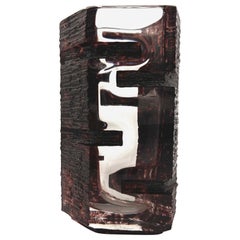
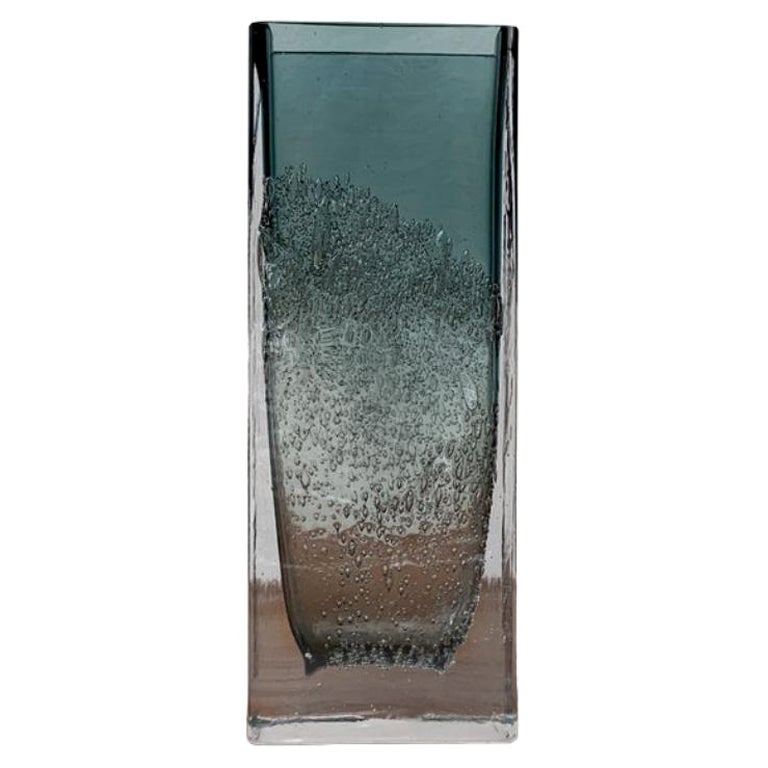
Mid-Century German Glass Block Vase, 1960s
Located in Hamburg, DE
Mid-Century German Glass Block Vase, 1960s, in Very Good conditions. Designed 1960 to 1969.
Additional information:
Materials: Glass
Color: Blue
Styles: Mid-Century Modern
Country o...
Category
20th Century German Mid-Century Modern Vases
Materials
Glass
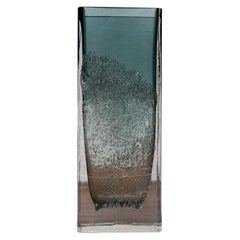
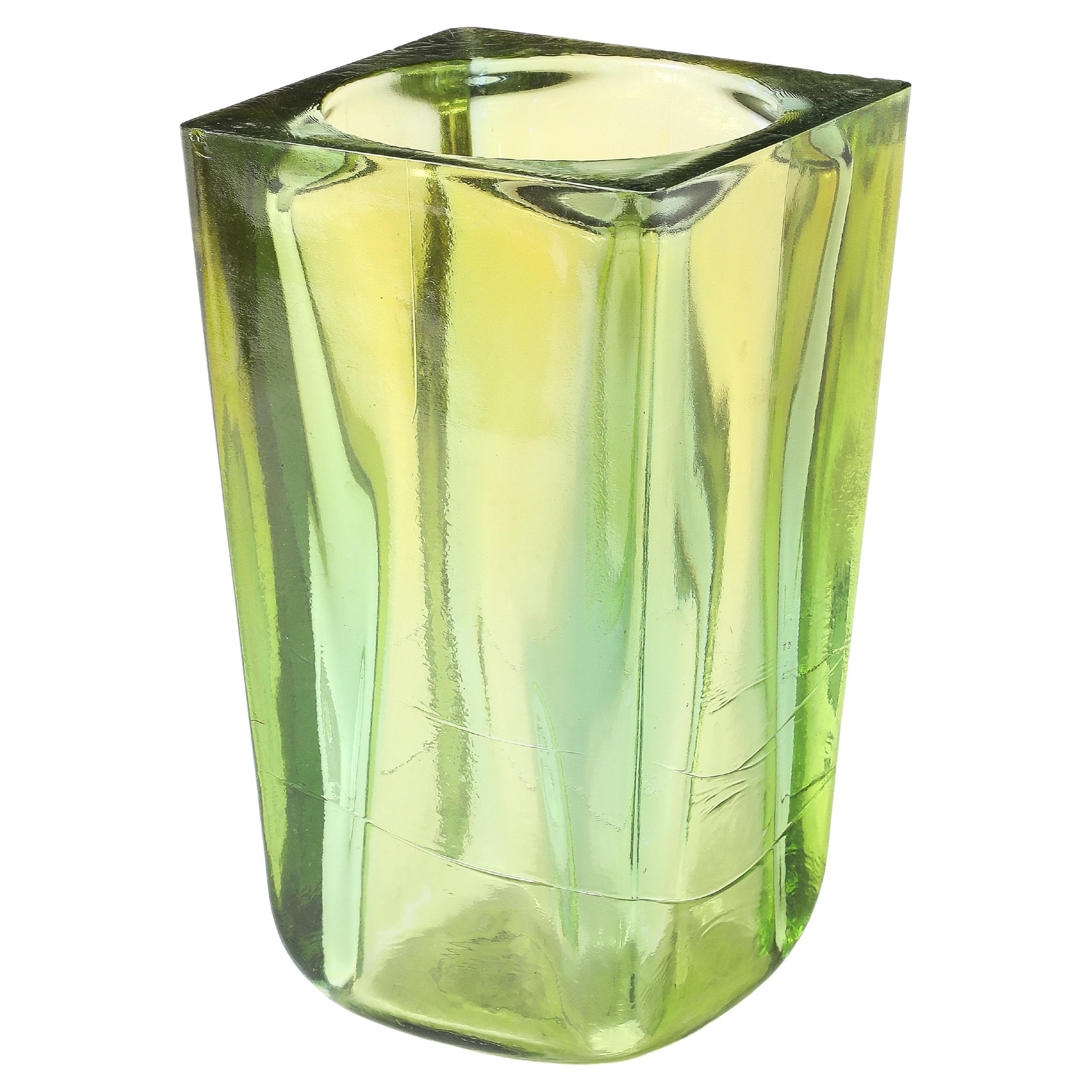
Large Blenko Cast Vase, USA 1960
s
By Blenko Glass
Located in New York, NY
Solid cast glass vase by Blenko in green yellow hues.
Category
Mid-20th Century American Mid-Century Modern Vases
Materials
Glass
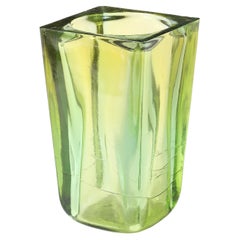
Cristal vase 1950s, A. Churba
By Alberto Churba
Located in Autonomous City Buenos Aires, CABA
Of the most decorative and modern pieces by the designer, Argentine architect Alberto Churba.
Alberto Churba
Konex Platinum Award 1982: Design
He was born on 08/02/1932. Konex Platinum Award 1982. Professor of Drawing and Painting, graduated from the National School of Fine Arts (1954). In 1960 he created the Churba Studio (CH-Center of Art and Design), specialized in the design of furniture, textiles, carpets and glass. His works were exhibited in important galleries, museums and institutions dedicated to national and international art, including the Cinta 5 armchair exhibited at the Victoria and Albert Museum (V&A, England) and at the Museum of Modern Art (MOMA, USA. ). Among other works, he designed upholstery textiles and beach canvases...
Category
Vintage 1950s Argentine Art Deco Vases
Materials
Glass
New Old Stock Large 1.1kg Murano Glass Vase Antonio da Ros Cenedese 1970, No.2
By Cenedese, Antonio da Ros
Located in Kirchlengern, DE
Article:
Murano glass element
Design:
Antonio da Ros
Producer:
Cenedese Vetri (marked underneath the vase)
Origin:
Murano, Italy
Decade:
1960s-1970...
Category
Late 20th Century Italian Mid-Century Modern Centerpieces
Materials
Murano Glass
More Ways To Browse
Black Opaline Glass Vase
La Coupole
Anatole Riecke
Etched Green Glass
Layered Glass Art
Marble Large Vase
Retro Japanese Stoneware
Ukraine Folk
Wedgwood Black Basalt
17th Century Chinese Vase
19th Century Doulton
Ancient Roman Glass
Antique Glass Collectors
Art Nouveau Vase Handle
Bacchus Mask
Blue Grey Vase
Bronze Flower Vase
Doulton Lambeth Stoneware