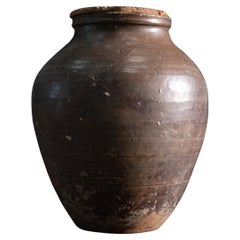
Items Similar to Japanese Antique Huge “Yabure Tsubo” Ceramic Vessel 13th Century / Wabi-Sabi
Want more images or videos?
Request additional images or videos from the seller
1 of 21
Japanese Antique Huge “Yabure Tsubo” Ceramic Vessel 13th Century / Wabi-Sabi
$12,000
£8,960.41
€10,321.18
CA$16,745.46
A$17,704.27
CHF 9,513.78
MX$212,630.95
NOK 119,129.47
SEK 109,012.26
DKK 77,076.50
About the Item
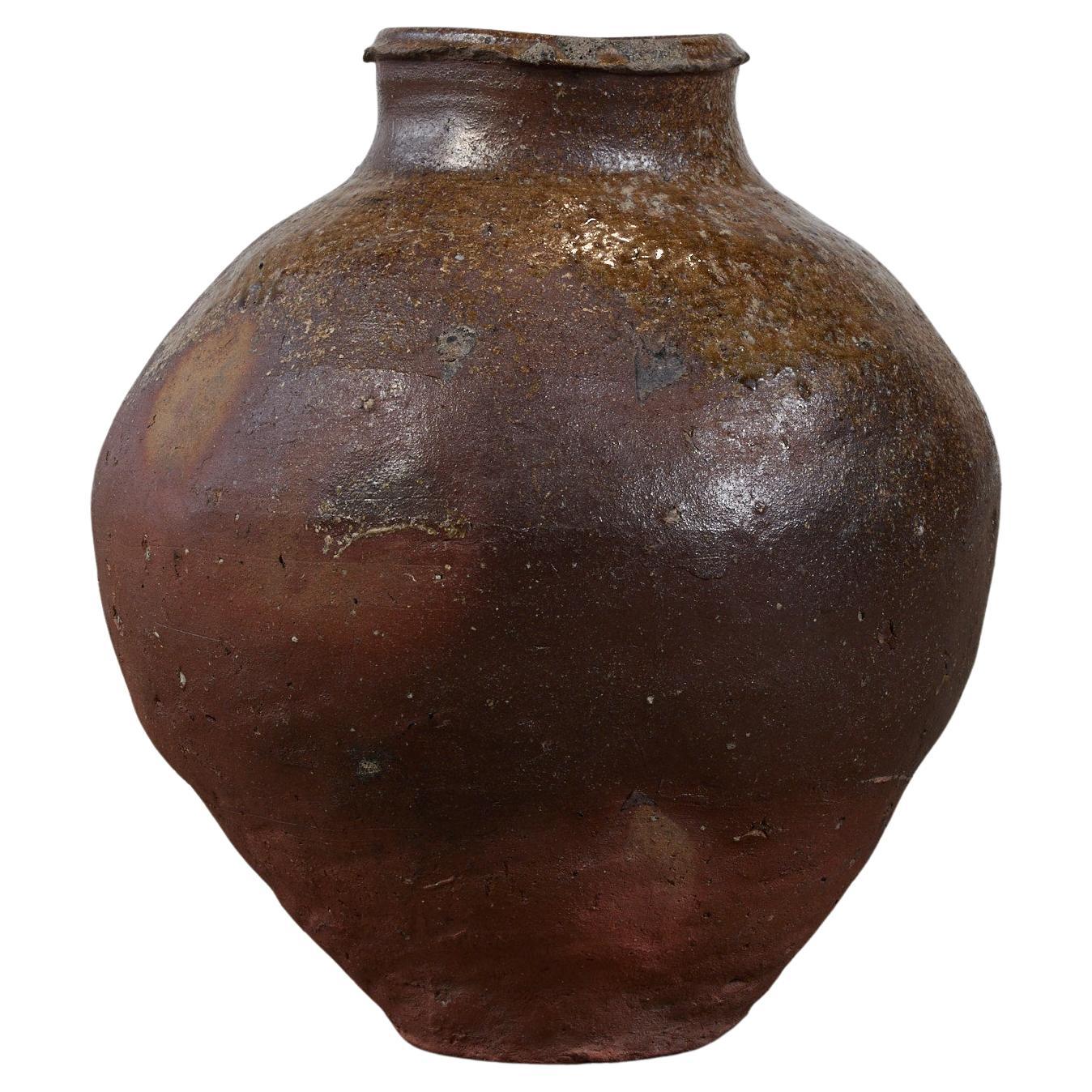
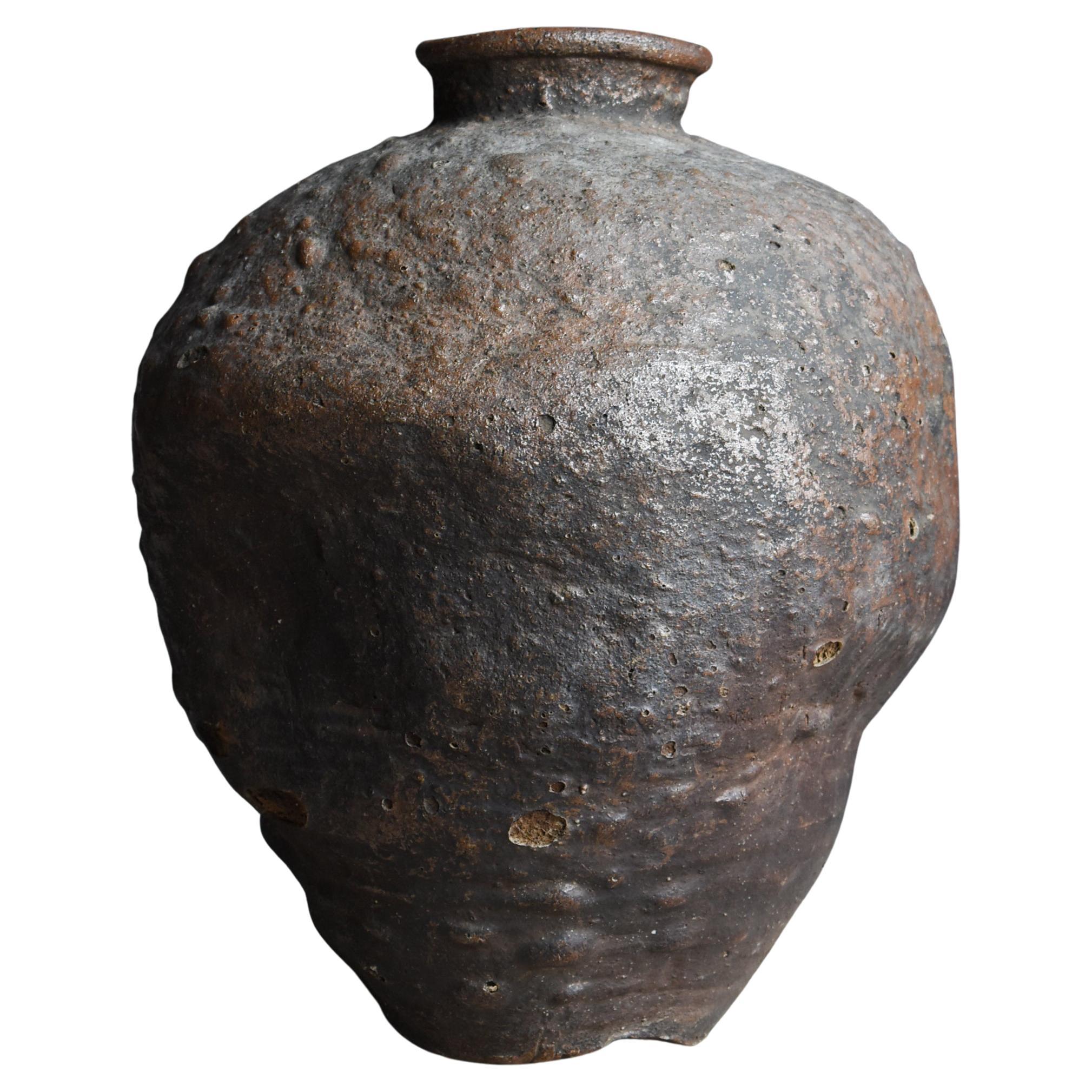
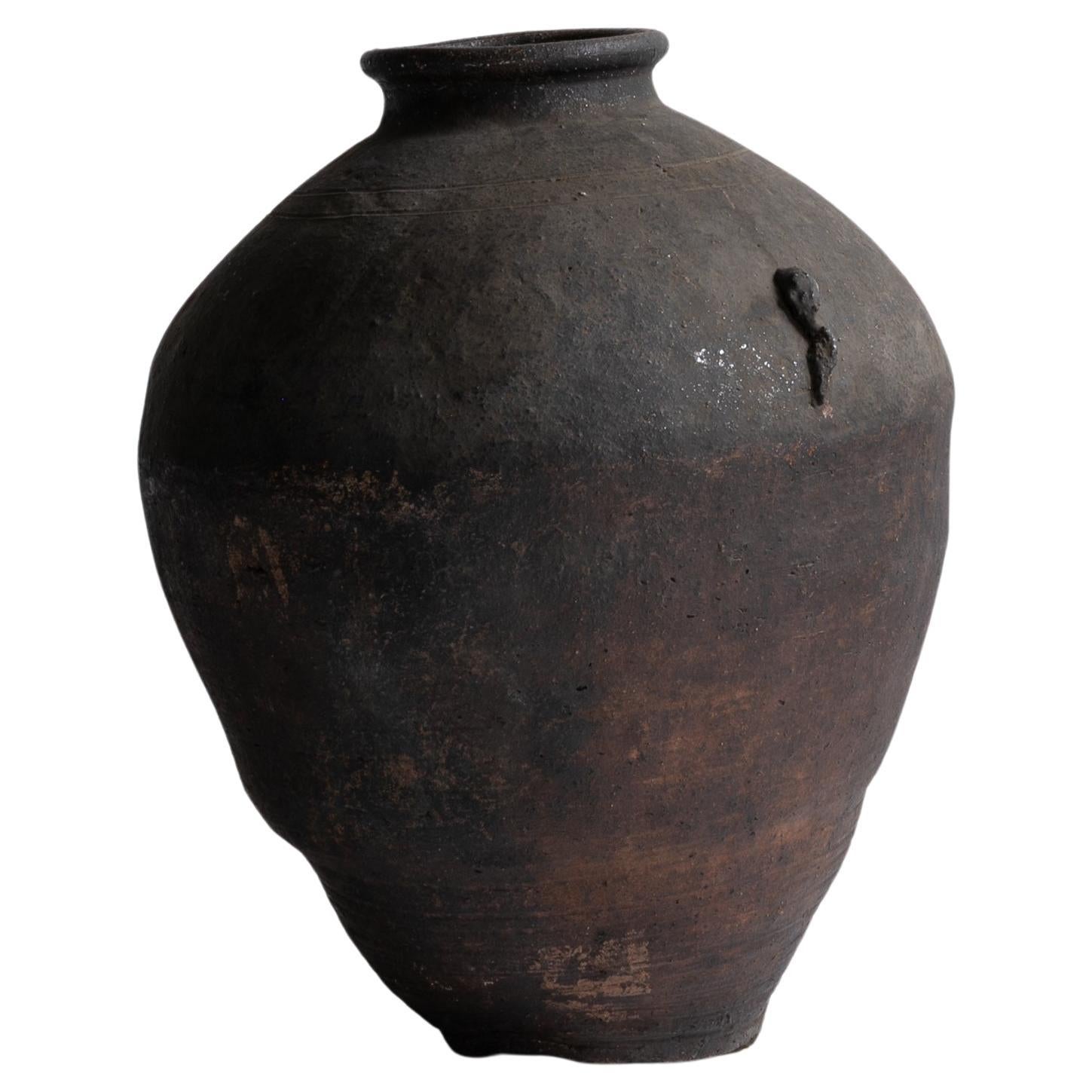
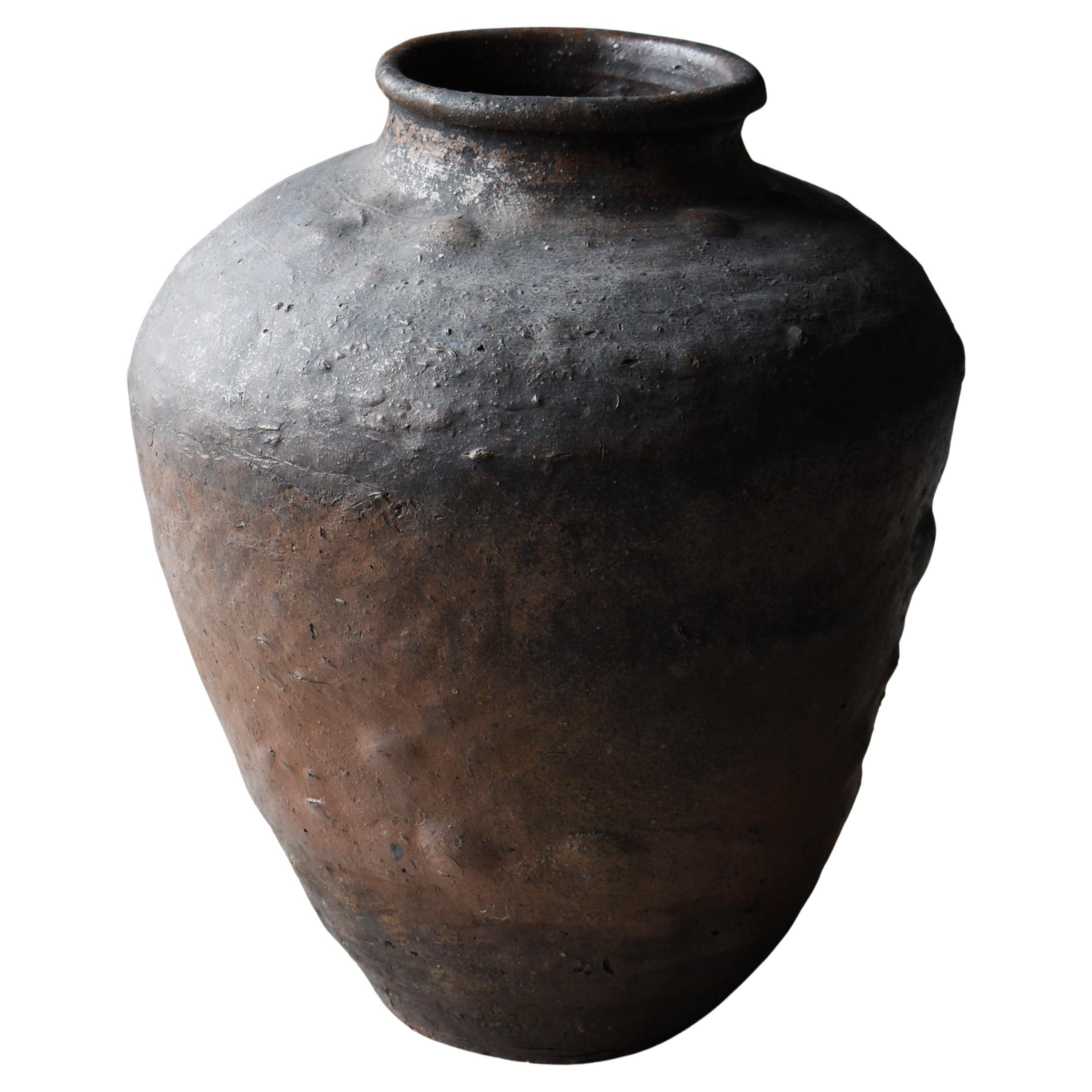
This is an old, monumental Tokoname ware “Yabure Tsubo” (broken-form jar) made in Japan.
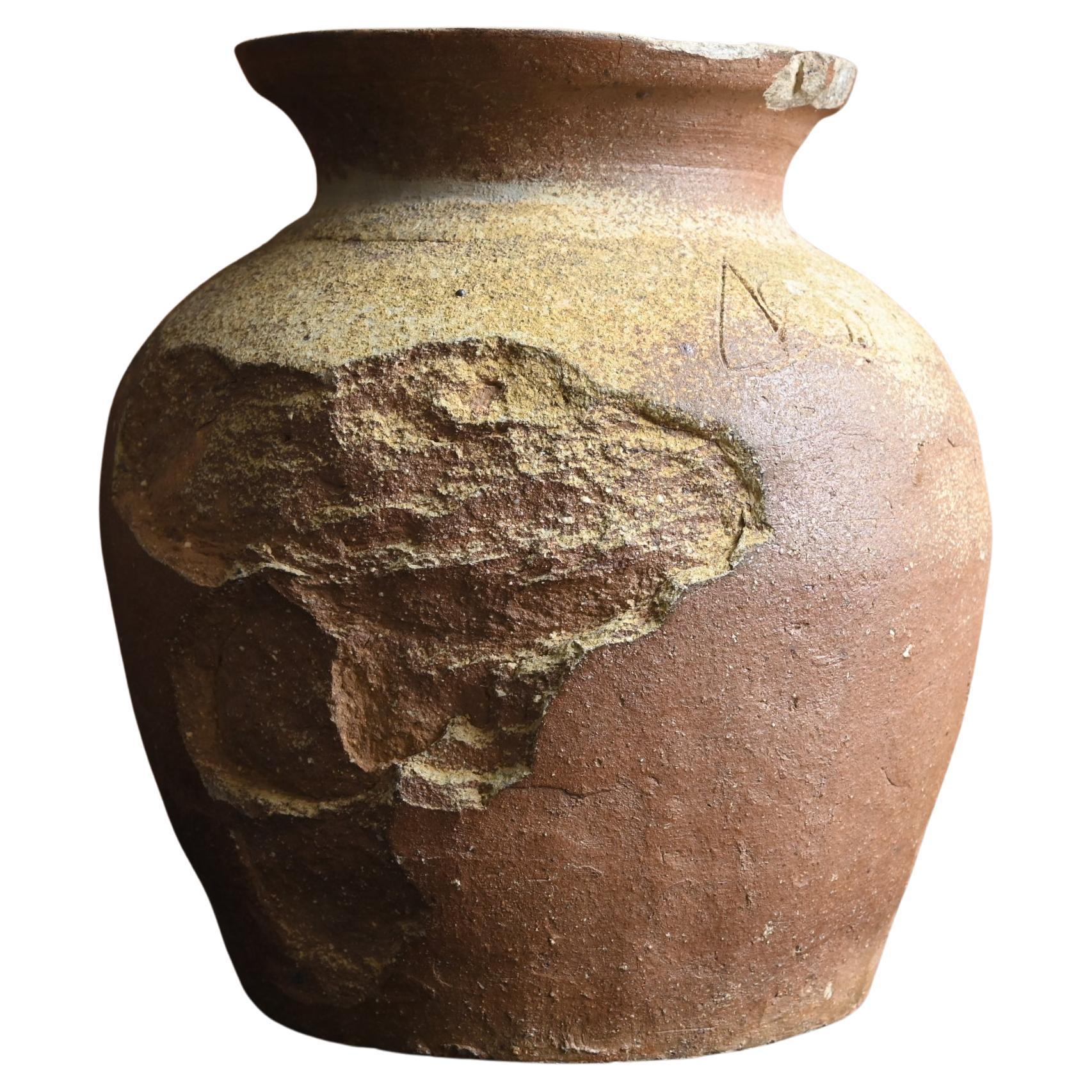
A yabure tsubo refers to a large jar that has sustained natural breakage and weathering over centuries, yet continues to hold a commanding presence. Rather than viewing its incomplete form as damage, this uniquely Japanese sensibility embraces the “traces of time” as a form of beauty. Tokoname ware, known as one of the Six Ancient Kilns of Japan, is celebrated for its rugged clay, earthy texture, and powerful, unrefined forms.
Based on its clay character, form, and construction techniques, this piece can be confidently dated to the Kamakura period (13th century, 1185–1333)—making it an exceptionally rare surviving jar. Examples of this size are extraordinarily scarce, and pieces of such scale and age are typically found in museum collections. In the modern market, it would be nearly impossible to encounter such a work as a “fresh find”; it is far more reasonable to assume it originated from a long-established private collection.
The exterior displays the deep reddish-brown coloration characteristic of early Tokoname ware, enriched by iron content in the clay. Areas of natural darkening from ash deposits, subtle variations in tone from long-term burial in the earth, and faint finger marks remaining from its original shaping all overlap to create a landscape that is entirely unique. Even the broken rim and the dramatic fissure along the body possess a sculptural force, allowing the jar to stand as an object that quite literally speaks of time.
There are several old repair marks made with adhesive, yet the jar remains structurally stable with a firm, self-standing base. Rather than seeking perfection, this piece embodies the Japanese aesthetic of wabi-sabi—the appreciation of beauty within imperfection. When placed as it is, without hiding its breaks, the jar acts as a profound art object that conveys stillness and the quiet passage of centuries.
It will be shipped securely from Japan in a custom-made wooden box to ensure the highest level of protection.
Born from the earth and carrying hundreds of years of history, this monumental jar offers a presence and a beauty that exist nowhere else in the world.
Weight: approx. 50 kg
______________________________
Our Philosophy
Objects always tell the truth.
All I can do is just to face with them sincerely and give
them deep affection as much as I can.
There is no boundary of nationalities and of eras in beauty.
But I think now is the time we choose 'Japanese style' and it
will be the best way to remind us of what we are losing
today and to question us about an essence of beauty again.
I hope that you can touch the memories which the objects here have,
feel and think of something invisible but exists undoubtedly.
- Similar to:Axel Vervoordt (Designer)
- Dimensions:Height: 27.56 in (70 cm)Width: 33.47 in (85 cm)Depth: 30.71 in (78 cm)
- Style:Other (Of the Period)
- Materials and Techniques:Ceramic,Glazed
- Place of Origin:
- Period:
- Date of Manufacture:13th Century
- Condition:Wear consistent with age and use.
- Seller Location:Chōsei District Nagara, JP
- Reference Number:1stDibs: LU10403247878832
About the Seller
4.8
Platinum Seller
Premium sellers with a 4.7+ rating and 24-hour response times
Established in 2017
1stDibs seller since 2025
77 sales on 1stDibs
Typical response time: 3 hours
- ShippingRetrieving quote...Shipping from: Chōsei District Nagara, Japan
- Return Policy
More From This Seller
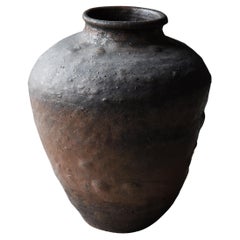
View AllJapanese Antique Shigaraki ware 17th Century / Pottery Vase Wabisabi
Located in Chōsei District Nagara, JP
This is an old pottery pot made in Japan.
It is a very old pot believed to have been made in the 17th century, early Edo period, and is called Koshigaraki in Japan.
Koshigaraki refe...
Category
Antique 17th Century Japanese Edo Vases
Materials
Pottery
$1,200 Sale Price
33% Off
Japanese Antique Shigaraki Ware 17th Century / Pottery Vase Vessel Wabi Sabi
Located in Chōsei District Nagara, JP
This is a ceramic jar made in Japan.
It was made in the 17th Century and is a valuable piece that conveys the lifestyle and aesthetic sense of the time.
Shigaraki ware is one of the...
Category
Antique 17th Century Japanese Edo Vases
Materials
Pottery
$1,050 Sale Price
30% Off
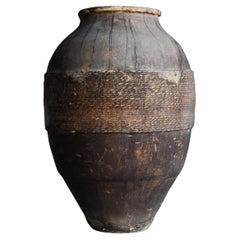
Japanese Antique Paper-covered Large Ceramic Jar 1860s-1900s / Vessel Wabisabi
By Axel Vervoordt
Located in Chōsei District Nagara, JP
This is an exceptionally rare large ceramic jar from Japan, covered in paper. It was made during the Meiji period (1860s–1900s) and was originally used for transporting and storing t...
Category
Early 20th Century Japanese Meiji Vases
Materials
Paper, Straw, Pottery
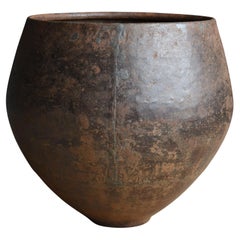
Japanese Antique Iron Vessel 1860s-1920s / Flower Vase Steel Bowl Wabisabi
By Axel Vervoordt
Located in Chōsei District Nagara, JP
This is an antique Japanese iron container, believed to have been made in the Meiji to Taishō period (1860s–1920s). It is one of the few surviving iron vessels from that era, now con...
Category
Early 20th Century Japanese Meiji Vases
Materials
Iron
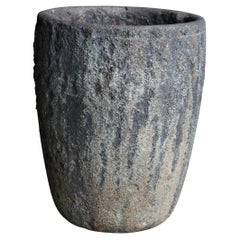
Japanese Antique Crucible 1920s-1940s / Flower Vase Wabisabi
Located in Chōsei District Nagara, JP
This is an old Japanese crucible.
It is a refractory tool used to melt metals in the early Showa period (1920s-1940s).
The material is estimated to be refractory clay containing grap...
Category
Mid-20th Century Japanese Showa Vases
Materials
Clay
$640 Sale Price
20% Off
Japanese Antique Black Paper-Covered Pottery Vase 1860s-1900s / Wabi Sabi
Located in Chōsei District Nagara, JP
This is an old Japanese ceramic jar covered with layers of traditional paper (washi).
It was made during the Meiji period (1860s–1900s) and was originally used for storing and transp...
Category
Early 20th Century Japanese Meiji Vases
Materials
Paper, Pottery
You May Also Like
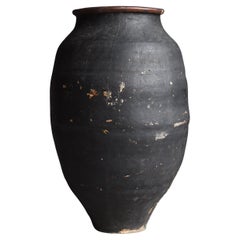
Shigaraki Tsubo Stoneware Ceramic Vessel
Located in Los Angeles, CA
Japanese ceramic vessel from Shiga, Japan. This piece gains its unique glaze and irregularities from the firing process in which wood is added...
Category
Antique 18th Century Japanese Edo Vases
Materials
Ceramic
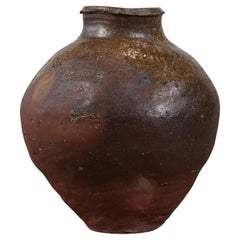
Japanese antique Shigaraki ware vase / 13th century / Wabi-sabi flower vase
Located in Sammu-shi, Chiba
This Echizen ware jar was produced during the Kamakura period, around the 13th century. Even among the few remaining examples of medieval Echizen ware, this is an especially valuable...
Category
Antique 15th Century and Earlier Japanese Other Jars
Materials
Pottery
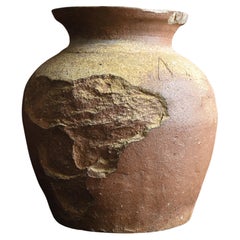
Japanese Antique Pottery Jar 15th-16th Century/ Wabi-Sabi Jar/Tokoname Vase
Located in Sammu-shi, Chiba
It is a very old jar in Japan.
This is a pottery called Tokoname ware.
Tokoname is a kiln located in Aichi prefecture, Japan.
It is said to have originated around the 12th century.
A...
Category
Antique 16th Century Japanese Other Vases
Materials
Pottery
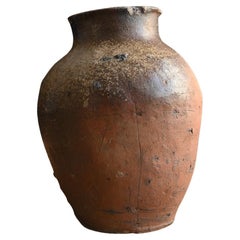
Japanese Antique Wabi-Sabi Edo Pottery Vase 18th Century / Tsubo
Located in Sammu-shi, Chiba
This is a very old ceramic vase made in Japan.
It was made in the Edo period (1860s-1860s).
It is called Shigaraki ware in Japan.
This large vase was used to hold and carry tea leav...
Category
Antique Late 17th Century Japanese Edo Vases
Materials
Pottery
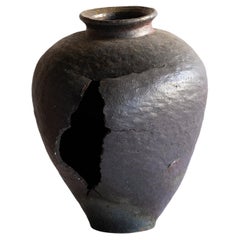
Japanese Antique Pottery Jar 17th-18th Century/ Wabi-Sabi /Tokoname
Located in Sammu-shi, Chiba
Tokoname is a region in Aichi Prefecture, Japan, renowned as one of the country's oldest pottery centers, with a history dating back to the 12th century.
This jar, despite cracking ...
Category
Antique Late 17th Century Japanese Edo Vases
Materials
Pottery
19th Japanese antique Tsubo, paper covered pottery vase wabi sabi pot, wood lid
Located in 常陸大宮市, JP
This Tsubo, pottery Jar is a product of, at least late Edo era (estimate 1840s-1860) estimate from the style
condition.
Especially, The lid is made from wood, has a good amount...
Category
Antique Late 19th Century Japanese Edo Vases
Materials
Ceramic, Paper, Porcelain