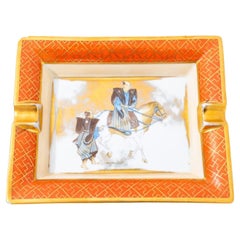
Japonisme Ashtrays
In the late 19th and early 20th century, France developed an enduring passion for Japanese aesthetics and craftsmanship. Not only did this interpretation of Japanese culture — which became known as Japonisme — infuse fresh energy into French art and design, but it also radically transformed how Europeans, and subsequently the world, would come to understand visual culture.
Until 1853, Japan had been closely guarded against foreign visitors for over two centuries. However, American Commodore Matthew C. Perry sailed into Japan that year and initiated the first of its treaties with the United States and Europe, thereby opening its borders and giving the West its first-ever look at Japanese design.
For the next few decades, taken with Japonisme, sophisticated collectors in Paris, New York and elsewhere gorged themselves on lacquered screens, celadon ceramics and netsuke ornaments, along with artworks depicting various aspects of Japanese life. The East Asian country’s influence on Europe, particularly France, contributed to one of the most creatively prosperous periods in history, leaving an imprint on the Impressionist, Art Nouveau and Art Deco movements, and inspiring artists like Edgar Degas, Mary Cassatt, Vincent van Gogh as well as luxury houses such as Louis Vuitton and Hermès. Japonisme emerged at the time when the ornate Renaissance Revival style was the most prominent mode of decorating in Europe, and Japanese aesthetics seemed strikingly modern and elegant in comparison.
In addition to everyday practical objects from Japan, such as vases, tableware and decorative boxes, Japanese art, especially Japanese woodblock prints by masters of the ukiyo-e school, caught the eye of many artists — particularly those in the Art Nouveau poster community in 1880s Paris. The luscious organic colors associated with traditional Japanese design, motifs like cherry blossoms and carp and the vivid patterns found in woodblock prints, silks and more were adopted and appropriated by painters as well as ceramicists and those working in other fields of the decorative arts. Today, demand for Japanese lacquerware — furniture, trays, writing boxes, screens, incense burners — from the Edo period (1615–1868) and the late 19th century continues to be very strong among collectors.
Find a collection of antique Japonisme furniture and decorative objects on 1stDibs.
Early 20th Century Japanese Japonisme Ashtrays
Ceramic, Paint
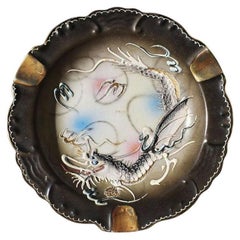
1940s French Vintage Japonisme Ashtrays
Ceramic
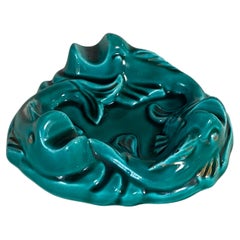

Mid-20th Century Belgian Japonisme Ashtrays
Glass
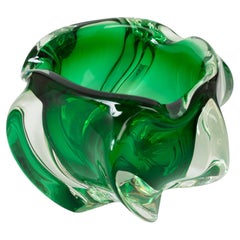
1950s Italian Vintage Japonisme Ashtrays
Murano Glass
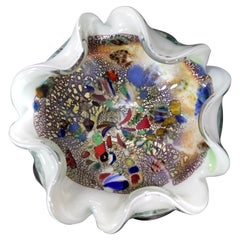
20th Century French Japonisme Ashtrays
Crystal
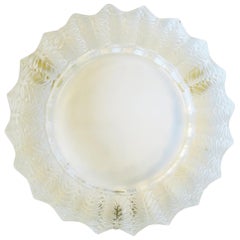
Mid-20th Century Italian Japonisme Ashtrays
Art Glass, Murano Glass
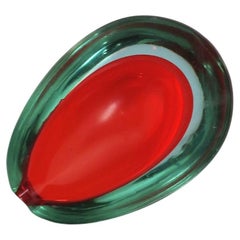
Mid-20th Century Italian Japonisme Ashtrays
Ceramic
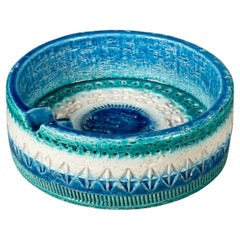
1960s Italian Vintage Japonisme Ashtrays
Art Glass
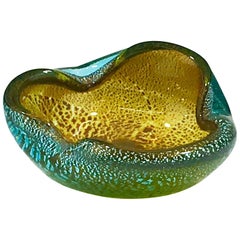
Mid-20th Century Italian Japonisme Ashtrays
Blown Glass, Murano Glass, Art Glass
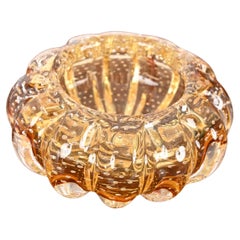
1950s Italian Vintage Japonisme Ashtrays
Murano Glass
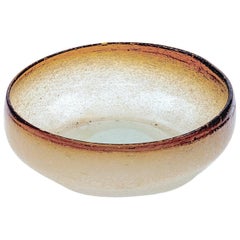
Mid-20th Century Italian Japonisme Ashtrays
Art Glass, Murano Glass, Blown Glass
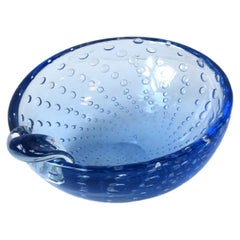
Mid-20th Century Italian Japonisme Ashtrays
Blown Glass, Murano Glass
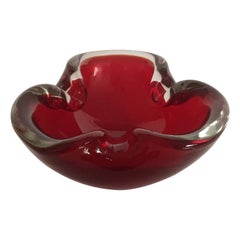
Mid-20th Century American Japonisme Ashtrays
Metal, Enamel
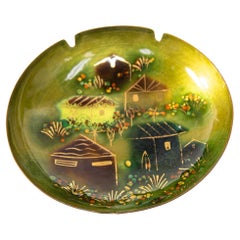
20th Century Japonisme Ashtrays
Ceramic