Items Similar to Théodore deck (1823-1891), A Gourd Shape Enameled Faïence Vase, circa 1885
Video Loading
Want more images or videos?
Request additional images or videos from the seller
1 of 17
Théodore deck (1823-1891), A Gourd Shape Enameled Faïence Vase, circa 1885
$8,989.62
£6,724.83
€7,500
CA$12,376.81
A$13,544.93
CHF 7,157.31
MX$161,667.68
NOK 91,336.14
SEK 83,534.34
DKK 57,141.53
About the Item
Théodore Deck (1823-1891)
Gourd shape vase with a spherical body and straight neck
Polychrome glazed earthenware designed on both sides with a bird, butterflies, a bee, and flowers on an ochre background.
The neck and borders decorated with fish scales and stylized flowers on a green and mauve background, the vase interior with the characteristic Deck Blue glaze.
Uppercase Impressed mark under the base
circa 1885
Presumed to have been displayed at the 1889 Universal Exhibition in Paris
Similar Vase in the collections of the High Museum of Art in Atlanta, USA
Joseph-Théodore Deck (1823-1891) was a pioneer of artistic earthenware in the 19th century.
When Commodore Matthew Perry opened Japan to Western trade in 1853, interest in Japanese aesthetics grew; Théodore Deck's ceramics were among the most fashionable in Franco-Japanese, and Asian, tastes from the 1860s to the 1880s. He became famous for his magnificent turquoise glaze, visible on the interior of this vase, the famous "Deck Blue."
The shape of this vase, typically inspired by a Chinese water jug, and the decoration characterize the influence and enthusiasm for archaic Chinese taste and Japanese aesthetics, known as "Japonisme," which reached its peak at the 1889 Universal Exhibition in Paris.
- Creator:Theodore Deck (Maker)
- Dimensions:Height: 9.85 in (25 cm)Width: 10.63 in (27 cm)Depth: 3.94 in (10 cm)
- Style:Aesthetic Movement (Of the Period)
- Materials and Techniques:
- Place of Origin:
- Period:
- Date of Manufacture:circa 1885
- Condition:Wear consistent with age and use.
- Seller Location:Saint-Ouen, FR
- Reference Number:1stDibs: LU2612346567752
About the Seller
4.8
Gold Seller
Premium sellers maintaining a 4.3+ rating and 24-hour response times
1stDibs seller since 2017
73 sales on 1stDibs
Typical response time: 9 hours
- ShippingRetrieving quote...Shipping from: Saint-Ouen, France
- Return Policy
More From This Seller
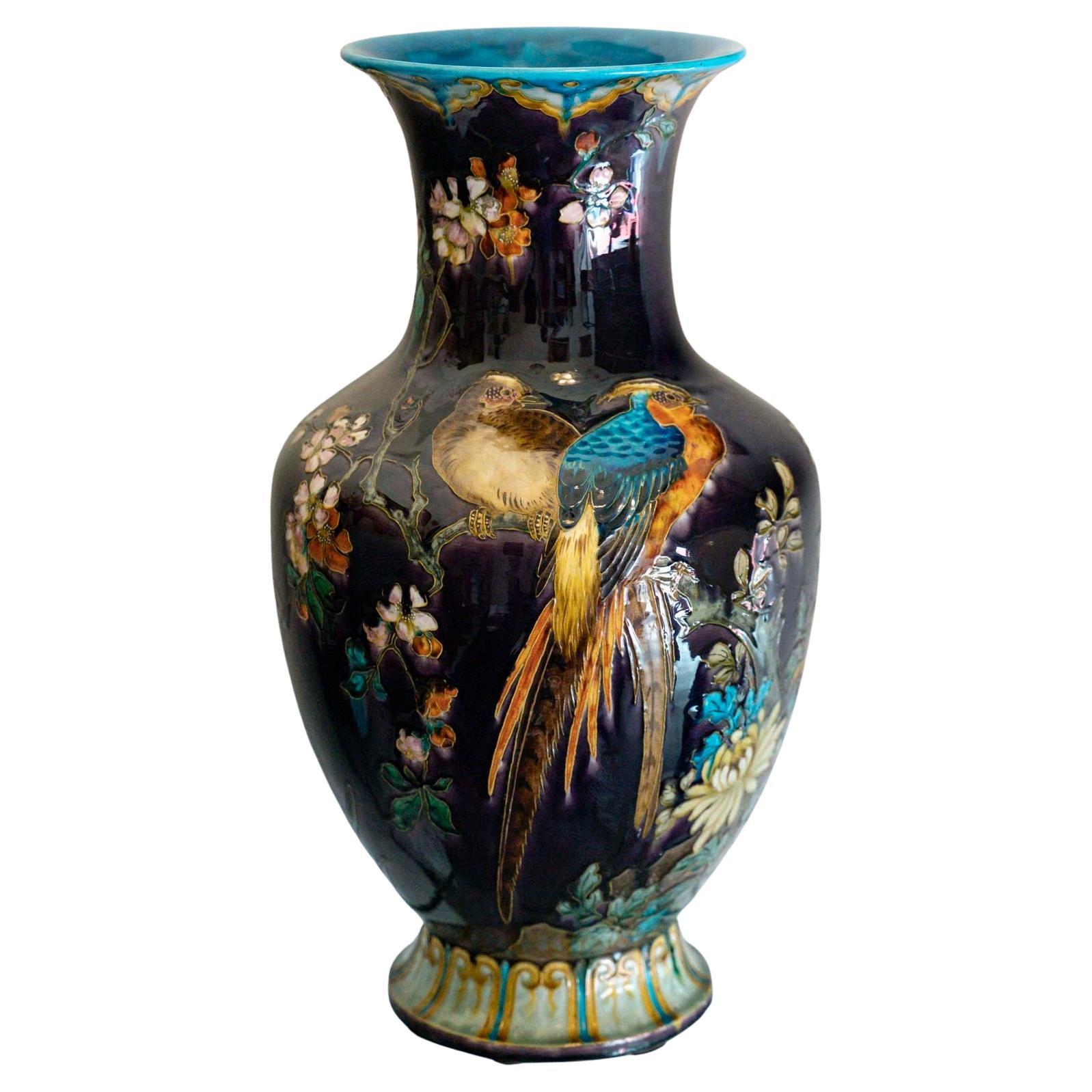
View AllThéodore deck (1823-1891), An Impressive Enameled Faïence Vase, circa 1875
By Theodore Deck
Located in Saint-Ouen, FR
Théodore deck (1823-1891)
Impressive Enameled Faïence Vase, circa 1875
Large baluster shape vase with eggplant enameled background
Rich hand-painted polychrome decor of two birds re...
Category
Antique 1870s French Aesthetic Movement Ceramics
Materials
Faience
Émile Gallé (1846-1904) , Miniature Art Nouveau Glass Vase, circa 1895
By Émile Gallé
Located in Saint-Ouen, FR
Émile Gallé (1846-1904)
Miniature baluster shape vase in opaque pink tinted glass and painted enamel applied in cabochons.
Byzantine-inspired design hand-painted in polychrome enamel...
Category
Antique 1890s French Art Nouveau Vases
Materials
Art Glass
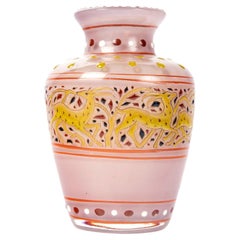
Émile Gallé (1846-1904) , Miniature Art Nouveau Glass Vase, circa 1895
By Émile Gallé
Located in Saint-Ouen, FR
Émile Gallé (1846-1904)
Miniature baluster shape vase in opaque pink tinted glass and painted enamel applied in cabochons.
Byzantine-inspired design hand-painted in polychrome enamel...
Category
Antique 1890s French Art Nouveau Vases
Materials
Art Glass
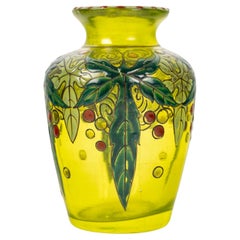
Émile Gallé (1846-1904) Enameled Grand Genre Glass Vase circa 1895
By Émile Gallé
Located in Saint-Ouen, FR
Émile Gallé (1846-1904)
Grand Genre Glass Vase circa 1895
An early Art Nouveau hand etched granita glass vase, circa 1895, decorated with enameled flowers and leaves.
Attached handl...
Category
Antique 1890s French Japonisme Glass
Materials
Art Glass
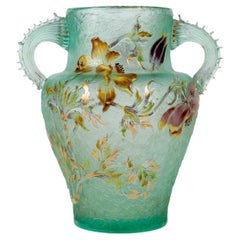
Émile Gallé (1846-1904) French Art Nouveau Glass Vase « Pavots » circa 1910
By Émile Gallé
Located in Saint-Ouen, FR
Émile Gallé (1846-1904)
French Art Nouveau Caméo Glass Vase «Pavots » circa 1910
Multi-layered glass
Triple overlay, green, red and yellow glass
Acid-etched cameo decoration of poppi...
Category
Vintage 1910s French Art Nouveau Glass
Materials
Art Glass
$15,821 Sale Price
20% Off
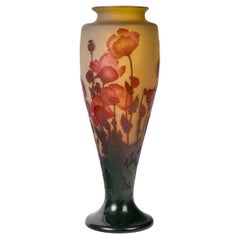
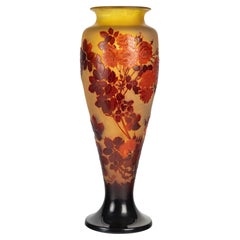
Émile Gallé (1846-1904) French Art Nouveau Glass Vase « Roses » circa 1910
By Émile Gallé
Located in Saint-Ouen, FR
Émile Gallé (1846-1904)
French Art Nouveau Caméo Glass Vase «Pavots » circa 1910
Multi-layered glass
Triple overlay, green, red and yellow glass
Acid-etched cameo decoration of poppi...
Category
Vintage 1910s French Art Nouveau Glass
Materials
Art Glass
$17,739 Sale Price
20% Off
Free Shipping
You May Also Like
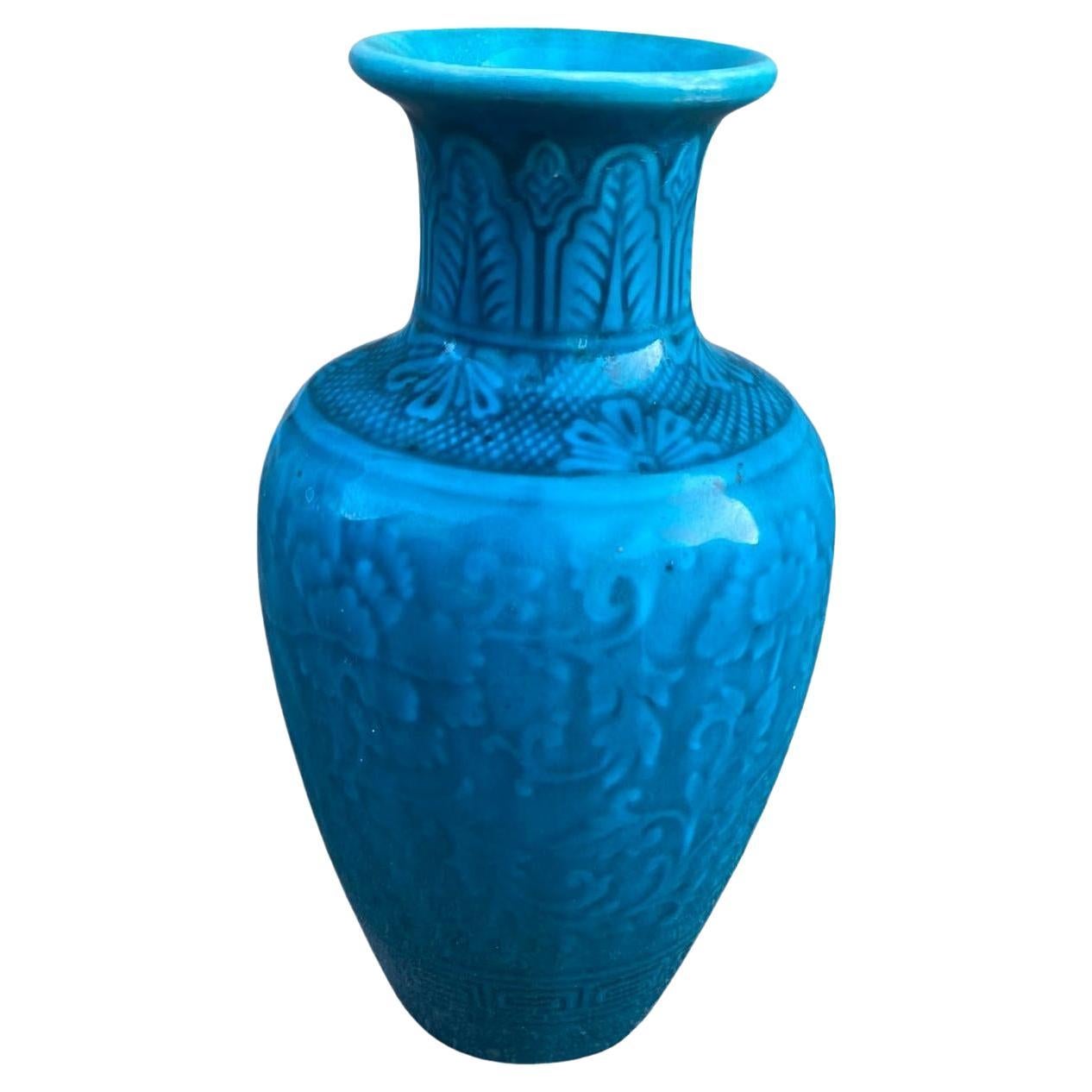
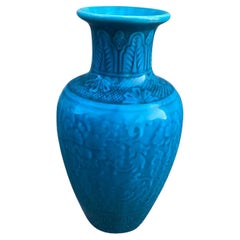
Théodore Deck, Ceramic Vase, Signed, circa 1870
By Theodore Deck
Located in Saint-Ouen, FR
Théodore Deck (1823-1891), ceramic vase, signed, circa 1870.
Category
Antique Late 19th Century French Art Nouveau Ceramics
Materials
Ceramic
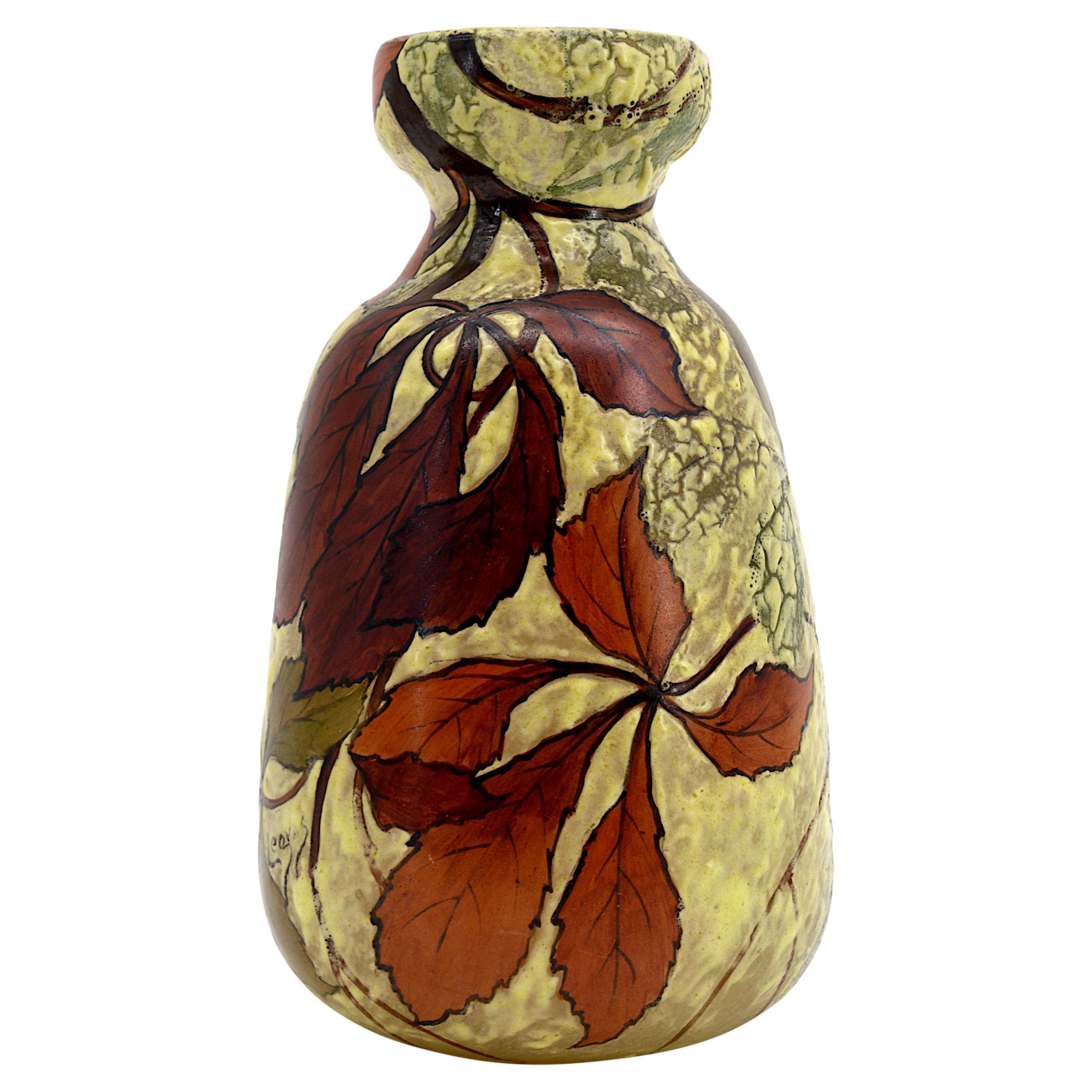
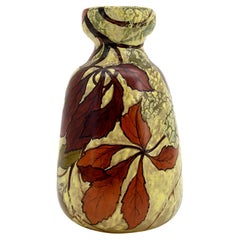
Legras French Art Nouveau Enameled Vase, Early 1900s
By François-Théodore Legras
Located in Saint-Amans-des-Cots, FR
French Art Nouveau Vase by François-Théodore Legras, Early 1900s – Rare Enamelled Chestnut Leaf Décor
A superb and exceptionally rare French Art Nouveau vase by François-Théodore Le...
Category
Antique Early 1900s French Art Nouveau Vases
Materials
Art Glass
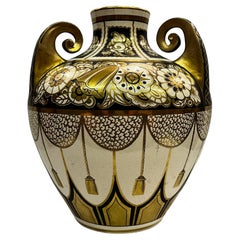
Highly decorative vase, hand painted, Art Deco, Pinon-Heuzé, 1920s France
By Pinon Heuze
Located in Wien, AT
Exceptionally decorative flower vase by the French ceramics manufacturer Pinon-Heuzé, made in the 1920s, listed in the catalog as the Pompon model.
The vase has a particularly spher...
Category
Vintage 1920s French Art Deco Vases
Materials
Ceramic
Thomas Forester Floral Painted Art Pottery Vase
By Thomas Forester
Sons
Located in Bishop
s Stortford, Hertfordshire
A stunning antique Thomas Forester hand painted art pottery vase decorated with large flowering blooms dating from around 1890. The lightly potted earthenware vase stands on a narrow...
Category
Antique 1890s English Art Nouveau Ceramics
Materials
Earthenware
Art Nouveau Poppy Stoneware Vase by Ernest Chaplet and Edouard Dammouse
By Edouard Dammouse, Ernest Chaplet
Located in Palm Beach, FL
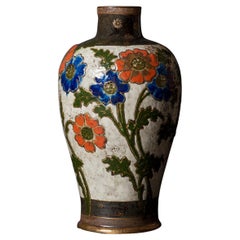
Poppies, golden-accented in analagous colors of blue and orange, creep up their leafy green stalks which sag from the heavy weight of the flowers. Like tired heavy-lidded eyes, the poppies symbolize hypnos’ sleep-inducing effects. Dammouse’s somnific symbolism evokes an other-worldly dream-like state and acts as a vehicle to tap into the imagination. Much more than a pretty face, or a pretty vase, this is a sublime piece of art, and Dammouse makes clear the influence of Braquemond and others by employing this Symbolist style. Beaudelaire’s credo that “Beauty must contain the absolute and the particular, the eternal and the transitory” aptly applies. Created while both Chaplet and Edouard Dammouse were employed by Haviland & Co. at its Paris location, this vase is a prime example of Chaplet’s early creative output of matte brown stoneware. Both artists demonstrate a strong link and affinity for Japonisme in the vase’s traditional form and in the painterly approach Dammouse brings to the enamel glaze. His treatment of enhancing the floral decoration with gold detailing calls to mind Kintsugi aesthetic principles. Affixed to the vase’s underside is its original label indicating it was sold at the chic A la Paix, a Parisian gallery located on the prestigious Avenue de l’Opera which opened in 1891, specializing in glass and ceramic objects of art.
Ernest Chaplet (1835-1907) Not only was Chaplet France’s premier studio ceramist, the example he set of personally creating a ceramic object from the conceptual phase through modeling, firing and glazing - constantly reaching for new and innovative modes of expression and technique - elevated the notion of a ceramist from artisan to Artist. While Director of Production for Haviland & Co., Chaplet expanded their focus from porcelain into stoneware production and developed the barbotine method of painting earthenware with liquid clay as well as conducted extensive research in glaze techniques. He was awarded a Gold Medal in 1889 at Paris’ l’Exposition Universelle for his revolutionary sang de boeuf glaze. That same year, Chaplet opened his own atelier in Choisy-le-Roi where he continued to produce avant-garde stoneware and support younger talent.
Edouard Dammouse (1850-1903) Trained as a painter, Paris born Edouard Dammouse studied under Felix Bracquemond, Ernest Chaplet’s predecessor at Haviland & Co.‘s Auteuil studio. Edouard followed his brother, Albert, and Chaplet to Haviland’s Paris...
Category
Antique 1890s French Art Nouveau Vases
Materials
Enamel
English Porcelain Aesthetic Movement Vase, circa 1880
Located in New York, NY
With gold and platinum and translucent enamel decoration.
Category