Items Similar to Dutch Delft Large Dish with Chinoiserie Dragon Design
Video Loading
Want more images or videos?
Request additional images or videos from the seller
1 of 11
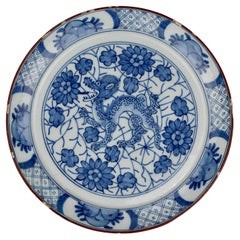
Dutch Delft Large Dish with Chinoiserie Dragon Design
$2,000
£1,511.60
€1,732.56
CA$2,789.97
A$3,042.41
CHF 1,608.66
MX$36,597.37
NOK 20,414.10
SEK 18,709.33
DKK 12,941.14
About the Item
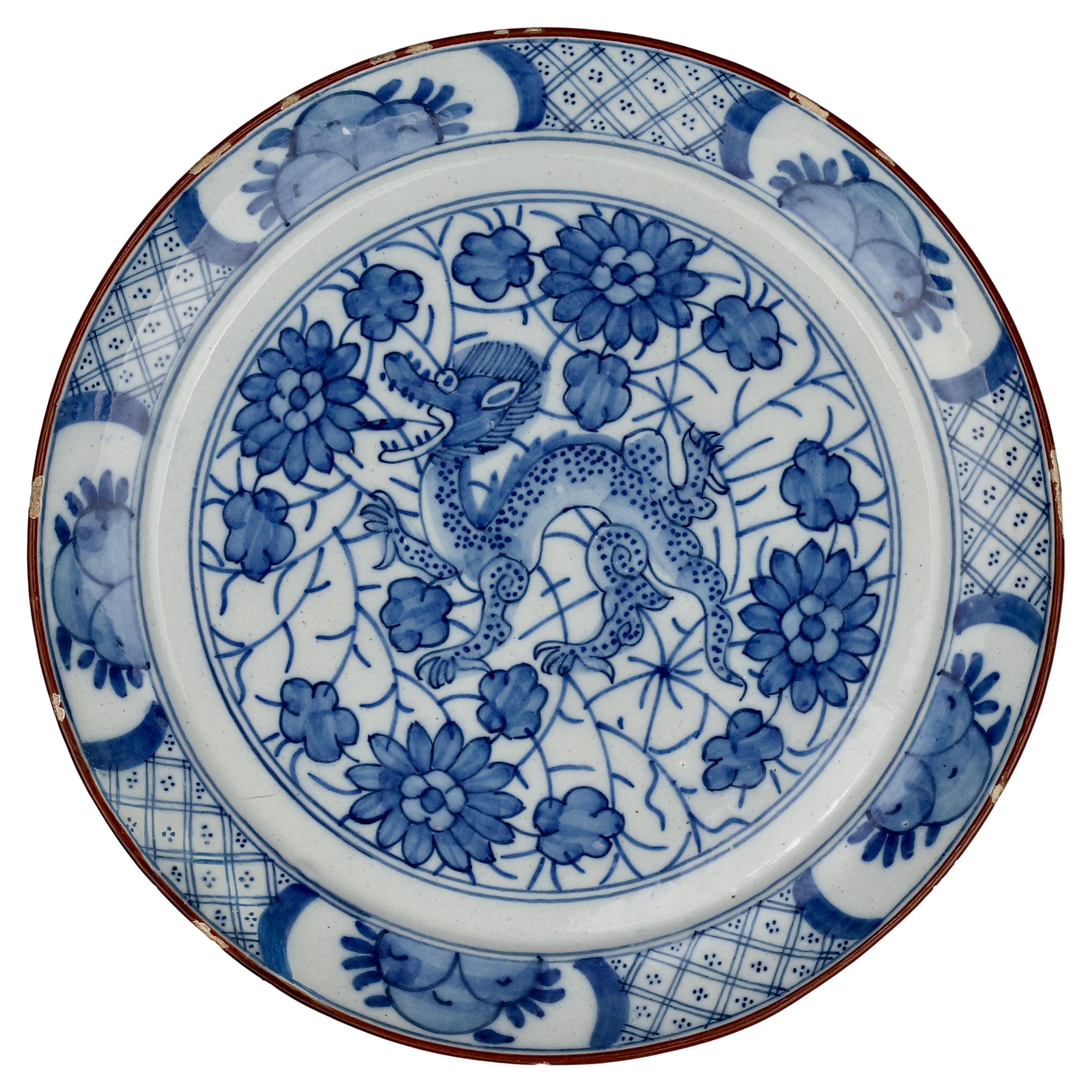
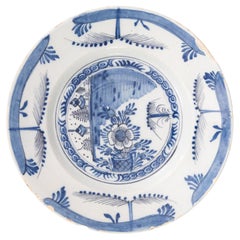
Dutch Delft Large Dish with Chinoiserie Dragon Design
A superb large-format Dutch Delft circular dish, dating to circa 1700. This highly decorative piece showcases the celebrated blue and white Chinoiserie style, drawing clear inspiration from contemporary Chinese Kangxi period porcelain.
The dish is dramatically centered by a dynamically rendered dragon—a powerful symbol in East Asian iconography—emerging from a dense ground of stylized flowering branches and foliage. The broad rim is intricately decorated, featuring six reserves containing similar stylized floral motifs. These reserves alternate with panels of fine trellis cross-hatching, lending geometric contrast to the organic central design. A finishing touch is the outer rim, painted in a distinctive iron-red tone.
The quality of the tin-glazing and cobalt painting is excellent, and the dish is in remarkable condition with no restoration, showing only a few minor frits to the iron-red rim consistent with age. A practical detail is the pierced foot rim on the underside, indicating it was intended for prominent display as a wall charger.
Provenance: Private PA Collection; With James M. Kilvington, Dover, Delaware.
Dimensions: 13 1/2 inches diameter x 1 1/2 inches high.
Historical Context
This large dish exemplifies the height of the Dutch Delftware tradition at the turn of the 18th century. In this era, the Dutch East India Company (VOC) was importing vast quantities of Chinese hard-paste porcelain, particularly from the Kangxi period (1662–1722), which was highly coveted across Europe. However, the interruption of supply due to political turmoil in China led Delft potters to master the art of producing high-quality earthenware that successfully imitated the Chinese blue-and-white aesthetic.
This dish is an example of the Delft potters' skill in adopting Chinese motifs—such as the dragon and intricate floral patterns—and translating them into the softer medium of tin-glazed earthenware. The design is explicitly "after the Kangxi," meaning it copies or adapts a pattern common to the Chinese imports. The possible attribution to a notable Delft manufacturer like Jan Theunis Dextra, who worked at the 'Greek A' and 'De Dissel' factories, highlights the output of the most skilled workshops of the period.
Such large dishes, often hung for display as evidenced by the pierced foot rim, were statement pieces. They reflected not only the owner's wealth and fashion-consciousness but also the Netherlands' dominant role in global trade and the resulting synthesis of Eastern and Western design aesthetics.
(Ref: NY10787-cpcx)
- Attributed to:AK Dutch Delftware (Manufacturer)
- Dimensions:Height: 1.5 in (3.81 cm)Diameter: 13.5 in (34.29 cm)
- Style:Queen Anne (Of the Period)
- Materials and Techniques:
- Period:1700-1709
- Date of Manufacture:1700
- Condition:Wear consistent with age and use. No restoration and with a few small frits to the iron-red rim see video.
- Seller Location:Downingtown, PA
- Reference Number:1stDibs: LU861045350692
About the Seller
5.0
Recognized Seller
These prestigious sellers are industry leaders and represent the highest echelon for item quality and design.
Gold Seller
Premium sellers maintaining a 4.3+ rating and 24-hour response times
Established in 1916
1stDibs seller since 2009
435 sales on 1stDibs
Typical response time: 1 hour
Associations
The Art and Antique Dealers League of AmericaAntiques Associations Members
- ShippingRetrieving quote...Shipping from: Downingtown, PA
- Return Policy
More From This Seller
View All17th Century Delft Large Underglaze Blue Chinoiserie Dish
By AK Dutch Delftware
Located in Downingtown, PA
Dutch Delft large underglaze blue chinoiserie dish,
circa 1660-1680.
The large circular Dutch Delft chinoiserie dish, after the Chinese tra...
Category
Antique 1670s Dutch James II Delft and Faience
Materials
Faience
Liverpool or Irish Delftware Massive Chinoiserie Blue
White Dish
By Dublin Delftware Pottery
Located in Downingtown, PA
Delftware Blue & White Chinoiserie dish,
Irish (Dublin) or Liverpool,
1745-65
The rectangular British Delftware underglaze Blue Dish with canted corners and of large size is pai...
Category
Antique Mid-18th Century Georgian Delft and Faience
Materials
Delft, Faience
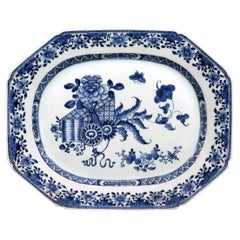
Scrolls and Blossoms: Rare Chinese Export Blue
White Porcelain Dish
Located in Downingtown, PA
Scrolls and Blossoms: A Rare Chinese Export Blue & White Dish
This large, attractive Chinese Export Porcelain Dish, dating to Circa 1770, is distinguished by its unusual and rarely ...
Category
Antique 1770s Chinese Chinese Export Platters and Serveware
Materials
Porcelain
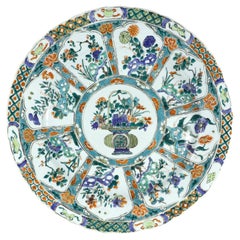
Chinese Porcelain Famille Verte Large "Flower Basket" Dish, Kangxi Period
Located in Downingtown, PA
Vibrant Prosperity: A Famille Verte 'Flower Basket' Dish from the Kangxi Golden Age
This magnificent Chinese Export porcelain dish, dating to the height of the Kangxi Period (c. 1700-1710), is a resplendent example of the famed famille verte (green family) palette. This enameling technique, characterized by its brilliant, translucent greens, yellows, and blues, reached its zenith under the patronage of the Kangxi Emperor, ushering in a golden age of ceramic production at the imperial kilns in Jingdezhen (Guest and Gray).
Auspicious Symbolism and Design Mastery
The dish is a feast of intricate design and rich symbolism, centered on an openwork beribboned basket of peony and lotus flowers. The flower basket motif is highly auspicious in Chinese art, being one of the attributes of the Daoist Immortal Lan Caihe, and symbolizes longevity and good fortune (Sotheby's, Lot 657, 2015). This meaning is powerfully reinforced by the inclusion of a central shou character (寿) in the basket, the Chinese ideograph for Longevity, a core wish in Chinese culture for a long, healthy, and prosperous life (Metropolitan Museum of Art). The presence of the shou character, often incorporated into designs for Imperial birthday celebrations during this era, underscores the dish's grand and celebratory intent.
The radial design radiates outward with petal-shaped reserves in the cavetto, each containing detailed flowering plants issuing from rockwork, all set against a signature pale-green stippled ground (Dizi). The border completes the composition with an ornate pattern of green trellis-work punctuated by iron-red flower heads, alternating with oval panels containing various Precious Objects (Ba Gu), further emphasizing wealth and good fortune.
This large dish, at over 14 inches in diameter, was one of the exquisite items commissioned for the European export market, particularly by the Dutch East India Company (VOC), where its vibrant colors and complex iconography were highly prized by wealthy clientele (Guest and Gray). The reverse, painted in underglaze blue with delicate floral sprays, maintains a link to the more traditional Chinese aesthetic. This piece is a tangible embodiment of the technical sophistication and artistic brilliance that made Kangxi famille verte porcelain...
Category
Antique Early 1700s Chinese Chinese Export Platters and Serveware
Materials
Porcelain
18th Century English Delftware Blue
White Sweetmeat Dish, Probably London
By Lambeth High Street
Located in Downingtown, PA
"A Question of Taste": Rare London Delftware Blue & White Sweetmeat or Oyster Dish,
Attributed to William Griffith,
Circa 1750-60
A rare and distin...
Category
Antique 1760s English Georgian Delft and Faience
Materials
Delft, Faience

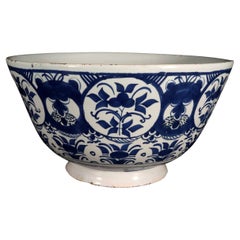
Dutch Delft Blue
White Botanical Bowl
By Delft
Located in Downingtown, PA
Dutch Delft Blue and White Chinoiserie Punch Bowl
A striking Dutch Delft pottery punch bowl dating from the height of the Delftware tradition, circa 1720. This high-sided bowl featu...
Category
Antique Early 18th Century Dutch Rococo Decorative Bowls
Materials
Delft, Faience, Pottery
You May Also Like
Dutch Delft Plate with Dragon, 18th Century
By De Grieksche A
Located in AMSTERDAM, NH
City: Delft
Workshop: De Grieksche A
Owner: Jacob van der Kool
Date: 1722 - 1757
Plate with decoration of a dragon on a ground of vines.
Wonderful fine decoration inspired on the Chinese Kangxi...
Category
Antique 1760s Dutch Delft and Faience
Materials
Ceramic, Faience
Large Dutch Delft Charger with Chinoiserie Decor in Wanli Style, 17th Century
Located in AMSTERDAM, NH
City: Delft
Workshop: Unknown
Date: Last quarter of the 17th century
A large blue and white plate in Wanli / Tianqi style
Decorated with a...
Category
Antique Late 17th Century Dutch Delft and Faience
Materials
Ceramic, Faience
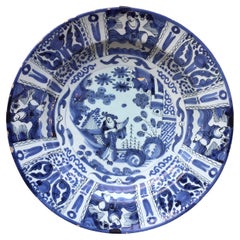
18th century Delft plate with scaloped rim
By Delft
Located in DELFT, NL
Mid 18th century Blue Delftware plate with scalloped rim.
Marked H/7
Good quality of painting
some damages to the rim and a light hairline (see picture). No restorations.
Category
Antique Mid-18th Century Dutch Chinoiserie Delft and Faience
Materials
Earthenware, Delft, Faience
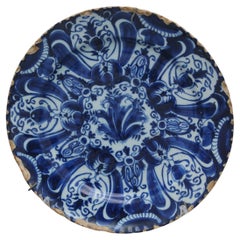
Dutch Delft Plate with Chinoiserie Design, 18th Century
Located in AMSTERDAM, NH
City: Delft
Workshop: De Metaale Pot (attributed)
Owner: Lambertus van Eenhoorn
Date: 1691 - 1724
An exceptional fine painted plate with chinoiserie decoration. On the left, we...
Category
Antique Early 18th Century Dutch Delft and Faience
Materials
Ceramic, Faience
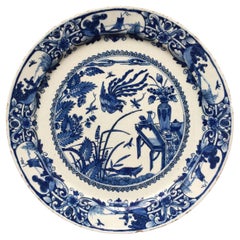
Blue and White Dutch Delft Plate or Dish Netherlands Circa 1780
Located in Katonah, NY
This 18th century blue and white Delft plate was hand painted circa 1780.
The lively scene in the center features flowers, flower buds, and a polka-dotted vase.
The border is decorat...
Category
Antique Late 18th Century Dutch Decorative Dishes and Vide-Poche
Materials
Delft
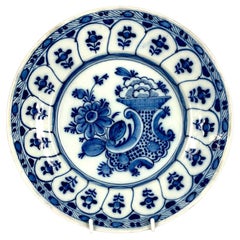
18th Century Delft Dutch Faience Chinoiserie Floral Plate
By Delft
Located in Pearland, TX
A superb antique 18th Century Dutch Delft Chinoiserie faience flower pot plate. This lovely plate has a hand painted flower pot and foliate border in cobalt blue and white. It would ...
Category
Antique 18th Century Dutch Chinoiserie Delft and Faience
Materials
Delft, Faience
More Ways To Browse
Holland Dutch Pottery
Kitchen Queen Antique
Strasbourg Faience
Yellow Delft
Delft Jar With Lid
Royal Delftware
Antique Delft Marks
Manganese Delft
18th C Delft Charger
Antique English Delft Ceramics
Black Delft Porcelain
English Delft Charger
London Delft
Quimper Fish
Vintage Blue Delft Plate
18th Century German Faience
Bristol Delft
Brittany Pottery