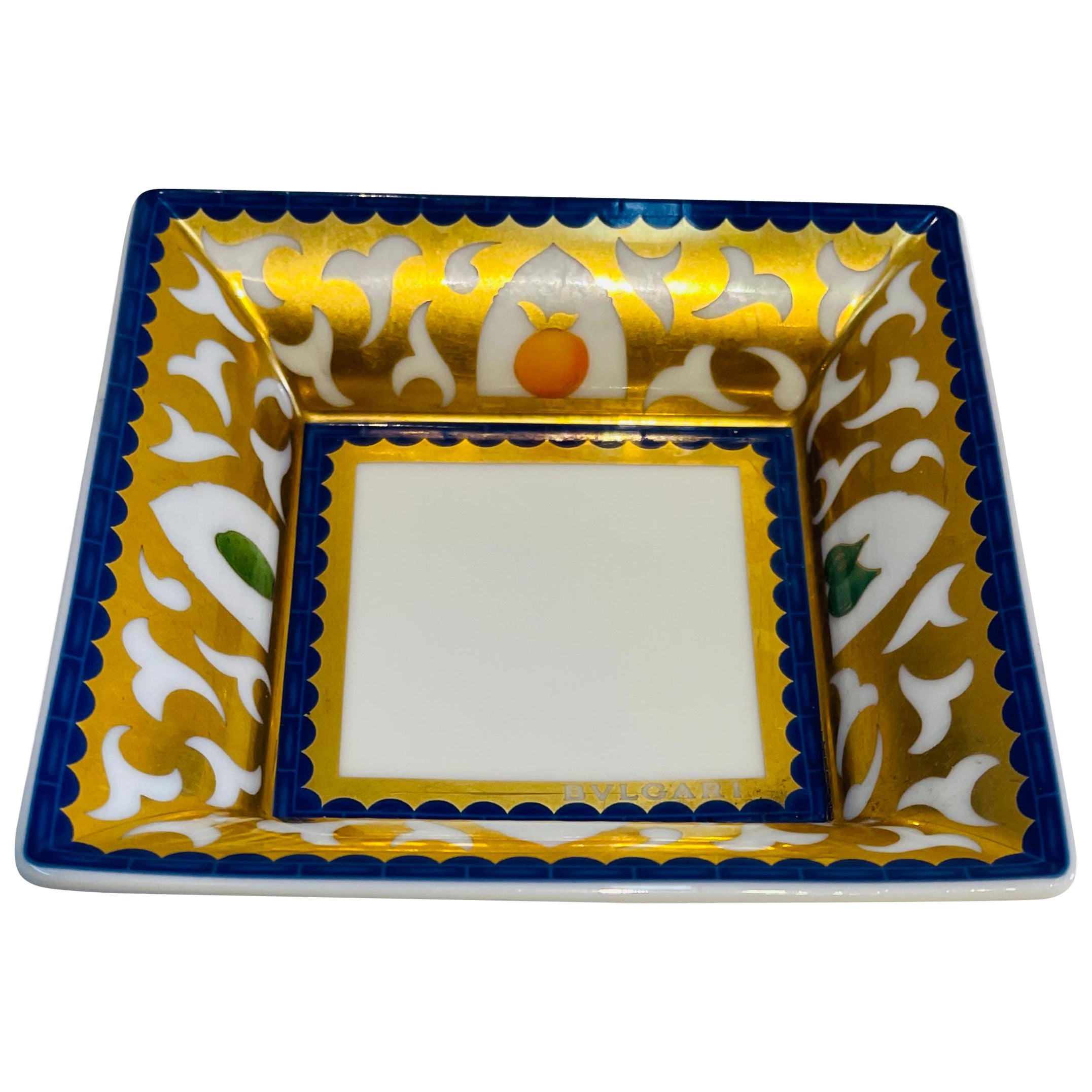
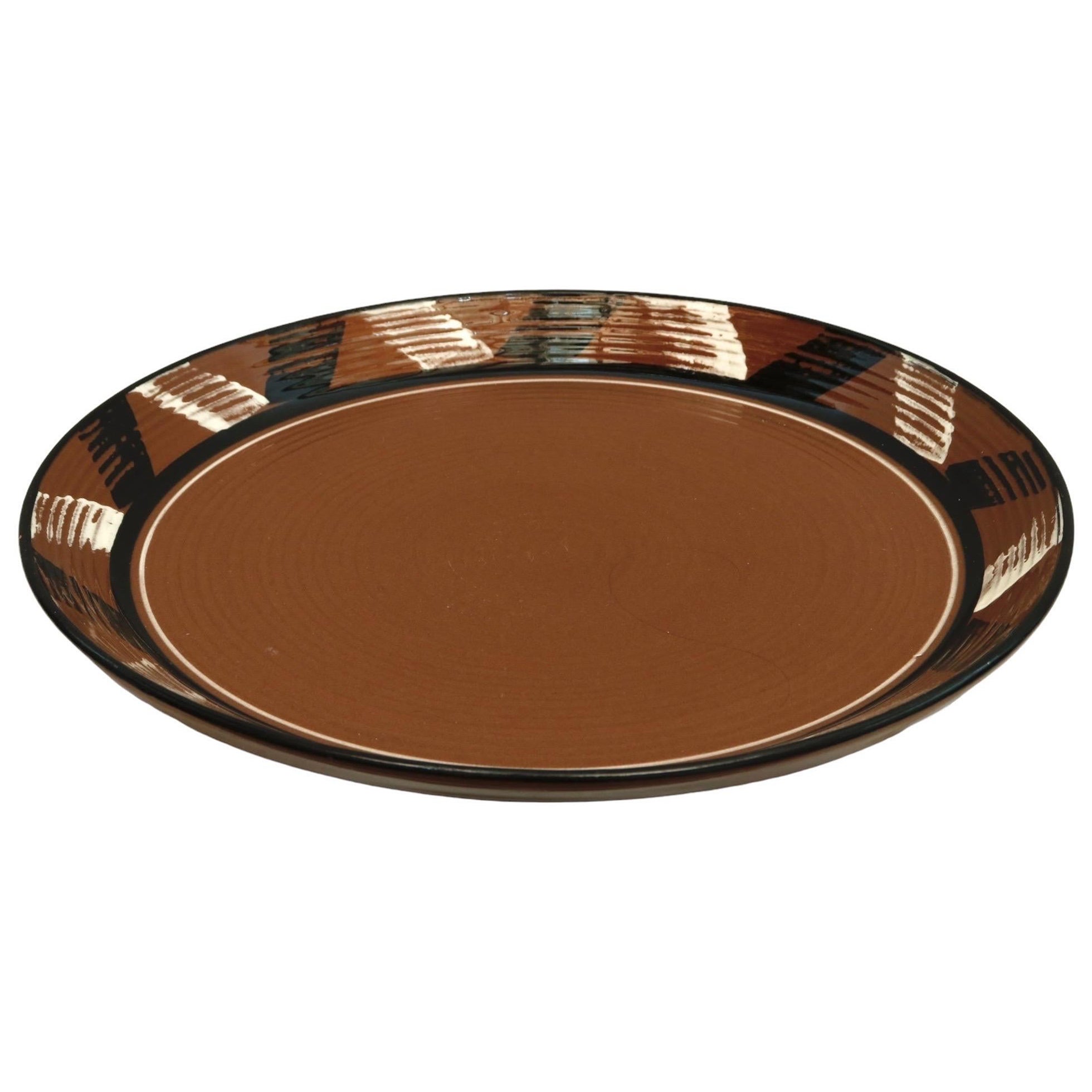
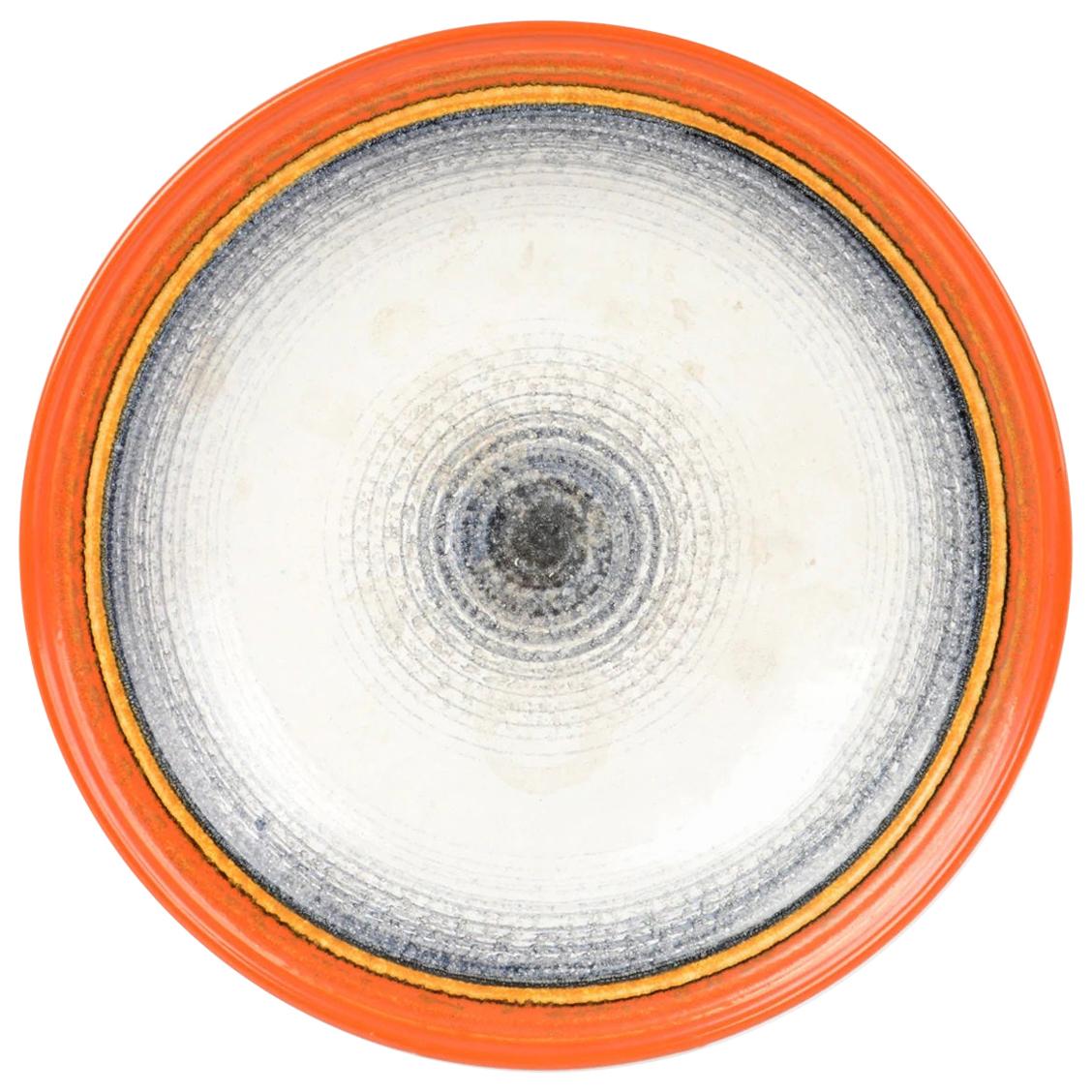
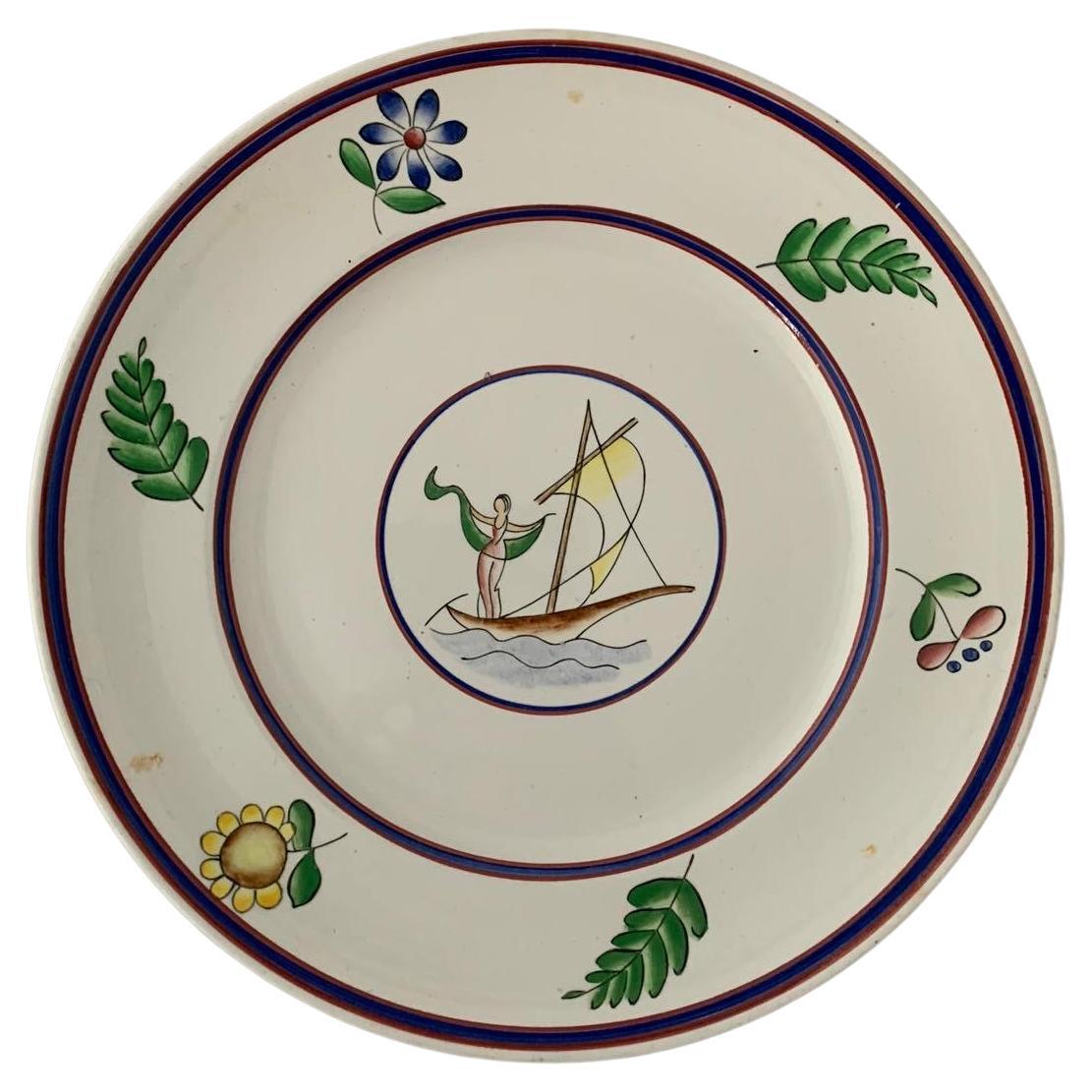
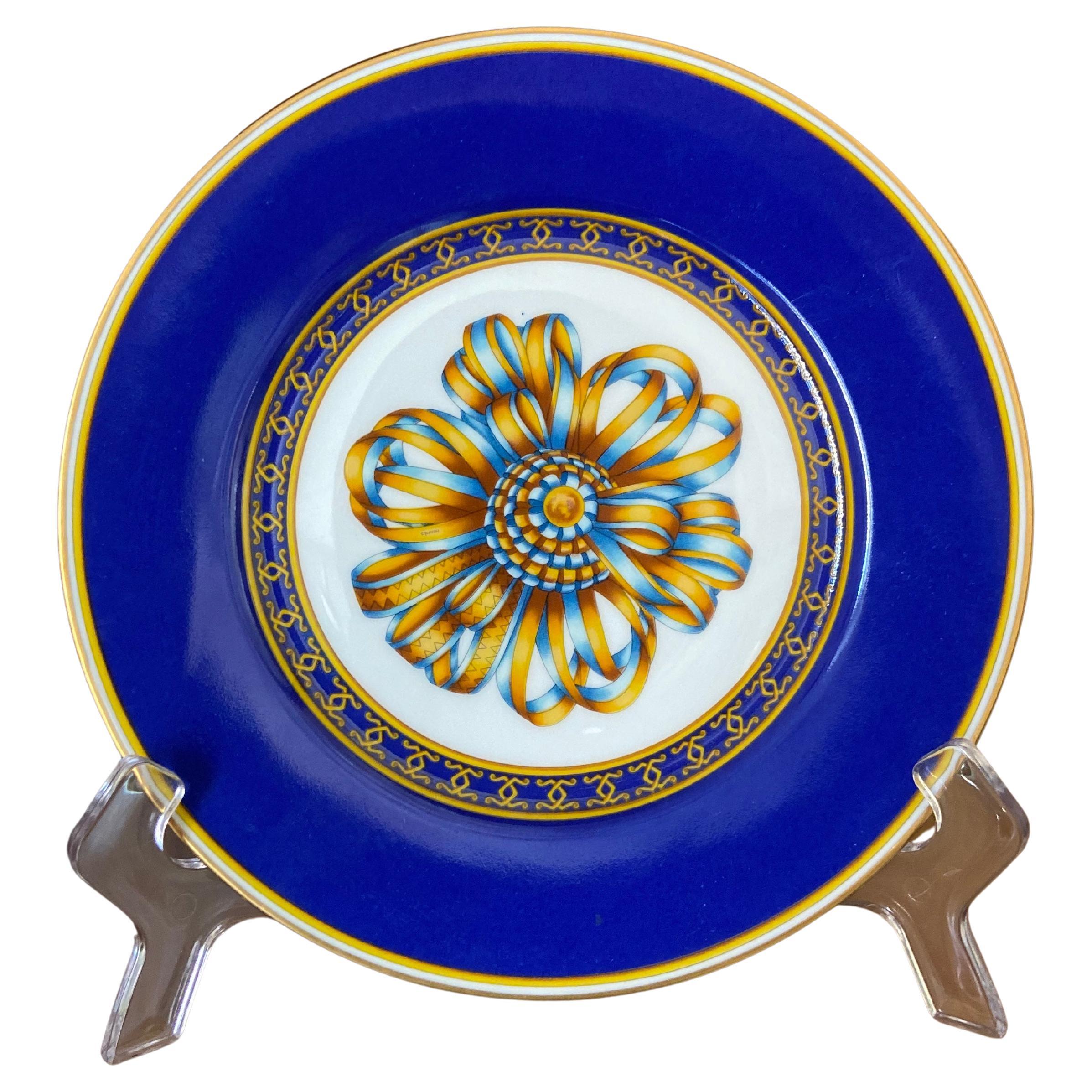
Decorative Plate, Tribal Royal Headdresses, ROSENTHAL design for BULGARI
About the Item
Bulgari
Greek silversmith Sotirios Voulgaris arrived in Rome in 1881 and set up his own shop there in 1884, calling it Bulgari, an Italianization of his last name (in the brand's logo, it's styled BVLGARI, using the classical Latin alphabet in a nod to ancient Roman culture). In 1905, he opened the company’s flagship boutique on Rome’s Via dei Condotti. Since then, Bulgari has looked to Rome as a source of reference for its fanciful and decidedly romantic designs for necklaces, bracelets, earrings and other accessories.
Although the iconic jewelry house found success with its silverwork and Art Deco designs, popular through the 1920s, Bulgari’s signature style — bold, often using yellow gold embellished with big colorful gemstones — began to emerge when Sotirios’s sons inherited the business, in 1932.
The brand truly hit its stride in the dolce vita era of the 1950s and ’60s, when the founder’s grandsons Paolo, Gianni and Nicola Bulgari decisively departed from demure traditional styles to develop the house’s exuberant multi-gem looks, attracting celebrity collectors like Elizabeth Taylor.
In the 1940s, Bulgari debuted perhaps its most famous design, the Serpenti bracelet watch. The piece’s snakelike coils were made possible by the tubogas jewelry technique, which links a flexible series of thin horizontal bands. Both the sleek, modern tubogas construction and the sinuous snake motif continue to be synonymous with the Bulgari brand.
On 1stDibs, the collection of vintage Bulgari jewelry includes rings, pendant necklaces, watches and other accessories.
Rosenthal
While the Rosenthal Porcelain Factory grew from humble decorating roots — as many pottery companies do — it eventually built a list of universally revered designer and artist partners that included Andy Warhol and Salvador Dalí. And after securing an enviable position as a top manufacturer of serveware and dominating the porcelain and bone china markets, Rosenthal expanded into furniture production, working with influential designers Verner Panton, Luigi Colani and Günther Ferdinand Ris and Herbert Selldorf.
German-born Jewish businessman Philipp Rosenthal founded the company in 1879 in Bavaria. It began as his modest workshop where he painted porcelain and encountered success with porcelain ashtrays. Rosenthal hired the best designers and clay modelers he could find. Adolf Oppel designed figurative Art Nouveau pieces, while Eleonore (Lore) Friedrich-Gronau produced decorative objects, namely her graceful porcelain dancer figurines, for the company.
Dinnerware, though, would be a Rosenthal mainstay. Between 1904 and 1910, Rosenthal produced its renowned dinnerware lines such as Donatello, Darmstadt and Isolde. These were introduced as unornamented white pieces — only later were they given their underglaze designs.
Rosenthal founder Philipp, a Catholic of Jewish ancestry, resigned in 1934 as the company’s president due to pressures owing to discriminatory German laws that took shape during the rise of the Nazi regime. Rosenthal died in 1937, and the family fled to America. The company would not regain its footing until 1950 when Rosenthal’s son, Philip, joined the firm and, in 1958, became chairman and dubbed Germany’s “China King.” At its peak, the company had 10,000 employees.
In the 1950s, Rosenthal’s modernist dinnerware was a significant part of the brand’s offerings, and by 1961 they introduced the famed Rosenthal Studio Line. Although furniture designers and ceramicists would lead the list of individuals working with Rosenthal — among them Tapio Wirkkala, Max Weber and Lisa Larson — the company eventually reached out to fine artists, not only Dalí and Warhol but Sandro Chia and Kenny Scharf. Rosenthal also collaborated with fashion designers Gianni Versace and Donatella Versace.
In a daring move in 1972, the company diversified into furniture, collaborating with some of the giants of mid-century modern design. The revolutionary Sunball chair, an icon of Space Age seating crafted by Selldorf and Ris, was among Rosenthal’s stellar successes in this venture.
On 1stDibs, find vintage Rosenthal ceramics, porcelain, tableware, seating and more.
- ShippingRetrieving quote...Shipping from: Torino, Italy
- Return Policy
More From This Seller
View All20th Century Italian Centerpieces
Silver, Copper, Enamel
Vintage 1950s French Dinner Plates
Ceramic
1990s Italian Dinner Plates
Porcelain
Vintage 1940s Italian Other Glass
Blown Glass
1990s Italian Centerpieces
Blown Glass
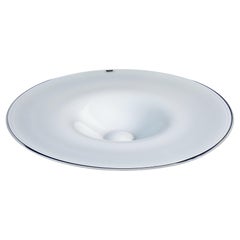
Early 20th Century Italian Ceramics
Ceramic
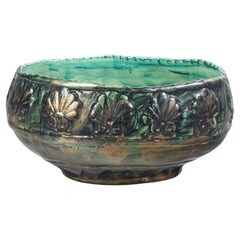
You May Also Like
20th Century German Porcelain
Porcelain
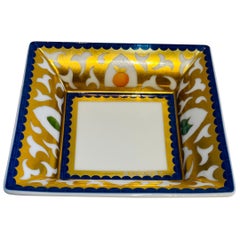
Vintage 1970s American Platters and Serveware
Ceramic
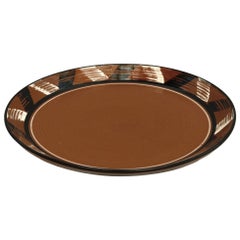
Early 20th Century German Art Deco Dinner Plates
Earthenware
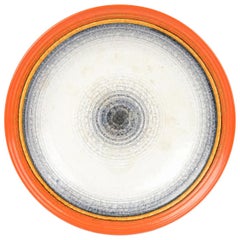
Vintage 1930s Italian Art Deco Platters and Serveware
Ceramic
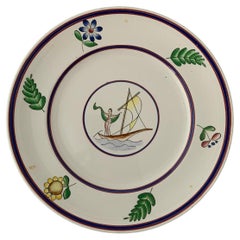
Vintage 1920s Italian Mid-Century Modern Ceramics
Ceramic
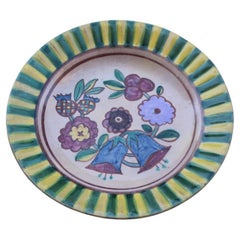
Mid-20th Century French Mid-Century Modern Dinner Plates
Porcelain
Read More
5 Fantastic Jewelry Finds, from the 19th Century to Now
Jewelry historian Vanessa Cron combed 1stDibs and selected some dazzling pieces with timeless appeal.
Bulgari’s Serpenti Wristwatch Is the Power Piece of the Moment, Again
From Elizabeth Taylor to Zendaya, the Serpenti has been the accessory of choice for generations of it girls.