Items Similar to A Roman yellow glass unguentarium
Want more images or videos?
Request additional images or videos from the seller
1 of 6
A Roman yellow glass unguentarium
$650.89
£486.39
€550
CA$906.33
A$973.95
CHF 522.58
MX$11,472.48
NOK 6,570.84
SEK 6,002.42
DKK 4,192.69
About the Item
Belly-shaped with cylindrical neck and with folded down collar rim, the unguentarium with twisted glass decoration with white intertwining the main yellow colour
4.5 cm (h)
Intact
Ex. German private collection H.G., collected between 1970s-1990s
Roman glass was used primarily for the production of vessels. It developed from Hellenistic technical traditions, initially concentrating on the production of intensely coloured cast glass vessels. However, during the 1st century AD the industry underwent rapid technical growth that saw the introduction of glass blowing and the dominance of colourless or ‘aqua’ glasses. By the end of the century large scale manufacturing resulted in the establishment of glass as a commonly available material in the Roman world, including technically very difficult specialized types of luxury glass.
- Dimensions:Height: 1.78 in (4.5 cm)Diameter: 1.19 in (3 cm)
- Style:Classical Roman (Of the Period)
- Materials and Techniques:Glass,Other
- Place of Origin:
- Period:
- Date of Manufacture:1st-2nd century AD
- Condition:Wear consistent with age and use.
- Seller Location:UTRECHT, NL
- Reference Number:1stDibs: LU6566236574142
About the Seller
No Reviews Yet
Vetted Professional Seller
Every seller passes strict standards for authenticity and reliability
Established in 2014
1stDibs seller since 2022
- ShippingRetrieving quote...Shipping from: UTRECHT, Netherlands
- Return Policy
More From This Seller
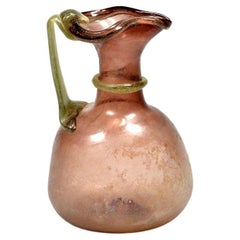
View AllA Roman purple glass jug
Located in UTRECHT, UT
A jug with a bell-shaped body and clover lip, a green trailed handle and a green collar in the middle of the cylindrical neck.
12.4 cm (h)
Intact
Provenance:
Ex C.A. Hessing Collection, coll. no.57
Ex Anonymous sale; Bonhams, London, 22 September 1998, lot 226
Published:
Sheppard & Cooper Ltd, Glass: The Eighth Wonder of the Ancient World, London, 1994, p.14, no.75.
Roman glass was used primarily for the production of vessels. It developed from Hellenistic technical traditions, initially concentrating on the production of intensely coloured cast glass vessels...
Category
Antique 15th Century and Earlier Italian Classical Roman Glass
Materials
Glass
$7,337
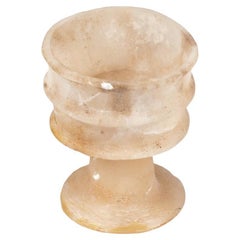
An Egyptian alabaster ribbed cup, New Kingdom, 18th dynasty
Located in UTRECHT, UT
The cup hand-carved from white alabaster with caramel and white veining throughout the composition. The cup stands upon a tapering base, and widens to form the ribbed, cylindrical cup.
Alabaster was a material prized by ancient sculptors...
Category
Antique 15th Century and Earlier Egyptian Egyptian Antiquities
Materials
Alabaster
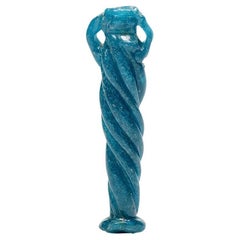
A Late Roman turquoise glass rod-formed balsamarium
Located in UTRECHT, UT
Glass balsamarium with a twisted tubular body, tapering towards the applied disc base, with two trailed handles
12.0 cm (h)
Provenance:
Ex anonymous Sale; Pierre Bergé Auctioneers, Paris, 17 January 2009, lot 38
Roman glass was used primarily for the production of vessels. It developed from Hellenistic technical traditions, initially concentrating on the production of intensely coloured cast glass...
Category
Antique 15th Century and Earlier Italian Classical Roman Glass
Materials
Glass
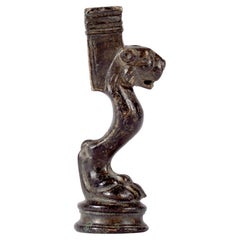
A Roman bronze foot
Located in UTRECHT, UT
With square fitting, hollow at the top for attachment to furniture, one large paw on round base sprouting into lion’s head with visible teeth.
9,5 cm (h)
Ex German private property...
Category
Antique 15th Century and Earlier Italian Classical Roman Antiquities
Materials
Bronze
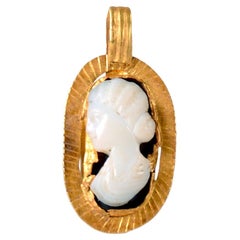
$4,023
A Roman gold pendant with portrait cameo
Located in UTRECHT, UT
The loop attached to an oval fitting with radiant decoration. The cameo made of agate, showing the profile of a female bust with hair pinned up. The portrait in the style of Faustina...
Category
Antique 15th Century and Earlier Italian Classical Roman Antiquities
Materials
Gold
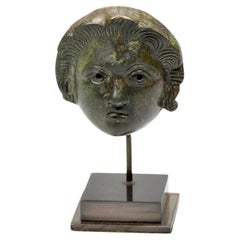
A Roman bronze head attachment of a youth
Located in UTRECHT, UT
A finely detailed appliqué with the face of a youth, wavy hair framing the circular face, with well defined eyes, pierced for inlays.
5.5 cm (h)
Provenance:
Ex Jean-Phillipe Mariaud de Serres...
Category
Antique 15th Century and Earlier Italian Classical Roman Antiquities
Materials
Bronze
You May Also Like
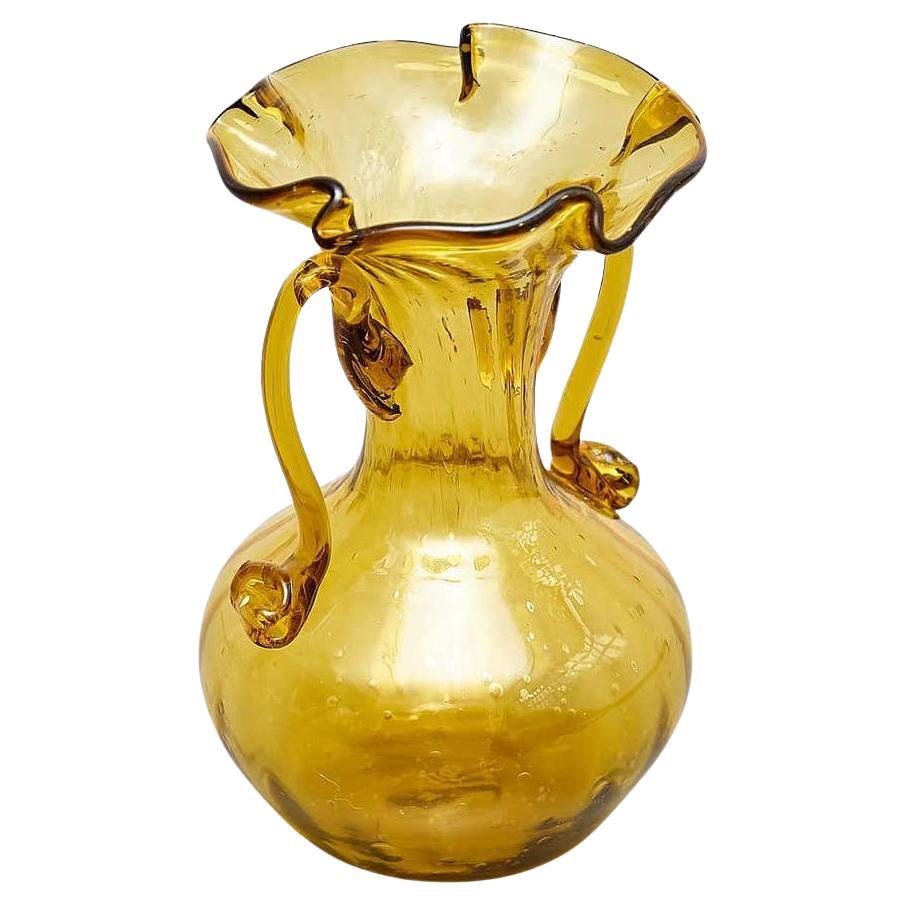
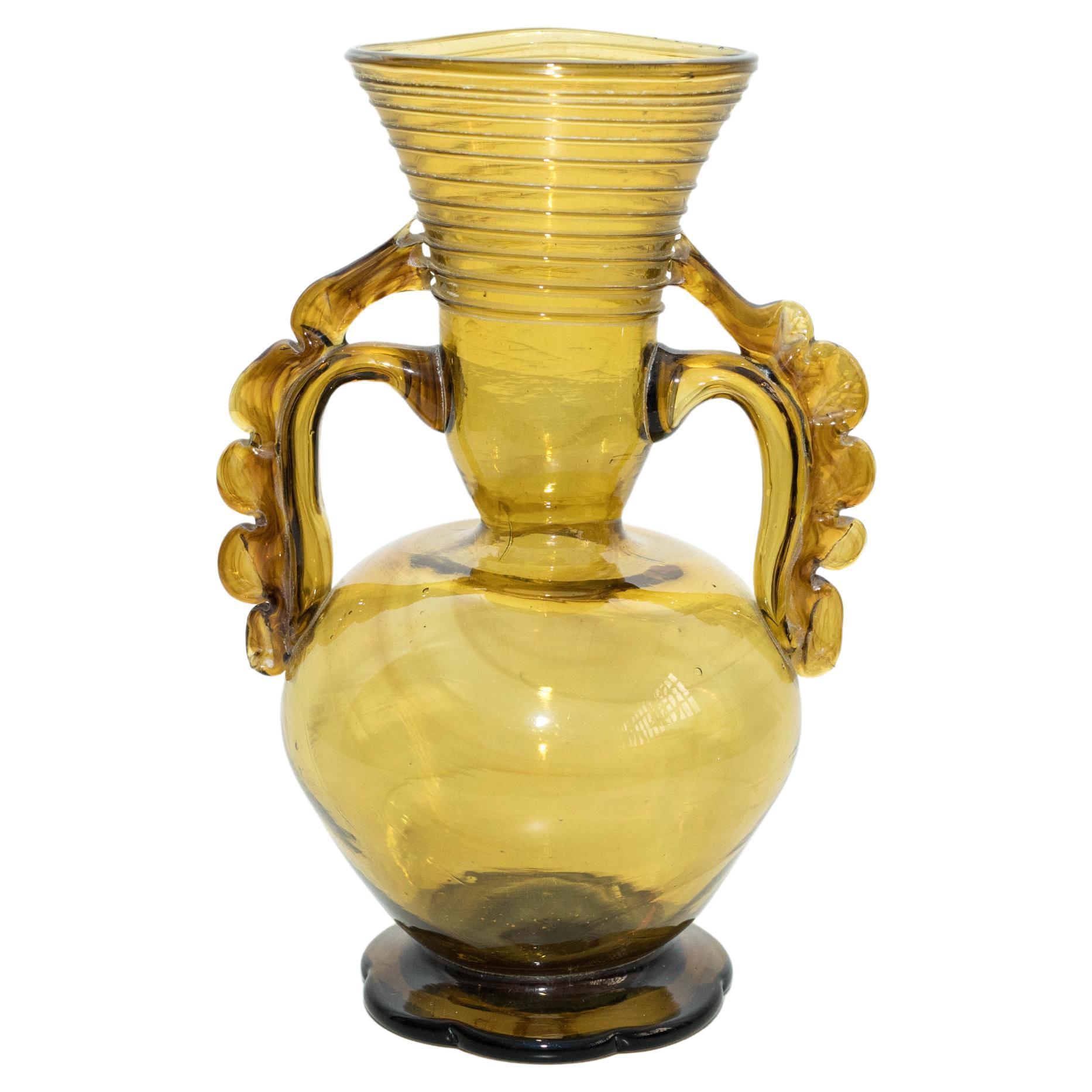
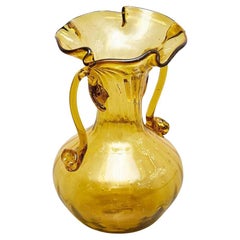
Extraordinary Yellow Blown Glass Vase - Early 20th Century
Located in Barcelona, ES
Elevate your decor with the exquisite beauty of this extraordinary yellow blown glass vase from the early 20th century. Crafted by an unknown manufacturer in Spain circa 1930, this v...
Category
Early 20th Century Spanish Rustic Vases
Materials
Glass
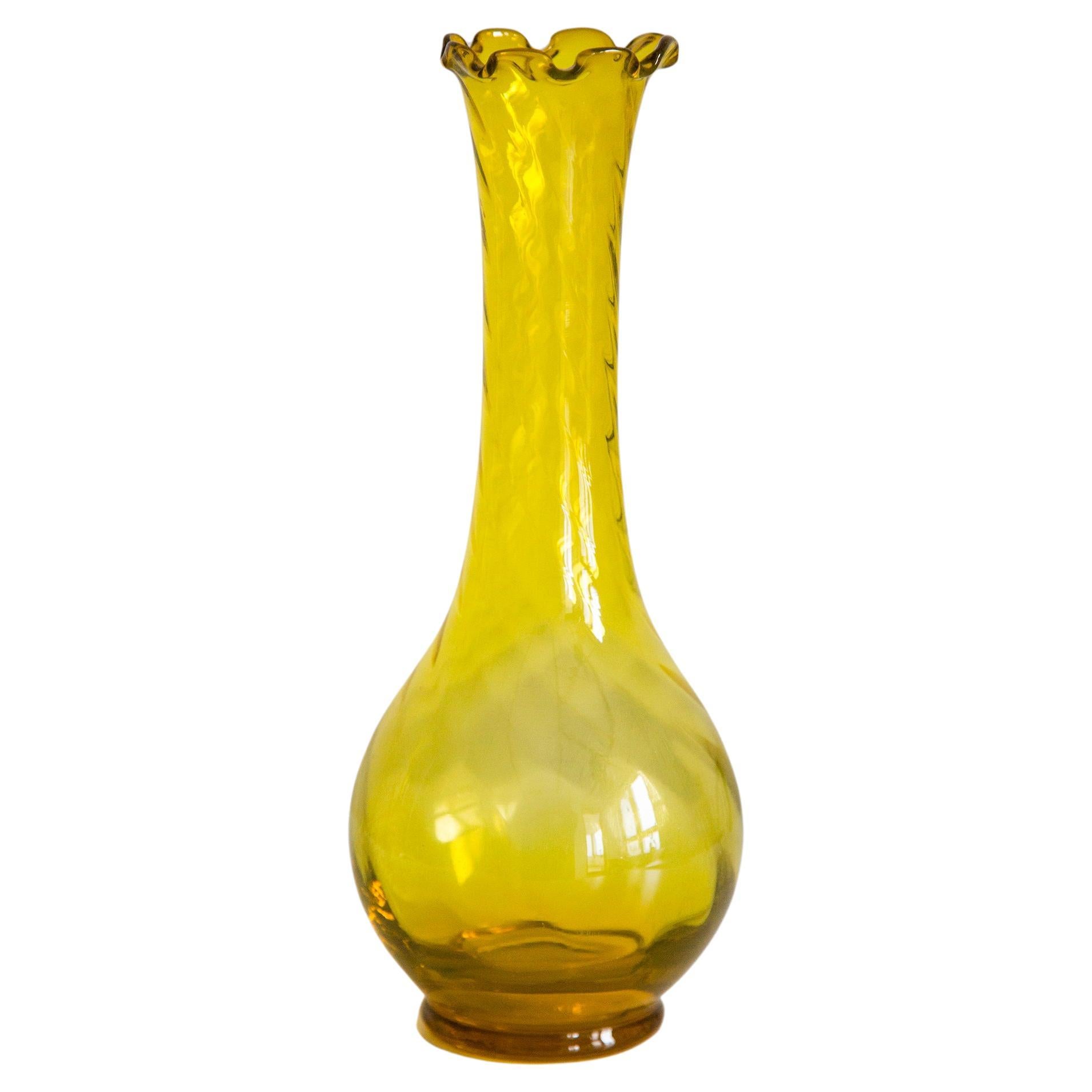
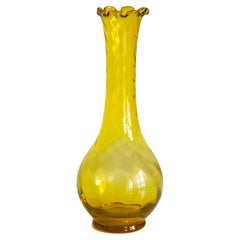
Mid Century Vintage Yellow Artistic Glass Vase, Europe, 1970s
Located in 05-080 Hornowek, PL
VASE “Frill”
Author: Decorative Glassworks "Makora", Krosno
Year of creation: 2nd half 20th century
Information: laminated glass, hand-formed, mass decoration with a crack motif. h...
Category
Mid-20th Century Polish Mid-Century Modern Ceramics
Materials
Glass, Murano Glass
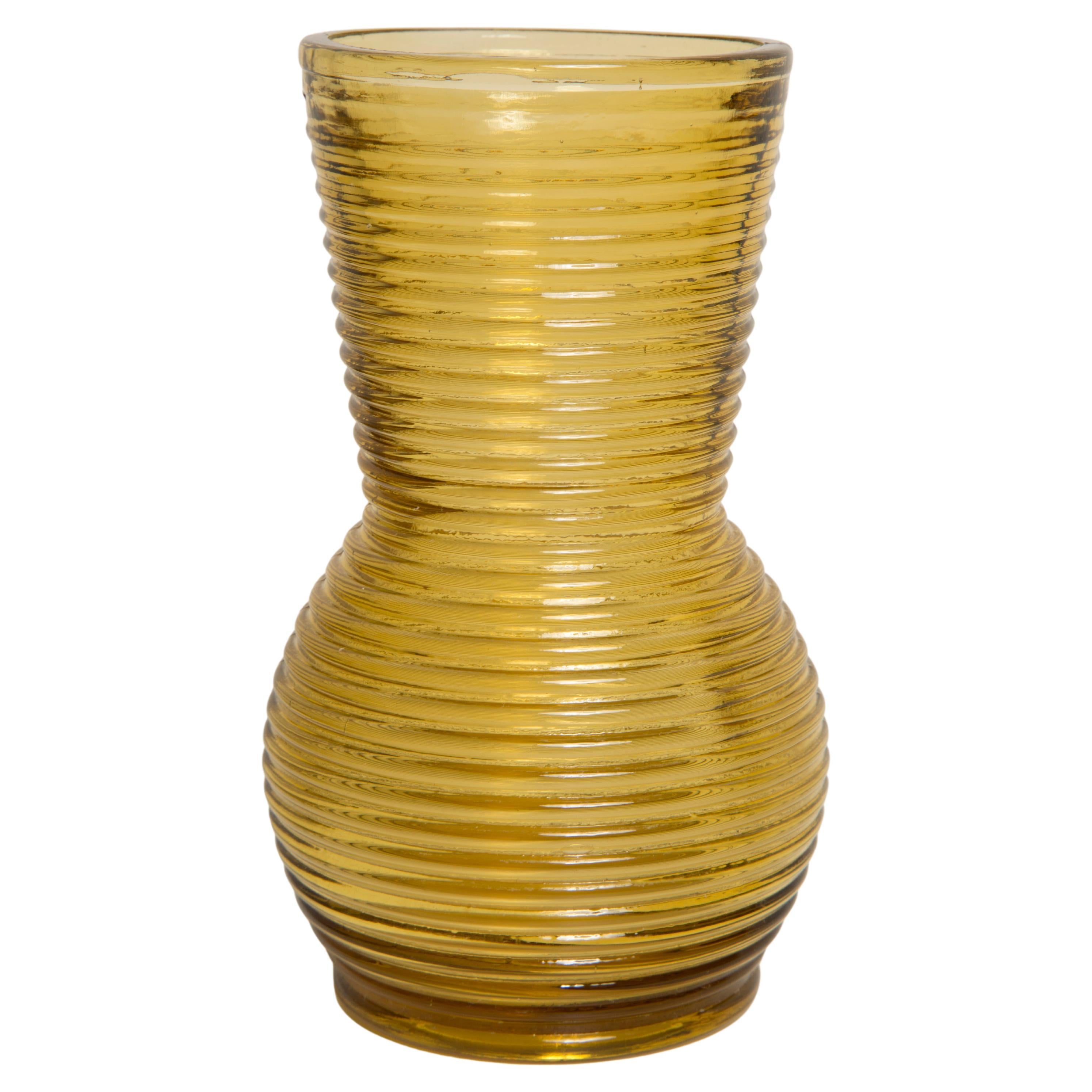
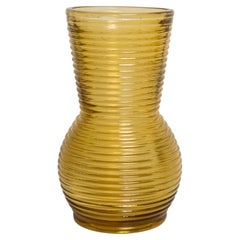
Midcentury Vintage Yellow Small Vase, Europe, 1960s
Located in 05-080 Hornowek, PL
Vintage glass in very good condition. The vase looks like it has just been taken out of the box. No jags, defects etc. Only one unique piece.
Category
Mid-20th Century Polish Mid-Century Modern Ceramics
Materials
Glass
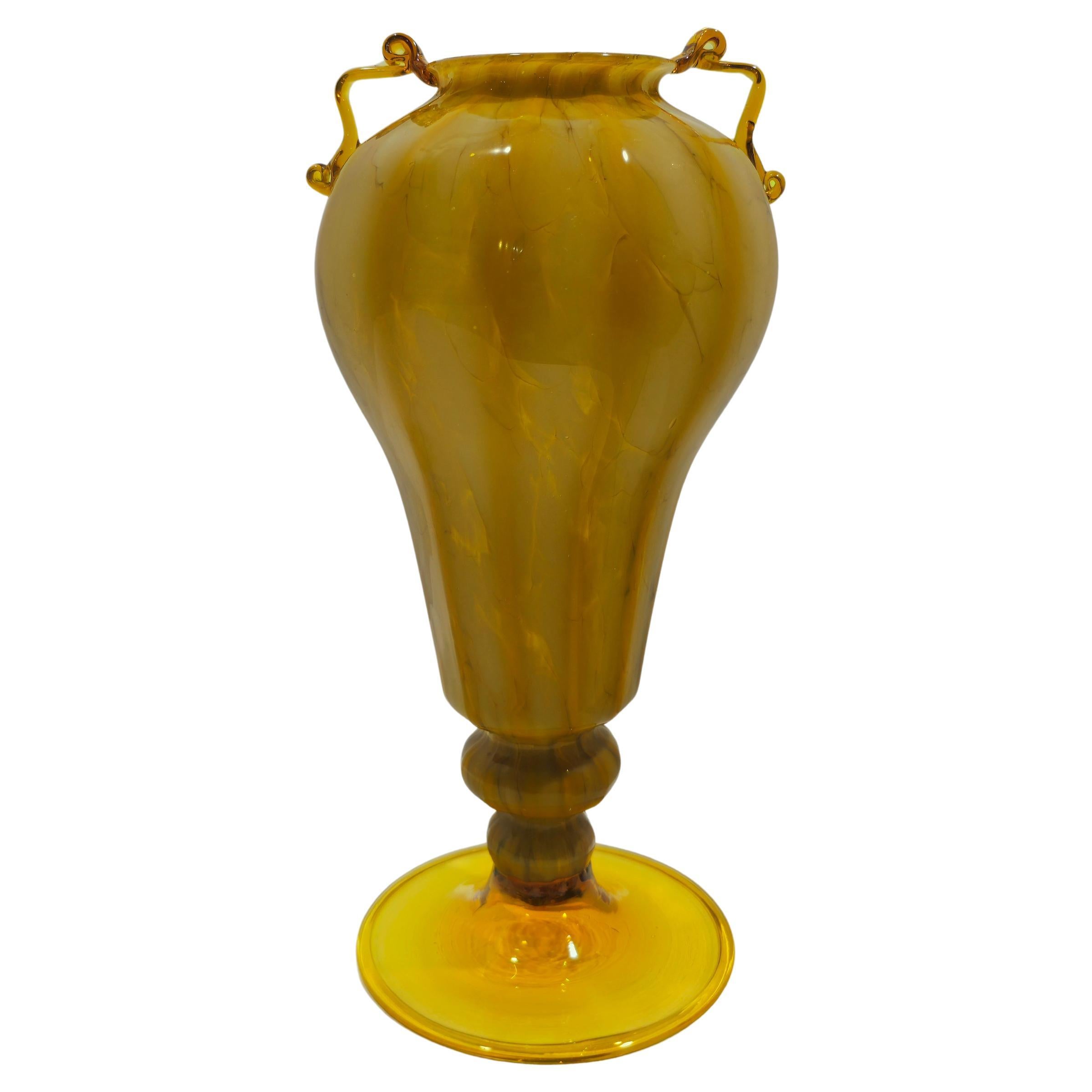
Monumental Fratelli Toso Yellow Murano Glass Vase Italy 1930s Art Deco
By Fratelli Toso
Located in Palermo, IT
Attributed fratelli Toso
Vase with two curly handles. 1930s/1939s. Transparent straw-colored blown glass decorated with milky spots. Double neck vase,...
Category
Antique 1630s Italian Art Deco Glass
Materials
Murano Glass
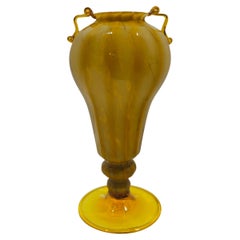
Catalan Yellow Blown Glass Vase, circa 1930
Located in Barcelona, ES
Catalan yellow blown glass vase, circa 1920
Manufactured in Spain.
In original condition, with minor wear consistent of age and use, preserving a beautiful patina.
Mate...
Category
Vintage 1930s Spanish Mid-Century Modern Centerpieces
Materials
Glass
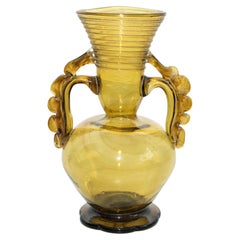
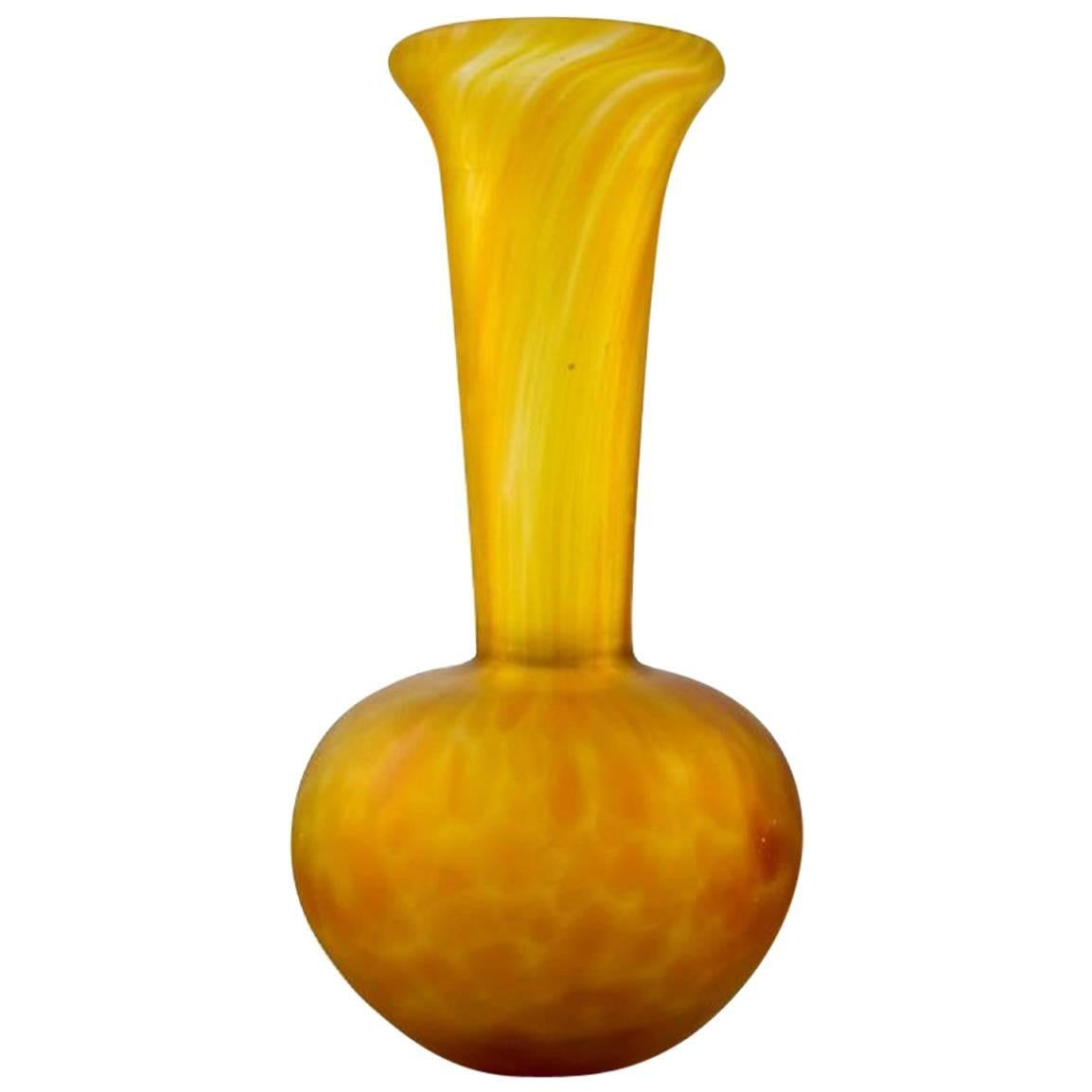
Emile Gallé style art glass vase in yellow shades. 20 c.
Located in København, Copenhagen
Emile Gallé style art glass vase in yellow shades. 20 c.
Measures: 16 cm. x 8 cm.
Signed unclear.
In perfect condition.
Category
20th Century Unknown Art Nouveau Glass
More Ways To Browse
Anglo Irish Cut Glass Bowl
Antique Northwood Glass
Art Deco Wine Decanter
Bauer Ceramics Retro
Bohemian Red Goblet
Briard Tray
Coronation Goblet
Etched Coupe Glass
Etched Coupe Glasses
Fenton Opalescent
Fleuron France
Georges Briard Tray
Glass Compote Covered
Glass Footed Bowls
Higgins Plate
Jena Schott
Jenaer Glass
Kosta Boda Wine Glasses