Items Similar to Franciscan by Gladding McBean El Patio Jug Carafe w/ Lid, Sea Mist Green 1930s
Video Loading
Want more images or videos?
Request additional images or videos from the seller
1 of 13
Franciscan by Gladding McBean El Patio Jug Carafe w/ Lid, Sea Mist Green 1930s
$350
£267.06
€303.80
CA$491.51
A$537.90
CHF 284.23
MX$6,420.22
NOK 3,627.18
SEK 3,317.35
DKK 2,269.23
About the Item
Vintage Art deco style carafe or jug with lid features simple, clean design, the iconic “pretzel” shaped cup handle, and high gloss turquoise glaze. It's a part of El Patio line, attributed to Mary Grant, the first dinnerware line produced by Gladding McBean under their Franciscan Pottery division in 1934. The glaze color, Glacial Blue, is one of the first 8 glaze colorways for the line. El Patio line had three versions of the carafe – one with a wooden handle, one with a ceramic handle, and another with a metal holder; this carafe has the build-in ceramic handle, resulting in streamlined, monochromatic look.
The carafe is marked on the bottom with the oval GMCB mark that was in use from 1934 to 1938. The mark dates the piece to the earliest years of the production of El Patio, one of the five most important California solid colored dinnerware lines of the 1930s, alongside Pacific Hostessware, Bauer Ringware, Metlox 200 Series, and Vernon Kilns Early California.
The Gladding, McBean
Company, one of the biggest potteries in Southern California, was founded in 1875 in Lincoln, California. In 1934 the company began the manufacture of dinnerware and art ware under the trade name Franciscan Ware, and Frederic J. Grant, a chemical engineer and former president of the Weller Pottery Company in Ohio, was hired as the manager of new Pottery Department in the Glendale Plant. His wife, Mary K. Grant, who was an Art Director at Macy
Co. in New York City before her marriage, agreed to style the pottery lines of tableware and art ware; in 1938 she became the Lead Stylist and Manager of the Glendale plant’s Design department. Mary Grant designed many of the shapes and patterns for Franciscan Ware, including Encanto, that was chosen for The Museum of Modern Art 1951 Good Design Exhibition in New York. In 1952 both Frederic and Mary Grant resigned from Gladding.
- Creator:Franciscan China 1 (Maker),Gladding, McBean (Manufacturer)
- Dimensions:Height: 7.9 in (20.07 cm)Width: 6.88 in (17.48 cm)Depth: 5.7 in (14.48 cm)
- Style:Art Deco (Of the Period)
- Materials and Techniques:
- Place of Origin:
- Period:
- Date of Manufacture:1934-1938
- Condition:Wear consistent with age and use.
- Seller Location:Clifton Springs, NY
- Reference Number:1stDibs: LU4421143555972
Roman Erlikh
Roman Erlikh is a professional woodworker with over 20 years’ experience. Roman Erlikh Studio creates bespoke and limited edition contemporary furniture and art objects. His first furniture collections were inspired by traditional Art Deco and Biedermeier styles interpreted through a modern lifestyle demands. Stepping away from merely utilitarian view of everyday objects, his recent collections are filled with meaningful textual context while incorporating traditional and modern woodworking techniques. Roman is using practical function as a common denominator to create emotionally charged art objects, blurring the boundary between art and function. While appreciating possibilities of ordinary materials, Roman is developing new mixed media multilayered composite varnishes and utilizes decorative gilding and mica veneer to actively engage ambient light, giving an additional aspect to relation of his objects to their environment. The decision to work in custom format was based on environmental concerns and opposition to culture of mass production and pure consumerism. The choice of materials was heavily influenced by sustainability and environmental concerns. All objects are made locally in the Brooklyn Navy Yard workshop. Elimination of storage and transportation needs for mass-produced furniture in lieu of creating a custom made objects on demand allows us to reduce waste of materials and energy.
About the Seller
5.0
Platinum Seller
Premium sellers with a 4.7+ rating and 24-hour response times
Established in 2011
1stDibs seller since 2019
277 sales on 1stDibs
Typical response time: <1 hour
- ShippingRetrieving quote...Shipping from: Clifton Springs, NY
- Return Policy
More From This Seller
View AllGonder Pottery Bud Vase Ewer in Grey and Pink Glaze 1940s-1950s
By Gonder Pottery
Located in Clifton Springs, NY
Vintage ceramic ewer-shaped bud vase was made by Gonder Pottery in Zanesville, Ohio. The vase has highly sculptural, characteristic mid-century modern shape with graphic handle tha...
Category
Early 20th Century American Mid-Century Modern Ceramics
Materials
Ceramic
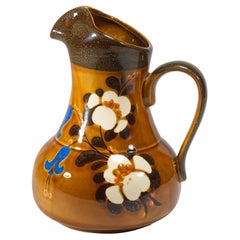
Eva Zeisel for Schramberg SMF Art Deco Pitcher Vase 1930s
By Eva Zeisel, Schramberg Majolica
Located in Clifton Springs, NY
Sculptural pitcher shaped vase features soft, rounded form with curved rim and handle; it is hand painted with Folk Art based flower motifs that are strongly influenced by Art Deco. ...
Category
Early 20th Century German Art Deco Pitchers
Materials
Ceramic, Majolica
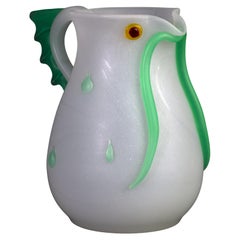
Richard Teschner for Loetz Merman Glass Jug c1906, Uranium Glass Elements
By Johann Lötz Witwe, Richard Teschner
Located in Clifton Springs, NY
Striking Art Nouveau jug was designed by Richard Teschner in 1906 for Lötz Witwe, Klostermühle. It was made in mould-blown technique in opal or alabaster white glass with uranium green glass applications. Comb and long moustache are green, and eyes and pupils are made of yellow and red glass.
The jug can be identified by multiple veritable online and printed resources; it was manufactured in clear and opal glass with both uranium green and clear green applications; some resources have the opal one listed as model no. 4506, but we haven't seen any mentions of uranium glass anywhere, making this piece rather rare and unusual. This piece will work very well in any style of interior or would make a great gift for an art and design enthusiast.
The jug is in good antique condition with light, age-appropriate signs on wear on the bottom. Both sides of moustache have sharp ends; upon close examination of pictures of Merman jugs that were listed as "in perfect condition" and had the same sharp ends, we came to a conclusion that the sharp ends must be created as a part of manufacturing process during the application of long, thin strands of stretched glass...
Category
Early 20th Century Austrian Art Nouveau Vases
Materials
Glass, Uranium Glass, Art Glass
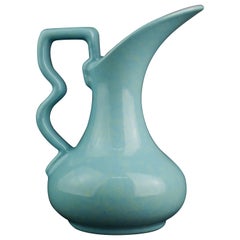
Gonder Pottery Bud Vase Ewer in Blue and Pink Glaze 1940s-1950s
By Gonder Pottery
Located in Clifton Springs, NY
Vintage ceramic ewer-shaped bud vase was made by Gonder Pottery in Zanesville, Ohio. The vase has highly sculptural, characteristic mid-century modern shape with graphic handle that...
Category
Early 20th Century American Mid-Century Modern Ceramics
Materials
Ceramic
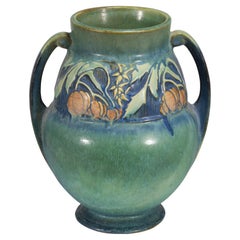
Roseville Baneda Double Handle Green Vase, 1932 American Art Pottery
By Roseville Pottery
Located in Clifton Springs, NY
Vintage Baneda line vase features twin loop handles, wide band of decor in the upper part of the vase, and beautiful green glaze with dripping blue glaze accents. This is the model 5...
Category
Vintage 1930s American Arts and Crafts Vases
Materials
Ceramic, Pottery
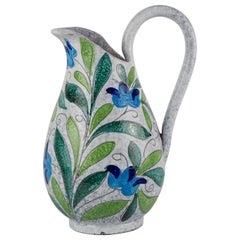
Rare Bitossi Pitcher Vase Sgraffito Flower Decor Blue Green
By Bitossi, Aldo Londi
Located in Clifton Springs, NY
Rare and unusual pitcher vase with abstract sgraffito decor was made by Bitossi Ceramiche; it is very similar in style to pieces that were designed for Bitossi by Aldo Londi. It is ...
Category
Mid-20th Century Italian Mid-Century Modern Pitchers
Materials
Ceramic, Pottery, Majolica
You May Also Like
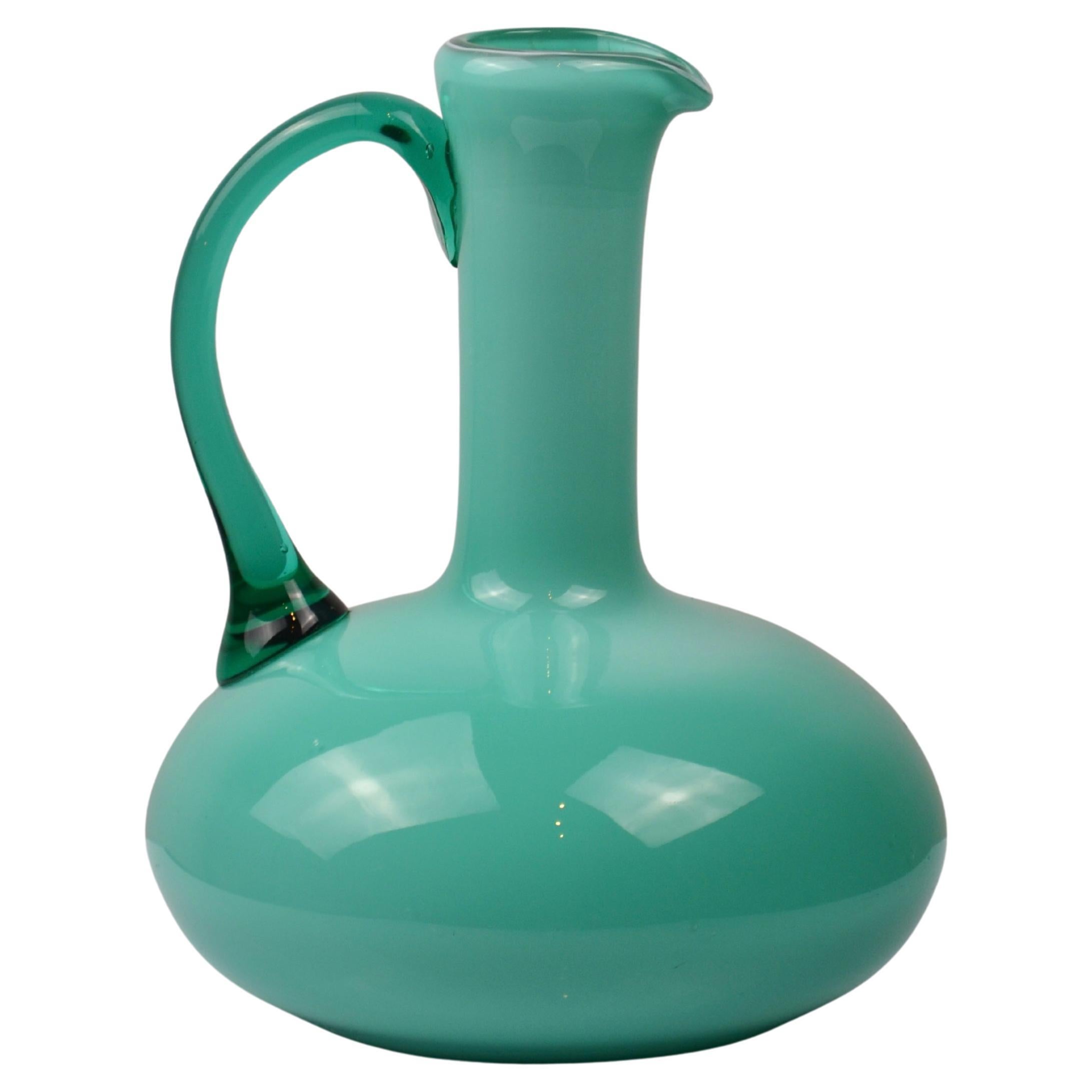
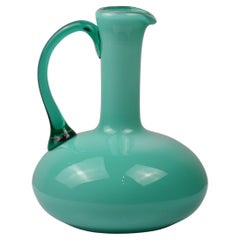
Mid-Century Green Opaline Glass Carafe
Located in Marinha Grande, PT
Elegant vintage carafe in green opaline glass, mouth-blown and hand-finished, with a graceful rounded body and a gently flared spout. The handle, made of slightly translucent glass, ...
Category
Vintage 1960s Italian Mid-Century Modern Pitchers
Materials
Opaline Glass
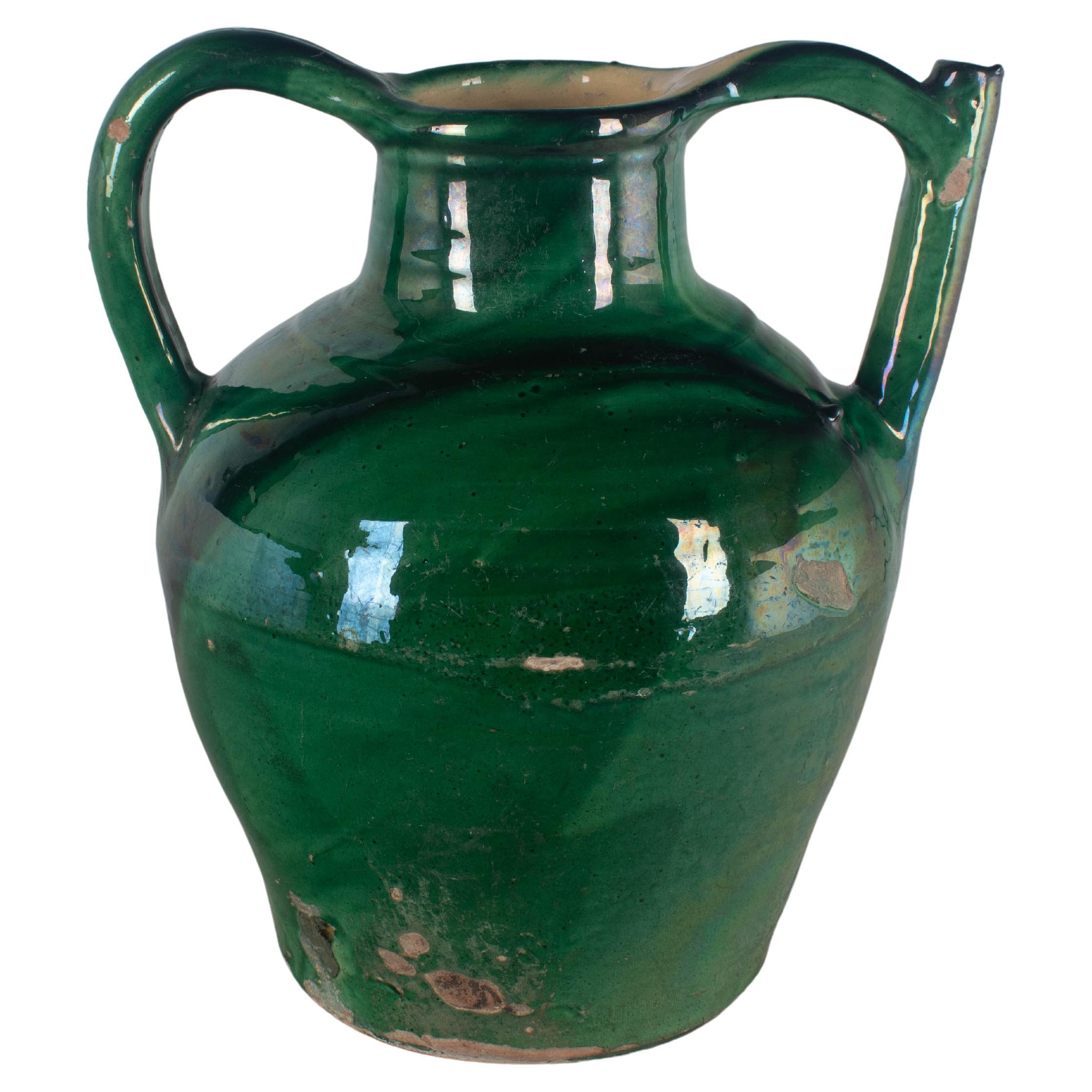
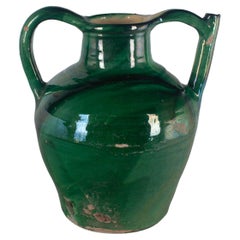
Early 20th Century Green Glazed Water Jug from France 14"High
Located in Winter Park, FL
An early 20th century green glazed terracotta vinegar or water jug from the Southwest of France with spout in the handle. Beautiful green color. Chips and losses to glaze. Circa 1900...
Category
Early 20th Century French French Provincial Pottery
Materials
Terracotta
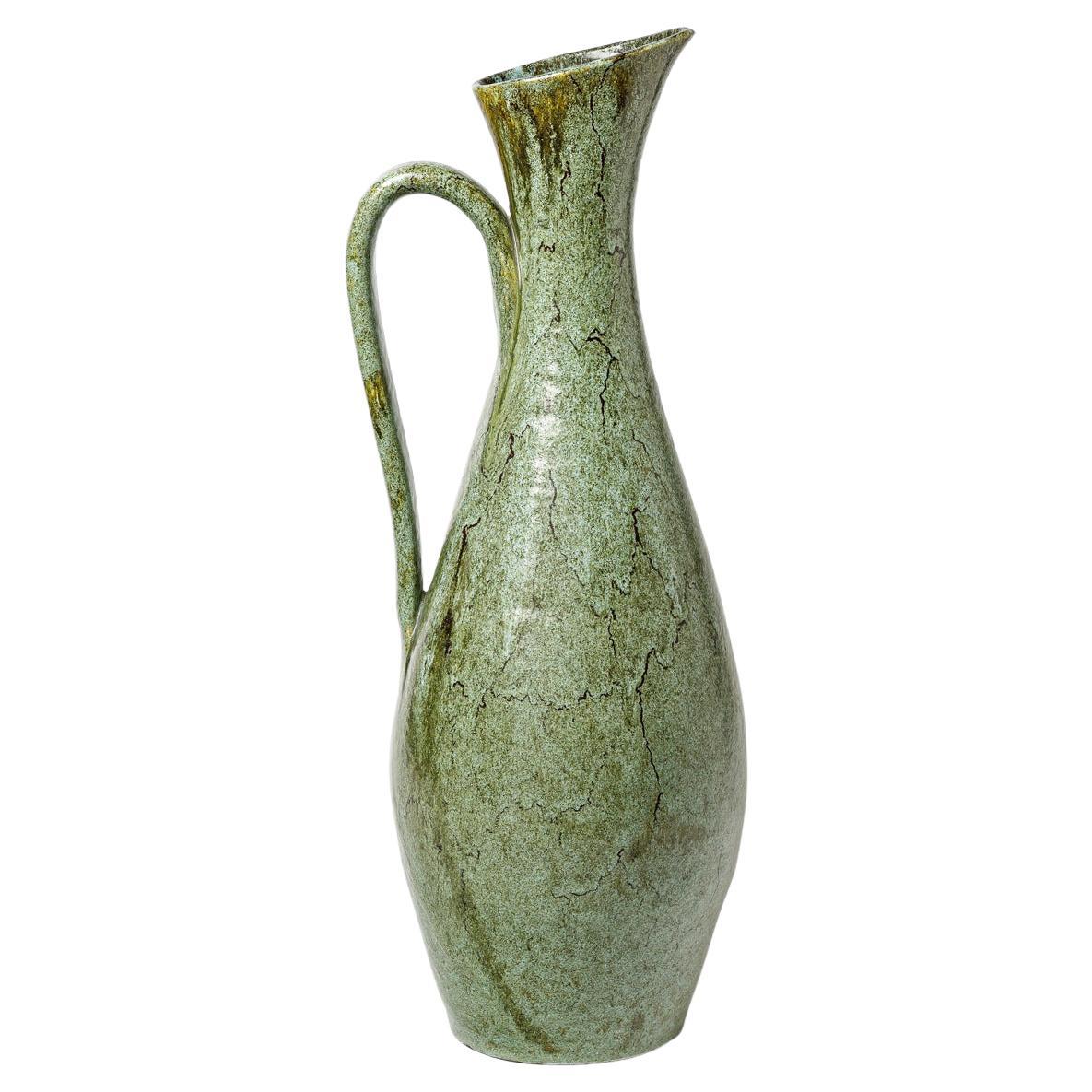
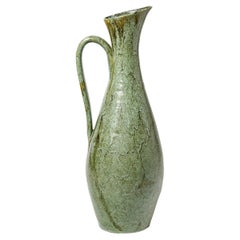
Green glazed ceramic pitcher by Accolay, circa 1960-1970.
By Accolay Pottery
Located in Saint-Ouen, FR
Green glazed ceramic pitcher by Accolay.
Artist monogram under the base. Circa 1960-1970.
H : 21.4 x 7.5 x 6.7 inches.
Category
Vintage 1960s French Beaux Arts Pitchers
Materials
Ceramic
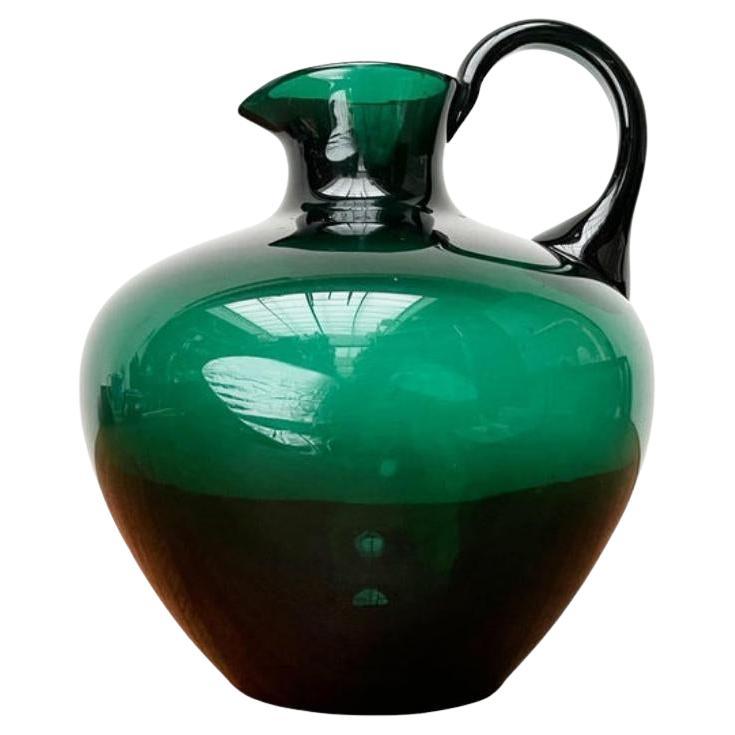
Art Deco German Green Glass Jug by Prof. Bruno Mauder, 1930s
Located in Hamburg, DE
Art Deco German Green Glass Jug by Prof. Bruno Mauder for Zwiesel Theresienthal, 1930s, in Very Good conditions. Designed 1920 to 1949 official proof of authenticity such as vintage ...
Category
20th Century German Pitchers
Materials
Glass
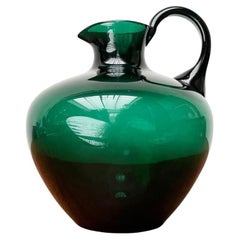
Kähler, Denmark. Ceramic pitcher. Glaze in green tones. Approx. 1930/40s.
Located in København, Copenhagen
Kähler, Denmark. Ceramic pitcher.
Glaze in green tones.
Approximately 1930/40s.
Marked.
In excellent condition with a minimal glaze defect on the handle. See photo.
Dimensions: Heigh...
Category
Vintage 1930s Danish Pitchers
Materials
Ceramic
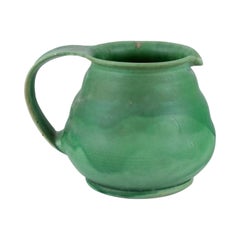
20th Century Green Stoneware Ceramic Pitcher by Jean Maubrou Saint Amand, 1950
Located in Neuilly-en- sancerre, FR
Jean Maubrou.
Large stoneware ceramic pitcher.
Green and colored stoneware ceramic glazes colors.
Signed under the base.
Original perfect cond...
Category
Mid-20th Century French Mid-Century Modern Pitchers
Materials
Ceramic
More Ways To Browse
Art Deco Ceramic Jug
Franciscan Glasses
Gladding Mcbean Pottery
Franciscan Ware
Vernon Kilns
Vienna Porcelain Cup
Vintage Hand Painted Porcelain Egg
Vintage Herend
1887 Porcelain
Antique English China Crown Derby
Antique Glass Dinnerware
Antique Porcelain Cherub Figurines
Antique Silver French Silver Marks
Butterfly Cup
Chinese Cabbage
Classic Rose Rosenthal
Coalport Cobalt
Dior Renaissance