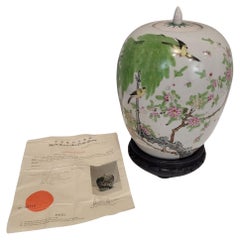
Missoni Porcelain Italian Set of Three Plates and Individual Tablecloth
About the Item
- Creator:Missoni (Designer),Richard Ginori (Manufacturer)
- Dimensions:Height: 12.6 in (32 cm)Diameter: 12.6 in (32 cm)Length: 12.6 in (32 cm)
- Sold As:Set of 3
- Style:Modern (In the Style Of)
- Materials and Techniques:
- Place of Origin:
- Period:
- Date of Manufacture:21st Century
- Condition:It ,s a group of six set and tablecloth from Missoni , new but bought from a particular collection at a lower price than the market.
- Seller Location:Valladolid, ES
- Reference Number:1stDibs: LU2943311056141
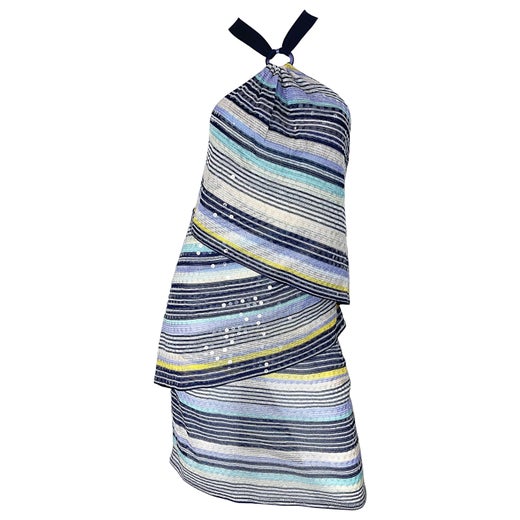
Missoni
In 1953, Ottavio “Tai” Missoni (1921–2013) and Rosita Missoni (b. 1931) opened a small knitwear shop in Gallarate, Italy, paving the way for what would become an iconic style of colorful chevron knit.
Missoni began with a tracksuit, which featured zippers down the legs because, as Rosita recalls it, “Tai was too lazy to take off his shoes when putting them on.” The couple’s fashion really took off, though, once they discovered the Raschel knitting machine on a trip to a shawl factory. The machine enabled the Missonis to knit multiple colors in a zigzag pattern, a motif that would go on to become synonymous with the Missoni brand across everything from its alluring vintage day dresses and sweaters to its purses, seating and rugs.
Missoni held its first fashion show in Florence in 1967 and caused a bit of a sensation when the models’ Lurex dresses proved translucent under the lights at the Pitti Palace. Scandal aside, the show went down in history as a hit, and the Missonis soon made their debut in the United States with the help of legendary fashion editor Diana Vreeland, who gave the variegated Missoni stripe the Vogue seal of approval, saying, “Who says a rainbow has seven colors? It has many shades.” (It was also Vreeland who reportedly introduced the Missonis to Neiman Marcus president Stanley Marcus, effectively shepherding the brand to the American market.)
Missoni’s many-shaded rainbow would soon become an emblem of the 1970s fashion scene, earning the brand a permanent place in the fashion canon. In 1973, the New York Times proclaimed: “Missoni’s weaved garments have ended up universal materialistic trifles, as Vuitton sacks and Gucci shoes.”
The brand branched into the home market in 1983, with Rosita overseeing this new venture, Missoni Home, which included furniture, textiles and accessories. Daughter Angela succeeded her mother at the helm of the brand, where she served as creative director until 2021 and is currently president; her brother Luca is CEO, while her daughter Margherita was creative director of M Missoni, a modestly priced offshoot that was discontinued in 2021.
Find vintage Missoni clothing and accessories today on 1stDibs.
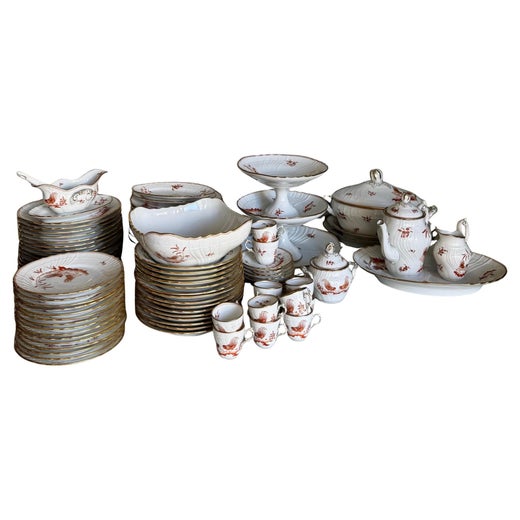
Richard Ginori
The striking elegance and craftsmanship associated with vintage Richard Ginori porcelain and ceramics are hallmarks of the distinguished Italian manufacturer's deep heritage. Over nearly 300 years, the company has established a legacy of enduring design — its exquisite handmade serving pieces, tea sets, tableware, vases and more are coveted all over the world.
Richard Ginori traces its long history back to the village of Doccia, Italy, where marchese Carlo Ginori opened the Doccia Porcelain Manufactory in 1735. The factory employed talented Viennese painters and modelers, and although it took time for Carlo to perfect his models and molds, the company eventually became known for its impeccable white porcelain, inspired by Ginori's love of white gold. By 1779, the factory’s refined porcelain decorated palaces and stately residences.
In 1896, the factory expanded and merged with the Società Ceramic Richard of Milan. The new company was named Richard Ginori, and the early 20th century marked a period of artistic revival for the manufacturer.
In 1923, the influential Italian architect, publisher and furniture designer Gio Ponti was appointed as the company's artistic director (a role he held until 1933). He was still a young man at the time, but the now-celebrated polymath was fearless in his efforts to innovate at Richard Ginori — he introduced a contemporary spirit at the manufacturer and integrated ancient Roman art and other neoclassical elements into his richly ornate designs for decorative objects and ceramic vessels. At the 1925 International Exhibition of Modern Decorative and Industrial Arts in Paris — the design fair that brought the Art Deco style into the world — both Richard Ginori and its bold artistic director won a Grand Prix.
In the decades that followed, offerings at the storied porcelain manufacturer showed an adoption of the modern style that had taken shape in furniture design and decorative arts during the mid-20th century. In 1954, the company was renamed Ginori 1735, a reference to its inaugural year. Over time, Richard Ginori has partnered with numerous renowned designers such as Giovanni Gariboldi, Antonio Piva, Franco Albini and Aldo Rossi. In 2013, Gucci purchased the Ginori 1735 brand and factory.
On 1stDibs, find a collection of vintage Richard Ginori serveware and decorative objects.
You May Also Like
Mid-20th Century Italian Porcelain
Porcelain
20th Century French Porcelain
Porcelain
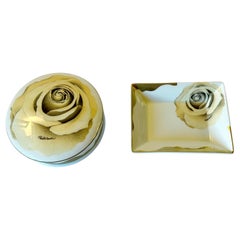
Vintage 1970s French Modern Porcelain
Porcelain
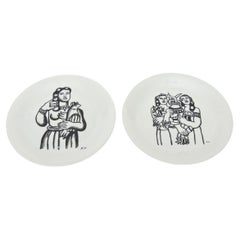
2010s Italian Modern Porcelain
Porcelain
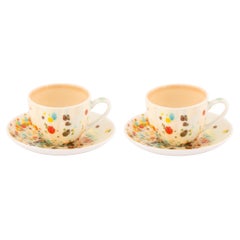
20th Century French Porcelain
Porcelain
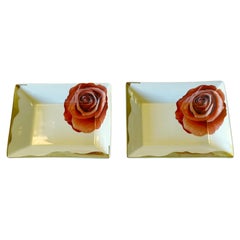
20th Century French Porcelain
Porcelain

20th Century Porcelain
Porcelain

Antique 19th Century French Porcelain
Porcelain
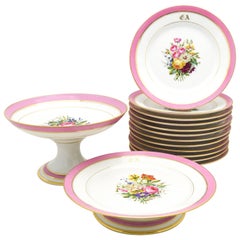
Antique 1810s Austrian Classical Greek Porcelain
Porcelain
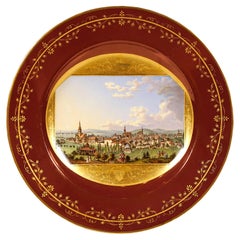
Antique Early 1900s French Porcelain
Porcelain
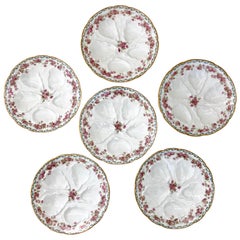
More From This Seller
View AllVintage 1920s Japanese Japonisme Porcelain
Porcelain
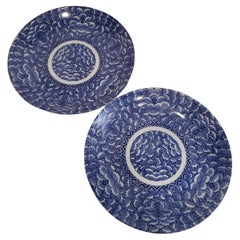
Vintage 1960s Italian Mid-Century Modern Porcelain
Porcelain
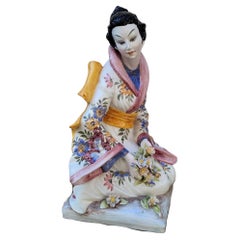
Vintage 1970s French Mid-Century Modern Porcelain
Silver Plate
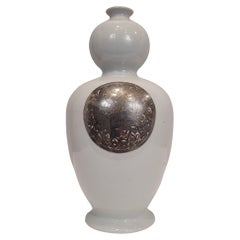
Vintage 1930s French Art Nouveau Porcelain
Porcelain
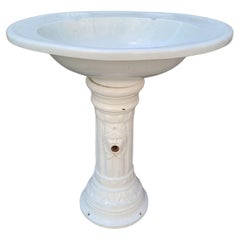
Antique 1840s Austrian Baroque Porcelain
Porcelain
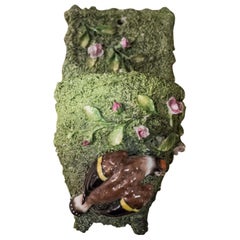
Antique 1890s Chinese Chinese Export Porcelain
Porcelain