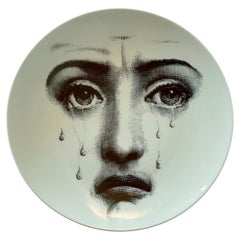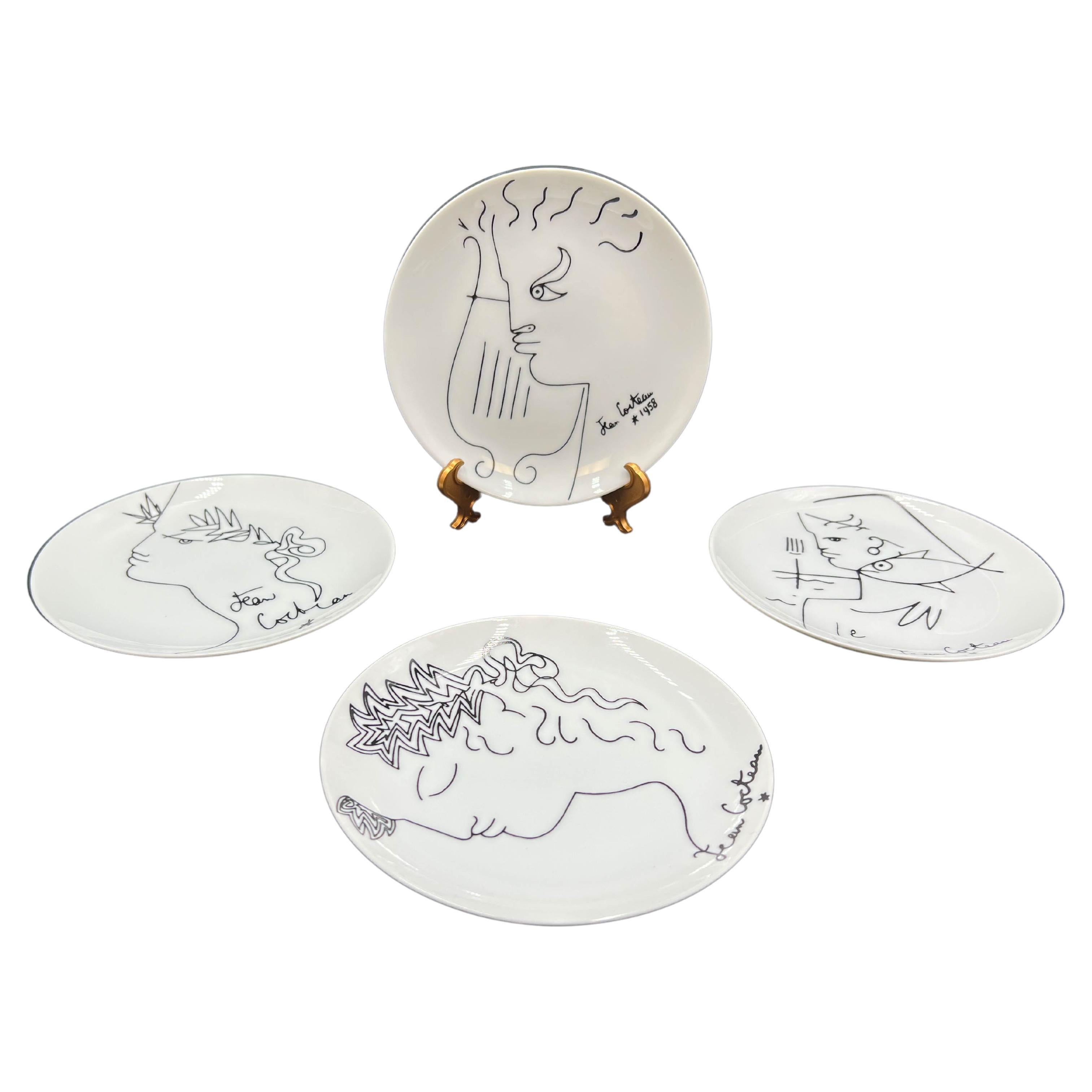
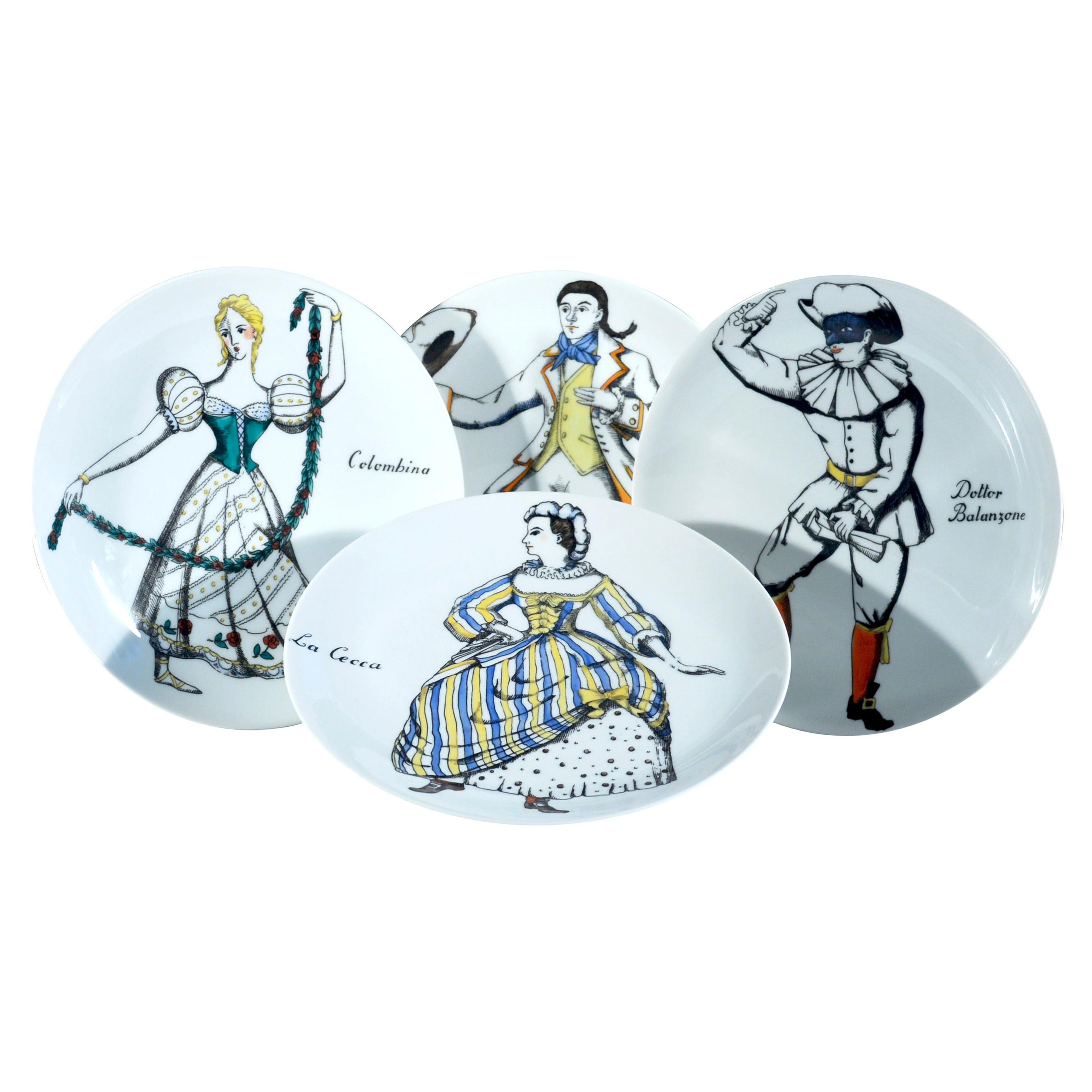
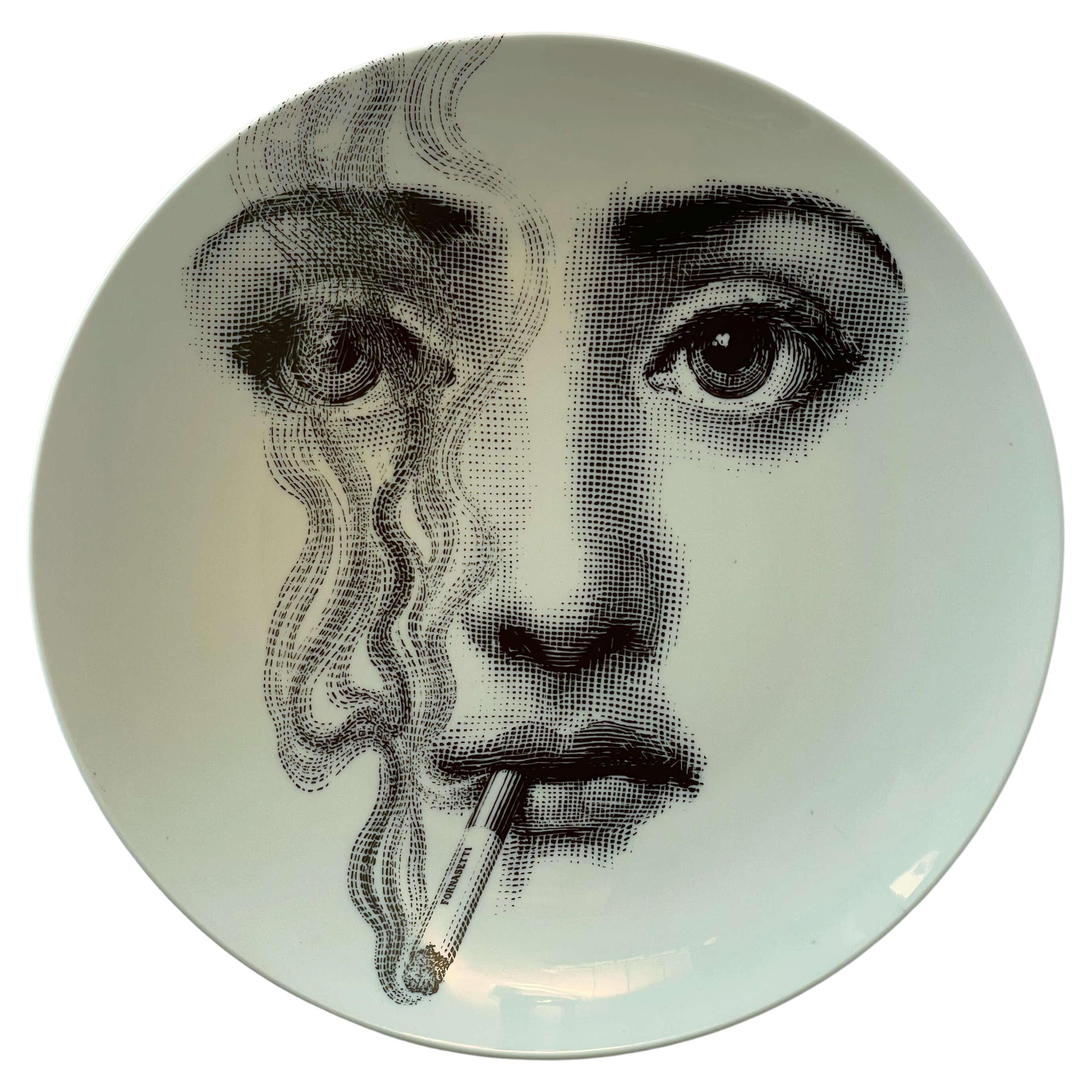
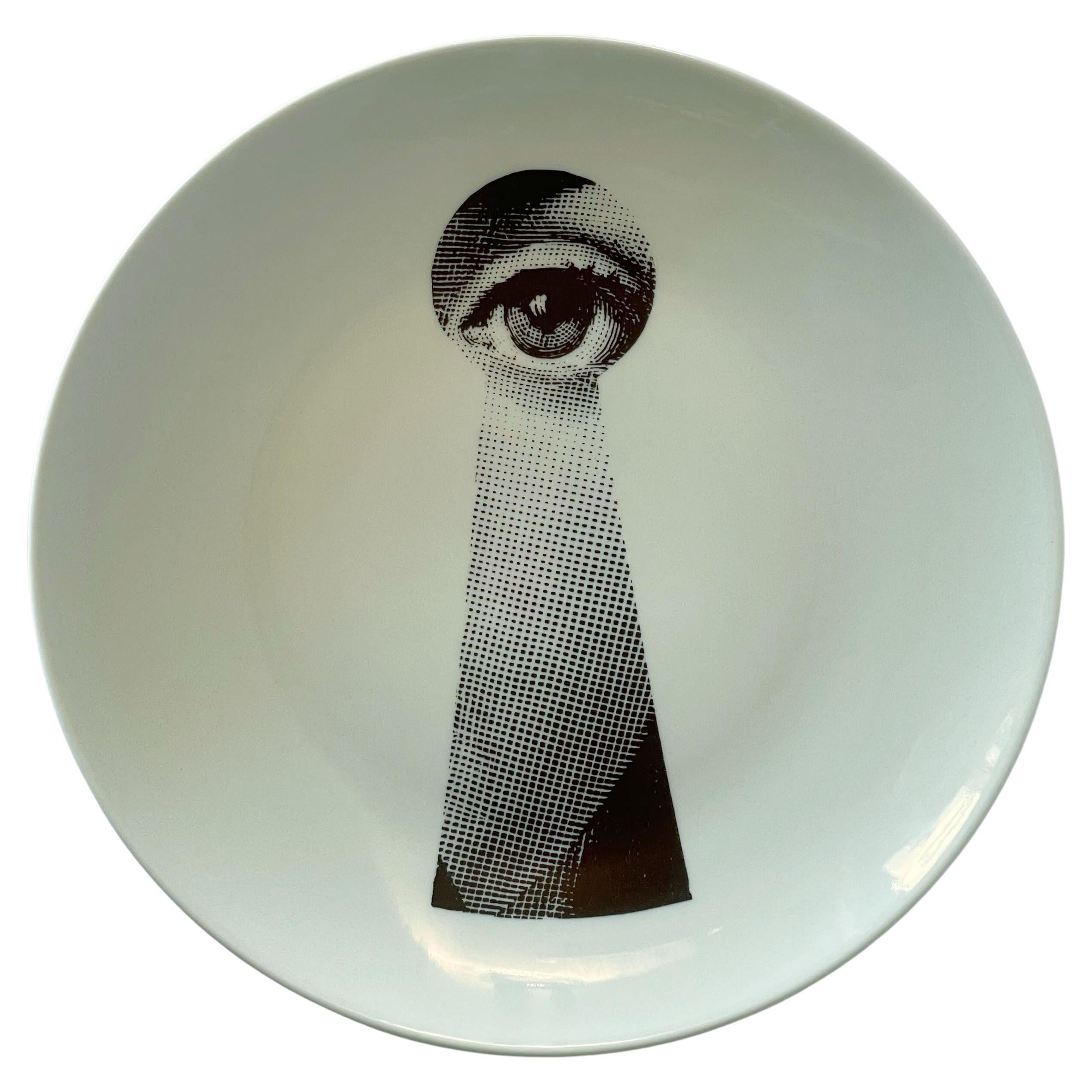
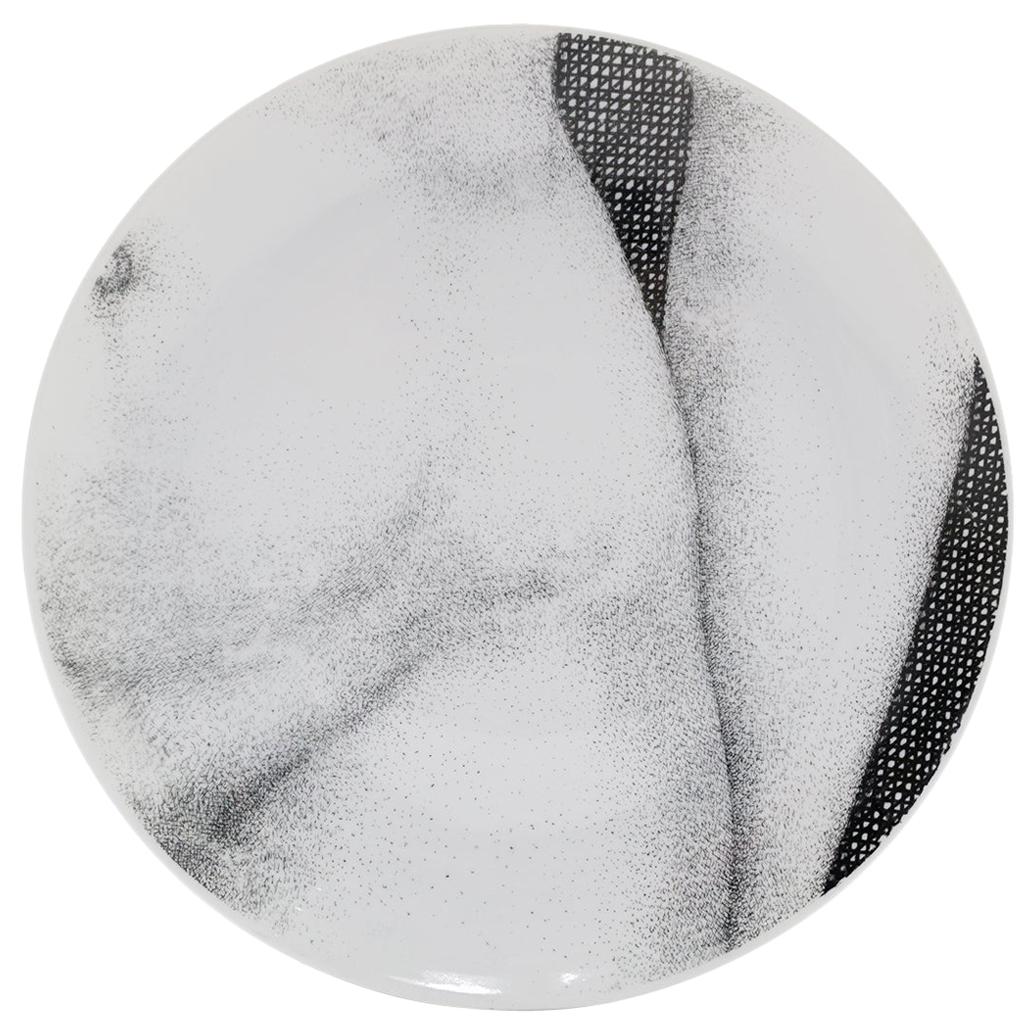
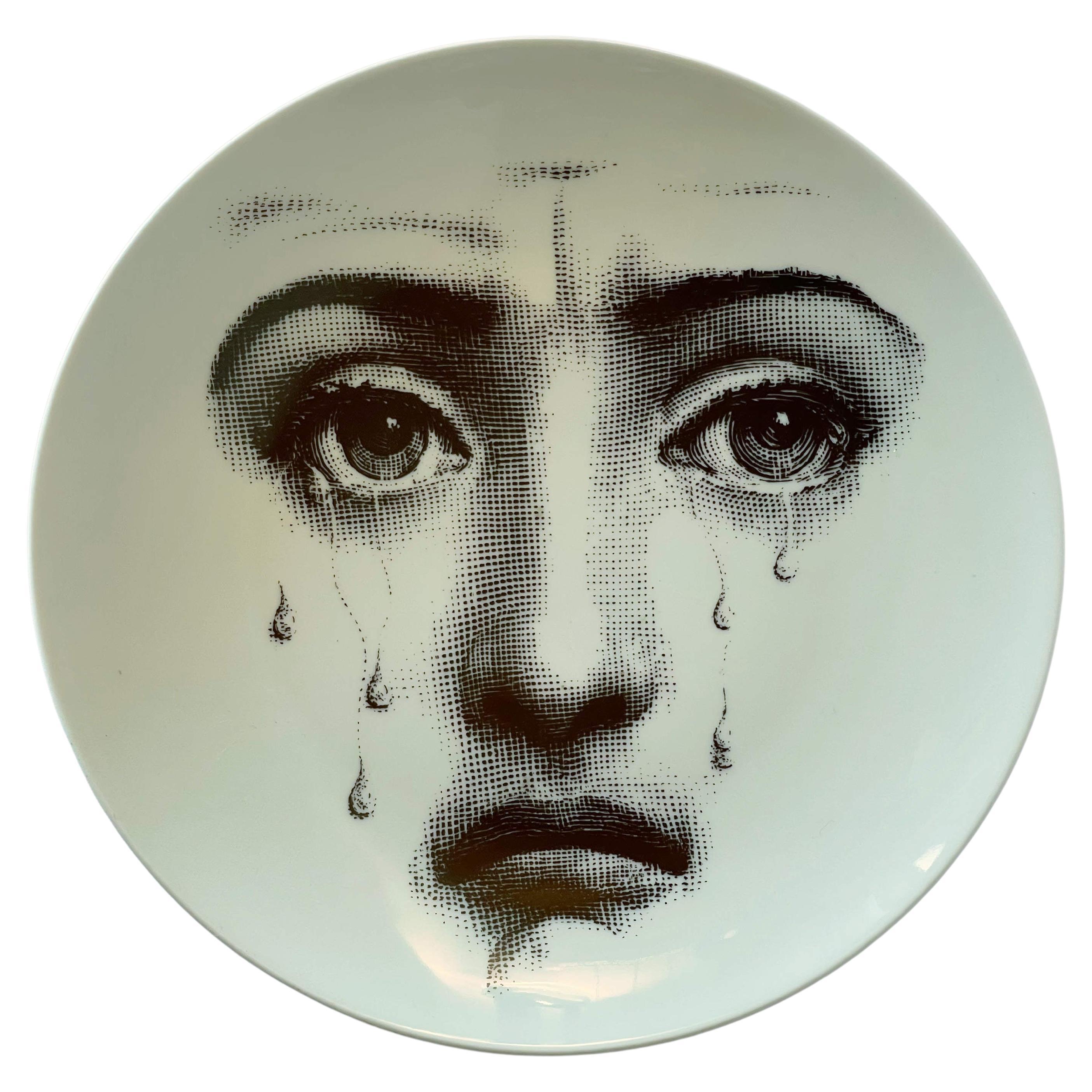
Modern Art Porcelain Plates, 4
About the Item
- Creator:
- Dimensions:Height: 0.75 in (1.91 cm)Diameter: 6.75 in (17.15 cm)
- Sold As:Set of 4
- Style:Modern (Of the Period)
- Materials and Techniques:
- Period:
- Date of Manufacture:Mid Century Modern
- Condition:Wear consistent with age and use. Good condition. Accumulation of dirt and grime.
- Seller Location:Astoria, NY
- Reference Number:Seller: 1228551stDibs: LU889347322132
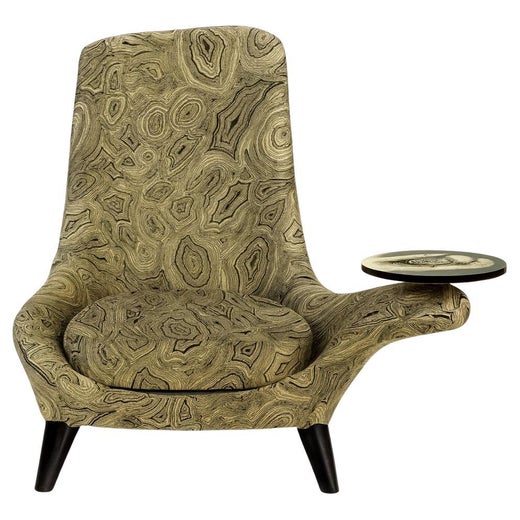
Fornasetti
The Italian artist, illustrator and furniture maker Piero Fornasetti was one of the wittiest and most imaginative design talents of the 20th century. He crafted an inimitable decorative style from a personal vocabulary of images that included birds, butterflies, hot-air balloons, architecture and — most frequently, and in some 500 variations — an enigmatic woman’s face based on that of the 19th-century opera singer Lina Cavalieri. Fornasetti used transfer prints of these images, rendered in the style of engravings, to decorate an endless variety of furnishings and housewares that ranged from chairs, tables and desks to dinner plates, lamps and umbrella stands. His work is archly clever, often surreal and always fun.
Fornasetti was born in Milan, the son of an accountant, and he lived his entire life in the city. He showed artistic talent as a child and enrolled at Milan’s Brera Academy of Fine Art in 1930, but was expelled after two years for consistently failing to follow his professors’ orders. A group of his hand-painted silk scarves, displayed in the 1933 Triennale di Milano, caught the eye of the architect and designer Gio Ponti, who, in the 1940s, became Fornasetti’s collaborator and patron. Beginning in the early 1950s, they created a striking a series of desks, bureaus and secretaries that pair Ponti’s signature angular forms with Fornasetti’s decorative motifs — lighthearted arrangements of flowers and birds on some pieces, austere architectural imagery on others. The two worked together on numerous commissions for interiors, though their greatest project has been lost: the first-class lounges and restaurants of the luxury ocean liner Andrea Doria, which sank in 1956.
Fornasetti furnishings occupy an unusual and compelling niche in the decorative arts: they are odd yet pack a serious punch. They act, essentially, as functional sculpture. A large Fornasetti piece such as a cabinet or a desk can change the character of an entire room; his smaller works have the aesthetic power of a vase of flowers, providing a bright and alluring decorative note. The chimerical, fish-nor-fowl nature of Fornasetti’s work may be its greatest strength. It stands on its own. Bringing the Fornasetti look into the future is Barnaba Fornasetti, who took the reins of the company after his father's death.
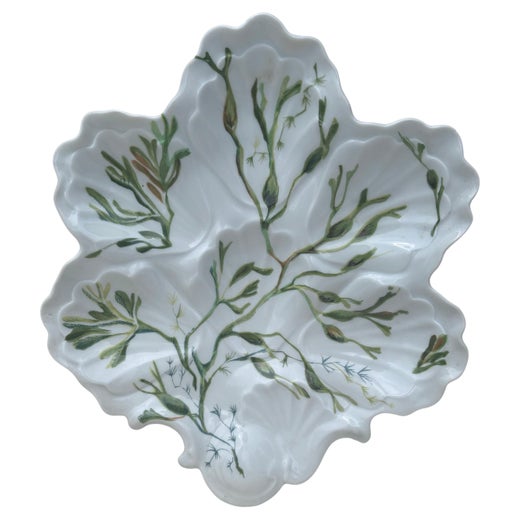
Limoges
Limoges porcelain has withstood the test of time for centuries. The widely cherished ceramics named for the French city and commune in which they are made are synonymous with sophistication, elegance and refinement. Today, antique Limoges dinnerware, serveware, decorative objects and other porcelain products are coveted and collected all over the world.
The story of Limoges porcelain, which refers to porcelain made in the Limoges region of France — not by a specific factory — begins in 1768. The region is a rich source of kaolin, feldspar and quartz — vital ingredients to the production of this type of pottery.
Porcelain was first made in China and spread all over the world owing to the trade routes to the Far East established by Dutch and Portuguese merchants. Given its origin, English speakers called porcelain “fine china,” an expression you still might hear today. "Fine" indeed — for over a thousand years, it has been a highly sought-after material. Meissen Porcelain (Staatliche Porzellan-Manufaktur Meissen), which was founded in the Electorate of Saxony (now Germany), is one of the preeminent porcelain factories in Europe and was the first to produce true porcelain outside of Asia.
Limoges porcelain refers to porcelain produced in and near the city of Limoges — it does not refer to a specific manufacturer — and it’s distinctive for its luminous hue and bright white qualities, providing an ideal canvas for intricately detailed hand-painted decorations. (Revered Impressionist painter Pierre-Auguste Renoir began his career painting plates in Limoges.)
It wasn’t long before Limoges porcelain captured the attention of King Louis XVI — the region’s first manufactory, established toward the close of the 18th century, was placed under the protection of the King’s brother, the Comte d’Artois. It was later purchased by the King and became Manufacture Royale de Limoges. The facility produced a variety of pieces, including delicate, gold-embellished trinket boxes, ornamental vessels, Rococo-style figurines and elaborate dinnerware service sets.
Following the end of the French Revolution in 1794, Limoges porcelain was no longer restricted, and the commercial porcelain industry ballooned.
By 1819, Limoges had four porcelain factories, and as demand for porcelain grew during the 19th century, the industry expanded in the French city. In 1853, American businessman David Haviland opened the Haviland Co. factory in Limoges to export porcelain to the United States. The company produced several iconic serveware collections for many American presidents, including Abraham Lincoln, Ulysses S. Grant and Rutherford B. Hayes. Bernardaud opened in the early 1860s.
By 1900, Limoges had 35 factories, which employed close to 8,000 workers. In 1925, Limoges porcelain was shown at the International Exhibition of Modern Decorative and Industrial Arts — the design fair in Paris that brought global attention to the Art Deco style — where it garnered international acclaim.
During the 20th century, Limoges factories such as Bernardaud collaborated with a range of notable artists and designers, including Franz Bischoff, Joan Miró, Raymond Loewy, Alexander Calder and Julian Schnabel, to name a few.
Today, authentic Limoges porcelain tableware, vases and objets d’art continue to gain renown with collectors and design lovers all over the world.
Find an extensive collection of antique Limoges porcelain on 1stDibs.
- ShippingRetrieving quote...Shipping from: Astoria, NY
- Return Policy
More From This Seller
View AllLate 20th Century Italian Post-Modern Tableware
Porcelain
20th Century Italian Post-Modern Dinner Plates
Porcelain

Mid-20th Century Italian Mid-Century Modern Porcelain
Porcelain
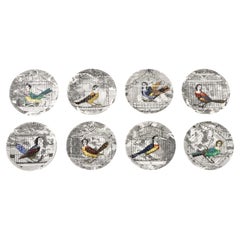
20th Century Italian Post-Modern Tableware
Porcelain
Mid-20th Century Italian Modern Porcelain
Porcelain
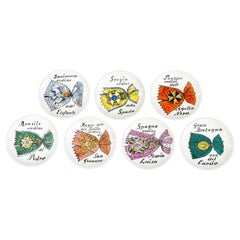
20th Century Italian Neoclassical Serving Pieces
Porcelain
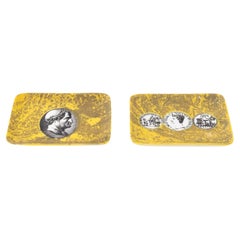
You May Also Like
Vintage 1950s French Dinner Plates
Porcelain
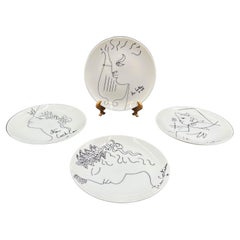
Vintage 1970s Italian Mid-Century Modern Dinner Plates
Porcelain
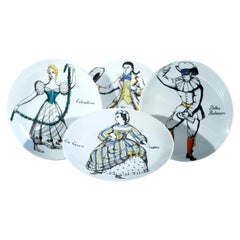
Mid-20th Century Italian Mid-Century Modern Porcelain
Porcelain
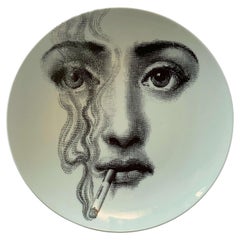
Mid-20th Century Italian Mid-Century Modern Porcelain
Porcelain
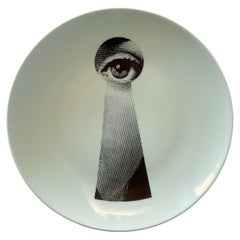
Mid-20th Century Italian Mid-Century Modern Porcelain
Porcelain
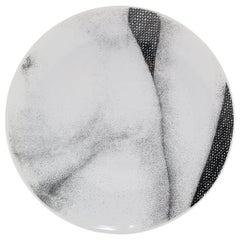
Mid-20th Century Italian Mid-Century Modern Porcelain
Porcelain