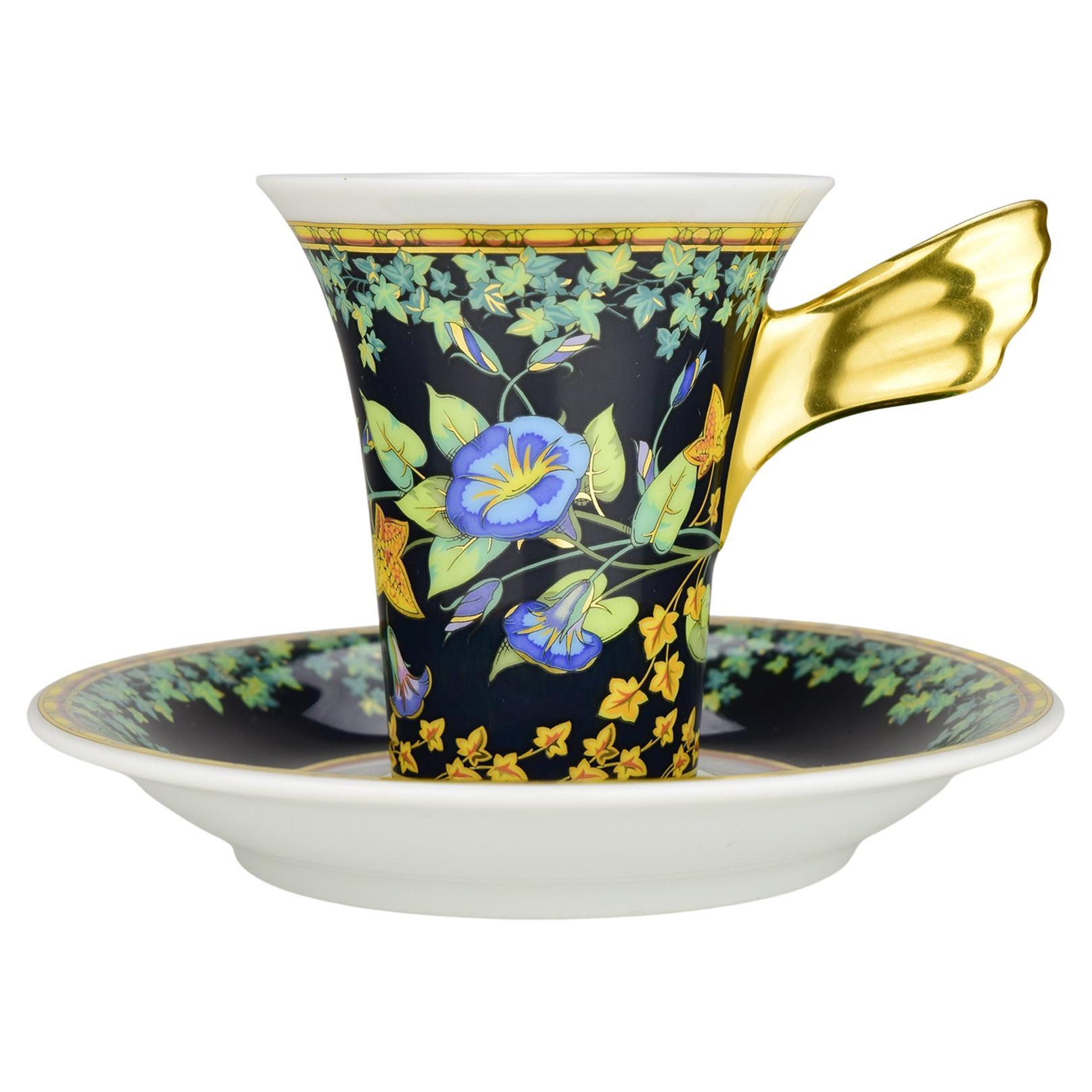
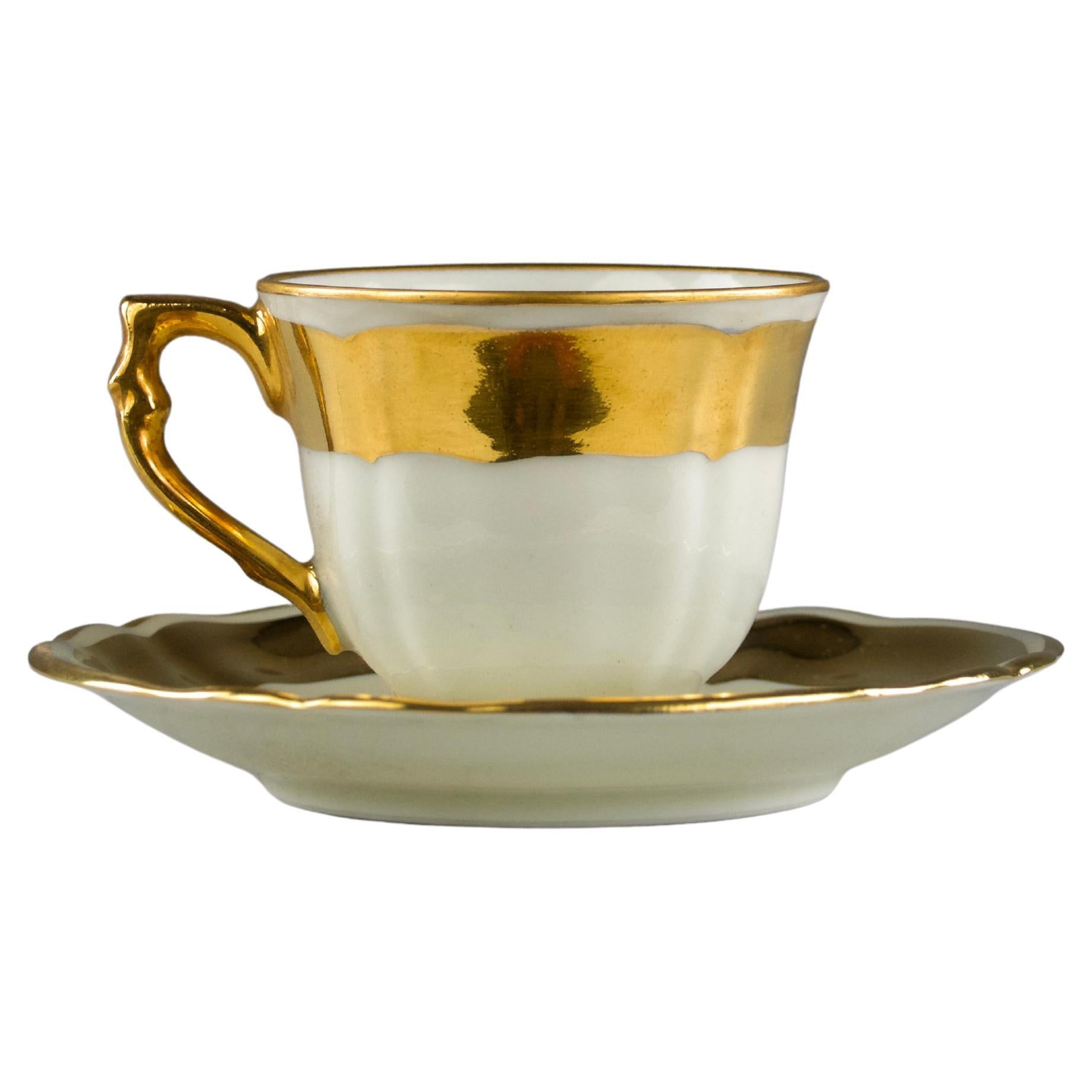
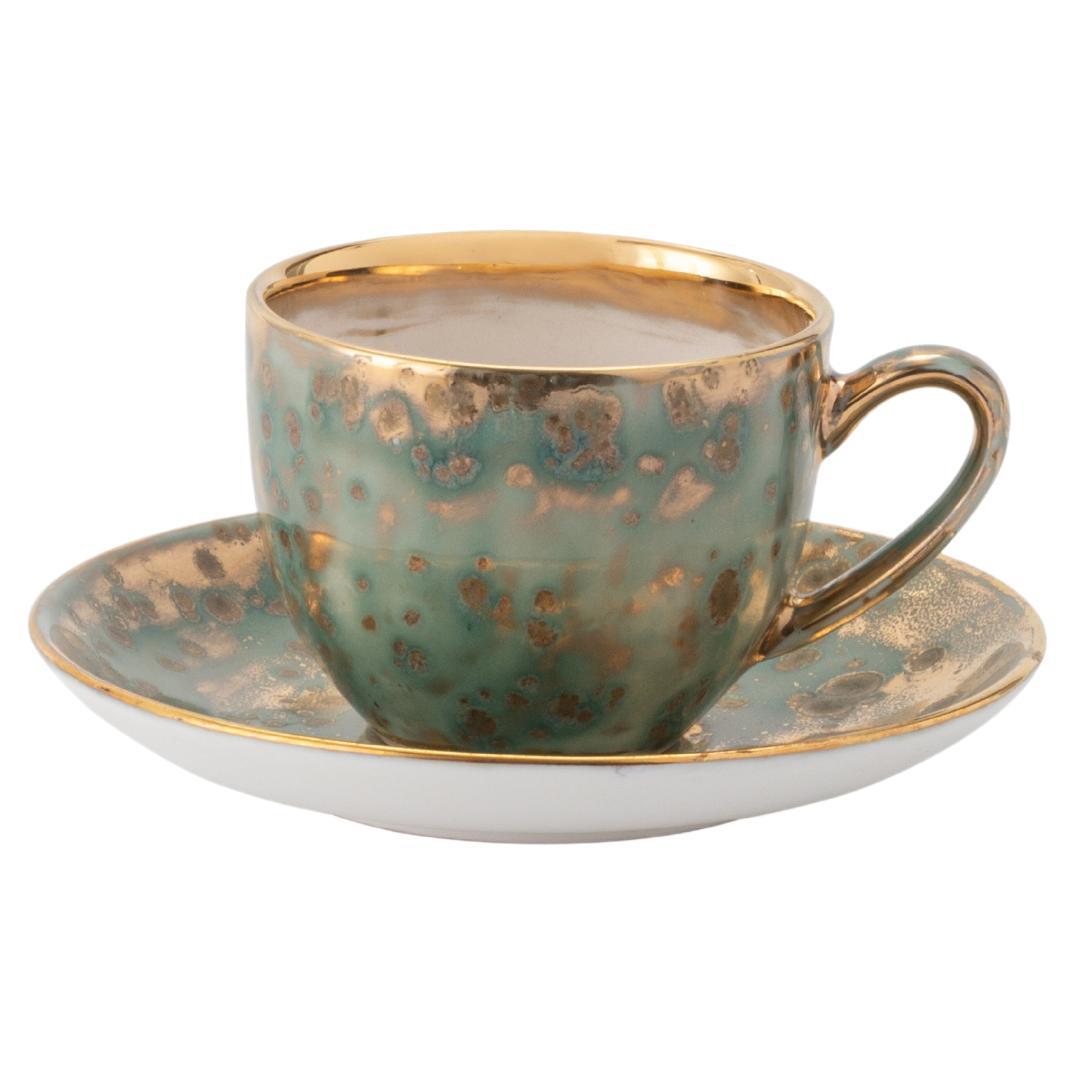
Rosenthal Versace Barocco Espresso Mocha Cup
Saucer Gold Paul Wunderlich
About the Item
- Creator:
- Dimensions:Height: 2.96 in (7.5 cm)Width: 4.73 in (12 cm)Depth: 4.73 in (12 cm)
- Style:Modern (Of the Period)
- Materials and Techniques:
- Place of Origin:
- Period:
- Date of Manufacture:Modern
- Condition:Wear consistent with age and use.
- Seller Location:Bad Säckingen, DE
- Reference Number:1stDibs: LU7989247864542
Versace
Subversive, maximalist and unabashedly seductive, Gianni Versace’s (1946–97) designs infused high fashion with an entirely new ethos. “I don’t believe in good taste,” the legendary Italian couturier once explained. Instead, he had a sexy good time with fashion — as he did with life. Today, vintage Versace clothing, handbags and other accessories look astonishingly fresh and freshly relevant.
More than any designer before him, Versace mined celebrity, music and Pop art for inspiration. In fact, the New York Times noted in 1997 that the fashion industry “is now driven by contemporary culture because Mr. Versace made it that way.”
Insiders consider his 1991/1992 Autumn/Winter runway show — which featured supermodels Christy Turlington, Cindy Crawford, Naomi Campbell and Linda Evangelista lip-synching George Michael’s “Freedom! '90” — the moment when the two worlds of fashion and pop culture became one, changing both forever.
Versace was born in Reggio di Calabria, Italy. His mother was a successful dressmaker who employed more than 40 seamstresses. As a child, little Gianni marveled at her workshop, which would become a university of sorts, where he learned the exceptional construction techniques that were at the foundation of his creative expression.
In 1972, at age 25, Versace moved to Milan to work in fashion. He launched his first collection — and his label — in 1978, with his older brother Santo managing the business concerns. Soon, sister Donatella, whom Gianni dressed and took to discos when she was still a child, joined the family venture, where she had a creative role and managed enormously popular ready-to-wear lines such as Versus.
Vintage Versace — and Gianni Versace Couture, which debuted in 1989 — has become catnip for modern fashion enthusiasts who seek out the now-iconic house codes that originated in the designs of the 1980s and 1990s. His glamorous and seductive apparel — the clingy skirts and slender, strappy party dresses, as well as the erotic magazine ads that publicized them — looms large, but Versace’s art and historical influences were also vast.
Versace was an art collector, and he took on commissions to create costumes for theatrical performances during the 1980s and spoke of looking to numerous cultures for inspiration. This adventurous spirit of design resulted in his creating jewel-toned prints rooted in Grecian motifs, Etruscan symbols, the Italian Baroque and Andy Warholʼs Marilyn Monroe. There were slinky dresses in Oroton, his patented chain-mail textile that draped like satin, and leather bondage ensembles. Sex sold, for both women and men. Wrote the late curator Richard Martin, “[Versace] became the standard-bearer of gay men’s fashion because he eschewed decorum and designed for desire.”
Following Versace’s tragic murder in 1997, Donatella took over the role of artistic director and continued to evolve the house codes with a twist of her feminine and feminist perspective. Today, Santo Versace is chief executive officer of Versace and Donatella is its chief creative officer.
Browse an extraordinary collection of vintage Versace evening dresses, handbags, day dresses, accessories and more on 1stDibs.
Paul Wunderlich
Paul Wunderlich is a German artist well-known for his Surrealist paintings and erotic sculptures. He was one of the most important members of the Magic Realist circle of artists. While his earliest works represented scenes of oppressive history during World War II in Germany, he later found inspiration in Surrealist artworks with sexual references and fantastic floating forms. Wunderlich studied graphic art at the Landeskunstschule in Hamburg, where he became an art teacher. During that time, he learned printmaking techniques from artists like Emil Nolde and Oskar Kokoschka. Wunderlich also began experimenting with the free-form, Expressionist style of Tachisme, but then he focused on the figurative again. He lived between Hamburg and France until his death. Today, many of his works belong to the collections of the biggest international museums like the Museum of Modern Art in New York, La Bibliothèque nationale in Paris, and the British Museum in London.
- ShippingRetrieving quote...Shipping from: Bad Säckingen, Germany
- Return Policy
More From This Seller
View All21st Century and Contemporary German Modern Porcelain
Porcelain
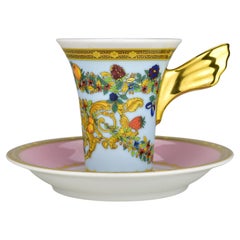
21st Century and Contemporary German Modern Porcelain
Porcelain
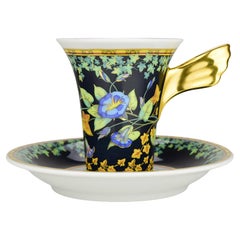
21st Century and Contemporary German Modern Porcelain
Porcelain
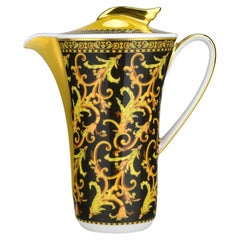
Antique Early 1800s German Empire Porcelain
Porcelain
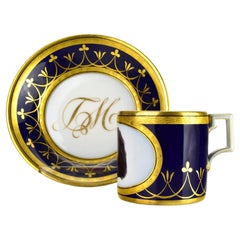
Antique 1890s Austrian Art Nouveau Porcelain
Porcelain
Vintage 1970s Italian Hollywood Regency Vases
Glass, Art Glass, Blown Glass
You May Also Like
Mid-20th Century German Art Nouveau Porcelain
Porcelain
Early 20th Century German Barware
Porcelain
Vintage 1950s French Empire Porcelain
Porcelain
2010s Italian Modern Dinner Plates
Porcelain
Late 20th Century German Porcelain
Porcelain
2010s Italian Modern Dinner Plates
Porcelain