Items Similar to 18th Century Staffordshire Creamware Cauliflower Milk Jug and Cover
Video Loading
Want more images or videos?
Request additional images or videos from the seller
1 of 9
18th Century Staffordshire Creamware Cauliflower Milk Jug and Cover
$2,250
£1,700
€1,949.13
CA$3,140.13
A$3,416.70
CHF 1,809.10
MX$41,105.29
NOK 22,971.57
SEK 21,017.38
DKK 14,562.69
About the Item
Elegant 18th-Century Staffordshire Creamware Cauliflower Milk Jug and Cover
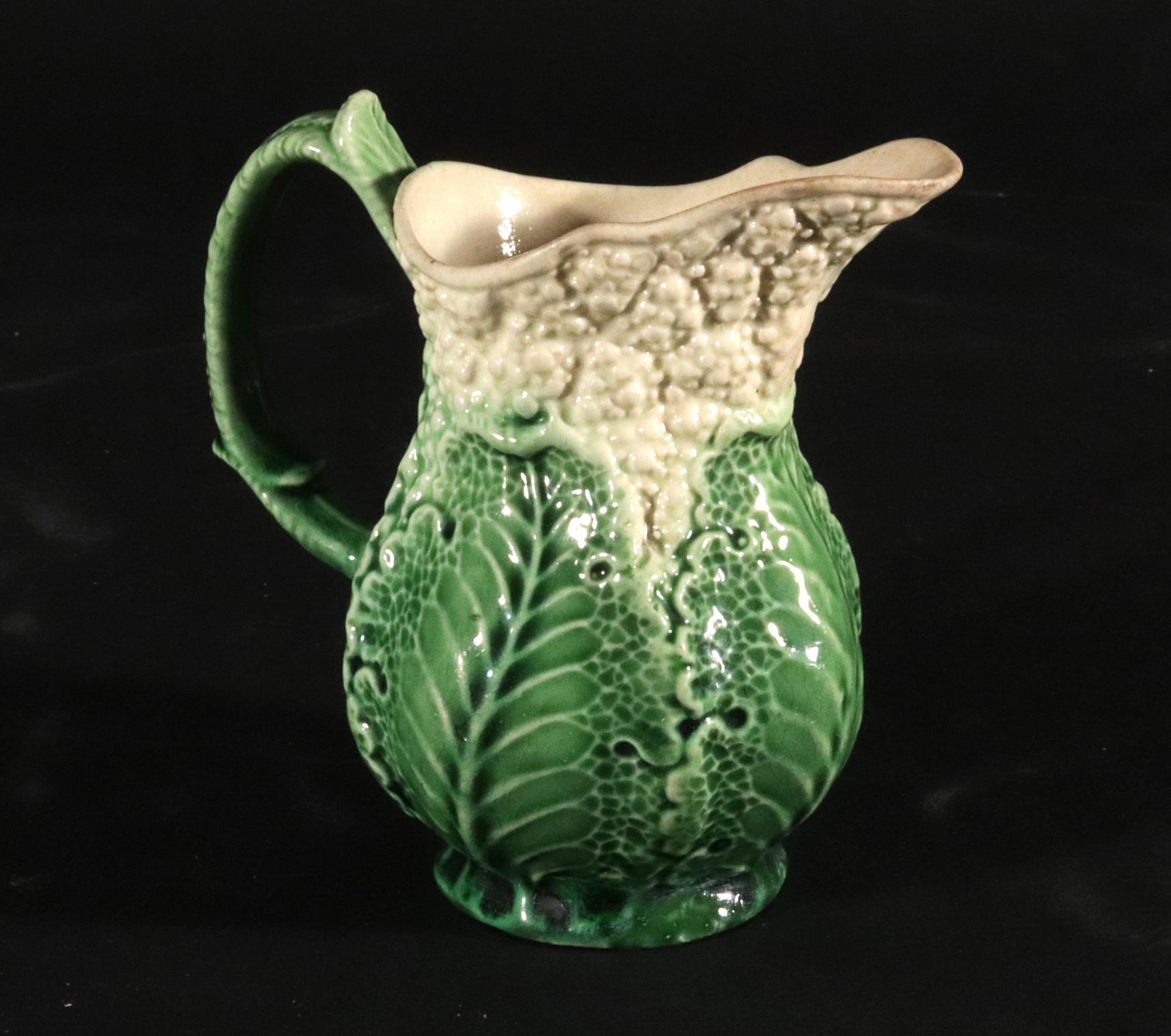
This exquisite Milk Jug and Cover is a superior example of Cauliflower Ware, a distinctive and highly collectible form of English lead-glazed earthenware produced in Staffordshire around 1765. This piece embodies the mid-18th century's strong aesthetic trend toward naturalism and the decorative exuberance of the Rococo movement.
The jug features a graceful baluster form, meticulously molded to resemble a cauliflower. The lower body is decorated with four scrolling, overlapping leaves covered in a rich green glaze, achieved by adding copper oxide to the ceramic surface. The neck, spout, and domed cover are molded with the bumpy texture of the florets, left in the natural creamy-white tone of the refined earthenware clay. The cover is crowned with a finial shaped like a small white floret, and the handle is an elegant S-scroll, foliate (leaf-shaped) design, also finished in green glaze.
This piece was made en suite (as part of a set) with matching teapots, coffee pots, and tea caddies. It is historically attributed to the collaboration between two giants of Staffordshire pottery: William Greatbatch, who likely modeled and produced the intricate body, and Josiah Wedgwood, who often perfected the sophisticated glazes that characterize these wares.
Dimensions: 6 1/4 inches high x 4 1/4 inches wide x 3 1/4 inches deep (15.88 cm high x 10.80 cm wide x 8.26 cm deep).
Condition: Good antique condition, with a tiny frit (small chip) to one side of the tip of the spout, commensurate with age.
________________________________________
Historical Context: Cauliflower Ware
The Naturalistic Revolution: The middle of the 18th century saw English decorative arts deeply influenced by a contemporary fascination with the natural world, a theme noted by institutions like Colonial Williamsburg. Staffordshire potters responded to this trend by creating utility ceramics—mostly tea wares—that mimicked natural forms, including fruits (pineapple and melon) and vegetables. This Cauliflower Ware was part of an effort to offer sophisticated, naturalistic table settings to the burgeoning middle class, who aspired to the fashionable tastes of the wealthy, who often owned similar, yet more costly, porcelain versions from Meissen or Chelsea.
The Role of Creamware: The jug is made from creamware, a refined earthenware perfected by Josiah Wedgwood. Its pale, smooth body and ability to hold a clear lead glaze made it the ideal canvas for the vibrant, high-relief molding and glazes used in Cauliflower Ware. The technical skill required to mold and successfully glaze these complex naturalistic forms made pieces like this milk jug a hallmark of innovation and decorative excellence in English pottery before the advent of industrial porcelain production. The short period of this ware's production (it declined after 1769) makes surviving examples particularly desirable
(Ref: NY10644-nrrr)
- Attributed to:William Greatbatch (Maker)
- Dimensions:Height: 6.5 in (16.51 cm)Width: 4.25 in (10.8 cm)Depth: 3.25 in (8.26 cm)
- Style:Georgian (Of the Period)
- Materials and Techniques:
- Period:
- Date of Manufacture:1765
- Condition:Minor losses. Tiny frit to one side of the tip of the spout- see last photo.
- Seller Location:Downingtown, PA
- Reference Number:Seller: NY10644-nrrr1stDibs: LU861041752662
About the Seller
5.0
Recognized Seller
These prestigious sellers are industry leaders and represent the highest echelon for item quality and design.
Gold Seller
Premium sellers maintaining a 4.3+ rating and 24-hour response times
Established in 1916
1stDibs seller since 2009
435 sales on 1stDibs
Typical response time: 1 hour
Associations
The Art and Antique Dealers League of AmericaAntiques Associations Members
- ShippingRetrieving quote...Shipping from: Downingtown, PA
- Return Policy
More From This Seller
View All18th-century Staffordshire Creamware Cauliflower Creamer
By William Greatbatch
Located in Downingtown, PA
18th-century Staffordshire Creamware Cauliflower Creamer Jug,
Probably by William Greatbach/ Josiah Wedgwood
Lead-glazed earthenware,
Circa 1765
The creamware creamer jug has a bal...
Category
Antique 1760s English Georgian Tableware
Materials
Creamware, Pottery
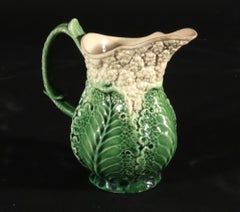
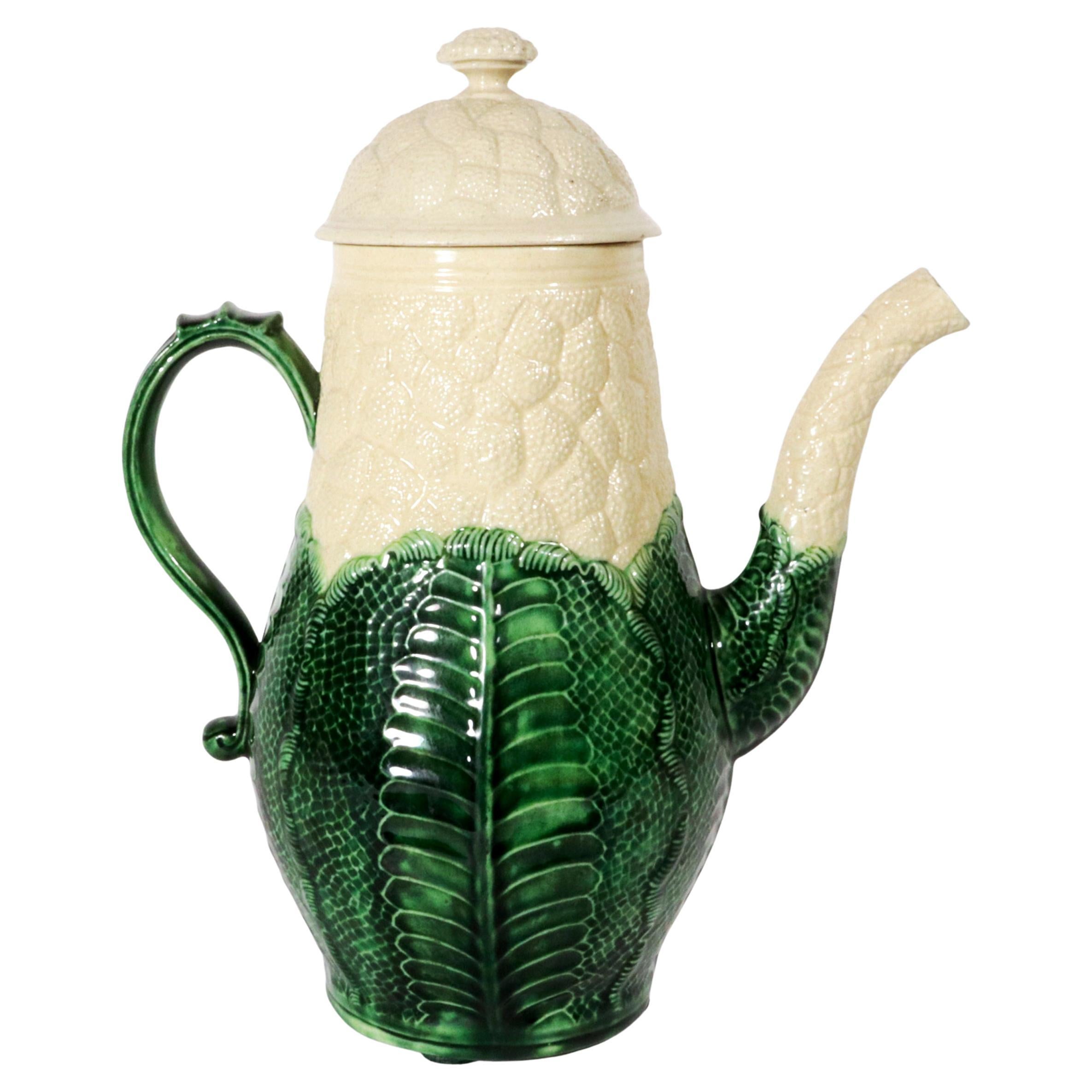
English Creamware Pottery Cauliflower Coffee Pot and Cover
By Staffordshire
Located in Downingtown, PA
Naturalism in Clay: The Creamware Cauliflower Coffee Pot
Object: Coffee Pot and Cover
Origin: Staffordshire, England (Likely Thomas Whieldon or Josiah Wedgwood's early designs)
Date...
Category
Antique 1760s English Georgian Pottery
Materials
Creamware, Pottery
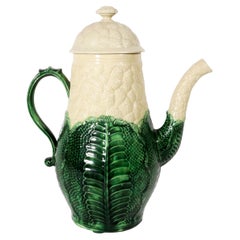
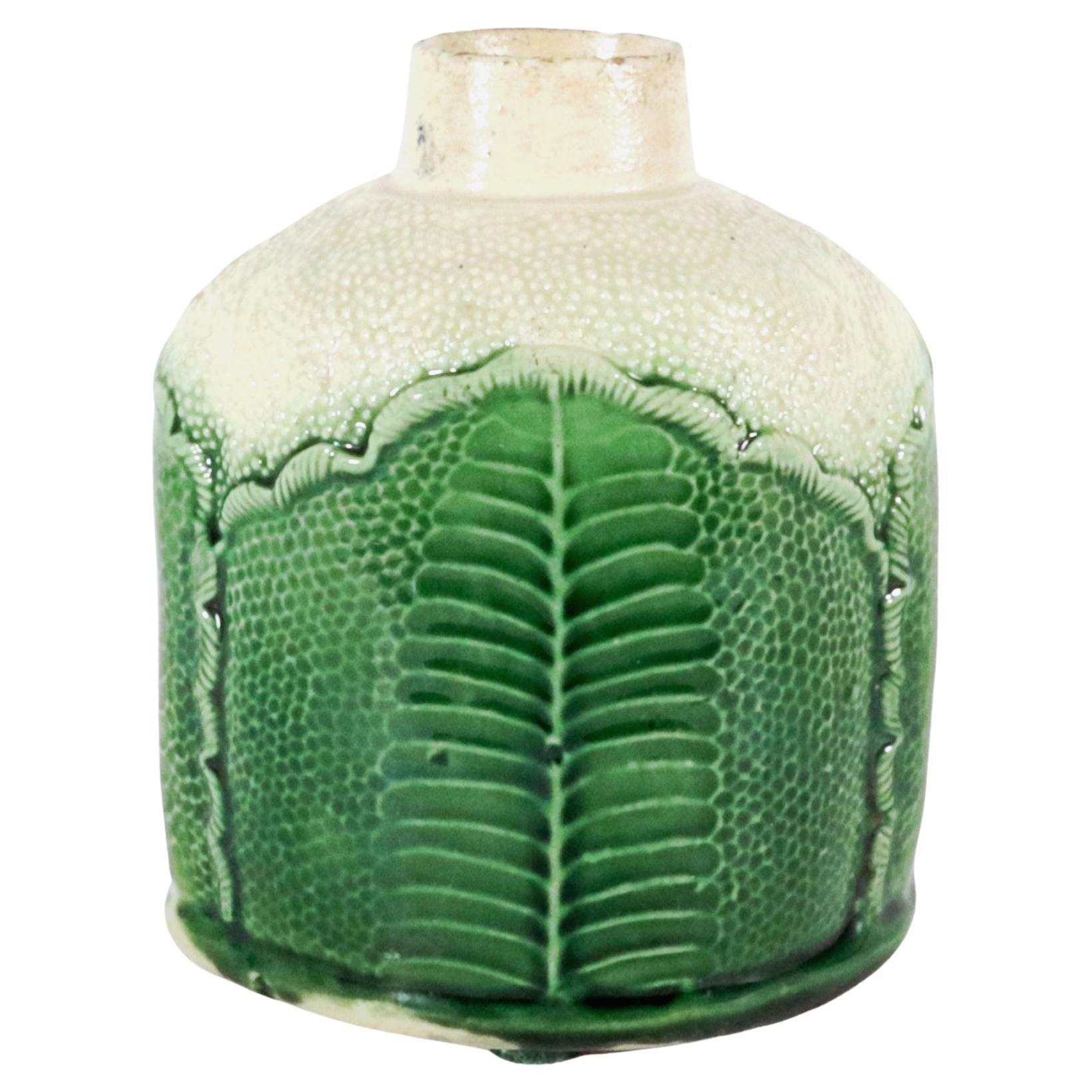
18th Century Staffordshire Creamware Cauliflower Tea Caddy
By William Greatbatch
Located in Downingtown, PA
Naturalistic Whimsy: Rare Staffordshire Creamware "Cauliflower" Tea Caddy
(c. 1760)
An exceptional mid-18th-century Staffordshire creamware tea caddy (or tea canister), brilliantly ...
Category
Antique 1760s English Georgian Pottery
Materials
Creamware, Pottery
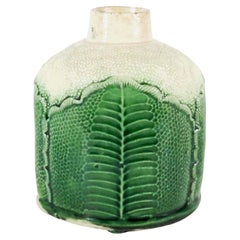
American Etruscan Majolica Teapot in the Form of a Cauliflower
Located in Downingtown, PA
American Etruscan Majolica Teapot in the form of a Cauliflower,
Early Majolica-type body,
Circa 1860
The green molded tromp L'oeil teapot is des...
Category
Antique 1860s American American Craftsman Pottery
Materials
Majolica
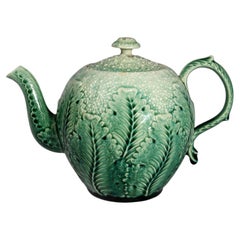
English Creamware Pottery Teapot with Rare Fish Scale Design, Yorkshire
By Yorkshire Potteries
Located in Downingtown, PA
English Creamware Pottery Teapot and Cover with Rare Fish Scale Design
Origin: Probably Leeds, Yorkshire
Date: Circa 1770s
Description: This creamware teapot and cover exhibit a ...
Category
Antique 1760s English Georgian Pottery
Materials
Creamware, Pottery
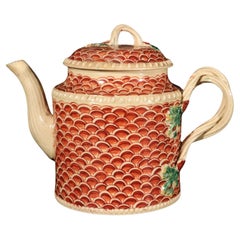
Creamware Chinoiserie Teapot
Cover with Openwork Gallery
Located in Downingtown, PA
English creamware Chinoiserie teapot & cover with pierced galleried rim.
Circa 1775.
The circular English creamware teapot with two designs front ...
Category
Antique 1770s Georgian Pottery
Materials
Creamware, Pottery
You May Also Like
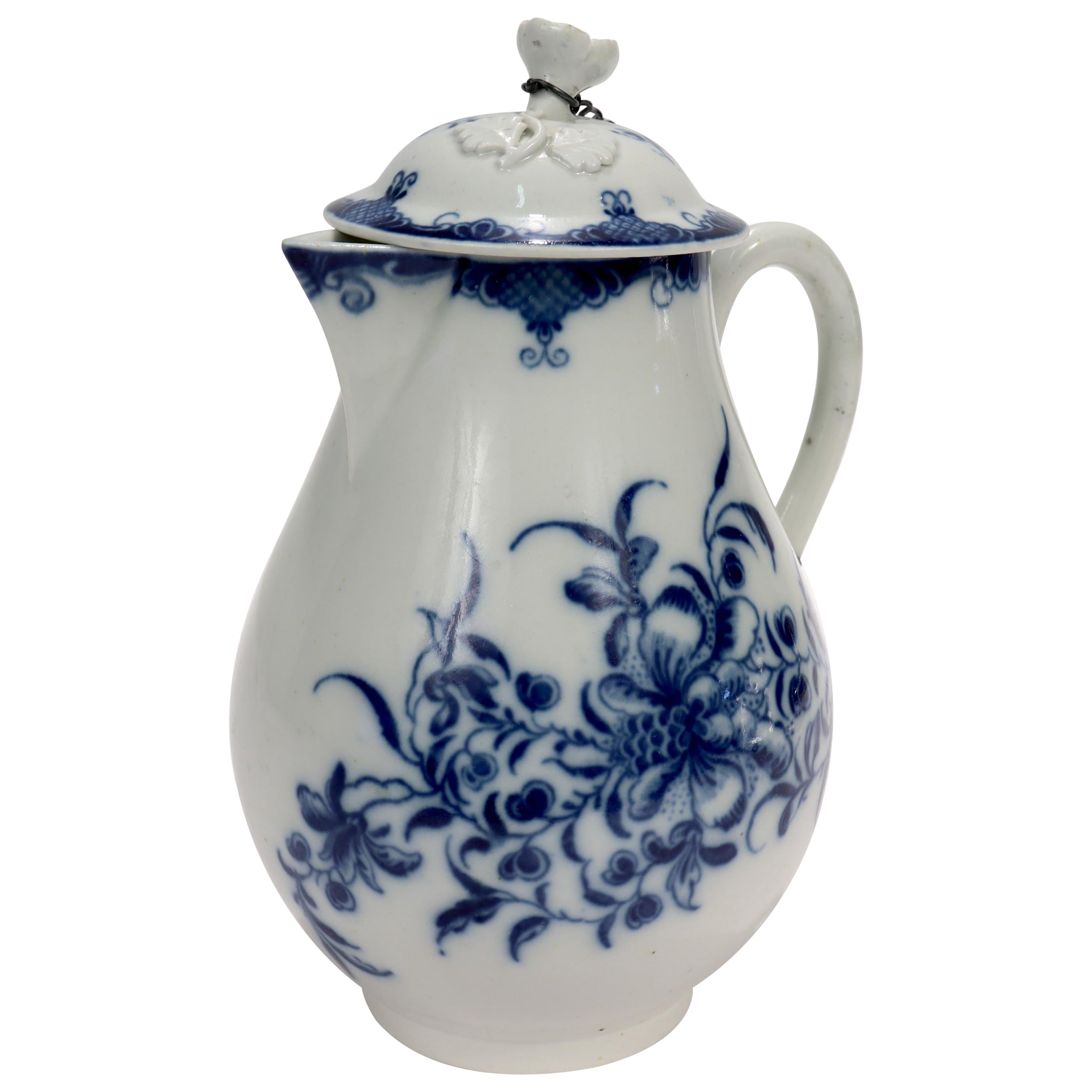
Antique English Caughley Porcelain Milk Pitcher or Jug
By Caughley Porcelain
Located in Philadelphia, PA
A fine antique English porcelain milk pitcher or jug.
Comprising the pot, a conforming lid, and a later associated chain connecting the two.
With blue underglaze decoration of...
Category
Early 20th Century English Georgian Pitchers
Materials
Porcelain
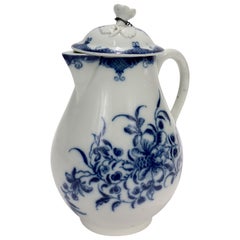
Georgian Davenport Large Jug or Pitcher Ironstone Jardinière Ptn, circa 1815
By Davenport Porcelain
Located in Lincoln, Lincolnshire
This is a very good mid to large size Hydra jug or Pitcher made by the Davenport Company of Longport, Staffordshire, England in the late Georgian period, circa 1805-1820, made of Iro...
Category
Antique Early 19th Century English Georgian Pitchers
Materials
Ironstone
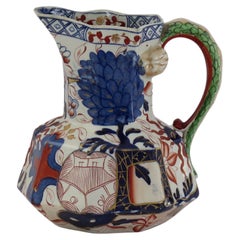
Georgian Davenport small Jug or Pitcher Ironstone Jardinière Ptn, circa 1815
By Davenport Porcelain
Located in Lincoln, Lincolnshire
This is a small size antique Hydra jug or Pitcher made by the Davenport Company of Longport, Staffordshire, England in the late Georgian period, circa 1805-1820, made of Ironstone po...
Category
Antique Early 19th Century English Georgian Pitchers
Materials
Ironstone
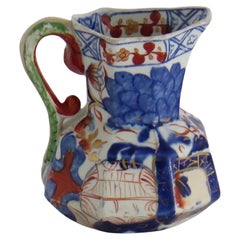
William IVth C J Mason’s Porcelain Milk Jug or Pitcher Pattern 223, circa 1830
By C.J. Mason 1
Located in Lincoln, Lincolnshire
This is an early English porcelain Milk Jug or Pitcher, made by C. J. Mason (The same factory who produced Mason's Ironstone) during the period of William IVth, circa 1830-1835.
The...
Category
Antique Early 19th Century English William IV Ceramics
Materials
Porcelain
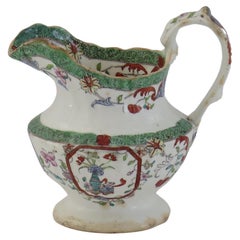
Masons Ironstone Jug or Pitcher in Basket Japan Pattern, Georgian circa 1818
By Mason
s Ironstone
Located in Lincoln, Lincolnshire
This is a good, very early Mason's Ironstone Hydra jug or pitcher in the Basket Japan pattern, made in the English, late Georgian period, circa 1815-1820.
This jug is very decorativ...
Category
Antique Early 19th Century English Georgian Pitchers
Materials
Ironstone
$313 Sale Price
20% Off
Georgian Davenport Jug or Pitcher Ironstone Jardinière Ptn, circa 1815
By Davenport Porcelain
Located in Lincoln, Lincolnshire
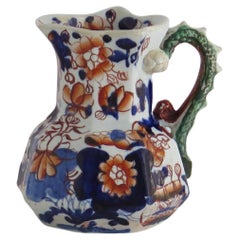
This is a mid size repaired Hydra jug or Pitcher made by the Davenport Company of Longport, Staffordshire, England in the late Georgian period, circa 1805-1820, made of Ironstone pot...
Category
Antique Early 19th Century English Georgian Pitchers
Materials
Ironstone
More Ways To Browse
Williamsburg Colonial
Creamware Jug
Milk Maid
Pillin Pottery
Staffordshire Teapot
Vintage Susie Cooper
Vintage York Pottery
Wedgwood Rosso
Welsh Pottery
Antique Leeds Creamware
Antique Stoneware Flask
Blue And White Spongeware Pottery
Blue Roseville Pottery
Cherub Pottery
Edwin Scheier Pottery
French Provencal Pottery
French Redware
George Minton