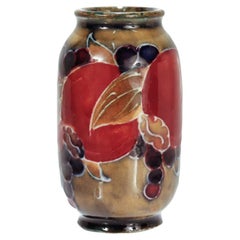
Spode Pottery Footbath with a Bright Green Ground with Sprays
About the Item
- Creator:Spode (Manufacturer)
- Dimensions:Height: 8.5 in (21.59 cm)Width: 19 in (48.26 cm)Depth: 13 in (33.02 cm)
- Materials and Techniques:Pottery
- Place of Origin:
- Period:
- Date of Manufacture:circa 1840
- Condition:Wear consistent with age and use.
- Seller Location:London, GB
- Reference Number:Seller: 8/391stDibs: LU3816113053452
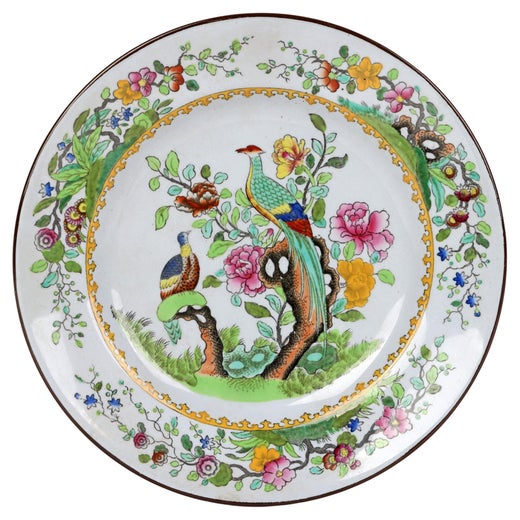
Spode
Spode is one of the oldest and most distinguished of the great pottery companies of Staffordshire, the time-honored home of English ceramics. The firm’s blue and white bone china transferware is a timeless classic. Spode dishes compose the sort of elegant dinner service that most of us envision on a traditional holiday table.
The company was established in 1770 in Stoke-on-Trent by Josiah Spode, a friend and neighbor of another estimable English ceramist, Josiah Wedgwood. The Wedgwood firm first came to prominence for its tableware, which quickly gained favor in aristocratic households throughout Britain and Europe.
Spode was particularly known for two technical achievements in the firm’s early decades. The first was to develop a standard formula for the making of bone china — a type of porcelain (made with a mixture of bone ash, minerals and clay) that is dazzlingly white and so strong it can be used to create very thin translucent plates and vessels.
The other advancement was to perfect the making of transferware. That process involves the transfer of pictorial images inked on tissue paper — such as the garden scenery in the famous Willow dish patterns — onto ceramics that are then sealed with a glaze.
From the 1820s onward, Spode enjoyed tremendous success both in Britain and elsewhere owing to the beauty and vitality of its decorative imagery. By some counts, Spode created more than 40,000 patterns in the 19th century.
In 1833, following the sudden death of Josiah Spode III, business partner W. T. Copeland took over the company and changed its name to Copeland Spode (it later changed again, this time to W. T. Copeland and Sons). Collectors regard Copeland-marked pieces as Spode china. The Spode brand was revived in 1970.
Many favorite Spode patterns — among them Blue Italian, Indian Tree, Greek and Woodland — date to the company’s early years. Spode’s most popular pattern, Christmas Tree, was introduced in 1938.
Prices for antique and vintage Spode china vary widely, based on the size of the service, its condition and the pattern. An antique dinner service for 12 people or more, in good repair and complete with cups and serving dishes, will generally cost between $10,000 and $20,000. Such Spode services become heirlooms — a proud and timeless addition to a family’s table. And as you will see on these pages, Spode’s rich and varied wares offer a visual feast in and of themselves.
Find Spode serveware, ceramics and decorative objects on 1stDibs.
You May Also Like
Antique Early 19th Century English Pottery
Pottery
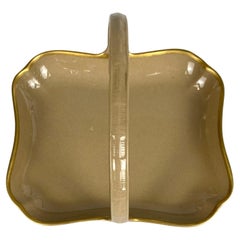
Antique Early 19th Century English Neoclassical Pottery
Earthenware, Creamware
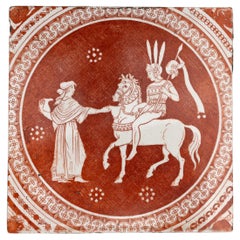
Antique Late 19th Century English Rococo Revival Pottery
Earthenware, Pottery
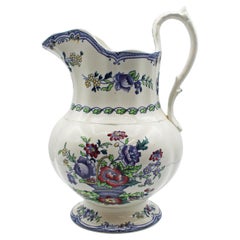
Early 20th Century English Pottery
Pottery
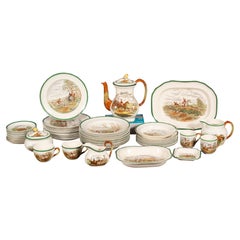
Antique Early 19th Century English Regency Pottery
Pearlware, Pottery
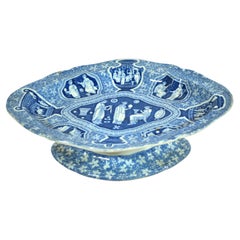
Antique Early 19th Century English Georgian Porcelain
Porcelain
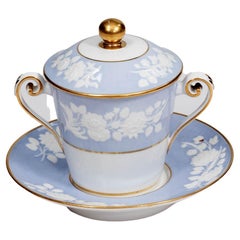
Antique Early 19th Century English Neoclassical Pottery
Earthenware, Creamware
Antique Early 19th Century English Neoclassical Pottery
Pearlware, Pottery
Antique 1790s English Folk Art Pottery
Pottery
Vintage 1910s British Arts and Crafts Pottery
Pottery