Items Similar to midcentury SCHRAMBERG MAIOLICA box Barbotine FISH TUREEN TERRINE handpainted
Want more images or videos?
Request additional images or videos from the seller
1 of 17
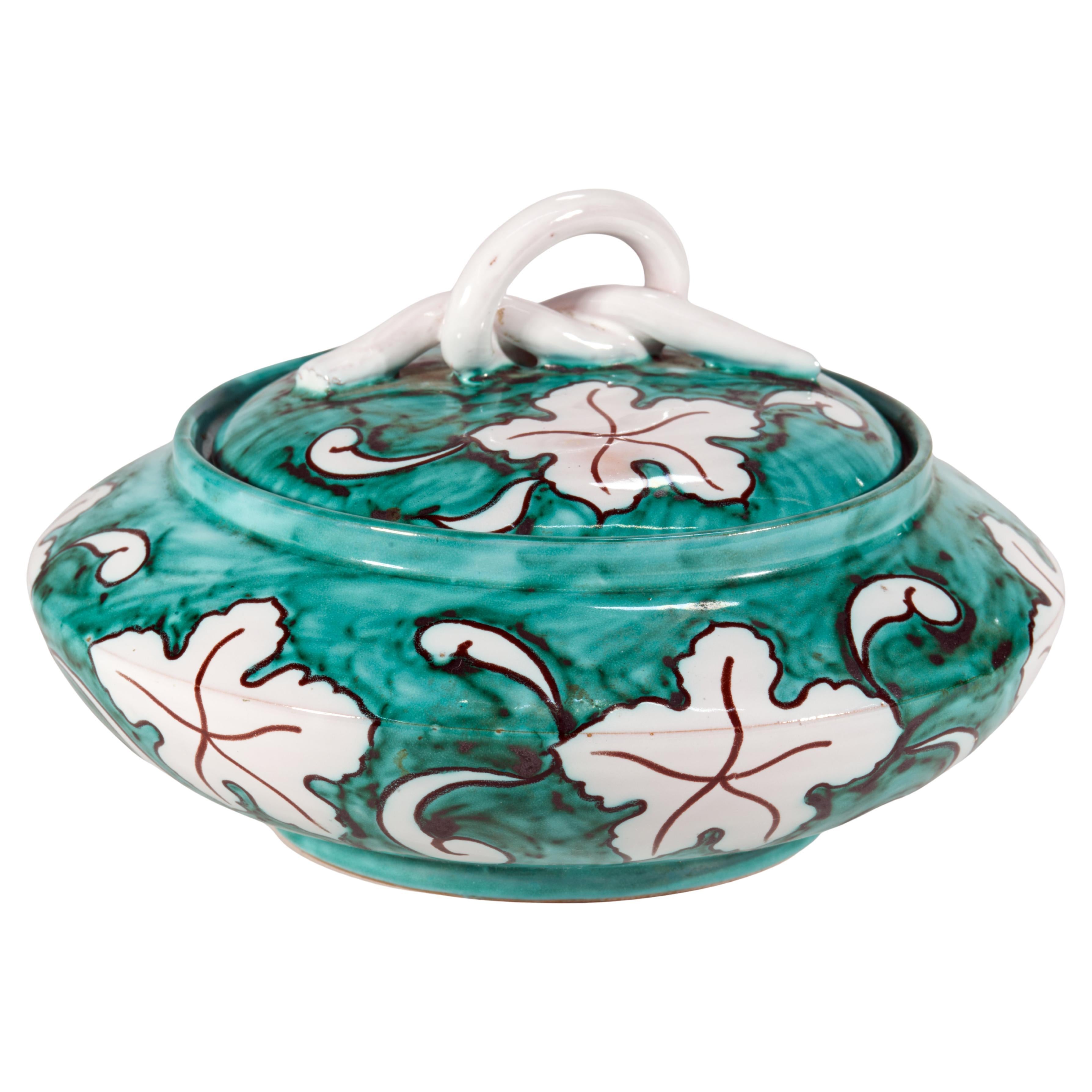
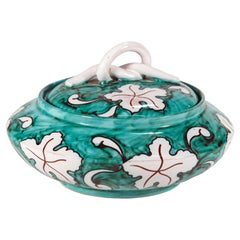
midcentury SCHRAMBERG MAIOLICA box Barbotine FISH TUREEN TERRINE handpainted
$382.96
£286.68
€320
CA$527.19
A$576.32
CHF 304.90
MX$6,896.57
NOK 3,879.39
SEK 3,551.19
DKK 2,438.01
About the Item
midcentury
SCHRAMBERG MAIOLICA
Barbotine
FISH TUREEN TERRINE
handpainted
Design Period 1955 to 1965
Production Period around 1960
Country of Manufacture Germany
H / height: 11cm both ~ Gew. / weight: 2950grs
DM / diameter casserole : 30 cm x 15cm x 11cm high ~ 19cm with its lid
MARKED: Schramberger Majolikafabrik 5624
:-: fair condition with some very small chips (see photos)
- Considering the sensitive material I would even say it is in good condition
-- let´s call it charming vintage :-:
To ensure a safe arrival, this item is packed in super-safe packaging.
(up to 10 Kg)
SMF SCHRAMBERG was originally founded in 1820 as Faist'sche Steingutfabrik by the stoneware expert Isidor Faist on the site of the abandoned Schramberg castle. By 1829, Faist and his factory had gained such a good reputation that Baron Ferdinand von Uechtritz became his partner under the new name of Steingut- und Majolikafabrik Uechtritz
Faist. With the Baron's financial support, the partners were able to build a new factory behind the castle, which dramatically increased production. By the 1860s, the company had a permanent workforce of 100 and an impressive number of almost 6,000 homeworkers (decorators, etc.), mainly children and women. From 1882, Faist began taking orders from Villeroy
Boch, who eventually bought the Schramberg pottery in 1883 and continued to operate it as a V&B subsidiary until the early 20th century. In 1911, several of the factory buildings had to be demolished to make way for the local railway, which drastically reduced production and caused Villeroy
Boch to lose interest in the site, which they sold to brothers Moritz and Leopold Meyer in 1912. It was the Meyers who introduced the "SMF" trademark and eventually gave the company its permanent name, Schramberger Majolika-Fabrik. In 1918 the company was transformed from a sole proprietorship to a limited liability company and the transformation was complete.
The Meyer brothers were always on the lookout for new talent, and many famous artists joined the factory or contributed designs in the years that followed. Their decorative ceramics, stylized in vibrant colours, attracted much attention in the 1920s.
Eva Stricker-Zeisel was a prominent designer for the company from 1928 to 1930. Her designs were strongly influenced by the Bauhaus movement and her modern form and decoration designs gave an avant-garde look to part of the production programme. As well as designing the shapes, Eva Zeisel also supplied the intended decorations for the pieces, although the decoration department often adapted her decorations to shapes for which they were not intended. They would even use them on shapes other than those designed by Zeisel and apply decors not designed by her to her shapes. This particularly happened with the very popular 'Mondrian' pattern, which often appeared on non-Zeisel shapes. The factory continued to produce Zeisel's designs for some time after her departure, but she sometimes felt that the designs were not exactly as she had intended.
With the economic crisis of the early 1930s, the focus of production shifted to tableware and utilitarian ceramics, until the Nazis forced Moritz and Leopold Meyer to sell the factory in 1938 as part of the forced aryanisation of the German state. Both emigrated to England with their families during the war, but in 1949 Peter Meyer (Moritz's son) returned to Germany with his family and was immediately allowed to take over the business.
The first post-war generation focused on rebuilding the damaged factory, but by the early 1950s decorative ceramics had regained its former market share. Sophisticated glazes developed by ceramics director Joseph Saradeth and a temporary revival of the stylised floral patterns of the 1920s contributed to the recovery. The new designs came from Ingrid Helmbrecht-Witzer and Ferdinand Langenbacher, who had been with the company since 1918.
With the arrival of Elfie Stadler in 1953, production shifted towards the new stylistic trends of the time. Until her departure in 1963, her shapes and decorations determined the appearance of Schramberg Majolika products, including an idiosyncratic red clay series developed by Joseph Saradeth. In addition, Peter Ernhofer played a major role in the appearance of the ceramics of the 1950s through the development of many new colours and glazes. Under Stadler's successor Solveig Eriksen, who was a student of Björn Wiinblad, stereometric forms and Scandinavian-influenced decorative designs became dominant.
In 1970 Peter Meyer became the sole owner of the factory and continued the work of his father and uncle for the next ten years. On 6 December 1980, Peter Meyer died of complications following a heart attack, and in the years that followed the factory was run by various directors, but with much less success. His workers even said that the heart and soul of the factory had died with Peter Meyer. In 1989, the factory was finally closed and the site cleared to make way for new industry; today, the former main building houses the headquarters of the newly established Industrial Centre.
Design Period 1955 to 1965
Production Period around 1960
Country of Manufacture Germany
H / height: 11cm both ~ Gew. / weight: 2950grs
DM / diameter casserole : 30 cm x 15cm x 11cm high
MARKED: Schramberger Majolikafabrik 5624
:-: fair condition with some small - Considering the sensitive material I would even say good -- let´s call it charming vintage! :-:
- Creator:Schramberg Majolica (Maker)
- Dimensions:Height: 7.49 in (19 cm)Width: 11.82 in (30 cm)Depth: 5.91 in (15 cm)
- Style:Mid-Century Modern (Of the Period)
- Materials and Techniques:
- Place of Origin:
- Period:
- Date of Manufacture:1955-1965
- Condition:
- Seller Location:Landshut, DE
- Reference Number:1stDibs: LU8587241835442
About the Seller
5.0
Vetted Professional Seller
Every seller passes strict standards for authenticity and reliability
1stDibs seller since 2023
22 sales on 1stDibs
Typical response time: 7 hours
- ShippingRetrieving quote...Shipping from: Bodenkirchen , Germany
- Return Policy
More From This Seller
View Allhuge French Majolica Fish Platter Sarreguemines 1950s in very good condition
By Sarreguemines
Located in Landshut, BY
huge French Majolica Fish Platter
Sarreguemines 1950s
in very good condition
German : Saargemünd / French Sarreguemines) is situated in the north-east of France, on the border wi...
Category
Mid-20th Century German Platters and Serveware
Materials
Maiolica
WEKARA art deco 20s 30s salt glaze jewelry can confectionery box South. Germany
Located in Landshut, BY
Traditional salt glazed pottery box
Manufactured in Germany
around 1925 by WEKARA
Wekara:: W ( for WE German pronounciation) for Wilhelm E. K for Krumeich A for aus (from) RA fo...
Category
Vintage 1920s German Art Deco Ceramics
Materials
Pottery
$114 Sale Price
20% Off
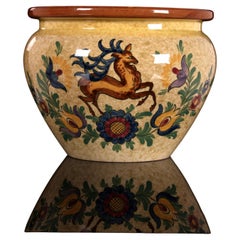
Cachepot Ø 22cm Planter by Villeroy
Boch Dresden art deco model " Steiermark "
By Villeroy
Boch
Located in Landshut, BY
Cachepot Planter
by Villeroy & Boch Dresden
art deco
model " Steiermark "
Design Period 1930s
Production Period 1930s
handpainted
Country of Manufacture Germany
MARKED: yes (...
Category
Vintage 1930s German Art Deco Planters, Cachepots and Jardinières
Materials
Pottery, Stoneware
$555 Sale Price
20% Off
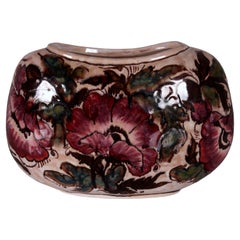
elegant floral artful Italian vase by Elio Schiavon Italy 1960s handpainted
By Elio Schiavon
Located in Landshut, BY
This beautiful ceramic vase, which features a floral painting very similar to the designs of the renowned art mirror, was meticulously hand-painted in the Italian province of South T...
Category
Vintage 1960s Italian Mid-Century Modern Vases
Materials
Pottery
$268 Sale Price
20% Off
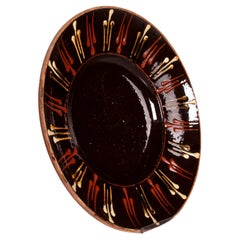
Antique traditional French Art Pottery Bowl (also wall plate) France ar. 1900
Located in Landshut, BY
Traditional French Plate / Bowl
(can be perfectly fitted as a wall plate - using handle to hang)
Manufactured in France
around 1900
Production Period around 1900
marked: "3"
...
Category
Antique Late 19th Century French Folk Art Ceramics
Materials
Pottery
$268 Sale Price
20% Off
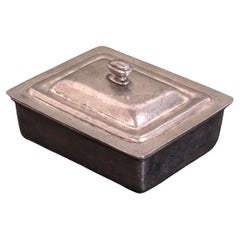
rectangular pewter butter dish or cheese box with (a new) glass insert 20th ct
Located in Landshut, BY
classic rectangular pewter butter dish or cheese box
with (a new) glass insert
Manufactured in Italy
Production Period late 20th century
Country of Manufacture Italy
H / height...
Category
Late 20th Century Italian Other Tableware
Materials
Pewter
$114 Sale Price
20% Off
You May Also Like
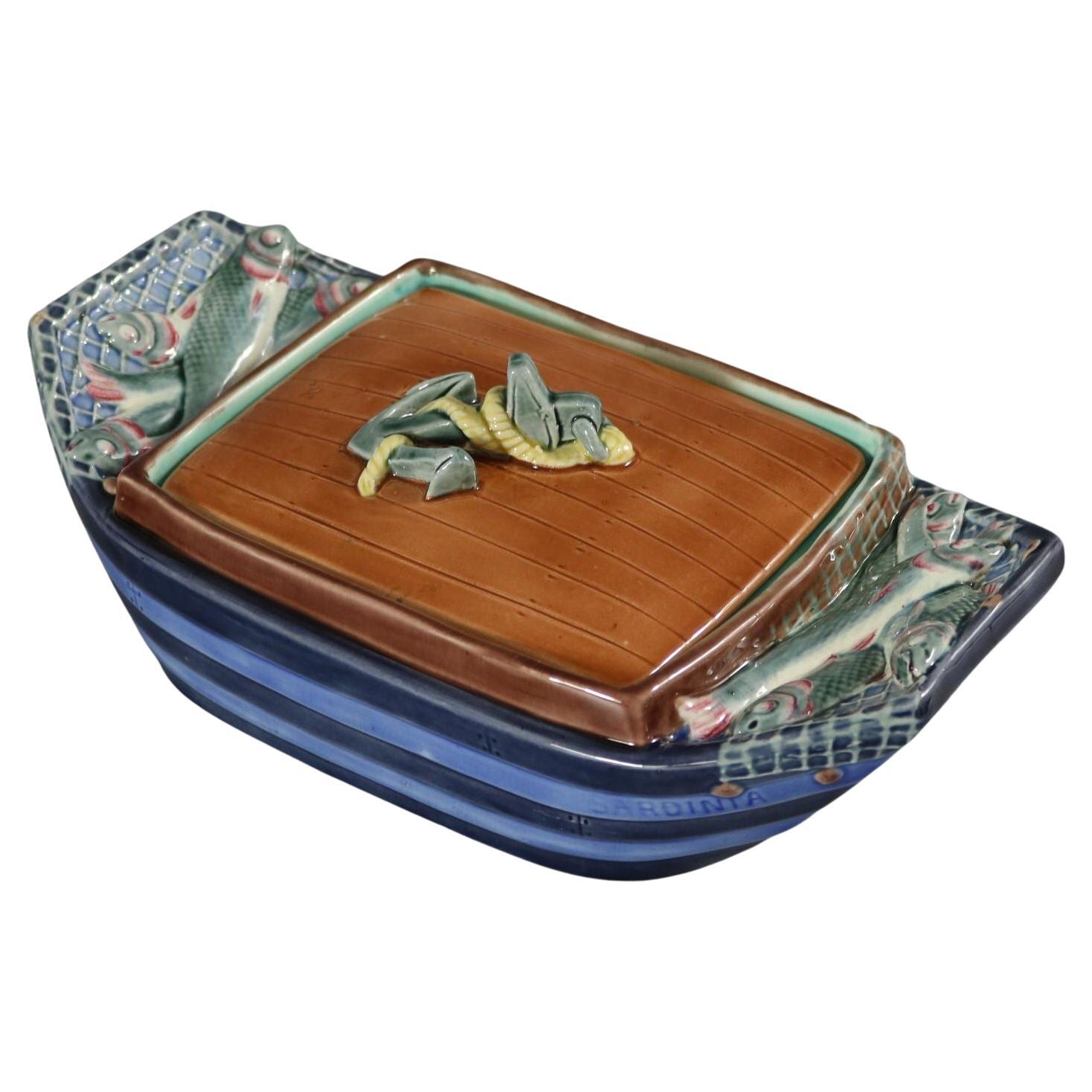
Wedgwood Majolica Sardinia Sardine Box
By Wedgwood
Located in Chelmsford, Essex
Wedgwood Majolica sardine box which features a fishing boat named 'SARDINIA', with fish in nets at either end. An anchor forms the handle. Colouration: brown, blue, grey, are predomi...
Category
Antique 1880s Serving Pieces
Materials
Majolica
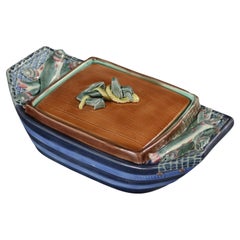
Minton Pottery Majolica Sardine Box with Fish Motifs 19th Century Victorian Era
By Minton
Located in New York, NY
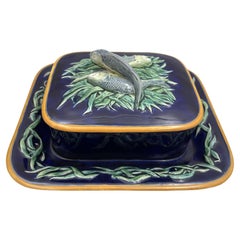
Minton majolica sardine box with raised fish motifs, from the late 19th century (Victorian era). It measures 9'' in depth by 7 1/2'' in width by 4'' in height (recipient measures 4 1...
Category
Antique Late 19th Century English Victorian Platters and Serveware
Materials
Majolica, Pottery
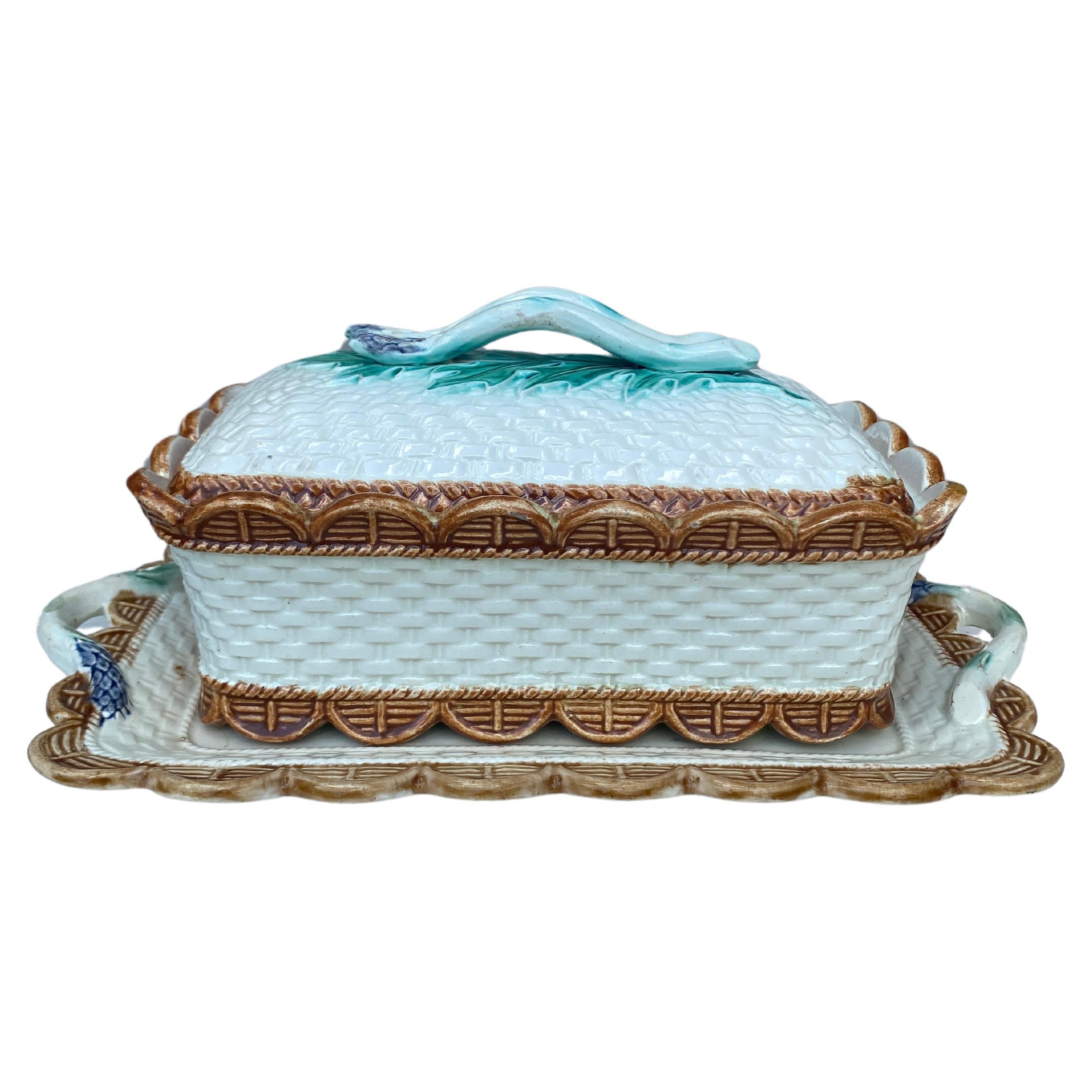
19th Century French Majolica Asparagus Tureen
By Orchies
Located in Austin, TX
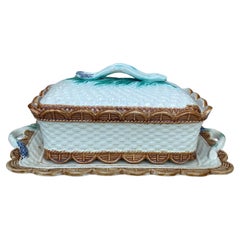
Rare French Majolica asparagus tureen circa 1890.
Platter & tureen.
Category
Antique 1890s French Rustic Decorative Boxes
Materials
Ceramic
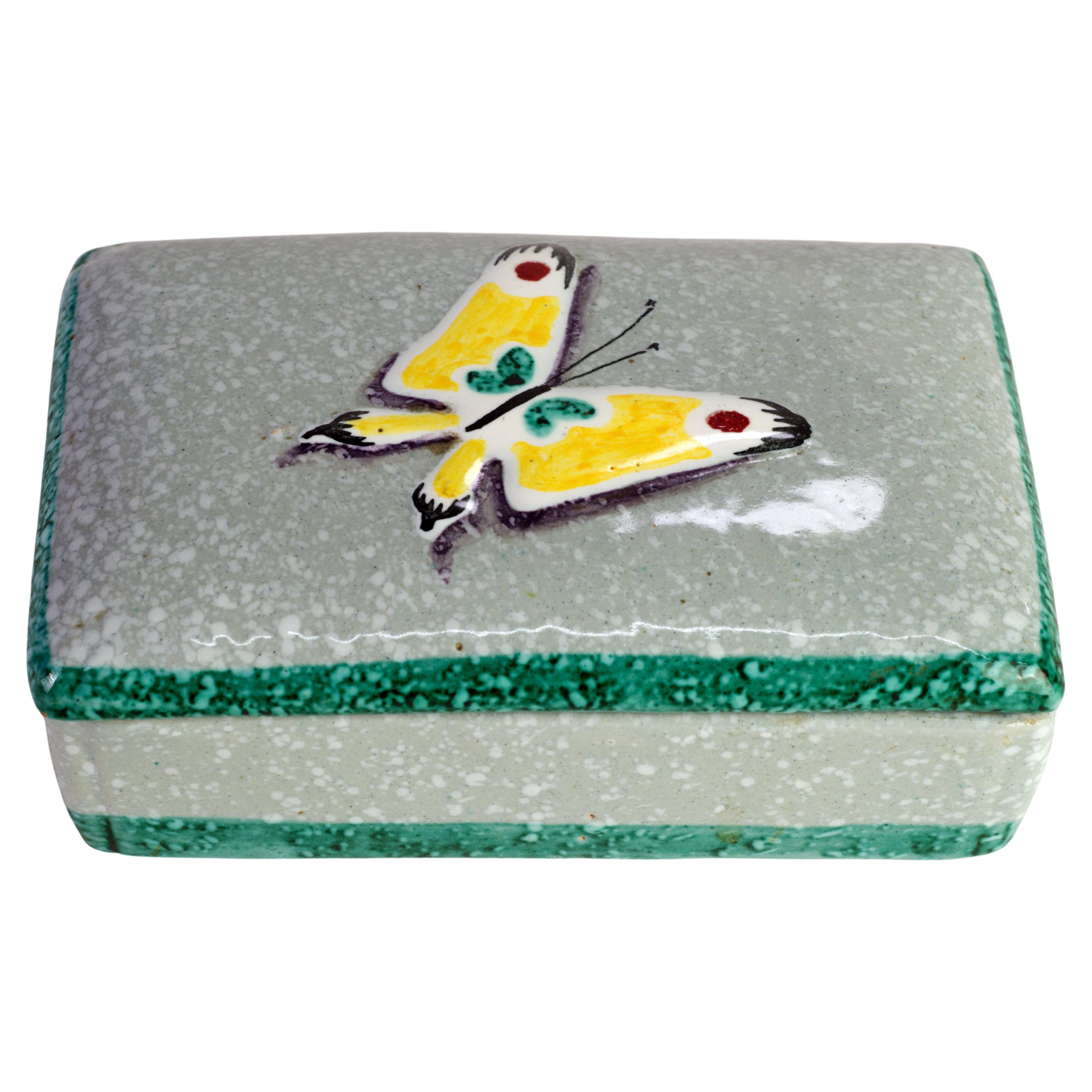
Majolica Ceramic Box with Lid, Butterfly Decor, Italy Mid Century Modern
By Raymor
Located in Clifton Springs, NY
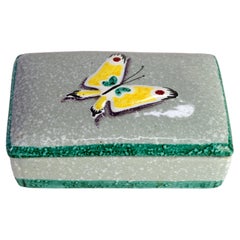
Rare majolica box with lid is decorated with multicolored raised abstract butterfly motif on mottled light grey background. The rim of the lid and the bottom of the box are defined ...
Category
Mid-20th Century Italian Mid-Century Modern Ceramics
Materials
Ceramic, Majolica, Pottery
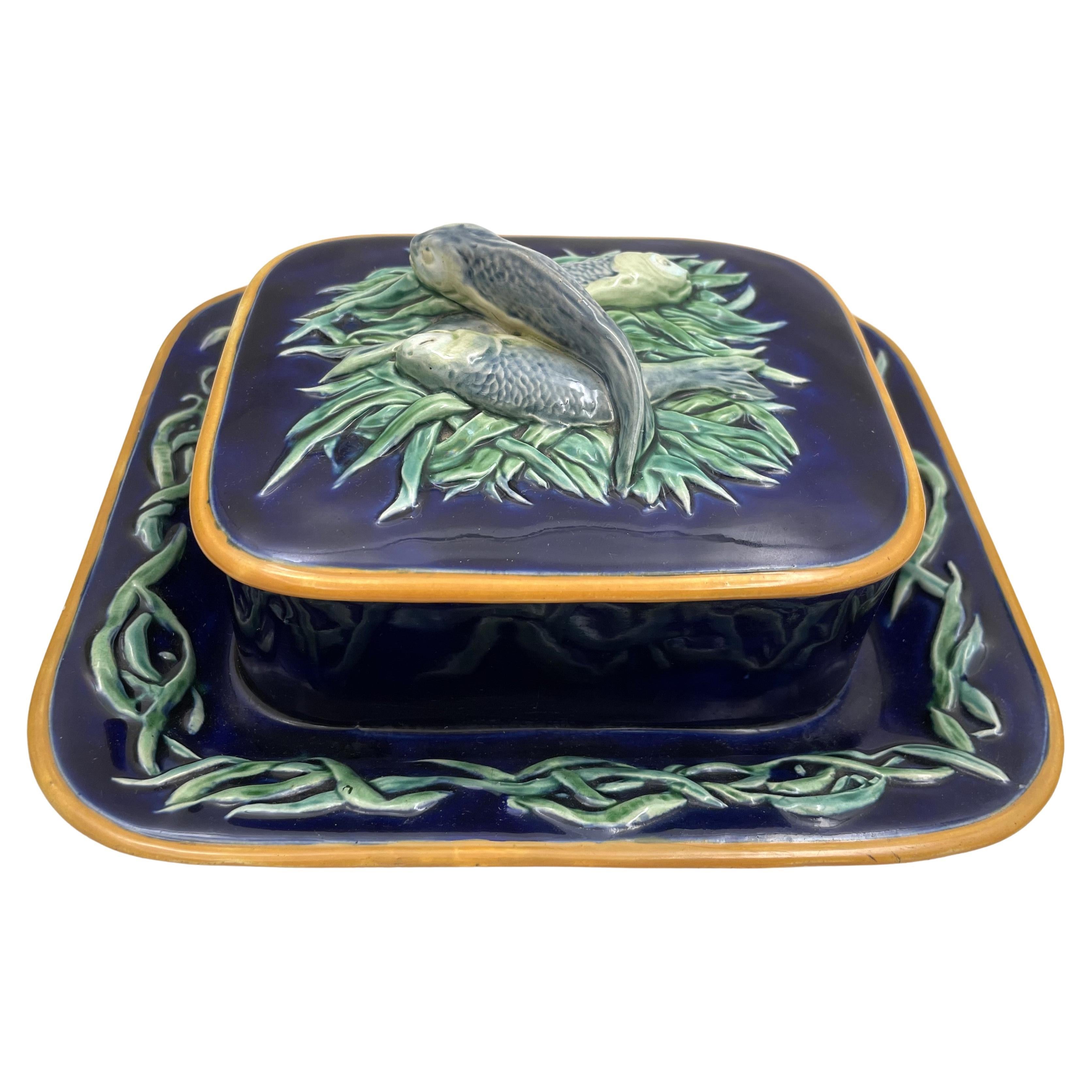
19th Century English Majolica Hand Painted Sardine Cover Box with Plate
By George Jones
Sons
Located in Dallas, TX
This colorful barbotine dish was created in England circa 1880; attributed to Georges Jones & Sons, the dish is rectangular in shape and sits on an attached platter base; it features...
Category
Antique Late 19th Century English Decorative Dishes and Vide-Poche
Materials
Majolica

Majolica Ceramic Dresser Box with Lid, Teal Blue White, Italy 1950s
By Raymor, Rosenthal Netter
Located in Clifton Springs, NY
Large round dresser or trinket box with lid features graphic decor with stylized leaves and scrolls motifs on the sides and the lid. The handle is sculpted in shape of a large knot o...
Category
Mid-20th Century Italian Mid-Century Modern Decorative Boxes
Materials
Ceramic, Pottery, Majolica
More Ways To Browse
Glass Blue Fish
Vintage Safe
Schramberg Pottery
Baccarat Knife Rest
Bakelite Cutlery
Bernadotte Cutlery
China Dinnerware Set
China Service 12
Christofle Chest
Christofle Malmaison
Christofle Patterns
Christofle Rubans
Copeland Spode Bowls
Dansk Stainless Steel Flatware
European Size Flatware
Georg Jensen Strata
Gio Ponti Flatware
Gorham Mythologique