Items Similar to Bow Porcelain Orphaned Coffee Cup, Famille Rose Peony, circa 1755
Want more images or videos?
Request additional images or videos from the seller
1 of 16
Bow Porcelain Orphaned Coffee Cup, Famille Rose Peony, circa 1755
$590
£447.10
€515.23
CA$834.42
A$897.35
CHF 479.82
MX$10,821.81
NOK 6,067.60
SEK 5,528.36
DKK 3,849.88
About the Item
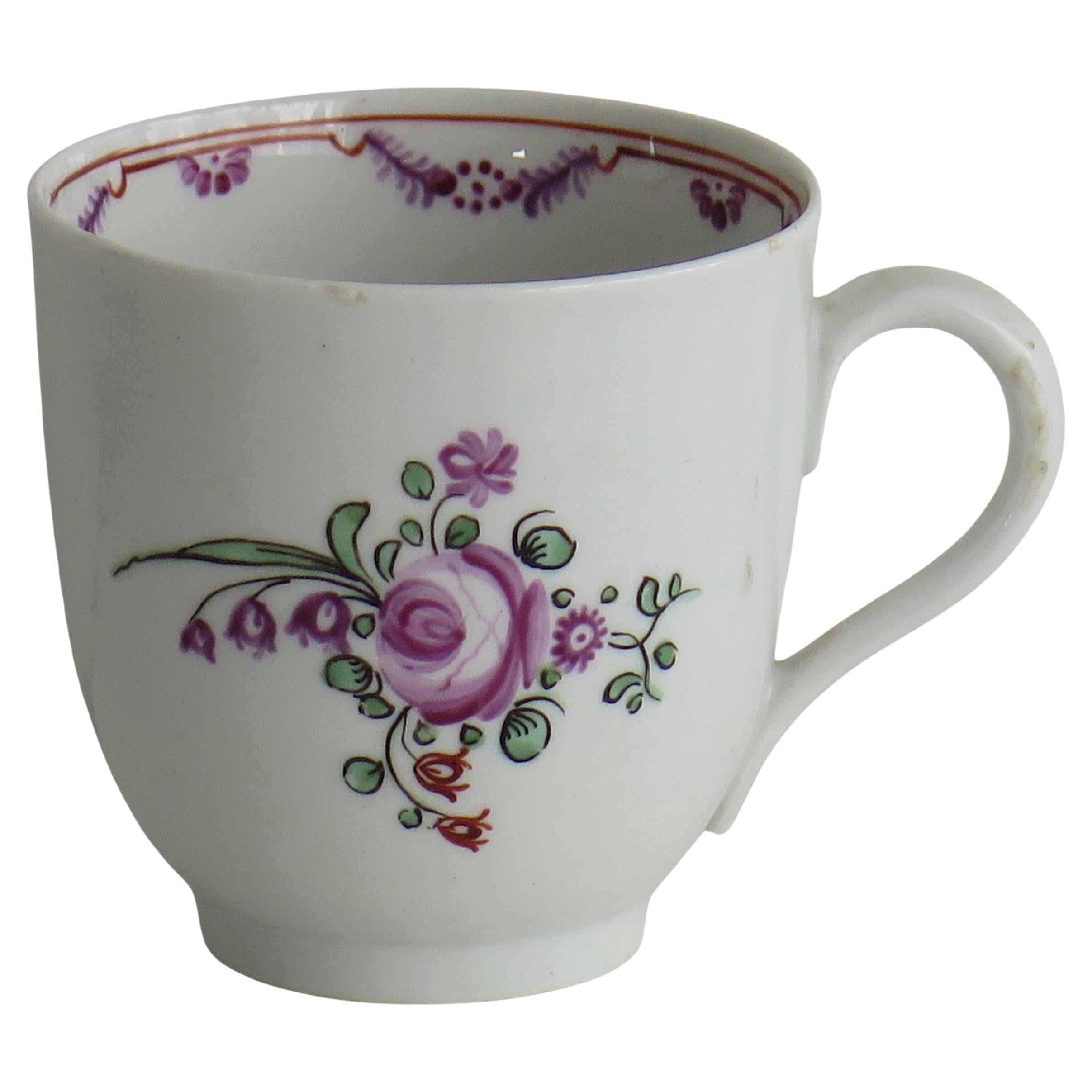
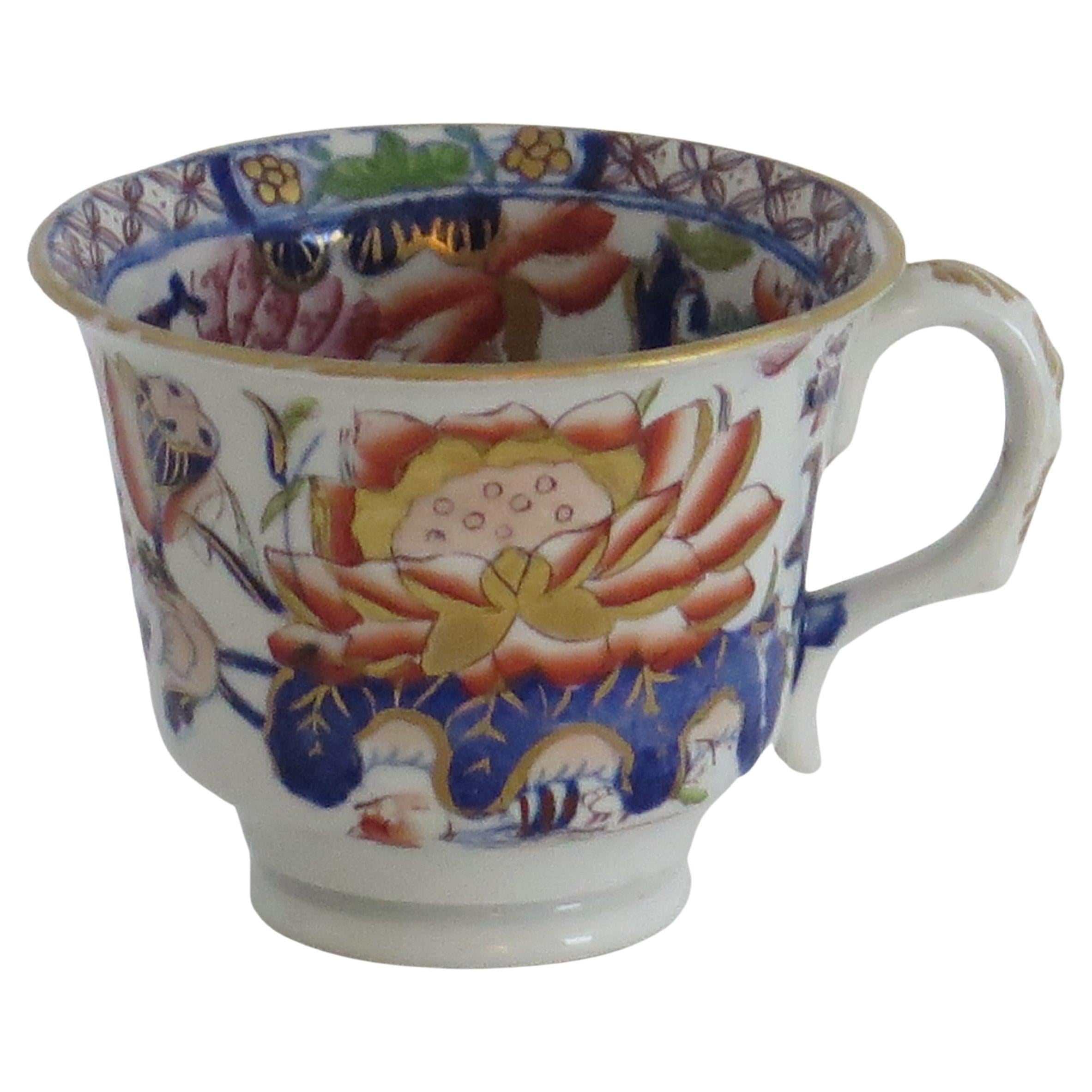
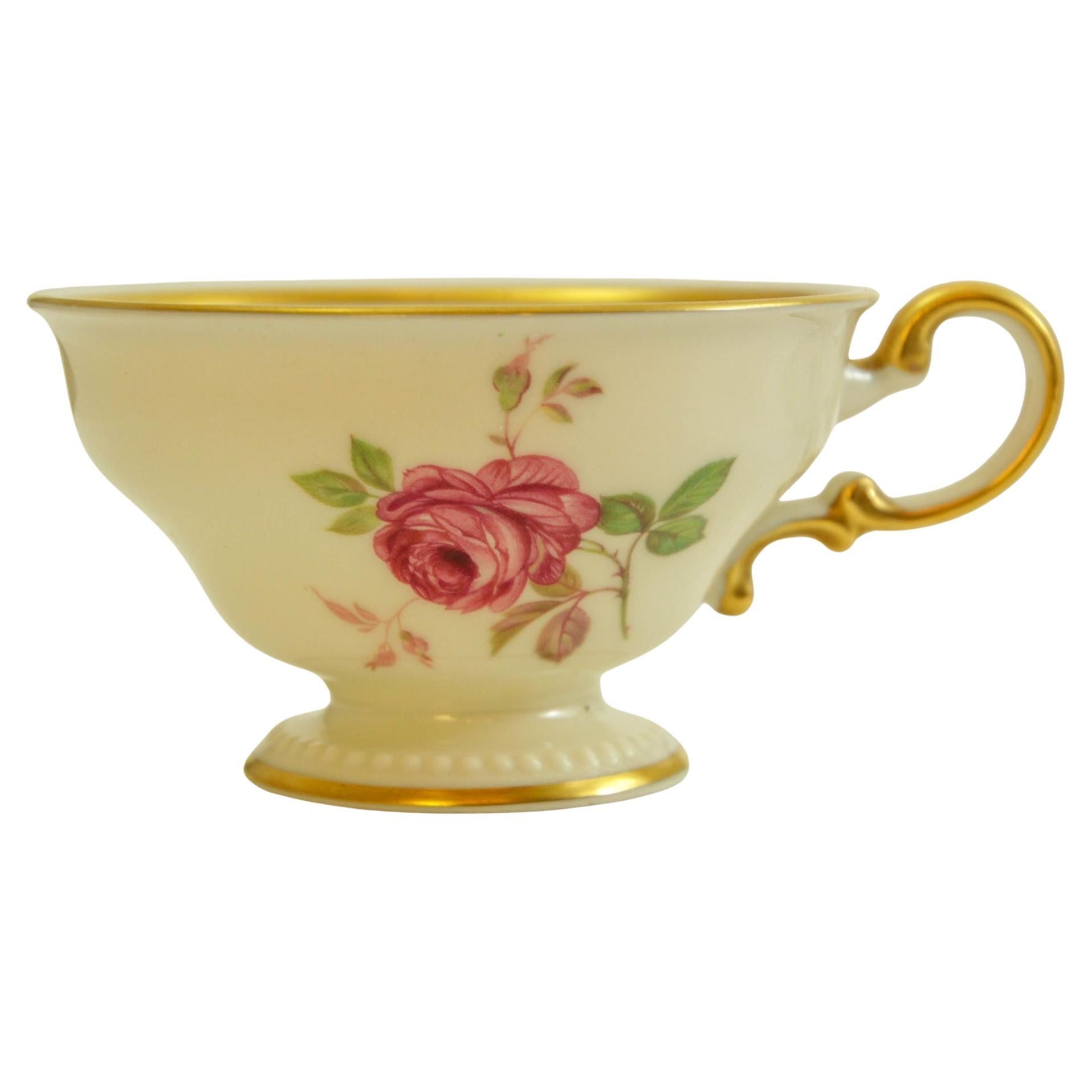
This is a very charming orphaned coffee cup made by the Bow Porcelain factory in about 1755. The cup is decorated in a Chinese "famille rose" peony pattern. This cup would have been part of a large tea service, and the tiny size shows how expensive coffee was in the 18th Century.
The Bow Porcelain Factory was one of the first potteries in Britain to make soft paste porcelain, and most probably the very first to use bone ash, which later got perfected by Josiah Spode to what is now the universally used "bone china". Bow was the main competitor of the Chelsea Porcelain Factory, but where Chelsea made very fine slipcast porcelain, Bow made a different soft paste porcelain that tended to be softer and could be pressed into moulds. Bow served a larger public generally at lower prices. The factory was only in operation between 1743 and 1774, after which the tradition got incorporated into some of the later famous potteries such as Worcester and Derby.
The cup is unmarked, which is normal for Bow items of this era.
Condition report the cup is in excellent condition without any damage or repairs. There are various glazing imperfections, which are quite normal for porcelain of this era.
Antique British porcelain is never perfect. Kilns were fired on coal in the 1800s, and this meant that china from that period can have some firing specks from flying particles. British makers were also known for their experimentation, and sometimes this resulted in technically imperfect results. Due to the shrinkage in the kiln, items can have small firing lines or develop crazing over time, which should not be seen as damage but as an imperfection of the maker's recipes, probably unknown at the time of making. Items have often been used for many years and can have normal signs of wear, and gilt can have signs of slight disintegration even if never handled. I will reflect any damage, repairs, obvious stress marks, crazing or heavy wear in the item description but some minor scratches, nicks, stains and gilt disintegration can be normal for vintage items and need to be taken into account.
There is widespread confusion on the internet about the difference between chips and nicks, or hairlines and cracks. I will reflect any damage as truthfully as I can, i.e. a nick is a tiny bit of damage smaller than 1mm and a chip is something you can easily see with the eye; a glazing line is a break in the glazing only; hairline is extremely tight and/or superficial and not picked up by the finger; and a crack is obvious both to the eye and the finger. Etcetera - I try to be as accurate as I can and please feel free to ask questions or request more detailed pictures!
Dimensions 5.75cm high (2.25").
- Creator:Bow Porcelain (Maker)
- Dimensions:Height: 2.25 in (5.72 cm)Diameter: 2.25 in (5.72 cm)
- Style:Rococo (Of the Period)
- Materials and Techniques:
- Place of Origin:
- Period:1750-1759
- Date of Manufacture:circa 1755
- Condition:Wear consistent with age and use. In excellent antique condition without any damage, repairs or crazing. Some production flaws in the glaze.
- Seller Location:London, GB
- Reference Number:Seller: A-BOW081stDibs: LU4805133016462
About the Seller
5.0
Vetted Professional Seller
Every seller passes strict standards for authenticity and reliability
Established in 2016
1stDibs seller since 2019
228 sales on 1stDibs
- ShippingRetrieving quote...Shipping from: London, United Kingdom
- Return Policy
More From This Seller
View AllSamuel Alcock Porcelain Teacup, White with Flower Sprays, ca 1823
By Samuel Alcock
Co.
Located in London, GB
A teacup and saucer in the “half orange” shape, white with simple gilt rim and beautiful hand painted flower sprays
Pattern unknown but similar to 1082
Year: ca 1823
Size: cup diameter 10cm (4”), saucer diameter 14.2cm (5.5”)
Condition: excellent, some rubbing to gilt
There are several items available in this design, please see group image and ask for more info if interested.
The Samuel Alcock factory was operative in Staffordshire between 1822 and 1856, after which it was bought by Sir James Duke and Nephews. The factory started as a partnership between the young Samuel Alcock and the older Ralph Stevenson, who provided the factory and capital. Alcock quickly took the factory to great heights, building one of the biggest factories of its time. Alcock jumped on the new Rococo Revival fashion and served a huge new middle class market. The reason we now don't hear much about Samuel Alcock porcelain...
Category
Antique 1820s English Regency Tea Sets
Materials
Porcelain
Samuel Alcock Teacup, Pale Yellow, Gilt and Flowers, ca 1824
By Samuel Alcock
Co.
Located in London, GB
A teacup in the “melted snow” shape with double drop handles, pale yellow ground with rich gilt and cobalt blue acanthus pattern and finely painted flower reserves in centre of the t...
Category
Antique 1820s English Rococo Revival Porcelain
Materials
Porcelain
Samuel Alcock Matched Solitaire Porcelain Tea Set, Pink with Flowers, ca 1836
By Samuel Alcock
Co.
Located in London, GB
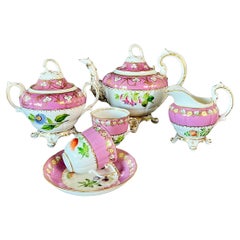
A matched solitaire tea set consisting of a teapot with cover, a sucrier with cover, a milk jug and a matched trio consisting of a teacup, a coffee cup and a saucer. With pink ground...
Category
Antique 1830s English Rococo Revival Tea Sets
Materials
Porcelain
$1,400 / set
Free Shipping
Caughley Porcelain Teapot, Pink Floral Compagnie des Indes, ca 1785
By Caughley Porcelain
Located in London, GB
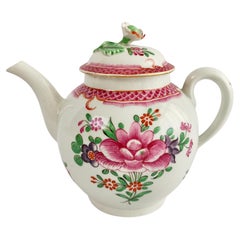
This is a beautiful teapot made by Caughley around 1785, decorated with the "Compagnie des Indes" pattern with bold pink flower sprays and a pink s...
Category
Antique 1780s English George III Porcelain
Materials
Porcelain
Chelsea-Derby Chocolate Cup Set, Gilt Stripes, Puce Flowers, Rococo 1770-1775
By Chelsea Porcelain, Chelsea-Derby, Derby
Located in London, GB
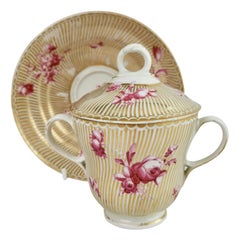
This is a beautiful chocolate cup set made by Chelsea-Derby between 1770 and 1775, which was the Rococo era. The set consists of a cup, a saucer and a cover, and is decorated in a st...
Category
Antique 1770s English Rococo Tea Sets
Materials
Porcelain
$1,175 / set
Free Shipping
H&R Daniel Coffee Cup Duo, Plain Shape, White with Landscape, 1825-1830
By H&R Daniel
Located in London, GB
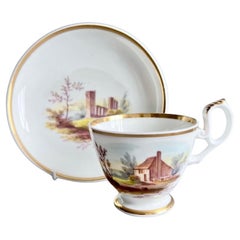
This is an extremely rare and beautiful coffee cup and saucer made by H&R Daniel some time between 1825 and 1830. The set is potted in the "plain" shape and bears pattern no. 4652 wi...
Category
Antique 1820s English Rococo Revival Tea Sets
Materials
Porcelain
You May Also Like
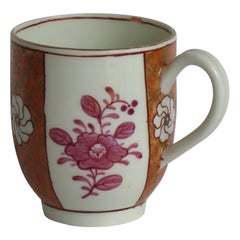
18th Century Newhall Porcelain Coffee Cup Pattern 139, Circa 1790
By New Hall
Located in Lincoln, Lincolnshire
This is a hard paste porcelain coffee cup, by New Hall, dating to the late 18th century George 111rd period, circa 1790.
The piece is well potted on a low foot with a plain loop h...
Category
Antique Late 18th Century English Georgian Ceramics
Materials
Porcelain
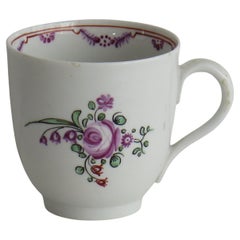
First Period Worcester Coffee Cup Porcelain Finely Hand Painted, circa 1770
By 1st Period Worcester Dr. Wall
Located in Lincoln, Lincolnshire
This is a rare first period (or Dr. Wall) Worcester Coffee Cup, with a distinctive hand painted pattern, made of porcelain and dating to the 18th century, circa 1770.
The cup is well potted with a grooved loop handle
This delightful early Worcester Cup...
Category
Antique 18th Century English George III Ceramics
Materials
Porcelain
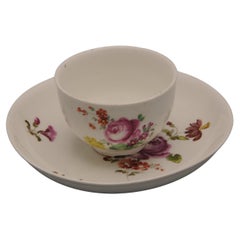
Vienna Porcelain - Rococo Cup and Saucer, late 18th century
Located in DELFT, NL
Vienna Porcelain Coffee or Mokka Cup and Saucer with floral decoration.
Product of the Vienna Porcelain Manufactory (German: Kaiserlich privilegierte Porcellain Fabrique), a porcela...
Category
Antique Late 18th Century Porcelain
Materials
Porcelain
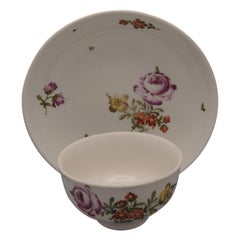
Vienna Porcelain - Rococo Cup and Saucer, late 18th century
Located in DELFT, NL
Vienna Porcelain Coffee or Mokka Cup and Saucer with floral decoration.
Product of the Vienna Porcelain Manufactory (German: Kaiserlich privilegierte Porcellain Fabrique), a porcela...
Category
Antique Late 18th Century Porcelain
Materials
Porcelain
Mason
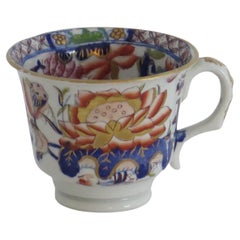
s Ironstone Tea Cup Hand Painted in Gilded Water Lily Pattern, circa 1835
By Mason
s Ironstone
Located in Lincoln, Lincolnshire
This is a beautiful, early Tea Cup in the highly collected Water Lily pattern, made by Mason's Ironstone, England, circa 1835.
This cup has one of the highly decorative and sought...
Category
Antique Early 19th Century English Chinoiserie Ceramics
Materials
Ironstone
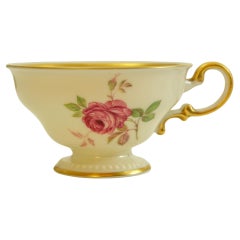
Castleton Peony China Footed Tea Cup Set of 12
By Castleton China Co.
Located in Moreno Valley, CA
Vintage Castleton Peony China Tea Cup Set of 12.
Set of 12 porcelain footed tea or coffee cup.
Pattern: Peony by Castleton (USA)
Status: Discontinued. Actu...
Category
Mid-20th Century American Victorian Tea Sets
Materials
Porcelain
More Ways To Browse
Antique Tea Rose
Silver Rococo Tea Set
Glass Peony
Rose Tea Set
Bow China
Famille Rose Cup
Antique Rose China Pattern
Rose Tea Cup
Bow Coffee Cup
Silver Hammered Tea Set
Antique China Cups And Saucers
Chinese Blue And White Teapot
Copper Tea Kettles
German Teapot
International Tea
17th Century Tea Set
Enamel Silver Cup
Art Deco Tea Service