Items Similar to Ancient Greek Red-Figure Terracotta Pelike (Jar), 5th–4th Century BCE
Video Loading
Want more images or videos?
Request additional images or videos from the seller
1 of 9
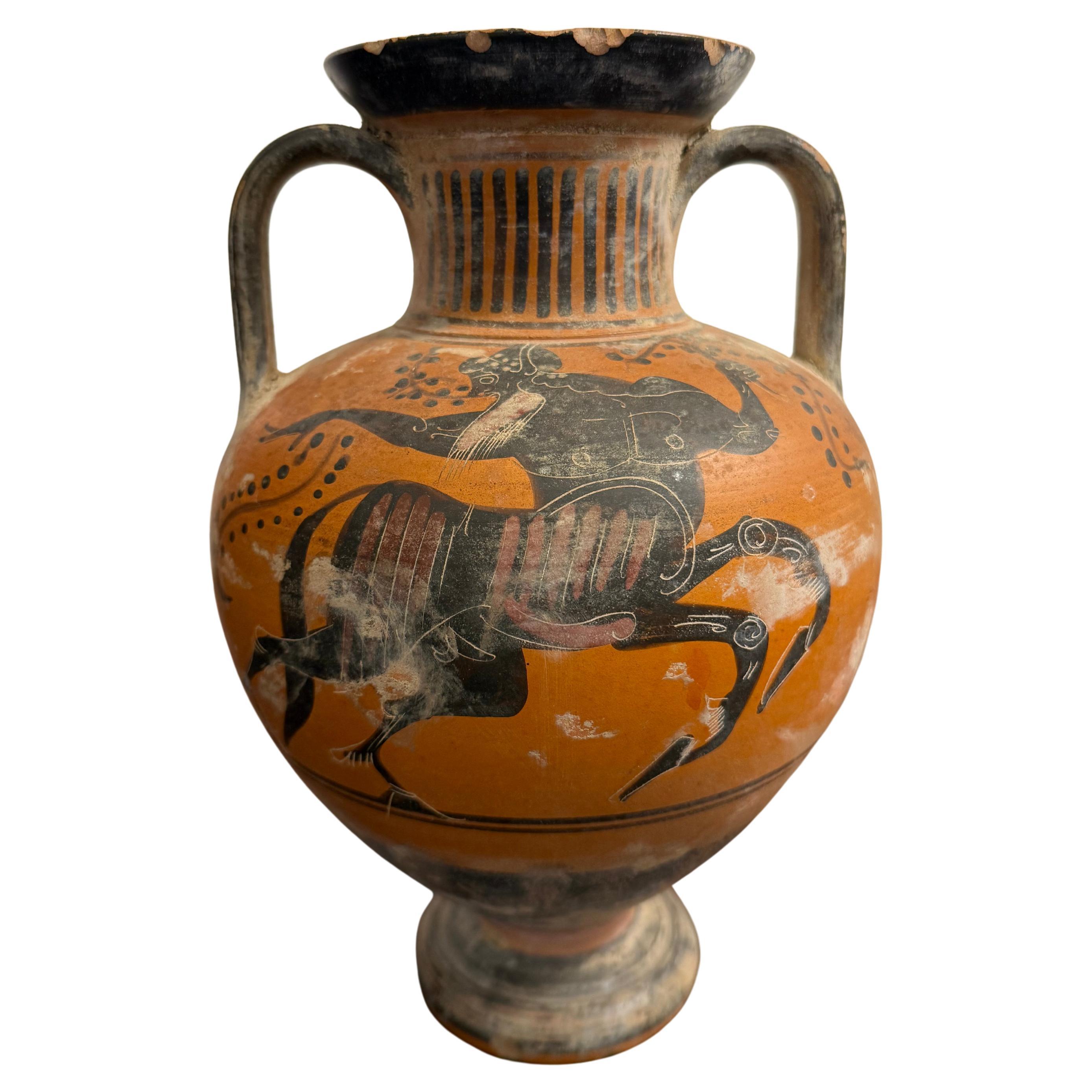
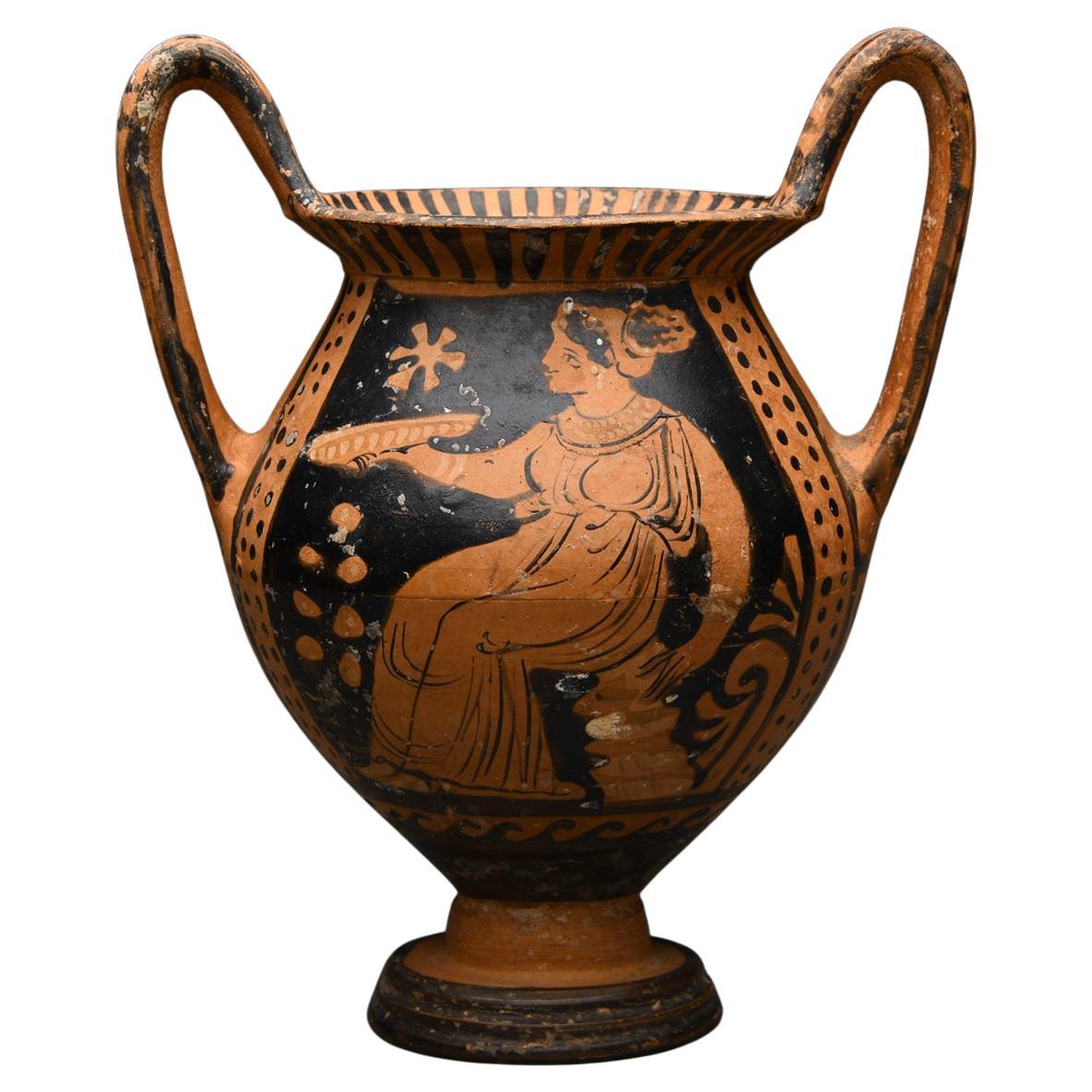
Ancient Greek Red-Figure Terracotta Pelike (Jar), 5th–4th Century BCE
$5,500
£4,153.97
€4,798.48
CA$7,748.72
A$8,298.88
CHF 4,461.42
MX$100,794.73
NOK 56,372.21
SEK 51,612.95
DKK 35,853.41
About the Item
Presenting an exquisite ancient Greek red-figure terracotta pelike (storage jar) standing 10.5 inches tall. This piece embodies the timeless artistry of Classical Greece, featuring hand-painted figural motifs in the iconic red-figure style (red images against a black background) . A pelike is a type of one-piece ceramic vessel similar to an amphora, with a broad, almost spherical body and a flat base so it can stand upright . Such jars were often used to store wine or oil, and were typically adorned with intricate scenes of mythology or daily life . Crafted circa 5th–4th century BCE (likely in Athens or Magna Graecia, Southern Italy ), this pelike offers a tangible connection to the ancient world. Its classical artistry, historical significance, and collectible appeal make it a standout addition for discerning collectors.
Classical Artistry
Craftsmanship
This terracotta jar is a showcase of classical Greek craftsmanship. The red-figure technique – invented in Athens around 525 BCE – allowed ancient artists to paint detailed figures with a brush, achieving greater realism and expressive detail than the earlier black-figure style . On this pelike, the artist rendered lively figural scenes in the natural red-orange of the clay, set against a lustrous black slip background. You can admire the fine outlines and interior details that bring the characters to life – a testament to the skill of the vase-painters who expertly wielded this technique. The vessel’s form is elegant and balanced: a plump body, narrow neck, flared mouth, and twin handles, all proportions carefully executed. Classic Greek decorative motifs likely embellish the jar (such as palmette designs near the handles or meander key patterns along the borders), framing the narrative scenes and adding to its visual appeal. This level of artistry was not only aesthetically pleasing but also reflected the cultural storytelling of its time, making the pelike both a functional item and a work of art.
Historical Significance
Owning this pelike means holding a piece of ancient history. Pelikai (plural) were produced during the Classical period of Greece, roughly between the late 6th and 4th centuries BCE . They appear in archaeological records from Athens to the Greek colonies of South Italy, indicating they were commonly used and traded across the Mediterranean . The very shape and style of this jar are emblematic of that era’s daily life and ceremonial practices. A pelike like this would have been used to store or pour wine at symposia (banquets) or oil for household and religious purposes . The scenes depicted on red-figure vases often tell stories – perhaps of gods, heroes, or everyday activities – serving as a window into ancient Greek mythology and society. By the 4th century BCE, South Italian (Apulian) workshops were flourishing, creating vessels just like this one for local use and export. This jar, therefore, is not only a beautiful decorative object; it’s a cultural artifact that has survived over two millennia. Its preservation allows us to connect with the worldview and artistic expression of a long-past civilization, underscoring its historical importance.
Condition
Preservation
Condition: The pelike is in good antique condition, with some rim damage but otherwise intact. There is a minor chip and wear along the rim edge (consistent with age and use), but no significant cracks or structural repairs. The body remains fully intact, which is remarkable for a ceramic of this age. The original painted surfaces are well-preserved, still showing impressive detail in the figures and decorative borders. The black glaze has aged to a warm, slightly iridescent patina in places, attesting to its ancient origin. Aside from the mentioned rim flaw, the vessel stands sturdy and displays beautifully. Collectors will appreciate that much of the original pigment and form are retained, allowing the piece to be enjoyed in nearly its ancient glory. (Any minor abrasions or encrustations are typical for excavated pottery and do not detract from the overall presentation.) This level of preservation – largely intact with only minor wear – means the pelike can be safely handled (with care) and exhibited. We value transparency, so while there is no formal provenance documentation accompanying this jar (it has been part of a private collection without recorded history), its authenticity and age are evident in the craftsmanship, materials, and natural aging. Serious buyers are welcome to examine it or request additional details to verify its authenticity. In short, this piece has withstood the test of time, and its condition today allows us to fully appreciate the ancient artisan’s skill.
Collectible Appeal
Ancient Greek vases are among the most sought-after antiquities, and this red-figure pelike is a prime collectible for several reasons. First, it represents a quintessential form of Greek pottery – ideal for display on a shelf or pedestal, where it can be admired from all sides. The red-figure style, with its striking contrast of black and red, is instantly recognizable and highly prized by collectors and historians alike. Such pieces frequently feature in museum collections, and owning one offers a museum-like experience in your own space. This jar’s aesthetic beauty, combined with its historical context, makes it a conversation piece that bridges art and history. For collectors of classical antiquities, a well-preserved pelike is a cornerstone piece – it exemplifies the height of ceramic art in antiquity. Additionally, genuine artifacts of this kind are increasingly scarce on the market, especially in mostly intact condition. Its authenticity (as a piece crafted over 2,300 years ago) provides not just decorative appeal but also investment potential; antiquities of notable quality have historically maintained or increased their value as collectibles. This pelike’s mix of artistic merit and historical intrigue ensures it will stand out in any collection, be it alongside other ancient artifacts or as a focal point in an eclectic art assemblage. It’s an ideal acquisition for those who appreciate the legacy of classical art and wish to preserve it for future generations.
- Dimensions:Height: 10.5 in (26.67 cm)Diameter: 6.5 in (16.51 cm)
- Style:Classical Greek (Of the Period)
- Materials and Techniques:
- Place of Origin:
- Period:
- Date of Manufacture:5th–4th Century BCE
- Condition:Wear consistent with age and use. Good antique condition with signs of age. Some chipping and wear, particularly around the rim, but overall structurally intact.
- Seller Location:West Hollywood, CA
- Reference Number:1stDibs: LU9169244106272
About the Seller
5.0
Platinum Seller
Premium sellers with a 4.7+ rating and 24-hour response times
Established in 2023
1stDibs seller since 2023
76 sales on 1stDibs
Typical response time: <1 hour
- ShippingRetrieving quote...Shipping from: West Hollywood, CA
- Return Policy
More From This Seller
View AllAntique Terracotta Amphora-Style Vessel with Double Handles
Located in West Hollywood, CA
Inspired by the timeless elegance of Classical Roman pottery, this antique terracotta amphora-style vessel is a remarkable decorative piece. With its rounded body, narrow neck, and g...
Category
Antique Early 19th Century European Classical Roman Pottery
Materials
Pottery, Terracotta
Ancient-Style Mediterranean Terracotta Amphora with Twin Handles + Aged Patina
Located in West Hollywood, CA
This impressive Mediterranean-style amphora is a masterful example of early utilitarian pottery, crafted from terracotta clay and shaped by hand in the traditional ancient manner. It...
Category
Antique 19th Century European Rustic Vases
Materials
Clay, Terracotta
Antique Terracotta Amphora in Classical Roman Style with Aged Patina
Located in West Hollywood, CA
Evoking the artistry of Classical Roman pottery, this antique terracotta amphora embodies both historical elegance and timeless craftsmanship. With its gracefully tapered body, narro...
Category
Antique 19th Century European Classical Roman Pottery
Materials
Pottery, Terracotta
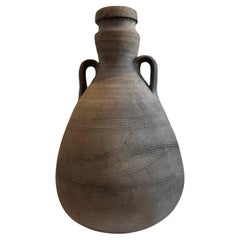
Hishey Jarrah–Style Zir Jar, 26”, Hand-Built Earthenware Vessel
Located in West Hollywood, CA
This striking antique Hishey Jarrah–style zir jar stands approximately 26 inches tall and exemplifies traditional hand-built pottery techniques associated with utilitarian water and ...
Category
Early 20th Century Mid-Century Modern Jars
Materials
Pottery
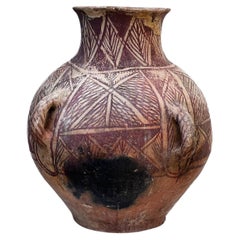
Antique Handcrafted Terracotta Water Jug – Rustic Earthenware Pot
Located in West Hollywood, CA
This exquisite antique terracotta water jug is a testament to the beauty of traditional craftsmanship. Hand-formed and kiln-fired, this earthenware vessel showcases a gracefully curv...
Category
Early 20th Century European Primitive Vases
Materials
Earthenware
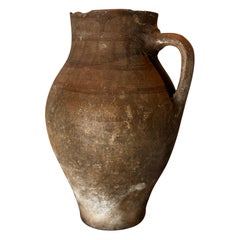
Rare Antique Multi-Spouted Terracotta Ritual Vessel with Pedestal Base
Located in West Hollywood, CA
This remarkable antique terracotta vessel stands out as an extraordinary example of multi-spouted pottery, crafted with both functional and symbolic intent. Resting on a sturdy pedes...
Category
Antique Late 19th Century Tribal Vases
Materials
Terracotta
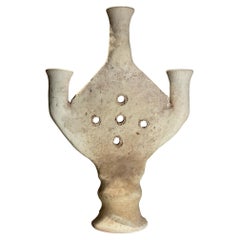
You May Also Like
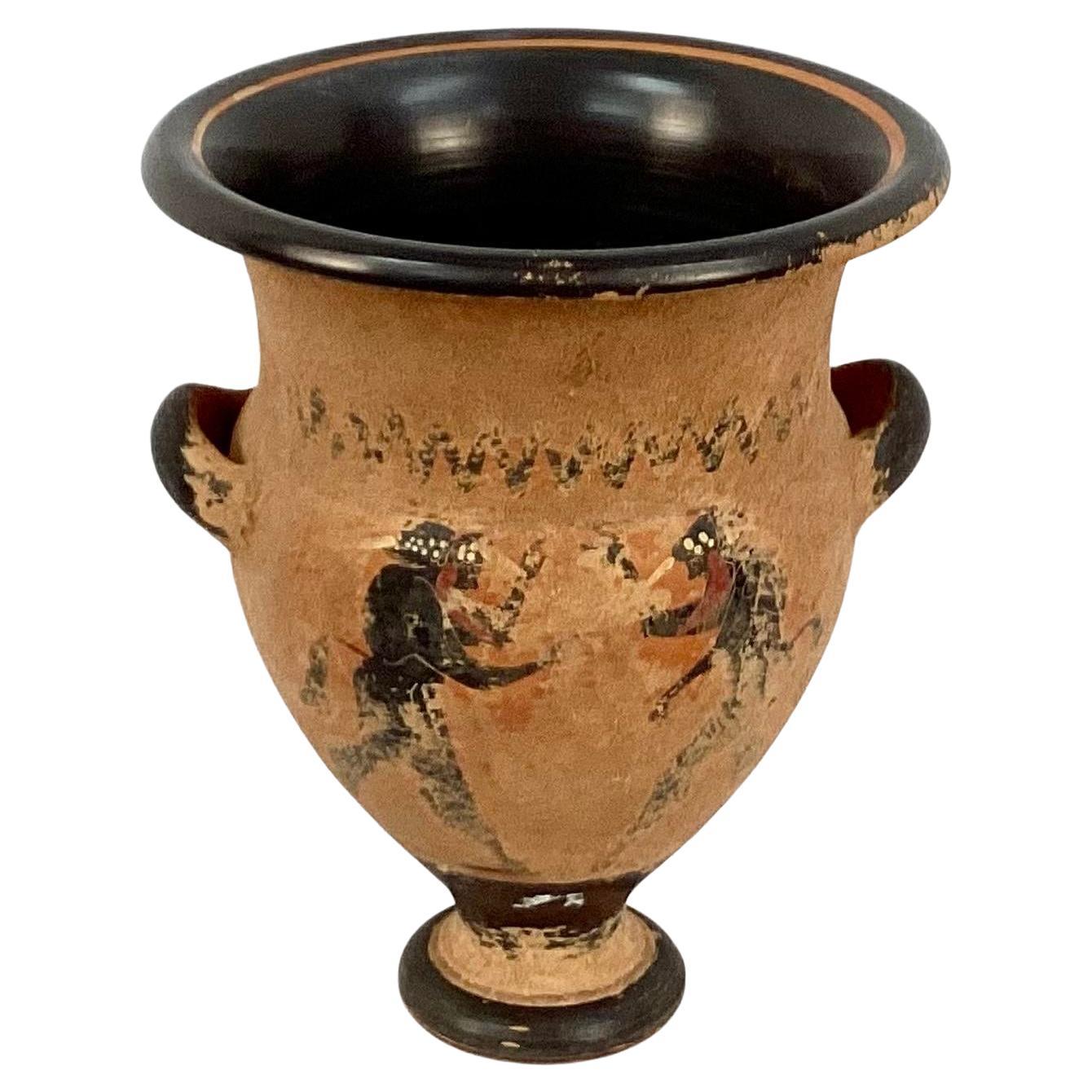
19th Century Greek Grand Tour Terracotta Jar
Located in Bradenton, FL
Late 19th Century Grand Tour style terracotta vessel decorated with Grecian figures with Amphora form, two handles on neck. Hand painted.
Dimensions:
8.5"H x 7"W; Mouth opening is ...
Category
Antique Late 19th Century Greek Grand Tour Jars
Materials
Terracotta
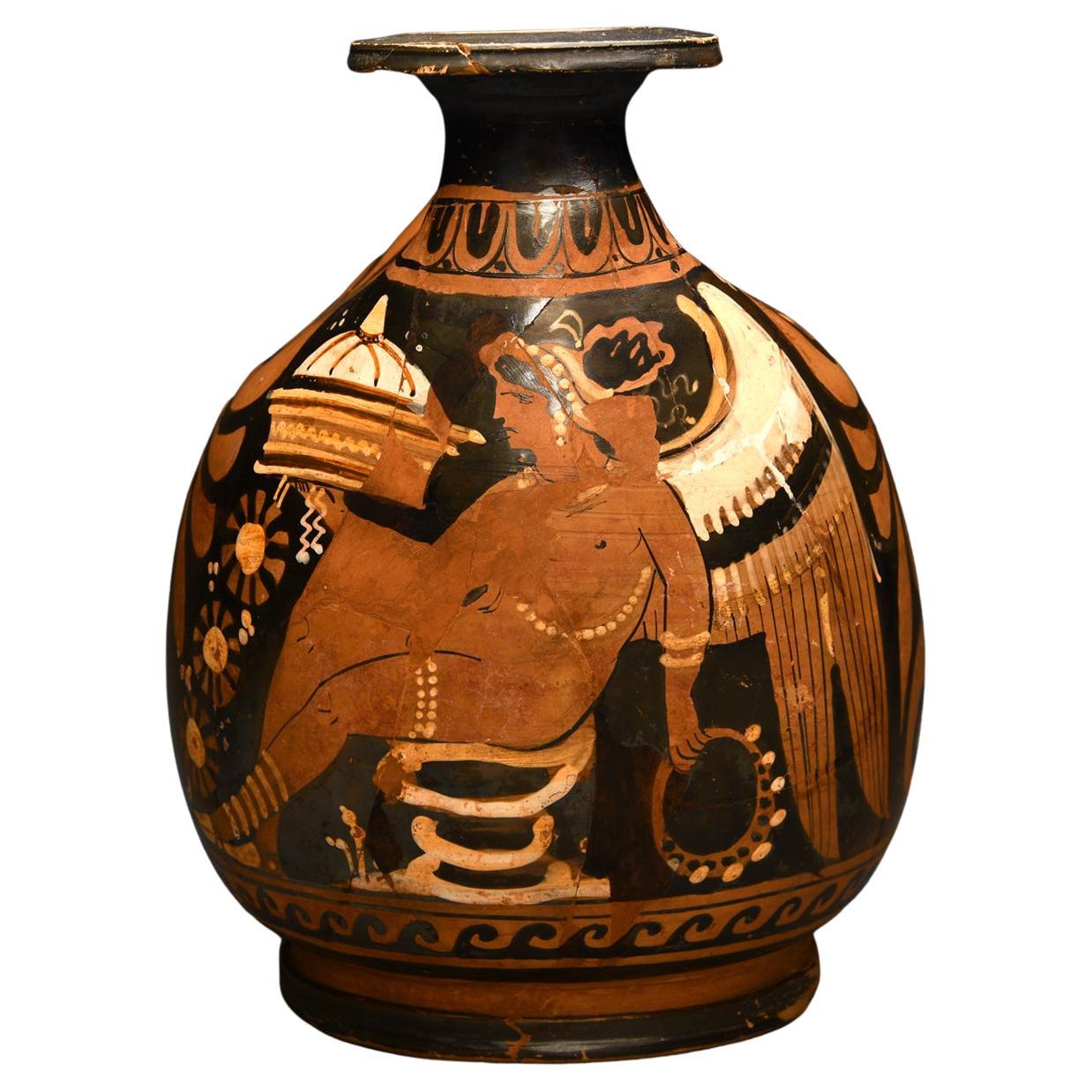
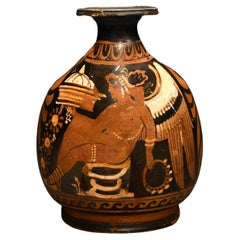
Ancient Apulian Red-Figured Askos
Located in Los Angeles, CA
This beautifully proportioned South Italian ceramic production is an askos, or pouring vessel. It prominently features a seated naked winged Eros wearing anklets, bracelets, a body ...
Category
Antique 15th Century and Earlier Italian Classical Greek Vases
Materials
Terracotta
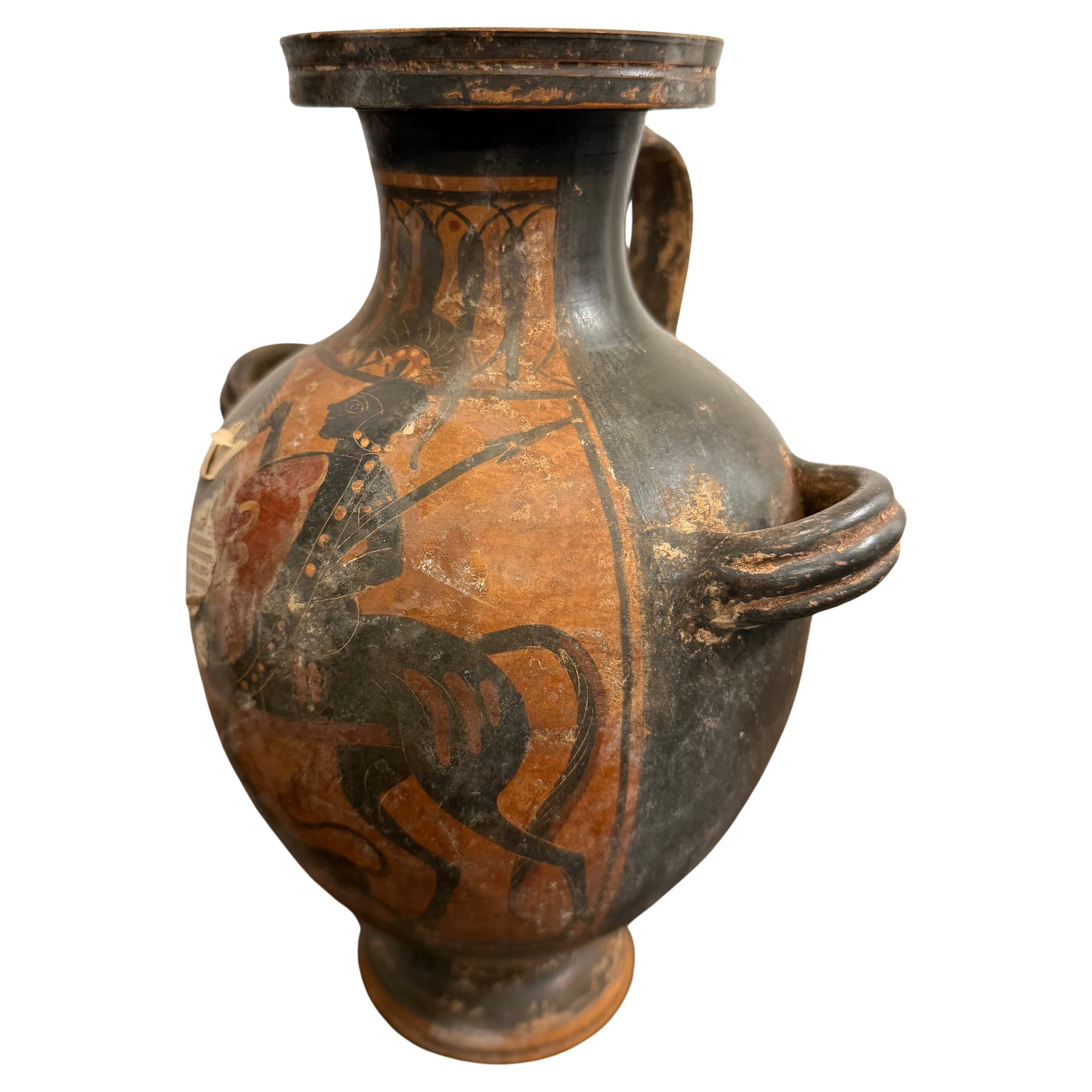
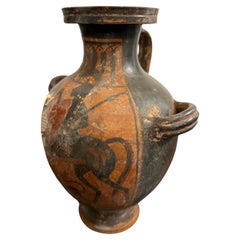
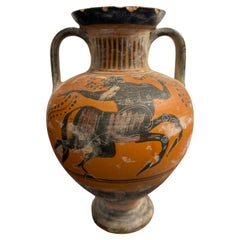
A Greek Black Figure Style Grand Tour Hydria, 19th Century
Located in ARMADALE, VIC
A Greek Black Figure Style Grand Tour Hydria, 19th Century
Provenance: Private Australian Collection.
Description:
Depict a heroic subject, possibly related to figures like Achille...
Category
Antique 19th Century Greek Grand Tour Jars
Materials
Terracotta
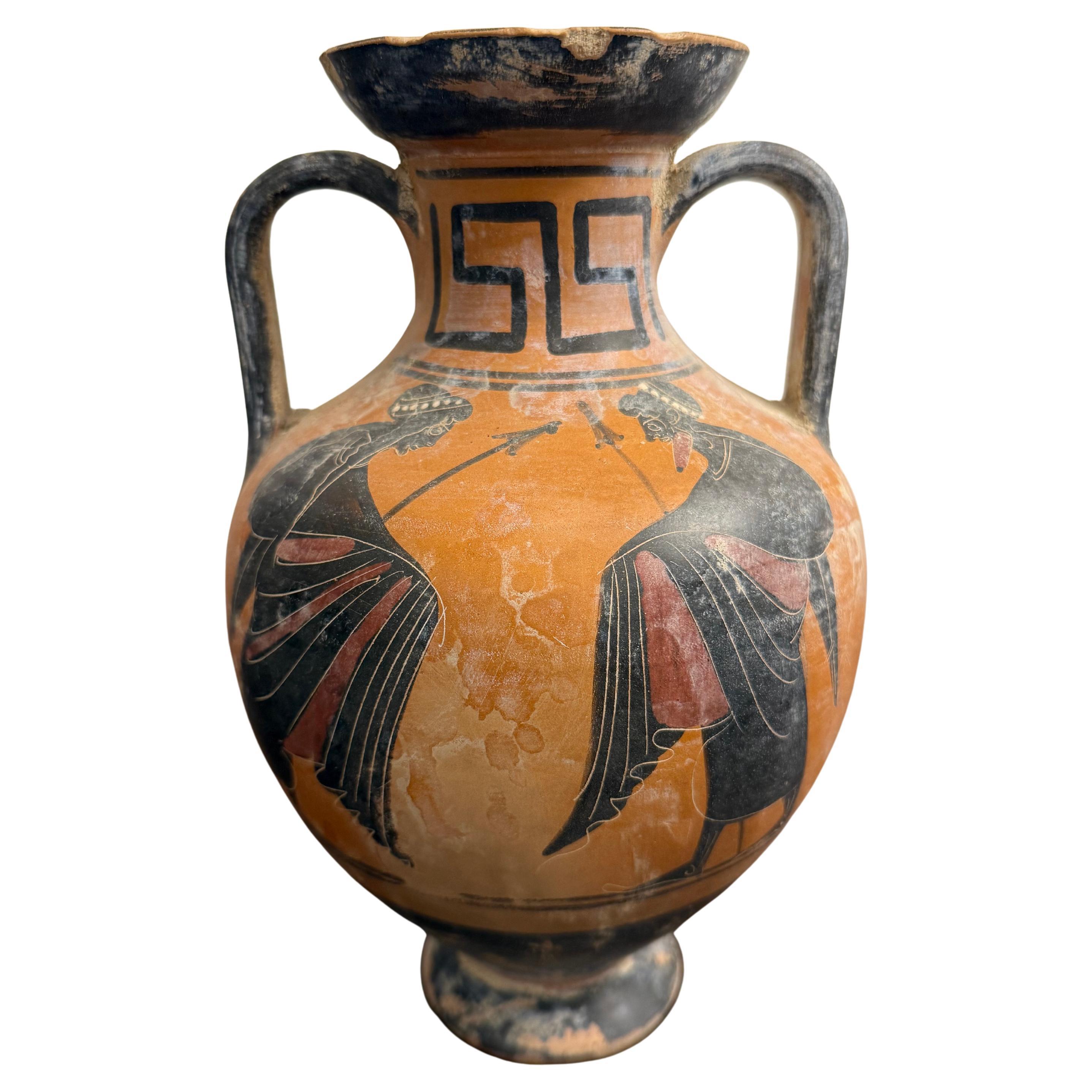
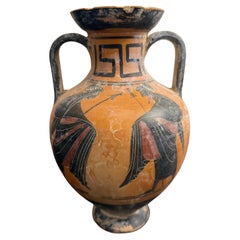
A Greek Black Figure Style Grand Tour Amphora, 19th Century
Located in ARMADALE, VIC
A Greek Black Figure Style Grand Tour Amphora, 19th Century
Provenance: Private Australian Collection.
Description:
Amphora, specifically, were us...
Category
Antique 19th Century Greek Grand Tour Jars
Materials
Terracotta
A Greek Black Figure Style Grand Tour Amphora, 19th Century
Located in ARMADALE, VIC
A Greek Black Figure Style Grand Tour Amphora, 19th Century
Provenance: Private Australian Collection.
Description:
Amphora, specifically, were us...
Category
Antique 19th Century Greek Grand Tour Jars
Materials
Terracotta
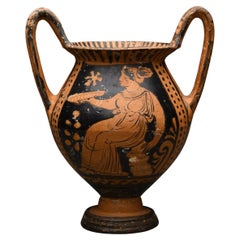
Apulian Red-Figured Nestoris
Located in Los Angeles, CA
This somewhat rare South Italian ceramic vessel is called a nestoris, or two handled wine jar. The obverse is decorated with a seated youth wearing a tunic, pilos helmet and high lac...
Category
Antique 15th Century and Earlier Italian Classical Greek Vases
Materials
Terracotta
More Ways To Browse
Eclectic Art
Eclecticism Art
Ancient Greek Art
Antique Paint Brushes
Italian Art Antique Painted Religious
Wine Pourer
Ancient Greek Furniture
Ancient Greek Vase
Antique Wine Pourer
Antique Greek Jar
Greek Red Figure
Terracotta Storage Jar
Greek Black Terracotta
Red Figure Vases
5 Carat Vintage Or Antique Or Old Euro Diamond Engagement Rings
Used Mid Century Furniture
Modern Dining Room
Used Glass