Items Similar to Ceremonial Rice Spoon Toraja Culture, Celebes Island (Sulawesi), Indonesia
Want more images or videos?
Request additional images or videos from the seller
1 of 8
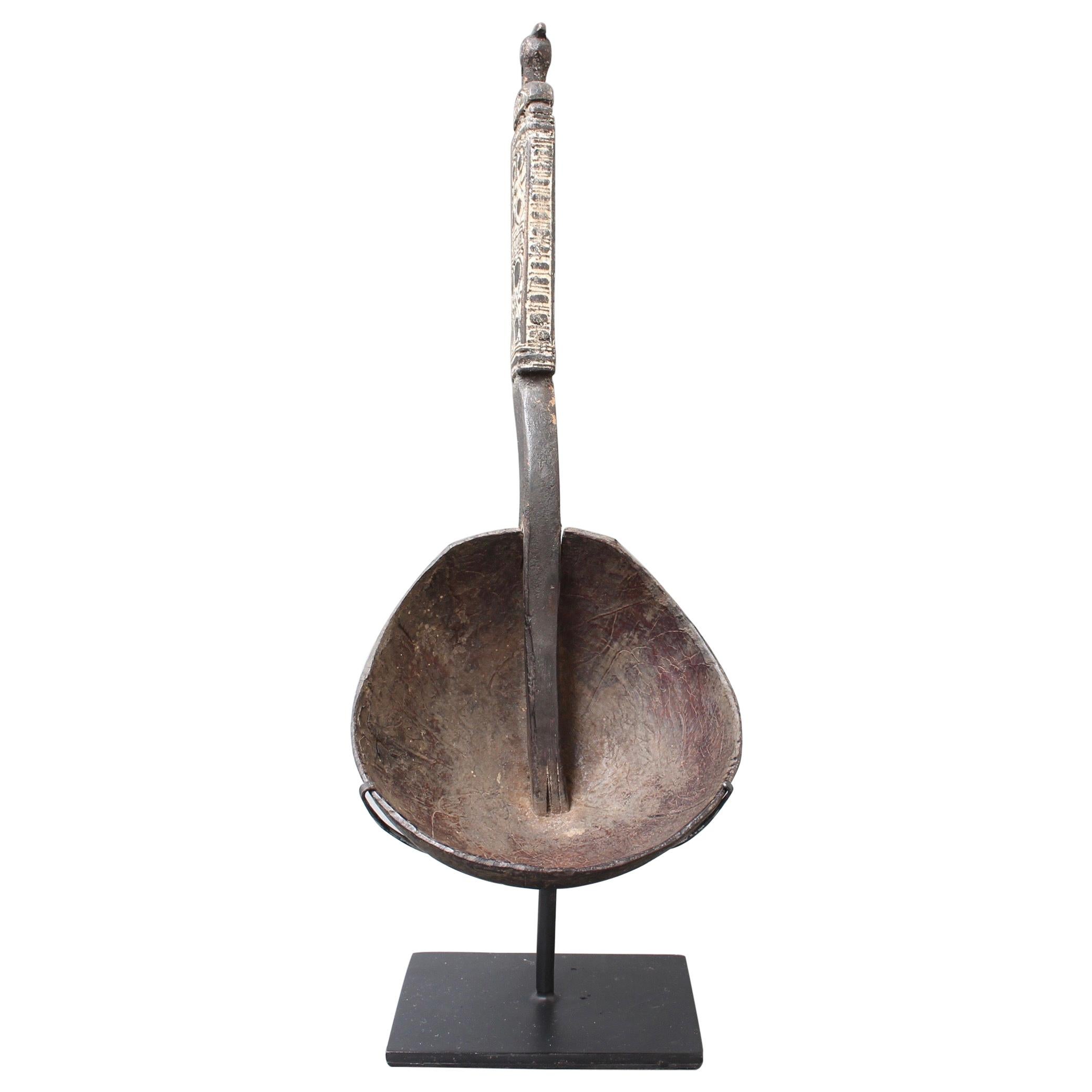
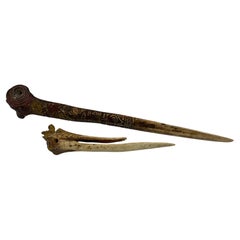
Ceremonial Rice Spoon Toraja Culture, Celebes Island (Sulawesi), Indonesia
$1,132.01
£843.19
€950
CA$1,558.88
A$1,696.80
CHF 899.07
MX$20,406.55
NOK 11,431.47
SEK 10,475.68
DKK 7,238.37
About the Item
A pair of exquisite Toraja rice spoons from Indonesia's Sulawesi Islands, featuring elongated bowls and gracefully curved handles that complement the overall design. Each spoon is intricately carved with delicate, elegant lines, showcasing a rich color and remarkable patina, along with darkened staining that hints at years of use.
- Dimensions:Height: 5.12 in (13 cm)Width: 1.58 in (4 cm)Depth: 0.4 in (1 cm)
- Materials and Techniques:
- Place of Origin:Indonesia
- Period:
- Date of Manufacture:-
- Condition:Wear consistent with age and use. Minor losses.
- Seller Location:Leuven , BE
- Reference Number:1stDibs: LU3301142501872
About the Seller
5.0
Vetted Professional Seller
Every seller passes strict standards for authenticity and reliability
Established in 2017
1stDibs seller since 2017
174 sales on 1stDibs
Typical response time: 7 hours
- ShippingRetrieving quote...Shipping from: Leuven , Belgium
- Return Policy
More From This Seller
View AllBamileke People, Cameroon, Forged Knife with Carved Wooden Head
Located in Leuven , BE
Solid forged Bamileke short sword with a finely carved face on the top of the handle. Patina of use
Category
20th Century Cameroonian Antiquities
Materials
Metal
Indonesian Wood and Bone Kris Dagger, Indonesia
Located in Leuven , BE
Indonesian Wood and Bone Kris Dagger, Indonesia
Category
Early 20th Century Indonesian Metalwork
Materials
Metal
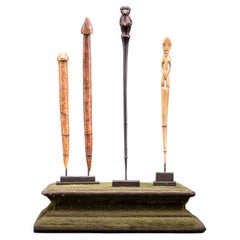
Lega People, DRC, Two Ceremonial Bone Hairpins from the Lega People in DRC
Located in Leuven , BE
Lega people, DRC, two ceremonial bone hairpins from the Lega people in DRC.
Category
20th Century Congolese Antiquities
Materials
Wood
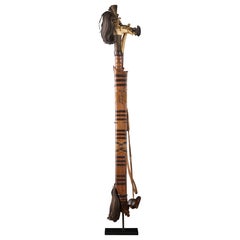
Traditional Tribal Mandau (Parang Ilang) Sword – Dayak People, Borneo
Located in Leuven , BE
Traditional Tribal Mandau (Parang Ilang) Sword – Dayak People, Borneo
The Mandau is a traditional sword of the Dayak people of Borneo, revered both as a cultural artifact and a weap...
Category
Early 20th Century Indonesian Antiquities
Materials
Metal
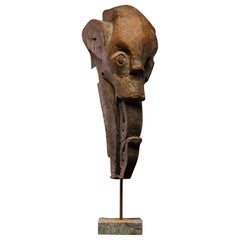
Architectural hardwood Ornament (Singa) from the Toba Batak people, Sumatra.
Located in Leuven , BE
The central image in Toba Batak art is the singa, a supernatural creature whose likeness protects individuals, homes, and communities from malevolent supernatural forces. The name singa derives from the Sanskrit word meaning lion. However, the Toba Batak singa...
Category
Antique Late 19th Century Indonesian Folk Art Sculptures and Carvings
Materials
Hardwood
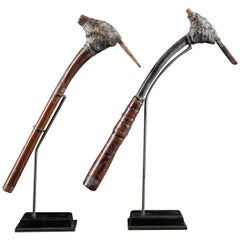
Ethno Design Pair of Early Native Tribal Ceremonial Decorated Adze Tools
Located in Leuven , BE
An adze is a cutting tool similar to an axe but with a cutting edge perpendicular to the handle rather than parallel. Toraja people from Sumatra Island, used for wood carving, were made from nephrite (also known as jade) in the South Island. In the North Island they were commonly made from greywacke or basalt. At the same time on Henderson Island, a small coral island...
Category
20th Century Oceanic Mounted Objects
Materials
Wood
You May Also Like
Ritual Ladle of Wood and Coconut Shell from Timor Island, Indonesia, circa 1950s
Located in London, GB
Ritual ladle of wood and coconut shell from Timor Island, Indonesia (circa 1950s). Intricate spoons and ladles were most likely used for large ceremonial feasts and offerings to ance...
Category
Vintage 1950s Indonesian Tribal Sculptures and Carvings
Materials
Wood, Coconut
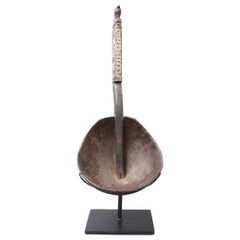
Two Ceremonial Weapon from Highlands of Papua New Guinea Provenance
Located in Atlanta, GA
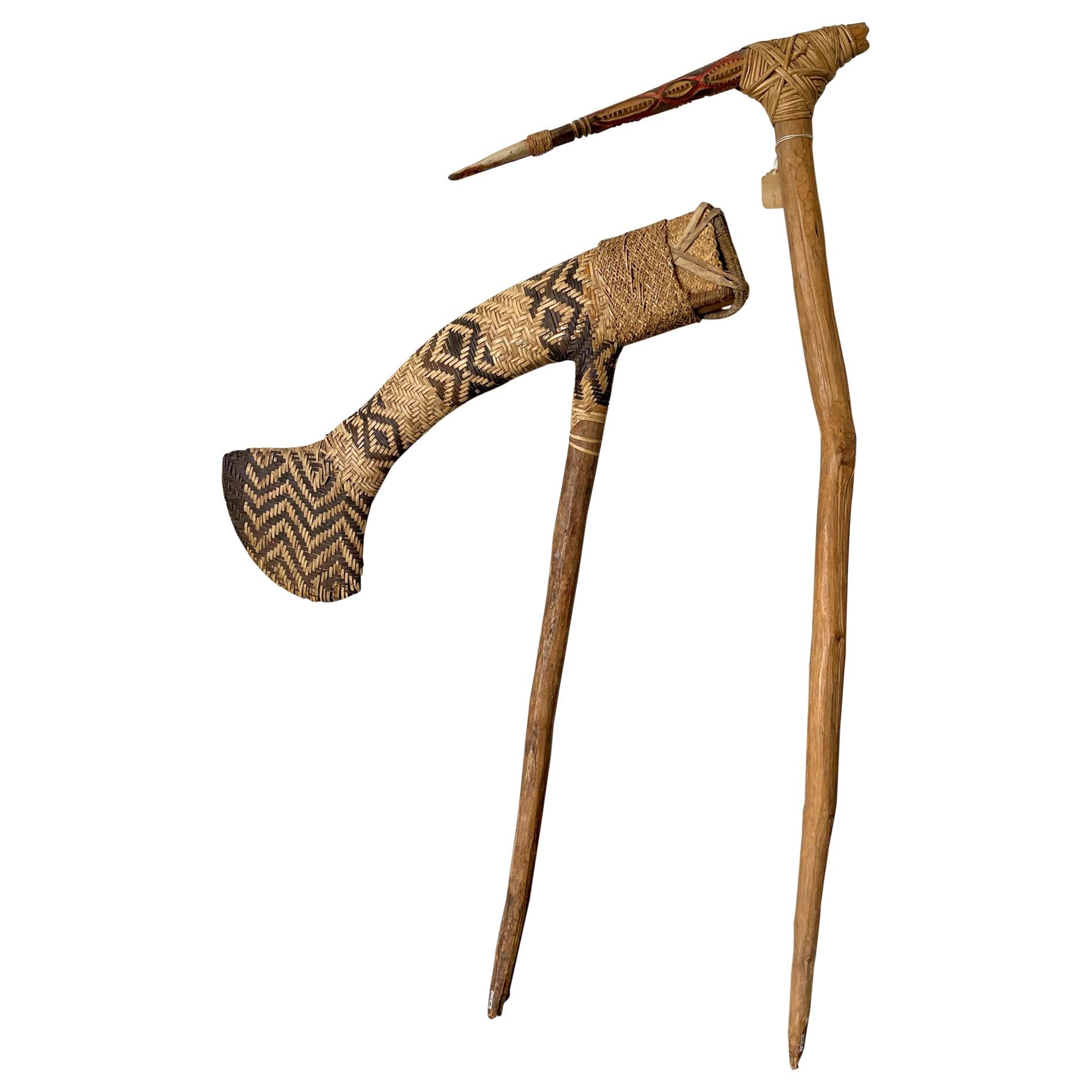
Two Oceanic ceremonial weapons from PNG highlands circa 20th century. It consists of two pieces. The first is an ax with a wood shaft and a flat elongated he...
Category
Mid-20th Century Papua New Guinean Tribal Tribal Art
Materials
Rattan, Wood
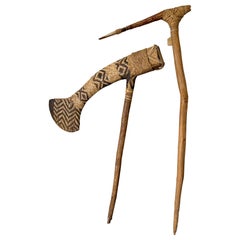
Toraja Ceremonial Bowl, Sulawesi, Indonesia Early 20th Century
Located in Jimbaran, Bali
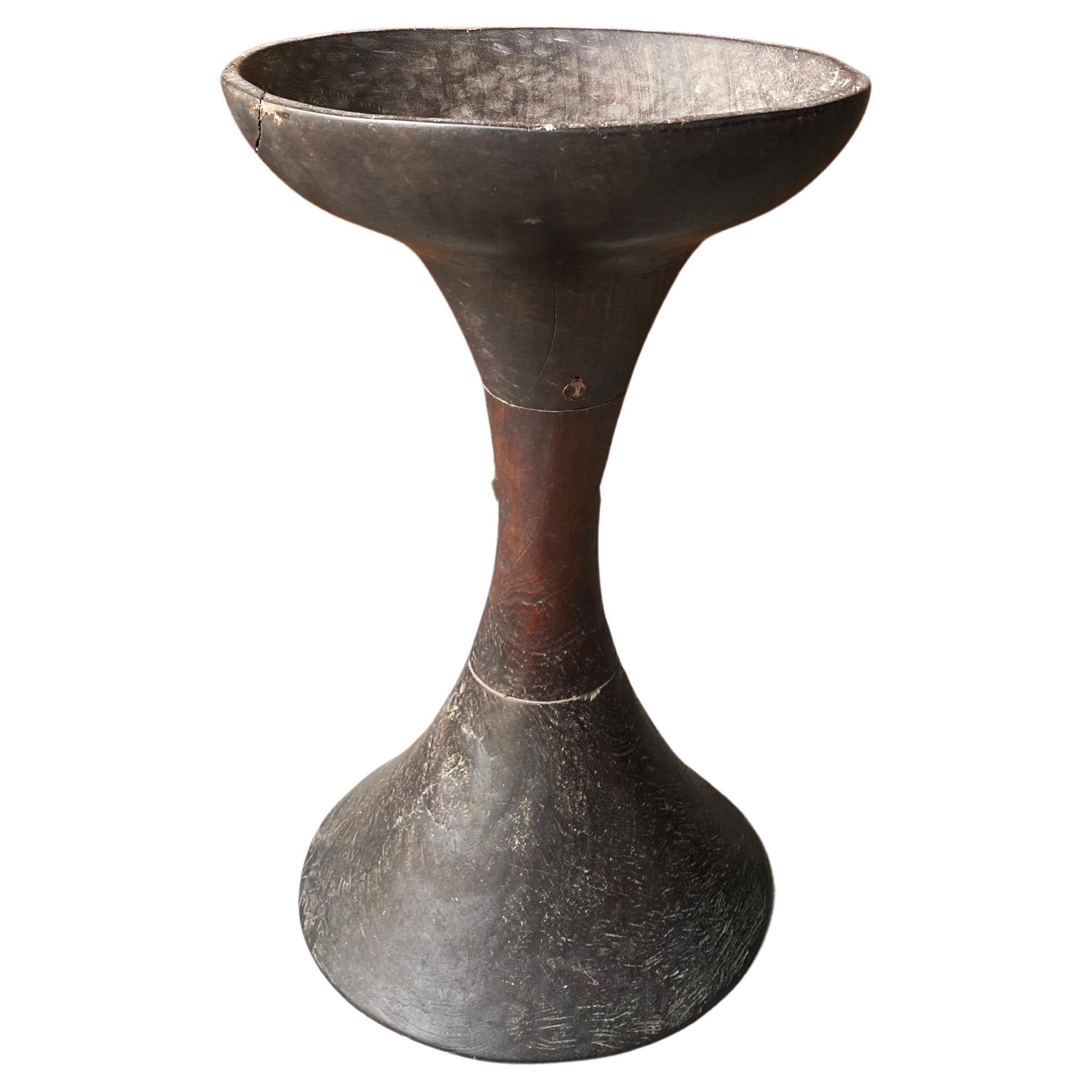
This wood ceremonial bowl was crafted by the Toraja tribes people of the mountain highlands of Sulawesi, Indonesia. It is hand-crafted using 3 separate...
Category
Early 20th Century Indonesian Other Decorative Bowls
Materials
Wood
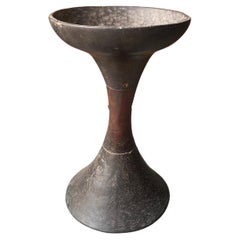
Antique Coconut Wood Rice Spoons
Located in New York, NY
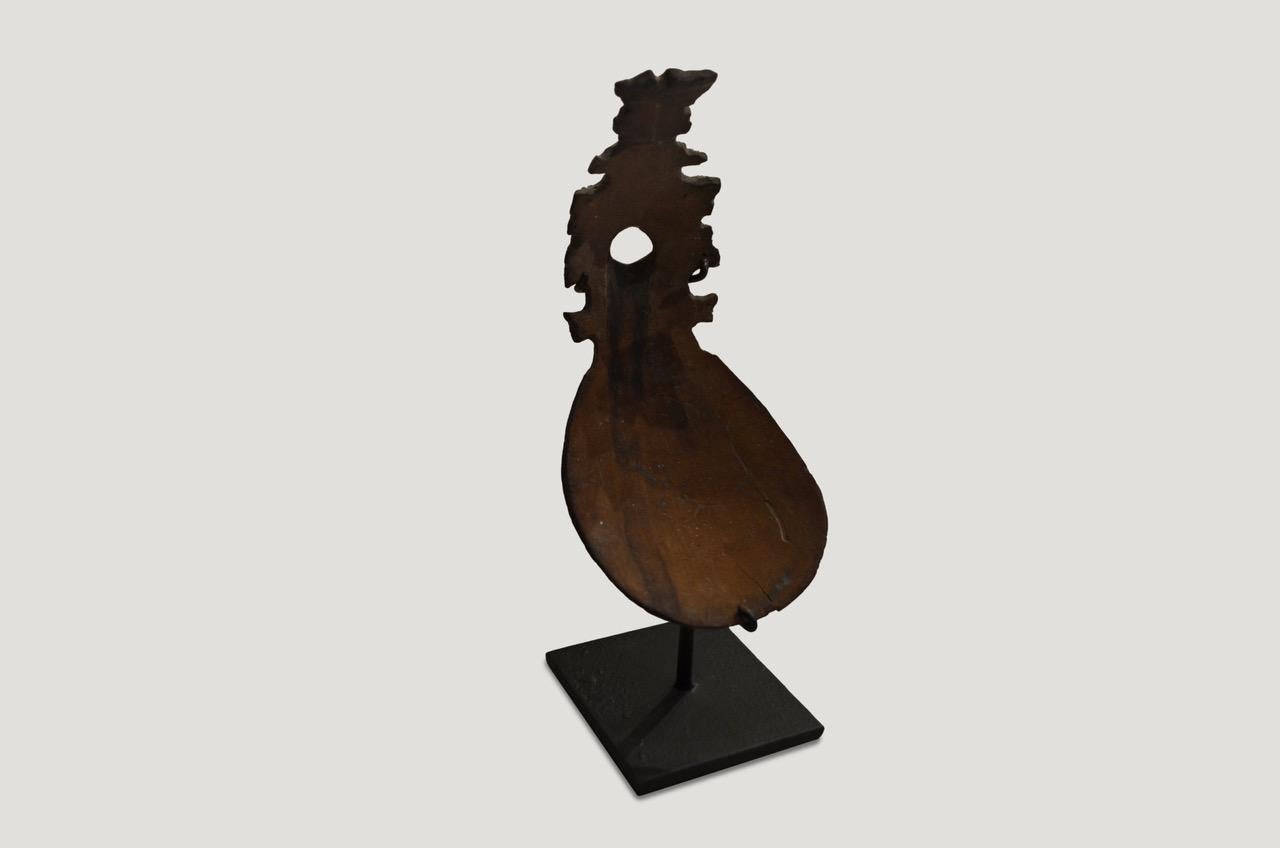
We have a collection of beautiful, antique coconut wood spoons set on a stand. All unique, all finely hand carved. From Sumatra. The price reflects one.
These antique rice spoons...
Category
Antique Early 1900s Primitive Tableware
Materials
Wood, Coconut, Reclaimed Wood
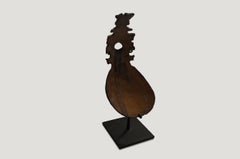
$198 / item
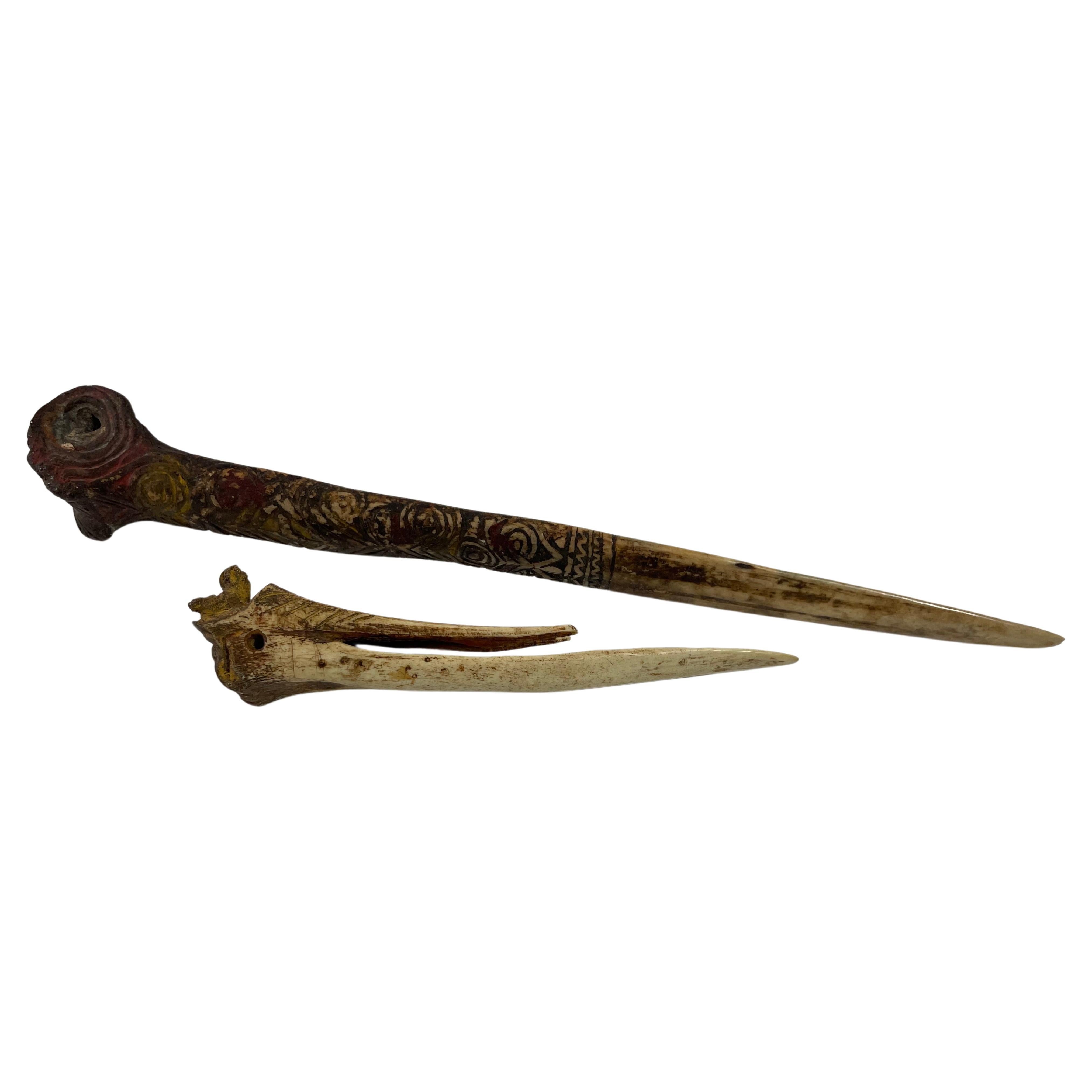
Antique Ethnic Artifact Sepik River Cassowary Bone from Papua New Guinea
Located in Moreno Valley, CA
Antique Ethnic Artifact Sepik River Cassowary Bone from Papua New Guinea
For many groups in Papua New Guinea, bone was an important medium for making tools of all types. This artifact is made from leg bone of a cassowary, a large, flightless, and extremely dangerous, bird.
Cassowaries also play an important role in the mythology of groups in the Sepik River area.
Though no longer used these bone artifacts are still used ceremonially. They often play important roles in male initiation and other rituals. They are also worn as personal adornment by tucking them into a band of braided fibers worn around the upper arm.
Antique Ethnic Bone Cassowary Artifact with minimal carving and incised design confined to the joint end.
A small hole has been drilled through from both sides of the top and presumably for the threading of a cord.
The bone has been partially divided near the top and to form two prongs that project down the back of the dagger possibly allowing the user to wear is tuck into a waist band or belt.
Origin Papua New Guinea Maprik Dist Area
From the Art Collection of Marian and John Scott, acquired in 1962.
Similar items are in display in the Timothy S. Y. Lam Museum of Anthropology.
Purchased from the amazing private collection of Mark Lissauer who spent his life collecting niche ethnographic pieces.
About Mark Lissauer:
Mark Lissauer spent forty years travelling abroad for months at a time collecting ethnographic artefacts primarily from New Guinea and the islands of the West Pacific, and from Asia and Himalayan countries. Fluent in five languages and having in the course of business travelled to more than forty countries, Mark is well-known to museums and art-collectors around the world for his long career and his interesting and diverse collection of rare ethnographic material.
Mark knows the origin and symbolism of each piece. Through extensive research and more than ninety trips around the globe, Mark familiarised himself with the traditions of the various cultures he visited in order to understand the meaning of each object to its region and tribe. His home has a specialist library and several rooms are filled with tribal carvings, textiles and ethnographica.
He acquired his first tribal piece in 1948 during a business trip to Milne Bay, New Guinea, and has since documented the acquisition of some 35,000 items. Several thousands of these have been sold to important private collections and museums worldwide, including the Rockefeller Museum, the British Museum and the Musée National des Arts d’Afrique et d’Océanie, now incorporated into the Louvre Museum.
Estimator certificate of authenticity by Wayne Heathcote Tribal Art Dealer and Expert.
Heathcote has a flash gallery in Brussels, where much of the tribal art business is centred, and is an expert at Sotheby's tribal art sale...
Category
Early 20th Century Folk Art Tribal Art
Materials
Bone
Antique Toraja Wood Panel, Sulawesi, Indonesia, Polychrome Detail
By Asian Modern
Located in Jimbaran, Bali
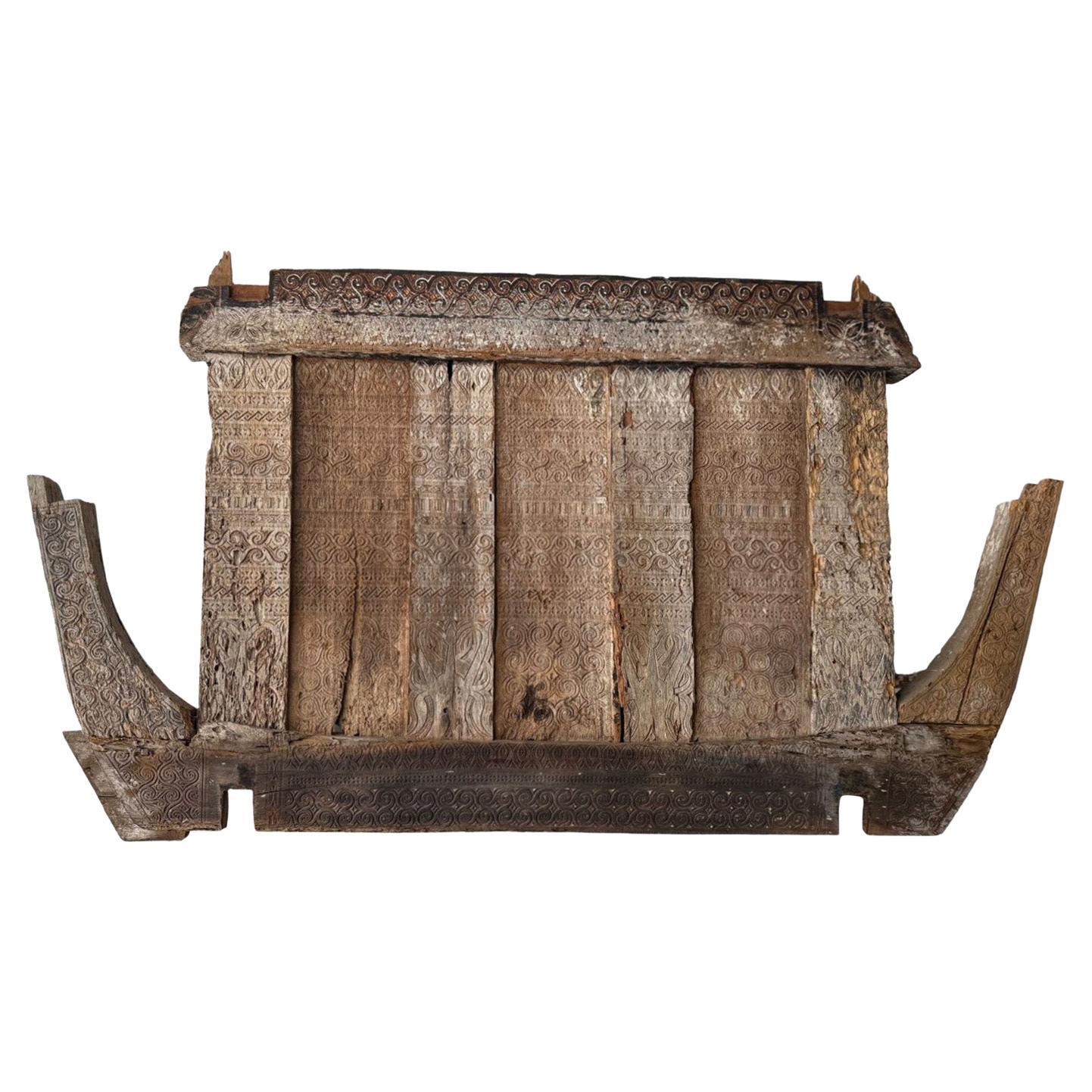
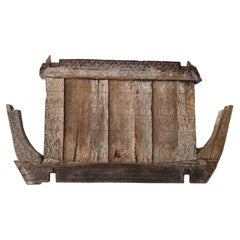
This intricately carved wooden panel originates from the Toraja people of South Sulawesi, Indonesia, renowned for their elaborate woodwork and rich ancestral traditions. Crafted by h...
Category
Antique Early 1900s Indonesian Folk Art Sculptures and Carvings
Materials
Fruitwood
More Ways To Browse
Spoon Carved
Rice Carved
Bamboo Or Rattan Coffee Tables
Moroccan Or Moorish Coffee Tables
Slat Coffee Table Or Bench
6 Library Wall Lights Or Sconces
Irish Wake Or Hunt Tables
Greek Or Roman Wall Decor
Our Lady Or Guadalupe Figurine
German Or Austrain Ech Bank Chairs
Small Rattan Or Bamboo Desk
Plaid Armchairs Or Swivel Chairs
Vintage Porcelain Or Bisque Celadon Hand Painted Cherubs Lamps
Wicker Or Rattan Clam Chairs
Narrow Small Credenza Or Sideboard
Ratan Or Wicker Or Rope Chair
Prie Dieu Or Prayer Chair
Imitation Whale Bone Or Ivory Mirror