Items Similar to Japanese Antique Wooden Carved Ornaments
Want more images or videos?
Request additional images or videos from the seller
1 of 12
Japanese Antique Wooden Carved Ornaments
$600
£457.67
€521.43
CA$843.31
A$920.02
CHF 487.15
MX$11,024.51
NOK 6,204.09
SEK 5,673.18
DKK 3,893.42
About the Item
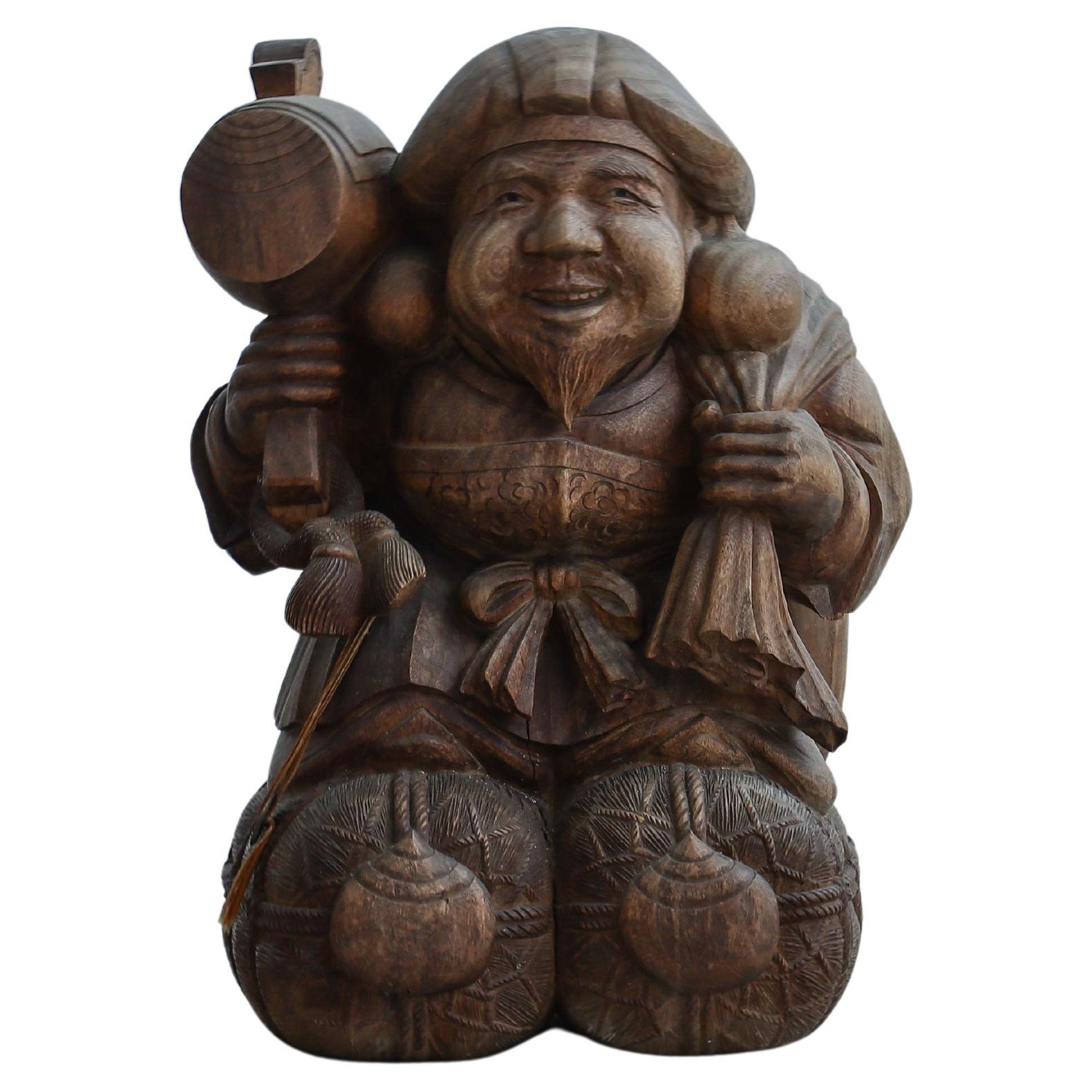
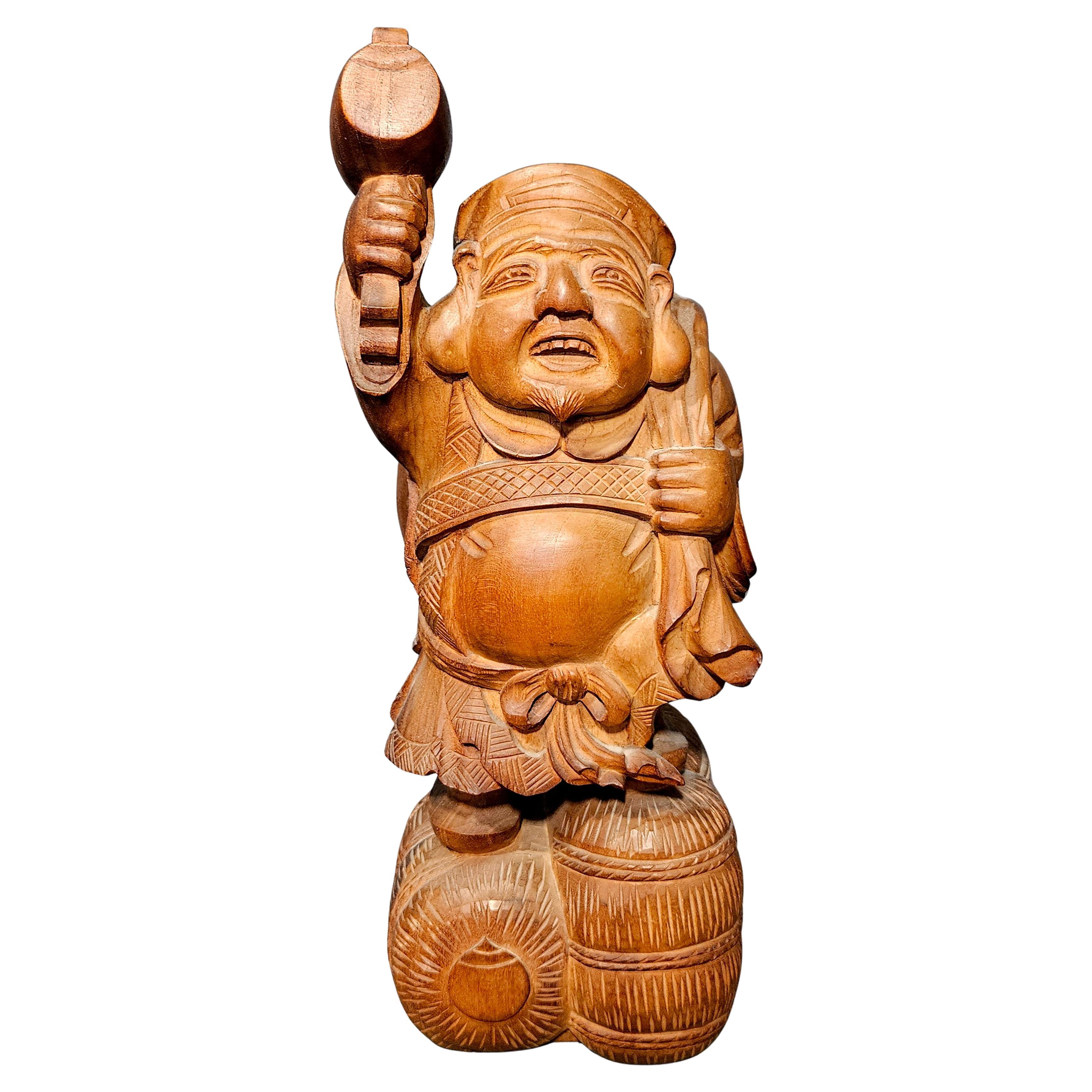
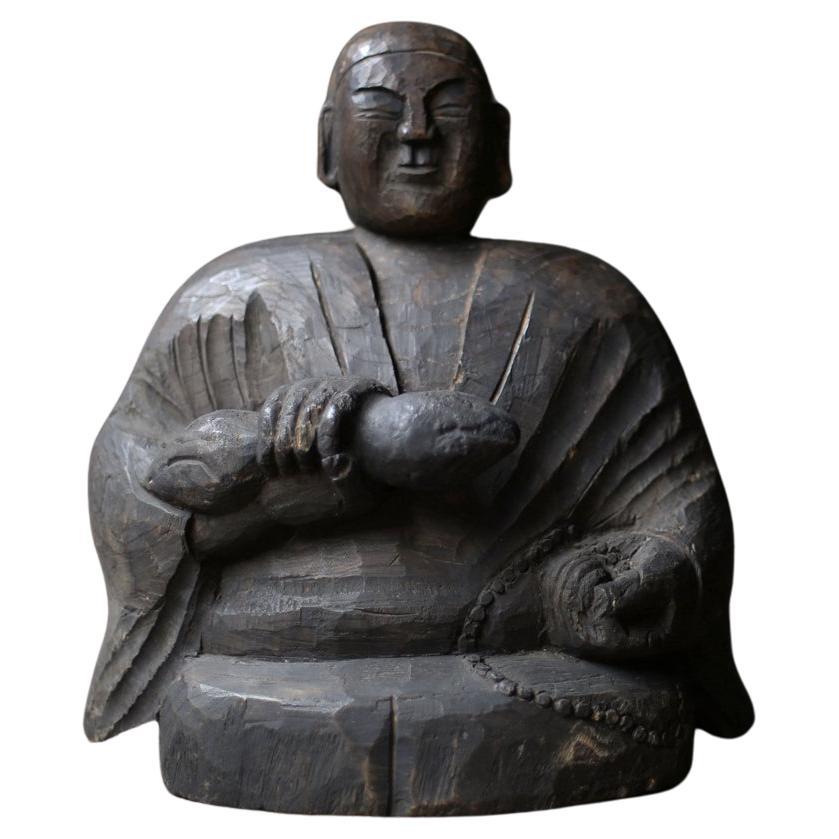
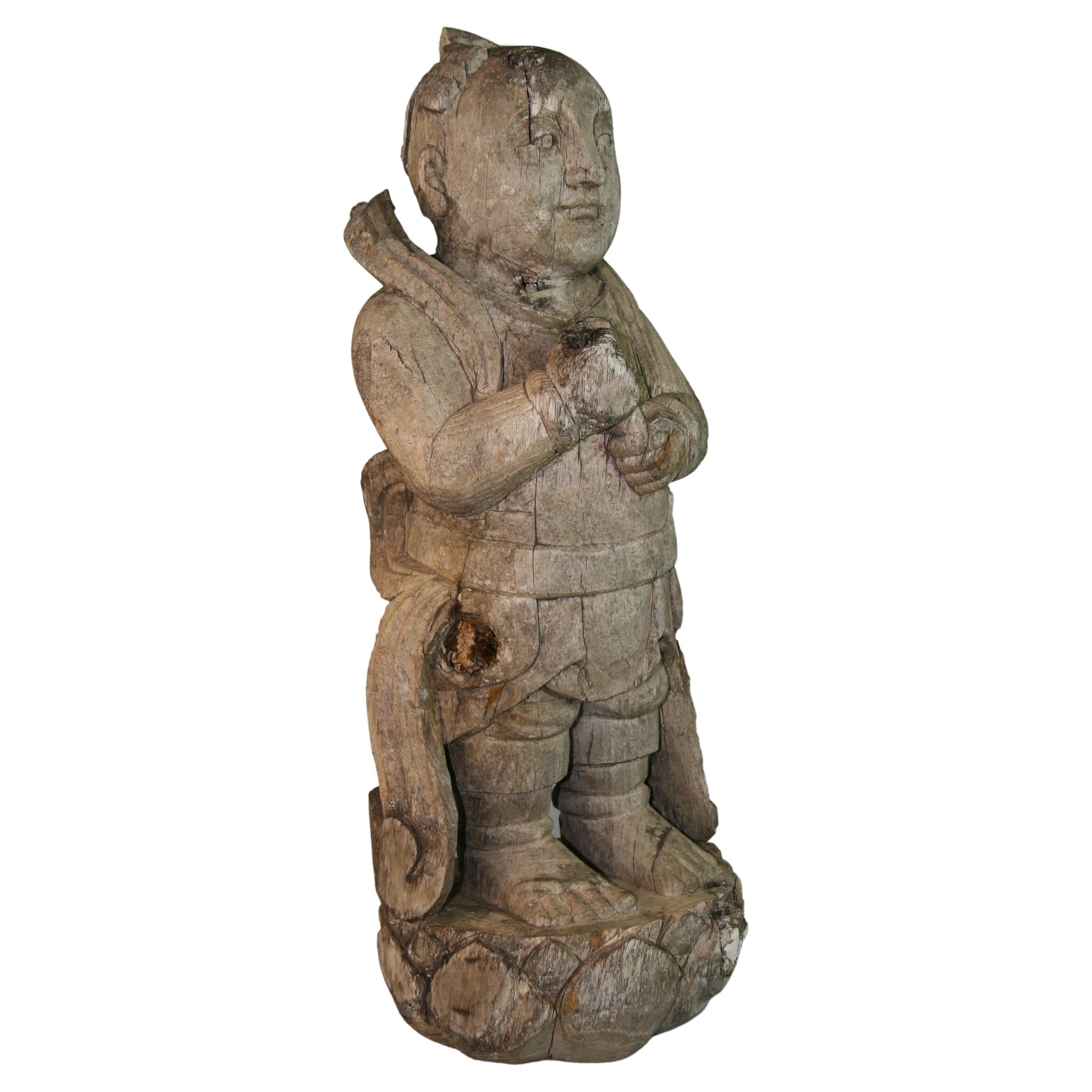
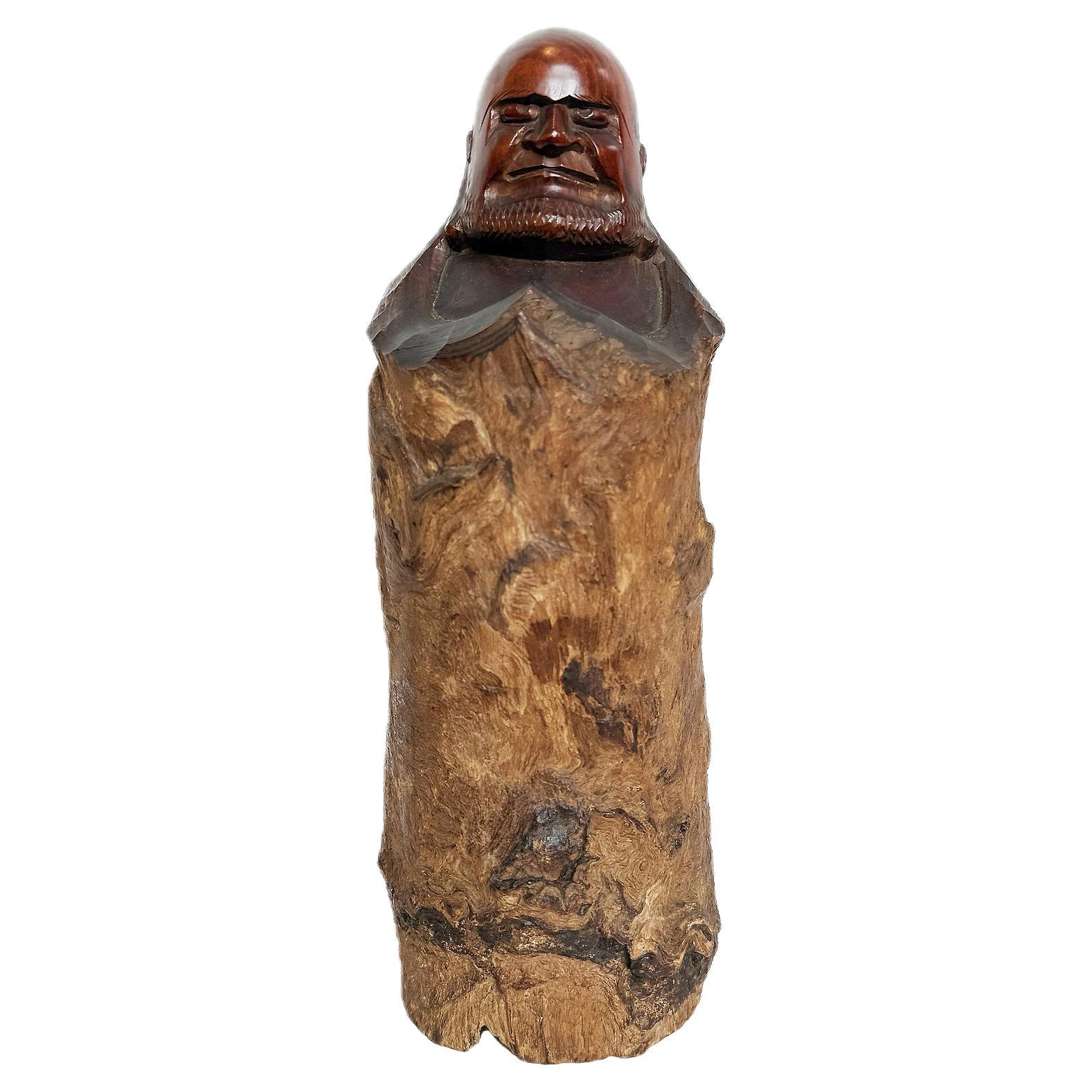
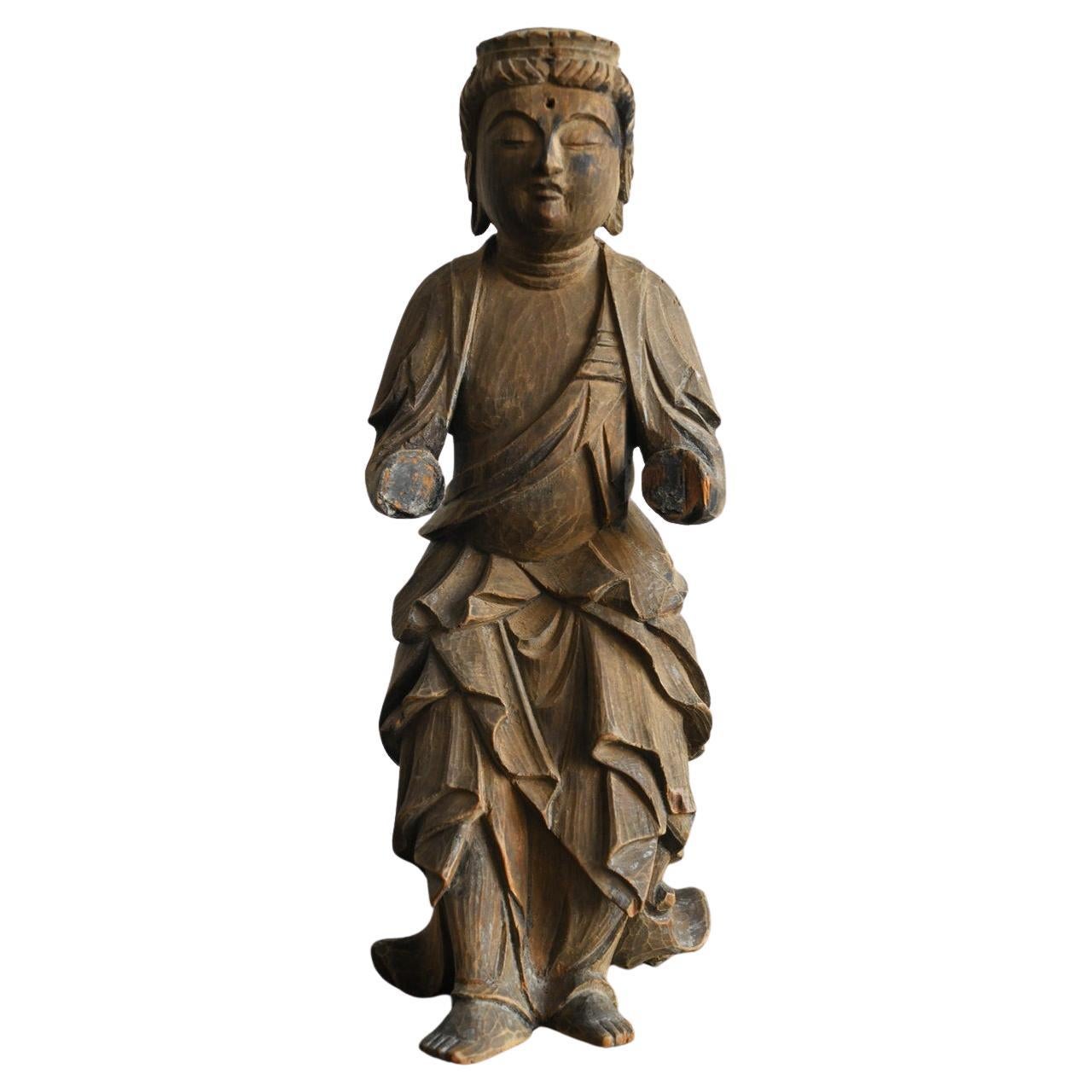
This is a wooden figurine from the Taisho period.
"Hotei-son" is a god who is widely worshiped in Japan as one of the Seven Lucky Gods.
It is modeled after the Zen monk Hotei, who actually existed in China, and is loved as a symbol of family harmony, good fortune, and wealth.
He is characterized by his big round belly and his calm expression, which is always smiling.
A smile brings good fortune, a big belly indicates wealth and satisfaction, and a bag is said to have the power to grant people's wishes.
He is a god who embodies the idea that "good fortune comes to a smiling door," and his appearance gives people a sense of security and happiness.
The warm texture of natural wood and the intricate carvings are attractive. The texture of the bare wood at the feet expresses a simple and warm beauty. The tasteful luster and color increase over time, and the design harmonizes with modern interiors.
In addition to the kitchen, just by placing it in the entrance, study, or living room, you can add a special atmosphere to the space.
Weight 4kg
- Dimensions:Height: 13 in (33 cm)Width: 5.12 in (13 cm)Depth: 5.91 in (15 cm)
- Style:Taisho (Of the Period)
- Materials and Techniques:
- Period:
- Date of Manufacture:1900-1926
- Condition:Wear consistent with age and use. Minor losses. Minor structural damages. Minor fading.
- Seller Location:Katori-Shi, JP
- Reference Number:1stDibs: LU7173242556322
About the Seller
5.0
Vetted Professional Seller
Every seller passes strict standards for authenticity and reliability
Established in 2016
1stDibs seller since 2022
59 sales on 1stDibs
Typical response time: 1 to 2 days
- ShippingRetrieving quote...Shipping from: Katori-Shi, Japan
- Return Policy
More From This Seller
View AllJapanese Antique Wooden Carved Ornaments
Located in Katori-Shi, 12
This is a wooden figurine from the Taisho period.
"Daikokuten" is a traditional Japanese guardian deity that symbolizes good fortune and prosperity.
Daikokuten's distinctive appear...
Category
Early 20th Century Taisho Antiquities
Materials
Wood
Wooden Display Stand, Bonsai Stand, Object, Japanese Antique, Wabi-Sabi
Located in Katori-Shi, 12
This is an antique display stand made from old wood from the Taisho era.
In Japan, it was used as a stand for Bonsai.
It is made of cherry wood and features a lacquer finish.
It gives you a sense of the powerful grandeur of nature and has a timeless dignity.
This display stand can be used in a wide variety of ways, including as a display stand, flower stand, bonsai stand...
Category
Early 20th Century Taisho Antiquities
Materials
Wood
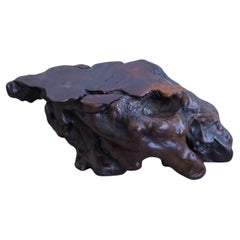
Japanese Antique Display Stand, Bonsai Stand, Wooden Object, Wabi-Sabi
Located in Katori-Shi, 12
This antique display stand was made from old wood from the Taisho period in Japan. In Japan.
It was used as a bonsai stand. It is finished with red lacque...
Category
Early 20th Century Taisho Antiquities
Materials
Wood
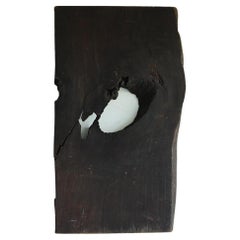
Japanese Antique Wooden Board, "Abstract Sculptures", Wabi-Sabi, Mingei
Located in Katori-Shi, 12
This wooden antique board is from the Meiji period.
It is made of lauan wood.
Years of use and age have given it a beautiful appearance.
Hang it o...
Category
Early 20th Century Meiji Antiquities
Materials
Wood
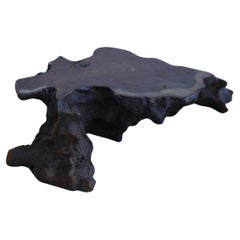
Wooden Display Stand, Bonsai Stand, Object, Japanese Antique, Wabi-Sabi
Located in Katori-Shi, 12
This is an antique display stand made from old wood from the Taisho era.
In Japan, it was used as a stand for Bonsai.
It is made of cherry wood and features a lacquer finish.
It gives you a sense of the powerful grandeur of nature and has a timeless dignity.
This display stand can be used in a wide variety of ways, including as a display stand, flower stand, bonsai stand...
Category
Early 20th Century Taisho Antiquities
Materials
Wood
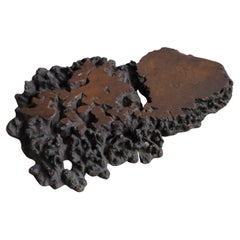
Japanese Antique Display Stand, Bonsai Stand, Wooden Object, Wabi-Sabi
Located in Katori-Shi, 12
This is an attractive antique display stand made from old wood from the Taisho era. This stand has been used in Japan to display Bonsai.
The surface is finished with lacquer.
It is made with a particularly rare burl grain, and the patterns created by the natural burl that occurs during the tree's growth process give it a sense of vitality that cannot be expressed artificially. This unique beauty is highly valued in furniture and crafts.
This display stand can be used not only as a decorative stand, flower stand, or Bonsai stand...
Category
Early 20th Century Taisho Antiquities
Materials
Wood
You May Also Like
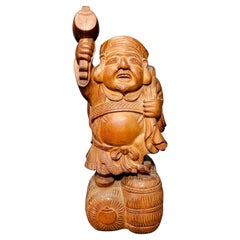
Japanese Wood Carving of Daikokuten, Signed
Dated
Located in Norton, MA
Japanese Wood Carving of Daikokuten, Signed & Dated
Category
20th Century Japanese Sculptures and Carvings
Materials
Wood
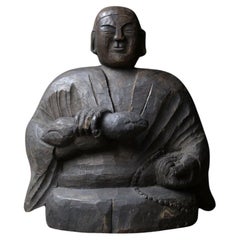
Antique Wooden Sculpture "Kobo Daishi" / Buddha Statues / Edo-Meiji Period
Located in Sammu-shi, Chiba
This is an old Japanese "Kobo Daishi" wooden figure.
"Kobo Daishi" means "Kukai".
"Kukai" was a monk from the early Heian period. His posthumous name was "Kobo Daishi". He is the fou...
Category
Antique 19th Century Japanese Edo Sculptures and Carvings
Materials
Cypress
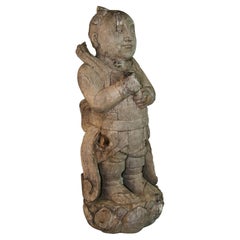
Japanese Carved Wood Sculpture 19th Century
Located in Douglas Manor, NY
1310 Japanese carved wood sculpture.Early 19th century
Category
Antique 1820s Sculptures and Carvings
Materials
Harewood
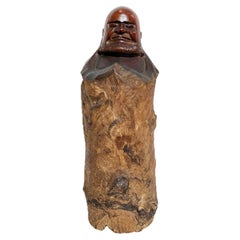
Daruma, Japanese, Carved Wood, Mid-20th Century
Located in Point Richmond, CA
Japanese Wooden Daruma
Daruma, a Japanese Zen God who lost the use of his legs from sitting and meditating on top of the mountain for eternity. It has become a legend in Japanese fo...
Category
Mid-20th Century Japanese Rustic Sculptures and Carvings
Materials
Wood
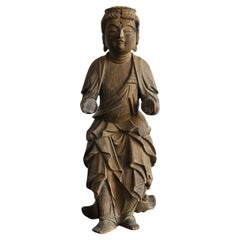
Small wooden Buddha statue from the Edo period in Japan/17th to 19th century
Located in Sammu-shi, Chiba
We are pleased to present a small wood carving of a flanking Bodhisattva made around the Edo period.
This work is thought to be one of the Kannon ...
Category
Antique 18th Century Japanese Edo Figurative Sculptures
Materials
Cypress
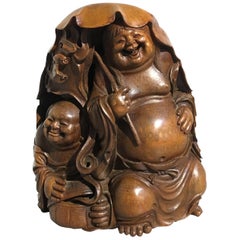
Chinese Qing Dynasty Carved Bamboo HeHe ErXian Group, 19th Century
Located in Austin, TX
A wonderful Chinese bamboo figural carving featuring the Taoist immortal twins of eternal youth, known as the HeHe ErXian, Qing dynasty, 19th century.
F...
Category
Antique 19th Century Chinese Qing Sculptures and Carvings
Materials
Bamboo
More Ways To Browse
Japanese Antiques
Folk Art Japan
Seven Gods
Power To The People
Seven Lucky Gods
Bamboo Or Rattan Coffee Tables
Moroccan Or Moorish Coffee Tables
Slat Coffee Table Or Bench
6 Library Wall Lights Or Sconces
Irish Wake Or Hunt Tables
Greek Or Roman Wall Decor
Our Lady Or Guadalupe Figurine
German Or Austrain Ech Bank Chairs
Small Rattan Or Bamboo Desk
Plaid Armchairs Or Swivel Chairs
Vintage Porcelain Or Bisque Celadon Hand Painted Cherubs Lamps
Wicker Or Rattan Clam Chairs
Narrow Small Credenza Or Sideboard