Items Similar to A Kuosi society elephant mask
Video Loading
Want more images or videos?
Request additional images or videos from the seller
1 of 5
A Kuosi society elephant mask
$1,795.76
£1,342.93
€1,500
CA$2,474.47
A$2,699.58
CHF 1,429.41
MX$32,348.68
NOK 18,204.36
SEK 16,646.53
DKK 11,424.28
About the Item
Bamileke, Cameroon, early 20th century
Among the Bamileke people, only members of the Kuosi society (the elephant society) are permitted to perform elephant masquerades, symbolizing the authority, wealth, and power of the fon (king, ruler, or chief).
Performers wear a hooded mask featuring eyeholes bordered or adorned with beads, allowing for visibility. This mask may include other facial elements, such as a stylized nose or a small opening for the mouth. The hooded covering extends into two long panels—one in the front, resembling an elephant's trunk, and one in the back—accompanied by large discs that represent the elephant’s ears, which are typically circular but may be slightly oblong or trapezoidal. Additionally, performers adorn themselves with prestige garments: tunics or skirts made of ndop (patterned cotton fabric dyed with indigo), a conical headdress adorned with red feathers, and a leopard skin draped on the back. They may also hold a beaded horse-tail flywhisk, another symbol of prestige.
Provenance:
- Collection Rinck Hollnberger (Purchased in the 1980s or 1990s)
- Dimensions:Height: 54.34 in (138 cm)Width: 21.26 in (54 cm)Depth: 5.12 in (13 cm)
- Materials and Techniques:
- Place of Origin:
- Period:
- Date of Manufacture:Early 20th century
- Condition:Wear consistent with age and use.
- Seller Location:Amsterdam, NL
- Reference Number:1stDibs: LU5458242205462
About the Seller
5.0
Recognized Seller
These prestigious sellers are industry leaders and represent the highest echelon for item quality and design.
Established in 1985
1stDibs seller since 2020
23 sales on 1stDibs
Typical response time: 11 hours
- ShippingRetrieving quote...Shipping from: Maastricht, Netherlands
- Return Policy
More From This Seller
View AllA Huli wigman
s ceremonial headdress
Located in Amsterdam, NL
Papua New Guinea, Central Highlands, Huli people, 1st half 20th century
Crafted from the wearer’s own hair and adorned with colorful bird-of-paradise feathers, flowers, scarab beetl...
Category
20th Century Papua New Guinean Tribal Art
Materials
Shell, Feathers
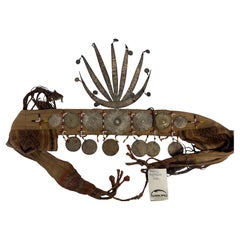
An exquisite warrior
s headdress or
Kaibauk
Located in Amsterdam, NL
Amarasi district, Kupang regency, West Timor island, early 20th century
Category
Early 20th Century Timorese Tribal Art
Materials
Metal
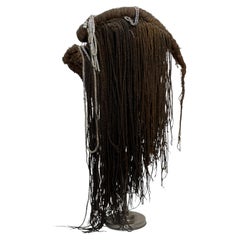
A Mbukushu braided headdress
Located in Amsterdam, NL
Mbukushu / Kavango Group, Botswana/Namibia/Angola, Early 20th century
An exquisite and old example of a Mbukushu braided wig headdress, featuring a leather or hide base that has na...
Category
Early 20th Century Namibian Tribal Art
Materials
Leather, Shell, Natural Fiber
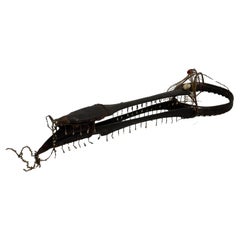
An Illongot headdress
Located in Amsterdam, NL
Ifugao, Northern Philippines, 19th century
Decorated with different kinds of beadwork and the bill of a Kalaw bird (hornbill).
Historically, only those who had proven themselves th...
Category
Antique 19th Century Philippine Tribal Art
Materials
Shell, Natural Fiber, Wood, Beads
$2,873
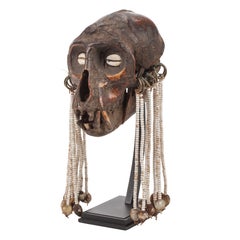
A pair of monkey skull amulets
Located in Amsterdam, NL
Probably Papua New Guinea, or Borneo, Dayak, late 19th/early 20th century
H. approx. 12 cm (incl. stand, each)
Provenance:
Private collection, Flanders
Category
Antique Late 19th Century Papua New Guinean Tribal Art
Materials
Shell, Beads
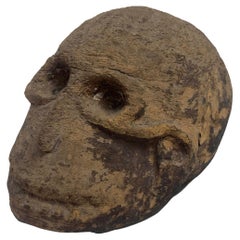
An ancient Papua wooden substitute headhunters
s head
Located in Amsterdam, NL
Papua New Guinea, 18th-19th century
L. 22.5 x W. 18 cm (approx.)
Provenance:
Collected by Schulze-Westrum
Collection Rinck Hollnberger, Munich (purchased in the 1980s or 1990s)
For a comparable skull see the collection of the Metropolitan Museum of Art in New York.
The heads of humans and of animals such as crocodiles and pigs formerly played integral roles in the ceremonial life of Papuan Gulf peoples, who considered the heads to be vessels of life-giving supernatural power. Within men’s ceremonial houses, human skulls were displayed, together with sacred images such as spirit boards or gope, by the members of each clan in a specially constructed clan shrine. However, not all heads required the death of an enemy. In some areas, heads made from wood or other materials appear to have had powers equal to actual ones. In contrast to skulls, the facial features of wood heads were sometimes depicted as they appeared in life.
This example comes from the Wapo Creek area, where wood heads appear to have been used interchangeably with actual skulls. When headhunting was abolished by Australian colonial...
Category
Antique 19th Century Papua New Guinean Tribal Art
Materials
Wood
You May Also Like
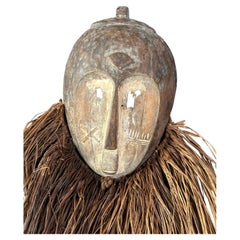
Small tribal mask
Located in Munich, DE
Add a touch of culture with this striking tribal mask. Its intricate design makes it a captivating decorative piece for any wall. Size without the feathers: 22cmx14cmx8cm.
Category
Antique 19th Century Masks
Materials
Wood
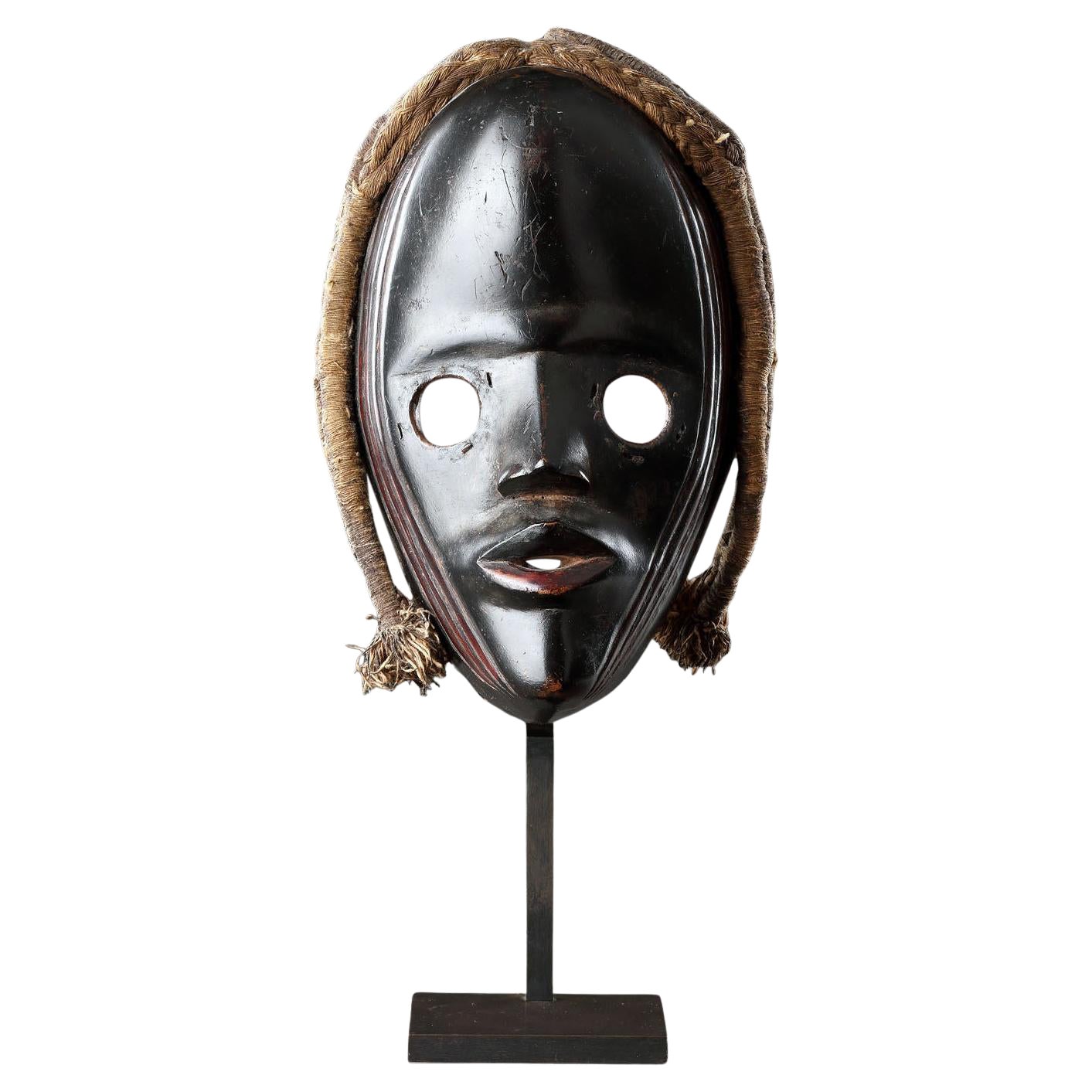
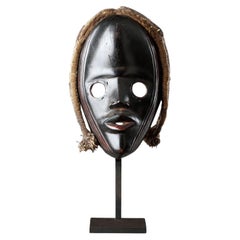
A Finely Carved Dan Mask
Located in London, GB
A Finely Carved Dan Mask
Of exceptional form, colour and patina
Wood, fibre (braid)
Ivory Coast
Early 20th Century
Size: 25cm high - 10¾ ins high
Provenance:
Ex Guy Montaibou c...
Category
Early 20th Century Ivorian Tribal Art
Materials
Natural Fiber, Wood
$25,000
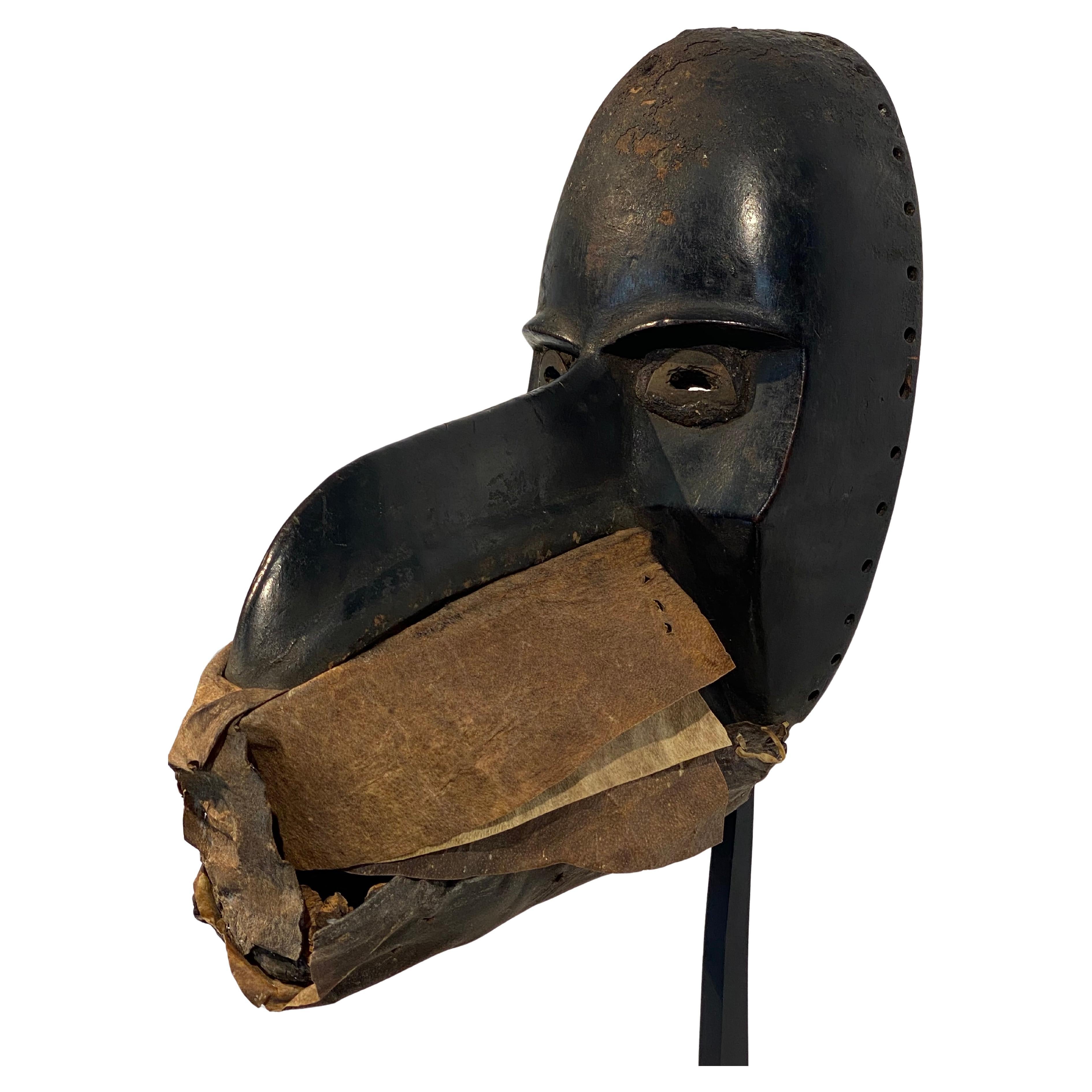
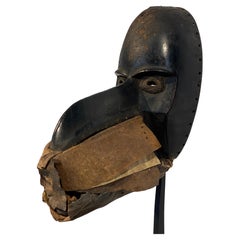
African Dan Mask
Located in Schellebelle, BE
An exceptional Bird DAN Mask from Ivory Coast,
from around the 1960ies,
ex-collection from Tony Berlant, Santa Monica, California, USA,
great patina and wear of the mask,
an exceptio...
Category
Vintage 1960s African Tribal Art
Materials
Wood
$3,292
Small tribal mask
Located in Munich, DE
Add a touch of culture with this striking small tribal mask. Its intricate design makes it a captivating decorative piece for any wall.
Category
Antique 19th Century Masks
Materials
Wood
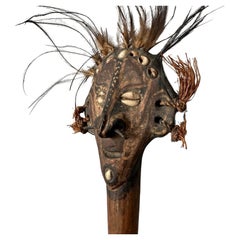
African Lwalwa Tribal Mask
Located in Montreal, QC
African Lwalwa tribal mask enhanced with white pigment on the mouth and ears.
Category
Vintage 1960s Congolese Masks
Materials
Wood
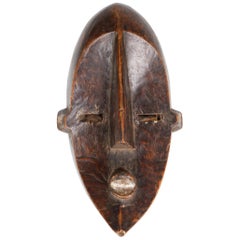
Pende-Style Antelope Mask
Located in Chicago, IL
Masks from the Pende people of the Democratic Republic of the Congo are considered some of the most dramatic works of African art. The Pende have defined an extensive range of mask forms, many with distinct characters embodied during ritual ceremony. Colored by red and white pigments, this Pende mask...
Category
Mid-20th Century Congolese Tribal Masks
Materials
Wood