Ceramic Folk Art

to
423
1,034
822
1,647
252
84
285
195
133
37
33
22
18
14
13
11
4
4
4
3
3
3
1
114
287
1,246
336
109
405
249
14
2
9
21
15
63
86
117
35
28
4,847
2,966
2,924
1,983
1,668
1,029
562
516
393
172
1,983
1,846
1,894
55
53
32
26
25
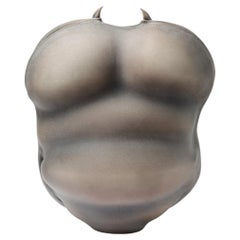
Material: Ceramic
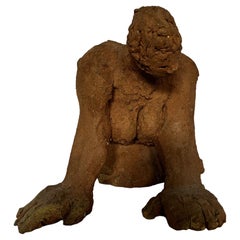
Midcentury Female Studio Sculpture by artist Joyce Pines
Located in Wainscott, NY
Hand-molded feminine form sculpture crafted by artist Joyce Pines.
Category

Mid-20th Century American Ceramic Folk Art

Materials

Clay

Alice Gavalet, Ceramic sculpture
Located in London, GB
Painted earthenware H45 x D20 cm
Category

21st Century and Contemporary Ceramic Folk Art

Materials

Ceramic

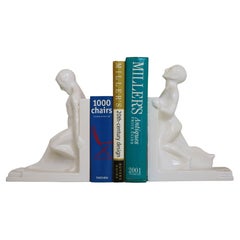
Antique Dutch Art Deco Bookends by Godefridus Boonenkamp 1931 Ceramic Pottery
Located in Ijzendijke, NL
Gorgeous Dutch ceramic pottery Art Deco bookends. Designed by Godefridus Boonenkamp in 1931. Very nice, large bookends, made of white baked earthenware ...
Category

1930s Dutch Art Deco Vintage Ceramic Folk Art

Materials

Ceramic, Pottery

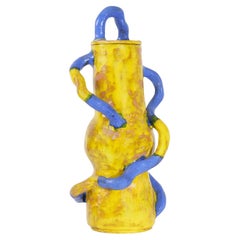
Mike Dodd, Large amphora type vessel
Located in London, GB
Impressed mark H41 x D25 cm
Category

20th Century Ceramic Folk Art

Materials

Ceramic

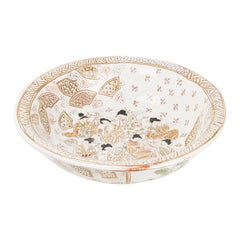
1690 Ceramics, Large 1690 Satsuma bowl
Located in London, GB
Sgraffito and hand-painted glazes on terracotta H11 x D37 cm
Category

21st Century and Contemporary Ceramic Folk Art

Materials

Terracotta

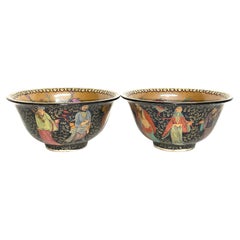
Pair of Antique Chinese Ceramic Bowls, 20th Century, Asian Art
Located in Berlin, DE
Pair of antique Chinese ceramic bowls. 20th century. Asian art. Decorative and richly painted ceramic bowls.
Category

20th Century Ceramic Folk Art

Materials

Ceramic, Porcelain

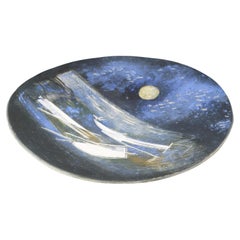
Unique Ceramic Dish With motif Of Boats Under Moonlit Sky By Jeppe H. Olsen
Located in Lejre, DK
Unique ceramic dish by Jeppe Hagedorn-Olsen (1929–2011), who was a renowned Danish ceramist and painter, educated at the Royal Danish Academy of Fine Arts in Copenhagen and the ceram...
Category

Late 20th Century Danish Mid-Century Modern Ceramic Folk Art

Materials

Ceramic

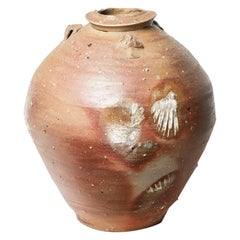
Nic Collins, Ovoid Stoneware Vase
By Nic Collins
Located in London, GB
Wood fired with lug handles and applied fossil details. Incised 'Nic Collins'. H34 x D30 cm
Category

20th Century Ceramic Folk Art

Materials

Stoneware

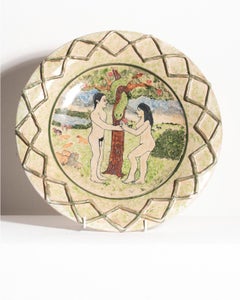
Prue Piper, Adam and Eve plate
Located in London, GB
Painted embellished moulded plate earthenware D31 cm
Category

21st Century and Contemporary Ceramic Folk Art

Materials

Stoneware

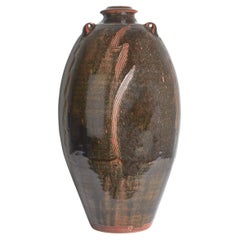
Phil Rogers, Tall Stoneware Tenmoku Bottle Vase
Located in London, GB
Folded handles, incised rippling design H50 cm
Category

20th Century Ceramic Folk Art

Materials

Earthenware

French, Fish charger
Located in London, GB
Ceramic H5 x W48 x D31 cm
Category

20th Century Ceramic Folk Art

Materials

Ceramic

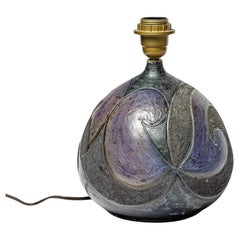
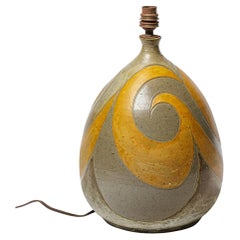
Stoneware lamp with geometric decoration by Georges Martin, circa 1970-1980.
Located in Saint-Ouen, FR
Stoneware lamp with geometric decoration by Georges Martin. Artist monogram on the base. Circa 1970-1980. H : 7.9 x 7.9 inches (ceramic only). Sold with a European electrical system.
Category

1970s French Beaux Arts Vintage Ceramic Folk Art

Materials

Ceramic

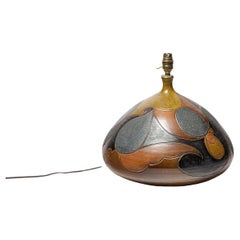
Stoneware lamp with geometric decoration by Georges Martin, circa 1970-1980.
Located in Saint-Ouen, FR
Stoneware lamp with geometric decoration by Georges Martin. Artist monogram on the base. Circa 1970-1980. H : 14.6 x 7.5 inches (ceramic only). Sold with a European electrical system.
Category

1970s French Beaux Arts Vintage Ceramic Folk Art

Materials

Ceramic

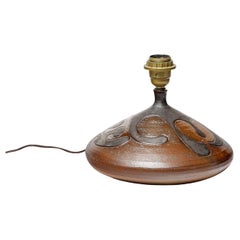
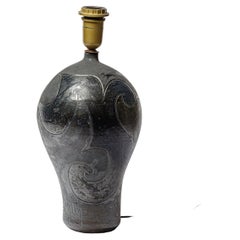
Stoneware lamp with geometric decoration by Georges Martin, circa 1970-1980.
Located in Saint-Ouen, FR
Stoneware lamp with geometric decoration by Georges Martin. Artist monogram on the base. Circa 1970-1980. H : 5.9 x 10.2 inches (ceramic only). Sold with a European electrical system.
Category

1970s French Beaux Arts Vintage Ceramic Folk Art

Materials

Ceramic

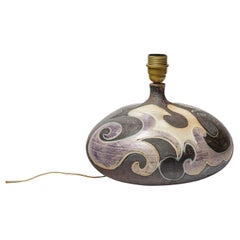
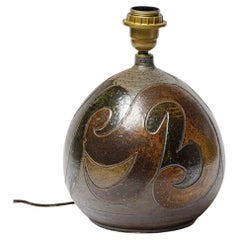
Stoneware lamp with geometric decoration by Georges Martin, circa 1970-1980.
Located in Saint-Ouen, FR
Stoneware lamp with geometric decoration by Georges Martin. Artist monogram on the base. Circa 1970-1980. H : 6.7 x 11 inches (ceramic only). Sold with a European electrical system.
Category

1970s French Beaux Arts Vintage Ceramic Folk Art

Materials

Ceramic

Stoneware lamp with geometric decoration by Georges Martin, circa 1970-1980.
Located in Saint-Ouen, FR
Stoneware lamp with geometric decoration by Georges Martin. Artist monogram on the base. Circa 1970-1980. H : 11.8 x 9 inches (ceramic only). Sold with a European electrical system.
Category

1970s French Beaux Arts Vintage Ceramic Folk Art

Materials

Ceramic

Stoneware lamp with geometric decoration by Georges Martin, circa 1970-1980.
Located in Saint-Ouen, FR
Stoneware lamp with geometric decoration by Georges Martin. Artist monogram on the base. Circa 1970-1980. H : 10.6 x 12.9 inches (ceramic only). Sold with a European electrical system.
Category

1970s French Beaux Arts Vintage Ceramic Folk Art

Materials

Ceramic

Stoneware lamp with geometric decoration by Georges Martin, circa 1970-1980.
Located in Saint-Ouen, FR
Stoneware lamp with geometric decoration by Georges Martin. Artist monogram on the base. Circa 1970-1980. H : 12.9 x 7.5 inches (ceramic only). Sold with a European electrical system.
Category

1970s French Beaux Arts Vintage Ceramic Folk Art

Materials

Ceramic

Stoneware lamp with geometric decoration by Georges Martin, circa 1970-1980.
Located in Saint-Ouen, FR
Stoneware lamp with geometric decoration by Georges Martin. Artist monogram on the base. Circa 1970-1980. H : 9.05 x 7.7 inches (ceramic only). Sold with a European electrical system.
Category

1970s French Beaux Arts Vintage Ceramic Folk Art

Materials

Ceramic

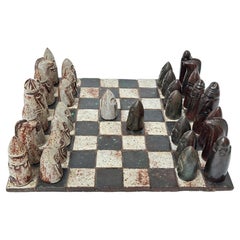
Stoneware Chess Game, Andrée Hirlet, Paris c. 1960
By Andrée Hirlet-Albrieux
Located in St Ouen, FR
Exceptional achievement in modeled stoneware with great attention to details giving each piece an intrinsic decorative value. Handwritten signature on the back of the chessboard. M...
Category

1960s French Folk Art Vintage Ceramic Folk Art

Materials

Stoneware

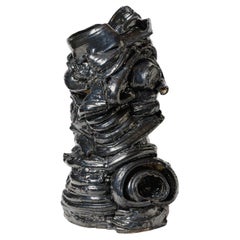
Large floor vase in black glazed ceramic by Patrick Crulis, 2024
Located in Saint-Ouen, FR
Large floor vase in black glazed ceramic by Patrick Crulis. 2024. Unique piece. H : 28.3 x 15.7 x 15.7 inches. Approximate sizes.
Category

21st Century and Contemporary French Beaux Arts Ceramic Folk Art

Materials

Ceramic

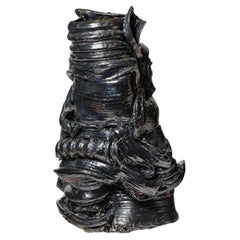
Large floor vase in black glazed ceramic by Patrick Crulis, 2024
Located in Saint-Ouen, FR
Large floor vase in black glazed ceramic by Patrick Crulis. 2024. Unique piece. H : 27.9 x 15.7 x 19.7 inches. Approximate sizes.
Category

21st Century and Contemporary French Beaux Arts Ceramic Folk Art

Materials

Ceramic

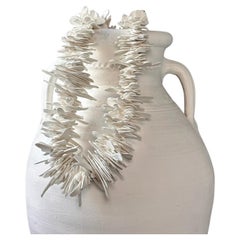
Blanco Nobilis Spina Garland
Located in Atlanta, GA
Inspired by the tribal bone garlands worn by the Vajrayana Buddhists of Tibet, this garland is a striking statement in sculptural minimalism, this hand-formed clay garland drapes ele...
Category

2010s American Tribal Ceramic Folk Art

Materials

Clay

Ceramic Bowl Model 20.717 Made In Oxblood Colored Glaze By Axel Salto
Located in Lejre, DK
Ceramic bowl, model 20.717, with oxblood colored glaze, designed by Axel Salto for Royal Copenhagen. The bowl is a classic example of Salto's experimental approach to ceramics, where...
Category

19th Century Danish Mid-Century Modern Antique Ceramic Folk Art

Materials

Ceramic

Mammoth Tarahumara Indian Beer Fermenting Pot with Exquisite Fire Clouds Pattern
Located in Los Angeles, CA
Tarahumara Indian beer fermenting pot. Sierra Tarahumara mountains, Chihuahua, Mexico. 1920s. Low fire clay. Measures: 21.50 inches height. x 26.50 inches in diameter. An earl...
Category

Early 20th Century Mexican Native American Ceramic Folk Art

Materials

Clay

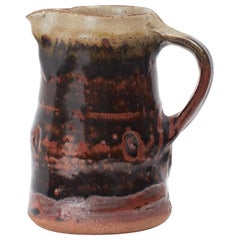
Jim Malone, Pouring vessel
Located in London, GB
Glazed stoneware H16 x W13 cm
Category

20th Century Ceramic Folk Art

Materials

Stoneware

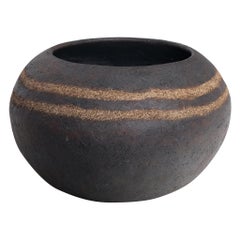
Jane Kite, Stripe Bowl
Located in London, GB
Crank clays with oxides H18 x D27 cm
Category

21st Century and Contemporary Ceramic Folk Art

Materials

Clay

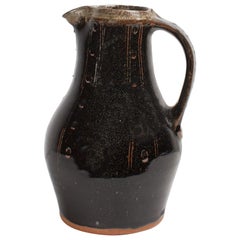
Jim Malone, Stoneware Ceramic Jug
Located in London, GB
Stoneware with Tenmoku Glaze H27 x W18 x D18 cm
Category

20th Century Ceramic Folk Art

Materials

Stoneware

Nicola Tassie, Solo
Located in London, GB
2018 Hand thrown and glazed stoneware H19 x W16 x D40 cm
Category

21st Century and Contemporary Ceramic Folk Art

Materials

Stoneware

Clement Massier, Art Nouveau Flower Spike, Vallauris, circa 1900
Located in Saint-Ouen, FR
Clement Massier, art nouveau flower spike, Vallauris circa 1900.
Category

Late 19th Century French Art Nouveau Antique Ceramic Folk Art

Materials

Ceramic

Ditte Blohm, Oona
Located in London, GB
Porcelaine, transparent glaze H38 x D36 cm
Category

21st Century and Contemporary Ceramic Folk Art

Materials

Porcelain

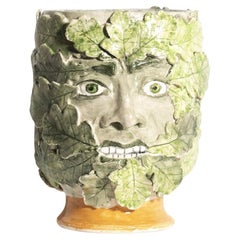
Prue Piper, Double Faced Green Man Vessel Horror fury
Located in London, GB
Decorated earthenware H17.5 x D12 cm
Category

21st Century and Contemporary Ceramic Folk Art

Materials

Earthenware

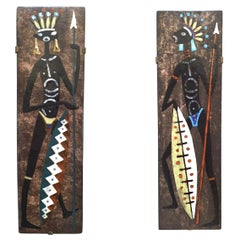
Prunella Clough, Pair of wall plaques
Located in London, GB
c.1960s Ceramic H46 x W13.5 cm
Category

20th Century Ceramic Folk Art

Materials

Stoneware

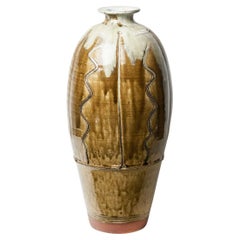
Jim Malone, Large Stoneware Combed Vase
Located in London, GB
Mushroom glaze on an olive ground. Impressed artist's monogram with Ainstable mark. H47 x D24 cm
Category

20th Century Ceramic Folk Art

Materials

Stoneware

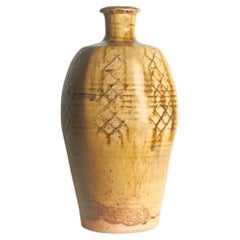
Phil Rogers, Stoneware Bottle Vase
Located in London, GB
Stoneware H38 x W17 x D17 cm
Category

20th Century Ceramic Folk Art

Materials

Stoneware

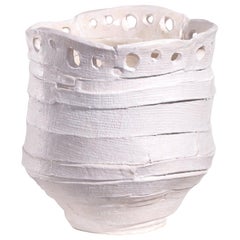
Maryanne Nicholls, Low Vessel with Cut-out Details
Located in London, GB
White glaze H29 x W31 cm With maker’s mark
Category

21st Century and Contemporary Ceramic Folk Art

Materials

Ceramic

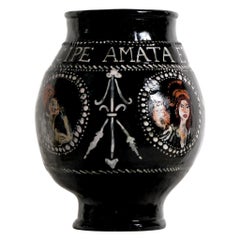
Amata Benedict, Felix Amata Vase
Located in London, GB
Glazed ceramic
Category

21st Century and Contemporary Ceramic Folk Art

Materials

Ceramic

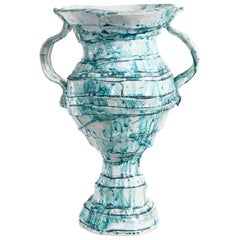
Maryanne Nicholls, Green Handled Vessel
Located in London, GB
Green and white glaze H48 x W24 cm With maker’s mark
Category

21st Century and Contemporary Ceramic Folk Art

Materials

Ceramic

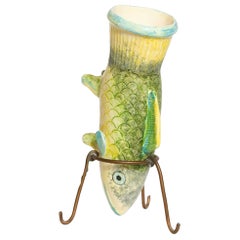
Prue Piper, Rainbow Parrot Fish Vessel
Located in London, GB
Decorated earthenware with stand H22 x W11 x D7.5 cm
Category

21st Century and Contemporary Ceramic Folk Art

Materials

Earthenware

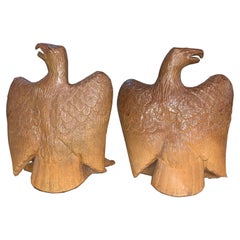
Antique Terra Cotta Federal Eagles Pair
Located in Sag Harbor, NY
Early antique federal eagles [pair] beautiful glaze. ca 1900, came from an antique collectors personal collection, you can see a repair on one of the eag...
Category

Early 20th Century French Federal Ceramic Folk Art

Materials

Terracotta

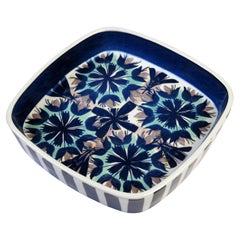
Danish ceramics from the 1950s by the Royal Copenhagen workshop in Denmark
Located in SAINT-YRIEIX-SUR-CHARENTE, FR
Small ceramic dish by Marianne Johnson for Royal Copenhagen in the 1950s, from the ‘Tenera’ series. 17x17cm H:3,5cm Royal Copenhagen is one of Europe's oldest porcelain manufacturer...
Category

Mid-20th Century Danish Mid-Century Modern Ceramic Folk Art

Materials

Ceramic, Porcelain

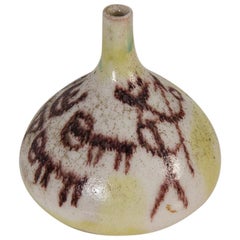
Guido Gambone Bud Vase
Located in Brooklyn, NY
Rustic bud vase by master ceramicist Guido Gambone. Hand-thrown in an alluring organic shape with an elongated neck. The vase depicts a pastoral scene of a shepherd with his herd pai...
Category

Mid-20th Century Italian Mid-Century Modern Ceramic Folk Art

Materials

Stoneware

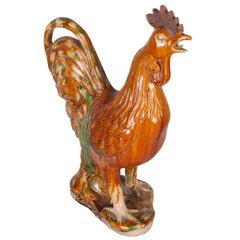
Painted Terra Cotta Rooster
Located in Washington, DC
Category

20th Century French Ceramic Folk Art

Materials

Terracotta

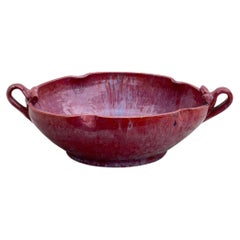
Handcrafted Magenta Ceramic Bowl with Handles, Mid-Century Modern, USA
Located in West Hollywood, CA
This striking handmade ceramic bowl features a rich magenta glaze with subtle tonal variations that highlight its artisanal, studio-crafted character. The bowl has a wide, shallow fo...
Category

20th Century American Mid-Century Modern Ceramic Folk Art

Materials

Ceramic

Alf Wallander for Rörstrand Vessel
Located in Brooklyn, NY
Art Nouveau vase designed by noted Scandinavian ceramicist, Alf Wallander for Rörstrand, Sweden, circa 1904. Signed by artist on underside. 
Category

Early 1900s Swedish Art Nouveau Antique Ceramic Folk Art

Materials

Ceramic

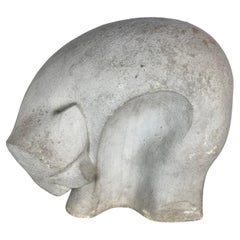
W P A Style Terracotta "Bear" Sculpture, Art Deco, Modern
Located in Buffalo, NY
W P A style terracotta "BEAR" sculpture, Art Deco, Modern, charming stylized depiction. Painted, minor chipping (bottom).
Category

1930s Unknown Folk Art Vintage Ceramic Folk Art

Materials

Terracotta

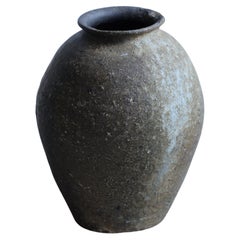
Japanese Autique Vase, Pottery, Wabi-Sabi
Located in Katori-Shi, 12
This is an antique piece of Japanese pottery. It is a valuable item that is thought to have been made before the Edo period (1600s to 1860s). Its beautiful color and unique texture...
Category

Early 20th Century Japanese Edo Ceramic Folk Art

Materials

Pottery

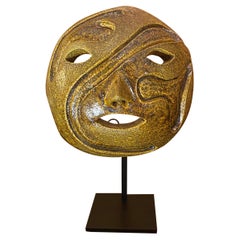
Ceramic Mask, Accolay, France, 1960s
Located in Paris, FR
Ceramic mask, Accolay, France, 1960s. Accolay was a pottery center in France, north of Burgundy, founded amongst others, by 4 students of Alexandre Kostanda. Active between 1945 and...
Category

1960s French Vintage Ceramic Folk Art

Materials

Ceramic

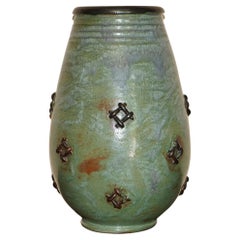
1 of 3 Signed Period Roger Guerin 1896-1954 Ceramic Stoneware Pottery Vase Pots
Located in West Sussex, Pulborough
We are delighted to offer for sale this one of a kind, fully signed, original circa 1930 Roger Guerin ceramic pots of large proportions. I have three posts for sale, one has a stitched detailing, another, fler de lis and lastly one with handles and Deers, this sale is for the pot pictured alone, the others are listed under my other items and not included in this sale Roger Guèrin (1896-1954) was one of the leading Belgian ceramists in Bouffioulx near Charleroi. Typical was his use of flowing glazes in his decorations. He was true to the history of this region, often working on a type of hard ceramic (fired to over 1250 degrees Celsius) which was made there since the late Middle Ages. He exhibited at the Paris expos...
Category

1930s Belgian Art Deco Vintage Ceramic Folk Art

Materials

Stoneware

Sculpture in Black Glazed Stoneware, Jean-Pierre Bonardot, circa 1990-2000
Located in Saint-Ouen, FR
Sculpture in black glazed stoneware by Jean-Pierre Bonardot. Artist signature under the base « JP Bonnardot ». Unique piece. Circa 1990-2000. H : 13.8’ x 18.5’ x 10.6’ inches.
Category

20th Century French Beaux Arts Ceramic Folk Art

Materials

Ceramic

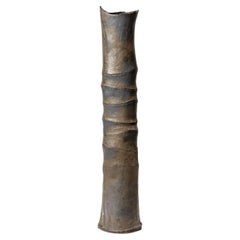
Large Tubular Vase in Black Glazed Stoneware, Jean-Pierre Bonardot, circa 1990
Located in Saint-Ouen, FR
Large tubular vase « Bambou » in black glazed stoneware by Jean-Pierre Bonardot. Artist monogram under the base. Unique piece. Circa 1990. H : 30.3’ X 6.3’ X 5.1’ inches.
Category

20th Century French Beaux Arts Ceramic Folk Art

Materials

Ceramic

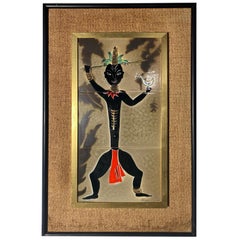
Modernist Studio Ceramic Tile Art by Irina Lorin
By Gills Lorin
Located in Buffalo, NY
Framed mid-20th century Irina Lorin Signed ceramic art tile of figure, consisting of three framed tiles, mid-20th century. 3 tiles measuring 8" x 11" retai...
Category

1950s American Mid-Century Modern Vintage Ceramic Folk Art

Materials

Ceramic, Grasscloth, Wood

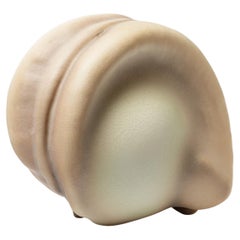
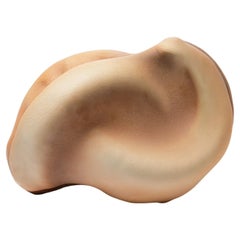
Porcelain Sculpture by Wayne Fischer, 2006
Located in Saint-Ouen, FR
A porcelain sculpture by Wayne Fischer. Perfect original conditions. Signed. Unique piece. 2006. How can an inert object produce deeply unsuspecting, indecipherable, uncontrollable emotions? Wayne Fischer is an artist who can create works that force one to ask such moving questions as this. If he doesn’t know why, if he can’t explain the deepest reasons of his artistic research, he definitely knows the workings and limitations of the artistic process he invented. He has never deviated from the course he set for himself since university; translate life. The works presented here show the evolution of his creations over the past thirty years. If Wayne Fischer has received several international prizes and quickly obtained the recognition of his peers in ceramics, nevertheless he retains a singular position at once unavoidable and disturbing. His sculptures are paradoxical, powerful and sensual, and cause a certain unease. They are beautiful, carnal, touchable, all the while being outside the standard idea of beauty. The ambiguity of attraction and rejection is at the heart of this evolution. The pieces from the 1980s and 90s are imposing by their size, stature and symmetry, which give them balance. They generate surprise, curiosity and play between contrasts that are both soft and aggressive. They reference the body, muscles, and torso, without presenting an exact reality. They are double-faced, seductive, and enigmatic. Wayne’s shapes are inspired by shells, bivalves, sometimes presented as though they are floating in space. But the reference of the marine world to the mysterious female body has only one interpretation and only history and emotion condition the reaction of the spectator: he accepts or refuses to see, to be seduced. He is touched or he flees. The more recent sculptures are appreciated in the fullness of their round volume and the search for a pure universal beauty. “Metamorphosis,” the work recently awarded by the Bettencourt Foundation, is from this series of pieces wheel- thrown and deformed which pushes the porcelain from the inside so the bulges evoke the movement of waves or the musculature of several bodies. The exactness, the clean breaks, the assurance of lines and valleys are testimony to the interior power that governs the creation. The life energy expressed is also felt by the artist as the origin of ceramics. All the pieces are curved and tense. They show no marking, no sign of the hand, no imprints, and yet give an impression of spontaneity, as if a dropped piece of clay found its form by chance. Depending on the angles, the content becomes “the origins of the world”. Femininity and sensuality are exalted. Inspired by the body, before and after birth, or simply the sea, the parts of the sculpture conjugate around a mysterious interior cavity, secret and troubling. The interior wall doesn’t correspond to the exterior, and has its own volumes, deformities, and intimacy. The pieces present two kinds of interior: one open, and partially uncovered, the other totally hidden inside. The differences of their respective deformation reinforce the impression of life : the subjective representation of muscles and bones, of bulges pushed by an interior force, like a visceral movement of respiration. The surface of the ceramic is crackled but soft and fine, even reflecting light like the skin. The nuances of color reinforce the expression of sensuality. The alignment of technique and what it causes one to see and feel has rarely been so intimately successful. Wayne Fischer perfected his technique in the 1970s and has remained faithful to it. He adds fibers to porcelain clay that has been chosen for its whiteness to create and accentuate volume around empty space, by assembling slabs or thrown pieces. Then, he makes another piece that takes its place inside; both parts are formed with no hand...
Category

21st Century and Contemporary French Beaux Arts Ceramic Folk Art

Materials

Ceramic

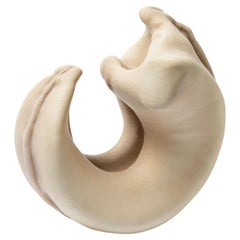
Porcelain Sculpture by Wayne Fischer, 2022
Located in Saint-Ouen, FR
A porcelain sculpture by Wayne Fischer. Perfect original conditions. Signed. Unique piece. 2022. How can an inert object produce deeply unsuspecting, indecipherable, uncontrol...
Category

21st Century and Contemporary French Beaux Arts Ceramic Folk Art

Materials

Ceramic

A porcelain sculpture by Wayne Fischer, 2022
Located in Saint-Ouen, FR
A porcelain sculpture by Wayne Fischer. Perfect original conditions. Signed. Unique piece. 2022. How can an inert object produce deeply unsuspecting, indecipherable, uncontrollable emotions? Wayne Fischer is an artist who can create works that force one to ask such moving questions as this. If he doesn’t know why, if he can’t explain the deepest reasons of his artistic research, he definitely knows the workings and limitations of the artistic process he invented. He has never deviated from the course he set for himself since university; translate life. The works presented here show the evolution of his creations over the past thirty years. If Wayne Fischer has received several international prizes and quickly obtained the recognition of his peers in ceramics, nevertheless he retains a singular position at once unavoidable and disturbing. His sculptures are paradoxical, powerful and sensual, and cause a certain unease. They are beautiful, carnal, touchable, all the while being outside the standard idea of beauty. The ambiguity of attraction and rejection is at the heart of this evolution. The pieces from the 1980s and 90s are imposing by their size, stature and symmetry, which give them balance. They generate surprise, curiosity and play between contrasts that are both soft and aggressive. They reference the body, muscles, and torso, without presenting an exact reality. They are double-faced, seductive, and enigmatic. Wayne’s shapes are inspired by shells, bivalves, sometimes presented as though they are floating in space. But the reference of the marine world to the mysterious female body has only one interpretation and only history and emotion condition the reaction of the spectator: he accepts or refuses to see, to be seduced. He is touched or he flees. The more recent sculptures are appreciated in the fullness of their round volume and the search for a pure universal beauty. “Metamorphosis,” the work recently awarded by the Bettencourt Foundation, is from this series of pieces wheel- thrown and deformed which pushes the porcelain from the inside so the bulges evoke the movement of waves or the musculature of several bodies. The exactness, the clean breaks, the assurance of lines and valleys are testimony to the interior power that governs the creation. The life energy expressed is also felt by the artist as the origin of ceramics. All the pieces are curved and tense. They show no marking, no sign of the hand, no imprints, and yet give an impression of spontaneity, as if a dropped piece of clay found its form by chance. Depending on the angles, the content becomes “the origins of the world”. Femininity and sensuality are exalted. Inspired by the body, before and after birth, or simply the sea, the parts of the sculpture conjugate around a mysterious interior cavity, secret and troubling. The interior wall doesn’t correspond to the exterior, and has its own volumes, deformities, and intimacy. The pieces present two kinds of interior: one open, and partially uncovered, the other totally hidden inside. The differences of their respective deformation reinforce the impression of life : the subjective representation of muscles and bones, of bulges pushed by an interior force, like a visceral movement of respiration. The surface of the ceramic is crackled but soft and fine, even reflecting light like the skin. The nuances of color reinforce the expression of sensuality. The alignment of technique and what it causes one to see and feel has rarely been so intimately successful. Wayne Fischer perfected his technique in the 1970s and has remained faithful to it. He adds fibers to porcelain clay that has been chosen for its whiteness to create and accentuate volume around empty space, by assembling slabs or thrown pieces. Then, he makes another piece that takes its place inside; both parts are formed with no hand...
Category

21st Century and Contemporary French Beaux Arts Ceramic Folk Art

Materials

Ceramic

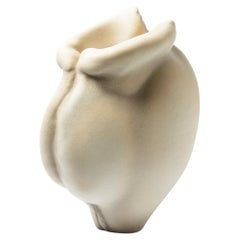
A porcelain sculpture by Wayne Fischer, 2015
Located in Saint-Ouen, FR
A porcelain sculpture by Wayne Fischer. Perfect original conditions. Signed. Unique piece. 2015. How can an inert object produce deeply unsuspecting, indecipherable, uncontrollable emotions? Wayne Fischer is an artist who can create works that force one to ask such moving questions as this. If he doesn’t know why, if he can’t explain the deepest reasons of his artistic research, he definitely knows the workings and limitations of the artistic process he invented. He has never deviated from the course he set for himself since university; translate life. The works presented here show the evolution of his creations over the past thirty years. If Wayne Fischer has received several international prizes and quickly obtained the recognition of his peers in ceramics, nevertheless he retains a singular position at once unavoidable and disturbing. His sculptures are paradoxical, powerful and sensual, and cause a certain unease. They are beautiful, carnal, touchable, all the while being outside the standard idea of beauty. The ambiguity of attraction and rejection is at the heart of this evolution. The pieces from the 1980s and 90s are imposing by their size, stature and symmetry, which give them balance. They generate surprise, curiosity and play between contrasts that are both soft and aggressive. They reference the body, muscles, and torso, without presenting an exact reality. They are double-faced, seductive, and enigmatic. Wayne’s shapes are inspired by shells, bivalves, sometimes presented as though they are floating in space. But the reference of the marine world to the mysterious female body has only one interpretation and only history and emotion condition the reaction of the spectator: he accepts or refuses to see, to be seduced. He is touched or he flees. The more recent sculptures are appreciated in the fullness of their round volume and the search for a pure universal beauty. “Metamorphosis,” the work recently awarded by the Bettencourt Foundation, is from this series of pieces wheel- thrown and deformed which pushes the porcelain from the inside so the bulges evoke the movement of waves or the musculature of several bodies. The exactness, the clean breaks, the assurance of lines and valleys are testimony to the interior power that governs the creation. The life energy expressed is also felt by the artist as the origin of ceramics. All the pieces are curved and tense. They show no marking, no sign of the hand, no imprints, and yet give an impression of spontaneity, as if a dropped piece of clay found its form by chance. Depending on the angles, the content becomes “the origins of the world...
Category

21st Century and Contemporary French Beaux Arts Ceramic Folk Art

Materials

Ceramic

Porcelain Sculpture by Wayne Fischer, 2022
Located in Saint-Ouen, FR
A porcelain sculpture by Wayne Fischer. Perfect original conditions. Signed. Unique piece. 2022. How can an inert object produce deeply unsuspecting, indecipherable, uncontrollable emotions? Wayne Fischer is an artist who can create works that force one to ask such moving questions as this. If he doesn’t know why, if he can’t explain the deepest reasons of his artistic research, he definitely knows the workings and limitations of the artistic process he invented. He has never deviated from the course he set for himself since university; translate life. The works presented here show the evolution of his creations over the past thirty years. If Wayne Fischer has received several international prizes and quickly obtained the recognition of his peers in ceramics, nevertheless he retains a singular position at once unavoidable and disturbing. His sculptures are paradoxical, powerful and sensual, and cause a certain unease. They are beautiful, carnal, touchable, all the while being outside the standard idea of beauty. The ambiguity of attraction and rejection is at the heart of this evolution. The pieces from the 1980s and 90s are imposing by their size, stature and symmetry, which give them balance. They generate surprise, curiosity and play between contrasts that are both soft and aggressive. They reference the body, muscles, and torso, without presenting an exact reality. They are double-faced, seductive, and enigmatic. Wayne’s shapes are inspired by shells, bivalves, sometimes presented as though they are floating in space. But the reference of the marine world to the mysterious female body has only one interpretation and only history and emotion condition the reaction of the spectator: he accepts or refuses to see, to be seduced. He is touched or he flees. The more recent sculptures are appreciated in the fullness of their round volume and the search for a pure universal beauty. “Metamorphosis,” the work recently awarded by the Bettencourt Foundation, is from this series of pieces wheel- thrown and deformed which pushes the porcelain from the inside so the bulges evoke the movement of waves or the musculature of several bodies. The exactness, the clean breaks, the assurance of lines and valleys are testimony to the interior power that governs the creation. The life energy expressed is also felt by the artist as the origin of ceramics. All the pieces are curved and tense. They show no marking, no sign of the hand, no imprints, and yet give an impression of spontaneity, as if a dropped piece of clay found its form by chance. Depending on the angles, the content becomes “the origins of the world”. Femininity and sensuality are exalted. Inspired by the body, before and after birth, or simply the sea, the parts of the sculpture conjugate around a mysterious interior cavity, secret and troubling. The interior wall doesn’t correspond to the exterior, and has its own volumes, deformities, and intimacy. The pieces present two kinds of interior: one open, and partially uncovered, the other totally hidden inside. The differences of their respective deformation reinforce the impression of life : the subjective representation of muscles and bones, of bulges pushed by an interior force, like a visceral movement of respiration. The surface of the ceramic is crackled but soft and fine, even reflecting light like the skin. The nuances of color reinforce the expression of sensuality. The alignment of technique and what it causes one to see and feel has rarely been so intimately successful. Wayne Fischer perfected his technique in the 1970s and has remained faithful to it. He adds fibers to porcelain clay that has been chosen for its whiteness to create and accentuate volume around empty space, by assembling slabs or thrown pieces. Then, he makes another piece that takes its place inside; both parts are formed with no hand...
Category

21st Century and Contemporary French Beaux Arts Ceramic Folk Art

Materials

Ceramic

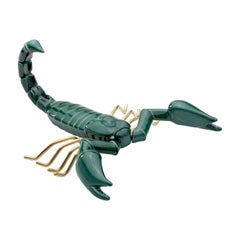
Handmade Ceramic Accessories Scorpion Green
Located in Lisbon, PT
These handmade decorative accessories combine the traditional Portuguese ceramic and glazing techniques in a modern approach of shapes and color, as they bring such brightness and jo...
Category

2010s Portuguese Modern Ceramic Folk Art

Materials

Brass

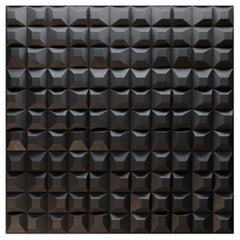
Dune 3D Tile for interior by MAKHNO
Located in Jõe tn 2-2 korrus, Tallinn
Our Duna tile was hung by winds and created a unique relief that adds to your home a sense of non-primitive movement and a sense of calm. Imagine, as if you are in a desert and you a...
Category

2010s Ukrainian Ceramic Folk Art

Materials

Ceramic

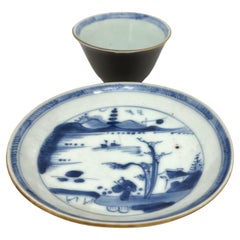
Passing Boat and Bridge Pattern Tea Set, Circa 1725, Qing Dynasty, Yongzheng Era
Located in seoul, KR
With a medallion of two boats sailing together, passing an island on which a solitary figure stands by or on a bridge, the rim with a narrow heringbone pattern, the reverse glazed ca...
Category

1720s Vietnamese Qing Antique Ceramic Folk Art

Materials

Ceramic