Items Similar to Opulent 18th Century Baroque Reliquary of Blood of Saint St. Francis
15th Cent
Want more images or videos?
Request additional images or videos from the seller
1 of 10
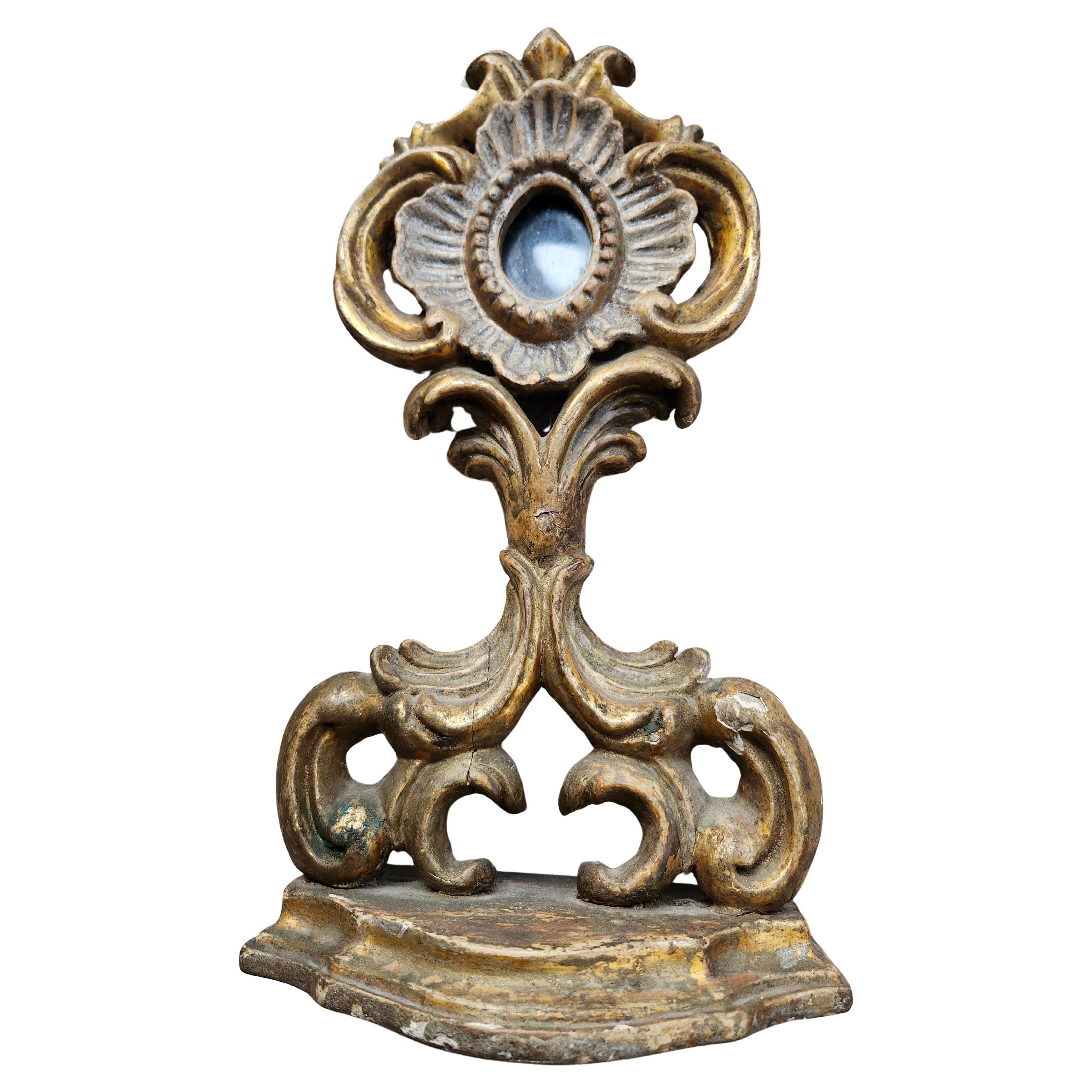
Opulent 18th Century Baroque Reliquary of Blood of Saint St. Francis
15th Cent
$4,950
£3,757.95
€4,332.30
CA$7,002.46
A$7,538.78
CHF 4,037.17
MX$90,839.65
NOK 50,937.84
SEK 46,616.35
DKK 32,372.67
About the Item
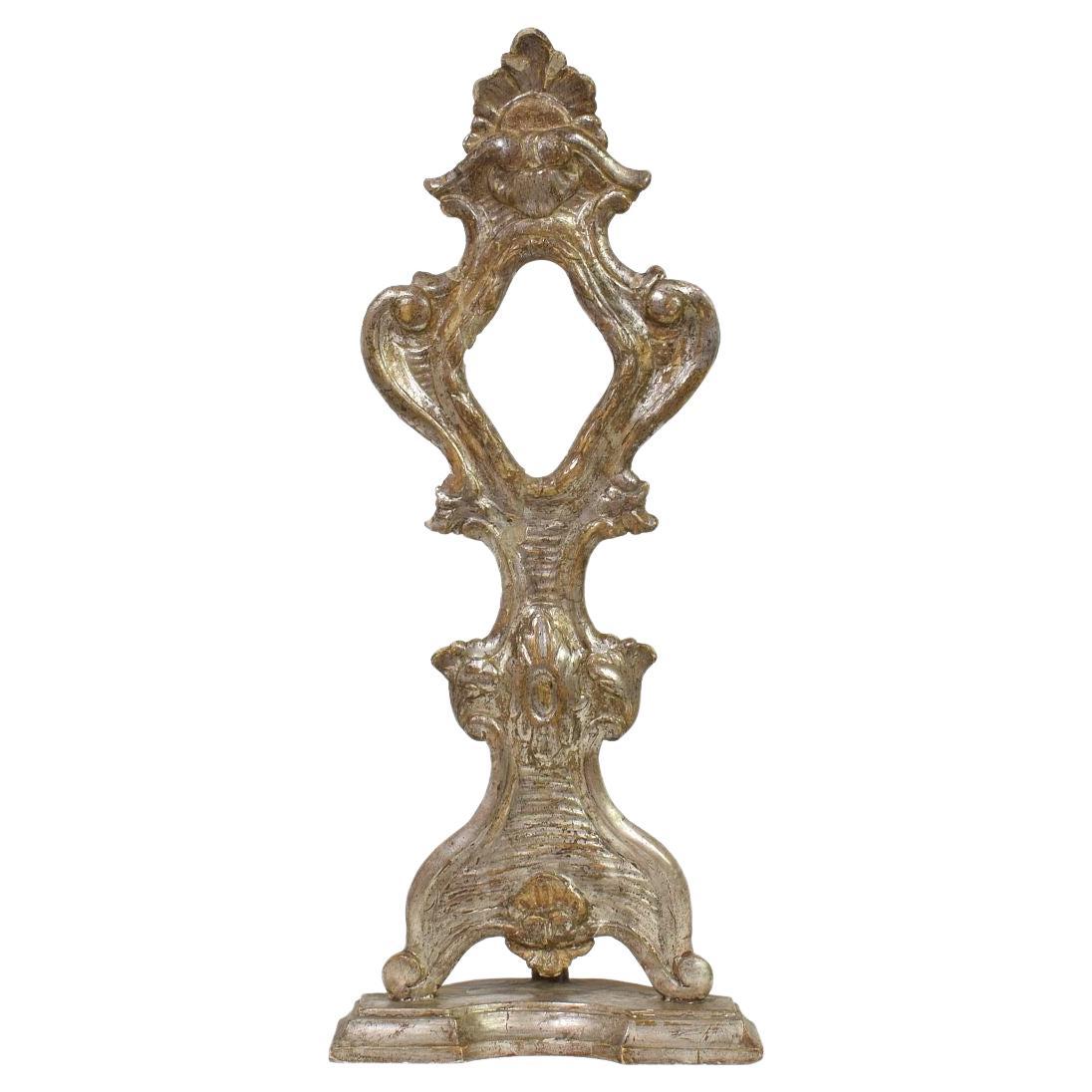
Opulent 18th century Baroque carved giltwood reliquary (a container for relics) monstrance with curled scroll design. It houses a first-class relic of the blood of the15th Century saint St. Francis de Paola (March 27th, 1416 – April 2nd, 1507). Paola is the patron saint of boatmen, mariners, and naval officers. The relic is displayed in a glass-front oval located in the center of the monstrance and identified on the fabric.
- Dimensions:Height: 11 in (27.94 cm)Width: 6 in (15.24 cm)Depth: 2 in (5.08 cm)
- Style:Rococo (Of the Period)
- Materials and Techniques:
- Period:
- Date of Manufacture:15th Century
- Condition:Wear consistent with age and use. Minor losses. Minor structural damages. Minor fading.
- Seller Location:North Miami, FL
- Reference Number:1stDibs: LU6132228196542
About the Seller
4.0
Vetted Professional Seller
Every seller passes strict standards for authenticity and reliability
Established in 2000
1stDibs seller since 2021
26 sales on 1stDibs
Typical response time: 5 hours
- ShippingRetrieving quote...Shipping from: North Miami, FL
- Return Policy
More From This Seller
View All17th Century Carved Wood and Polychromed of Crucified Jesus on the Cross
Located in North Miami, FL
Introducing a captivating 17th-century Italian carved wood and polychromed, gold-gilded crucifix depicting Jesus on the cross. This remarkable piece...
Category
Antique 17th Century Italian Baroque Figurative Sculptures
Materials
Metal
$11,165 Sale Price
30% Off
Circa 1717–1780, Hand-carved Wood and Polychrome Saints Cosmas and Damian
Located in North Miami, FL
Behold a captivating pair of 18th-century hand-carved wooden treasures, dating from the remarkable span of 1717 to 1780. These exquisite pieces stand as a testament to the artistic mastery of their era, adorned with original polychrome and resplendent gold gilding that portrays the venerated Saints Cosmas and Damian...
Category
Antique 18th Century Rococo Figurative Sculptures
Materials
Velvet, Wood
$12,968 Sale Price / set
34% Off
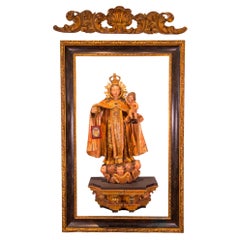
16th Century Our Lady of Mount Carmel, Gold Gilded and Polychromed
Located in North Miami, FL
16th Century Spanish gold gilded and polychromed Carved-wood sculpture of Our Lady of Mount Carmel. She depicts the Blessed Virgin Mary in her...
Category
Antique 16th Century Spanish Renaissance Wall-mounted Sculptures
Materials
Gold Leaf
$38,000 Sale Price
20% Off
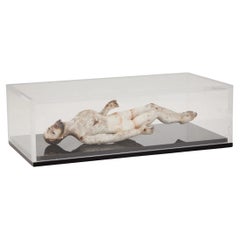
17th Century - Carved and Painted Corpus Christi - Sculpture
Located in North Miami, FL
This exquisite Corpus Christi sculpture stands as a masterful example of 17th-century European devotional sculpture, meticulously hand-carved from wood and preserving traces of its o...
Category
Antique 17th Century French Baroque Figurative Sculptures
Materials
Acrylic, Wood
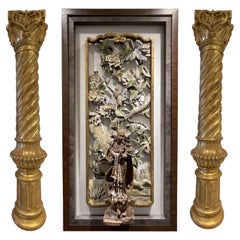
Virgin in the Garden, 17th-19th Century
Located in North Miami, FL
An assemblage made of several individual elements.
A pair of early 19th century of gold gilded carved wood Russian columns.
18th Centur...
Category
Antique 17th Century Russian Wall-mounted Sculptures
Materials
Gold, Gold Leaf
$29,550 / set
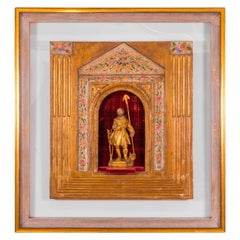
16th Century, Saint Isidore, Patron of Farming and Gardening, Carved-Wood
Located in North Miami, FL
16th Century Spanish carved-wood and polychromed sculpture and altar of Saint Isidore, Patron of Farming and Gardening. He is standing in a red velvet line niche. The altar is adorne...
Category
Antique 16th Century Spanish Renaissance Wall-mounted Sculptures
Materials
Gold Leaf
You May Also Like
18th Century Italian Hand Carved Baroque Giltwood Reliquary
Located in Port Jervis, NY
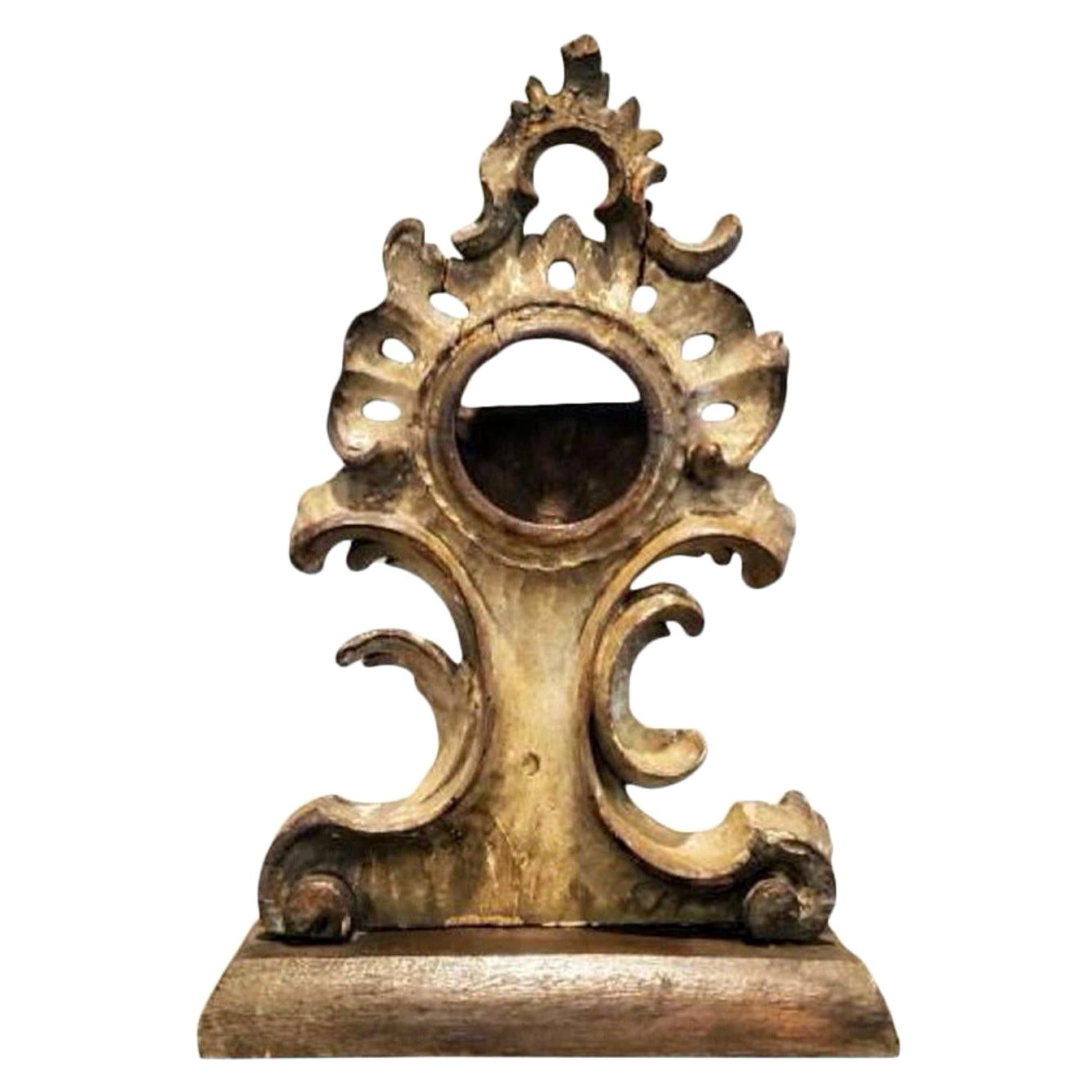
18th century reliquary from northern Italy. Giltwood, polychromed and looks to be hand carved from one piece of wood. Mortised thru the base.
A reliquary was used to house a religio...
Category
Antique 1750s Italian Baroque Abstract Sculptures
Materials
Glass, Giltwood
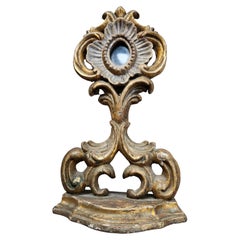
Important Early 18th Century Italian Carved Monstrance Reliquary Tabernacle
Located in Forney, TX
Important and historic, acquired from the estate of legendary American businessman, the late T. Boone Pickens, we're proud to offer this exceptional carved giltwood reliquary - monstrance from the early 18th century.
Elaborately hand carved in period Rococo - Rocaille taste, with superb scrollwork, openwork, fanciful acanthus leaf and shell, ornate detailing, polychrome painted warm pastel colors, now beautifully distressed, muted tones, with remnants of gold gilded accents.
Pieces such as this were used in early churches for convenient exhibition or public display of some object of piety and other important religious relics...
Category
Antique Early 18th Century Italian Rococo Religious Items
Materials
Giltwood
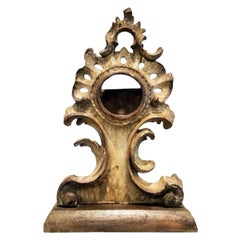
Fine 19th Century European Gilt Bronze Ormolu Monstrance Reliquary
Located in Forney, TX
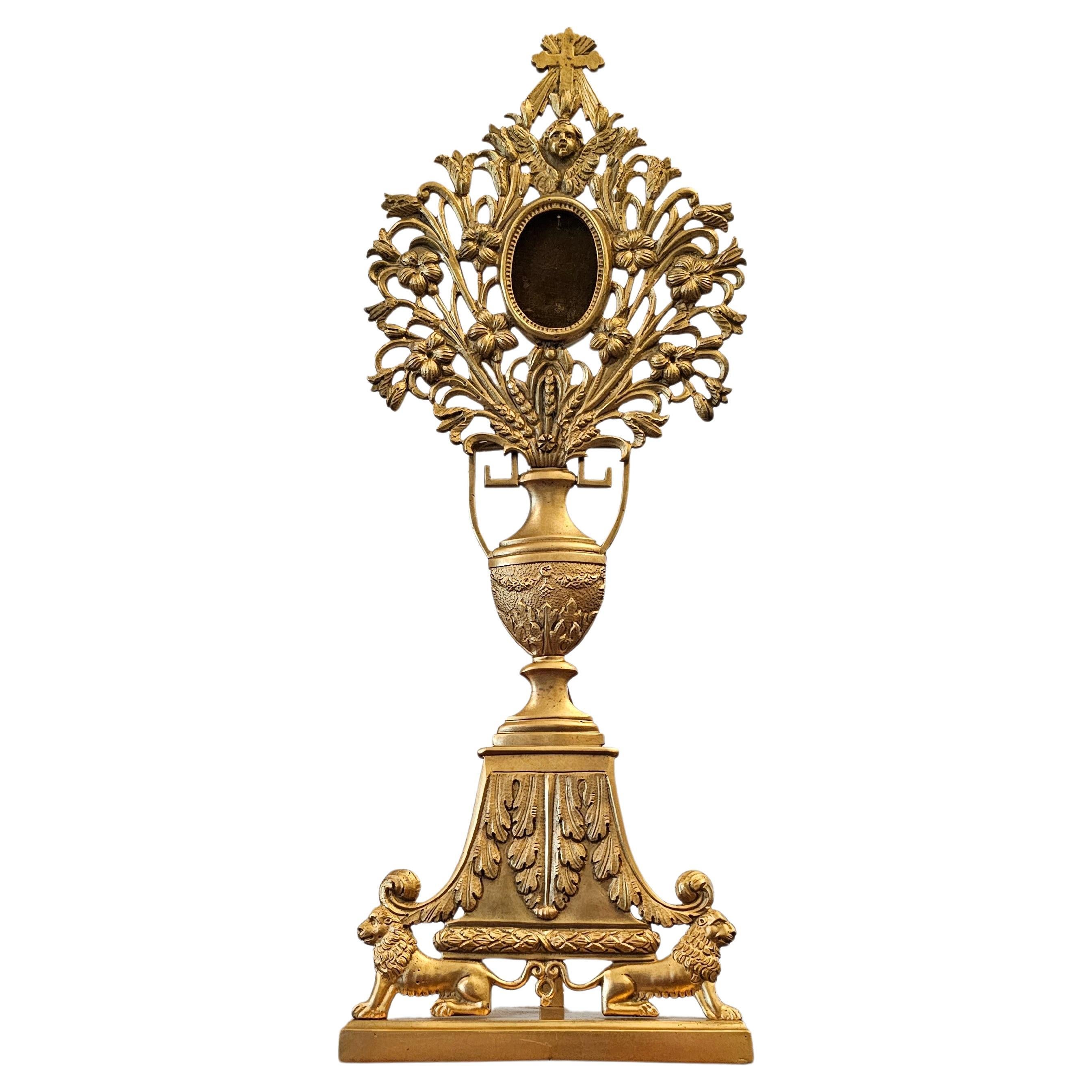
A scarce fine quality neoclassical Empire style vasiform gilt bronze ormolu church religious relic altar monstrance reliquary.
Exquisitely hand-crafted in Continental Europe in the second half of the 19th century, most likely French Napoleon III Period (1852-1870), having a fanned cross crest, above winged angel mask, central oval display...
Category
Antique 19th Century European Empire Sculptures and Carvings
Materials
Bronze, Ormolu
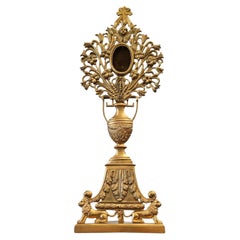
French 19th Century Altarpiece with Central Intaglio and Decorated Repoussé
Located in Atlanta, GA
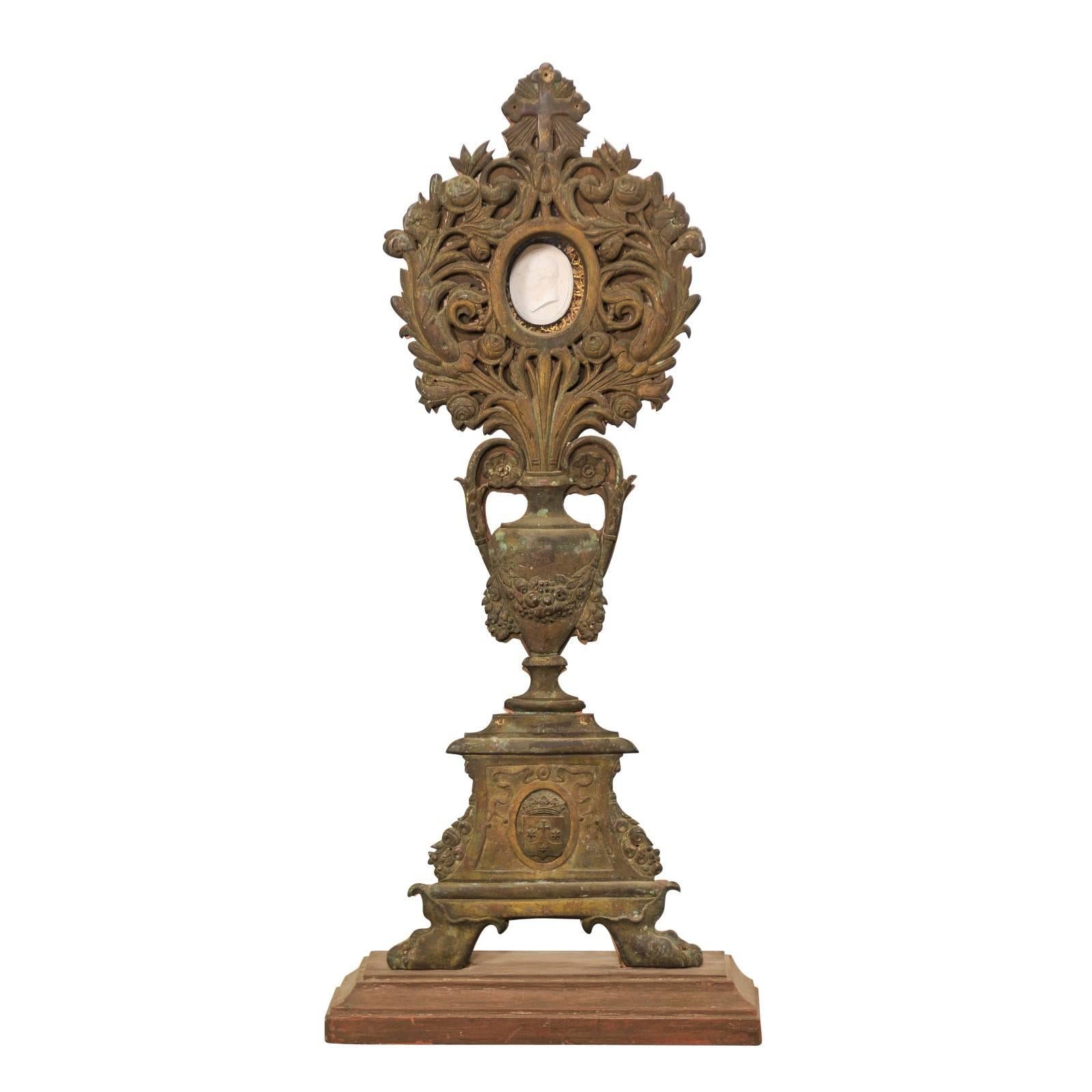
A French 19th century altarpiece with intaglio. This antique French altarpiece features an urn and floral motif, with a single intaglio set into the central top bouquet. This altarpi...
Category
Antique 19th Century French Historical Memorabilia
Materials
Metal
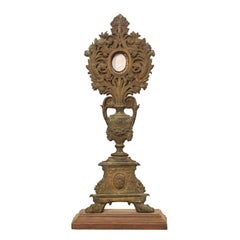
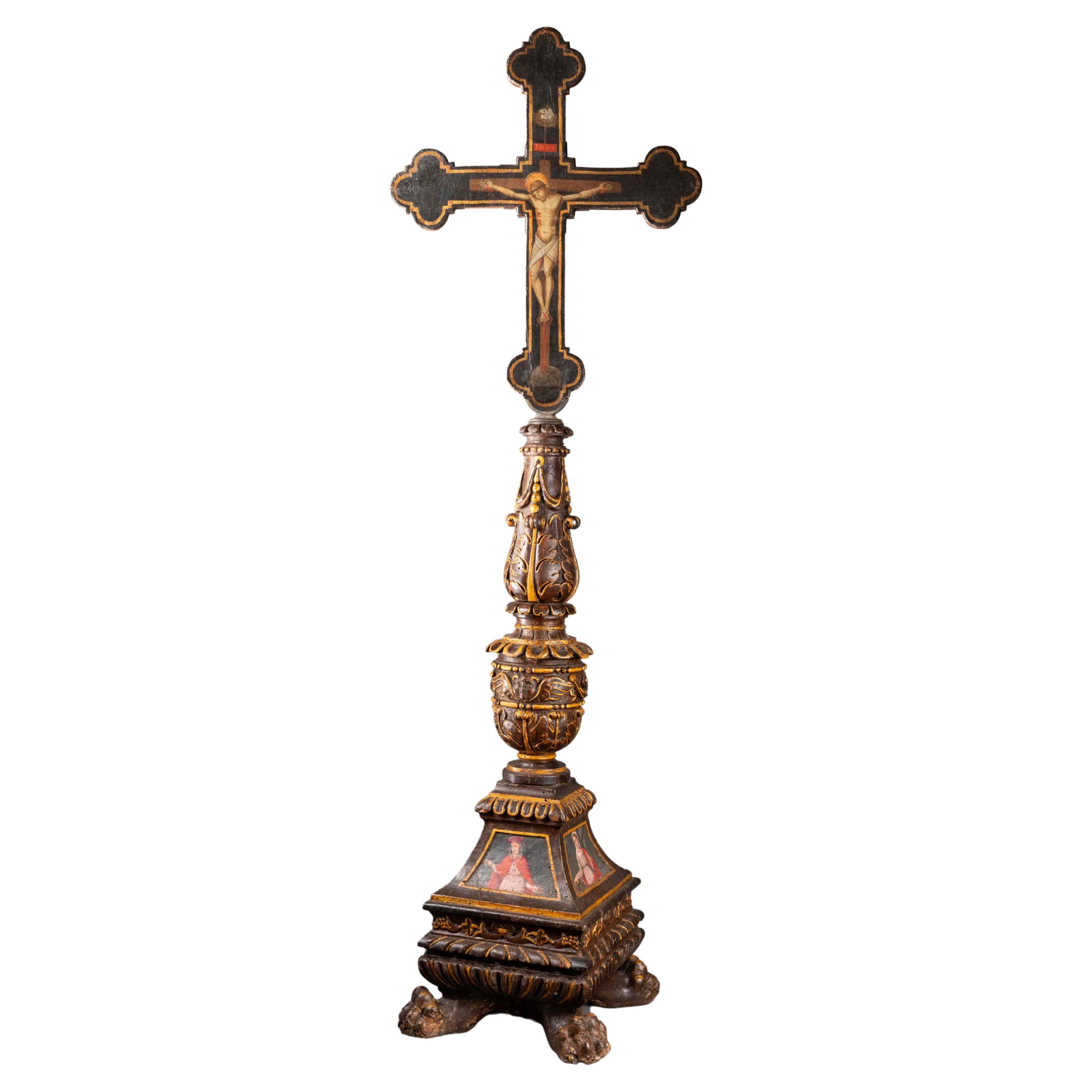
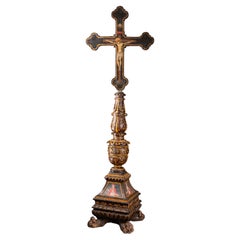
renaissance wooden candelabrum and painted cross - Umbria, 16th century
Located in Bruxelles, BE
Base of a carved wooden candelabrum, polychrome and gilded; cross painted on both sides.
Umbria or Tuscany, 16th century
136 x 43,5 x 30 cm
(The cross and the base of the candelabrum were later assembled)
The base of the candelabrum is intricately carved and adorned with polychrome and gilded finishes. The shafts take on the shape of balusters reminiscent of ancient columns, feature ornate foliage decorations, garlands and winged cherub faces. The feet are crafted in the likeness of lion paws. The base is further embellished with depictions of four saint martyrs, among them Saint Barbara and Saint Catherine of Alexandria. The plasticity of the figures, outlined with strong contour lines, the clear and vibrant colors, are stylistic elements linked to the Umbrian tradition of the sixteenth century.The precisely defined and elegant drawing, along with the clear color palette applied with refined chiaroscuro modulations, became the signature of a style that would leave a lasting mark on the era to come. This is exemplified by a preference for vibrant, multicolored images, accentuated in this case by the use of red and pink in the saint's attire.
A notable addition, introduced later, is a polylobed cross painted on both sides. On one side, the Crucifixion is vividly portrayed:The treatment of the corpus itself is in line with High Medieval practice, emphasizing pathos by showing Jesus dead, his arms sagging from the weight of the body. The upper section displaying a pelican pecks at her breast to feed her young with her own blood; a symbol of the sacrifice of Christ on the cross whose body and blood similarly nourishes the celebrant during Mass.
The lower part depicts Golgotha. On the reverse side, the Resurrection is artistically presented in a Renaissance iconography, reminiscent of the renowned composition painted by Piero della Francesca, now housed in the Civic Museum of Sansepolcro. In terms of composition, with the frontal depiction of Christ holding the banner, this motif became particularly widespread in central Italy, spanning from Tuscany to Umbria throughout the 16th century..
The double-sided construction suggests that it may also have been carried in liturgical processions. In Umbria from the 14th century, the use of portable crosses painted on both sides had become a widespread practice, aimed at satisfying the monastic clientele that had significantly increased following the establishment of new religious communities.
The earliest surviving Tuscan painted crucifix represent Christ as Christus Triumphans, or the “Triumphant Christ” with his head up and eyes open. This form was supplanted in the 13th century with the Christus Patiens, or “Suffering Christ” type who is shown often with his head fallen on his shoulder and his eyes closed, as In our cross. The iconography of the suffering Christ appears to have developed out of a new interest in Christ’s human nature, the development of the feast of Corpus Christi and with increased importance given to the Eucharist. The process of humanizing the figure of Christ reaches its peak with the abandonment of all the previous expressive conventions in favor of more realistic details we can observe in this Crucifix, such as the swollen belly, the arms stretched to the limit of muscle tearing, the body falling heavily forward, the abundant blood on
the wounds, and the cross firmly embedded in the rock of Calvary.
It's worth noting that Renaissance candelabra...
Category
Antique 16th Century Italian Renaissance Figurative Sculptures
Materials
Wood, Giltwood
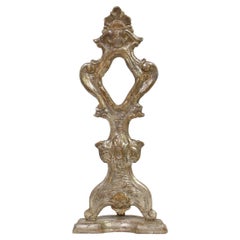
Italian 18th Century Hand Carved And Silvered Wooden Baroque Reliquary
Located in Buisson, FR
Wonderful and detailed reliquary holder with its beautiful weathered original silver,
Italy, circa 1750. Weathered and small losses and old repairs.
Category
Antique 18th Century Italian Baroque Religious Items
Materials
Wood
$804 Sale Price
50% Off
More Ways To Browse
Relic Antique
Antique Reliquary
Century Reliquary
Reliquary Carved
Hand Reliquary
Antique Monstrance
Used Monstrance
St Francis Carved
Colonial Wood Carvings
Folk Art Antique Canes
Swedish Dala Horse
Eagle Wood Carving
African Art Sculptures Ghana
Black Forest Gnome
Folk Art Antique Snake
Antique Cookie Molds
Carved Wooden Shoe
Christ Wood Carving