Items Similar to 19th Century Spanish Bowling Balls
Want more images or videos?
Request additional images or videos from the seller
1 of 5
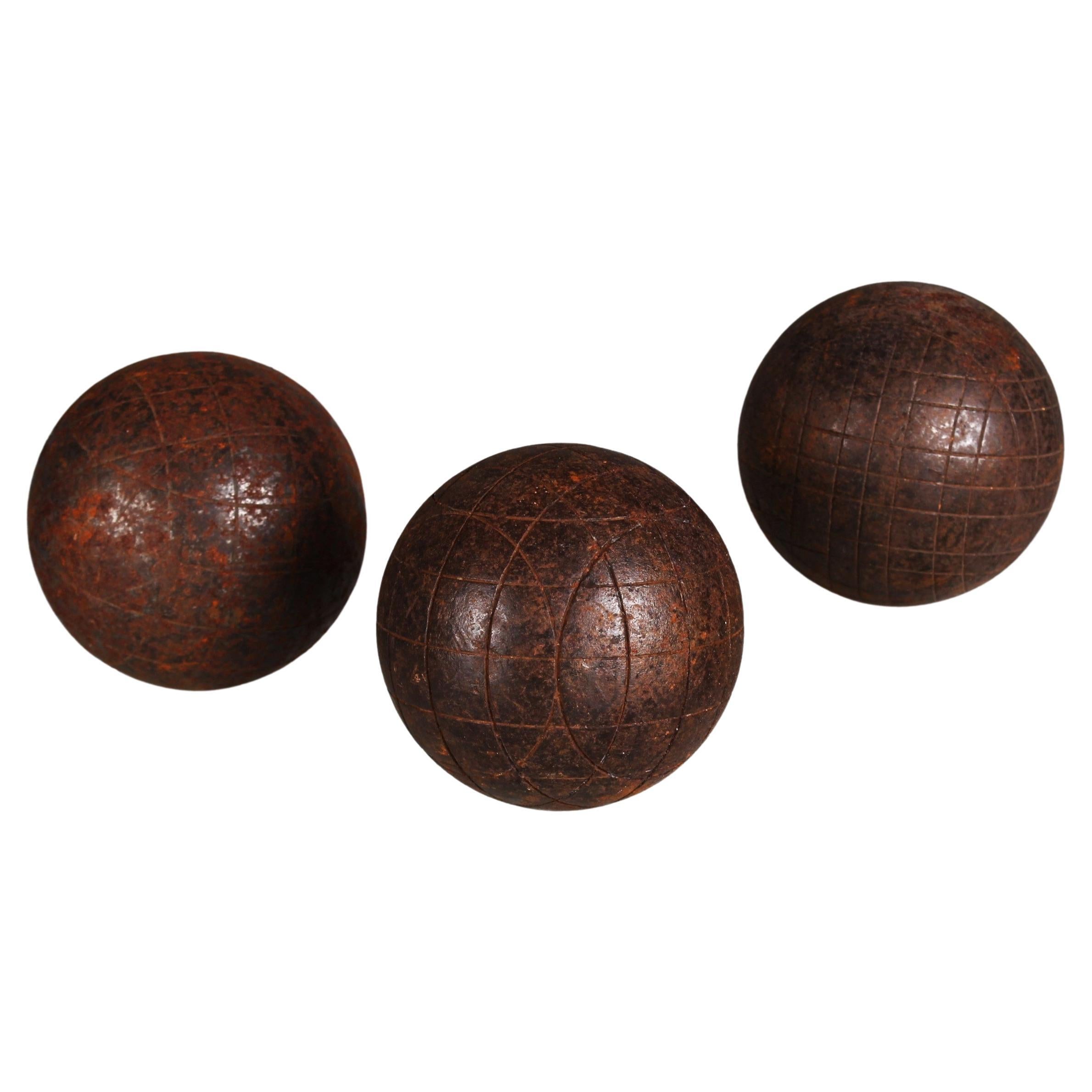
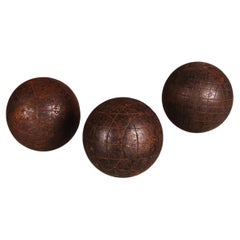
19th Century Spanish Bowling Balls
$750per set
£566.67per set
€649.71per set
CA$1,046.71per set
A$1,138.90per set
CHF 603.03per set
MX$13,701.76per set
NOK 7,657.19per set
SEK 7,005.79per set
DKK 4,854.23per set
About the Item
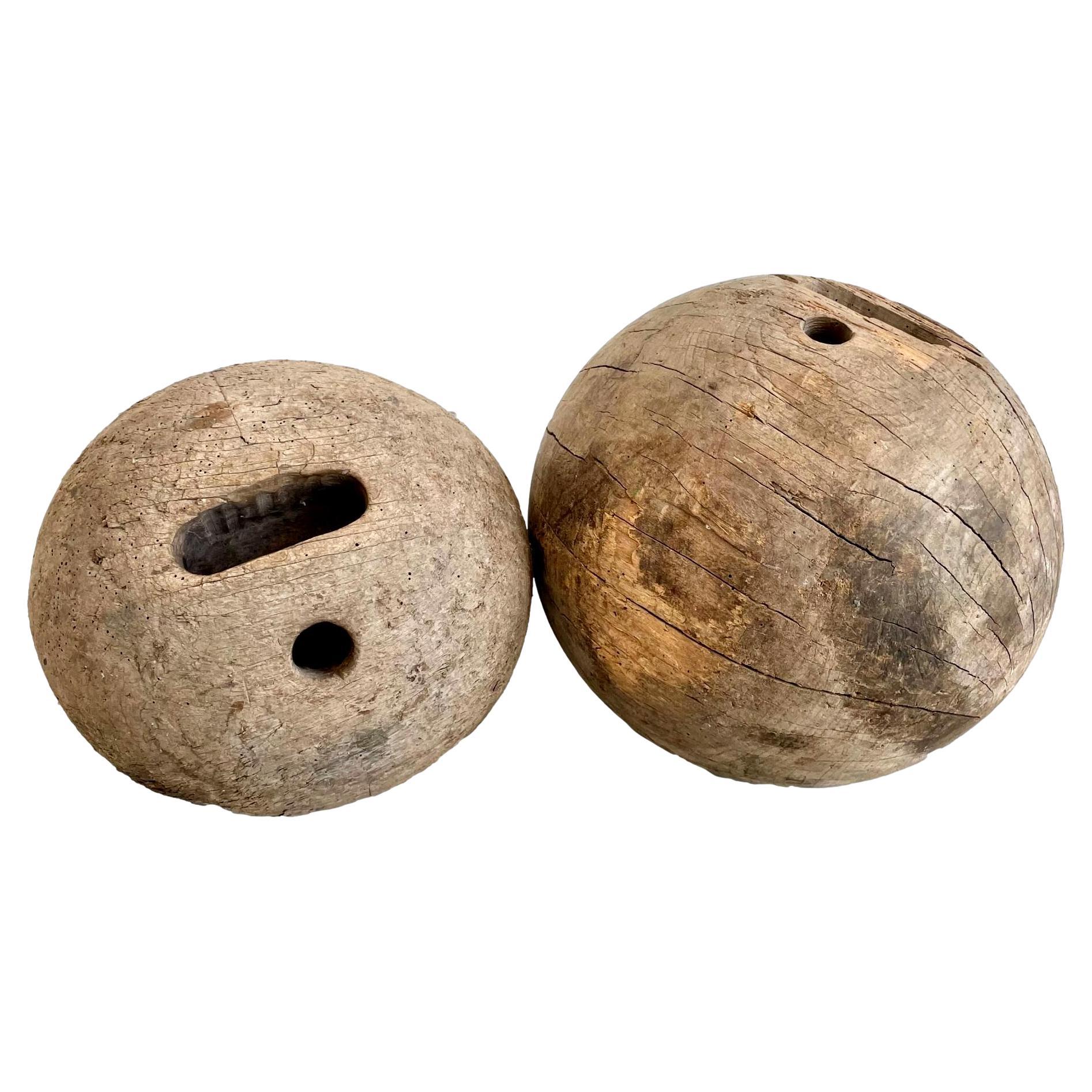
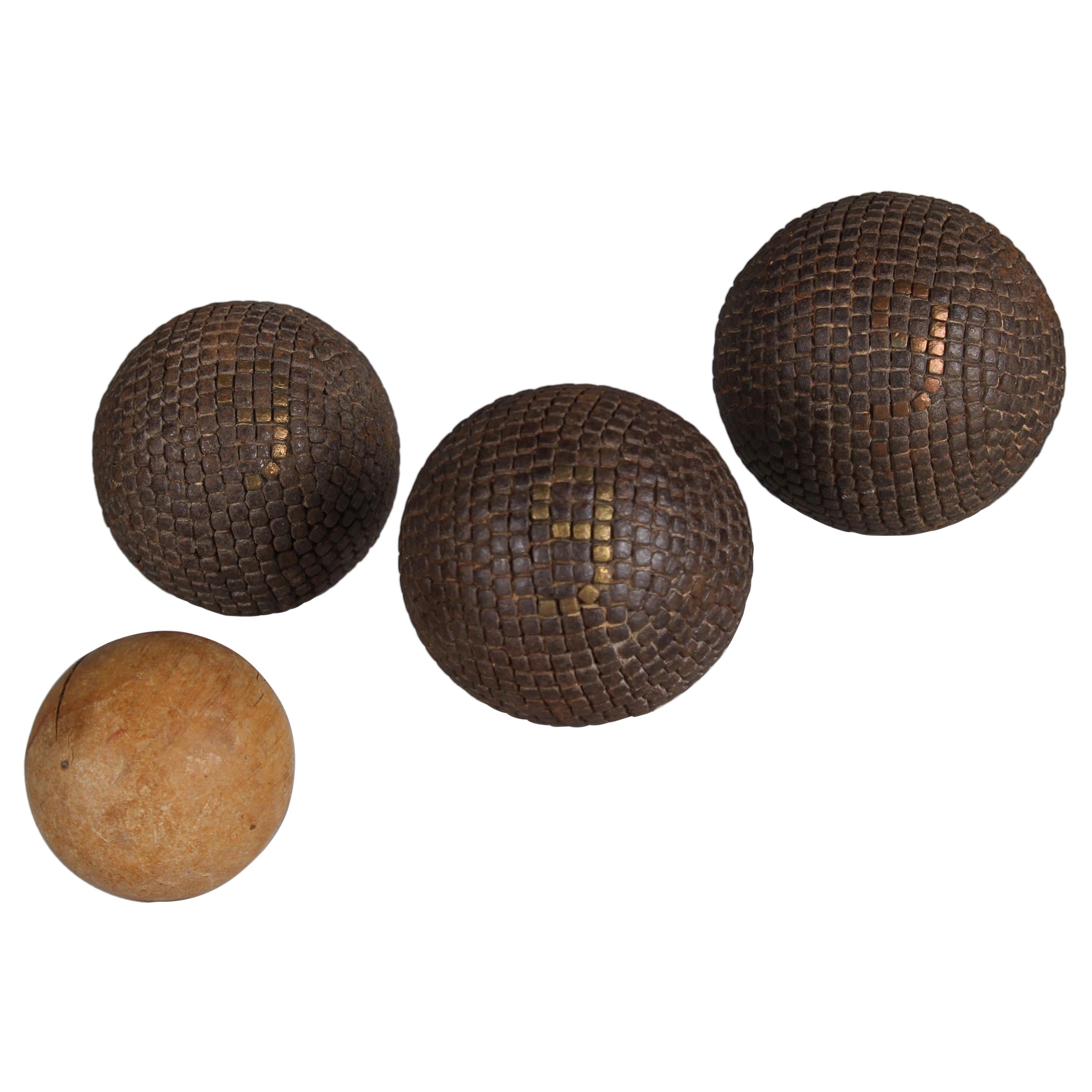
A terrific pair of mid-19th century carved wood bowling balls. A great accessory for any tabletop or bookcase.
- Dimensions:Height: 8 in (20.32 cm)Diameter: 8 in (20.32 cm)
- Sold As:Set of 2
- Materials and Techniques:
- Place of Origin:
- Period:
- Date of Manufacture:circa 1850
- Condition:Wear consistent with age and use.
- Seller Location:Round Top, TX
- Reference Number:Seller: FD-TRI8091stDibs: LU925615832871
About the Seller
5.0
Vetted Professional Seller
Every seller passes strict standards for authenticity and reliability
Established in 2008
1stDibs seller since 2012
658 sales on 1stDibs
Typical response time: 2 hours
- ShippingRetrieving quote...Shipping from: Round Top, TX
- Return Policy
More From This Seller
View AllBoules De Petanque Set
Located in Round Top, TX
A charming set of French early 20th century Boules De Petanque in their leather carrying case. A terrific object for tabletop or bookcase display.
Category
Antique 19th Century French Sports Equipment and Memorabilia
Materials
Iron
$950 / set
French 18th Century Chestnut Brusque
Located in Round Top, TX
A terrific 18th century Arte Populaire Brusque from the Ardeche region of France. A vessel used for preparing chestnuts.
Category
Antique 18th Century French Urns
Materials
Chestnut
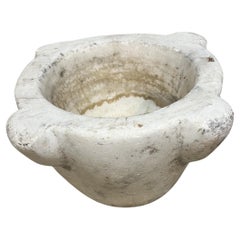
Spanish 18th Century Marble Mortar
Located in Round Top, TX
A very charming 18th century mortar from the Catalan region in Spain. Beautifully carved from stone. A wonderful accessory piece for any kitchen, bathroom, or table top.
Category
Antique 18th Century Spanish Decorative Bowls
Materials
Marble
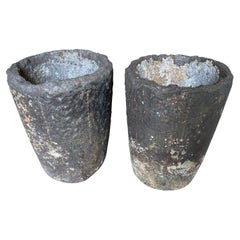
French Pair of Foundry Pots
Located in Round Top, TX
A terrific pair of early 20th century Creuzet - foundry Pots from France. Fabulous patina. Fabulous as jardinieres or planters. Perfect for any interior of...
Category
Early 20th Century French Planters and Jardinieres
Materials
Lava
$3,950 / set
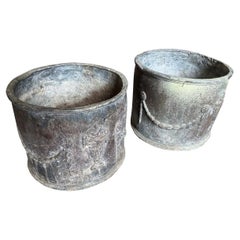
Pair Of 17th Century Lead Cache Pots
Located in Round Top, TX
A very lovely pair of 17th century Cache Pots from the Provence region of France. Handsomely crafted in lead with decorative urns and swags. Sensational patina.
Category
Antique 17th Century French Planters and Jardinieres
Materials
Lead
$4,950 / set
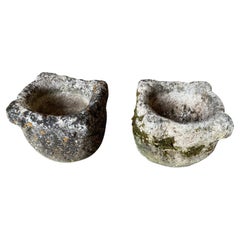
Pair Of 19th Century French Coade Stone Mortars
Located in Round Top, TX
A very handsome pair of Mortars from the South of France in Coade Stone. Fabulous patina. The mortars may be sold individually. The price per piece is $1950.
Category
Antique Late 19th Century French Planters and Jardinieres
Materials
Coade Stone
$3,900 / set
You May Also Like
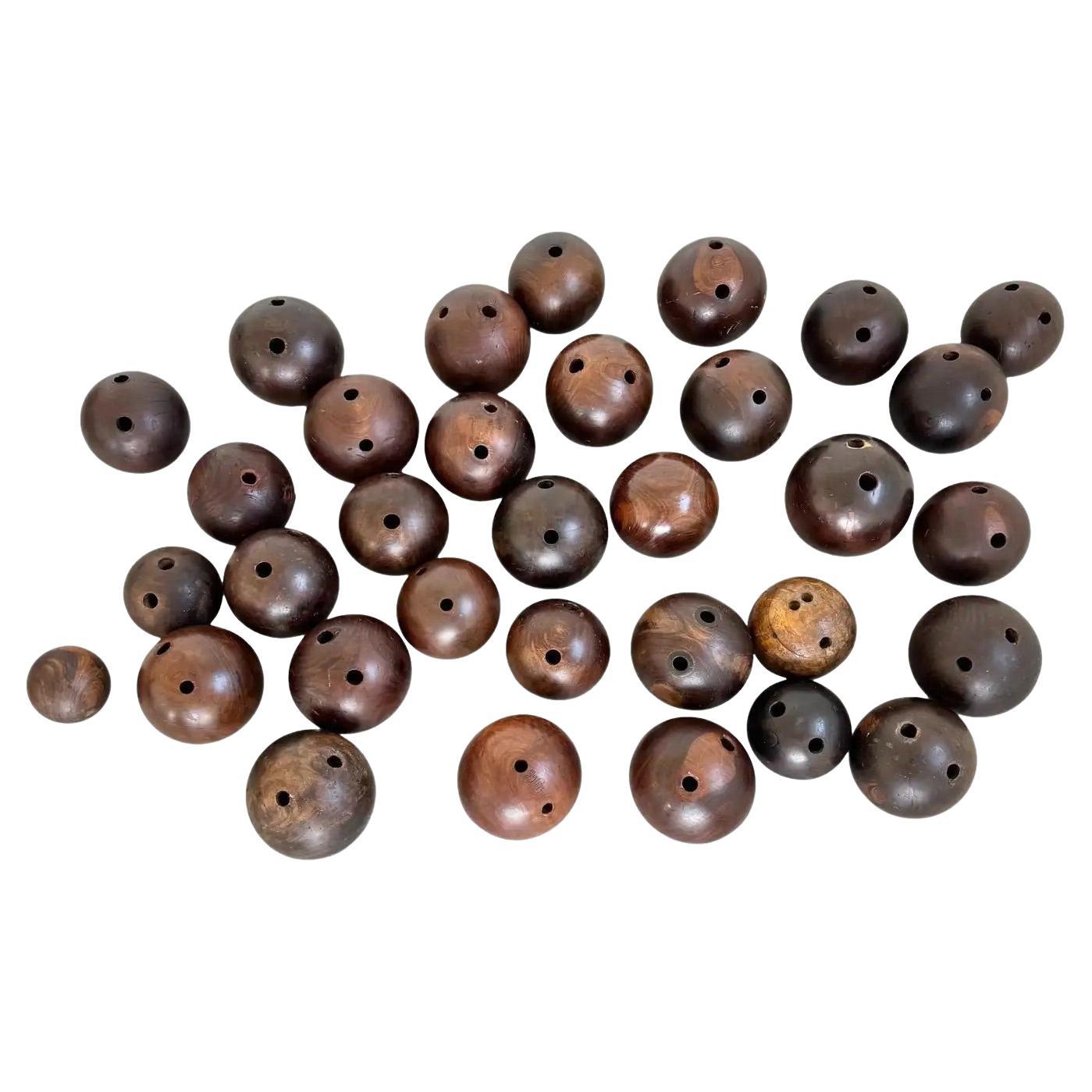
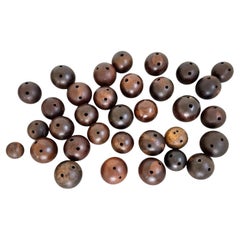
Set of 33 Antique Wood Bowling Balls, Late 1800
s USA
Located in Los Angeles, CA
This remarkable set of 33 antique wooden bowling balls is an exceptional find, dating back to the late 1800s United States. Each piece is meticulously crafted from Lignum Vitae, a pr...
Category
Antique Late 19th Century American Folk Art Antiquities
Materials
Wood
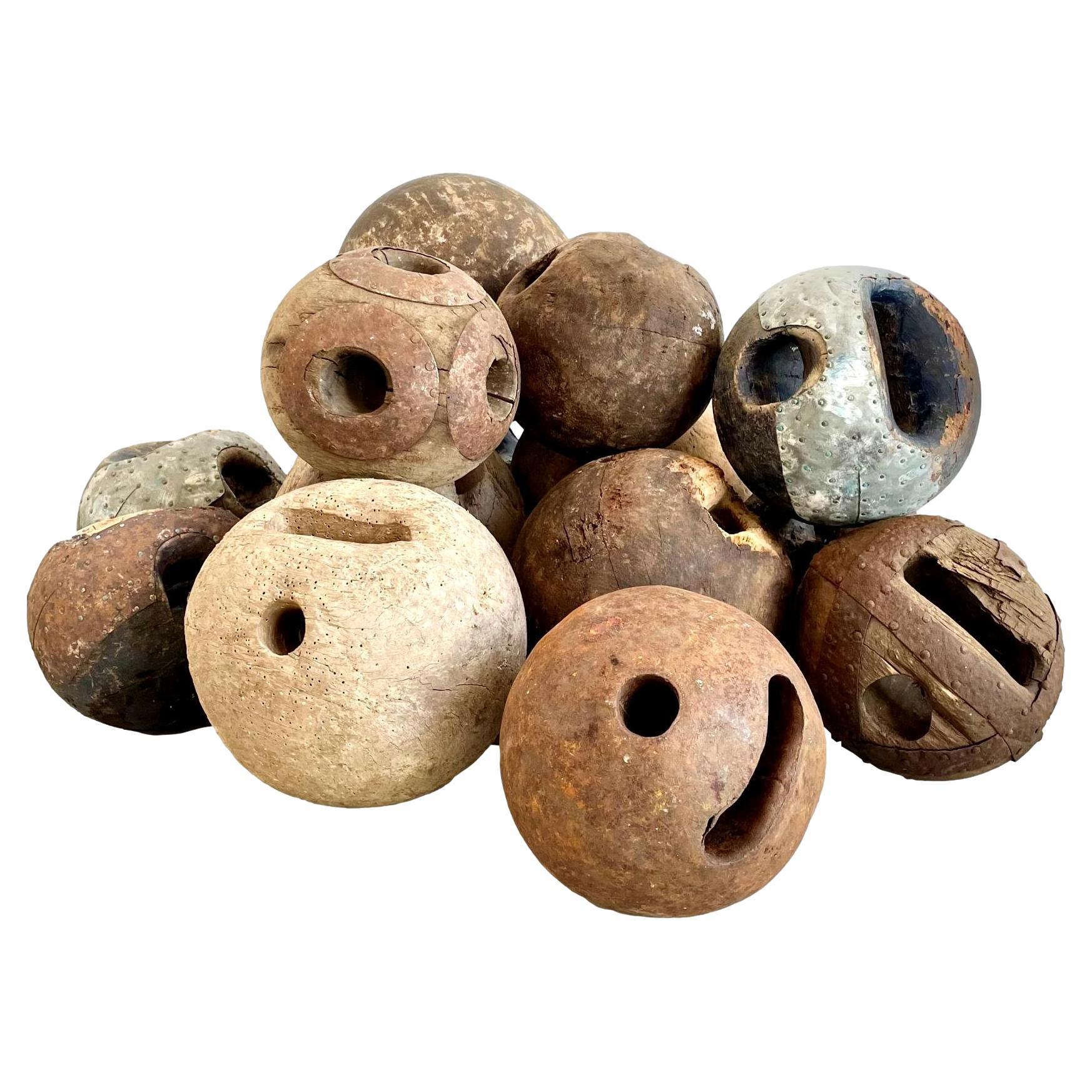
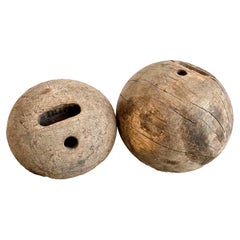
Giant Hand-Made Wooden Bowling Balls, 1960s France
Located in Los Angeles, CA
Hand made wooden bowling balls with thumb and finger grips carved out of the wood. 12" in diameter. Heavy and substantial. Slightly varying size and patina for each ball giving them ...
Category
Vintage 1960s Belgian Folk Art Toys
Materials
Wood
$1,200 / item
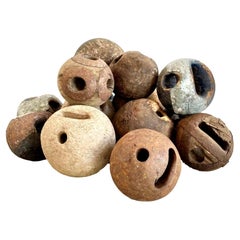
Hand-Made Wooden Bowling Balls, 1960s France
Located in Los Angeles, CA
Hand made wooden bowling balls with thumb and finger grips carved out of the wood. Slightly varying size and patina for each ball as well as some being painted blue while others are ...
Category
Vintage 1960s American Folk Art Toys
Materials
Metal
$375 / item
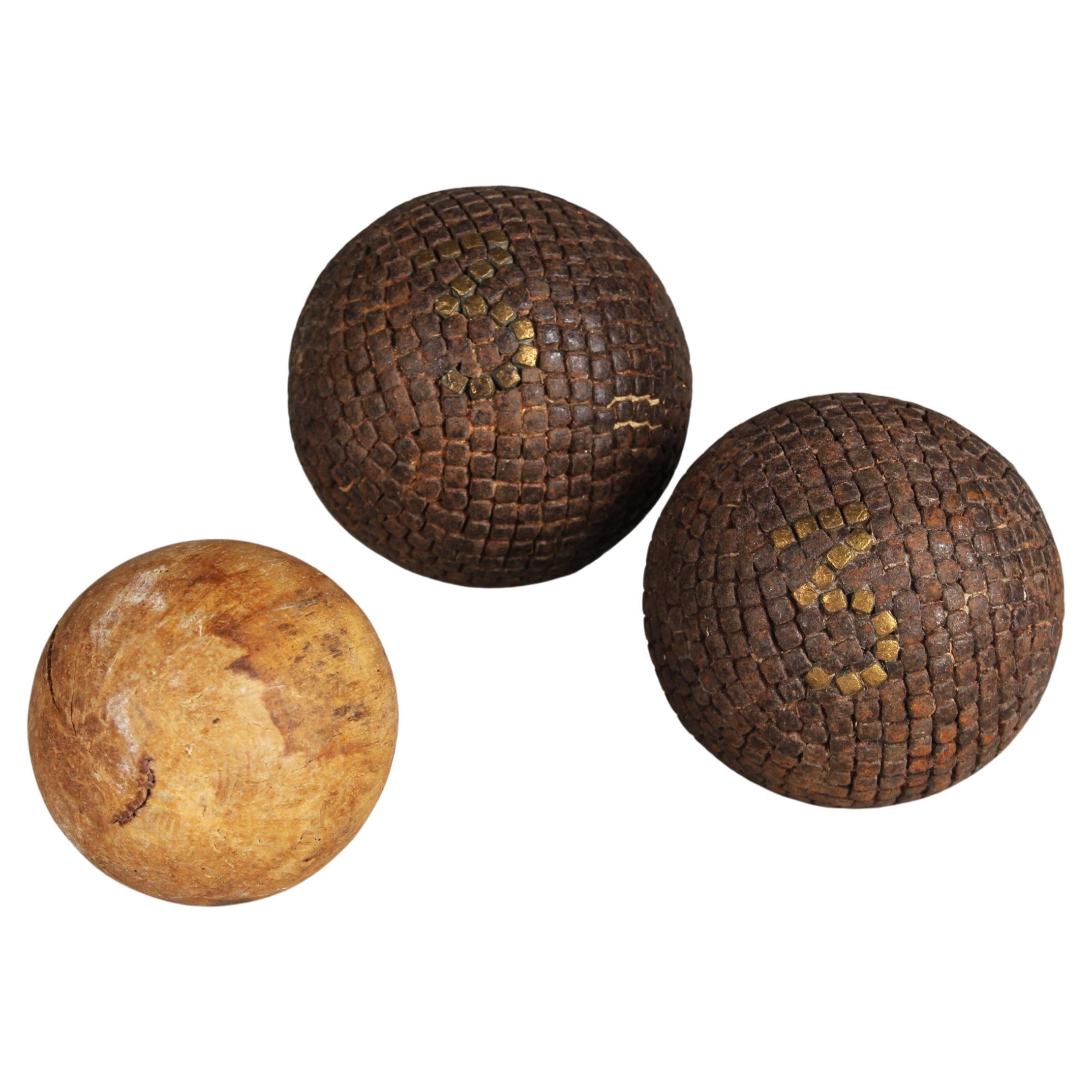
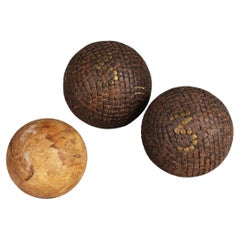
Pair Of Antique Boule Balls "3", Pétanque, 1880s, France, Craftsmanship
Located in Greven, DE
Beautiful, unique Boule ball pair and one target ball, France, late 19th Century.
Decorated with the numer "3" on each of the Boule balls.
In the 19th century, the manufacture of b...
Category
Antique Late 19th Century French Late Victorian Antiquities
Materials
Olive
Antique Boule Set, Boule Balls, Pétanque, 1880s, France, Craftsmanship
Located in Greven, DE
Beautiful, unique Boule set of three Boule balls, France, late 19th century.
In the 19th century, antique metal boules balls experienced a renaissance that took the game of boules to a new level.
These ornately crafted balls were not only instruments of the game, but also symbols of elegance and sophistication in leisure activities.
Made from high-quality metals such as steel or brass, Boule balls were forged and polished by skilled craftsmen to ensure a smooth and even surface.
The antique boules...
Category
Antique Late 19th Century French Late Victorian Antiquities
Materials
Metal
Antique Boule Balls Set "9", Pétanque, 1880s, France, Craftsmanship
Located in Greven, DE
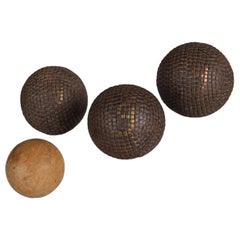
Beautiful, unique Boule set of three Boule balls and one target ball, France, late 19th century.
In the 19th century, the manufacture of boules balls underwent significant development in France as the game of boules, particularly the pétanque variant, gained in popularity. The manufacture of boules balls during this period was a manual process that required expertise, precision and love to detail.
In the late 19th and early 20th centuries, particularly in rural areas of France and other Mediterranean regions, olive wood was a commonly used source of material for making boules balls. This was not only due to the availability of the material, but also to the outstanding properties of olive wood, which was characterized by hardness, strength and a rich grain.
First, the olive wood was carefully selected and shaped into raw balls, which were then sanded to the desired size and shape. The nails were then hammered into the balls one by one, making sure that they were evenly distributed and firmly anchored. Finally, the spheres were polished and coated with a protective varnish to enhance their natural beauty and protect them from the elements.
The use of nails to decorate and reinforce olive wood boules was a traditional practice that not only gave the ball a rustic aesthetic, but also improved its durability and contributed to customization. Many balls were made according to the specific requirements and preferences of the players. Nails were driven at regular intervals around the ball, with each nail hole precisely placed so as not to affect the balance and weight distribution of the ball. These nails not only served as a decorative element, but also helped to strengthen the structure of the ball and make it more resistant to the hard knocks and wear and tear during play. Individual engravings or decorations were often applied to the balls to make them unique and identify the player.
Antique boules...
Category
Antique Late 19th Century French Late Victorian Antiquities
Materials
Olive
More Ways To Browse
Antique Spanish Art
Used Bowling Furniture
Used Bowling Woods
Tabletop Bookcase
Used Bowling Balls Balls
Vintage Folk Art Toys
Antique Folk Art Toy
Toy Horse
Antique Toy Horses
Hand Carved Wood Toy
Rocking Horse Toy
Antique Rocking Horse
Painted Rocking Horse
Folk Art Wooden Horse
Soccer Game
Folk Art Rocking Horse
Rag Doll
Carved Rocking Horse