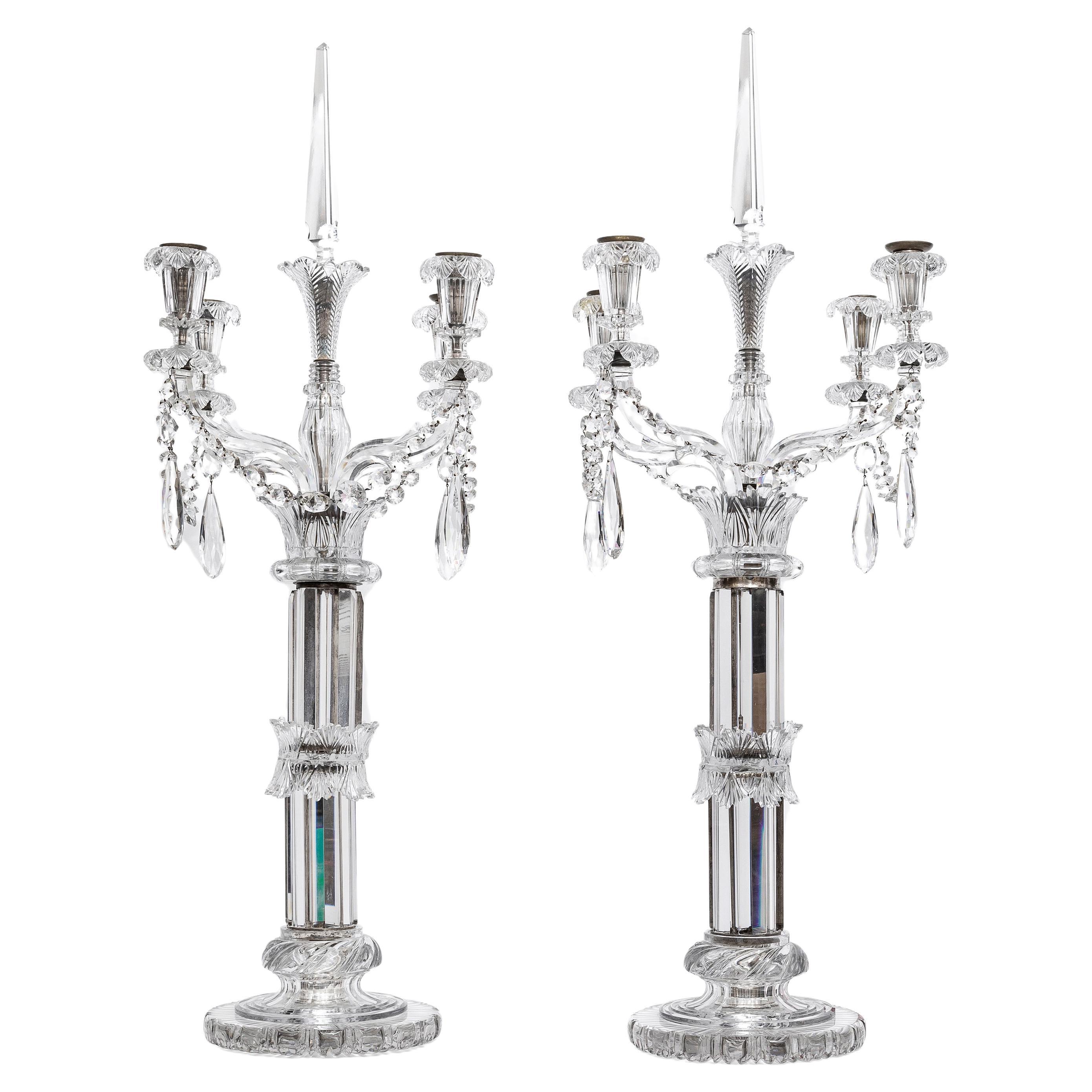
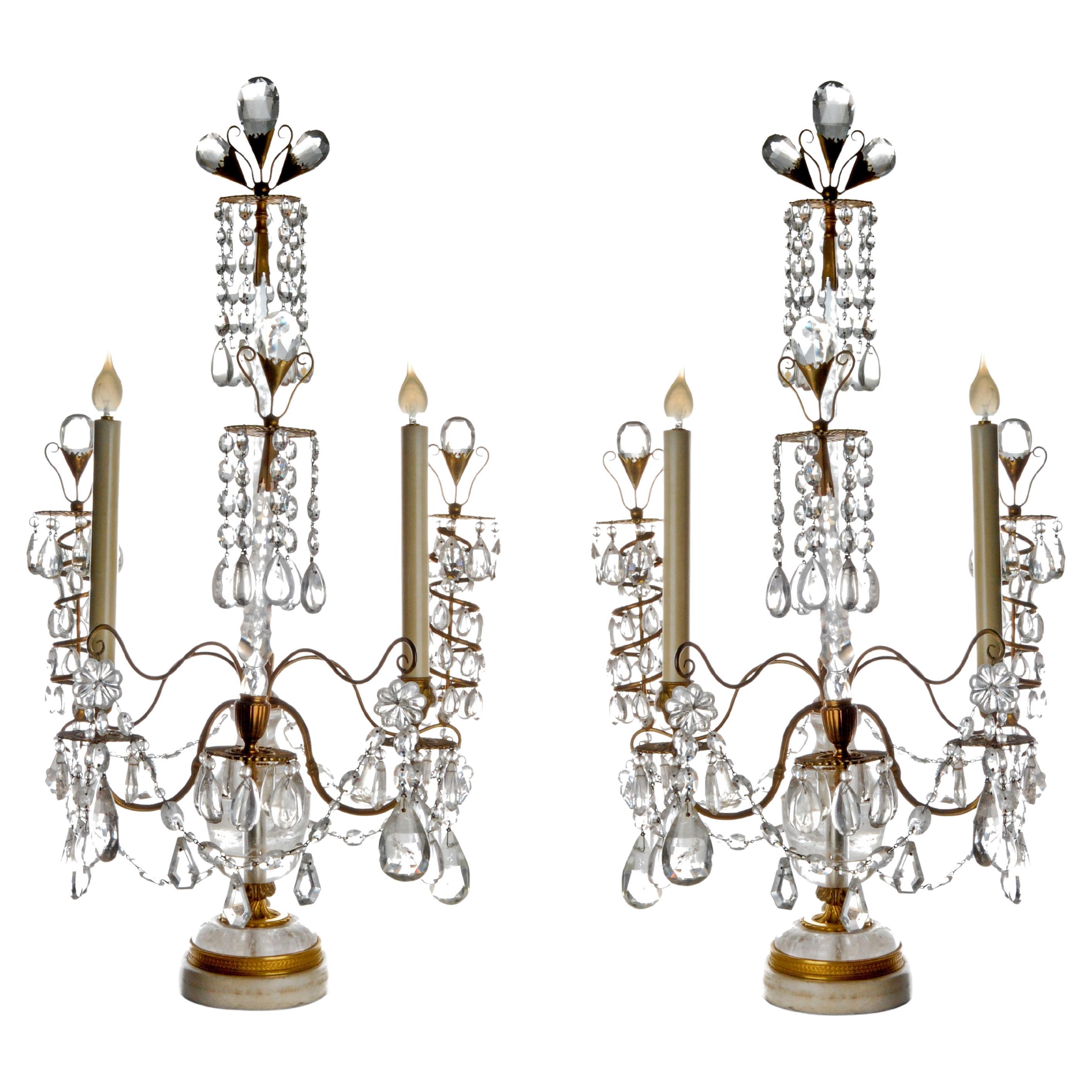
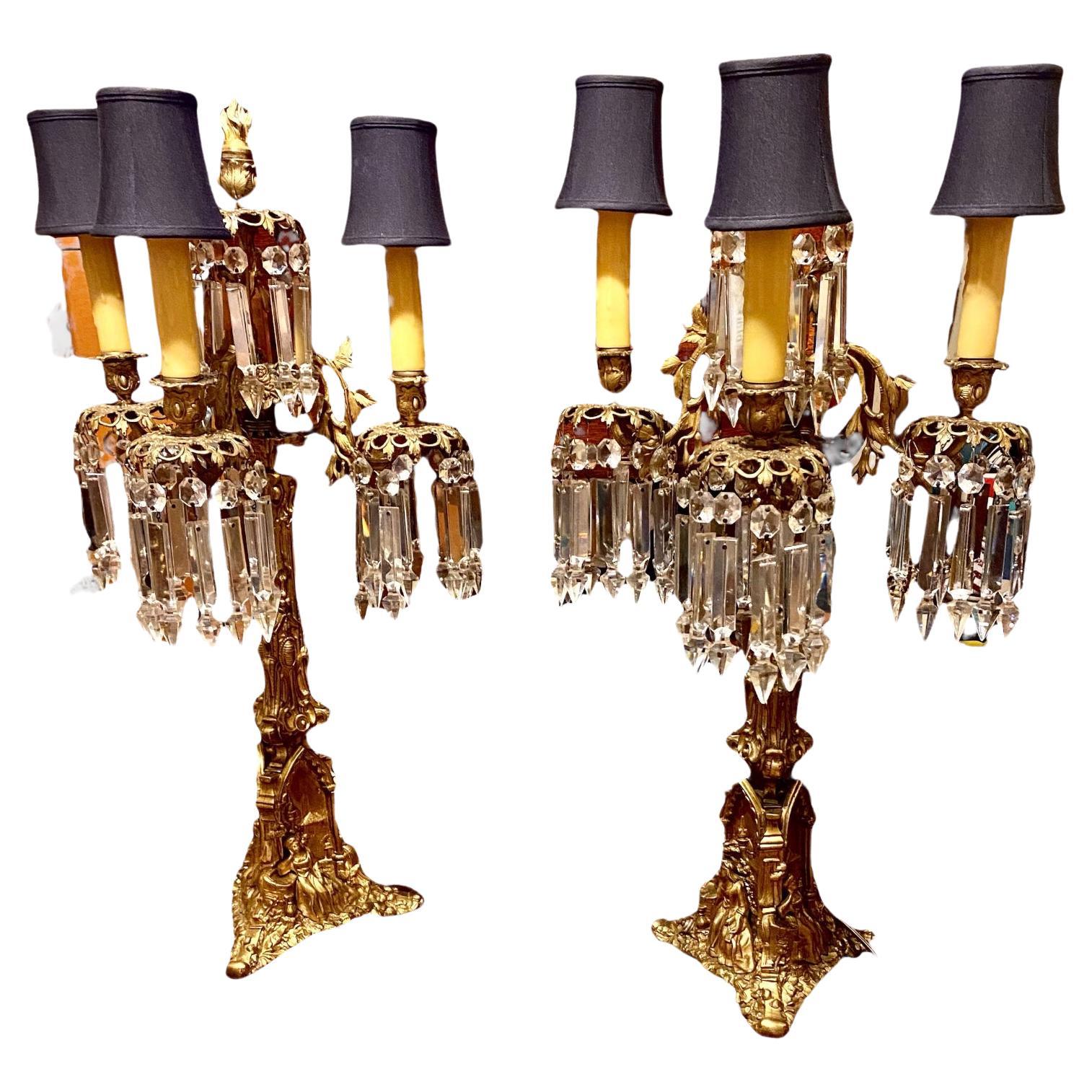
Very Large Pair Antique English Cut Crystal Gilt Metal Candelabra Osler
About the Item
- Creator:F. C. Osler (Manufacturer)
- Dimensions:Height: 15.75 in (40 cm)Diameter: 73.23 in (186 cm)
- Sold As:Set of 2
- Style:Belle Époque (Of the Period)
- Materials and Techniques:
- Place of Origin:
- Period:
- Date of Manufacture:c. 1880
- Condition:Wear consistent with age and use.
- Seller Location:London, GB
- Reference Number:Seller: 175891stDibs: LU956346186932
F. & C. Osler
British glassmakers F. C. Osler redefined the art of cut-glass design in an era of Victorian luxury, refinement and grandeur.
The firm began in Birmingham in 1807 by Thomas Osler, who established his business making small glass ornaments and pieces for chandeliers. His sons, Follett and Clarkson Osler, joined the company and, in 1831, reorganized it as F. C. Osler.
During the 1840s, F. C. Osler expanded production to include the manufacture of chandeliers and glass furnishings, opening a second workshop in London in 1845. The company focused on producing large-scale designs, leading to the creation of one of their most famous pieces: the 27-foot-high, four-ton Crystal Fountain for London’s Great Exhibition in 1851. Another notable F. C. Osler piece at the exhibition was a pair of eight-foot-high candelabras purchased by Prince Albert for Queen Victoria. Today, they are on display as part of the Royal Collection at Osborne House on the Isle of Wight.
The success of F. C. Osler’s Crystal Fountain established the company’s reputation as one of the finest glassmakers of the 19th century. Wealthy clients coveted its cut-glass chandeliers, wall sconces, epergnes, candelabras and decorative centerpieces.
F. C. Osler also received several important commissions. In 1856, F. C. Osler designed a large chandelier for St. George’s Hall in Liverpool and a 36-light chandelier for London’s Mansion House. In 1858, they were asked to produce tableware for a banquet held by Queen Victoria at Aston Hall, in Birmingham. The Queen is said to have been so impressed with the glassware she asked permission to keep a champagne glass.
F. C. Osler thrived throughout the late 19th century, experimenting with complex cut-glass motifs and expanding its successful export market to India. They became a favorite glassmaker for Indian royalty and aristocratic English ex-pats.
By the 1920s, demand for cut-glass products waned, and F. C. Osler closed its Birmingham factory in 1922. The company remained in business, albeit on a much smaller scale, until 1976.
Today, F. C. Osler remains a symbol of grand Victorian glassmaking and is sought by antique collectors and interior designers worldwide.
On 1stDibs, discover a range of antique F. C. Osler lighting, decorative objects and serveware.
- ShippingRetrieving quote...Shipping from: London, United Kingdom
- Return Policy
More From This Seller
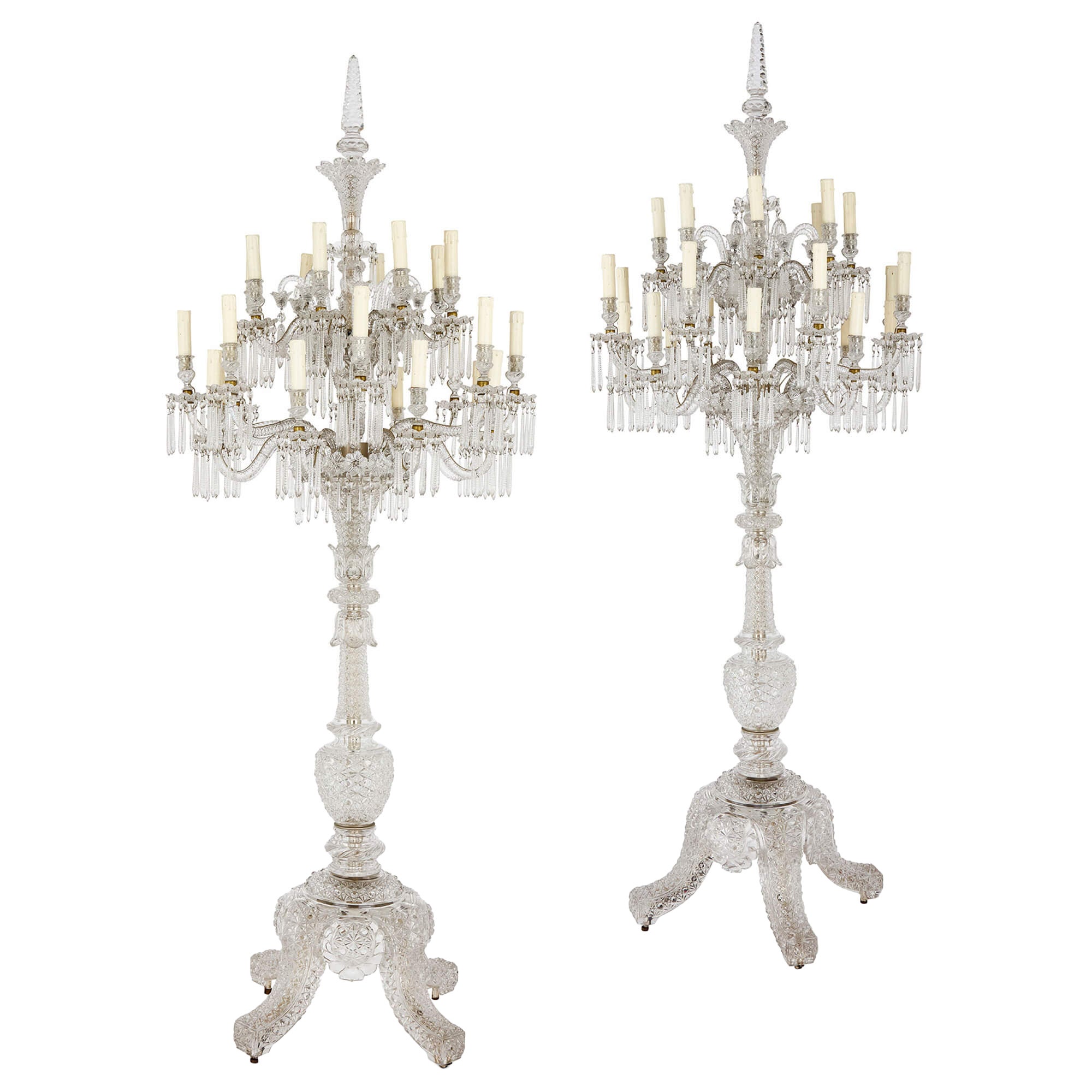
View AllEarly 20th Century French Belle Époque Floor Lamps
Crystal
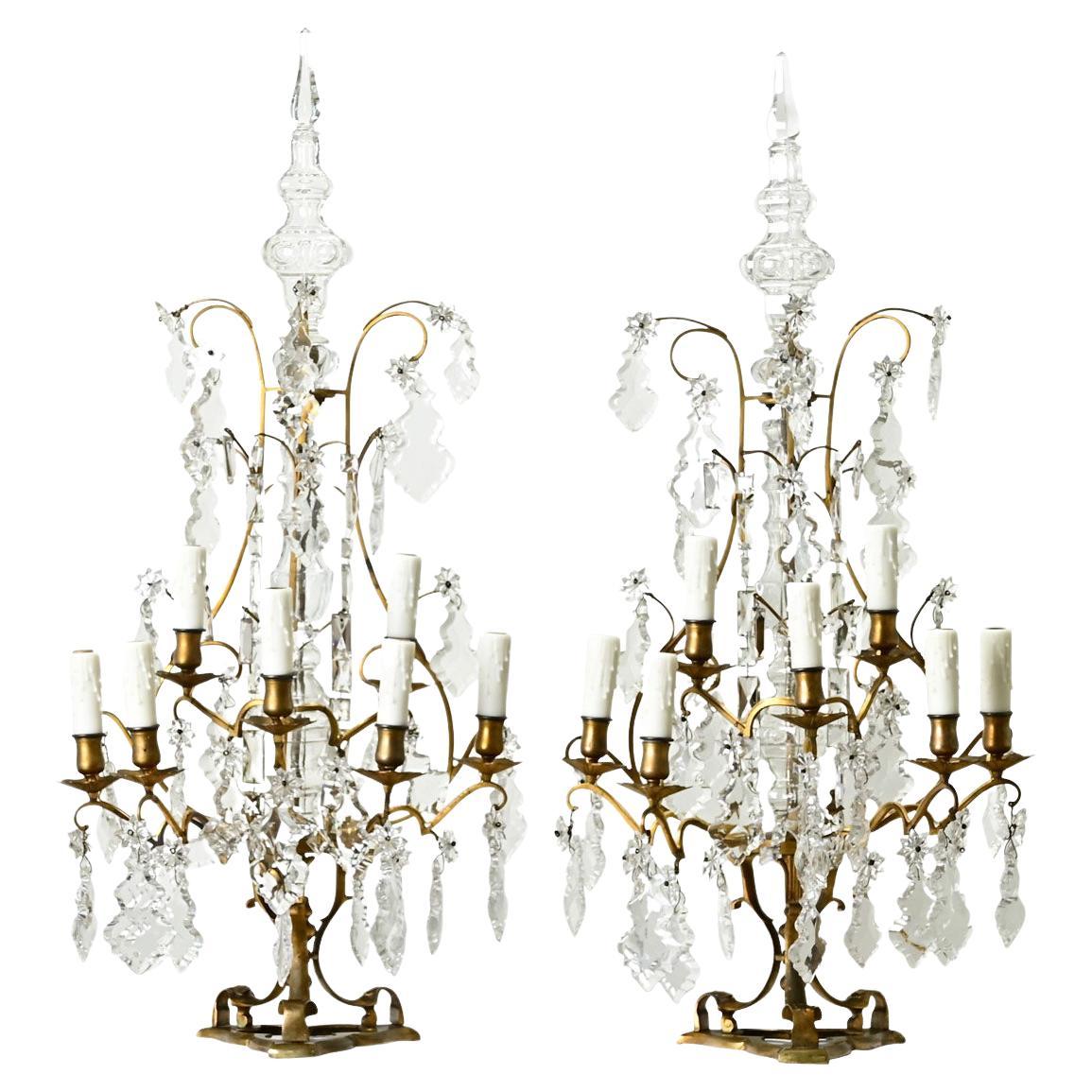
Antique 19th Century French Rococo Candelabras
Crystal, Ormolu
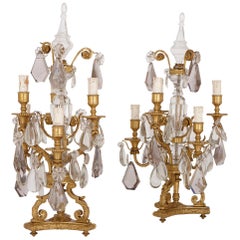
Antique 19th Century French Neoclassical Table Lamps
Ormolu
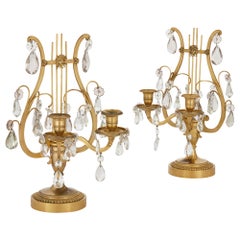
Antique Late 19th Century French Louis XVI Table Lamps
Crystal, Ormolu
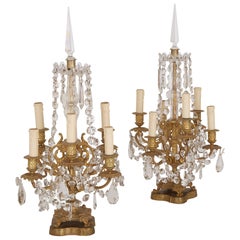
20th Century French Neoclassical Candelabras
Bronze, Ormolu
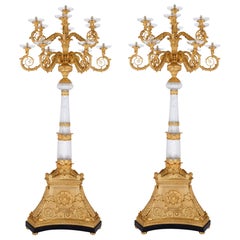
20th Century French Louis XV Floor Lamps
Ormolu
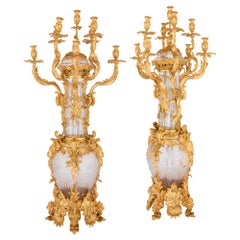
You May Also Like
Antique 1880s English Louis XVI Candelabras
Crystal, Bronze
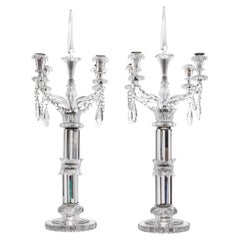
Antique 19th Century French Louis XVI Table Lamps
Crystal, Brass
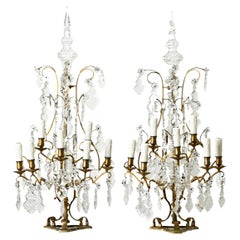
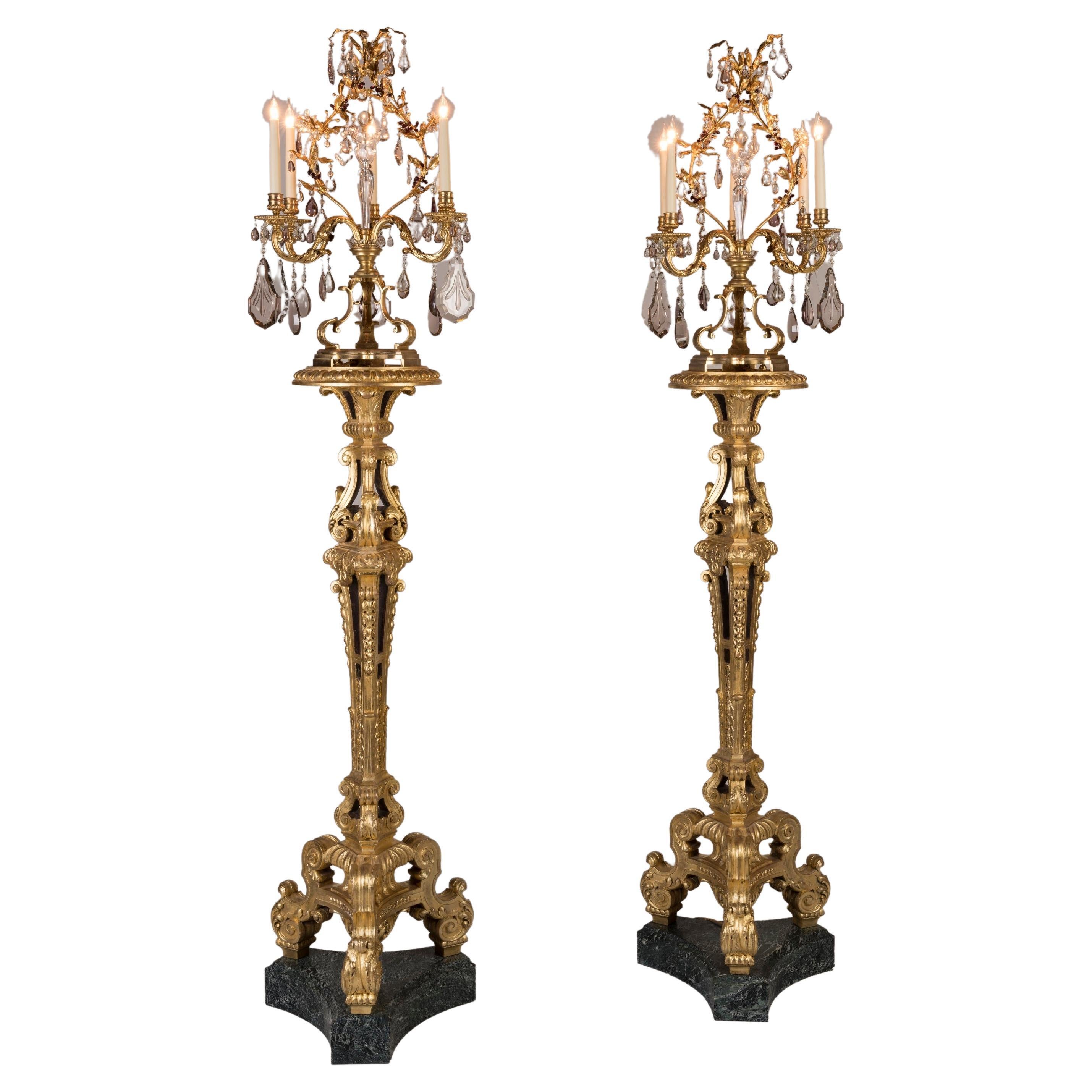
Antique 19th Century English Baroque Revival Floor Lamps
Crystal, Ormolu
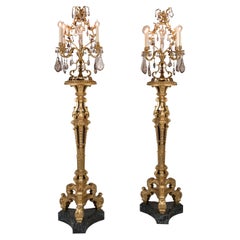
Antique 19th Century French Neoclassical Table Lamps
Rock Crystal, Marble, Bronze
Antique 1840s American Gothic Table Lamps
Bronze
Antique Mid-19th Century French Rococo Candelabras
Bronze
Read More
Exquisite Sèvres Porcelain Brings More to the Table than Dishes
The elegant ceramics represent the best of French artistry and innovation.
What Is Ormolu, and Why Are We Talking about It?
This golden material glamorized neoclassical furnishings and transformed upper-crust sitting rooms from France to Philadelphia in the 18th and early 19th centuries.