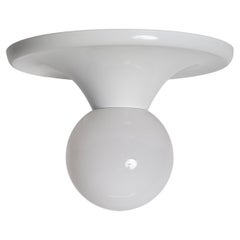
Items Similar to Light Ball wall lamp by Achille Castiglioni for Flos, 1960s Italy
Want more images or videos?
Request additional images or videos from the seller
1 of 10
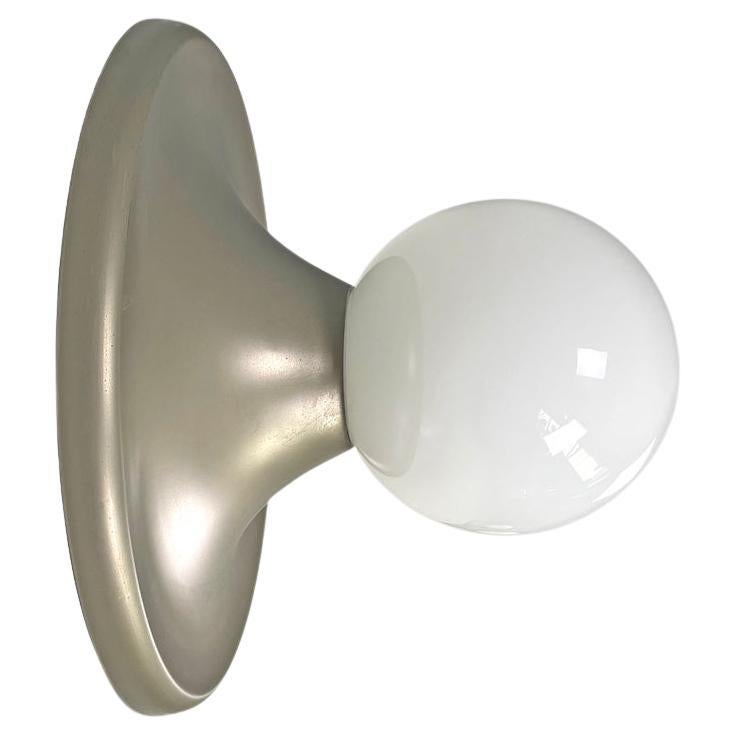
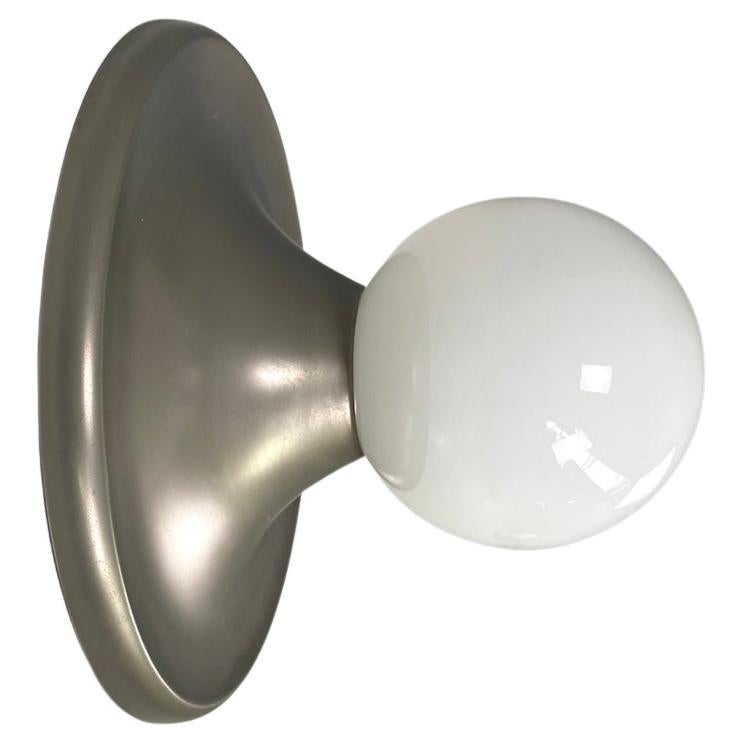
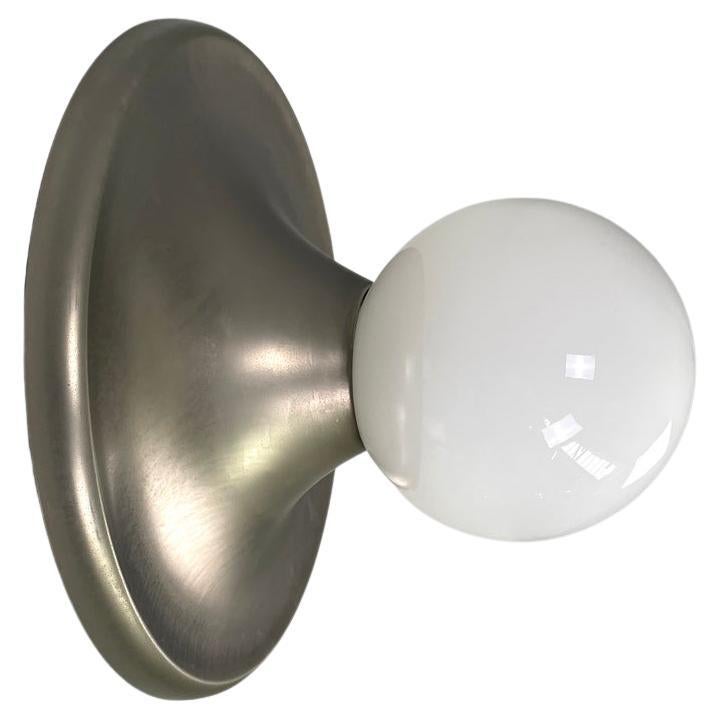
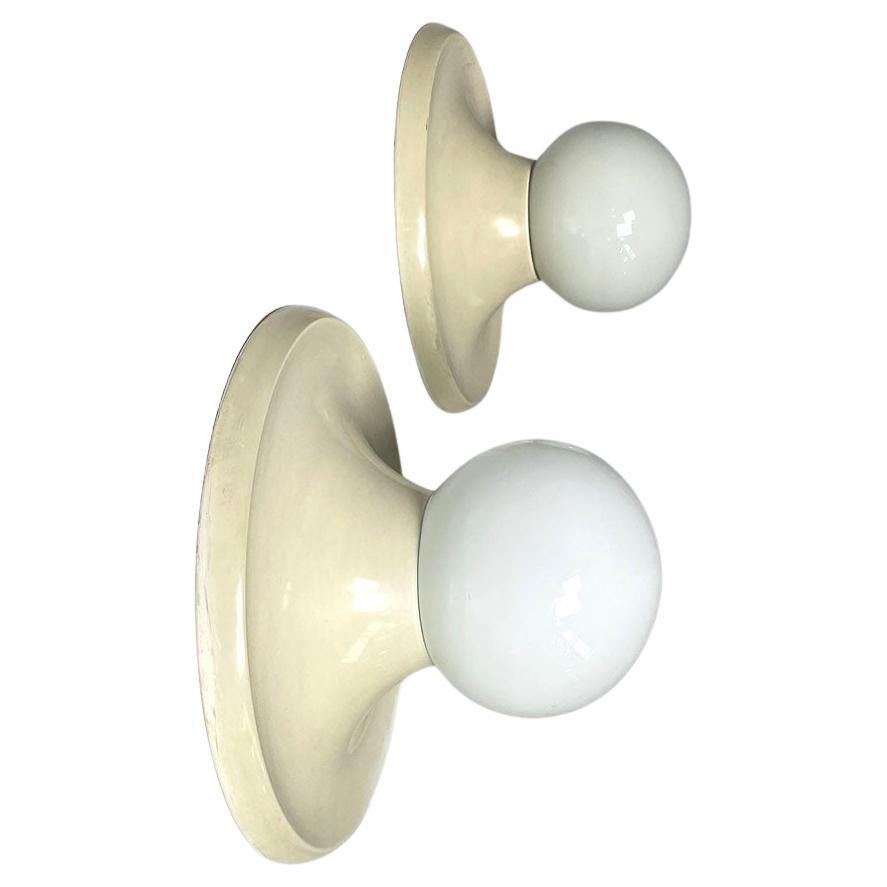
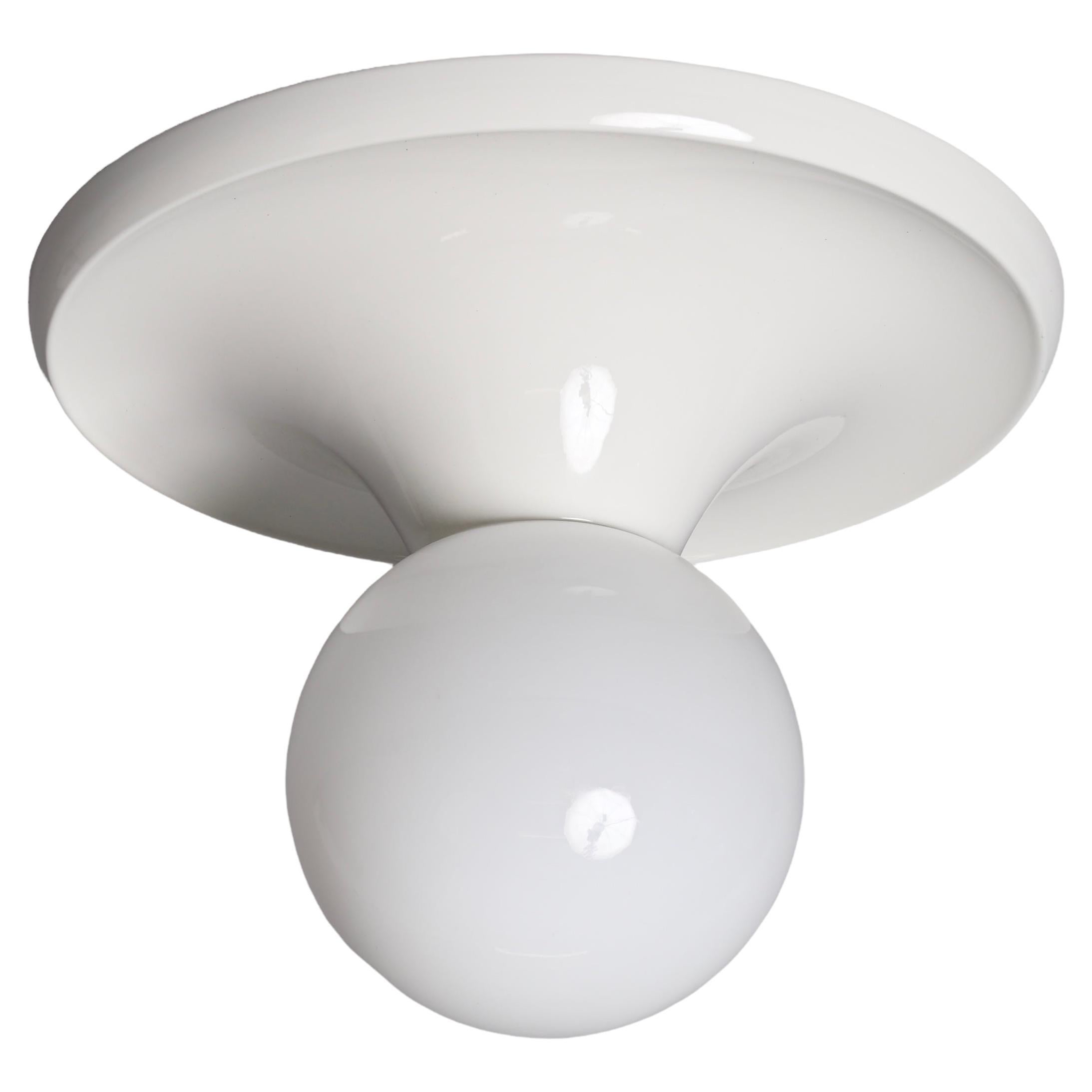
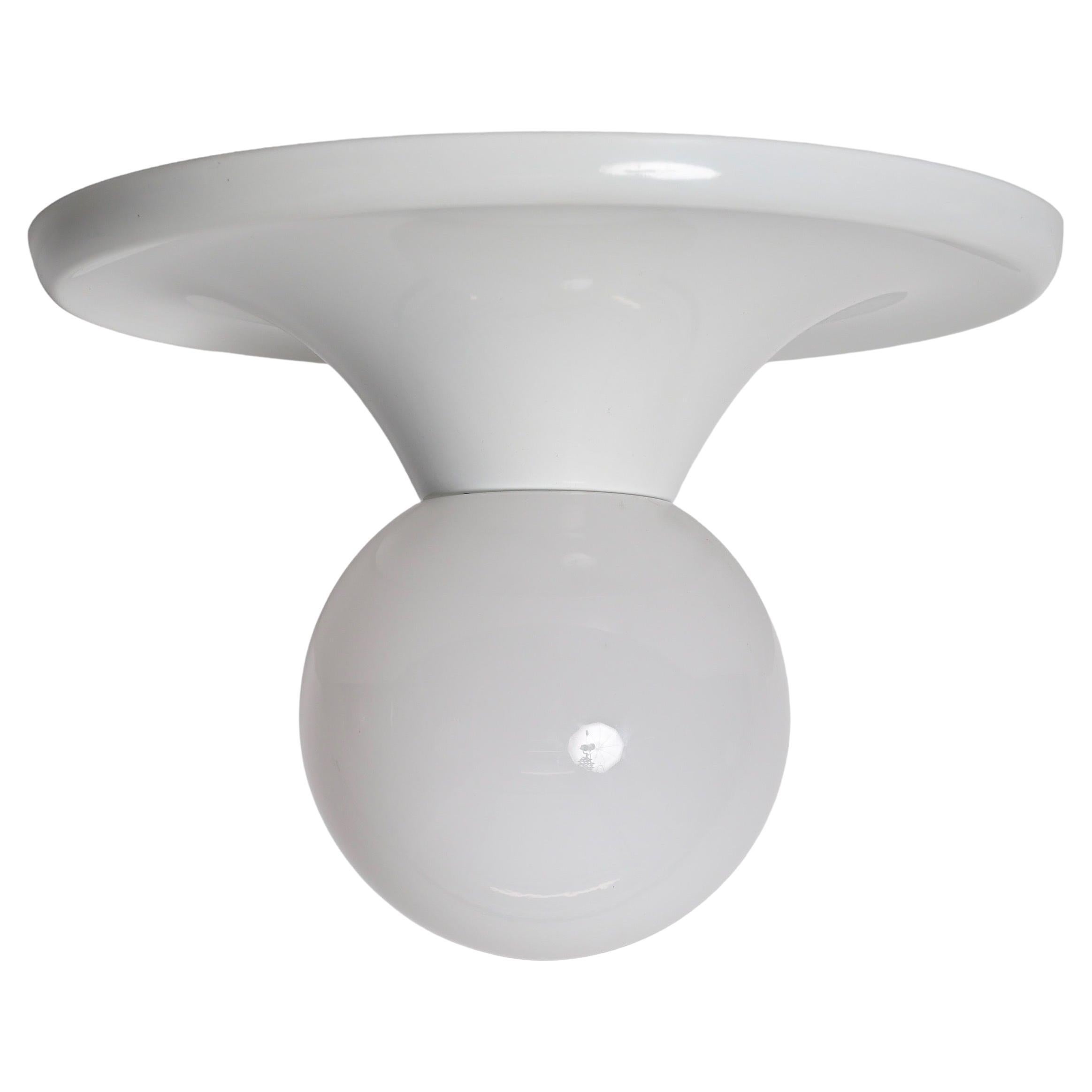
Light Ball wall lamp by Achille Castiglioni for Flos, 1960s Italy
$1,017.15
£759.70
€850
CA$1,401.30
A$1,527.18
CHF 808.71
MX$18,342.99
NOK 10,238.39
SEK 9,413.19
DKK 6,475.53
About the Item
Light Ball wall lamp by Achille Castiglioni for Flos, 1960s Italy
- Dimensions:Height: 6.89 in (17.5 cm)Diameter: 9.65 in (24.5 cm)
- Power Source:Hardwired
- Voltage:220-240v
- Lampshade:Included
- Style:Mid-Century Modern (Of the Period)
- Materials and Techniques:
- Place of Origin:
- Period:
- Date of Manufacture:1970
- Condition:Wear consistent with age and use.
- Seller Location:Delft, NL
- Reference Number:1stDibs: LU6333247879962
About the Seller
5.0
Vetted Professional Seller
Every seller passes strict standards for authenticity and reliability
1stDibs seller since 2022
85 sales on 1stDibs
Typical response time: 3 hours
- ShippingRetrieving quote...Shipping from: Delft, Netherlands
- Return Policy
More From This Seller
View AllVintage Honsel leuchten wall lamp sconce , 1970s
By Honsel
Located in Delft, NL
Vintage Honsel leuchten wall lamp sconce , 1970s
Category
Vintage 1970s German Mid-Century Modern Wall Lights and Sconces
Materials
Metal
German Glass 961 Ceiling or Wall Lamp by Wilhelm Wagenfeld for Lindner
Located in Delft, NL
German midcentury glass 961 ceiling or wall lamp by Wilhelm Wagenfeld for Lindner, 1950s.
Category
Vintage 1950s German Mid-Century Modern Wall Lights and Sconces
Materials
Porcelain, Glass
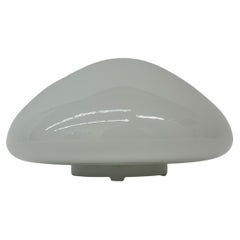
Mid - century design Flos Flush mount , 1970
s Italy
By Flos
Located in Delft, NL
Minimalist style Flos ceiling or wall lamp , 1970's
Category
Vintage 1970s Italian Space Age Flush Mount
Materials
Metal
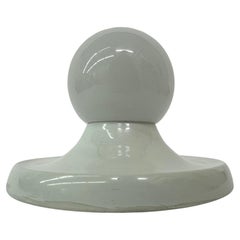
Dijkstra Eclipse Wall Lamp, 1960s
By Dijkstra
Located in Delft, NL
Designer: Dijkstra
Producer: Dijkstra, Haarlem
Year of design: 1960s
Country: Netherlands
Materials: Metal
Dimensions: H 18 x D 26 cm
Condition: Good.
Category
Vintage 1960s Dutch Mid-Century Modern Wall Lights and Sconces
Materials
Metal
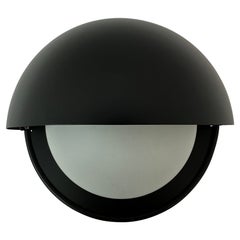
Space age Erco ceiling lamp , 1970’s
By ERCO Leuchten
Located in Delft, NL
Space age Erco ceiling lamp , 1970’s
Category
Vintage 1970s German Mid-Century Modern Flush Mount
Materials
Glass
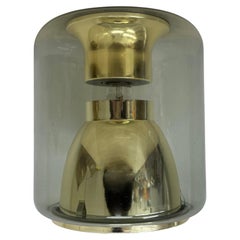
Hillebrand Sputnik Ceiling lamp flush mount , 1970s
By Hillebrand
Located in Delft, NL
Hillebrand Sputnik Ceiling lamp flush mount , 1970s
Category
Vintage 1970s German Mid-Century Modern Flush Mount
Materials
Metal
You May Also Like
Italian mid-century modern wall lamp Light Ball by Castiglioni for Flos, 1960s
By Achille
Pier Giacomo Castiglioni, Flos
Located in MIlano, IT
Italian mid-century modern matte metal wall lamp Light Ball by Achille and Pier Giacomo Castiglioni for Flos, 1960s
Wall or ceiling lamp model Light Ball with spherical diffuser in ...
Category
Vintage 1960s Italian Mid-Century Modern Wall Lights and Sconces
Materials
Metal
Italian mid-century modern wall lamp Light Ball by Castiglioni for Flos, 1960s
By Achille
Pier Giacomo Castiglioni, Flos
Located in MIlano, IT
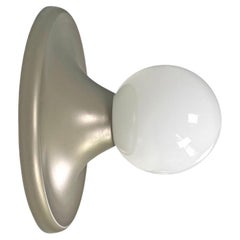
Wall or ceiling lamp model Light Ball with spherical diffuser in opaline glass. The round-based structure is matte metal.
Produced by Flos in 1960s and designed by Achille and Pier G...
Category
Vintage 1960s Italian Mid-Century Modern Wall Lights and Sconces
Materials
Metal
Italian mid-century modern Wall lamp Light Ball by Castiglioni for Flos, 1960s
By Achille
Pier Giacomo Castiglioni, Flos
Located in MIlano, IT
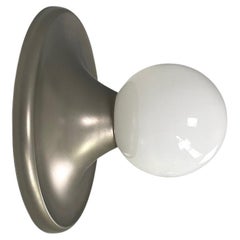
Italian mid-century modern matte metal wall lamp Light Ball by Achille and Pier Giacomo Castiglioni for Flos, 1960s
Wall or ceiling lamp model Light Ball with spherical diffuser in ...
Category
Vintage 1960s Italian Mid-Century Modern Wall Lights and Sconces
Materials
Metal
Italian mid-century modern wall lamp Light Ball by Castiglioni for Flos, 1960s
By Achille
Pier Giacomo Castiglioni, Flos
Located in MIlano, IT
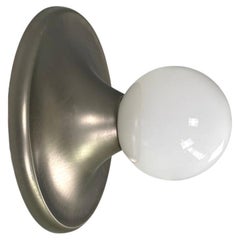
Italian mid-century modern wall lamp Light Ball by Castiglioni for Flos, 1960s
Pair of wall or ceiling lights mod. Light Ball with spherical opal glass diffuser. The round base struc...
Category
Vintage 1960s Italian Mid-Century Modern Wall Lights and Sconces
Materials
Metal
Castiglioni Midcentury Metal "Light Ball" Italian Sconce for Flos, 1960s
By Achille
Pier Giacomo Castiglioni, Flos
Located in Roma, IT
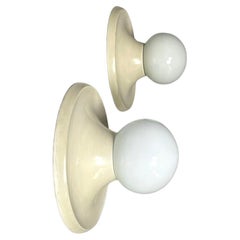
Incredible mid-century "Light Ball large size" applique in smatised ivory metal and opal glass for Flos. This fantastic lamp was designed by Achille Castiglioni and produced in Italy for Flos in the 1960s.
This fantastic light is unique because of the materials, made of ivory white enameled metal and opal glass.
Requires an E27 bulb.
A fantastic piece that will grace a mid-century living room or bathroom.
Measures (cms):
diameter - 42
height - 31
Literature: Casa Amica, 27 June 1972, p. 105 Octagon 30 September 1973, p. 149 Sergio Polano, Achille Castiglioni all the works, Electa, Milano, 2001, p. 224 Giuliana Gramigna, repertoire 1950-2000, Allemandi, Torino, 2003, p. 121.
The beginnings of Flos (meaning “flower” in Latin) blossomed from a brilliant idea: to create objects, starting with a light bulb, that would change the way of life for both the Italian market and the foreign markets.
Dino Gavina and the small Eisenkeil manufacturing facility in Merano, had already been creating furniture alongside design masters such as Achille and Pier Giacomo Castiglioni, Afra and Tobia Scarpa. But by the early 1960s, Gavina became convinced the time had come to create new lamps.
Using the same technology – conceived in the USA and tested at Eisenkeil – used for the Cocoon lampthe Castiglioni brothers and the Scarpa duo began creating lamps such as the Taraxacum or the Fantasma, with many other beautiful and surprising lamps to follow.
And so, from day one, Flos was already reinventing the idea of artificial lighting.
Achille Castiglioni (born February 16, 1918, Milan–died December 2, 2002, Milan) was a prolific furniture, lighting, and product Italian designer renown for his ironic, joyful, creative and functional designs that, at times, intersected with ideas explored by conceptual artists.
Achille Castiglioni was born into a family with deep appreciation for the arts, as he was the third son of sculptor and coin engraver Giannino Castiglioni and his wife Livia Bolla. He first studied the classics at the Liceo Classico Giuseppe Parini, but then switched to study art at the Accademia di Belle Arti di Brera in Milan. In 1937, he decided to follow the steps of his two elder brothers, architects Livio and Pier Giacomo Castiglioni, by enrolling in the Faculty of Architecture at the Politecnico di Milano, graduating in 1944–after having to interrupt his studies when he was stationed in Greece and Sicily during World War II.
In 1944, immediately after graduating, Achille Castiglioni joined his brothers Livio and Pier Giacomo in the design studio that they had founded with Livio’s classmate Luigi Caccia Dominioni in 1937 in Milan. Fortunately for Achille, from the very beginning Livio and Pier Giacomo decided to focus almost entirely on designing exhibitions, furniture, housewares, and appliances since architectural commissions were difficult to come by during the war. This product-design focus, and the deep fraternal bound among the three brothers, would later allow the young Achille to experiment early in his career with emerging techniques and new materials that could communicate a fresh aesthetic sensibility suited for the positive outlook of the post-war European market.
The Castiglioni brothers’ important collaboration with Phonola and Brionvega
In 1940, Pier Giacomo Castiglioni, Livio Castiglioni, and Luigi Caccia Dominioni, in collaboration withe the Phonola company, presented in the VII Triennale di Milano (Milan Triennial), titled Exhibition of the Radio, a research study of radio devices that included the Fimi Phonola 547 radio, the first radio encased in Bakelite instead of wood. Shortly after the exhibition, Luigi Caccia Dominioni suspended his professional activity to serve in the military during World War II and left the studio.
The development of the FImi Phonola 547 radio would prove fruitful for the three brothers, as it allowed Livio Castiglioni to cement his role as the leading design consultant for Phonola from 1940 until 1960, and for Brionvega, from 1960 until 1964. These relationships brought in further collaboration among the three brothers, and would eventually result in several designs for radio and sound appliances with innovative materials and shapes for which Achille Castiglioni played a key role, such as the RR 226 stereo system for Brinovega (1965), the radio phonograph...
Category
Vintage 1960s Italian Mid-Century Modern Flush Mount
Materials
Metal
Castiglioni Metal "Light Ball" Italian Sconce for Arteluce and Flos, 1960s
By Flos, Arteluce, Achille Castiglioni
Located in Roma, IT
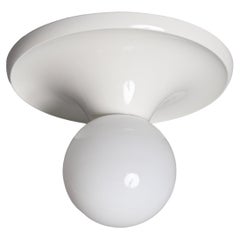
Incredibly rare first edition of the famous "Light Ball" applique by Castiglioni in white metal and opal glass. This fantastic lamp was designed by Castiglioni for Arteluce and produced in Italy by Flos in the 1960s.
This fantastic lamp was designed by Castiglioni for Arteluce and produced in Italy by Flos in the 1960s.
This fantastic light is unique because of the materials, made of white enameled metal and opal glass. It can be mounted on the wall or on the ceiling.
The wall light has been tested, it uses an E27 light bulb. It is signed on the backplate by both Arteluce and Flos.
A fantastic piece that will grace a mid-century living room or bathroom.
Measures (cms):
diameter - 42
height - 32
Literature: Casa Amica, 27 June 1972, p. 105 Octagon 30 September 1973, p. 149 Sergio Polano, Achille Castiglioni all the works, Electa, Milano, 2001, p. 224 Giuliana Gramigna, repertoire 1950-2000, Allemandi, Torino, 2003, p. 121.
The beginnings of Flos (meaning “flower” in Latin) blossomed from a brilliant idea: to create objects, starting with a light bulb, that would change the way of life for both the Italian market and the foreign markets.
Dino Gavina and the small Eisenkeil manufacturing facility in Merano, had already been creating furniture alongside design masters such as Achille and Pier Giacomo Castiglioni, Afra and Tobia Scarpa. But by the early 1960s, Gavina became convinced the time had come to create new lamps.
Using the same technology – conceived in the USA and tested at Eisenkeil – used for the Cocoon lampthe Castiglioni brothers and the Scarpa duo began creating lamps such as the Taraxacum or the Fantasma, with many other beautiful and surprising lamps to follow.
And so, from day one, Flos was already reinventing the idea of artificial lighting.
Achille Castiglioni (born February 16, 1918, Milan–died December 2, 2002, Milan) was a prolific furniture, lighting, and product Italian designer renown for his ironic, joyful, creative and functional designs that, at times, intersected with ideas explored by conceptual artists.
Achille Castiglioni was born into a family with deep appreciation for the arts, as he was the third son of sculptor and coin engraver Giannino Castiglioni and his wife Livia Bolla. He first studied the classics at the Liceo Classico Giuseppe Parini, but then switched to study art at the Accademia di Belle Arti di Brera in Milan. In 1937, he decided to follow the steps of his two elder brothers, architects Livio and Pier Giacomo Castiglioni, by enrolling in the Faculty of Architecture at the Politecnico di Milano, graduating in 1944–after having to interrupt his studies when he was stationed in Greece and Sicily during World War II.
In 1944, immediately after graduating, Achille Castiglioni joined his brothers Livio and Pier Giacomo in the design studio that they had founded with Livio’s classmate Luigi Caccia Dominioni in 1937 in Milan. Fortunately for Achille, from the very beginning Livio and Pier Giacomo decided to focus almost entirely on designing exhibitions, furniture, housewares, and appliances since architectural commissions were difficult to come by during the war. This product-design focus, and the deep fraternal bound among the three brothers, would later allow the young Achille to experiment early in his career with emerging techniques and new materials that could communicate a fresh aesthetic sensibility suited for the positive outlook of the post-war European market.
The Castiglioni brothers’ important collaboration with Phonola and Brionvega
In 1940, Pier Giacomo Castiglioni, Livio Castiglioni, and Luigi Caccia Dominioni, in collaboration withe the Phonola company, presented in the VII Triennale di Milano (Milan Triennial), titled Exhibition of the Radio, a research study of radio devices that included the Fimi Phonola 547 radio, the first radio encased in Bakelite instead of wood. Shortly after the exhibition, Luigi Caccia Dominioni suspended his professional activity to serve in the military during World War II and left the studio.
The development of the FImi Phonola 547 radio would prove fruitful for the three brothers, as it allowed Livio Castiglioni to cement his role as the leading design consultant for Phonola from 1940 until 1960, and for Brionvega, from 1960 until 1964. These relationships brought in further collaboration among the three brothers, and would eventually result in several designs for radio and sound appliances with innovative materials and shapes for which Achille Castiglioni played a key role, such as the RR 226 stereo system for Brinovega (1965), the radio phonograph RR 126 for Brinovega (1965), and the radio and record player RR 128 for Brionvega (1966)
In 1952, Livio decided to build his own practice, independent from Achille and Pier Giacomo, to pursue a deeper exploration of radio waves, music, and technology. But the three brothers would continued to collaborate closely in several projects, and the partnership between Achille and Pier Giacomo became so tight that from 1952 until 1968, when Pier Giacomo died, they co-authored most of their designs.
Achille Castiglioni Long Career as Light Designer
During this period, the Castiglioni brothers participated in the Italian Exhibition of Furniture (RIMA), where they successfully introduced a series of curved-plywood furniture, and presented important designs, such as the Tubino lamp (1949), originally produced by Italian light maker Arteluce from 1949 until 1974, and reintroduced by FLOS since the late 1970s; and the Luminator lamp (1955), originally produced by Gilardi & Barzaghi, but reintroduced by FLOS in the late 1960s.
A new, successful, and long-lasting collaboration developed in 1960, when Pier Giacomo and Achille Castiglioni were reached by entrepreneurial Italian designer Dino Gavina and business man Arturo Eisenkeil with the idea to create a completely new kind of lighting fixtures utilizing a polyamide. The material, which they called “cocoon,” in the hands of the Castiglioni brothers would become a popular and iconic innovation in the 1960s and serve as the successful foundation of Italian lighting company FLOS–founded by Gavina and Eisenkeil in 1962.
Pier Giacomo and Achille Castiglioni designed a series of “cocoon” lights utilizing the spray-on polyamide plastic as a coating layer onto a metal frame. Among the most popular Castiglioni “cocoon” lights are: the Taraxacum and the Viscontea ceiling lamps (1960), and the Gatto table lamp (1961).
Other of the important lamp designs by Pier Giacomo and Achille Castiglioni for FLOS are the Beehive -or Splügen Braü lamp (1961), Toio –or Toy lamp...
Category
Vintage 1960s Italian Mid-Century Modern Flush Mount
Materials
Metal